-
-
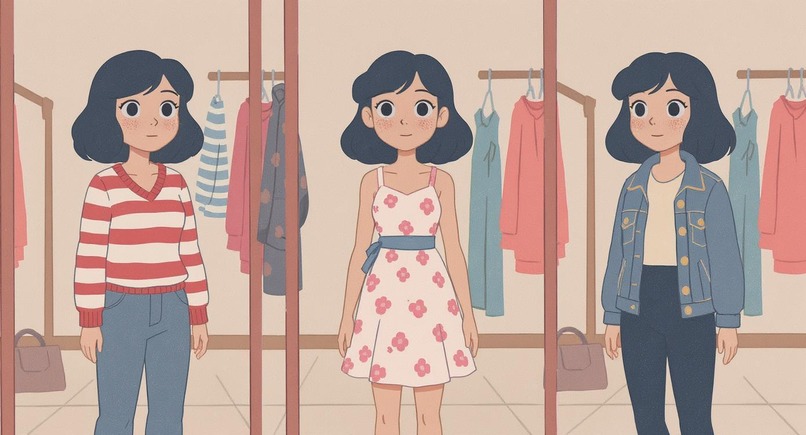
Character Styling
-
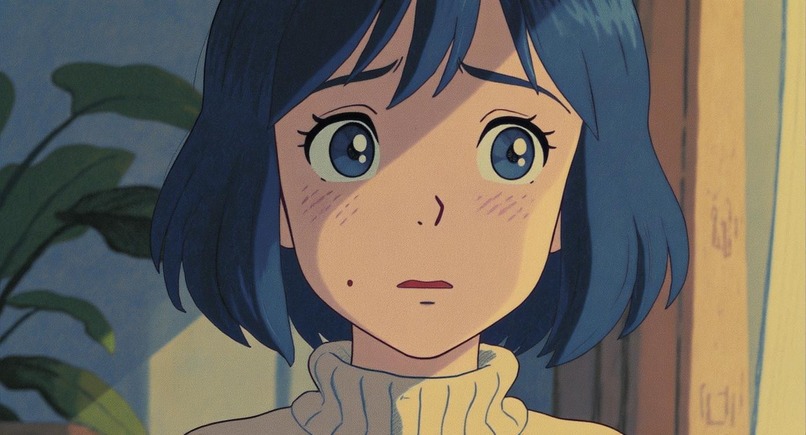
Character Intro
-

Character Movement
-
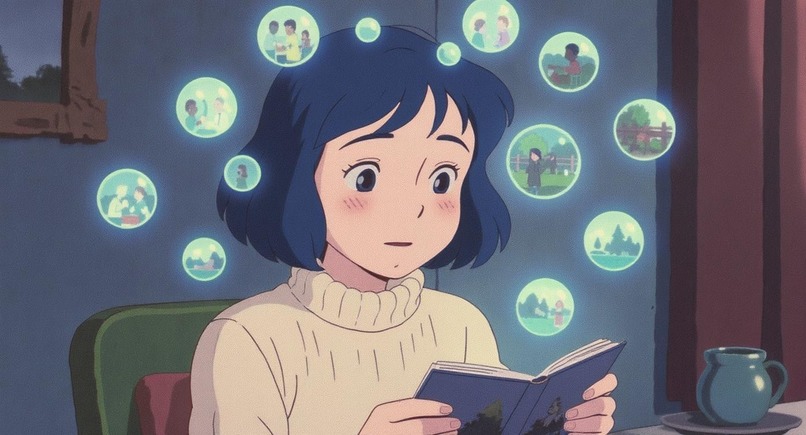
Character Scene Experiment
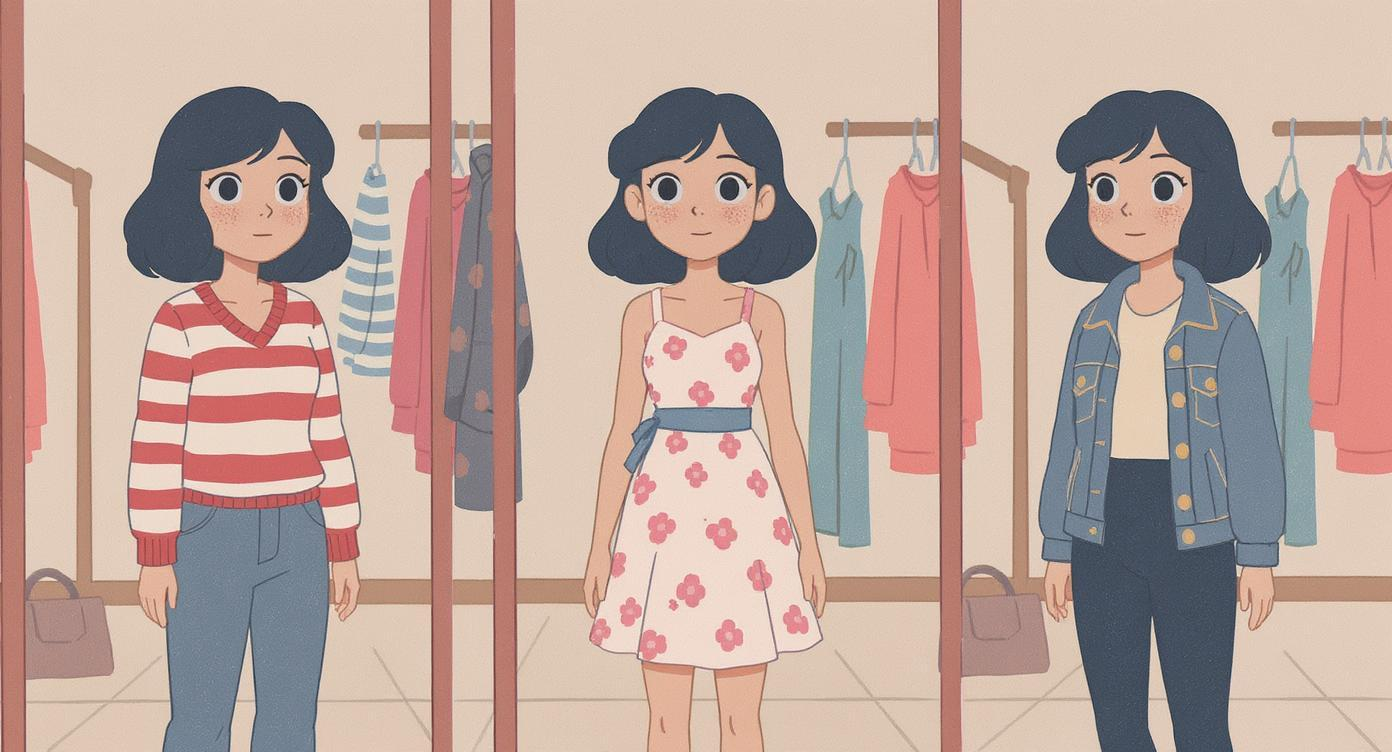


Inspiration
Lost in the Concrete Jungle was born from a deeply personal experience: What does it mean to feel both invisible and infinite in a crowded urban city?
The song follows a protagonist's journey through various experiences in an urban setting and likens it to the challenge and adventure of being a fish and navigating upstream. In a bustling city, it's easy to follow and conform, and choosing your own path feels like swimming against a current. Yet that resistance is where growth happens. The fish that swims upstream isn't confused; it's determined.
The recurring line "Don't know what I'm doing" became a mantra during creation. It's the internal voice we all have when navigating unfamiliar territory be it new careers, new cities, or new versions of ourselves. The "small fish swimming upstream" metaphor resonated powerfully.
This track is part of my Bossa Nova x Lofi project that explores the use of bilingual languages to express various concepts through music, while capturing the subtleties of context that each language affords.
What It Does
The video takes listeners on an emotional journey through an urban disorientation and self-discovery, structured in three movements: an introduction, curiosity and navigation, and finally acceptance and flight.
Musically, it blends: Bossa nova guitar patterns with jazz-influenced chord progressions and rap-flow verses (in Chinese). Lyrically, it code-switches between Chinese introspection and English universal statements, creating a sonic representation of the bicultural urban experience.
How I Built It
- Music composition with Suno AI.
- Lyrical composition with Claude Sonnet 4.5 on Perplexity.
- Storyboard to sound mapping was done using Perplexity.
- Visual production was done using Lovart, and created mainly on the Flux model.
- Animation was done with Wan, using Wavespeed AI
- Post-production was done with CapCut
Challenges I Ran Into
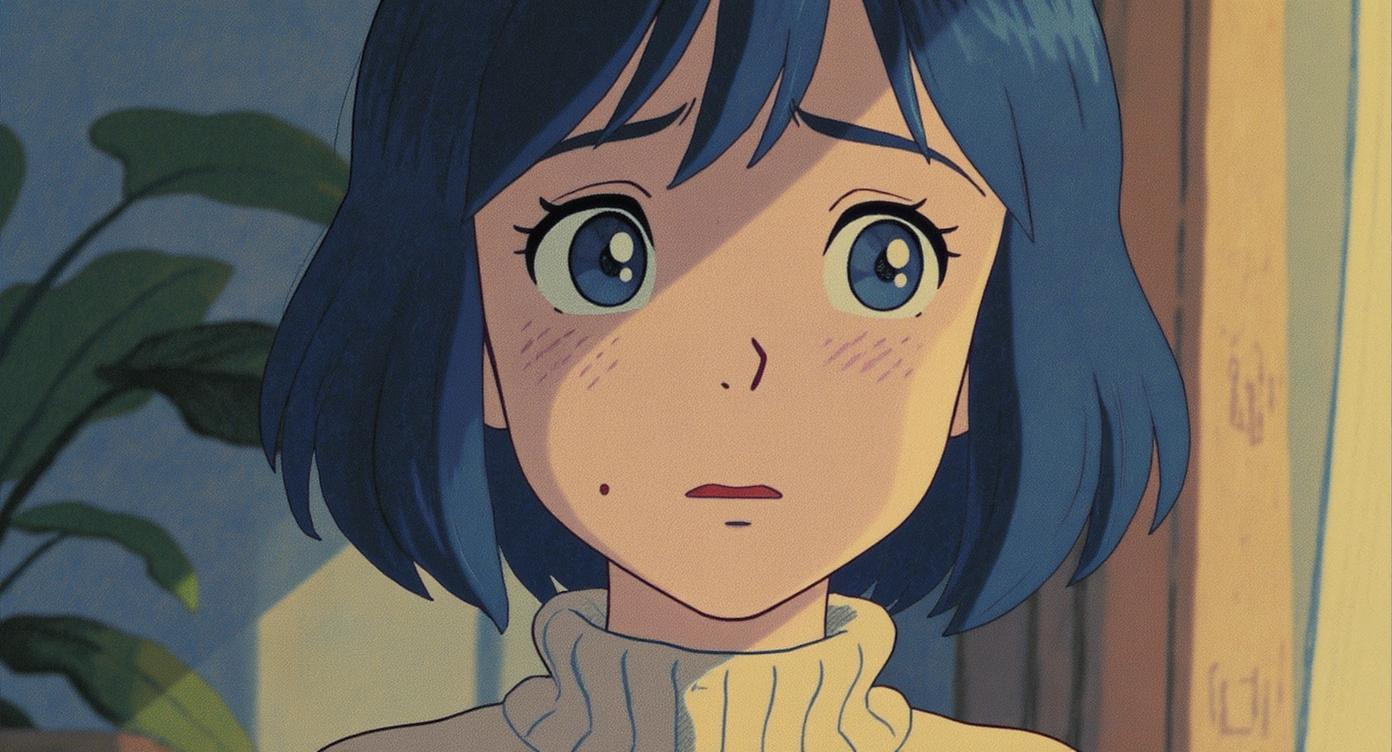
Challenge 1: Avoiding "City Cliché" Tropes I didn't want another urban loneliness song, with mellow imagery e.g. rain on windows, generic skylines, melancholy piano. That's why I opted to use the anime style, an animated illustration style to make it more fun and lively.
Challenge 2: Using A New AI Tool (Lovart) I wanted to explore what Lovart can do in generating consistent scenes, given that all scenes were generated in the same context window. The result were alright for the first 20 scenes but style consistency starts to fall after that. I had to restart the scene generation process with scene uploads to get it to follow the exact style I want. That said, this challenge will no longer be a challenge since Nanobanana came out and it has great character and style consistency.
Accomplishments That I'm Proud Of
Musical Achievement: Genre Fusion That Actually Works
Bossa nova + lofi + rap is an unusual combination, but it works because each element serves the narrative:
- Bossa nova = sophistication + nostalgia
- Lofi = intimacy + vulnerability
- Rap flow = urban energy + stream-of-consciousness The result feels fresh without being gimmicky.
Lyrical Achievement: Authentic Bilingual Voice
Rather than forcing translation equivalence, we let each language do what it does best. Chinese carries the narrative detail; English delivers emotional gut-punches. This creates a listening experience that rewards both monolingual and bilingual audiences differently.
Visual Achievement: Consistent Style and Colour
Every video creation is an opportunity to test out new tools and new workflow, and this did just that allowing me to test out the benefits and constraints of Lovart. And also the style of video that is possible (or not) on Wan.
What I Learned
Working with Suno, Lovart, and Wan is a familiar yet new process. Typically, I'll have used Midjourney and animated on Kling, but the availability of new tools and new capabilities is something creators should keep up with. While I didn't feel the constraint of the video generation quality during the creation process, tools like Veo3.1, Sora2, and newer models that are available today make me feel like this video is inadequate and I can do so much better with newer models today. That said, it's a reminder that this space is constantly improving and we can strive to create even more works that we're proud of.
Making this song reminded us of its own message. We didn't have a perfect blueprint. We experimented, failed, pivoted, discovered. The creative process mirrored the lyrical content: "Don't know what I'm doing" → keep moving anyway → find beauty in the uncertainty.
What's Next for Lost in the Concrete Jungle
In experimenting with bilingual song compositions, I think there's a lot we can do with languages we're unfamiliar with thanks to AI. As a native Chinese and English bilingual speaker and writer, lyrical composition for this song felt intuitive for me. For other languages that I'm less familiar with, it's essential to bake in an additional step of checking for language nuances.
I aim to eventually produce a full bilingual Chinese-English album, as well as experiment with other languages and song styles.
Ultimately, the song Lost in the Concrete Jungle serves as a gentle reminder for myself and for anyone: it's normal to feel lost in the city (or in life); keep swimming upstream for that's exactly where growth happens.
Built With
- flux
- lovart
- suno
- wan

Log in or sign up for Devpost to join the conversation.