Inspiration
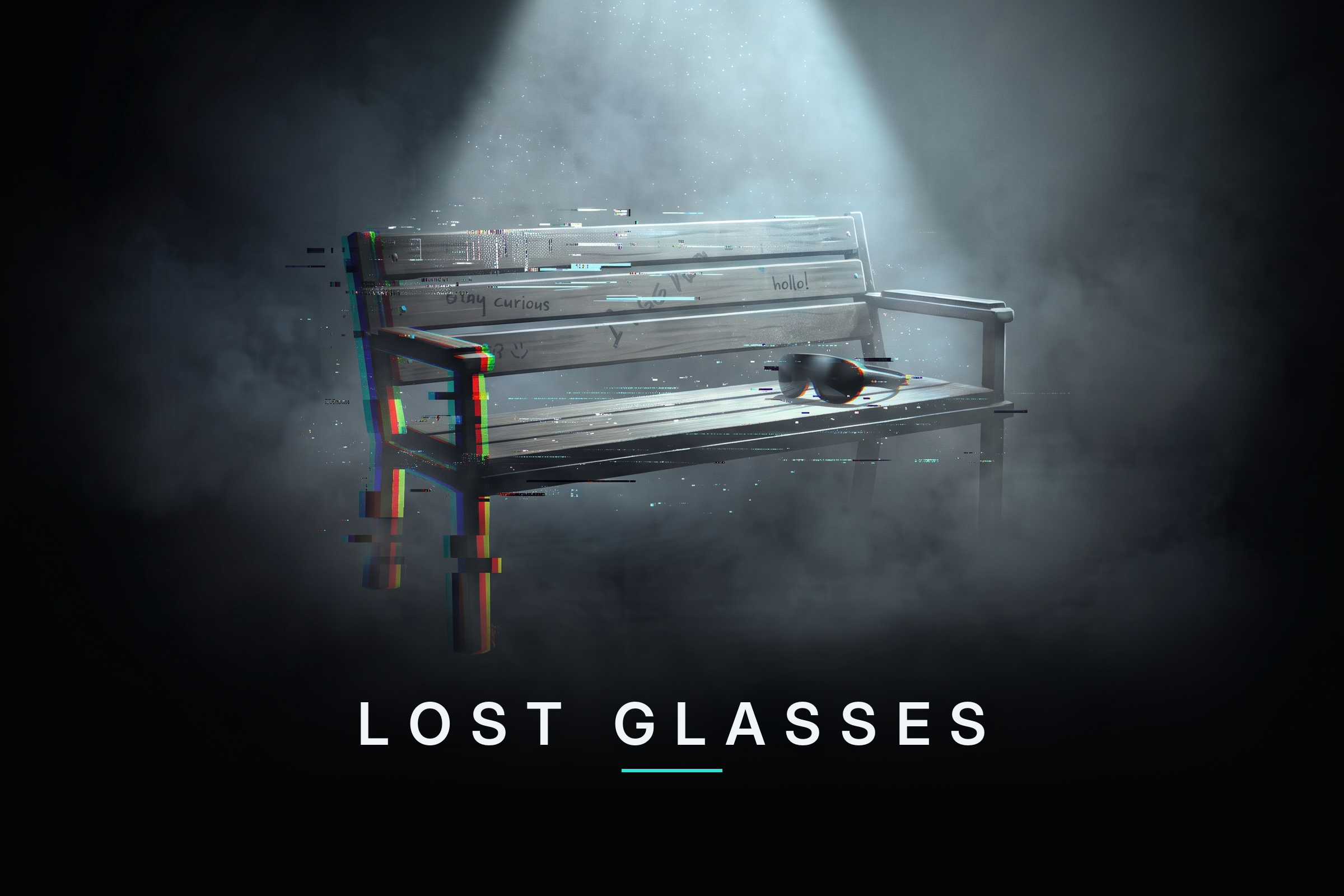
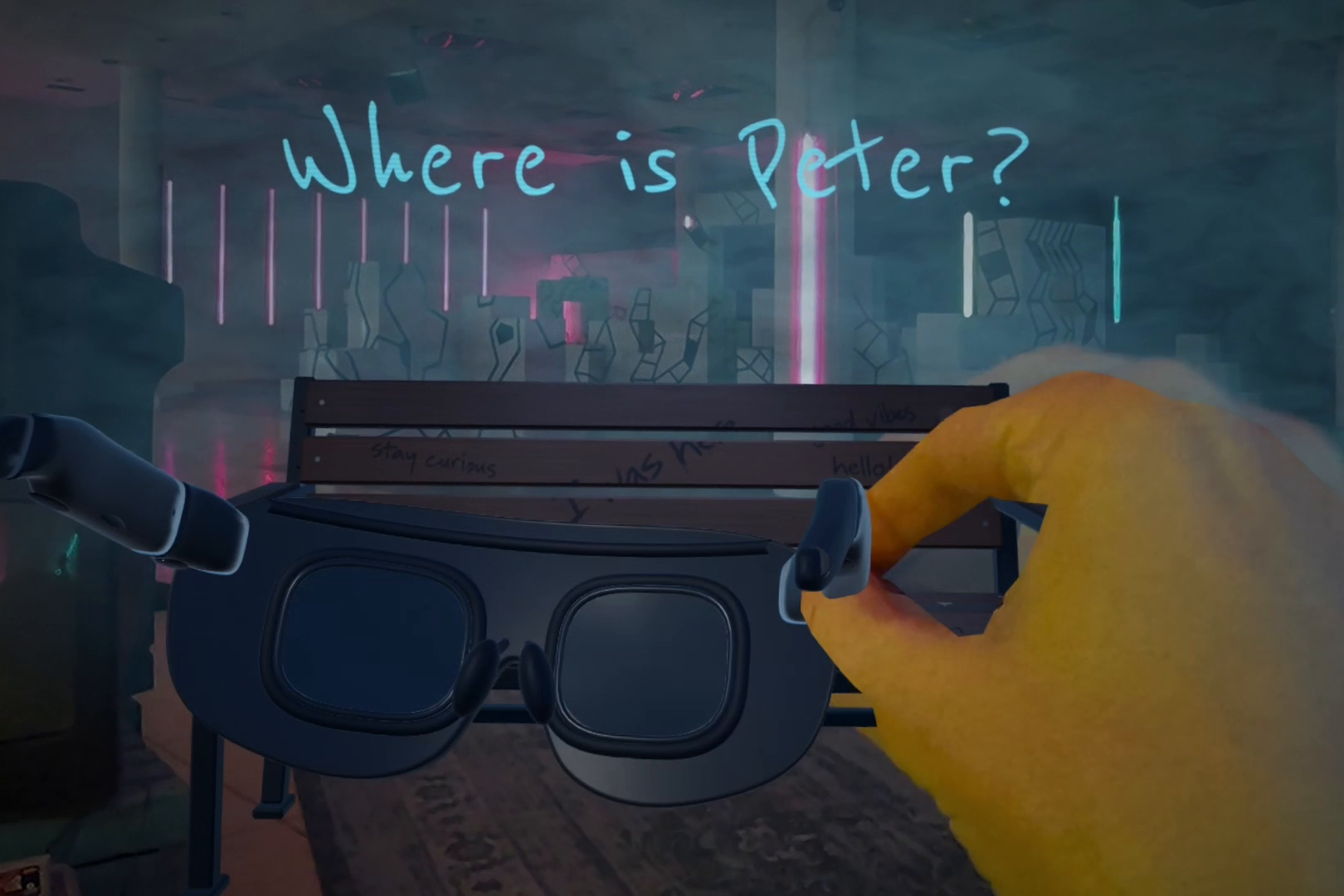
What if you found a pair of VR glasses on a bench and discovered the traces of somebody else's life inside?
Lost Glasses starts with that ordinary moment and turns it into a mystery. The glasses are part of the story: putting them on gives you access to a stranger's messages, apps and memories. What begins as curiosity raises a more personal question: could you become the key to someone's happiness, or is there more to the story?
What it does
Lost Glasses is a narrative mystery experience that combines mixed reality, exploration and puzzle solving. You investigate the digital world left behind by the owner of the glasses and piece together their story.
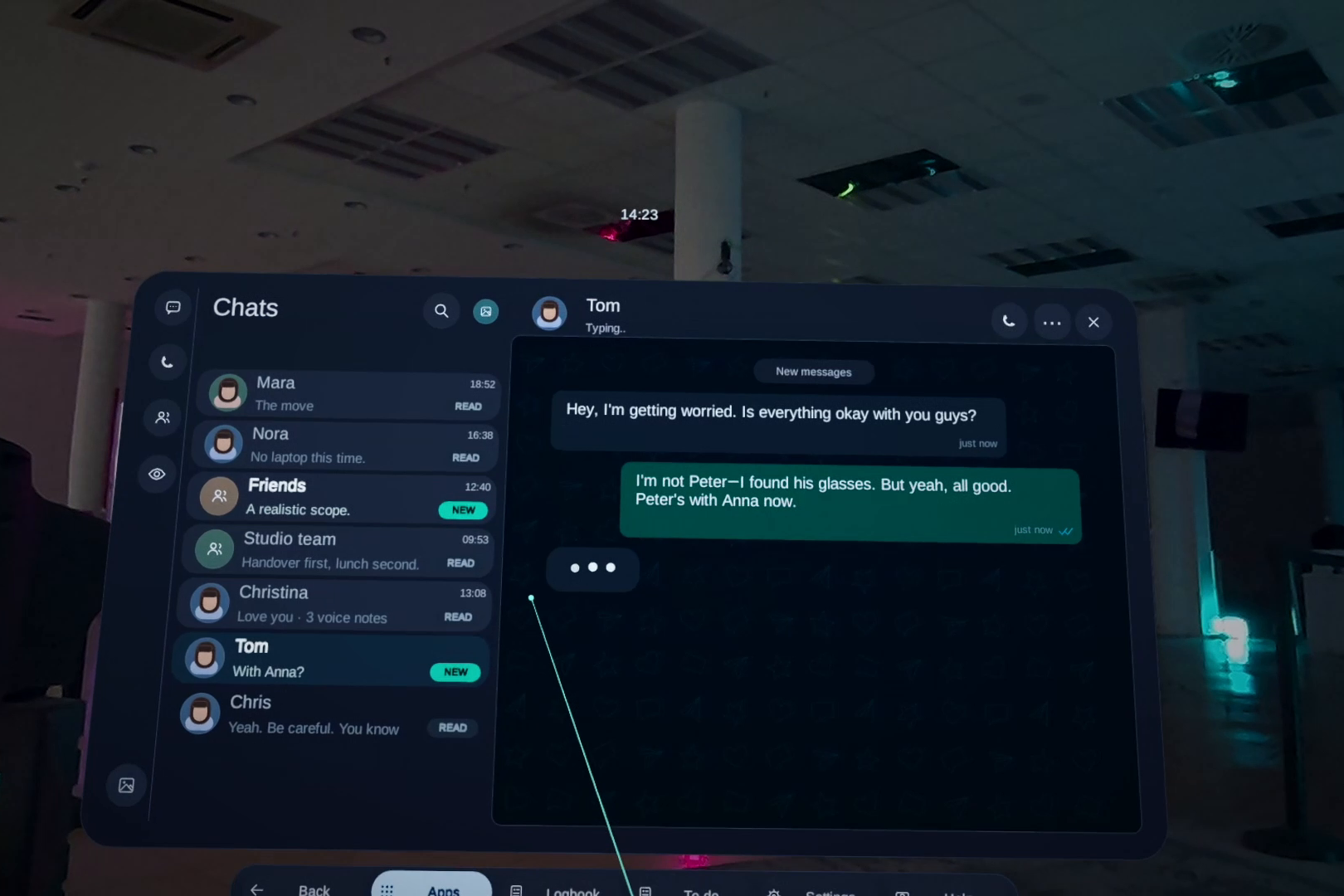
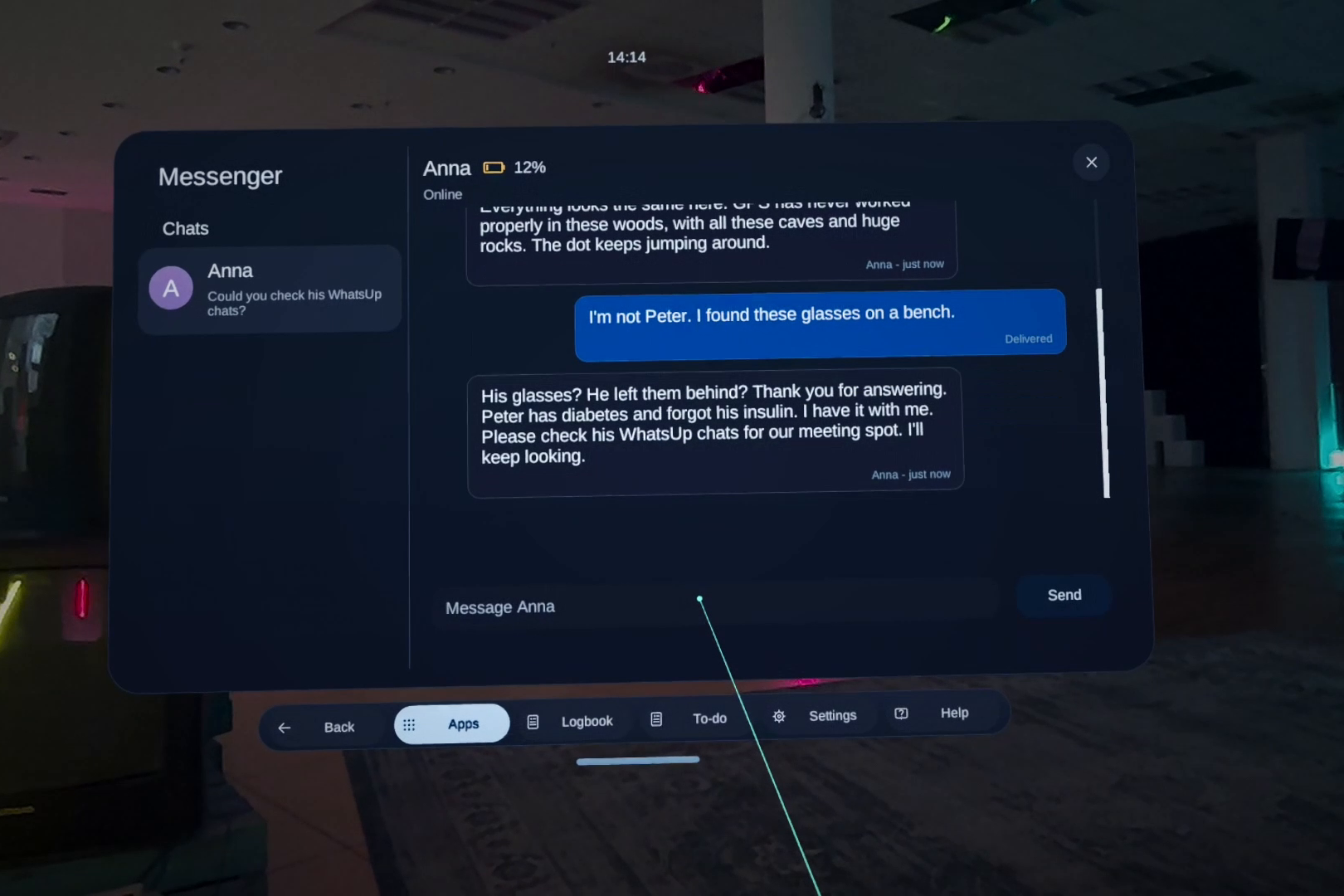
Messages and recordings offer clues. Everyday apps invite you to experiment. Spatial memories bring fragments of the owner's life into view. The experience asks you to look closely, make connections and question your first impressions.
How I built it
I built Lost Glasses in Unity 6 using C#, URP, OpenXR and the Meta XR SDK for standalone Quest. The full experience can be operated with hand tracking, including grabbing, tapping, and both direct and indirect hand interactions.
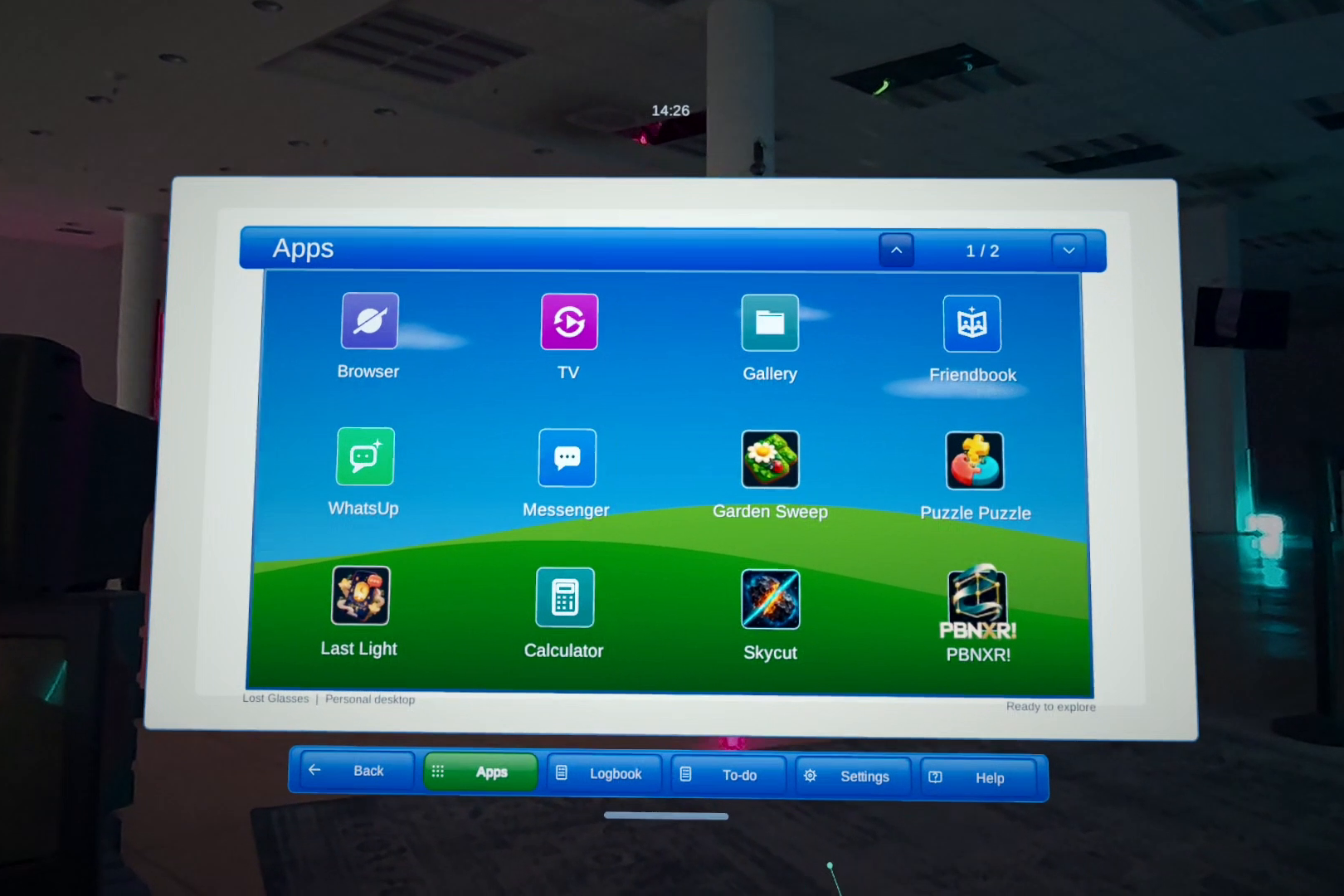
The project brings a fictional personal device into mixed reality. Its interface connects conversations, apps and spatial memory scenes within a shared narrative.
The interface itself is part of the investigation. Exploring an app or reading a conversation is also a way to learn about the person who used the glasses. Moving between familiar digital tools and spatial memories gives the mystery different ways to unfold.
Gaussian splat memories
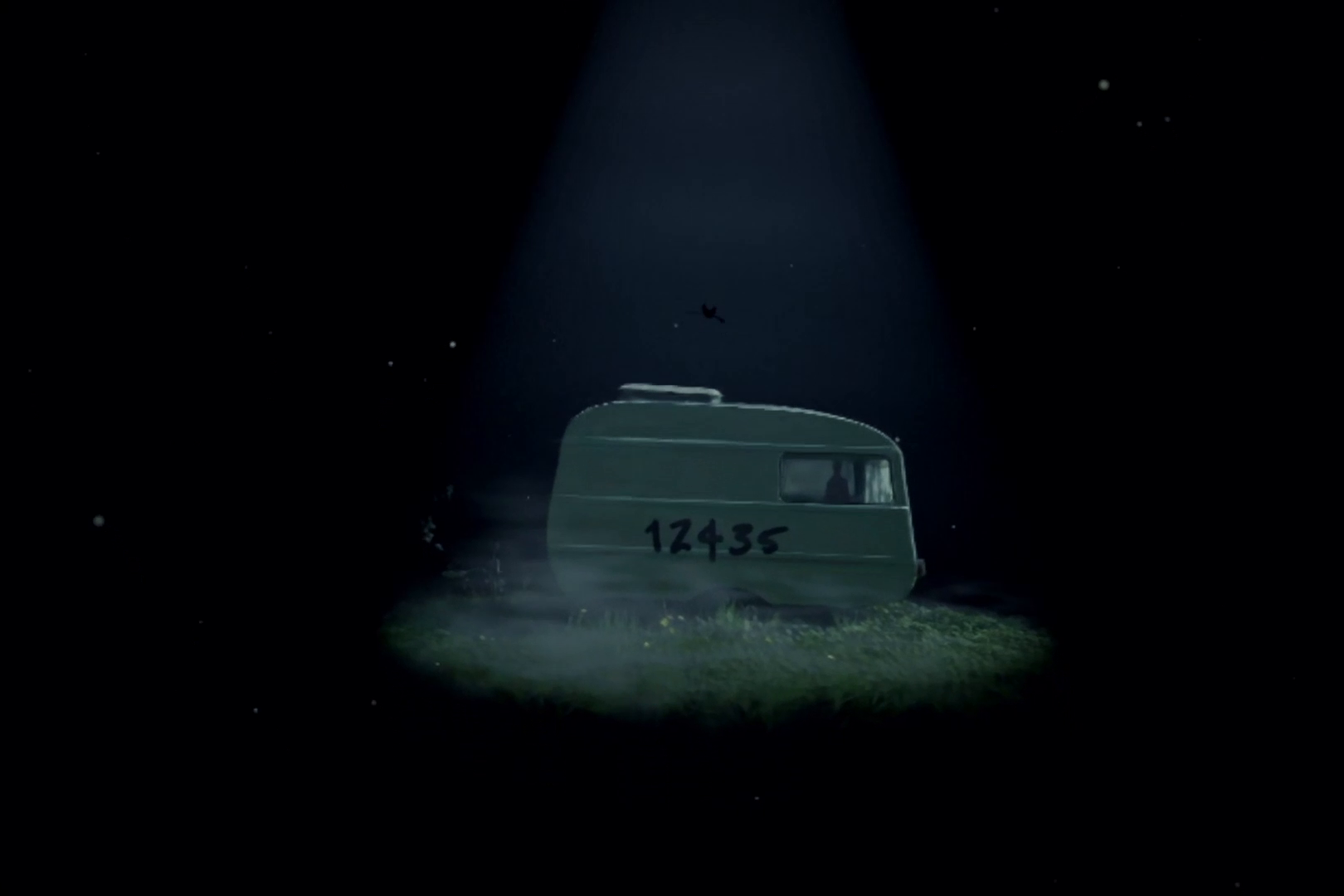
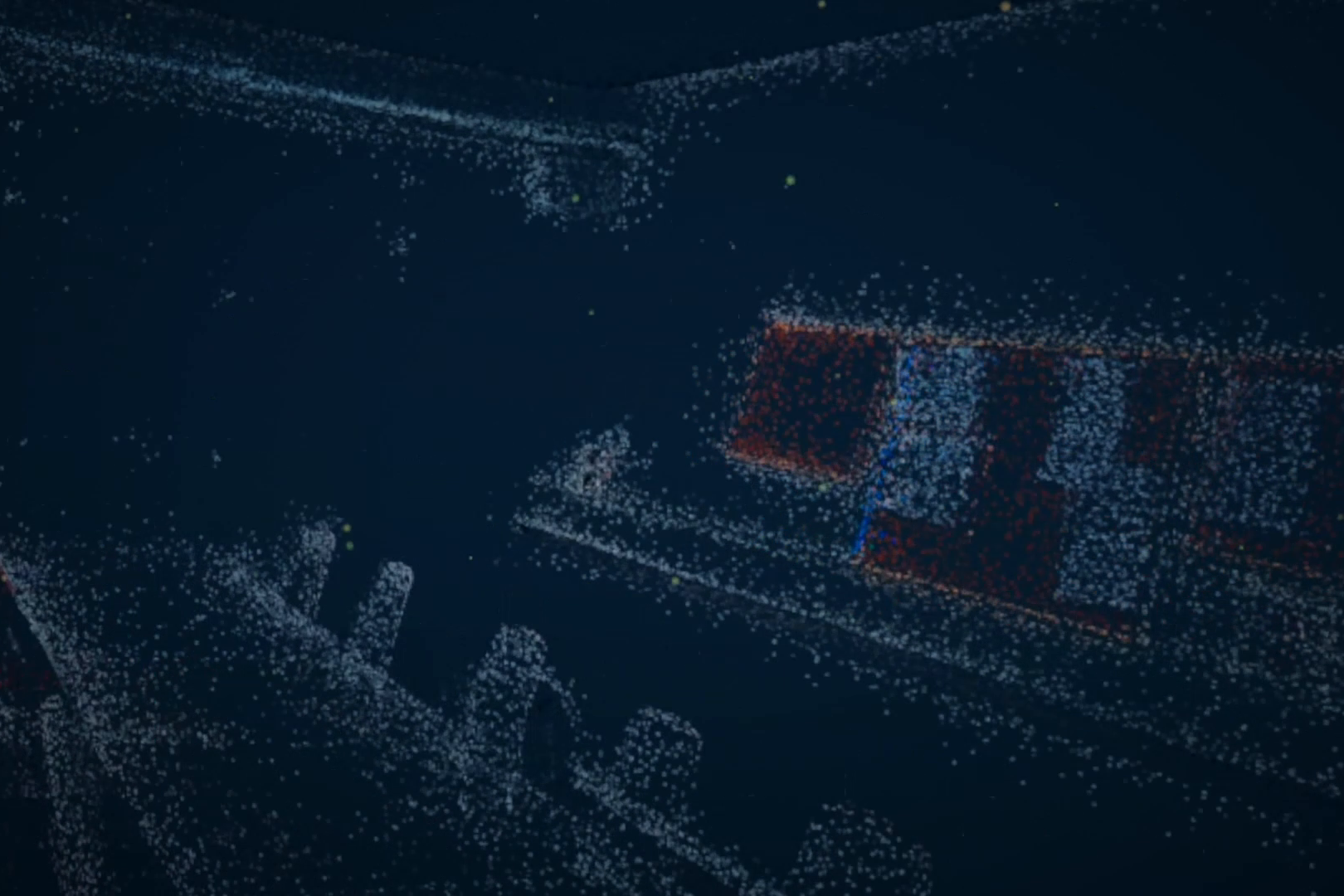
Real locations become explorable memories through 3D Gaussian Splatting. I clean and reduce the source scans, then combine custom shaders, spatial audio and animated transitions to move between passthrough and reconstructed environments. In the nighttime caravan memory, a headlamp reveals the surroundings. A GPU selection system skips spatial groups outside the relevant view and light region before processing individual splats. A bounded active-splat budget, incremental GPU uploads and fixed foveated rendering help make these scenes practical on standalone hardware.
Local AI tools
The AI Tools folder contains two on-device experiments. ChatWithMe runs HuggingFaceTB's SmolLM2-135M-Instruct, a 135-million-parameter language model, quantized to Q4_K_M GGUF through llama.cpp. DrawithMe uses SDXS-512-tinySDdistilled in Q8_0 GGUF format through stable-diffusion.cpp to generate 256 x 256 images, with a progress indicator during generation. Both models are packaged with the app and run locally, without a cloud inference service. Story questions are handled separately using facts the player has already discovered; future story scripts and the ending are not supplied to the language model.
Making the room part of the game
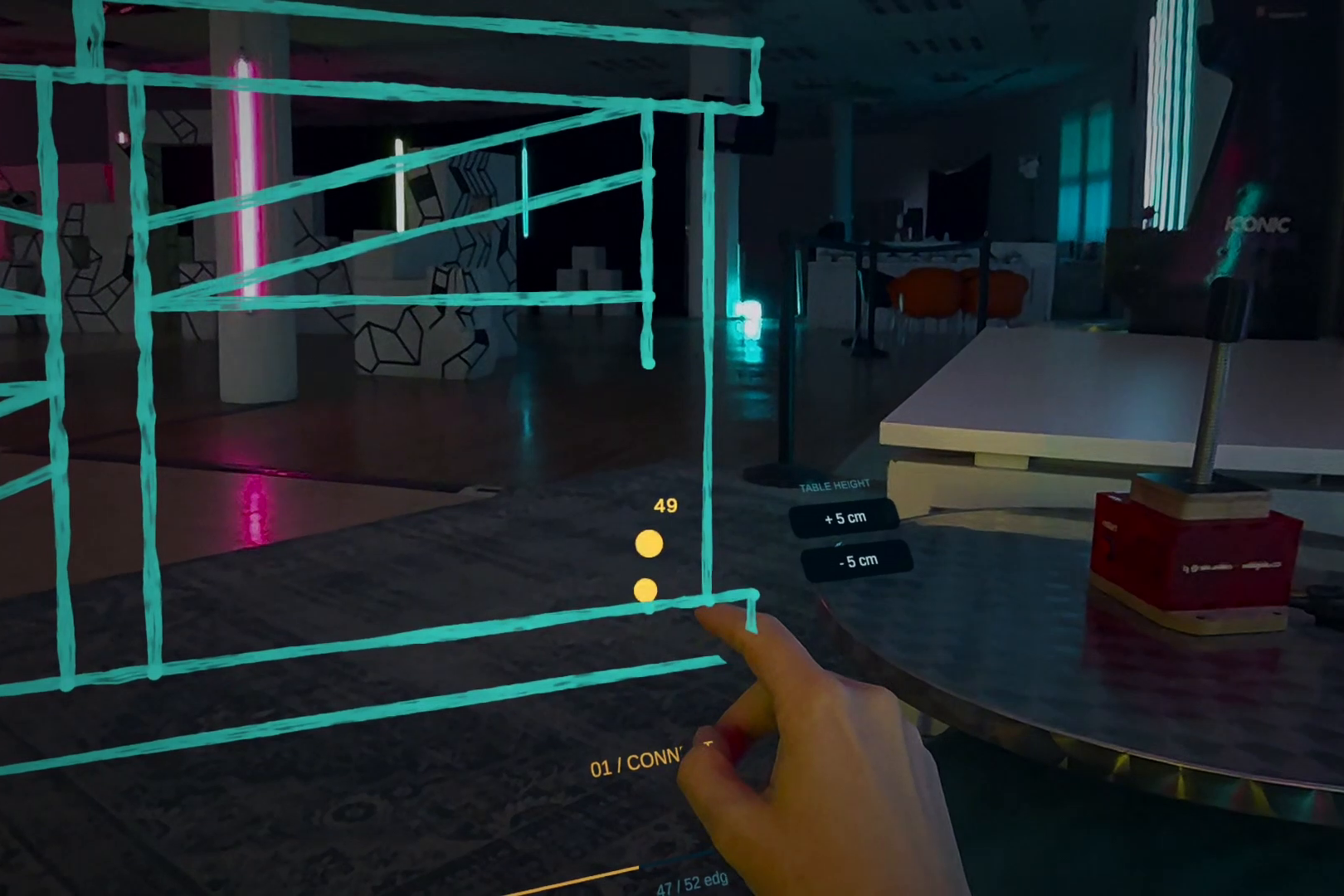
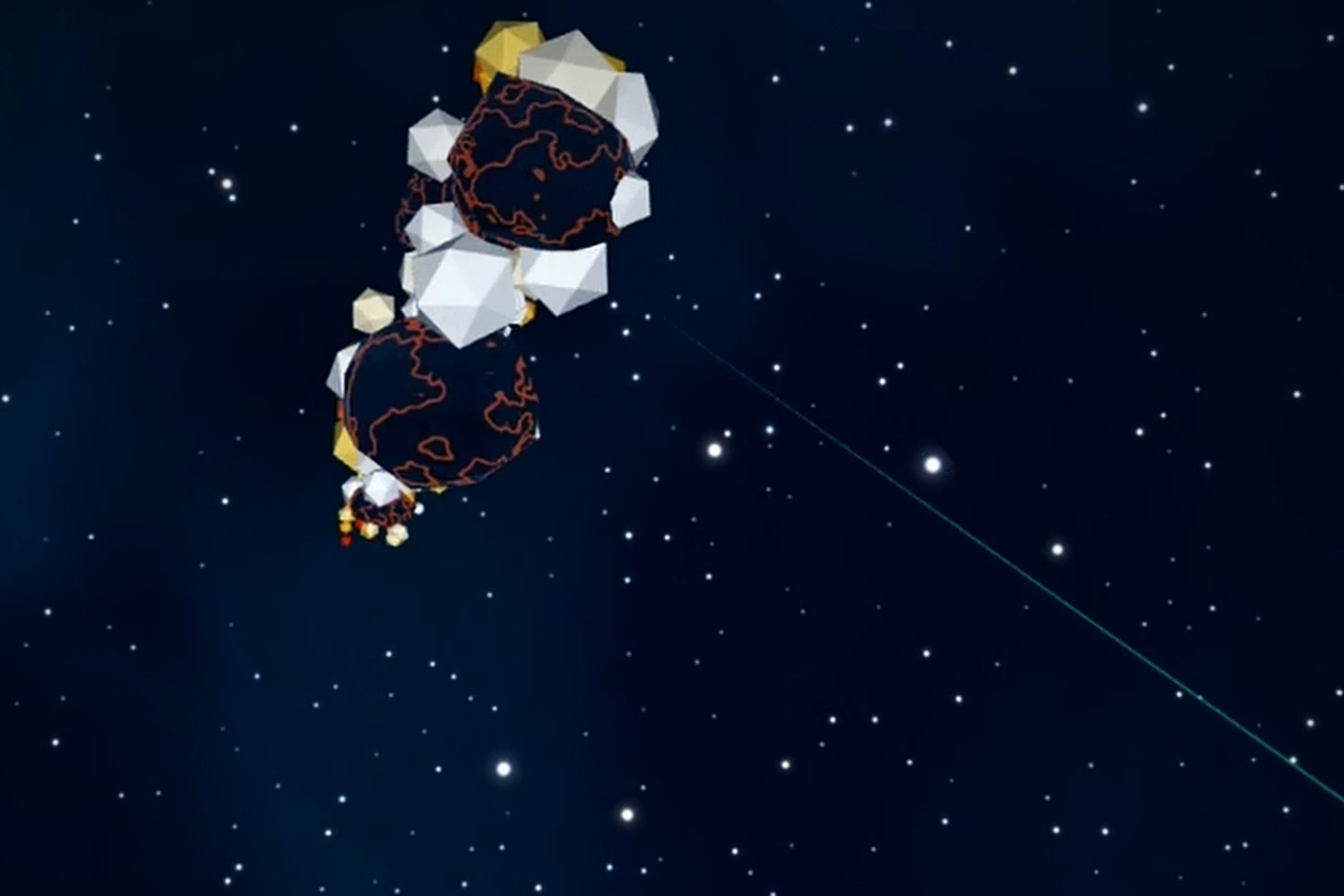
Room-aware mini-games use scanned surfaces as part of the experience. Skycut opens the ceiling into a sky and lets players launch a hand-drawn blade that cuts meteor meshes. Donut Demo combines room geometry, the Passthrough Camera API and GPU deformation to create the illusion of the surrounding room being pulled into a hole. PBNXR! turns fingertip tracing into a 3D bridge reveal, connecting a small creative game with the investigation.
Design challenges
The central design challenge is balancing discovery with clarity. Players need enough guidance to follow the story while still feeling that they are uncovering it themselves.
Another focus is making the different forms of content feel like parts of one person's life. Messages, apps and memories need to support the same mystery, with a consistent interface and a clear sense of progression.
A technical challenge was combining scanned environments, hand interaction and multiple mini-games within the memory and rendering limits of a standalone headset. Quest profiling guided scan cleanup, GPU culling, staged loading and scene-specific rendering settings. The aim was to preserve the atmosphere while reducing stalls when entering and leaving a memory.
What makes Lost Glasses special
The starting point connects the physical act of wearing VR glasses with the fiction of finding someone else's pair. A familiar digital interface becomes a place to explore, while spatial memories add another dimension to the story.
The question is not only who owns the glasses, but how much you can trust the picture of their life that is taking shape.
Lost Glasses. What is real?

