-
-
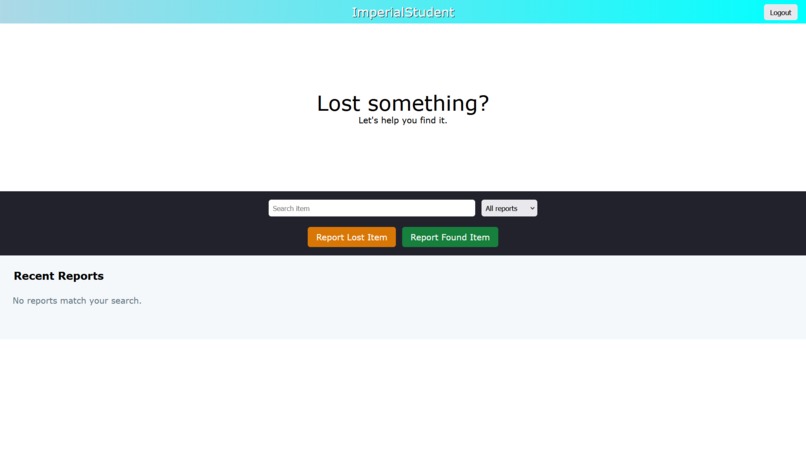
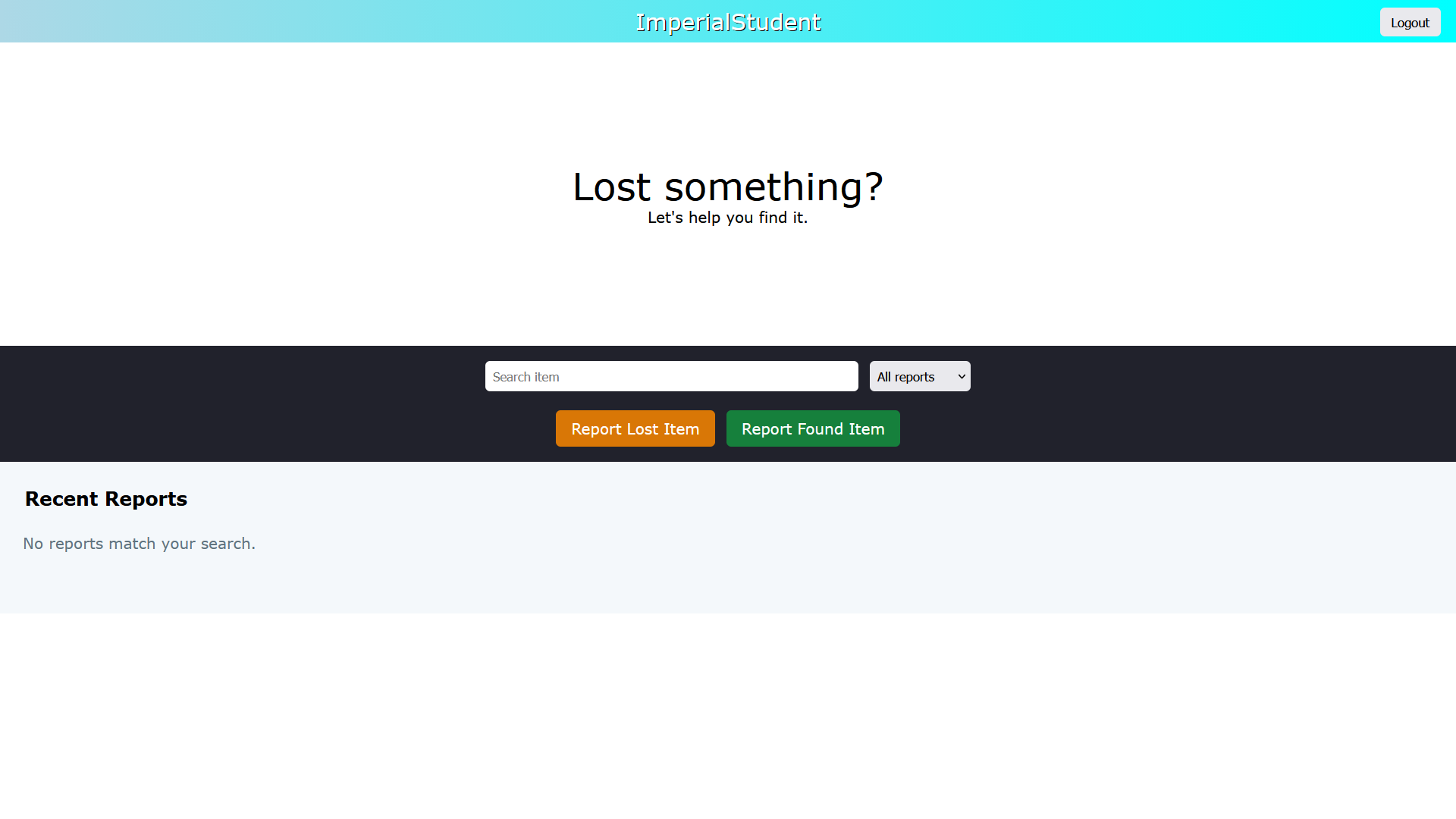
Home Page
-
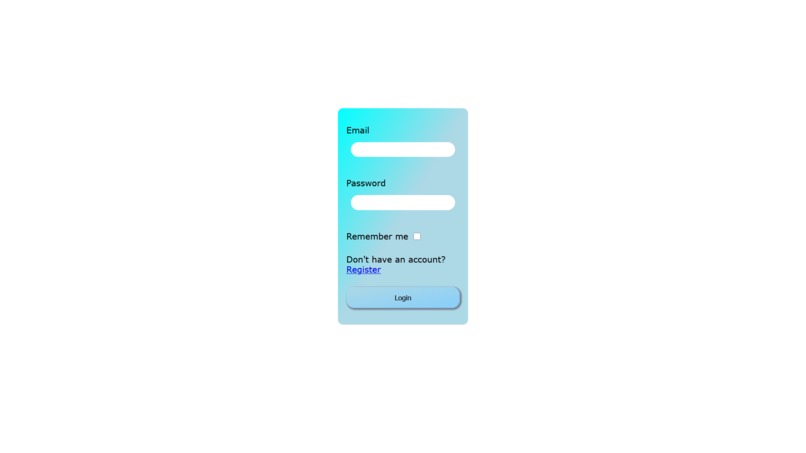
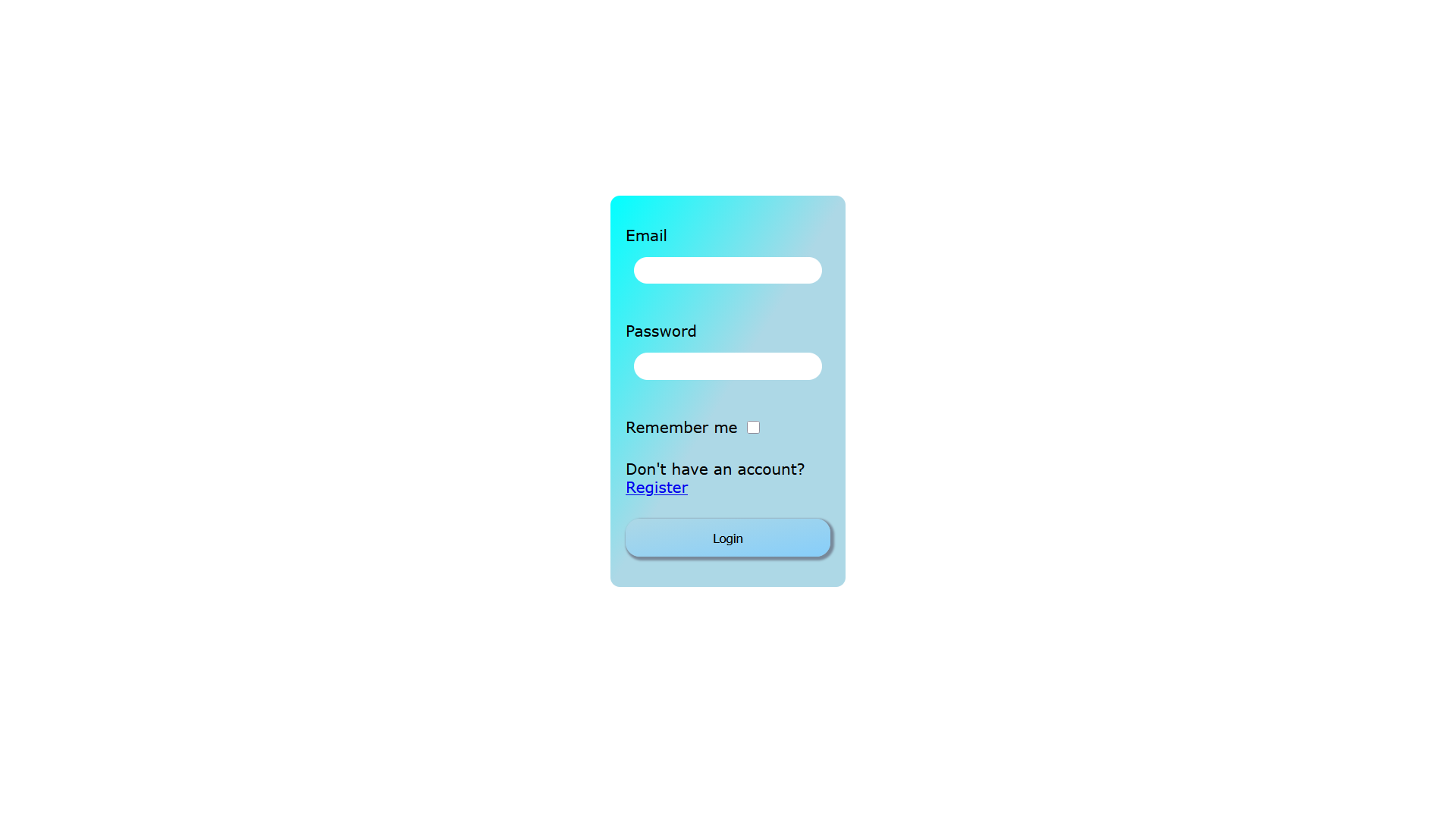
Login Page
-
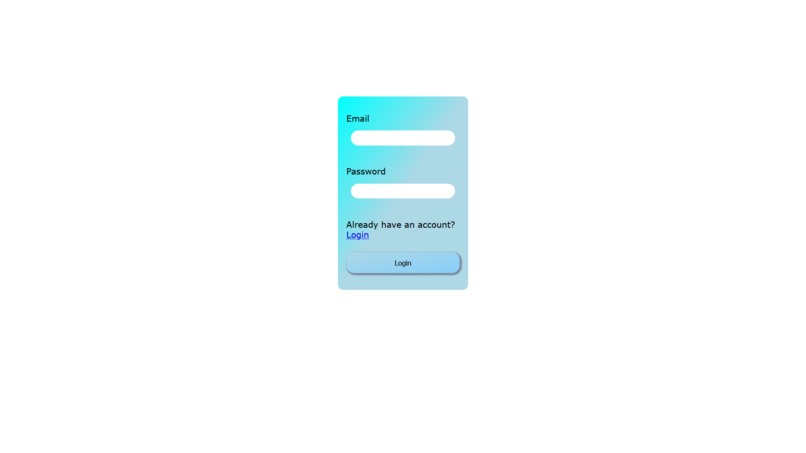
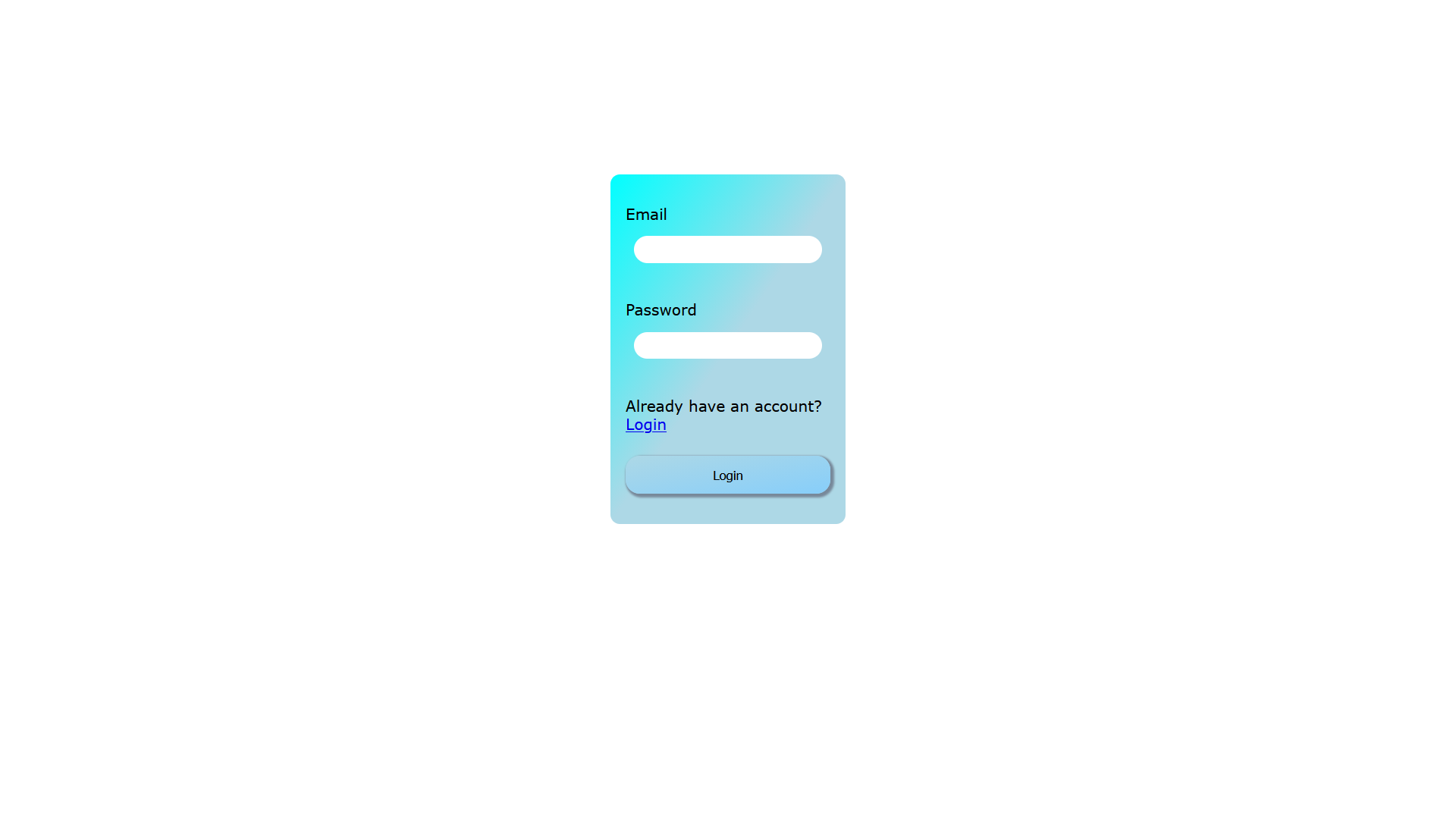
Register Page
-
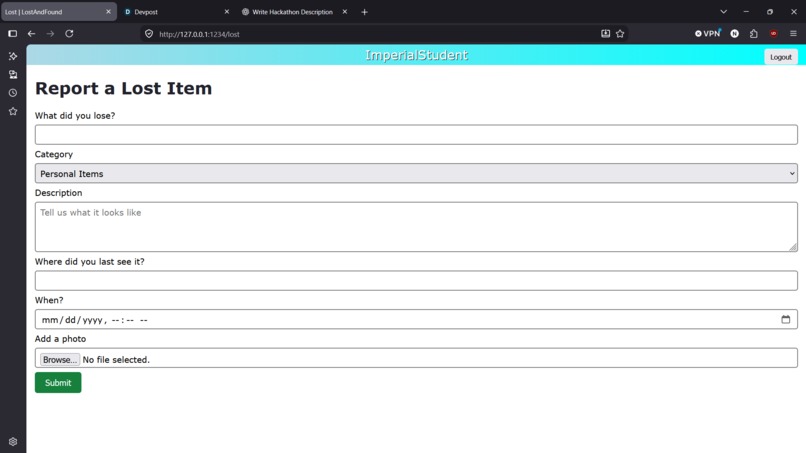
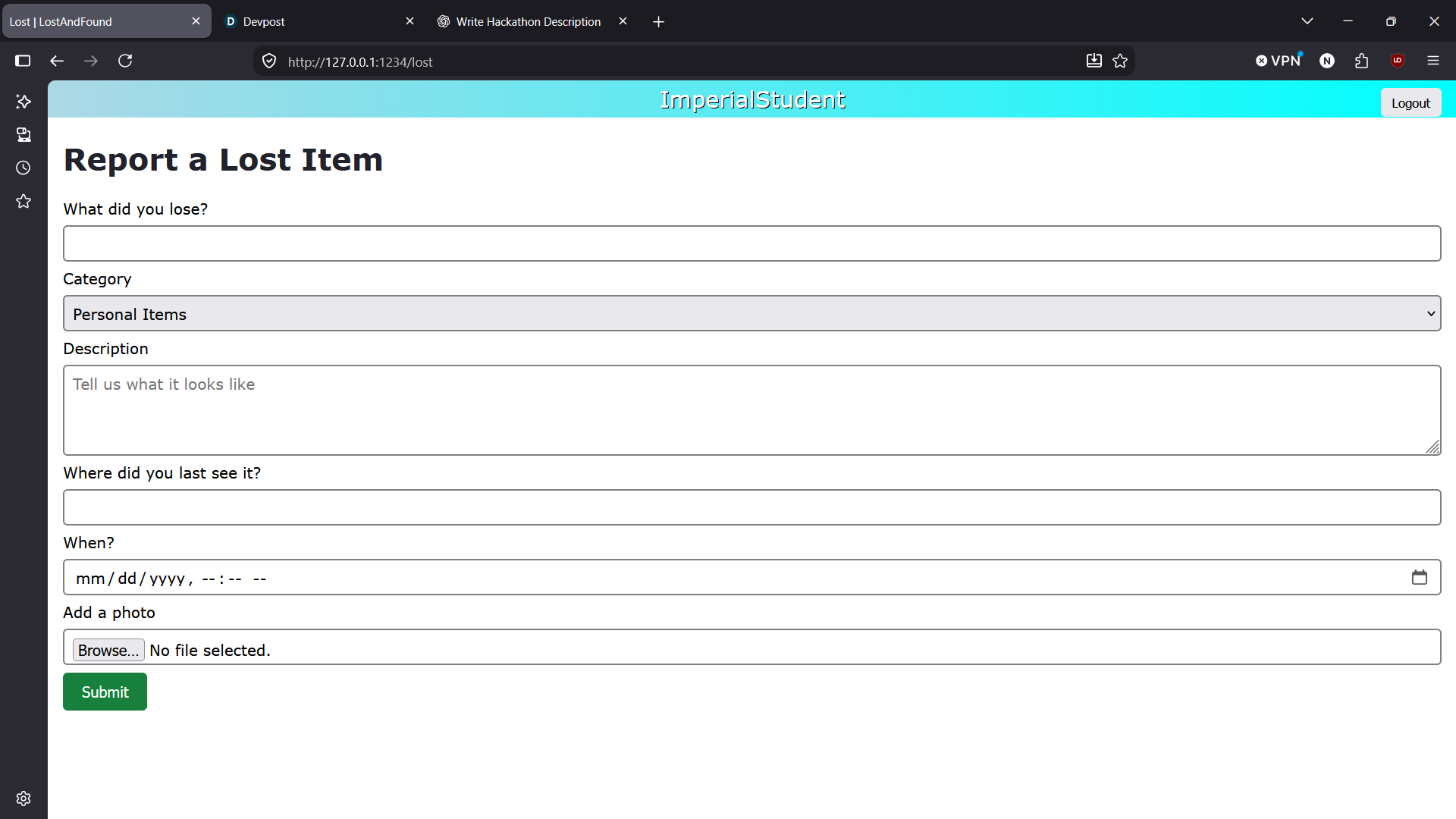
Lost Report Page
-
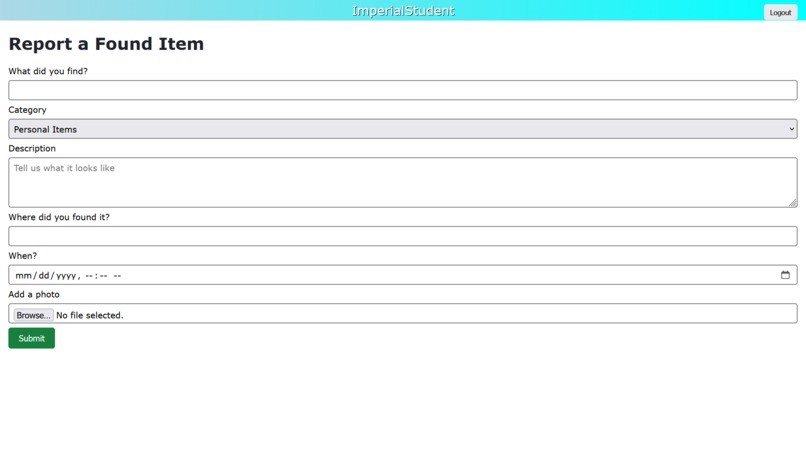
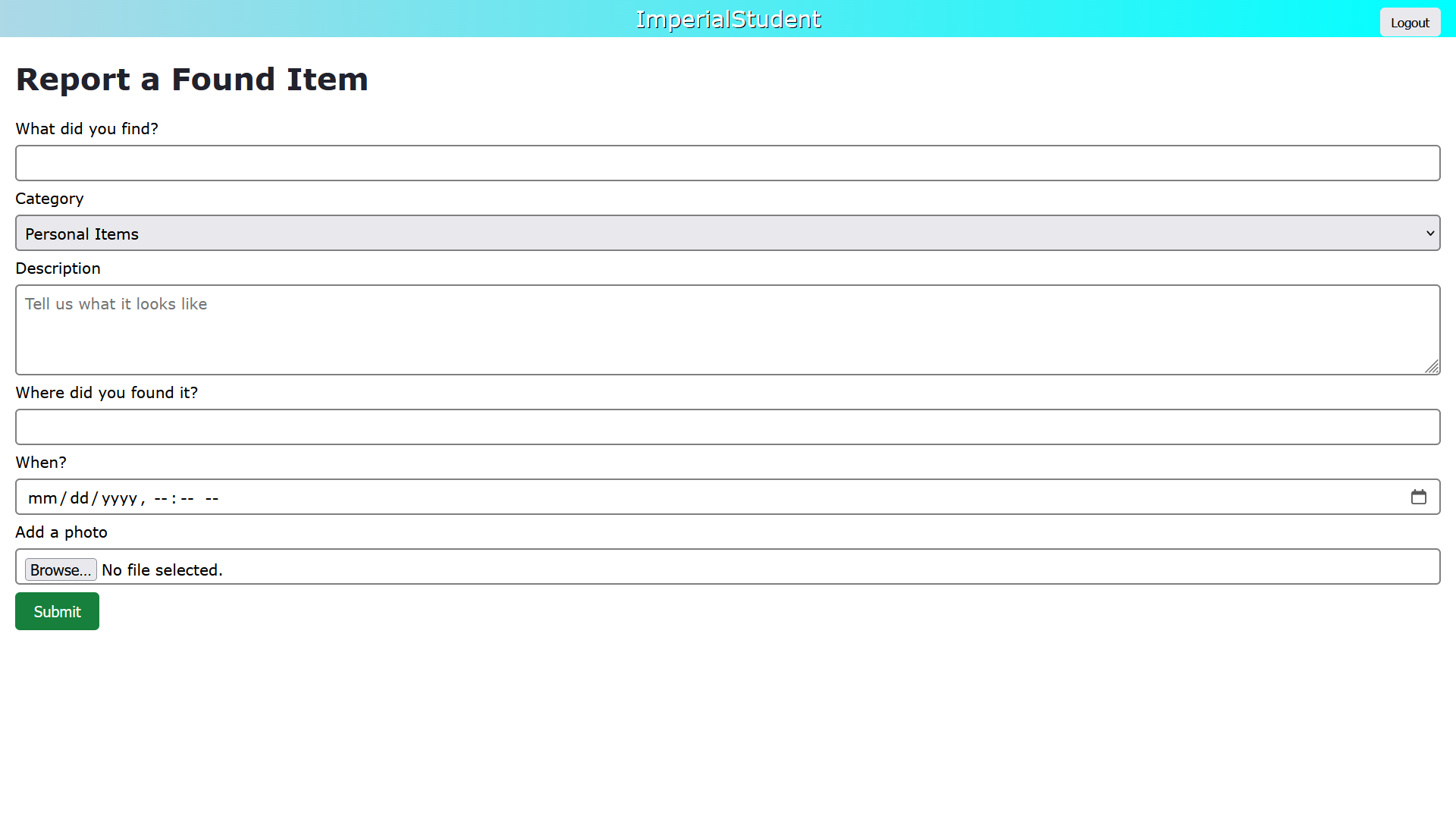
Found Report Page
Inspiration
Losing or finding an item at school can be frustrating. Usually, students have to rely on class group chats, social media, or word of mouth to find the owner of a lost item. Important information can easily get buried in hundreds of messages.
We wanted to create a simple platform where students can report lost and found items, browse existing reports, and quickly connect people with the items they are looking for.
What it does
Lost And Found is a web application that helps students report and discover lost or found items in one centralized place.
Users can:
- Create an account and securely log in.
- Report an item they have lost or found.
- Upload an image and provide details about the item.
- Browse available lost and found reports.
- View the details of a specific item.
- Indicate that they found a lost item or that a found item belongs to them.
- Manage their own reports.
The goal is to make the process faster, more organized, and easier than searching through scattered group chats.
How we built it
We built Lost And Found as a full-stack web application.
The frontend uses HTML, CSS, and JavaScript to provide the user interface and communicate with our backend through HTTP requests.
The backend is built with Node.js and Express.js, providing REST API endpoints for authentication, user accounts, and lost-and-found reports.
We use MySQL to store user and item data, while JWT is used for authentication. Multer handles file uploads so users can attach images to their reports.
The application is structured around separate routes, controllers, middleware, and database operations to keep the backend organized and maintainable.
Challenges we ran into
One of our biggest challenges was connecting all the different parts of the application together.
Authentication required us to understand how requests, JWTs, middleware, and protected routes work together. We also had to figure out how to safely associate each lost or found item with the user who created it.
Handling image uploads was another challenge because files require a different approach from normal JSON requests. We had to learn how multipart/form-data works and how Multer can process uploaded files.
We also faced challenges with database relationships, Git workflows, and integrating the frontend with our backend APIs.
Accomplishments that we're proud of
We are proud that we were able to build a working full-stack application from the ground up.
Instead of creating only a frontend prototype, we implemented authentication, a backend API, database relationships, protected routes, and file uploads.
We're especially proud of turning an everyday problem in a school environment into a functional application that could potentially be used by real students.
What we learned
Through this project, we learned how the different parts of a full-stack application work together.
We gained practical experience with REST APIs, Express.js, MySQL, JWT authentication, middleware, file uploads, Git, and frontend-backend communication.
More importantly, we learned that building a real application isn't just about writing code. Designing the data flow, handling unexpected errors, organizing the project, and connecting different technologies together are just as important.
What's next for Lost And Found
We want to continue improving Lost And Found beyond the hackathon.
Some features we would like to add include:
- Smarter matching between lost and found reports.
- Notifications when a potentially matching item is reported.
- Better search and filtering.
- Location-based reporting within the school.
- An improved item verification and claiming system.
- An admin dashboard for managing reports.
- Better mobile responsiveness and UI/UX.
Our long-term goal is to make Lost And Found a reliable platform that students can actually use whenever they lose or find something.

Log in or sign up for Devpost to join the conversation.