-
-
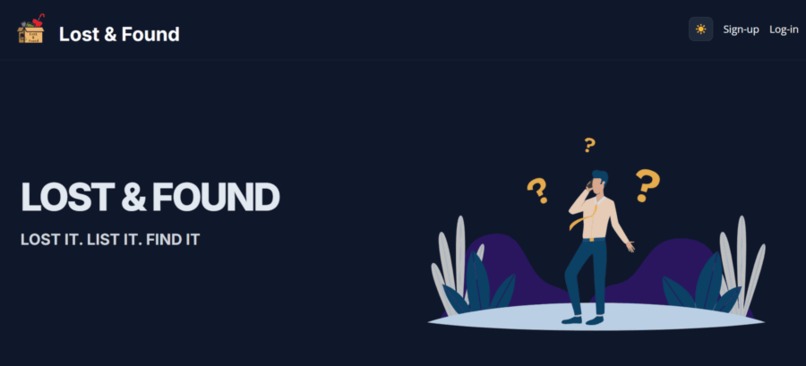
This is the landing page of the project
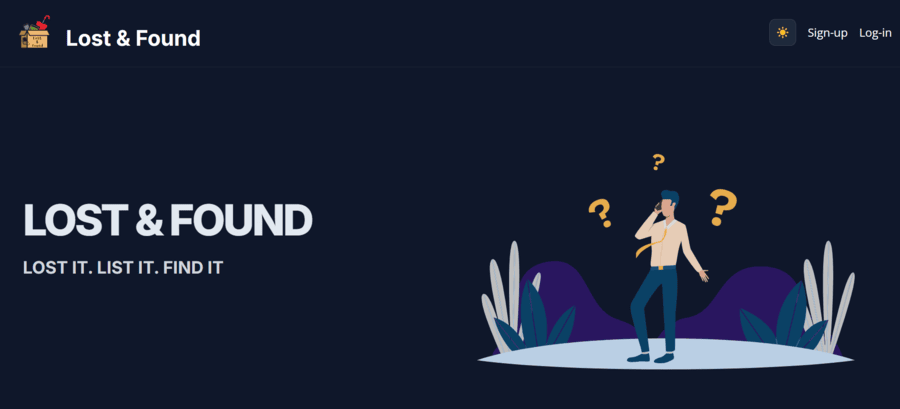
The Inspiration
It all began on a hectic Monday afternoon when I lost my phone charger in the university library. Frantically retracing my steps, I realized it was gone, and my only hope was the CCTV footage. I approached the administrator, hoping for a quick resolution, but to my dismay, he outright denied my request, leaving me frustrated and out of a 3000 PKR charger. That moment sparked an idea—what if there was a better way to handle lost items? Inspired by this experience, I envisioned a lost-and-found listing website where students could easily report and locate misplaced belongings. This platform would not only save time and money but also foster a sense of community by helping others reclaim what they’ve lost.
What I Learned
Through this journey, I learned the importance of problem-solving and how small inconveniences can lead to impactful solutions. I also gained technical skills in full-stack development, particularly in working with the MERN stack (MongoDB, Express.js, React, and Node.js), which became the foundation of my project. Additionally, I learned the value of user feedback and iterative design in creating a functional and user-friendly platform.
How I Built My Project
I decided to build the platform using the MERN stack for its flexibility and scalability. Here’s how I approached it:
- Frontend: I used React to design a responsive and intuitive user interface. The frontend allowed users to post lost items, search for found items, and view detailed listings.
- Backend: For the backend, I used Node.js and Express.js to handle API requests, manage server-side logic, and ensure smooth communication between the frontend and database.
- Database: I integrated MongoDB to store lost-and-found listings, user data, and other relevant information. MongoDB’s flexibility made it easy to scale the platform as needed.
- Additional Features: To enhance user experience, I added features like image uploads for lost items and real-time notifications using third-party libraries.
Challenges I Faced
Building the project wasn’t without its hurdles. Some of the key challenges I faced included:
- Design Iterations: Ensuring the platform was intuitive required multiple design iterations based on user feedback.
- Adoption: Spreading awareness about the website and encouraging students to use it required collaboration with university authorities and student organizations.
- Technical Hurdles: Integrating real-time features and ensuring smooth performance across devices took time and effort.
Conclusion
What started as a personal inconvenience became the driving force behind a project aimed at solving a common problem for students everywhere. This experience taught me that even small frustrations can inspire meaningful change. By leveraging the MERN stack, I was able to create a platform that not only addressed my own problem but also had the potential to help countless others.
Built With
- express.js
- javascript
- mongodb
- node.js
- react
- tailwindcss


Log in or sign up for Devpost to join the conversation.