-
-
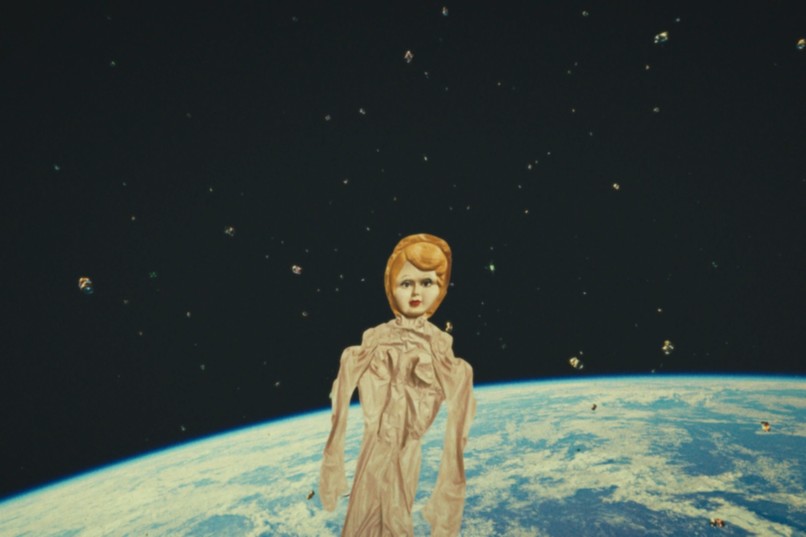
LOSER_Still Photos_04
-
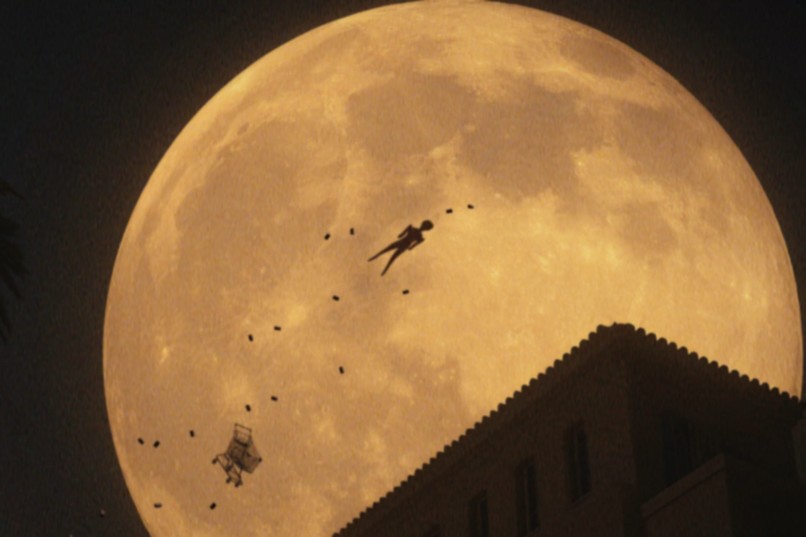
LOSER_Still Photos_03
-

LOSER_Still Photos_08
-
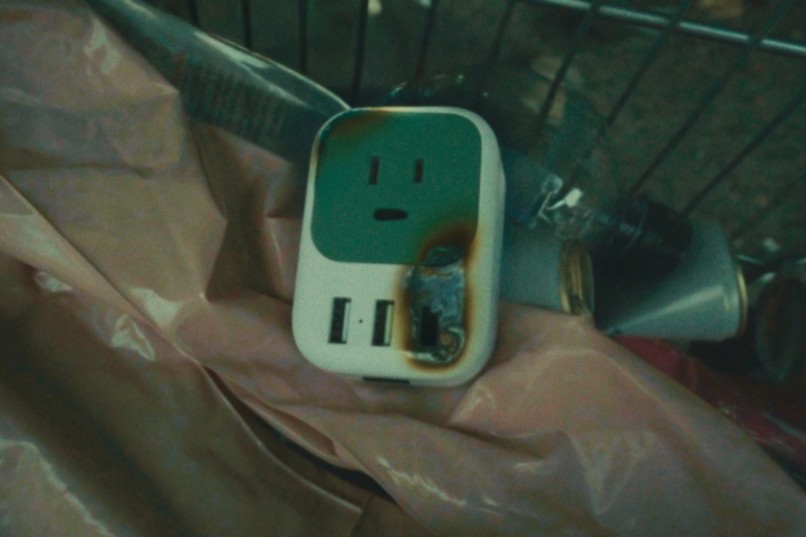
LOSER_Still Photos_07
-
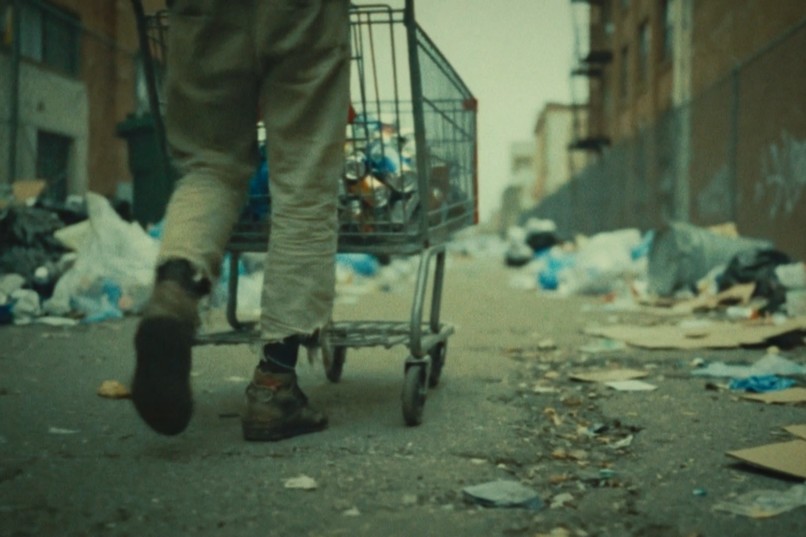
LOSER_Still Photos_01
-
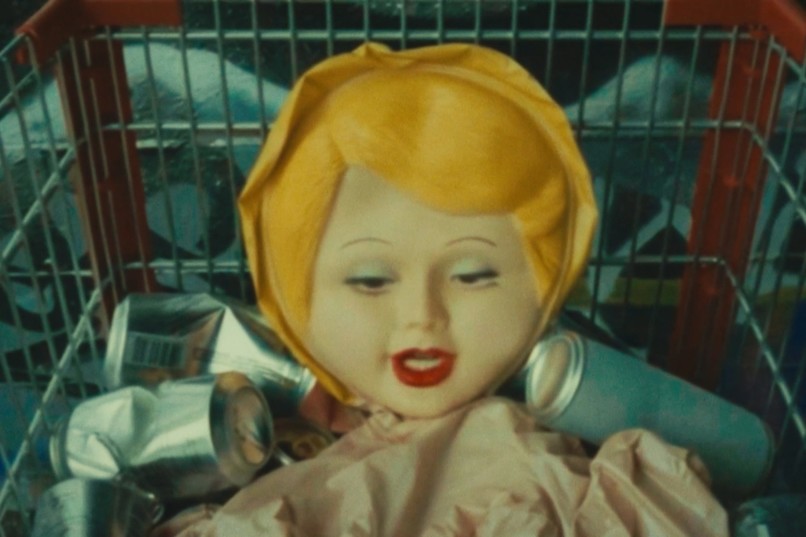
LOSER_Still Photos_05
-
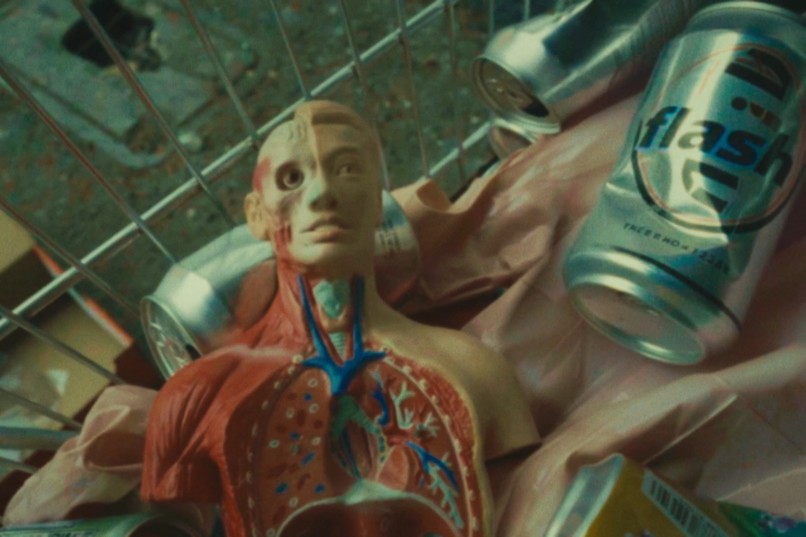
LOSER_Still Photos_06
-
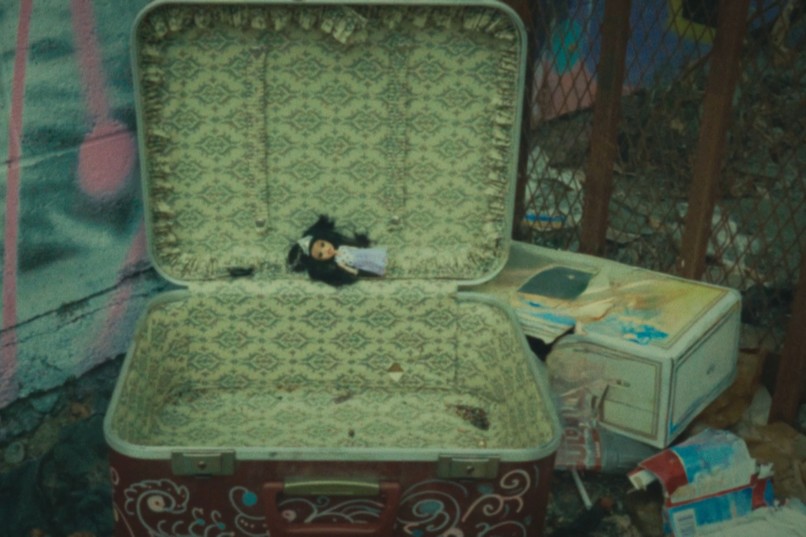
LOSER_Still Photos_02
-
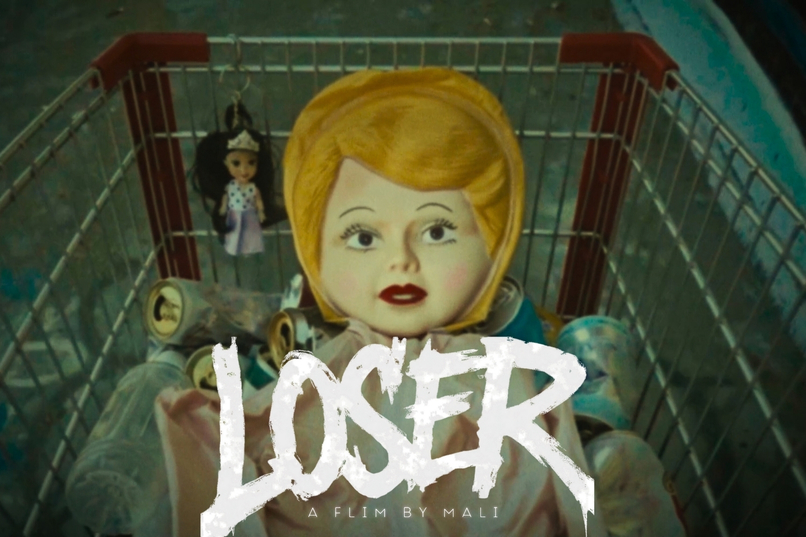
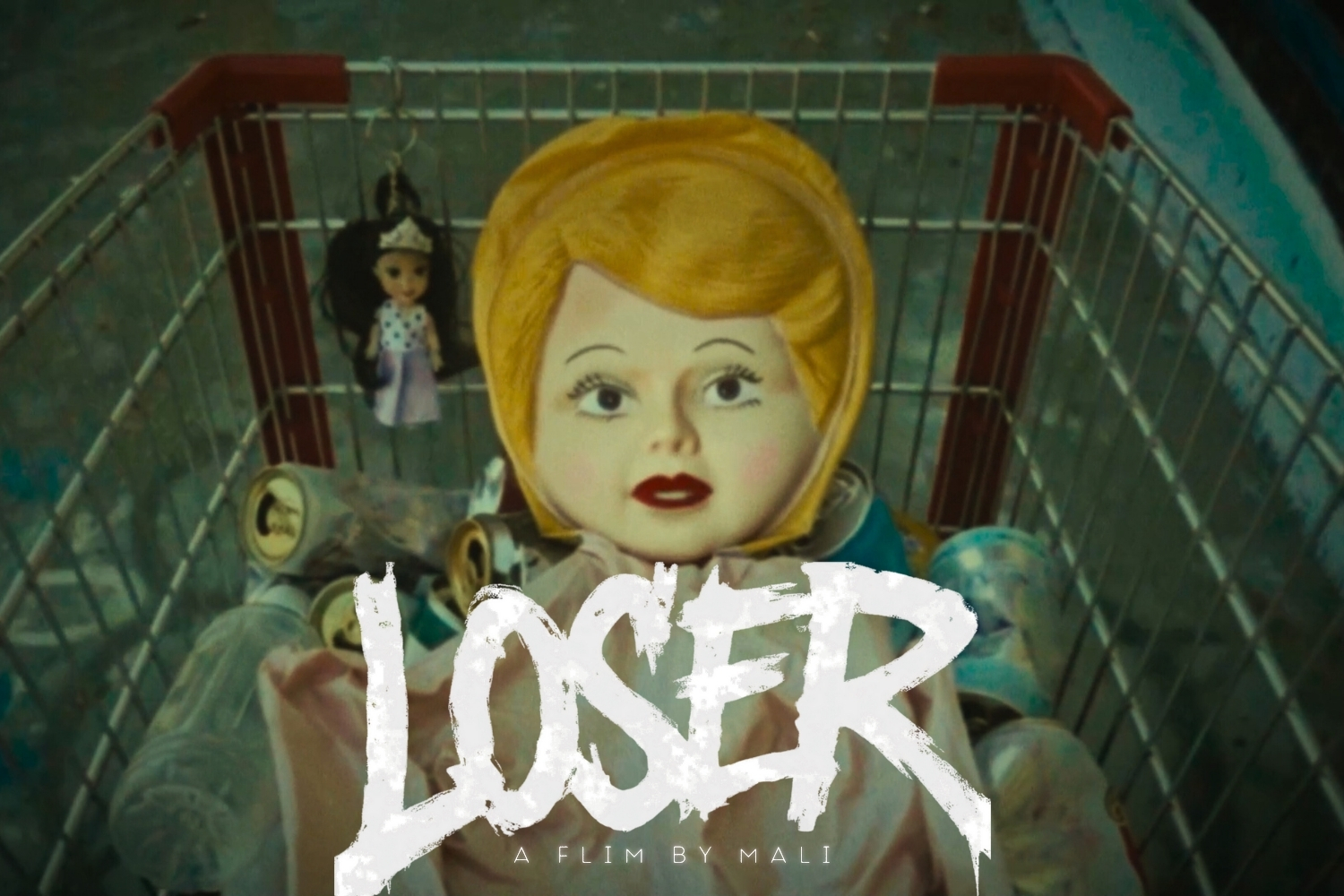
LOSER_COVER
Inspiration
We wanted to create a surreal pop-rock music video that celebrates the poetic dignity of failure. In a world obsessed with success, LOSER embraces the discarded, the broken, and the unwanted—with humor, melancholy, and satire.
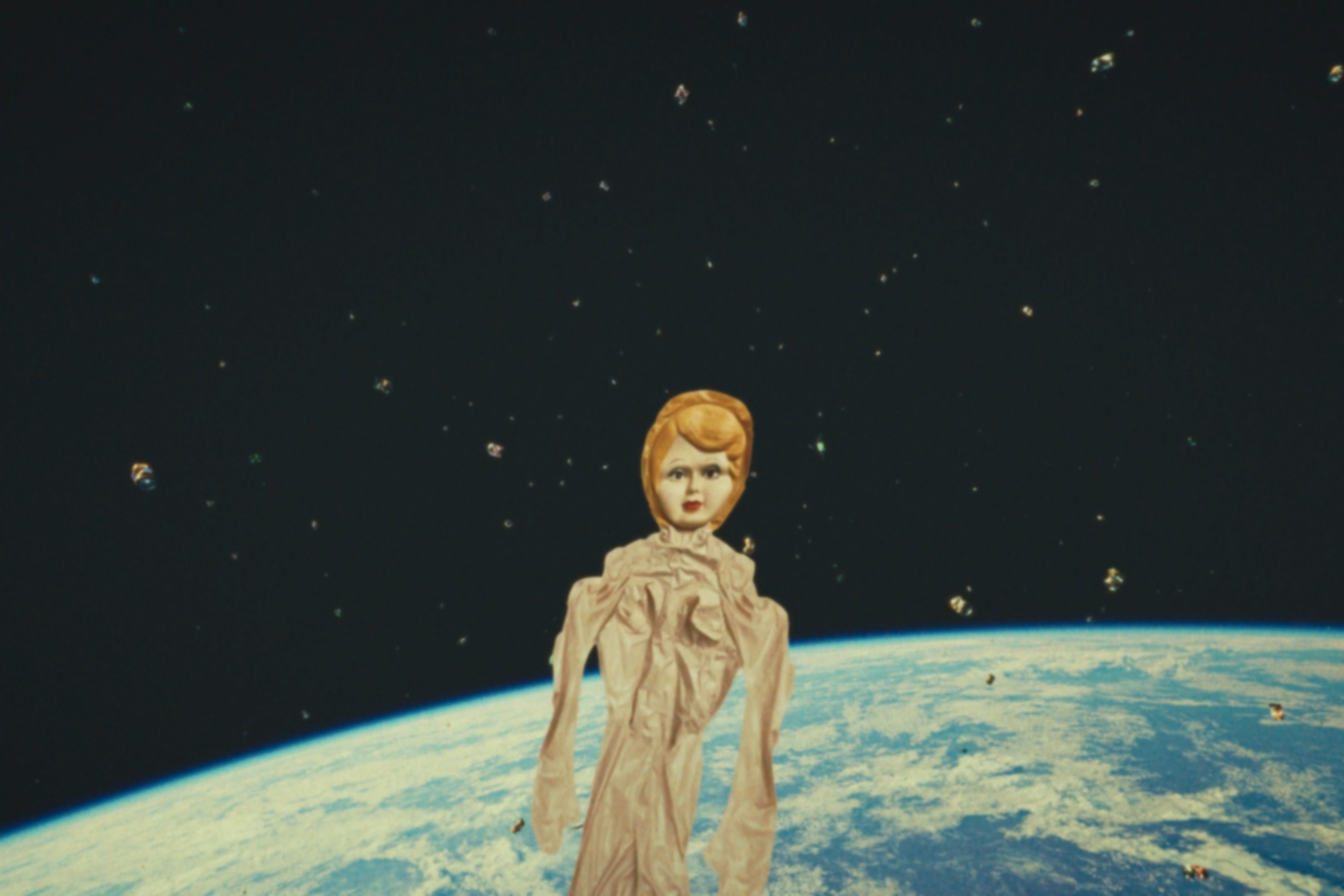
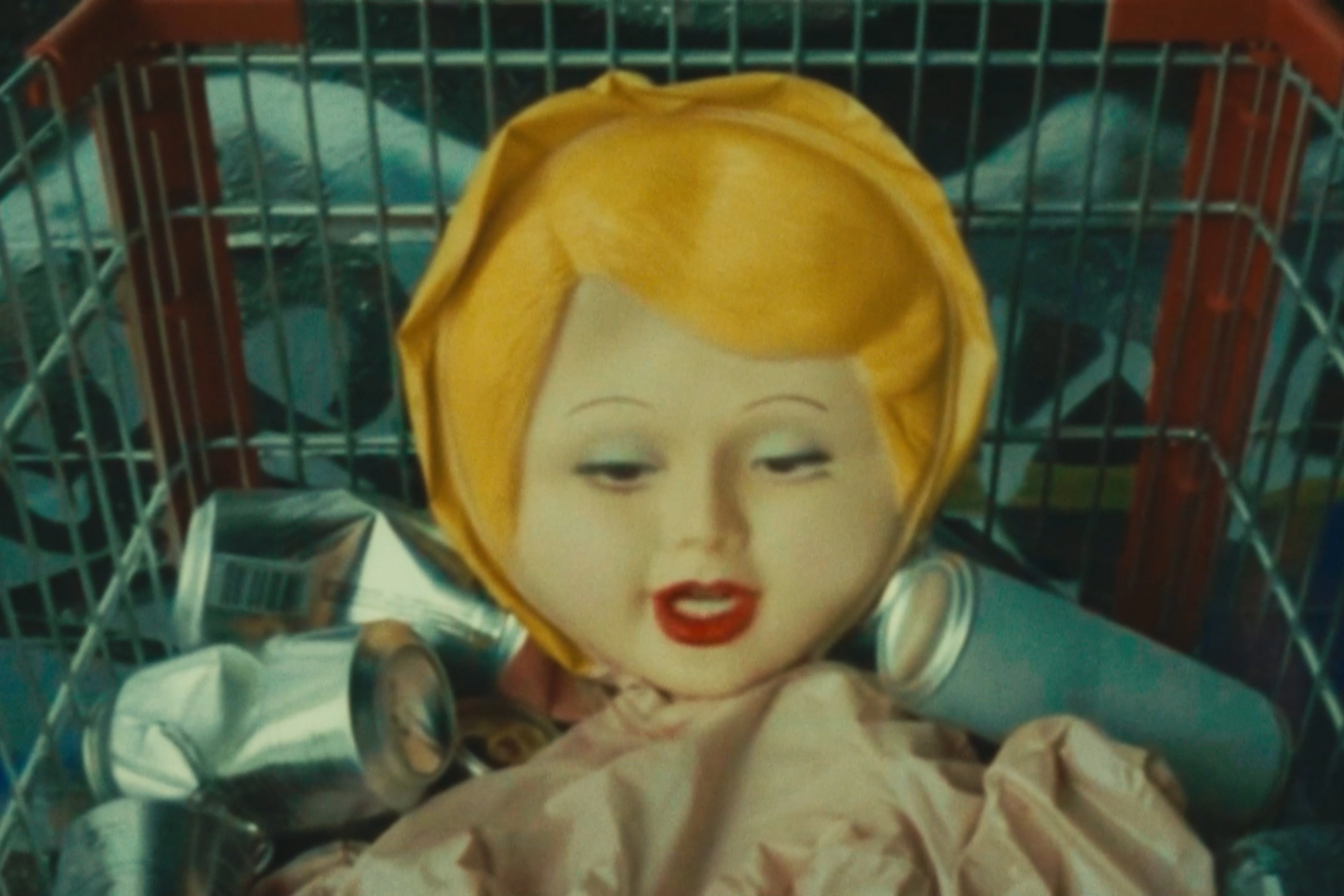
The idea began with the image of an inflatable doll waking up in a trash bin. This seemingly absurd premise became a metaphor for self-reclamation. Inspired by real-life burnouts and the absurdities of creative survival, we built a journey where trash sings, and failure becomes a form of liberation.
Director Mali Chen, a veteran VFX artist based in Los Angeles, was drawn to the lo-fi texture and emotional grit of the music. Collaborating with Taiwanese indie band the Peppermints, the concept evolved into a whimsical yet haunting urban fairytale—about finding voice, dignity, and agency amidst rejection.
What it does
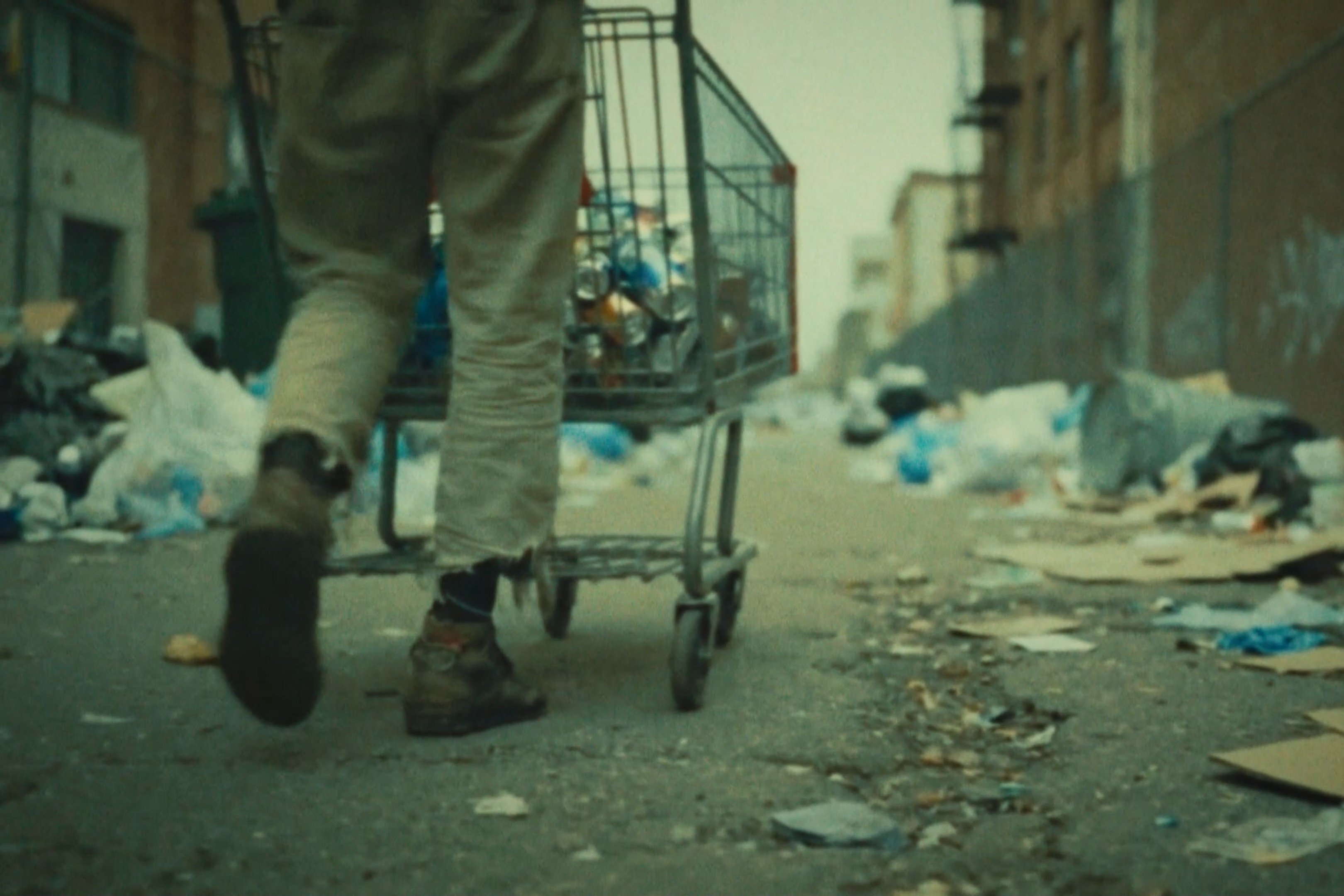
LOSER is a 6-minute hybrid music video that blends live-action cinematography, AI-generated footage, and advanced VFX compositing to tell the story of a discarded inflatable doll who embarks on a surreal journey of awakening.
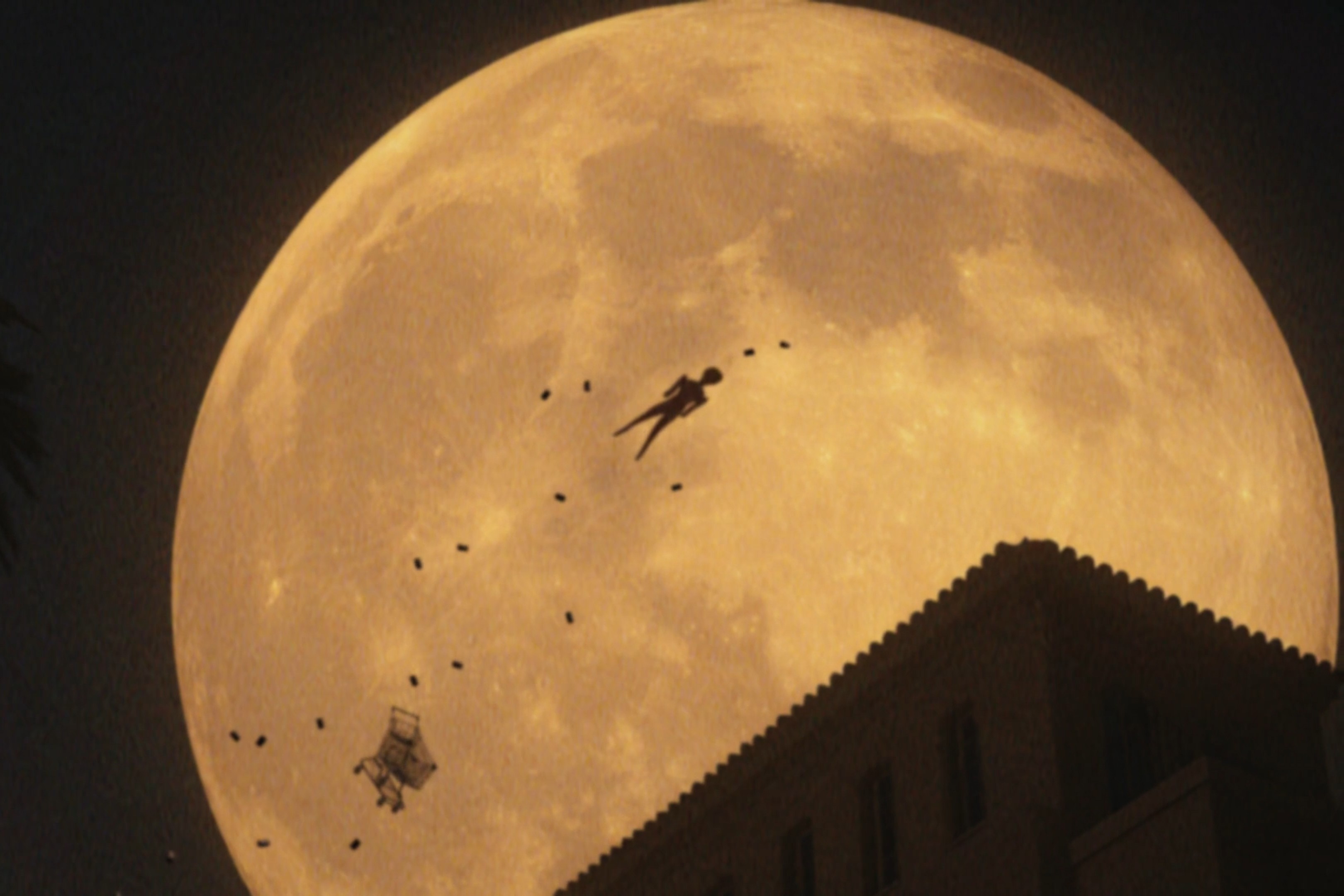
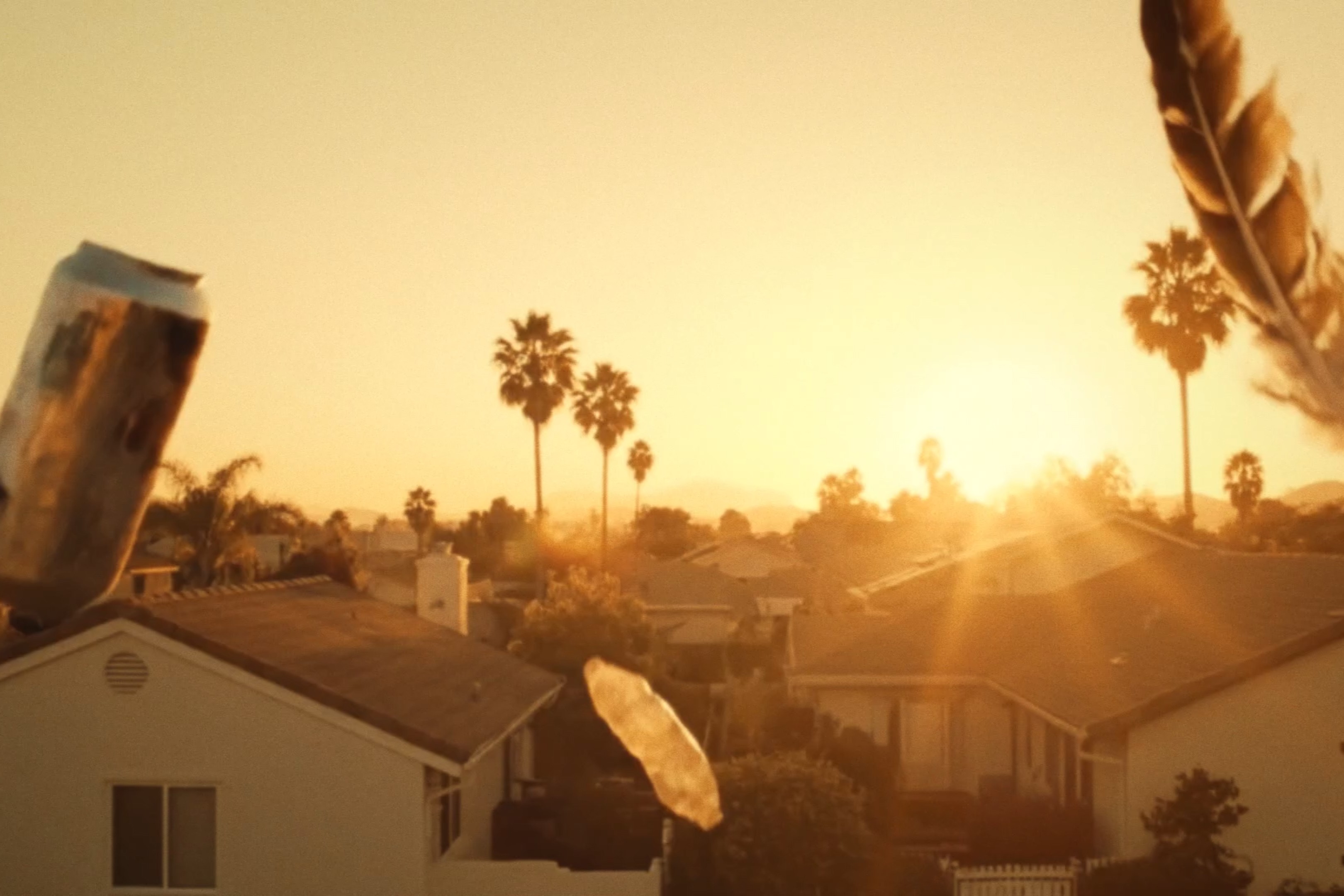
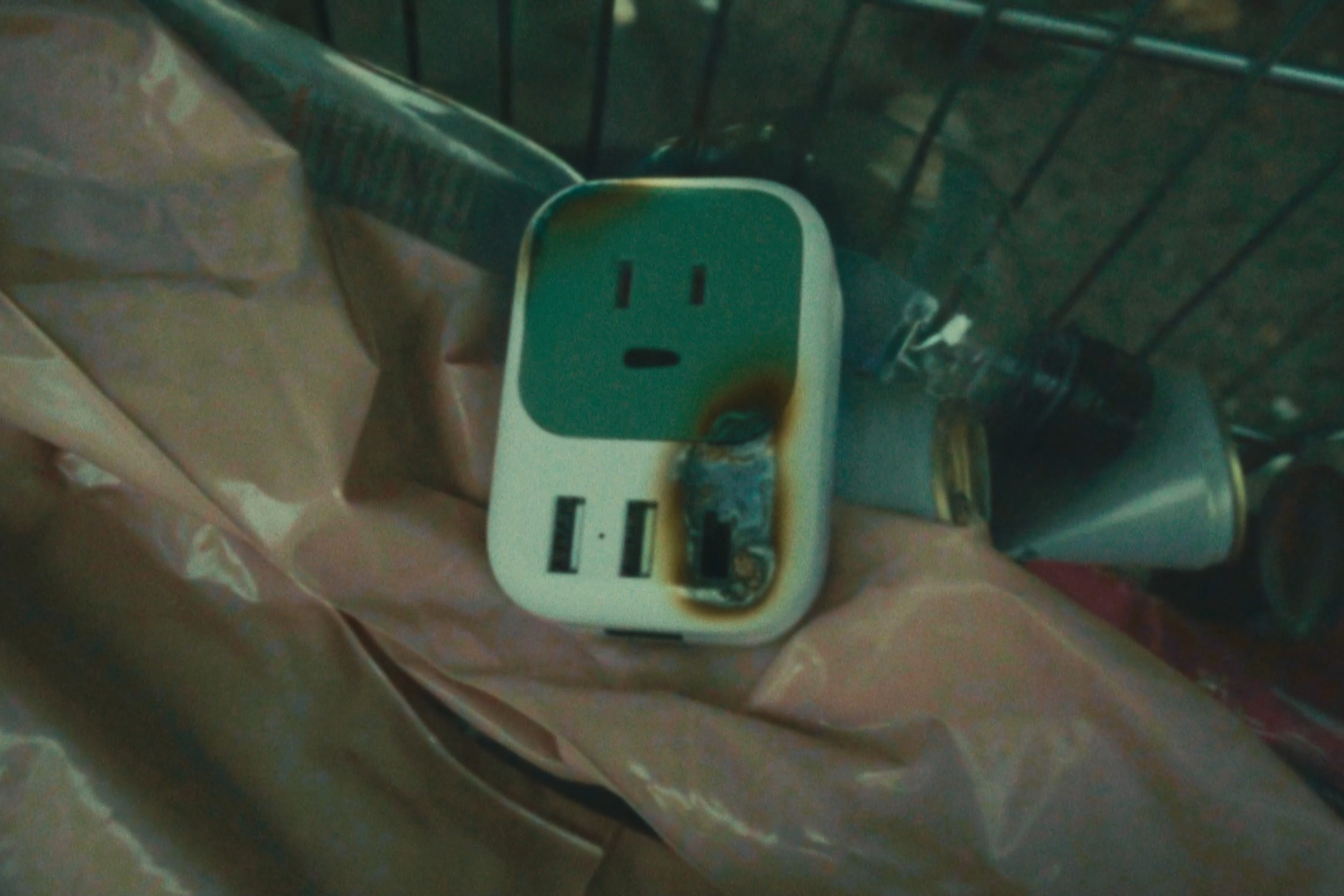
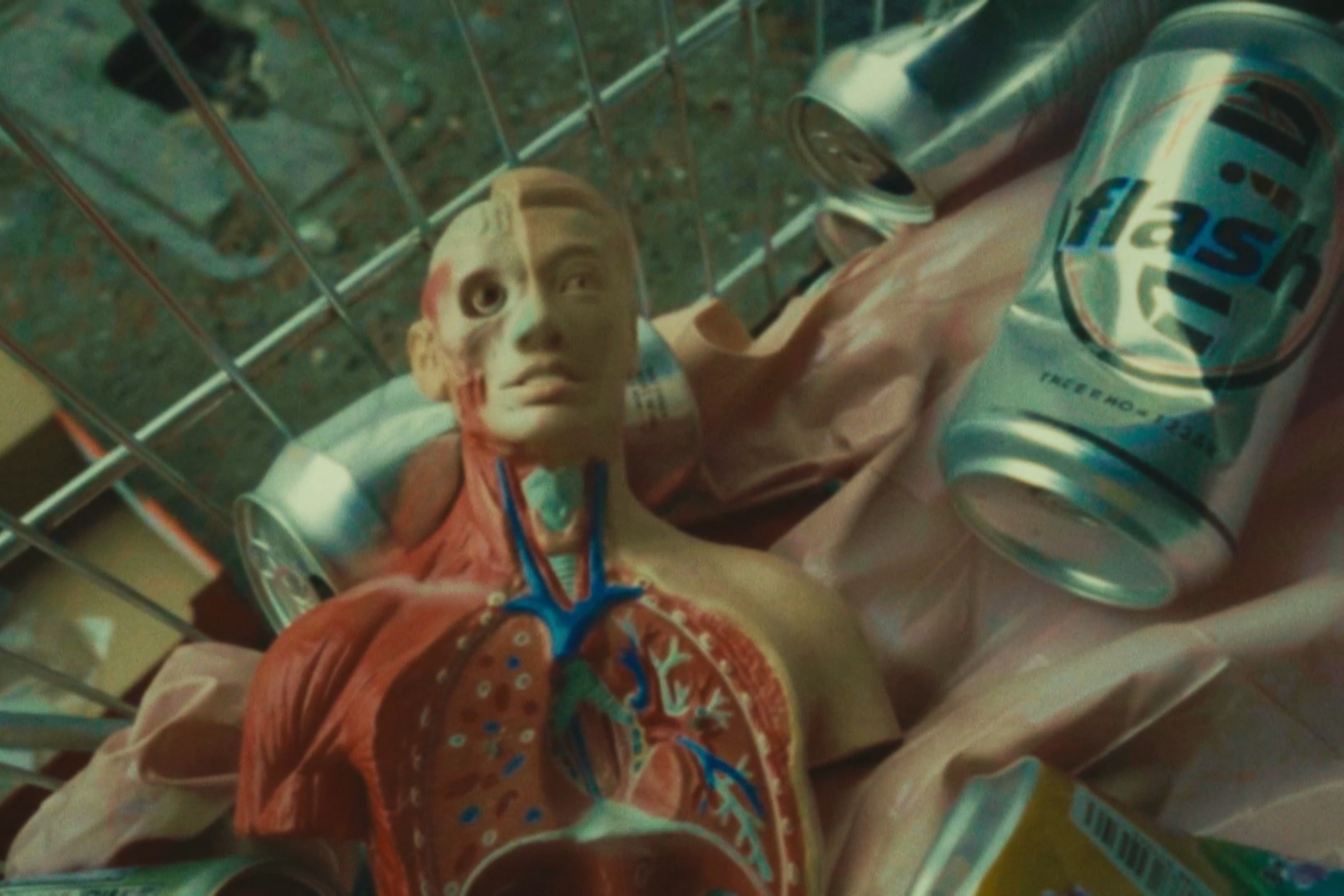
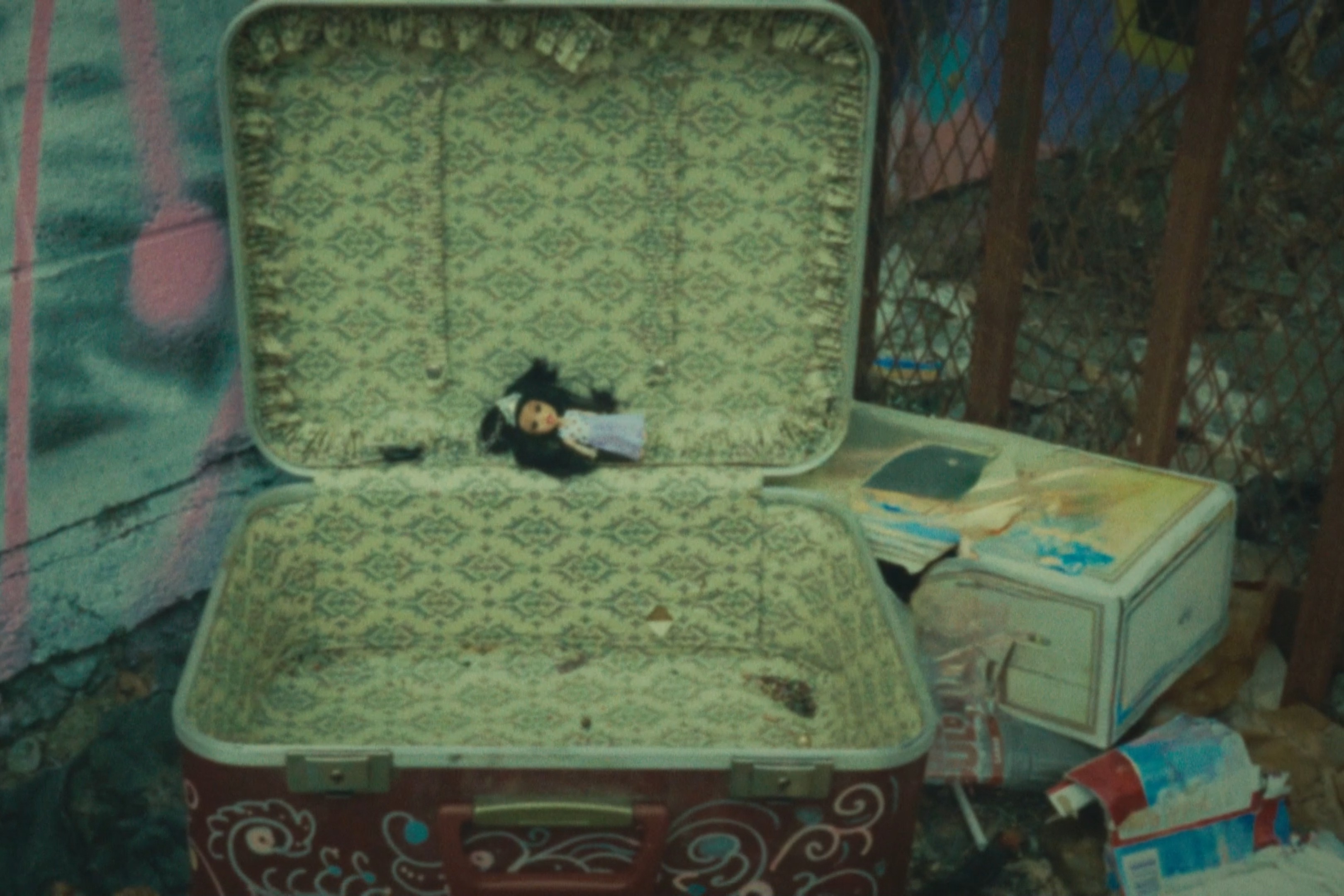
The doll is picked up by a scavenger and joins a procession of broken toys and forgotten objects. As they move through the streets of a decaying city, these “little losers” begin to sing—transforming into a symbolic chorus of the unwanted.
By combining AI tools like Veo 3, Midjourney, Runway, and Hailuo AI with traditional filmmaking techniques, the video creates a dreamlike visual language. The result is both emotionally resonant and technically experimental—satirizing the aesthetics of pop culture while exploring themes of shame, failure, and freedom.
How we built it
LOSER began with a traditional short film workflow—scriptwriting, storyboarding, and location planning—before evolving into a hybrid production driven by AI and VFX.
After struggling to realize complex scenes within the limitations of a small team, director Mali Chen flipped the process: he first generated visual sequences using AI tools, then enhanced and composited them with industry-standard VFX software, and finally filmed live-action inserts on location in Los Angeles.
The creative pipeline included:
◆Veo 3 for physically realistic motion generation (e.g., the cart wheels)
◆Midjourney for exploratory design and stylized imagery
◆Runway Aleph for generating expressive character motion and transitions
◆Unreal Engine for 3D environment design and virtual camera work
◆Nuke for advanced compositing and shot assembly
◆Photoshop for matte painting and image refinement
◆DaVinci Resolve for final editing, color grading, and mastering
Approximately 80% of the visuals were AI-generated or AI-enhanced. The remaining 20% were filmed practically and seamlessly integrated into the hybrid visual world. Every frame was meticulously treated—color-matched, grain-processed, and rhythmically edited—to reflect the surreal and melancholic tone of the song.
Challenges we ran into
Creating LOSER was a race against time, tech limitations, and literal wildfires.
One major hurdle was the 2025 Los Angeles wildfires, which came within blocks of the director’s home. Production plans were nearly derailed, forcing emergency contingency planning—at one point, Mali joked that he might film a POV escape scene with a GoPro if evacuation became necessary.
Another challenge was the overly complex original script. As production approached and the team fell behind schedule, it became clear that some scenes were too ambitious for the available resources. With only two months left before the album release, the risk of failure loomed large.
AI generation, while powerful, came with creative and technical barriers. Some concepts—like hyper-specific emotional expressions or realistic human interactions—were difficult to generate without uncanny results. Mali often had to combine multiple AI tools, manually refine outputs, or use VFX to correct artifacts. Seamlessly integrating AI footage with live-action elements also required intense compositing and color grading to maintain a cohesive visual style.
Finally, working cross-timezone between Taiwan and Los Angeles added logistical strain. From weekly script meetings to frame-by-frame reviews, the collaboration demanded constant communication and flexibility despite the 15-hour time difference.
Despite these obstacles, the hybrid workflow ultimately became a breakthrough—not just a workaround.
Accomplishments that we're proud of
We are proud to have completed LOSER as a fully realized 6-minute visual narrative—despite minimal budget, transcontinental coordination, and a complex hybrid workflow.
Technically, we succeeded in producing a 80% AI-generated music video that blended lo-fi surrealism with cinematic VFX polish. The result is a unique audiovisual language that reimagines failure, shame, and abandonment through the lens of visual poetry.
Creatively, we transformed a quirky idea—a singing inflatable doll leading a choir of discarded toys—into a touching story of resilience and liberation. It challenged conventional beauty standards in music video production and embraced imperfection as its core aesthetic.
The film has since been recognized internationally, earning multiple awards including:
◆Best Experimental Music Video — International Music Video Awards 2025
◆Jury Award, Best Music Video, Best Visual Effects, Audience Award — AI International Music Video Festival
◆Official selections at MADRIFF and Short to the Point ISFF Awards
Most importantly, we’re proud to have pushed the boundaries of AI and VFX storytelling—not as a novelty, but as a tool for emotional authenticity.
What we learned
Through the making of LOSER, we learned that limitations can spark invention—and that AI is not a shortcut, but a new language that demands intention, iteration, and vision.
As artists working across continents and disciplines, we discovered how AI tools can empower small creative teams to achieve ambitious visual narratives without relying on large crews or expensive resources.
We also learned that imperfection can be emotionally powerful. The slightly awkward movements of AI characters, the uncanny lighting, the textured glitches—all of these “flaws” became part of LOSER’s emotional palette, enhancing its themes of rejection, decay, and fragile hope.
From a technical perspective, we deepened our understanding of AI model behavior, prompt engineering, and multi-tool integration (Veo3, Midjourney, Runway, Unreal, Nuke, Photoshop). We also saw firsthand how traditional VFX knowledge remains essential, especially when stitching together AI, live-action, and composited scenes into one seamless whole.
Above all, LOSER reminded us why we create: To tell stories no one else will. To give voice to the forgotten. To let even trash sing.
What's next for LOSER
After gaining international recognition, we plan to bring LOSER and HAZE back to Taiwan through campus screenings, artist talks, and AI filmmaking workshops, sparking dialogue about how independent musicians and filmmakers can use emerging tools to bypass traditional production barriers.
We also hope to inspire other creators—especially those without access to large crews or funding—to explore AI-assisted visual storytelling as a means of building unique narratives, textures, and artistic voices.
As artists committed to both music and moving images, we will continue to experiment with hybrid workflows, developing new audiovisual pieces that reflect the beauty of failure, the poetry of imperfection, and the power of artistic independence in a post-industrial world.
Built With
- ableton
- adobephotoshop
- davinciresolve
- googleveo3
- hailuo
- logicpro
- midjourney
- nuke
- protools
- runwayalpha
- unrealengine

