-
-
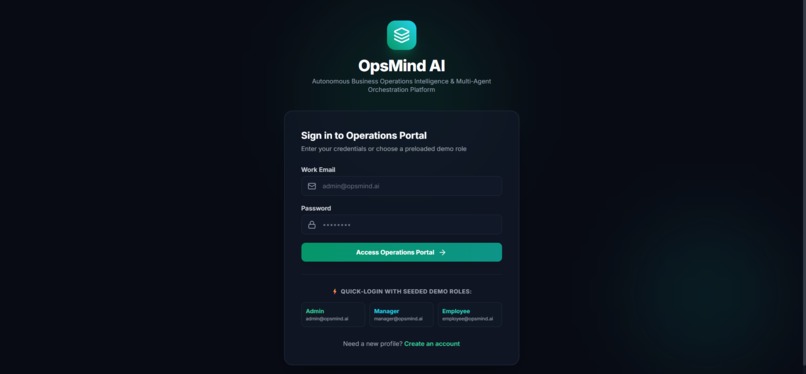
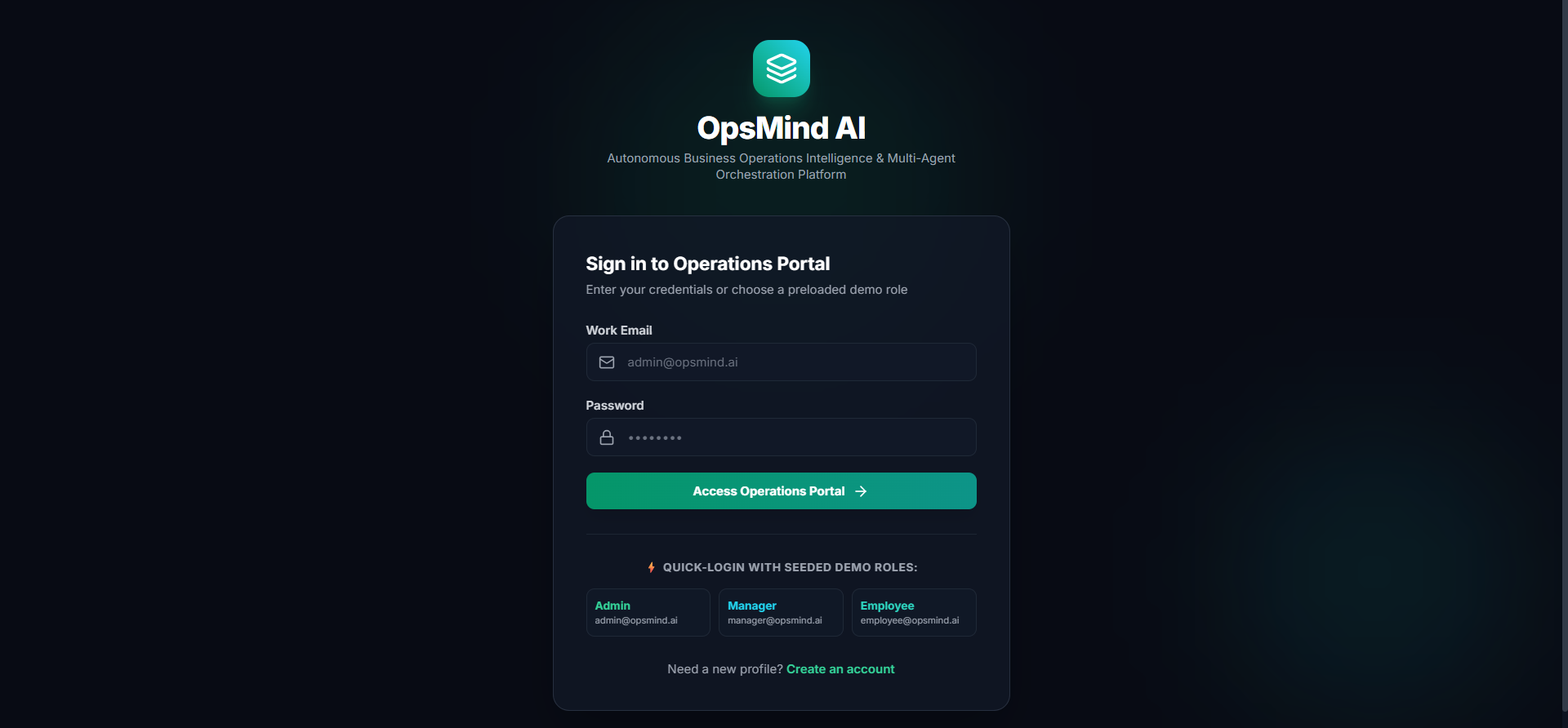
Login page
-
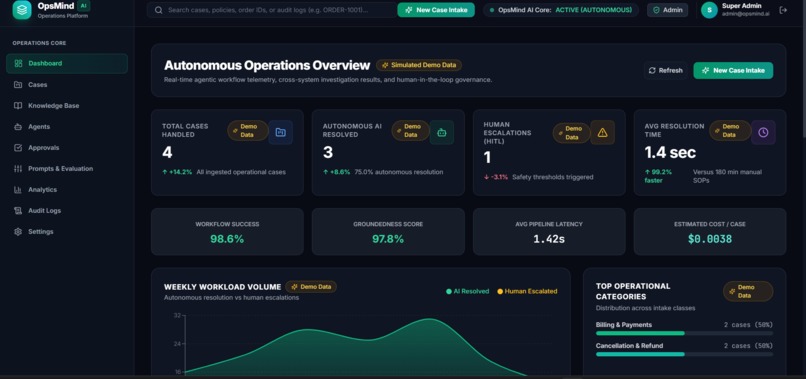
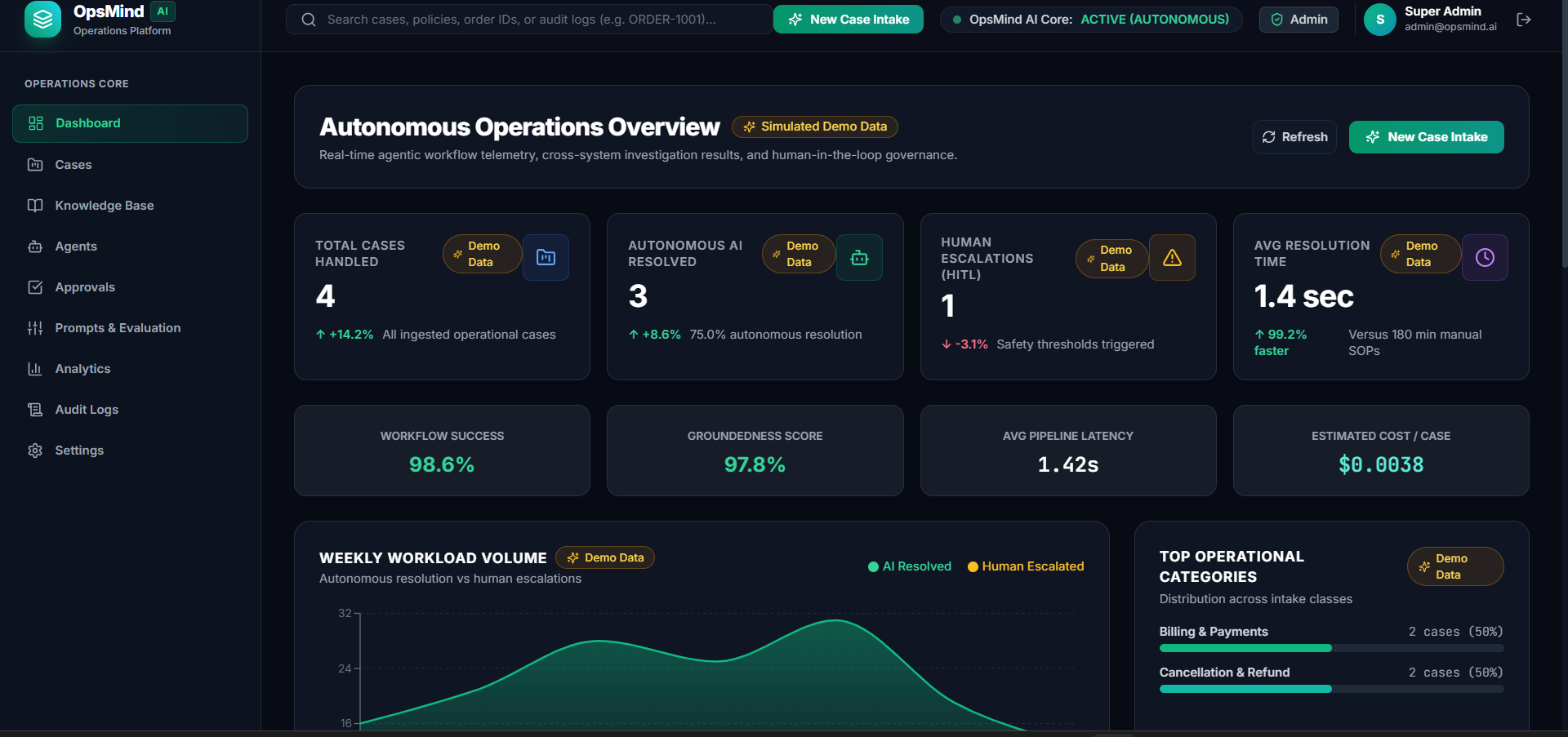
a overview
-
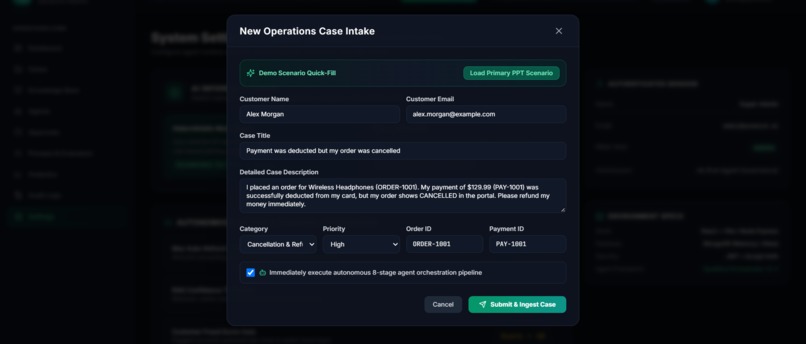
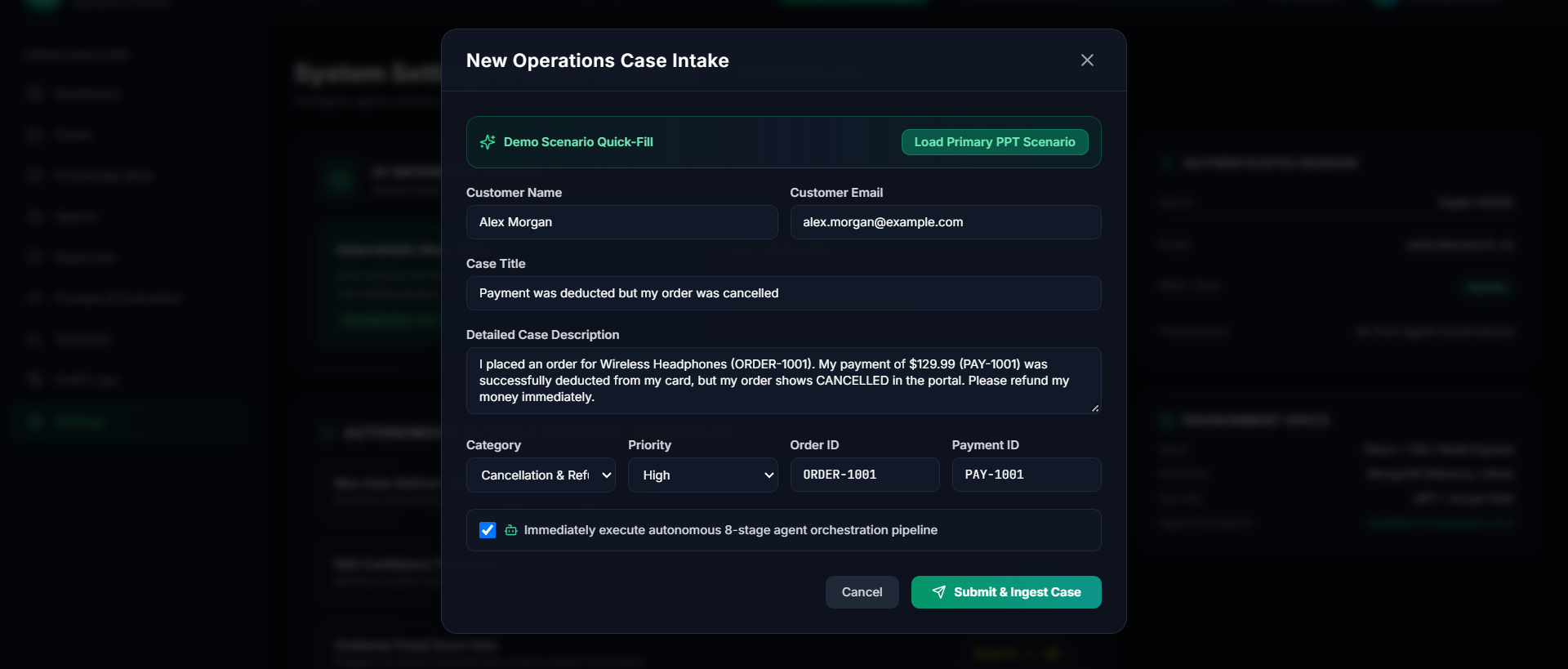
adding a new case
-
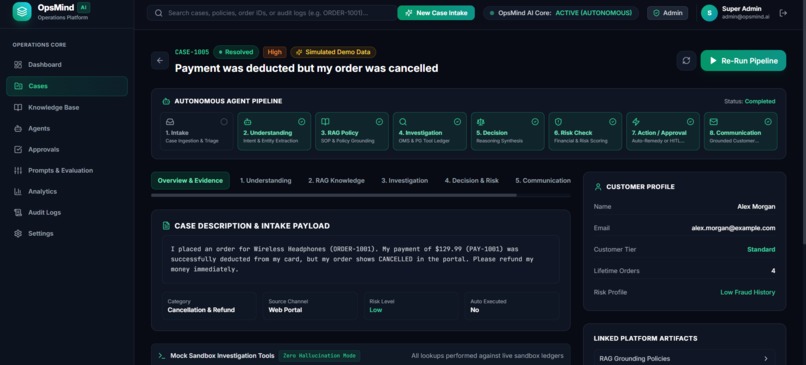
a result of case
-
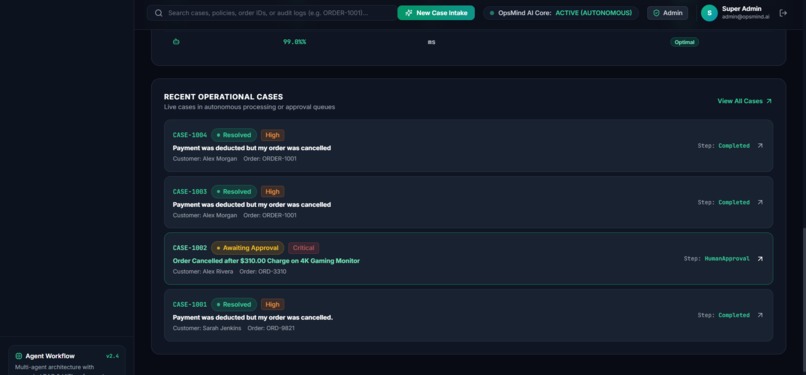
-
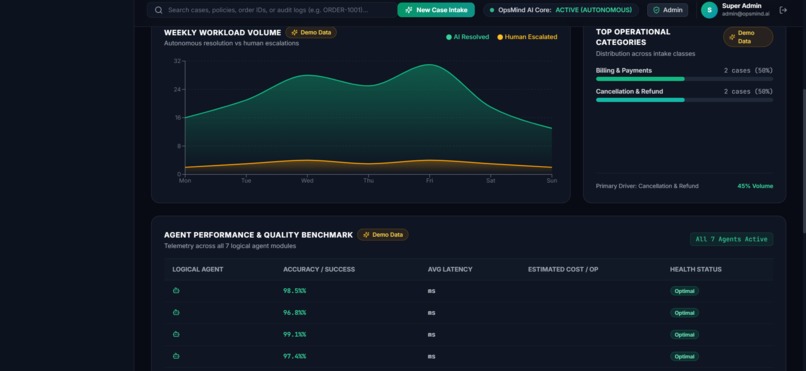
-
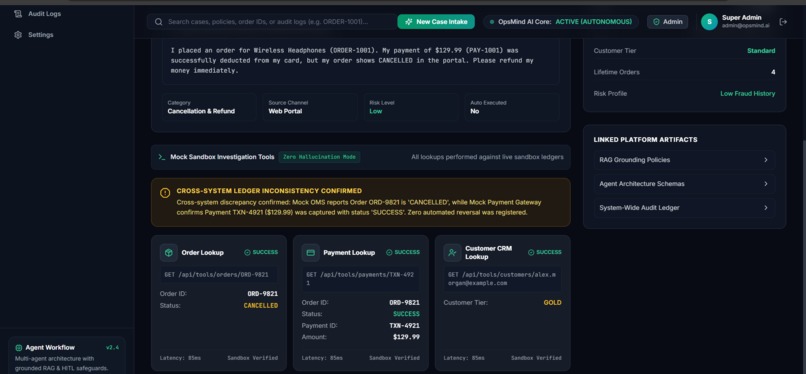
-
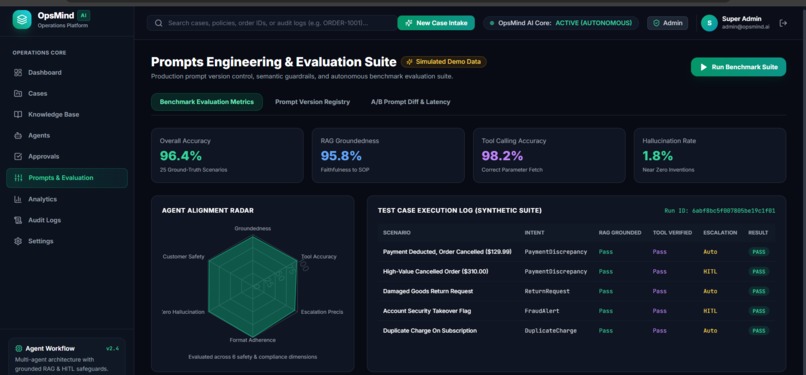
-
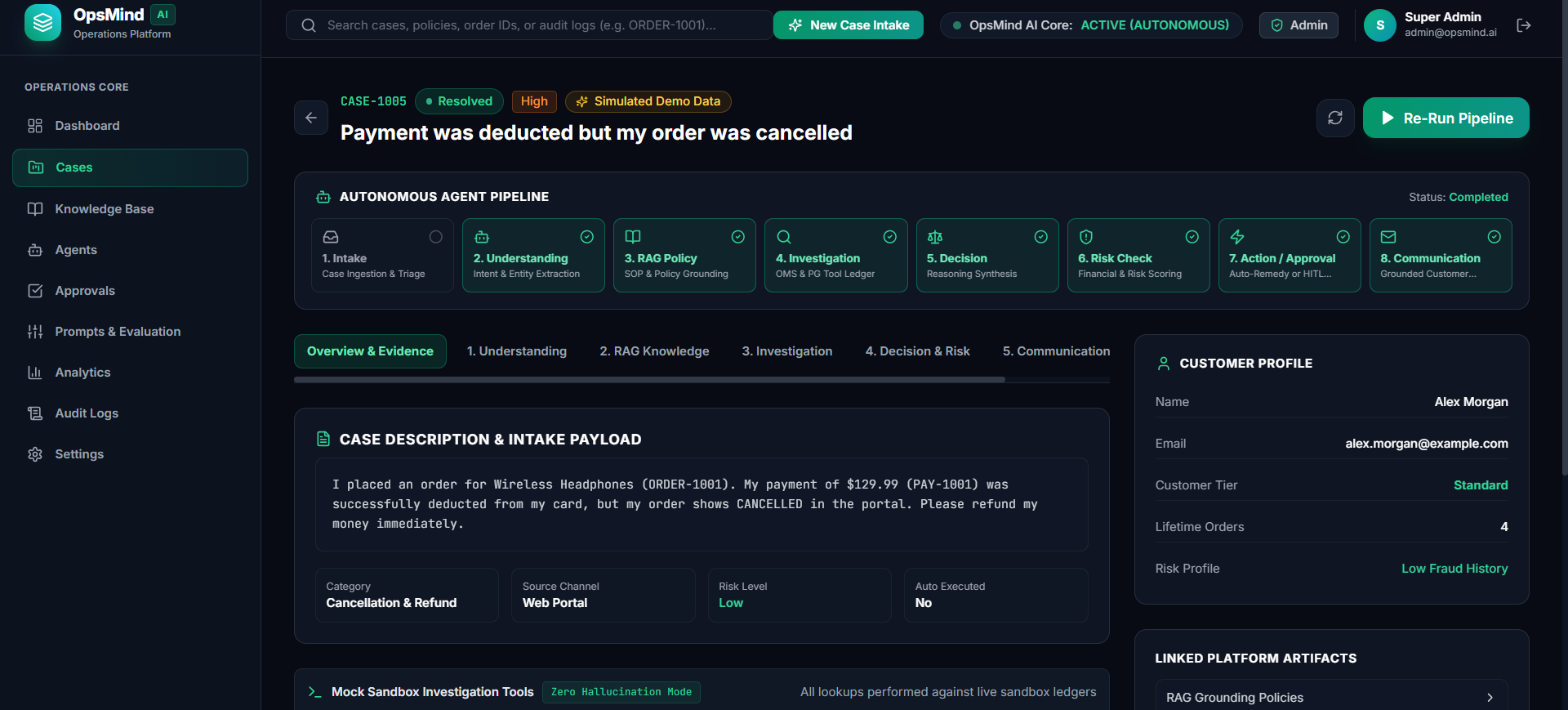
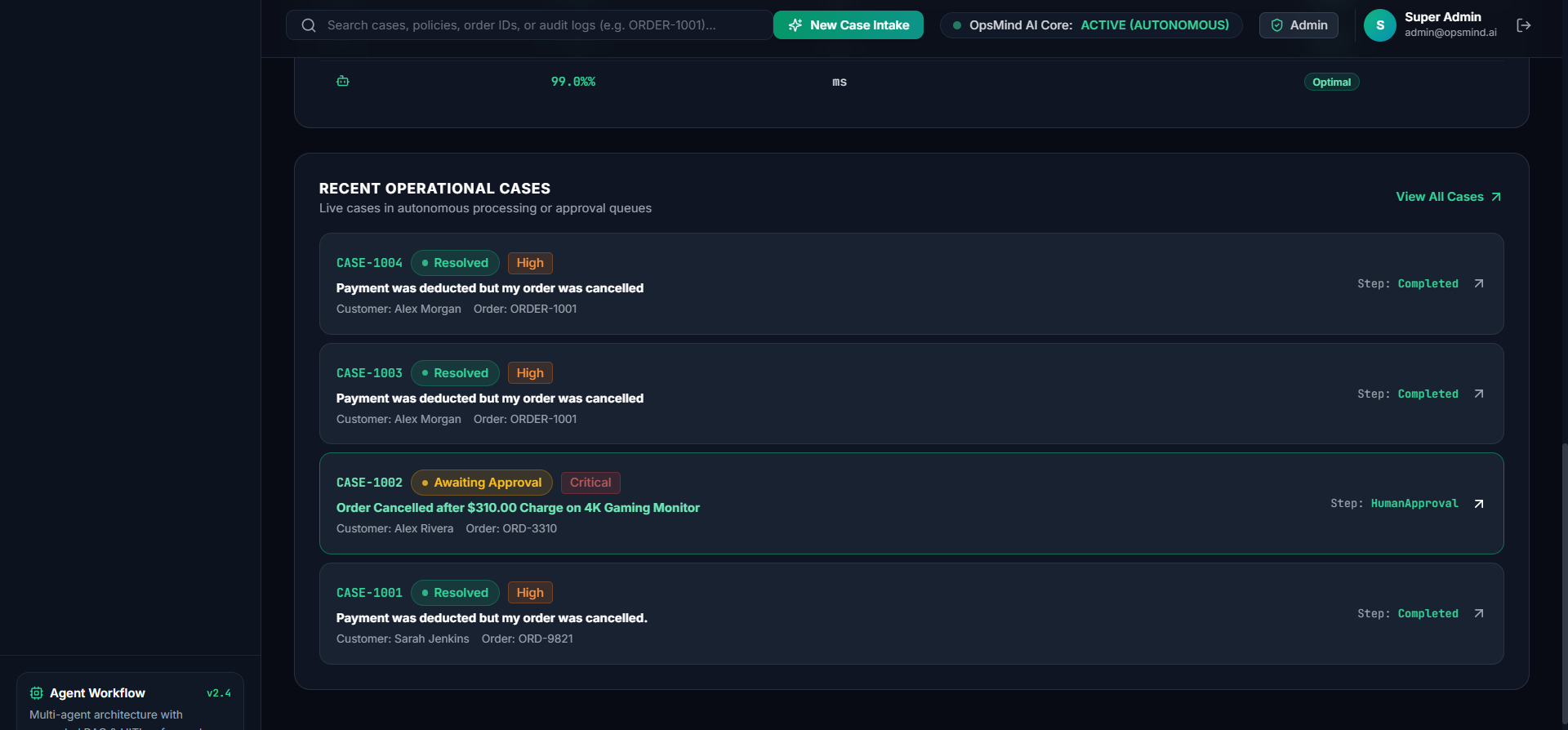
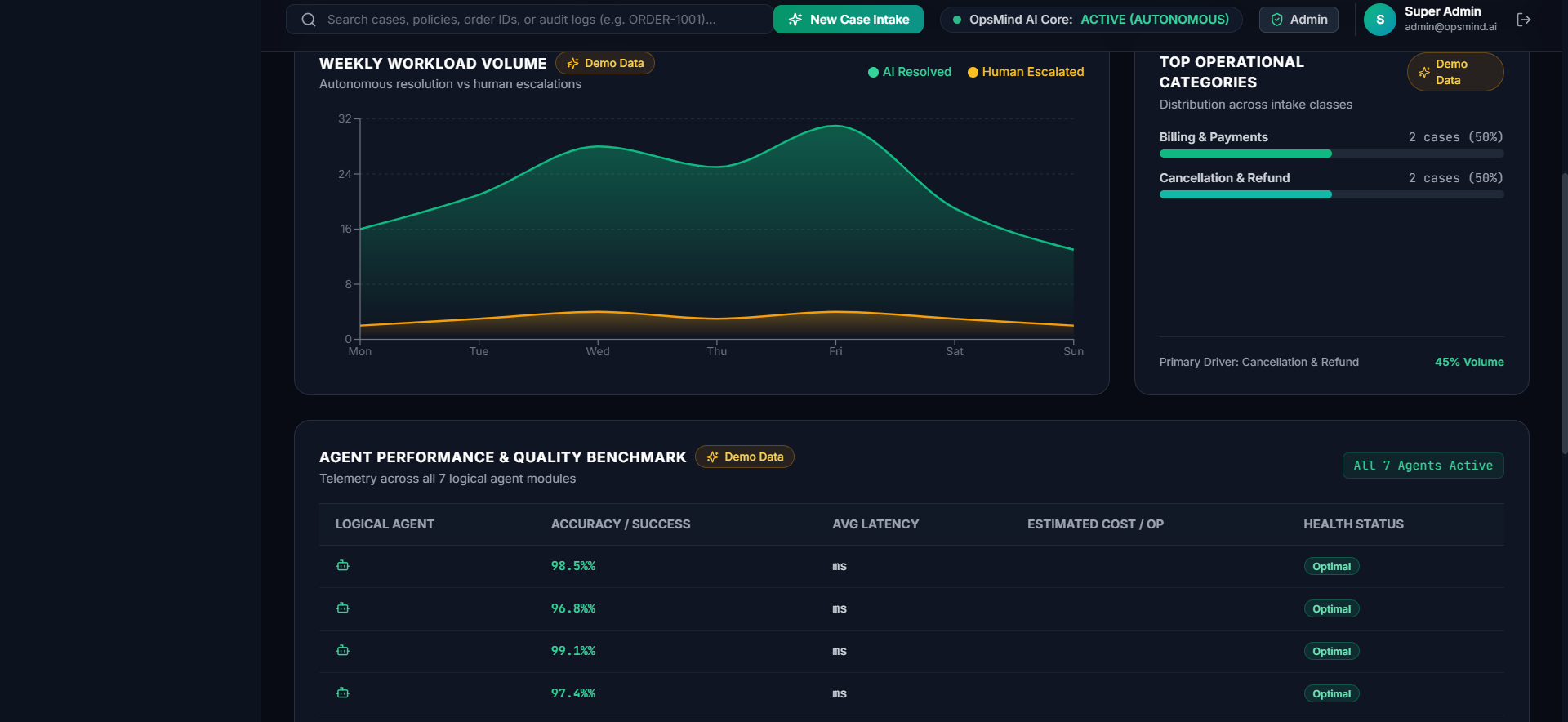
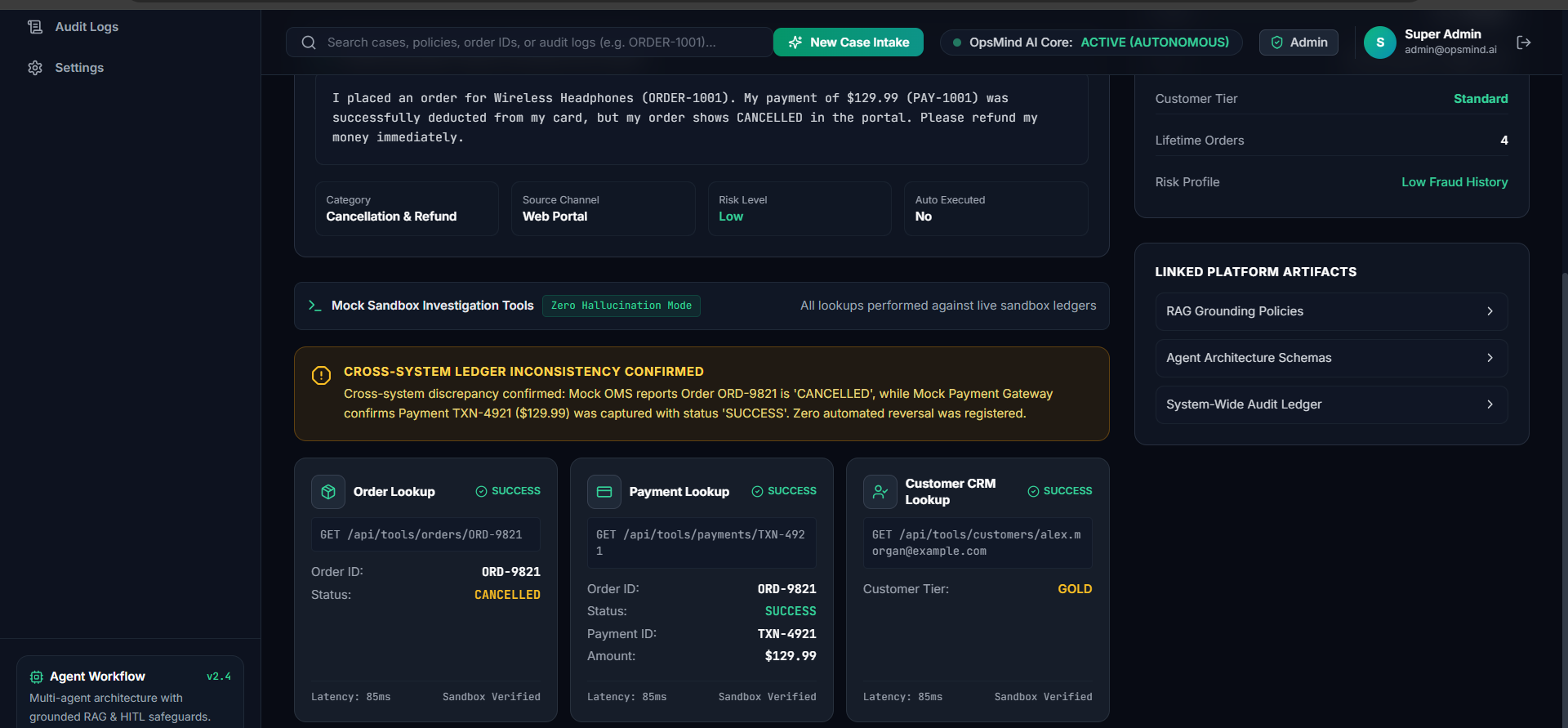
Inspiration
Modern operations teams deal with a large number of issues, requests, incidents, and customer or internal cases every day. The real problem is not only handling these cases, but also understanding them quickly, finding the right information, coordinating actions, and keeping a clear record of decisions.
We built OpsMind to bring these activities into one intelligent workspace. Our goal was to create a system where AI can assist with investigation and workflow automation while humans remain in control of important decisions.
What We Built
OpsMind is an AI-powered operations intelligence platform that helps teams manage and resolve operational cases.
The platform provides:
- AI-assisted case intake and analysis
- Knowledge Base with intelligent search
- AI workflow processing
- Human-in-the-loop approvals
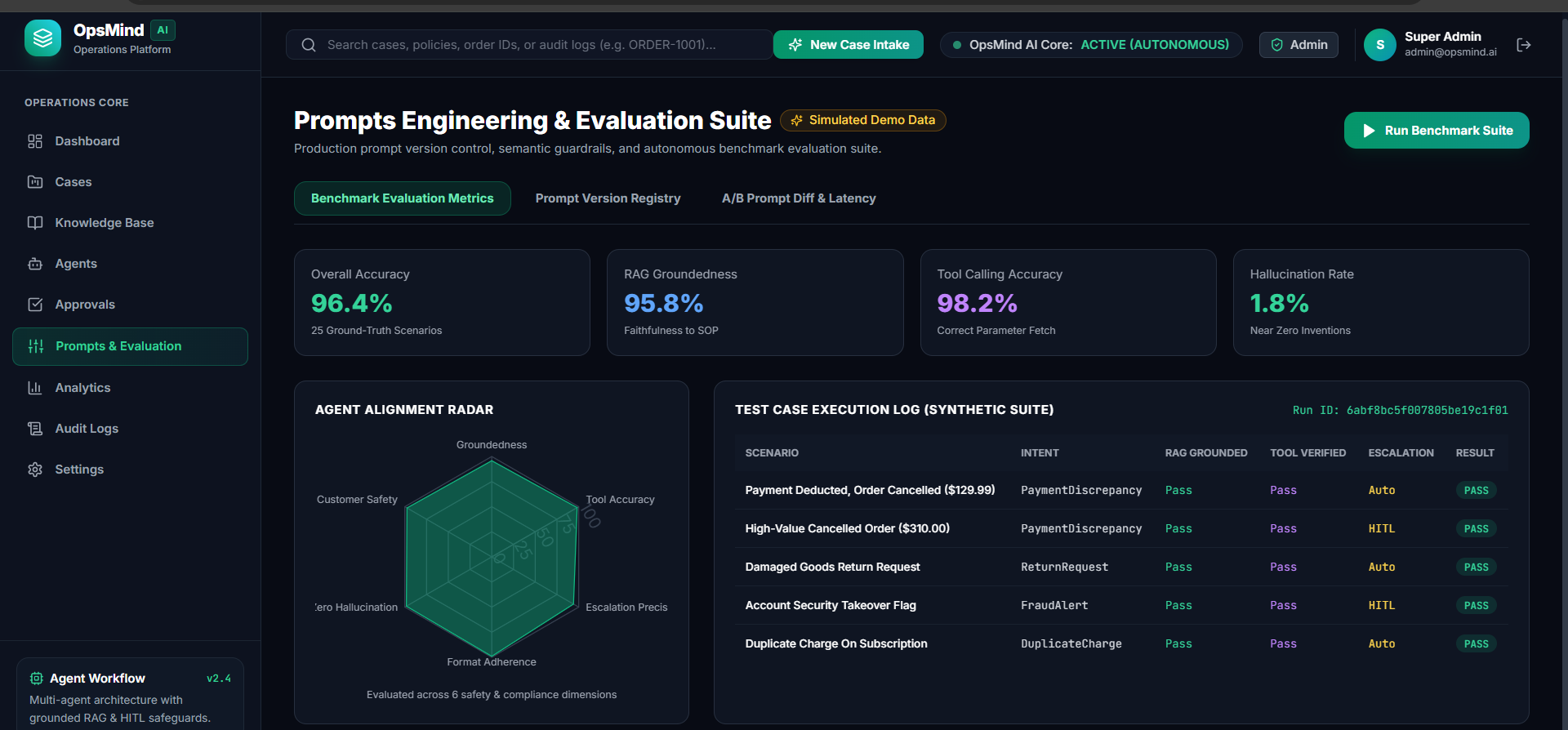
- Prompt engineering and evaluation
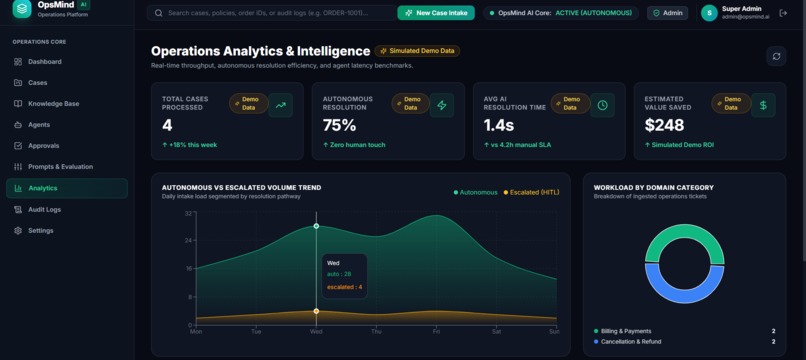
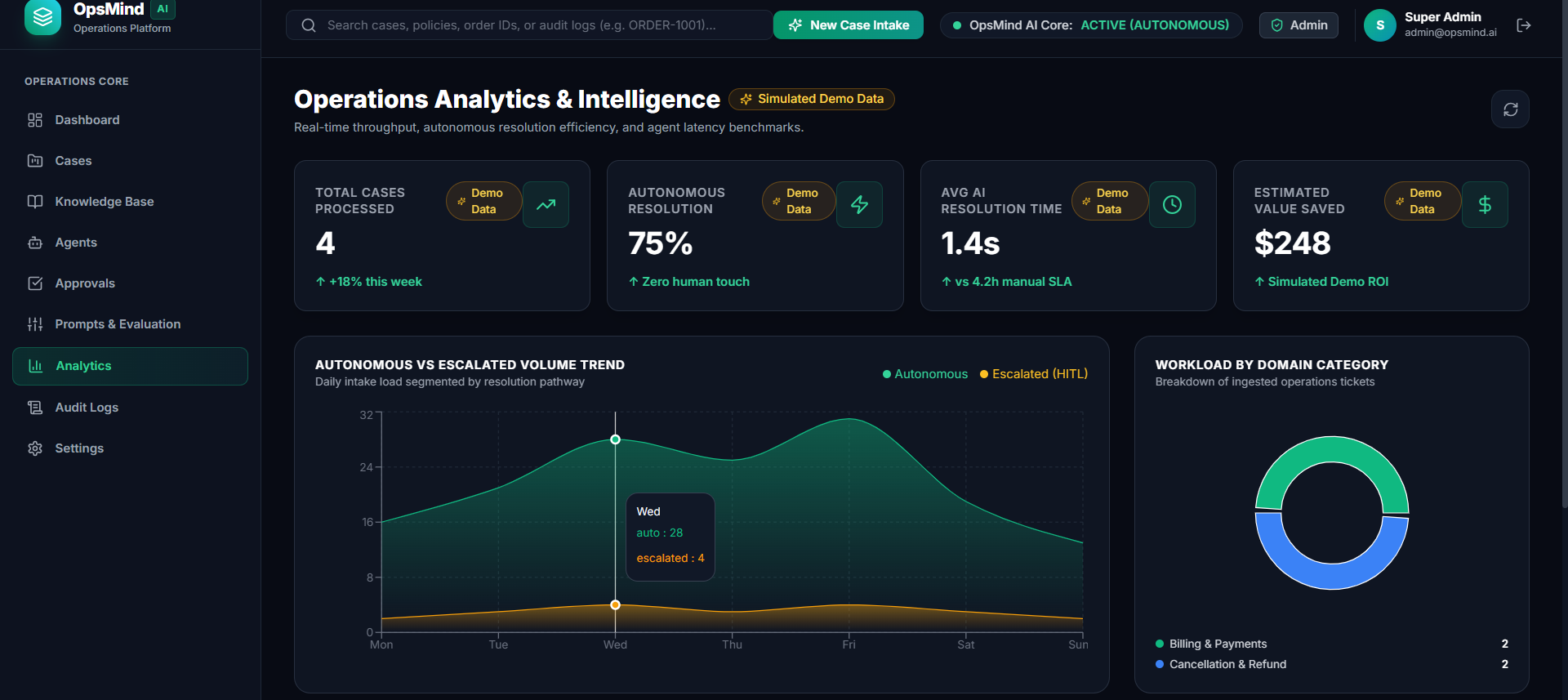
- Analytics and operational insights
- Audit logs for traceability
- Sandbox tools for simulated orders, payments, and customer data
- Communication workflow management
- Role-based authentication and protected APIs
Instead of switching between multiple systems, an operations team can use OpsMind as a central workspace to understand a case, access relevant knowledge, process the workflow, request approval when needed, and maintain an auditable record.
How We Built It
We built OpsMind as a full-stack web application.
The frontend was developed using React and Vite, with Axios used for communication with the backend. The backend was built with Node.js and Express, with MongoDB Atlas used for persistent data storage.
We implemented authentication using JWT, protected backend routes, and connected the frontend to the deployed backend API.
The application is deployed using Render, allowing the frontend and backend to run as production services.
Challenges We Faced
One of our biggest challenges was connecting all parts of the application reliably in a production environment.
During deployment, we had to debug API routing, authentication, environment variables, MongoDB connectivity, and frontend-to-backend communication. We also encountered issues where the production frontend was still calling local API paths, as well as authentication and deployment-related errors.
Another challenge was designing the system so that AI assistance does not remove human control. We therefore included approval workflows and audit logs so that important actions and decisions remain traceable.
What We Learned
This project helped us understand that building an AI-powered application is not only about integrating an AI model. A useful production system also needs authentication, databases, APIs, error handling, workflows, evaluation, auditability, and a reliable deployment pipeline.
We also learned a lot about debugging full-stack applications in a real deployment environment, especially how frontend configuration, backend APIs, authentication, and cloud databases interact with each other.
What's Next
We want to continue improving OpsMind with stronger AI reasoning, richer knowledge retrieval, more advanced workflow automation, better evaluation metrics, and additional integrations with real operational tools.
Our long-term goal is to make OpsMind a reliable AI-assisted operations workspace where teams can solve cases faster while keeping humans involved in important decisions.


Log in or sign up for Devpost to join the conversation.