-
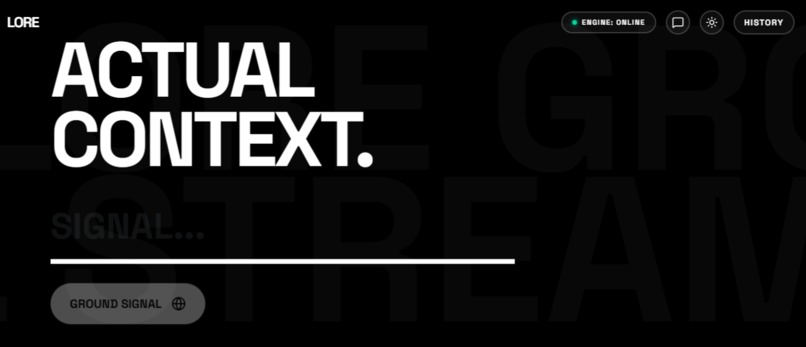
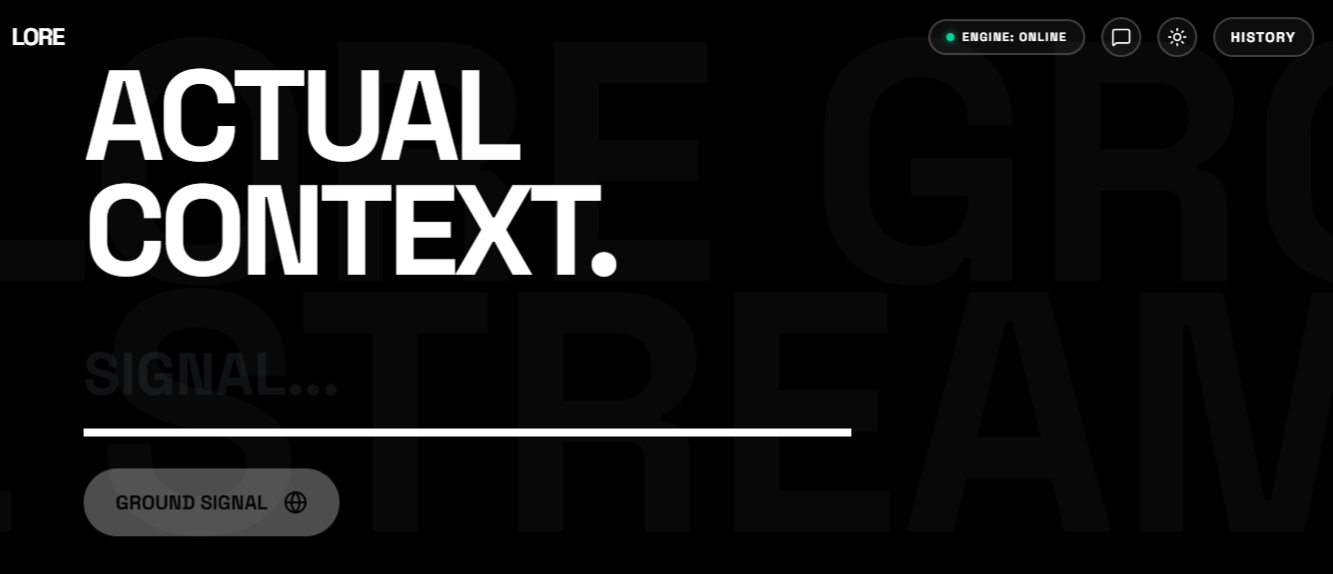
LORE opening page
-
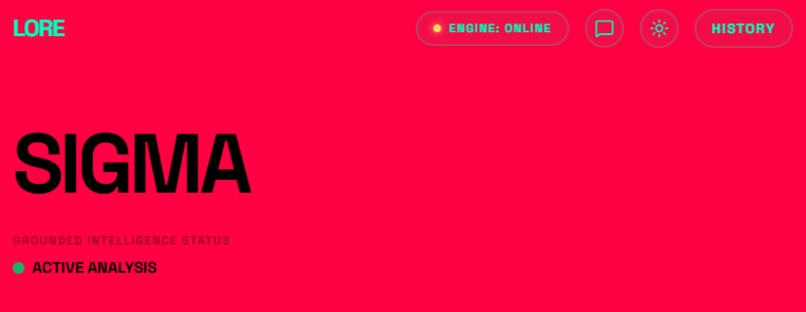
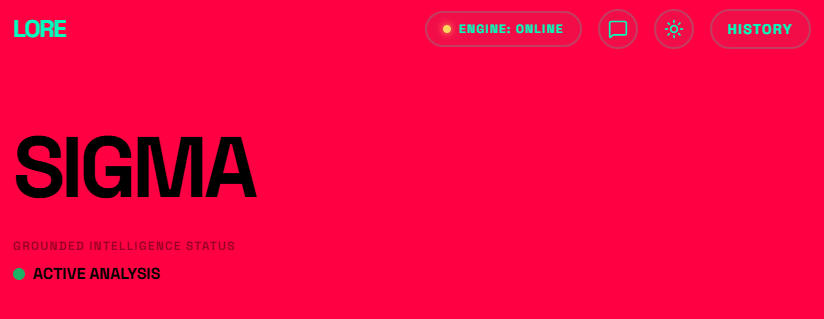
Result page - "Sigma"
Inspiration
Internet culture evolves faster than traditional search engines or dictionaries can keep up with. Slang, memes, irony, and references often spread across TikTok, X, Instagram, Reddit, and Discord within hours, creating a growing communication gap between generations and even between online communities themselves. Lore was inspired by the idea of creating a tool that could actually understand digital culture contextually instead of just defining words. I wanted to build something that could explain not only what a phrase means, but why people are using it, where it came from, and the tone behind it.
What it does
Lore is an AI-powered platform that decodes Gen Z internet slang, memes, abbreviations, trends, and online references using contextual AI analysis. Instead of providing basic dictionary-style definitions, Lore analyzes tone, intent, meme formats, irony, and cultural relevance to generate explanations that feel natural and understandable. Users can paste phrases, screenshots, captions, comments, or conversations and receive clear breakdowns of what the content means within modern internet culture.
How I built it
I built Lore using Google AI Studio and the Gemini API, primarily powered by Gemini Flash models for fast and scalable responses. The frontend was developed using JavaScript, HTML, CSS, and React-based components generated and customized within AI Studio. The application uses prompt engineering and contextual analysis techniques to help the model interpret internet-specific language patterns, meme structures, and platform-specific communication styles. The project was deployed as a web application and optimized for quick conversational responses.
Challenges I ran into
One of the biggest challenges was dealing with the constantly evolving nature of internet culture. Slang and memes often have multiple meanings depending on context, tone, or platform, which made consistency difficult. Another challenge was managing API quotas and deployment limitations after publishing the app publicly. I also had to refine prompts carefully so the AI could distinguish between sarcasm, irony, humor, and literal meanings without overexplaining or losing the conversational feel of internet language.
Accomplishments that I'm proud of
I'm proud of creating a project that feels genuinely relevant to how people communicate online today. Lore goes beyond simple AI chat functionality and focuses on cultural interpretation, which makes it stand out from traditional search or translation tools. I'm also proud that the app can explain complex meme references and layered internet humor in a way that feels accessible, modern, and intuitive. Successfully deploying and publishing a functional AI-powered web application was also a major milestone.
What I learned
Through building Lore, I learned a lot about prompt engineering, AI deployment, frontend integration, and managing real-world API usage. I also gained a deeper understanding of how contextual AI systems process language differently from traditional keyword-based tools. Beyond the technical side, the project showed me how deeply internet culture shapes communication and how AI can be used to bridge gaps in understanding between different communities and generations.
What's next for LORE
The next step for Lore is expanding beyond text-based decoding into multimodal analysis, including meme image interpretation, short-form video trend explanations, and social media screenshot analysis. I also want to introduce live trend tracking, personalized internet culture feeds, and platform-specific decoding modes for TikTok, Reddit, Discord, and X. Long-term, the goal is to turn Lore into a real-time cultural intelligence platform that evolves alongside the internet itself.
Built With
- 2.0
- ai
- api
- flash
- gemini
- html/css
- javascript
- react
- studio

Log in or sign up for Devpost to join the conversation.