-
-
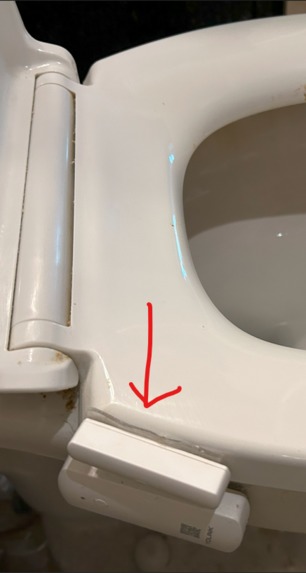
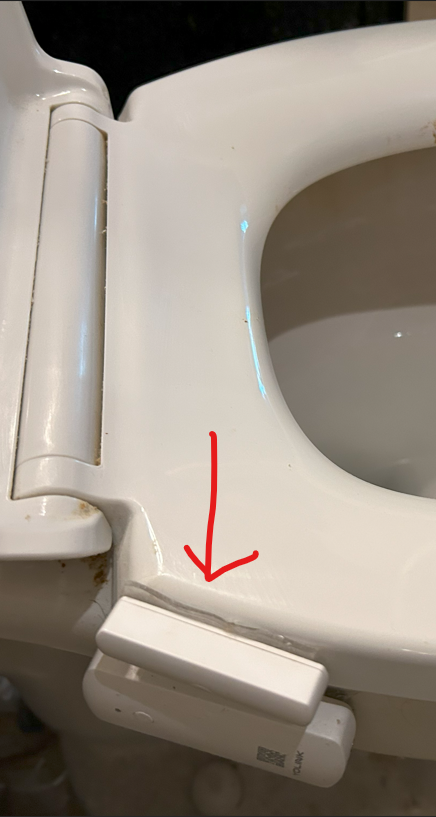
Toilet seat raised
-
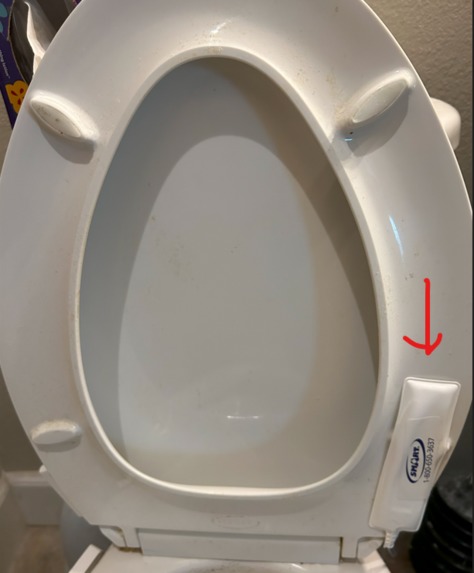
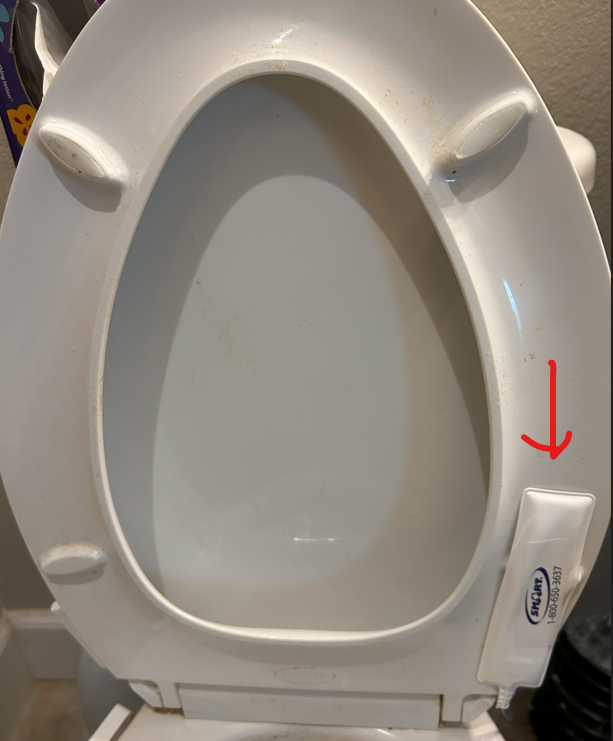
Toilet occupied pressure sensor
-
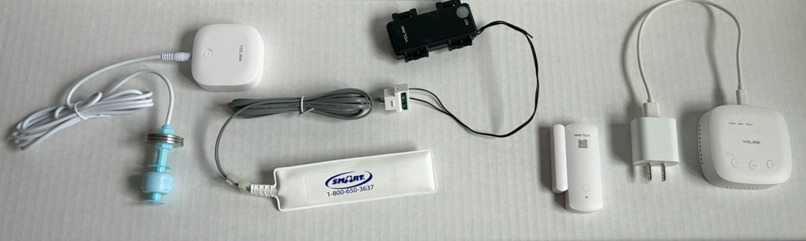
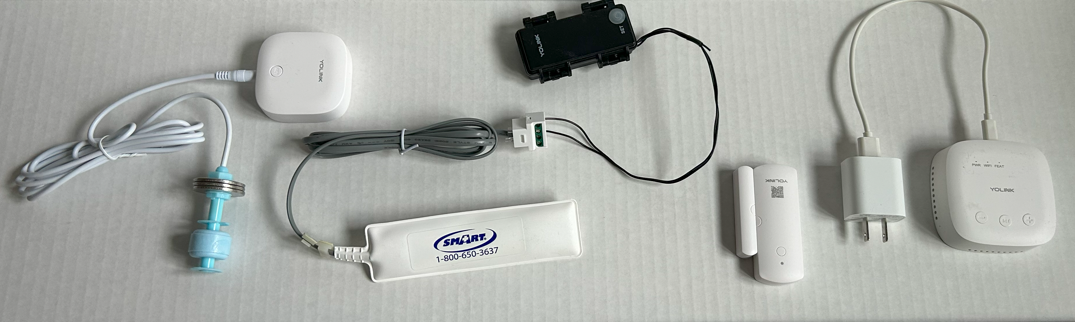
Sensors and hub
-
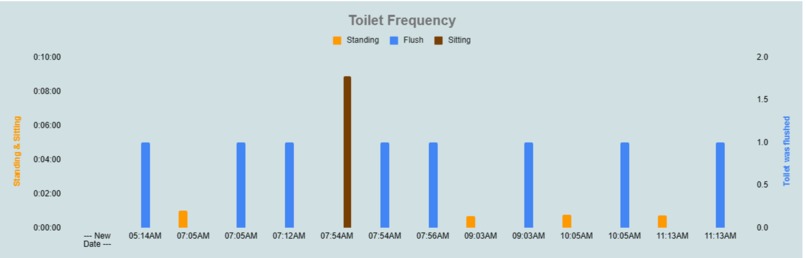
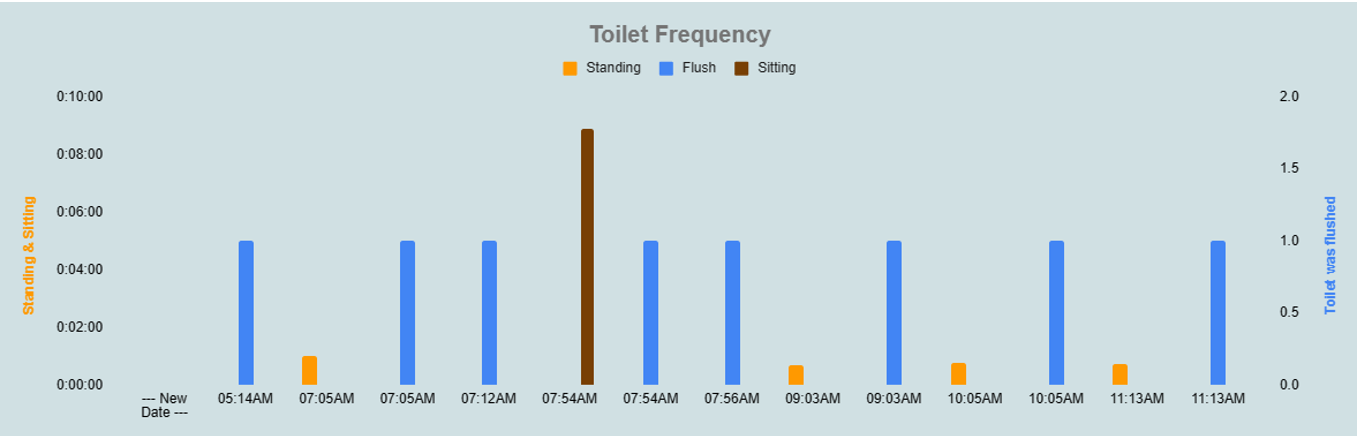
Toilet Usage Data
-
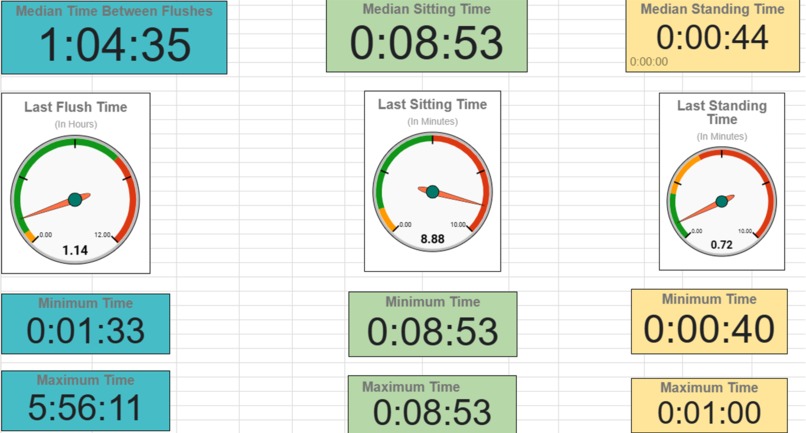
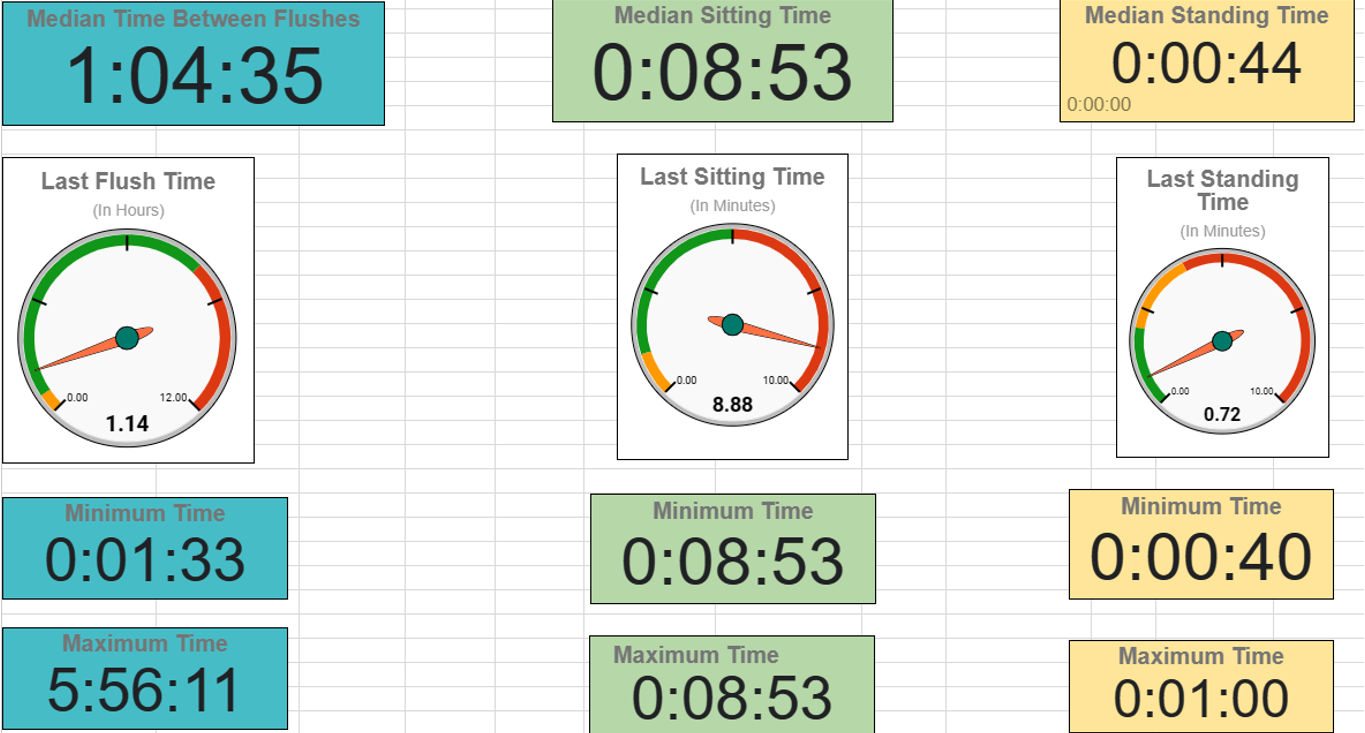
Dashboard
Inspiration
Since retiring in 2011 as an MSEE from a large tech company, I have worked on several technical solutions to help family caregivers monitor their loved one's medical conditions. While it's relatively easy to perform remote physiological monitoring (RPM) on patients by tracking weight, blood pressure, and sleep changes, asking patients to record changes in their toileting is error-prone. The errors are due to patient modesty and their lack of easy record-keeping. In addition, this information needs to be transcribed into a format usable by data processing tools. Simply tracking bathroom visits with a motion or door sensor does not provide sufficient data, as the visit may just be to wash their hands, brush their teeth, or use the mirror. Changes in toileting may be a side effect of medication changes.
What it does
LooRPM = Provides a low-cost, easily temporarily installable, expandable toilet usage reporting system: (Loo (Toilet) RPM (Remote Physiologic Monitoring) In this Hackathon entry, I'm showing an automated way that requires no patient training in usage, no patient wearables, and no patient interaction that records the collected data in a cloud-based spreadsheet: • Toilet flushes • Time spent sitting on the toilet seat • Time spent with the seat up (male urination)
This raw data is stored in the cloud-based spreadsheet (Google Sheets) and can be processed with data analysis tools to generate reports and alerts on: • Average time using toilet • Frequency of toilet usage • Trending patterns • Alerts when exceeding specified limits
How we built it
This is a working prototype system installed on a toilet in daily use that allows a remote means for the judges to test data collection on the cloud-based spreadsheet dashboard. Data is collected through standard YoLink sensors and reported to cloud-based Google Sheets through the IFTTT cloud-based service.
Accounts • The HCP creates a FREE YoLink account with named sensors for each patient • The HCP creates a FREE Google account for use with Google Sheets • The HCP creates a PAID ($12.50/month ) IFTTT Pro+ account to handle ALL YoLink requests and connection to Google Spreadsheets
Bill of Materials required at patient's toilet: $150 • Optional Cell modem/router $100 and $7/month service
The system can be easily removed from the patient's toilet, leaving no traces
Challenges we ran into
While it's easy to construct a spreadsheet for charting information collected from bulk data imports, working with real-time data is a challenge.
Finding a usable sensor for measuring toilet use standing time was easily accomplished using a contact sensor on the toilet seat to determine if it was up or down. However, measuring the time spent sitting on a toilet seat was more difficult as I could only find two manufacturers of such pressure-sensitive devices. These devices were designed to set off an alarm when a patient exited the toilet.
Determining when the toilet was flushed was a problem, as I wanted to avoid any complex button-push detection. I settled on using a "tank-empty" float-level sensor.
Accomplishments that we're proud of
The system works very well and can track daily or weekly trends and last-used event readings with a dashboard containing gauges and scorecards. Using a cloud-based spreadsheet makes it easy for HCPs to view the data on any system with a web browser.
What we learned
I was surprised when monitoring my own toilet usage, as I underestimated the frequency and duration of visits. I now understand how difficult it is for a patient to report this information accurately to a caregiver or medical professional.
What's next for LooRPM- Remote monitoring of patient toilet usage
• Adding more features to the HCP dashboard, such as onscreen controls to adjust gauge limits and alert settings. • Incorporate the auto-flush and "wash your hands reminder" shown in my Blog https://frankseasytechcorner.substack.com/p/how-to-add-a-low-cost-auto-flusher


Log in or sign up for Devpost to join the conversation.