-
-
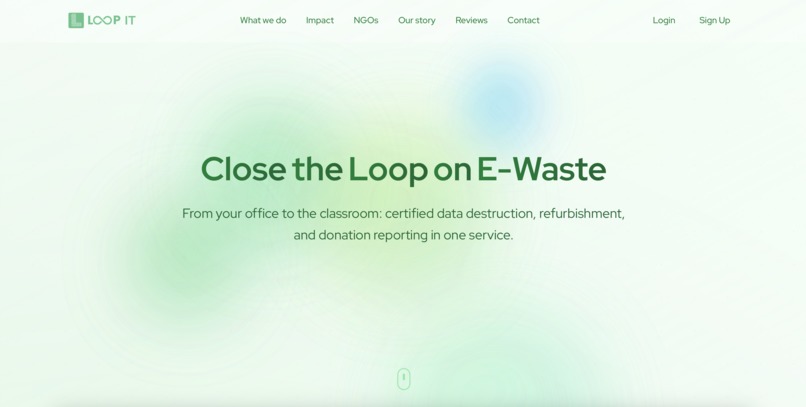
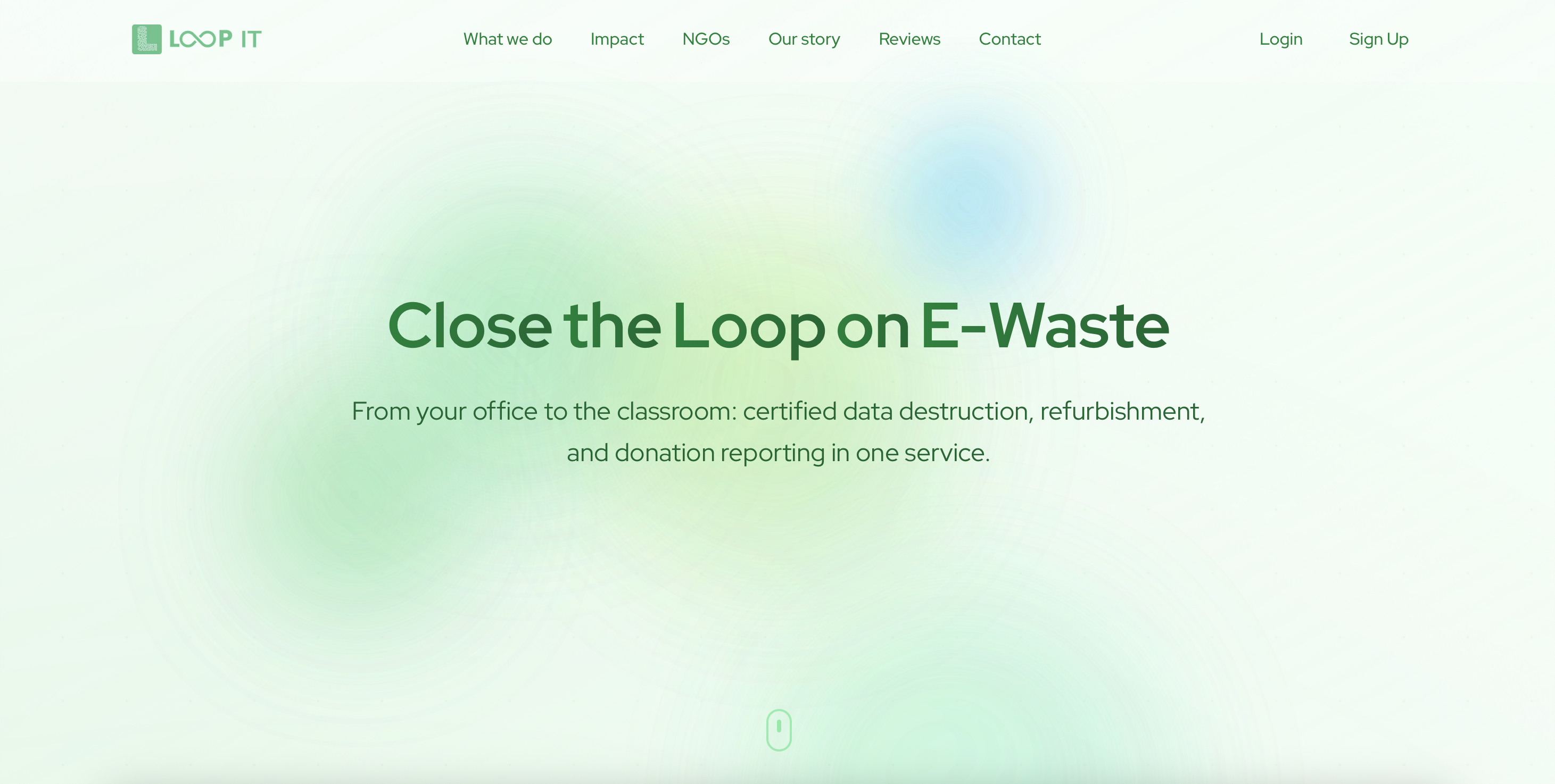
Home page- What we do !
-
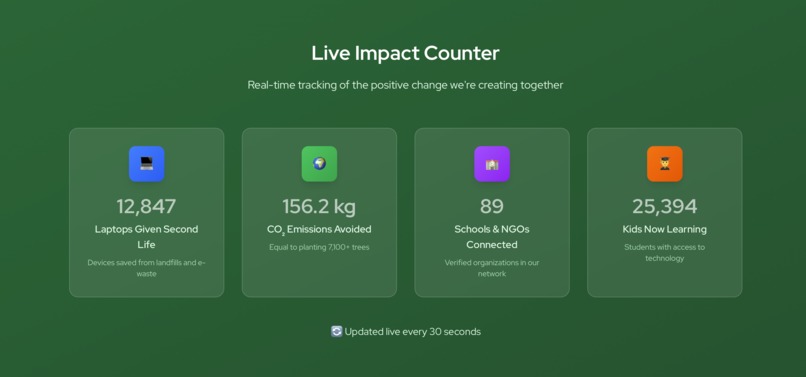
Home page
-
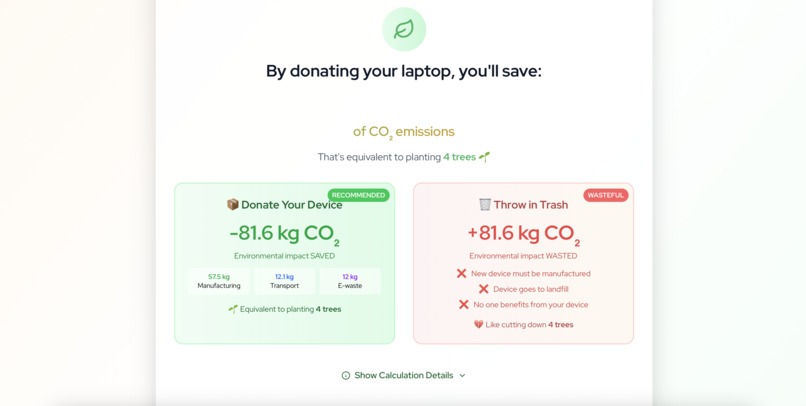
Impact
-
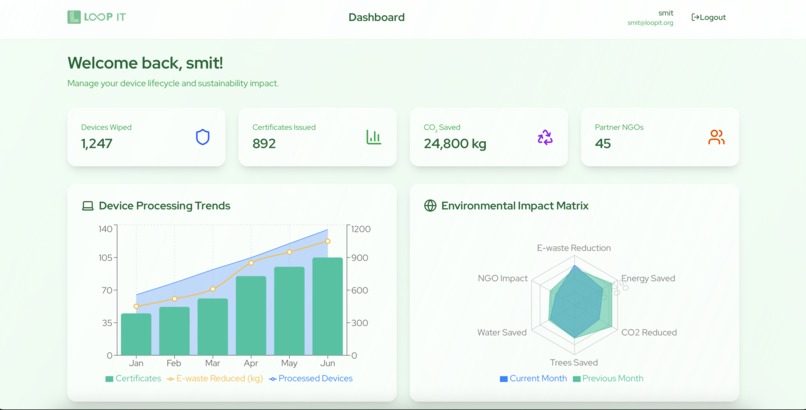
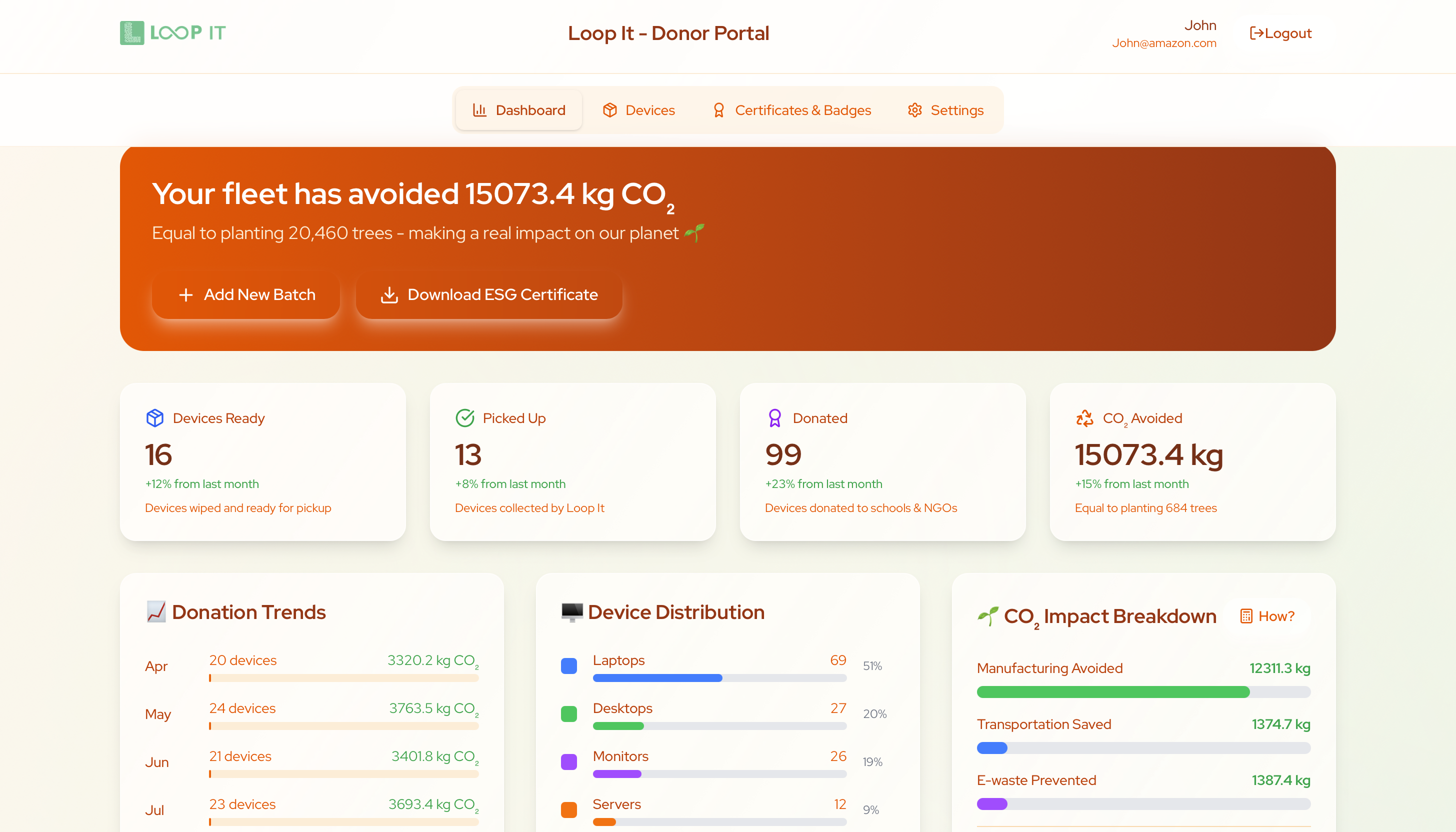
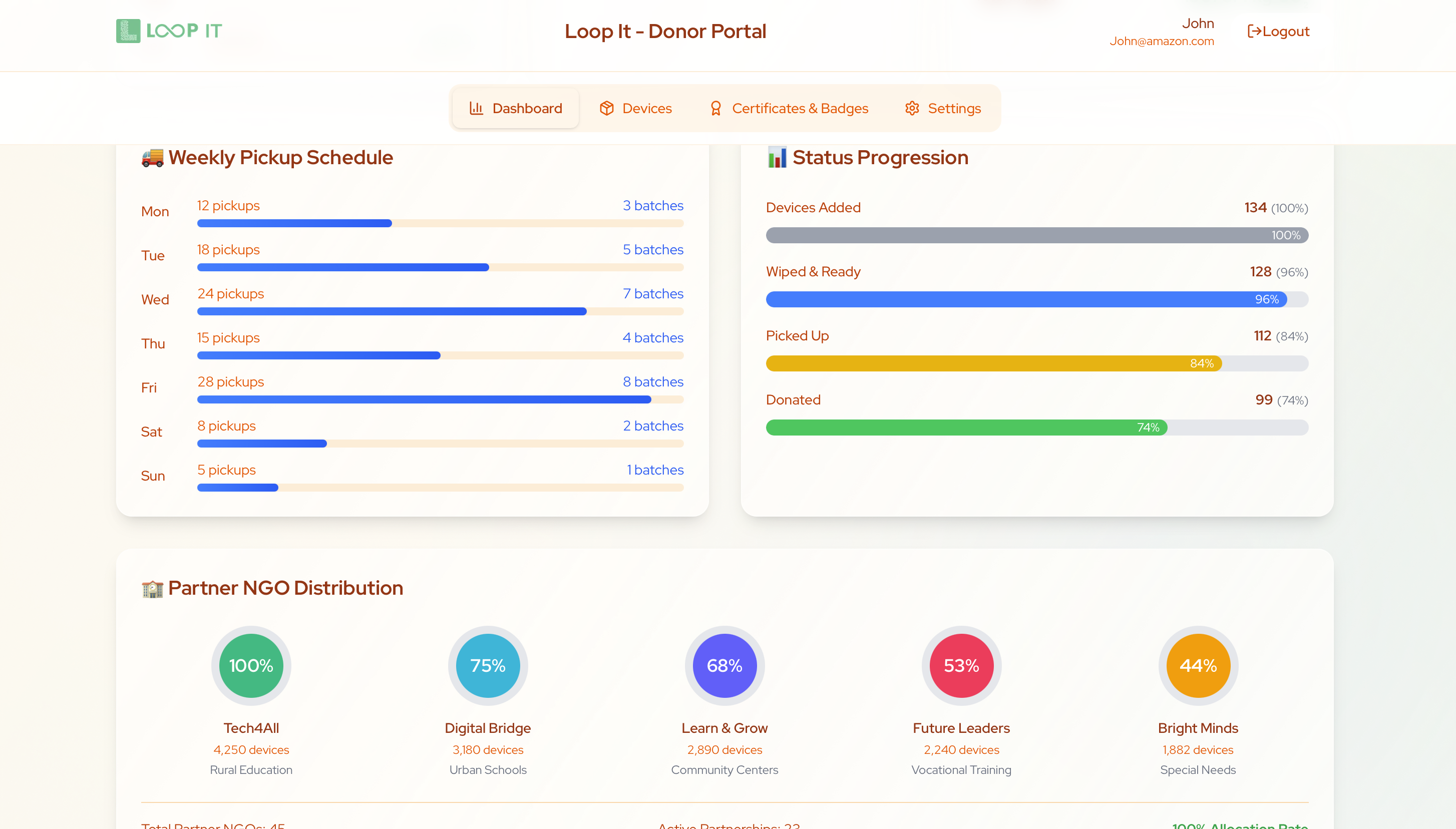
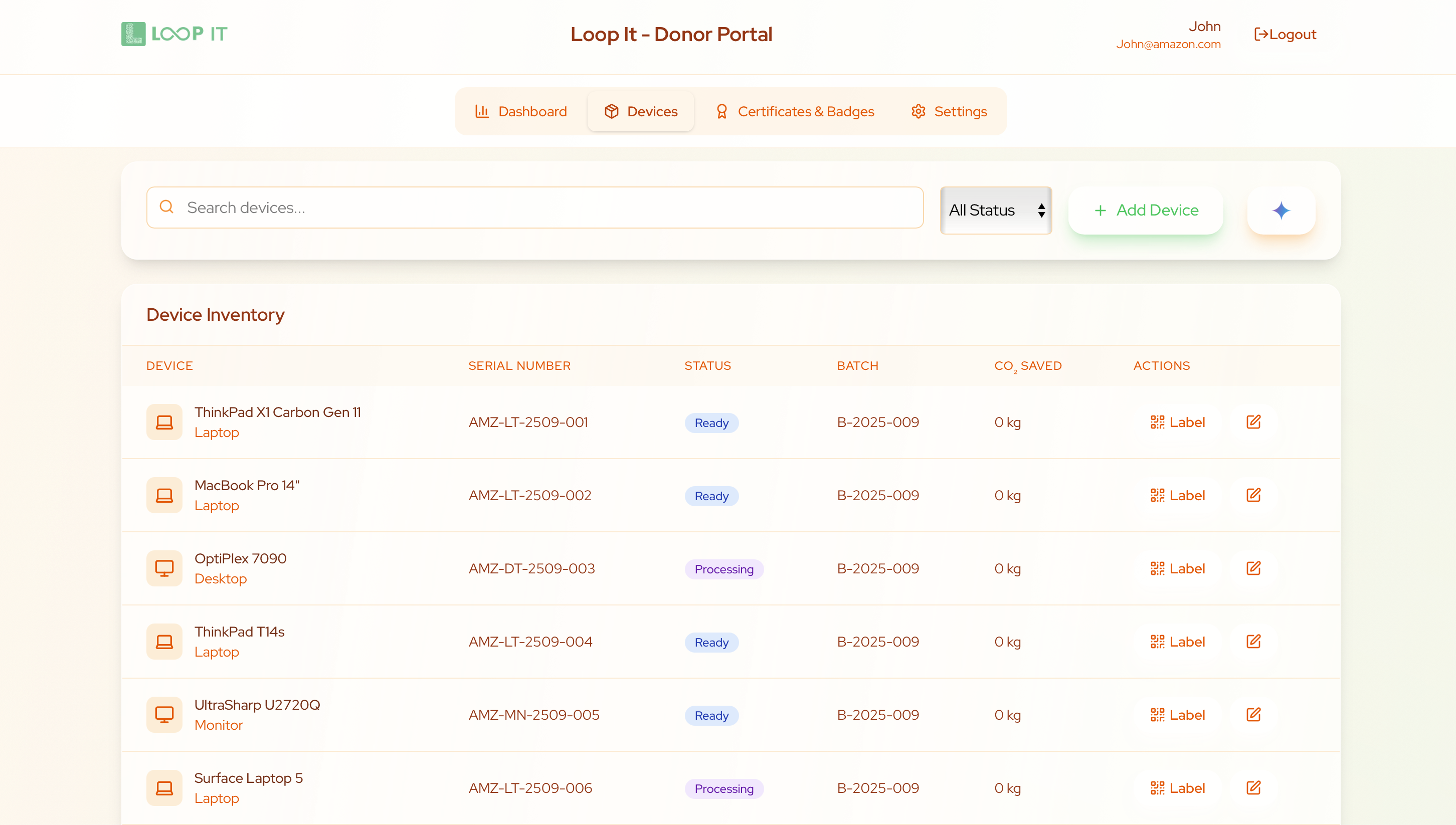
LoopIT - impact dashboard
-
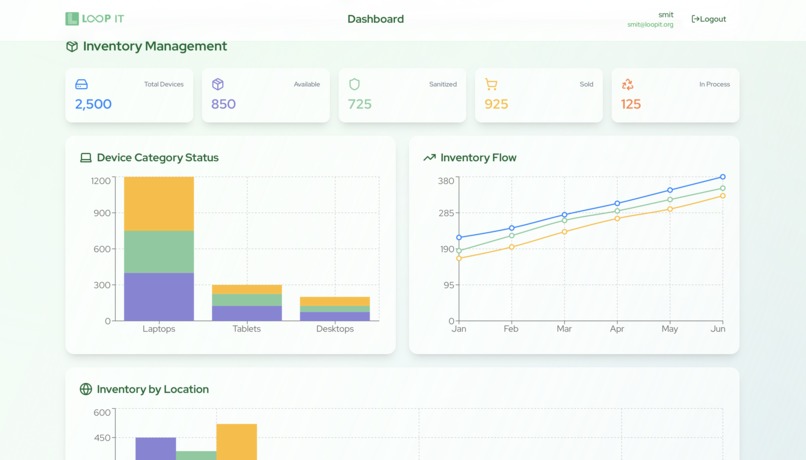
LoopIT - impact dashboard
-
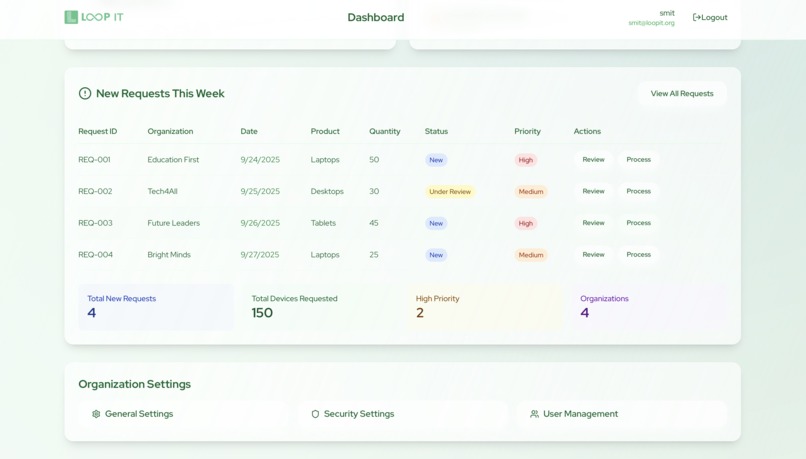
LoopIT - impact dashboard
-
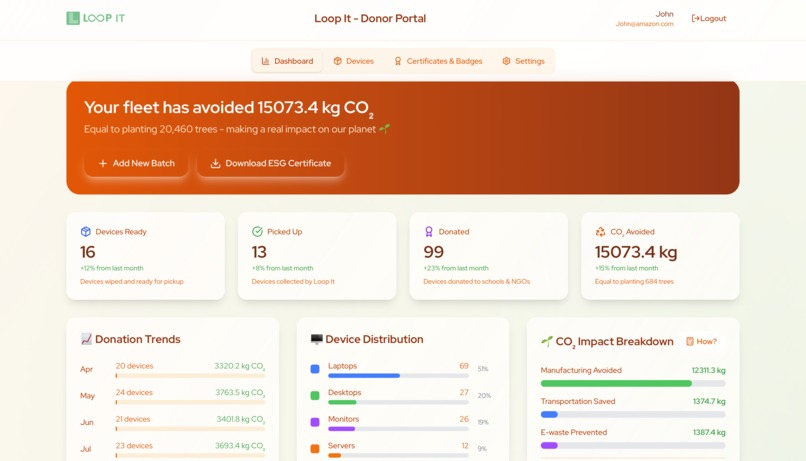
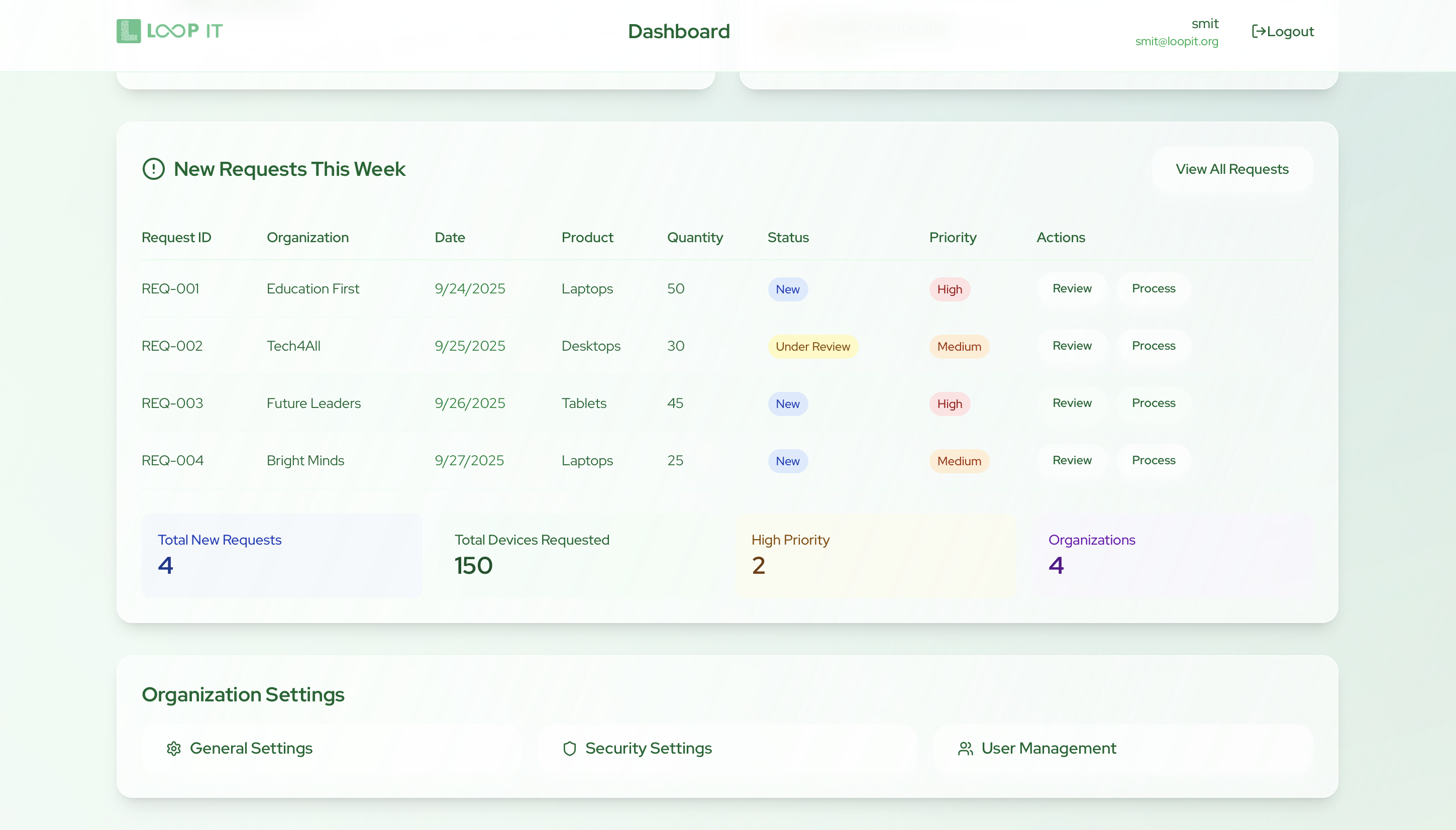
LoopIT- Organisation Dashboard
-
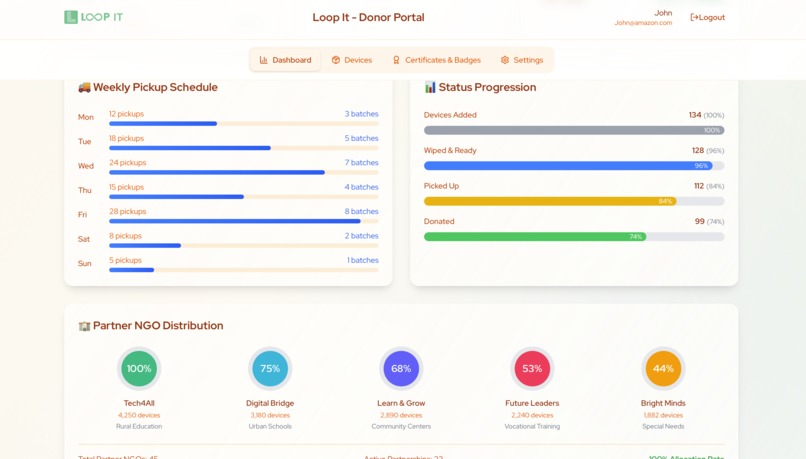
LoopIT- Organisation Dashboard
-
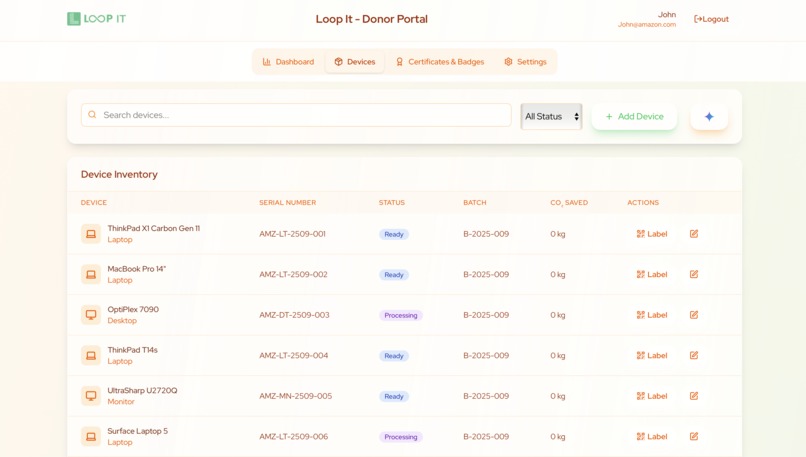
LoopIT- Organisation Dashboard
-
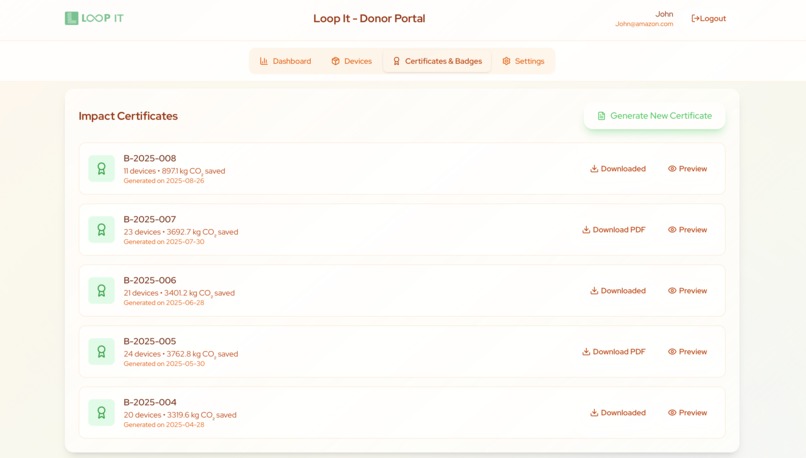
LoopIT- Organisation Dashboard
-
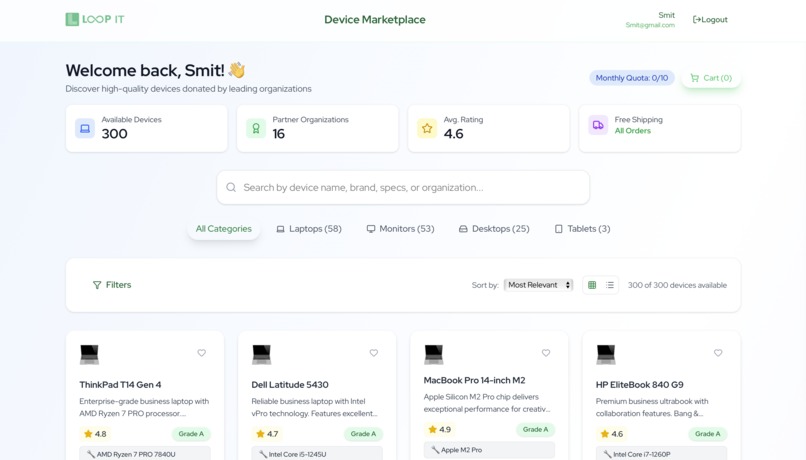
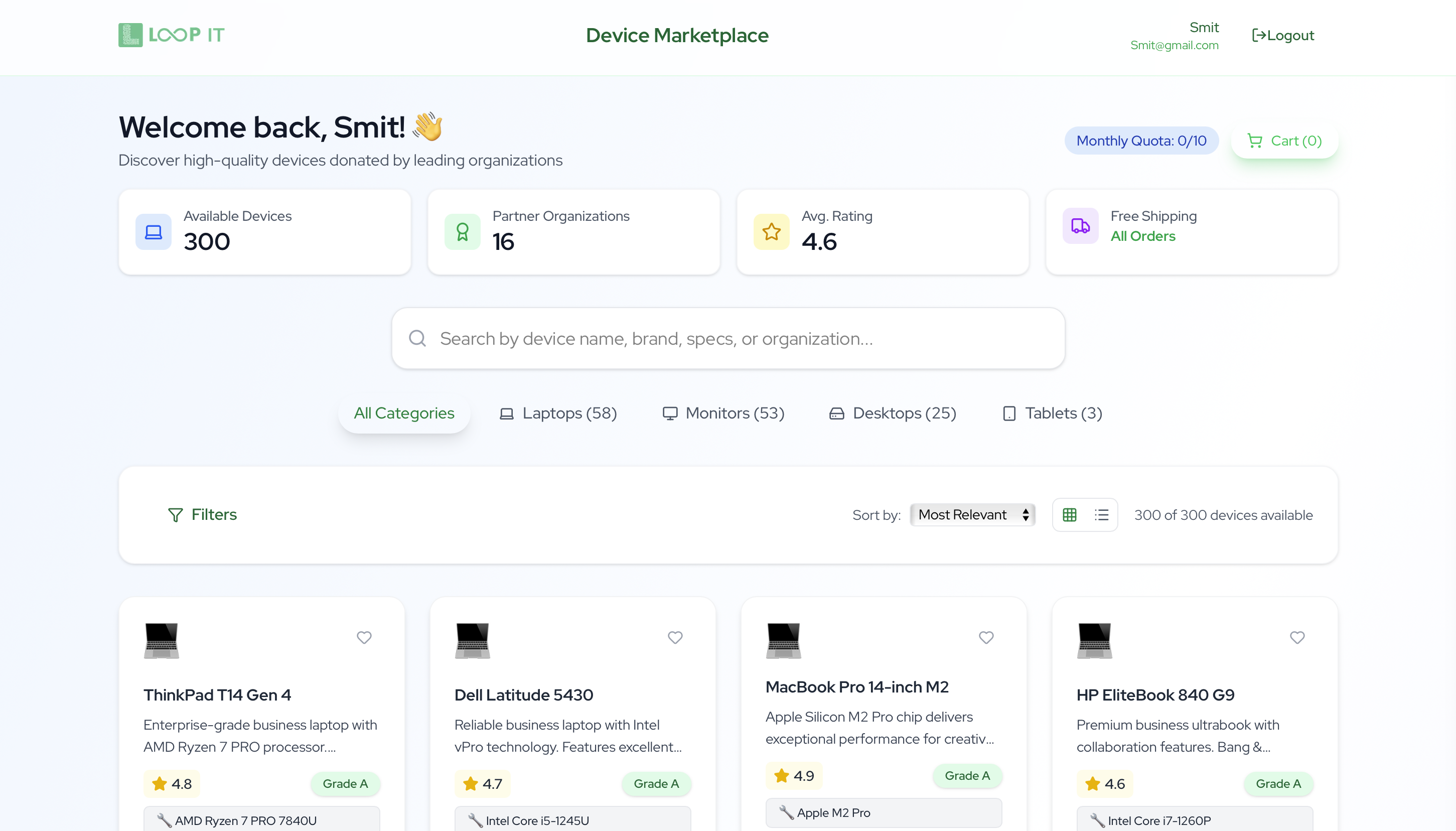
Market place - for distributing technology
Inspiration
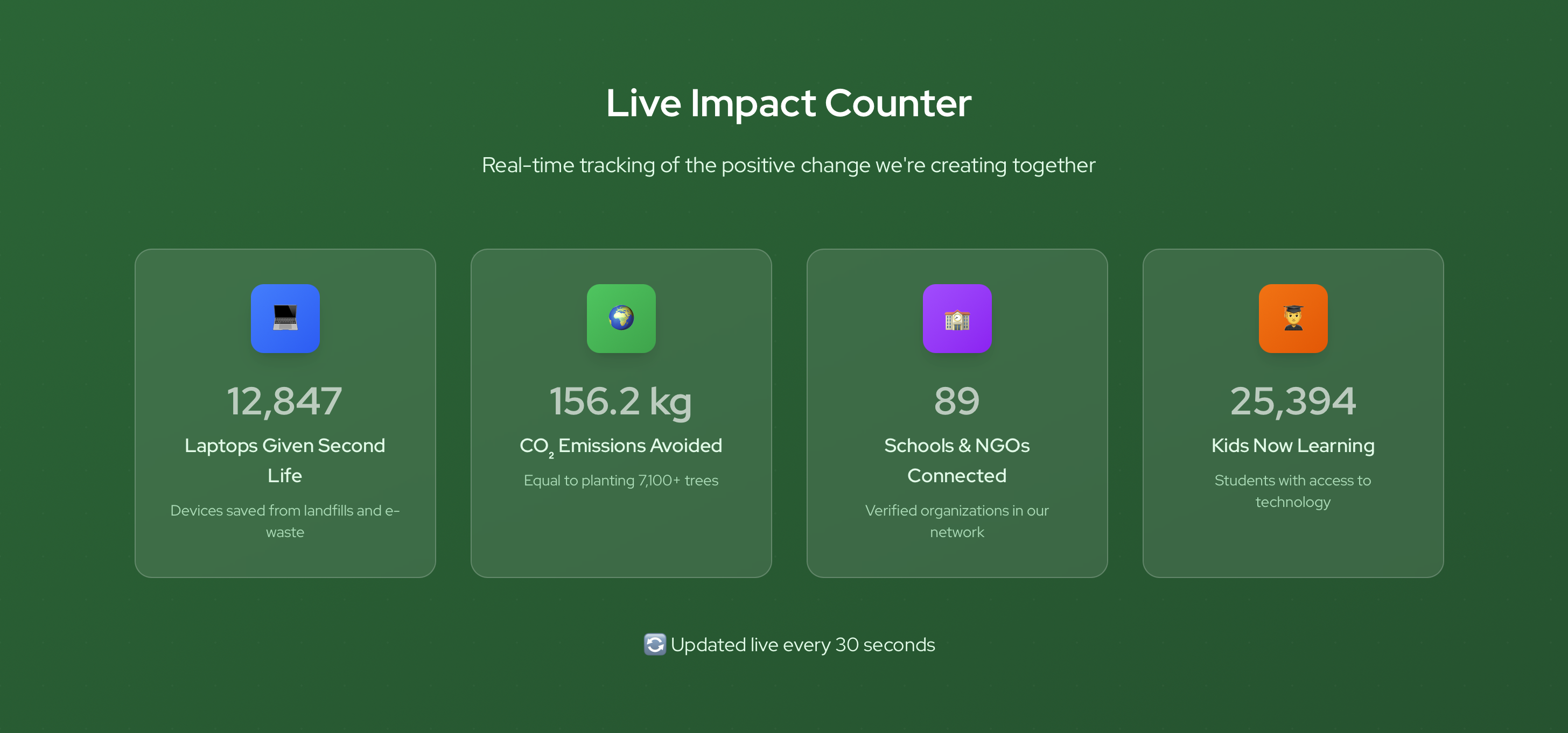
The inspiration for LoopIT came from seeing two problems side by side. On one hand, organizations often destroy or landfill devices out of fear of data breaches. On the other hand, first-generation and underprivileged students don’t have the technology they need to succeed. At the same time, e-waste is a growing crisis, and recycling alone doesn’t solve it. I wanted to create something that makes reuse before recycling possible while reducing CO₂ emissions.
What it does
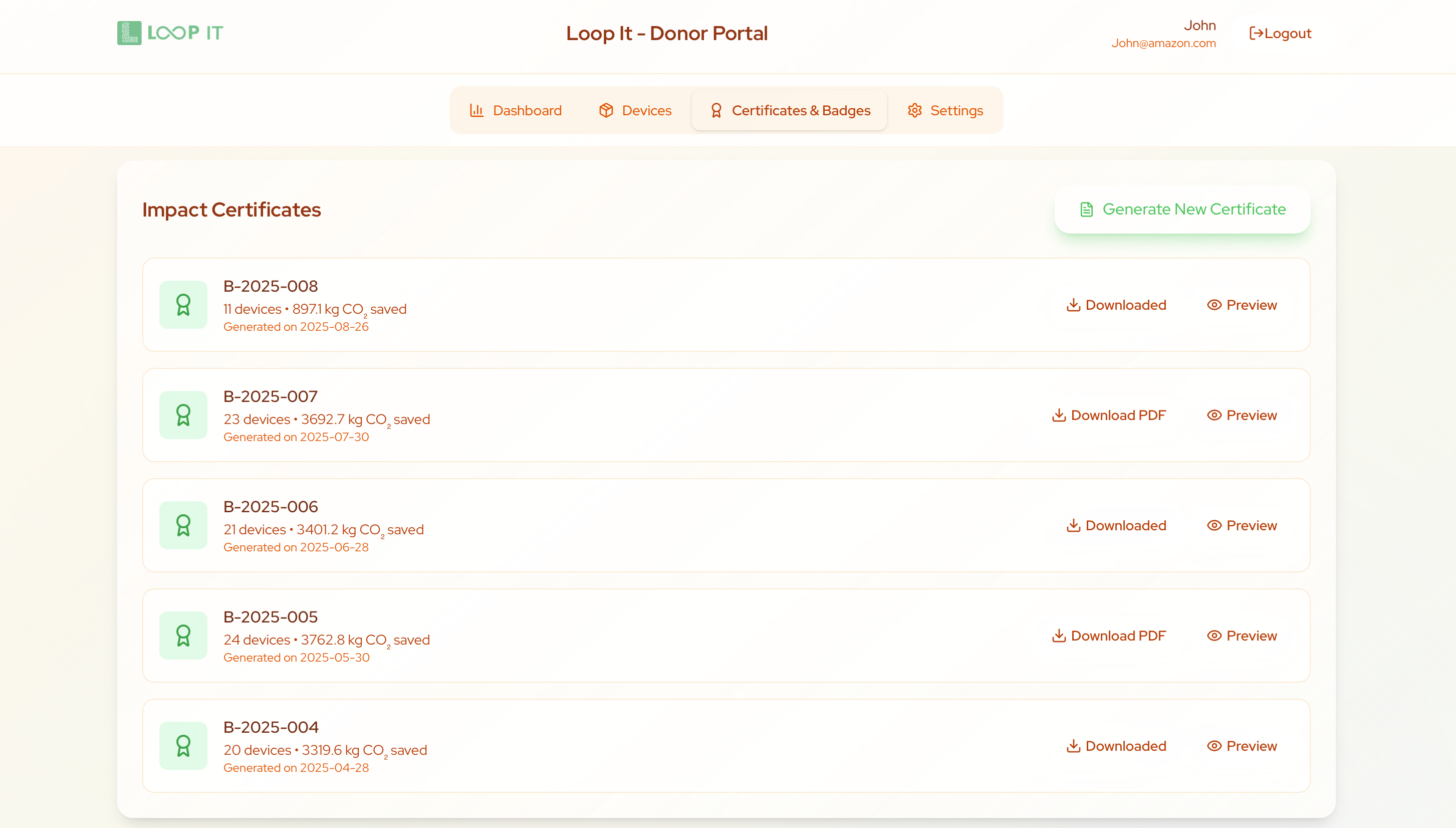
LoopIT is a web app that makes it safe and easy for organizations to give devices a second life. It generates wipe scripts based on NIST standards, verifies the logs with AI, and issues tamper-evident certificates that prove data is gone. After certification, devices can be listed on a marketplace where schools and NGOs can claim them, ensuring they are reused instead of destroyed.
How we built it
We built LoopIT using a modern web stack that let us move fast while still creating something powerful. On the frontend, we used React.js with Next.js, along with the rest of the React ecosystem for styling and components. This gave us a clean, responsive interface where organizations can enter device details, upload logs, and view certificates in a dashboard.
For the backend, we used FastAPI, which let us quickly set up APIs to handle things like log verification, certificate generation, and impact reporting. To power the intelligence behind the platform, we integrated the Gemini API for AI analysis. This AI agent reads the wipe logs, checks them against NIST standards, and flags any issues before a certificate is issued.
The whole system works in three steps:
Script Generation – based on the details entered, our backend generates a secure wipe script for the device.
Log Verification with AI – after the wipe is run, the log file is uploaded and analyzed by our AI model through the Gemini API.
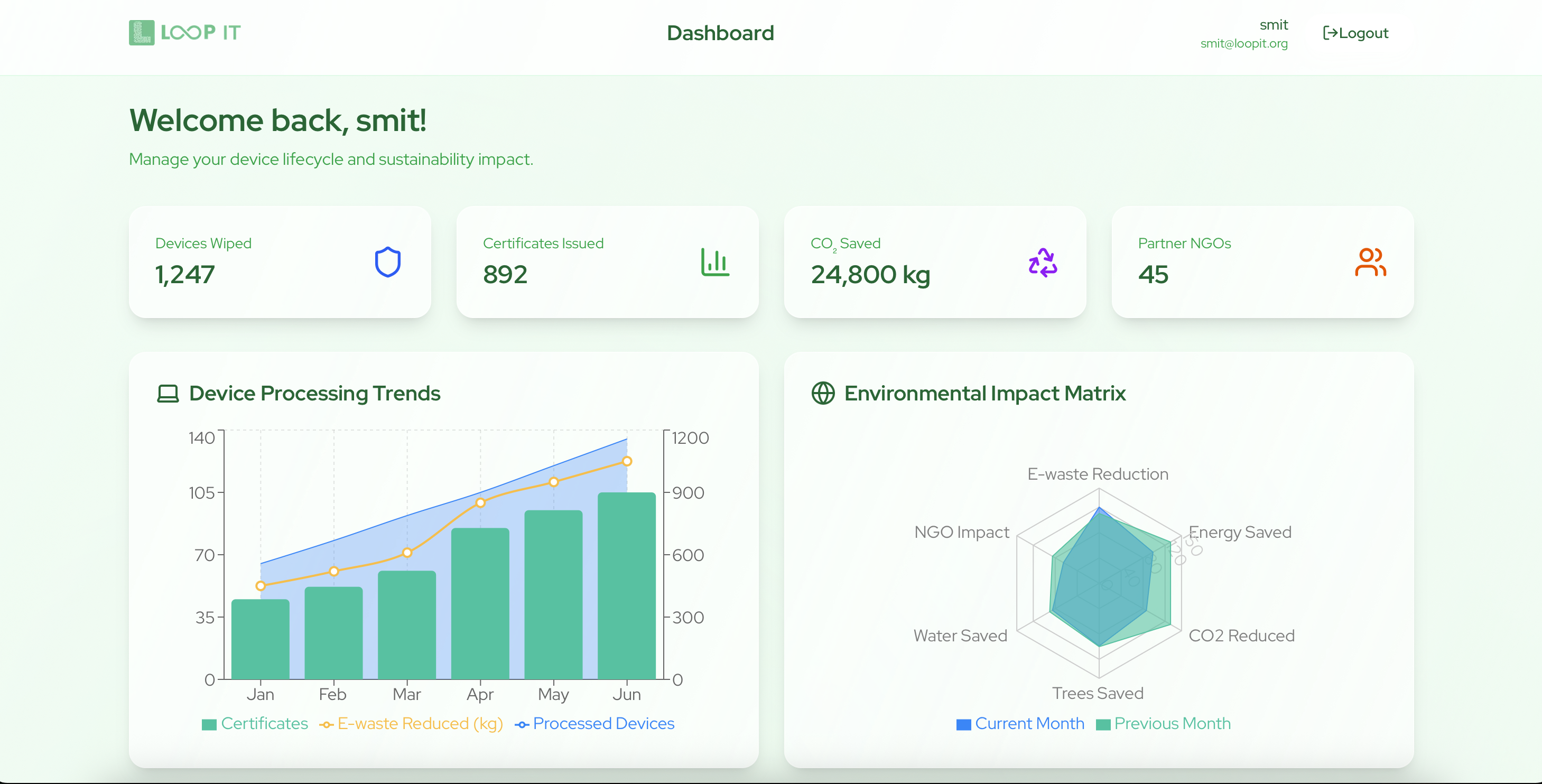
Certificate + Dashboard – once verified, the system issues a certificate and updates the dashboard with device counts, CO₂ savings, and donation options.
This mix of React.js, Next.js, FastAPI, and Gemini gave us both speed and flexibility, and helped us turn an idea into a working product within the hackathon timeframe.
Challenges we ran into
Making wipe verification simple but still trustworthy enough for IT/security standards.
Handling different operating systems and disk types in a single script flow.
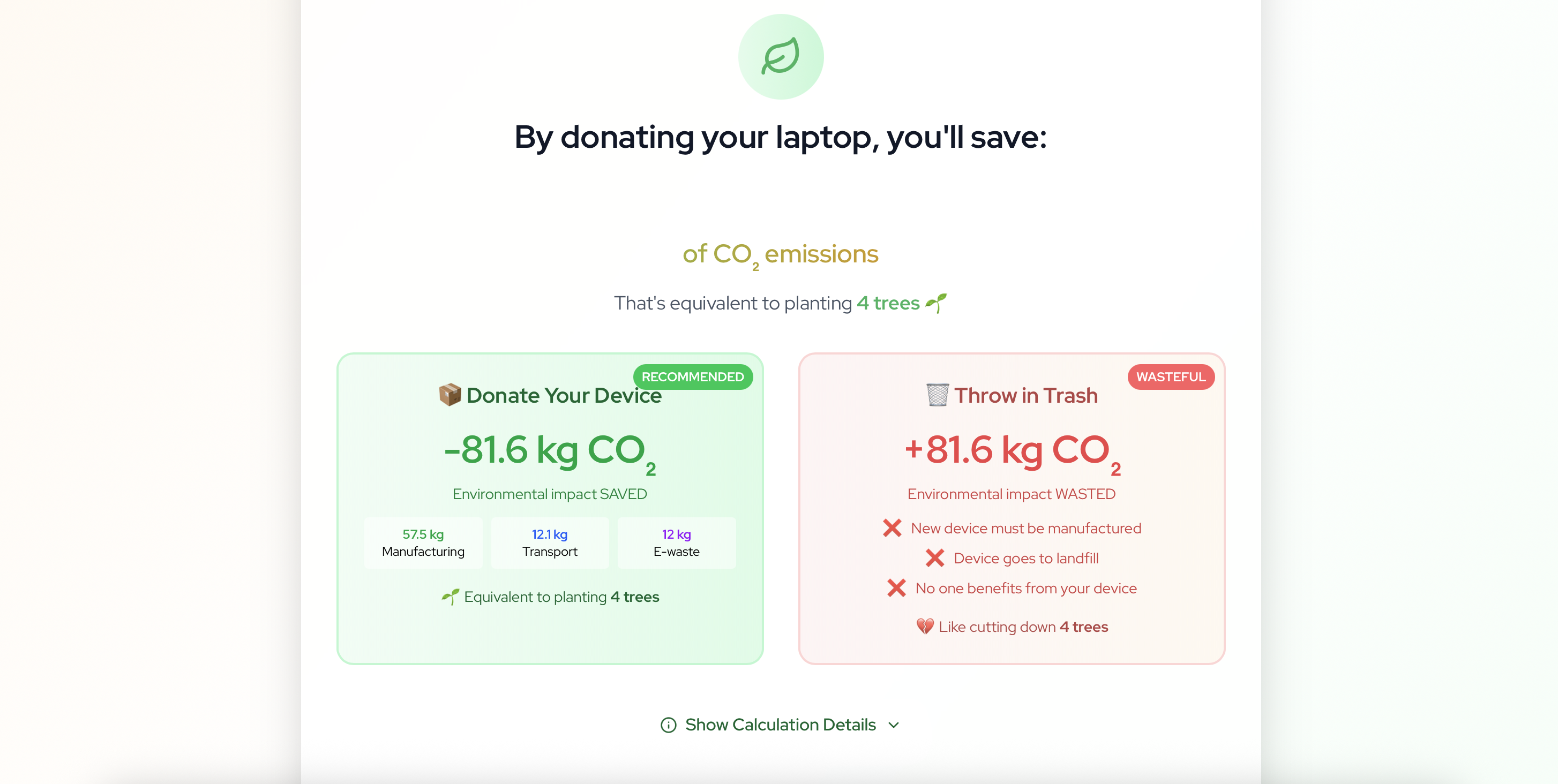
Balancing realistic CO₂ savings estimates with the limited time and data available.
Designing a marketplace flow that proves real reuse happens, not just paper certificates.
Accomplishments that we're proud of
LoopIT is a web app that makes it safe and easy for organizations to give devices a second life. It generates wipe scripts based on NIST standards, verifies the logs with AI, and issues tamper-evident certificates that prove data is gone. After certification, devices can be listed on a marketplace where schools and NGOs can claim them, ensuring they are reused instead of destroyed. One of our most significant accomplishments was building a complete, end-to-end flow in such a short time. In under 48 hours, we went from an idea to a working prototype that can generate wipe scripts, process log files, verify them with AI, and produce certificates. That in itself gave us confidence that the concept is not only possible but practical. We’re also proud of connecting security, sustainability, and social impact into one platform. Too often, these areas are treated separately, IT teams focus only on compliance, ESG teams focus on reporting, and nonprofits focus on donations. With LoopIT, we created a system that ties all three together: proof of secure wiping, a measure of CO₂ saved, and a direct pipeline to schools and NGOs.
Another accomplishment is that we designed the platform in a way that speaks to multiple stakeholders. IT admins see the technical credibility through wipe verification. Sustainability leaders see impact reporting through CO₂ savings. Community partners see access to devices they desperately need. Creating something that appeals to all three groups in one experience was a huge win. Finally, we’re proud that this project wasn’t just theory. We actually simulated wipe logs, verified them, and generated real certificates. That makes LoopIT not just a pitch, but a working MVP with potential to grow.
What we learned
We learned how deeply ingrained data security concerns are in organizations. Even when hardware is perfectly functional, the fear of a single data leak can lead to shredding thousands of laptops. NIST SP 800-88 taught us why these fears exist and gave us the framework (Clear, Purge, Destroy) to design wipe methods that organizations can trust. We also learned how reuse is far more impactful than recycling. Recycling recovers materials but still requires vast amounts of energy. Extending a device’s life through reuse avoids the emissions of manufacturing a replacement device. That’s where the CO₂ savings come in, and why reuse before recycle became our guiding principle. Another key learning was around AI for verification. At first, we thought generating scripts was the hard part. But we realized verification is where trust is built. Using AI to parse logs, flag anomalies, and prove wipes happened correctly showed us how automation can solve a real compliance challenge. We also learned about greenwashing risks. Companies might want to generate certificates without truly donating or reusing devices. That’s why we built a marketplace and impact dashboard, to keep the process transparent and accountable. Finally, we learned that the social impact is personal and powerful. Every reused laptop could mean a first-generation student can access the internet, homework, or online classes. Linking sustainability with education gave our project real meaning, beyond just the tech.
What's next for Loop IT
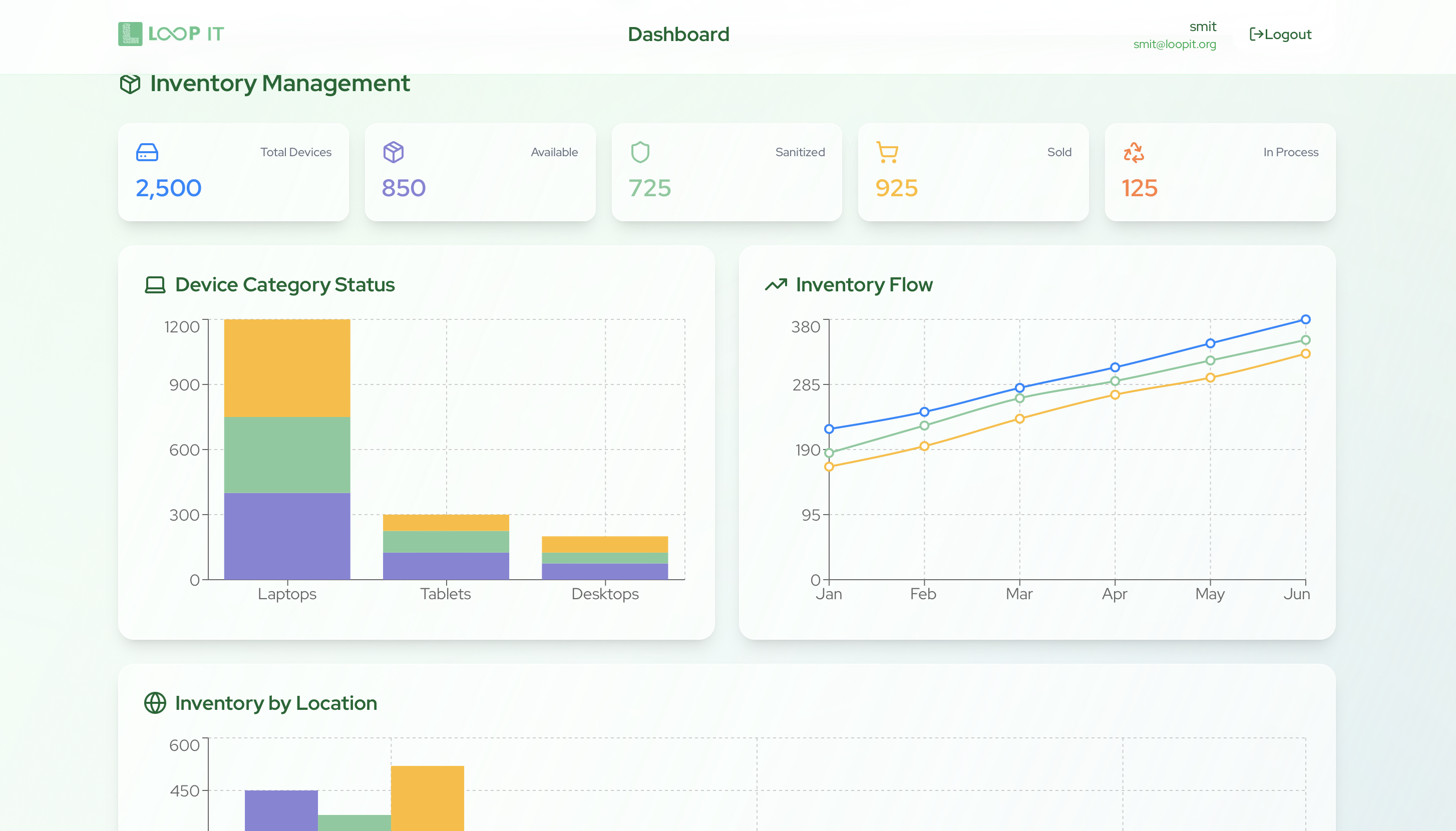
Next, we want to expand the marketplace side by building partnerships with refurbishers, schools, and nonprofits so devices truly get into the right hands. We also plan to strengthen compliance credibility by aligning with ITAD certifications. Over time, LoopIT can become a trusted platform that lets organizations prove secure wiping, track sustainability impact, and donate devices at scale.


Log in or sign up for Devpost to join the conversation.