🧠 The Learning Engine (AI-Driven)
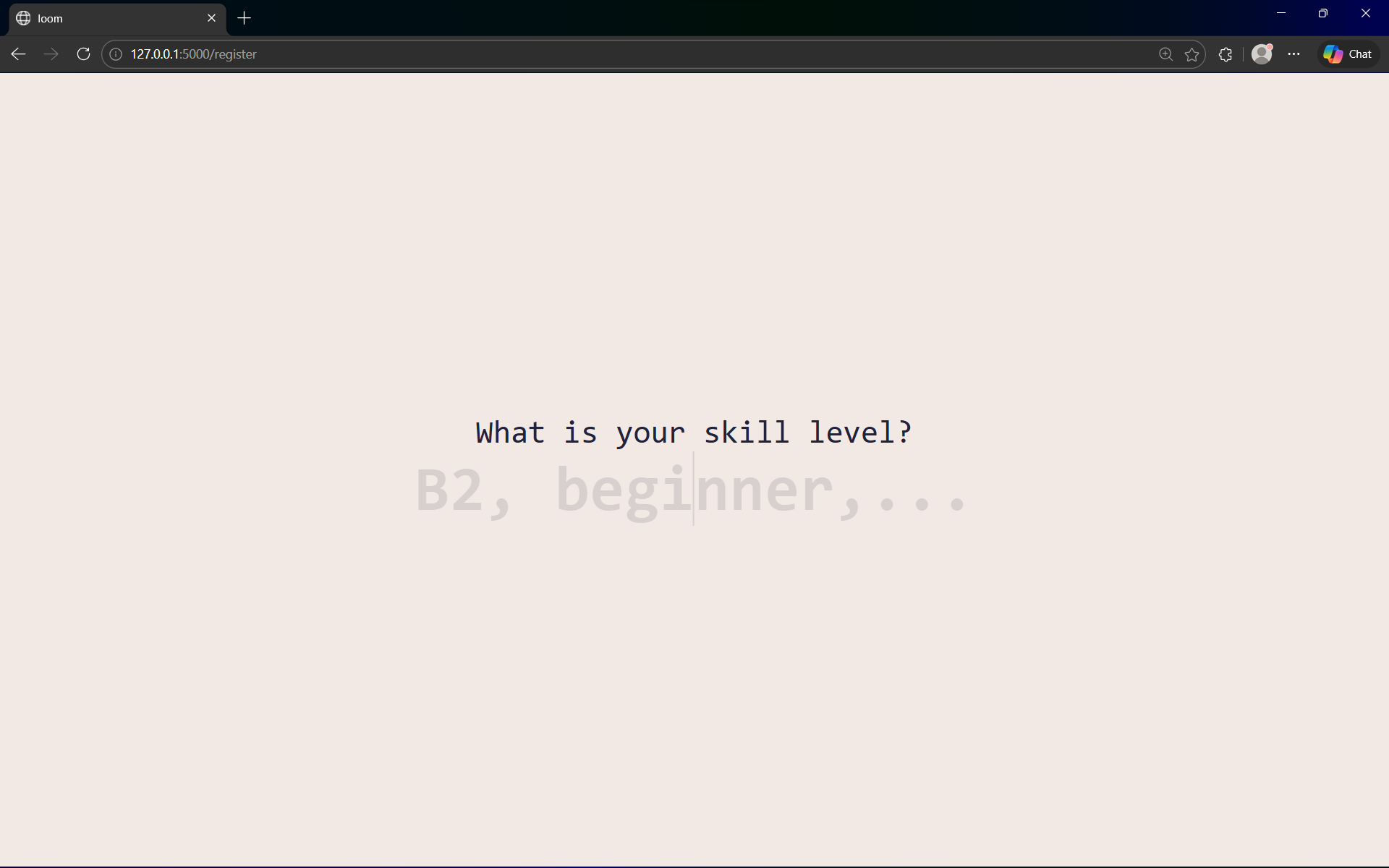
- Adaptive Onboarding: Users input their skill level (CEFR: A1–C2) and interests (e.g., Tech, Business, Travel) to ensure the vocabulary is relevant.
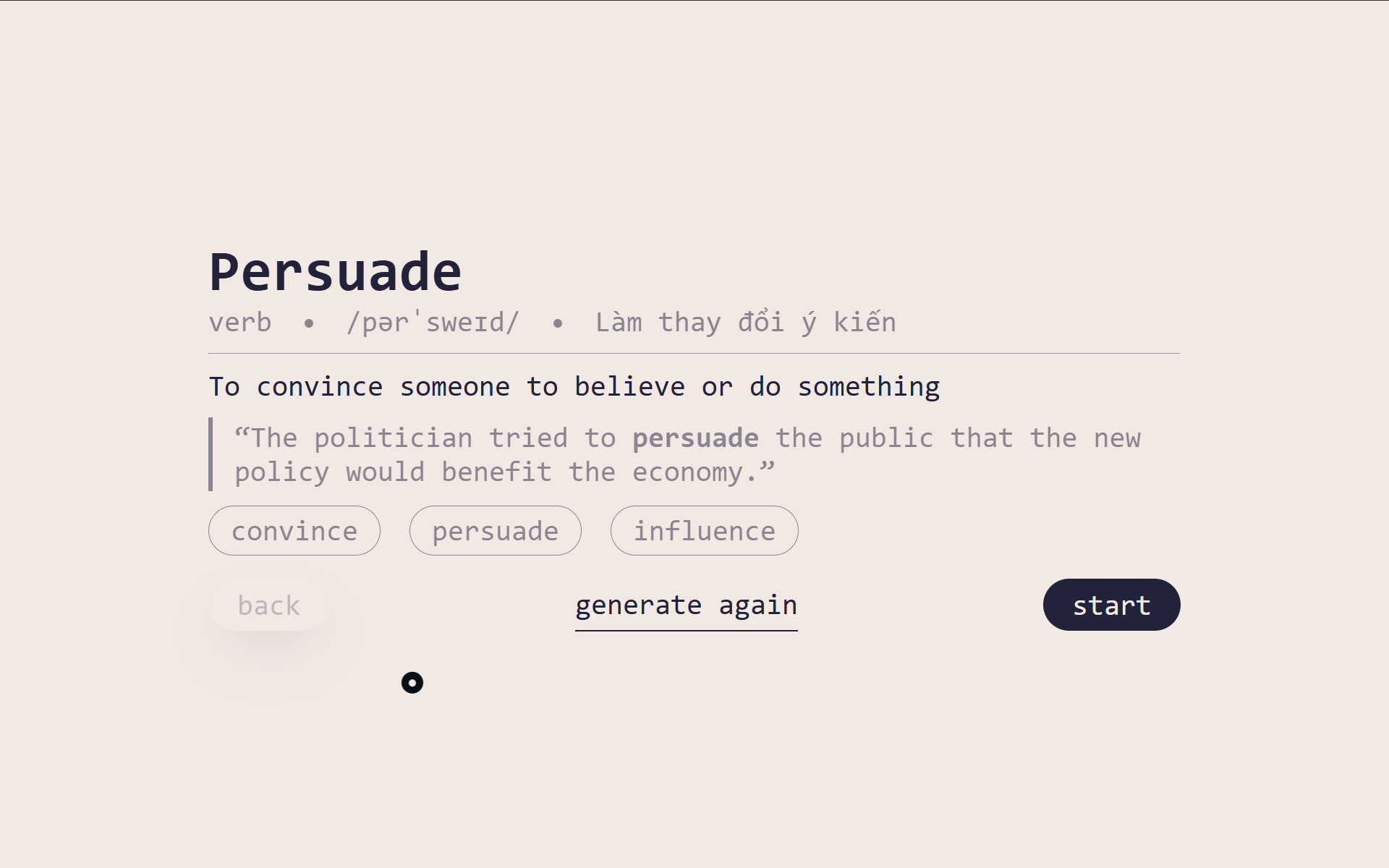
- Smart Word Generation: AI provides a "Complete Word Profile" including:
- Clear definitions and native language translations.
- Word Families (Noun, Verb, Adjective forms).
- Synonyms and Antonyms.
- Contextual Examples tailored to the user’s personal interests.
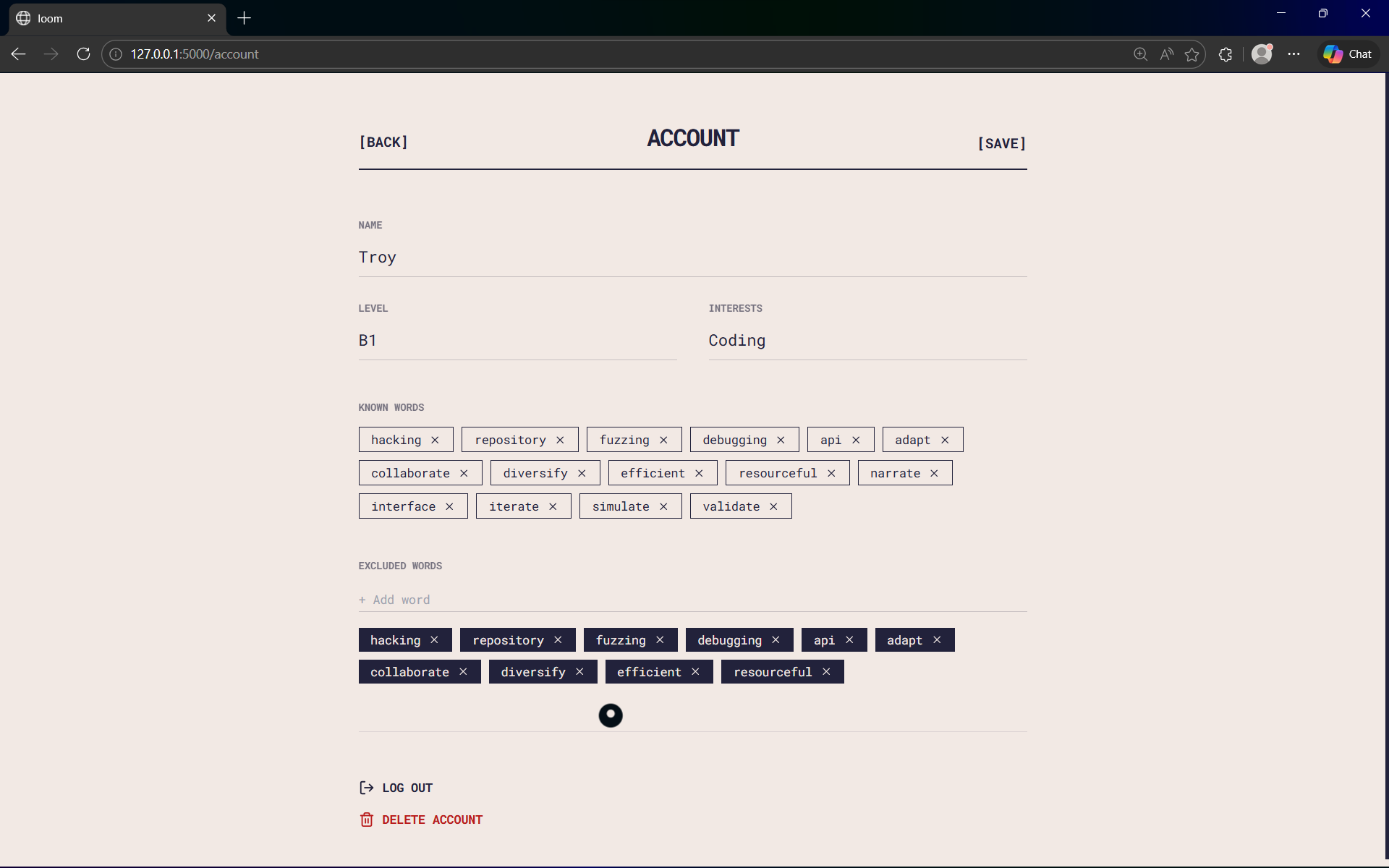
- The "Skip" Logic: A one-click option for words the user already knows, which hides them from future quizzes and adjusts the difficulty upward.
- High-Fidelity TTS: Multi-accent Text-to-Speech (US/UK) so the user hears natural pronunciation immediately. ### 📝 The "Quiz Sandwich" (Retention Strategy) To combat the "Forgetting Curve," the platform uses three distinct layers of daily engagement:
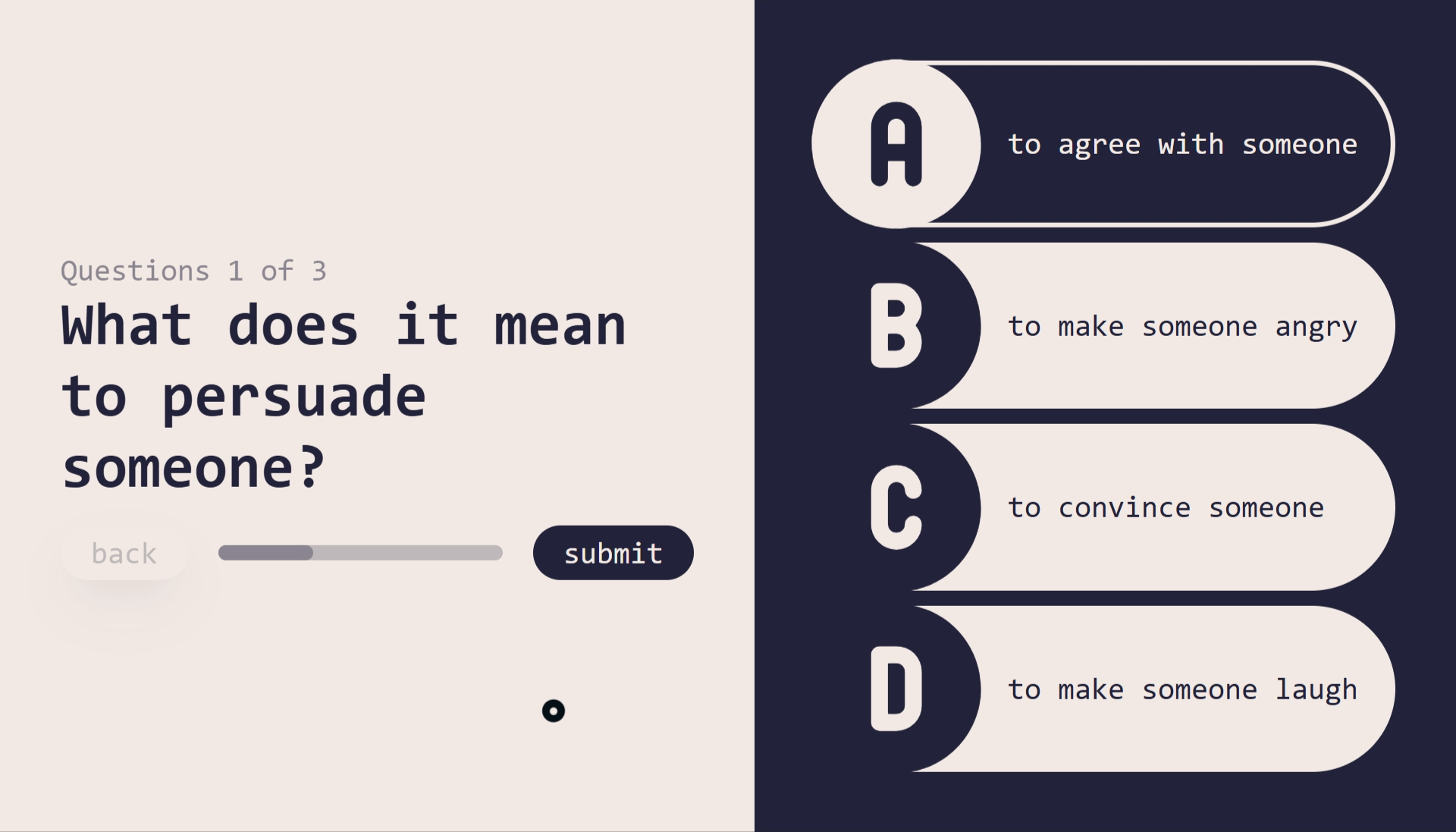
- Immediate Micro-Check: A low-effort task (like matching a synonym) 60 seconds after seeing a new word to "encode" it into working memory.
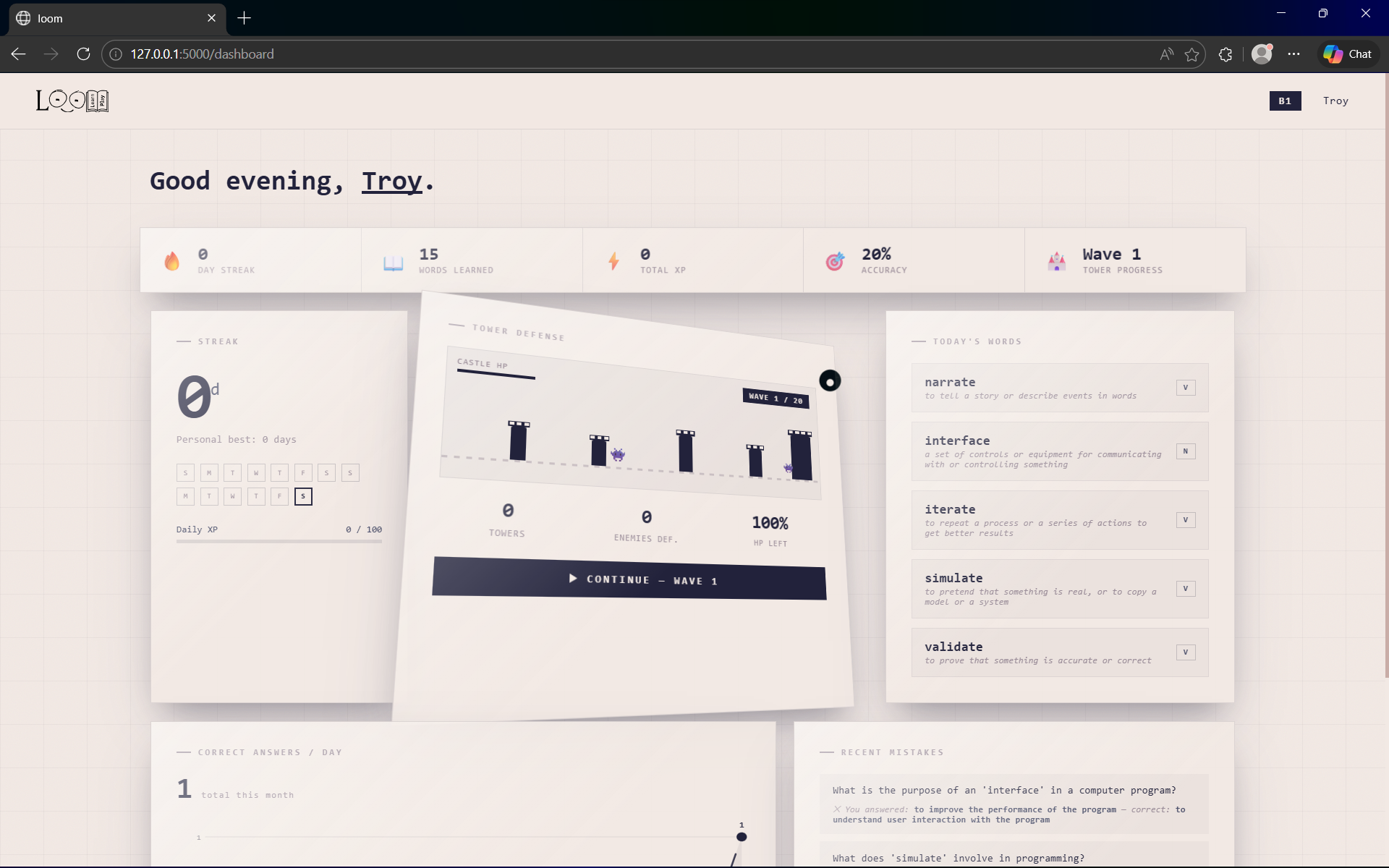
- The Login Quiz ("Yesterday’s Echo"): A fast-paced review of the previous day's words (and a few "Legacy Wildcards" from weeks ago) to move them into short-term memory.
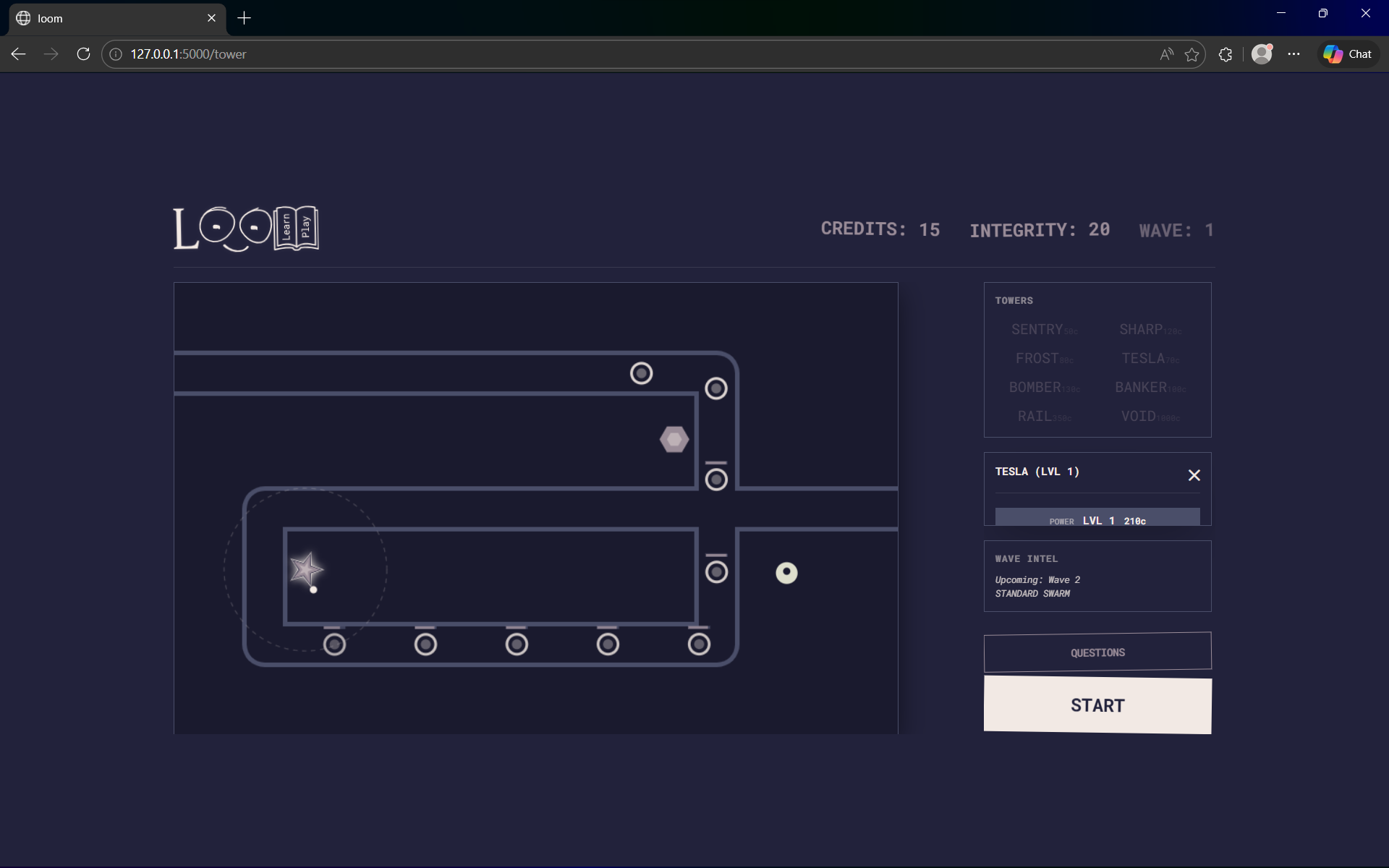
- Tower Defense (Lexical Defense): An interactive game played immediately after the daily lesson.
- Defend the Base: Enemies represent incoming "forgetting" waves.
- Word Power: Users must correctly identify, spell, or categorize the day’s new vocabulary to power up towers and clear waves.
- Dynamic Scaling: The faster and more accurately a user responds, the more "Currency" they earn for base upgrades.
⚖️ Logic & Gamification
- Variable Intensity: Keeping daily reviews short (under 2 minutes) to prevent "quiz fatigue" while using the Tower Defense mode to provide a "flow state" dopamine hit.
- Active Feedback: AI doesn't just say "Wrong"—it explains why a sentence was grammatically incorrect or how a pronunciation was slightly off.
Built With
- cerebras
- css
- flask
- html
- javascript
- python
- supabase

Log in or sign up for Devpost to join the conversation.