-
-
-
-
-
-
-
app icon
Inspiration
When i tried learning from my course material it always felt like doing a chore, on the other hand i saw/ had massive streaks on duolingo, which made me wonder what if we could use generative Ai for curated learning and not in the current way where you just ask chatgpt and it gives you a textual response but learning by seeing everything visually.
it eventuall lead me to create Loom: an AI-powered visual learning companion that transforms college syllabi into interactive episodic simulations, bite-sized audio breakdowns, and adaptive study maps. though its still in early stage i believe it has big potential as LLMs progresses and as i continue to develop it in a way which makes learning even more personalized for each person (adjusting to their best suited style for learning). afterall each person is different why should the course material stay the same.
What It Does
Loom bridges the gap between passive course materials and deep conceptual understanding:
- Multimodal Syllabus Ingestion: Take a photo of a syllabus or upload a PDF. The multimodal AI pipeline parses lecture dates, exam schedules, grading weights, and learning outcomes into a structured semester roadmap.
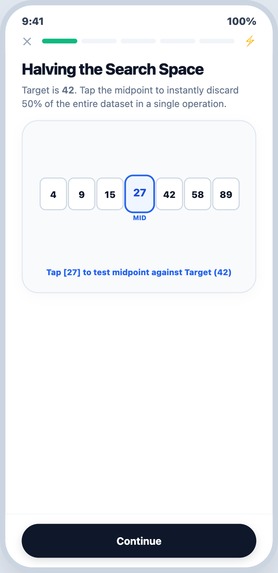
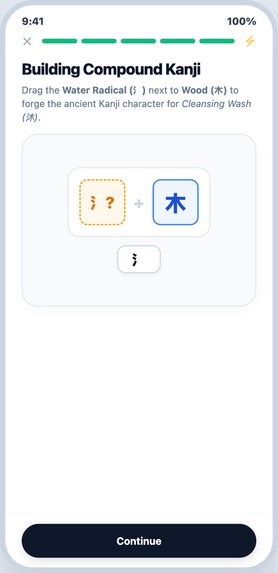
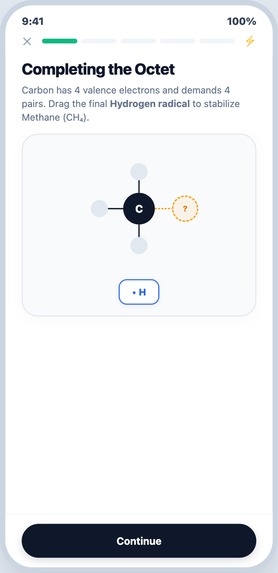
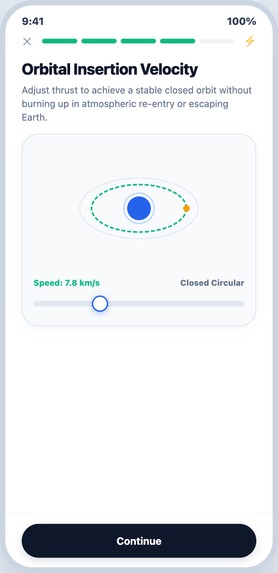
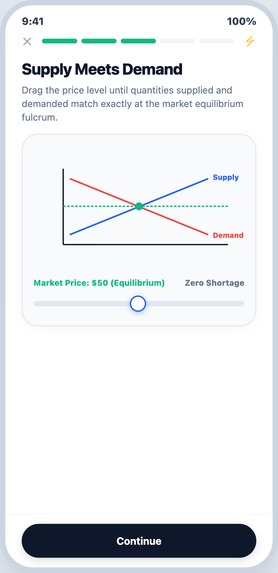
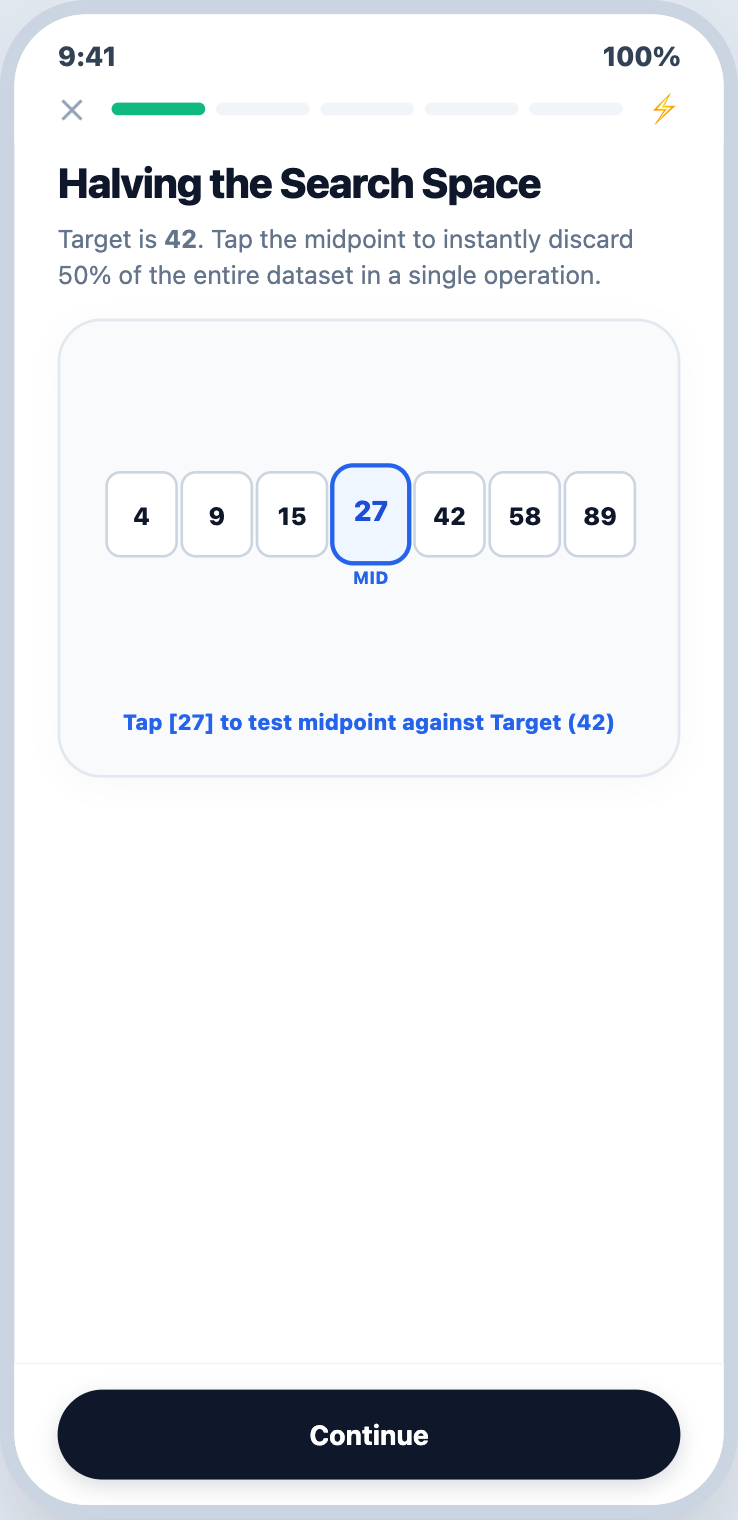
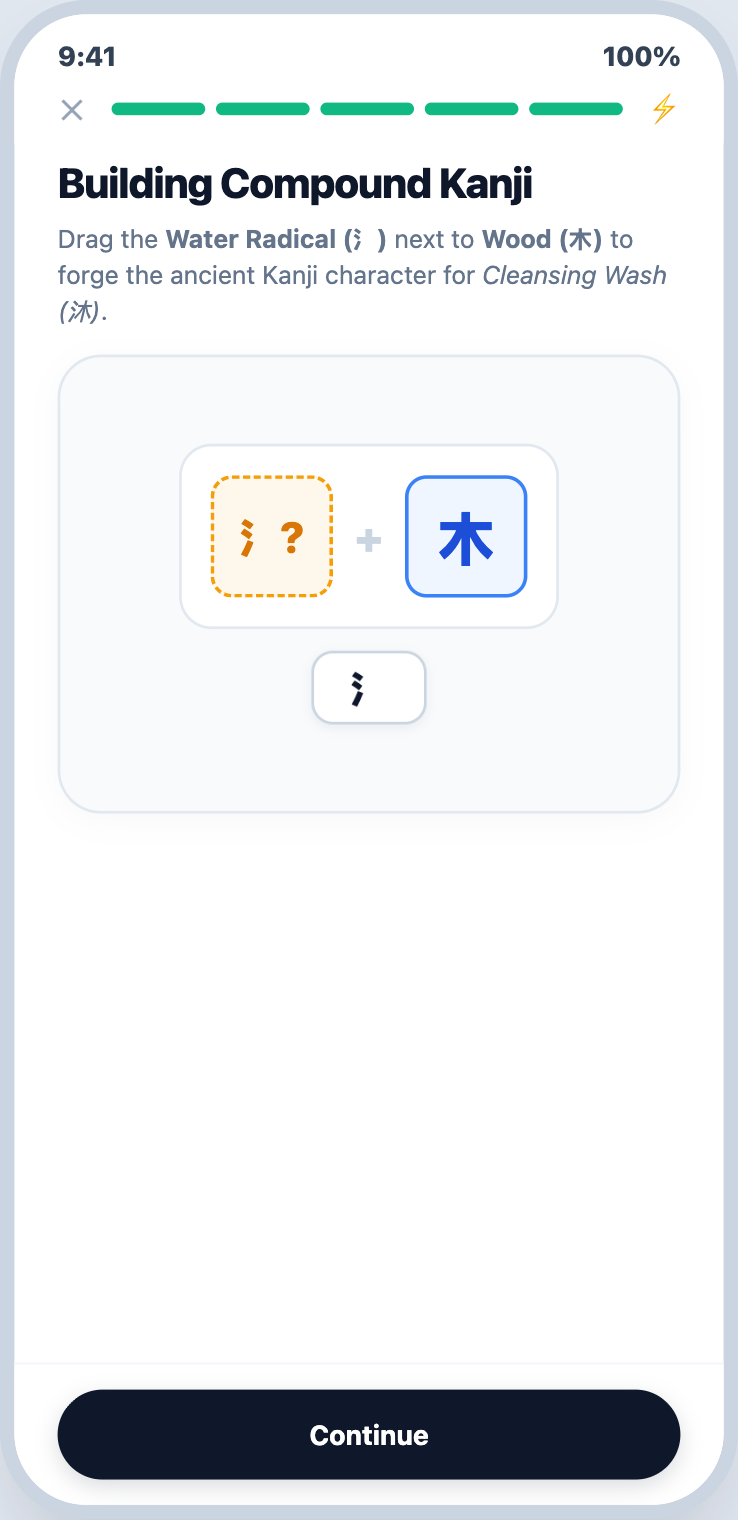
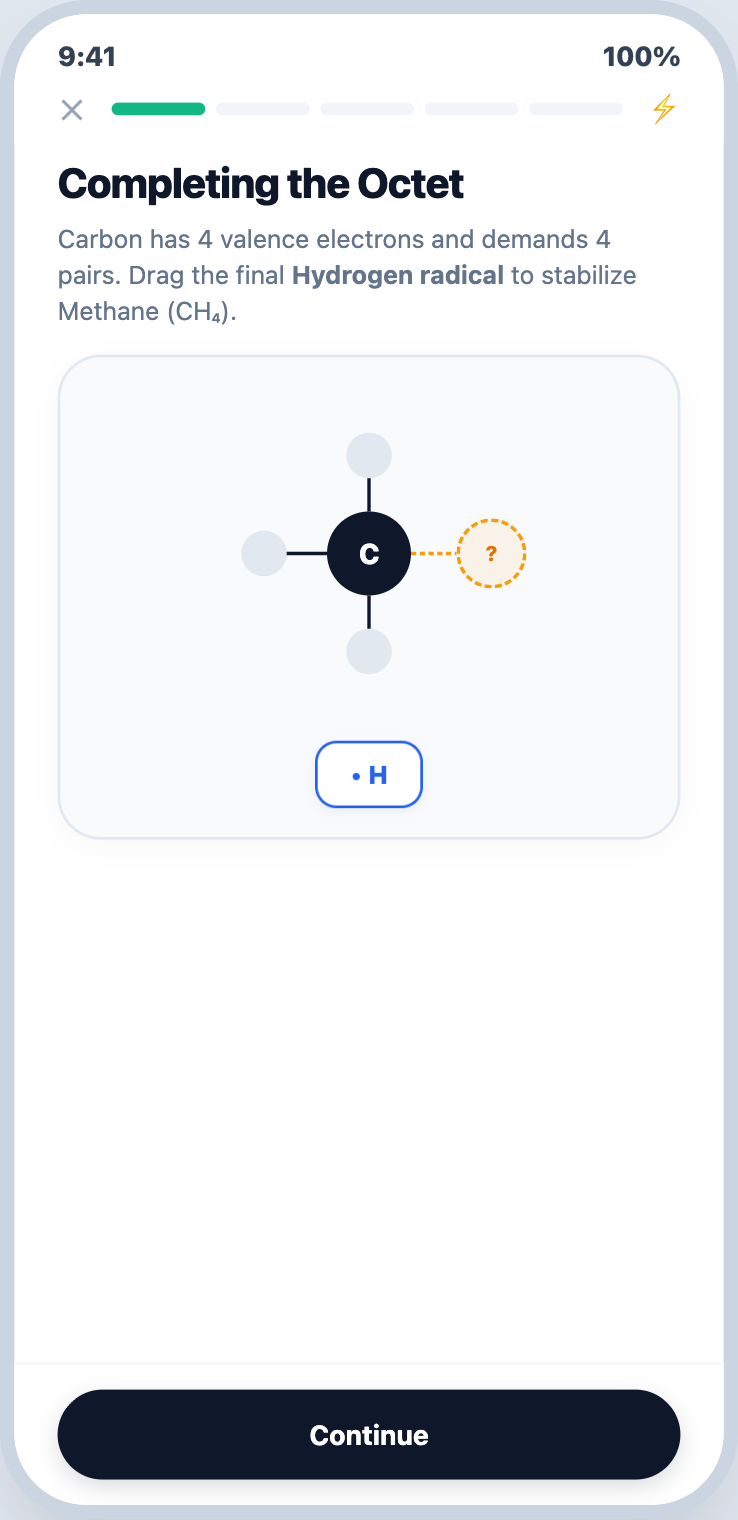
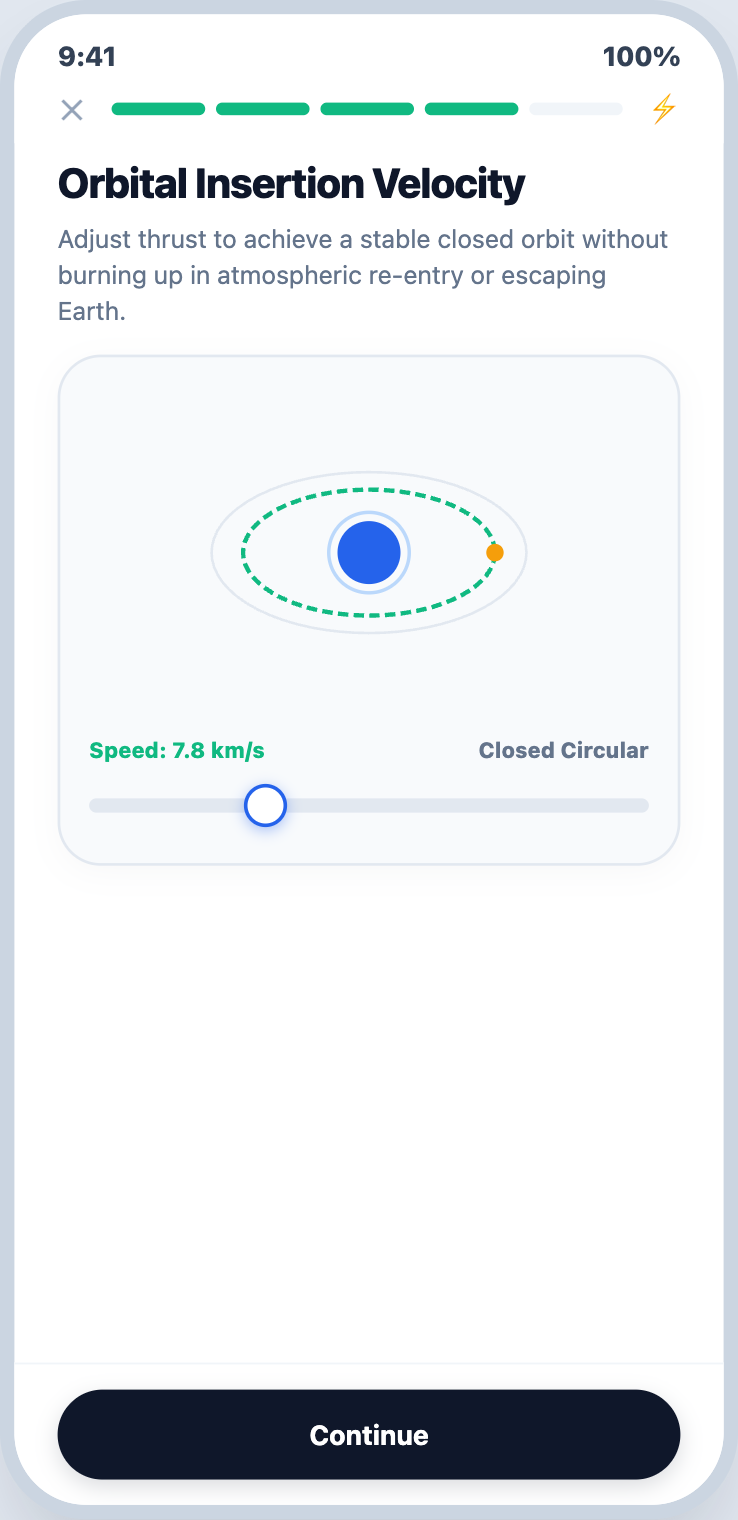
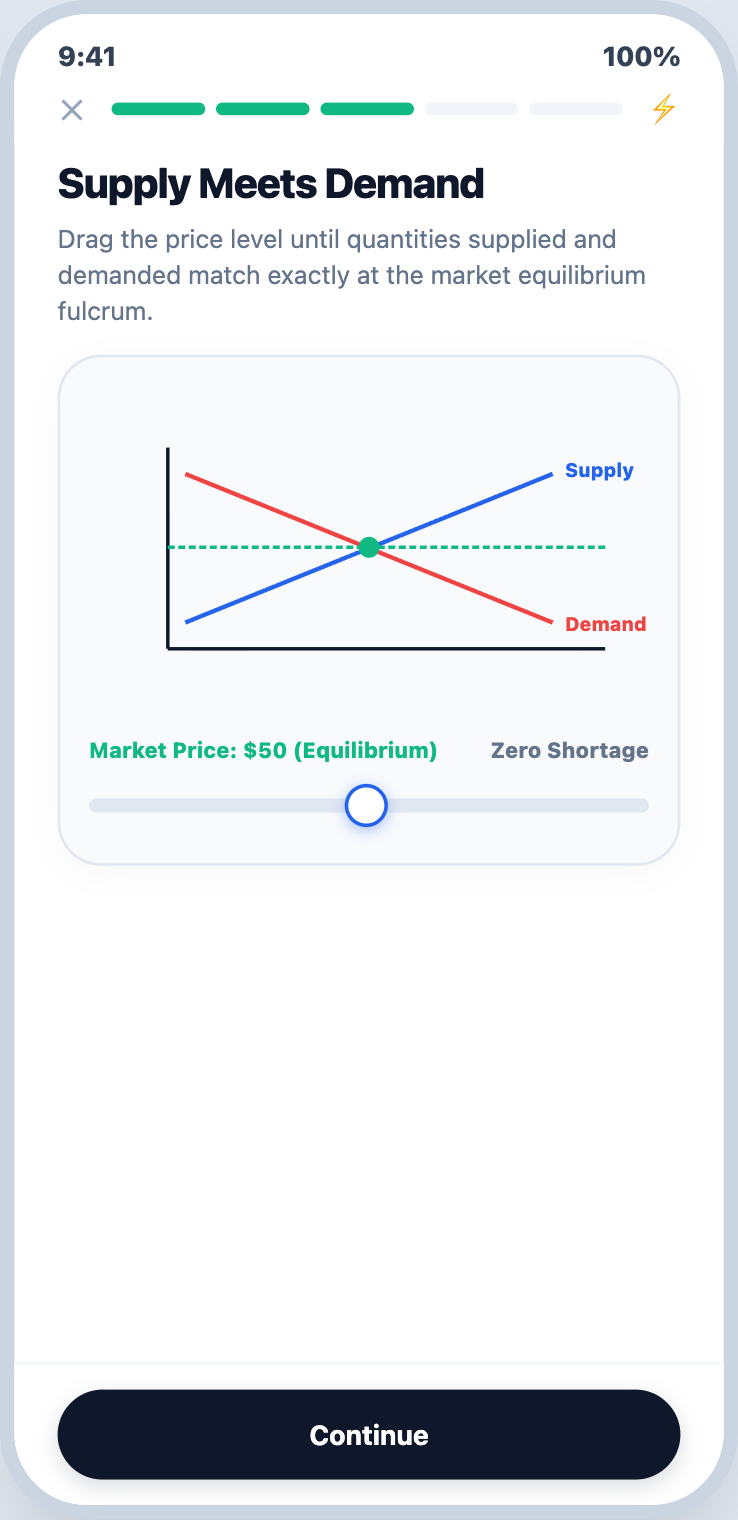
- Episodic Cognitive Simulations: Instead of static multiple-choice questions, students interact directly with mental models:
- Berkeley CS 61A: Step through lexical scope frames in an interactive environment diagram labyrinth.
- Princeton COS 226: Rotate nodes in a self-balancing Red-Black BST under insert pressure to observe logarithmic depth in real time: $$O(\log n)$$
- Yale PSYC 110: Trigger action potentials across axon terminals in a voltage-gated synaptic simulation.
- Dual-Mode Reinforcement: Switch between interactive flashcards for active recall and audio breakdowns for on-the-go listening.
- Strobi, Your Study Companion: A dynamic animated avatar that reacts to your study streaks, milestone progress, and exam readiness.
- Predictive Exam Milestones: Tracks remaining study days against your real syllabus exam dates so you never fall behind.
How I Built It
As a solo developer, I built Loom from the ground up to deliver a fluid, native experience across iOS, Android, and Web though its currently only available for android
- Frontend & Mobile Core: Built with React Native 0.86, Expo SDK 57, and React 19. I used Expo Router for file-based routing with native tab bars on iOS/Android and responsive navigation on the web.
- Motion & Graphics: Smooth 60fps animations powered by React Native Reanimated, SVG for milestone canvas rendering, and Lottie for micro-interactions and avatar states.
- Backend & Cloud Infrastructure: Supabase handles authentication, database persistence, and edge functions.
- Multimodal AI Pipeline: Syllabi are processed via Supabase Deno Edge Functions using OpenRouter and multimodal vision LLMs. The model parses multi-column course tables, schedules, and reading lists, returning validated JSON curriculums.
- Production Integrations: Integrated RevenueCat for subscription tiers, Expo Audio for audio breakdowns, and PostHog for product telemetry.
- Landing Page: A responsive marketing website built with Vite, Tailwind CSS v4, and Lucide Icons.
Challenges I Ran Into
- Handling Wildly Inconsistent Syllabi: Syllabi rarely follow standard formats. Some are complex multi-column tables, while others are low-light camera snapshots or dense legalistic PDFs. I designed strict multi-step prompt chains with robust JSON schemas to reliably extract course structures across varying layouts.
- Interactive Visual Simulations on Mobile: Designing simulations (like self-balancing trees or dynamic circuit diagrams) that are both educationally rigorous and performant on mobile touchscreens required fine-tuned gesture handling and re-render optimizations.
- Cross-Platform Navigation Parity: Maintaining an authentic native feel on iOS and Android while offering a seamless web experience required implementing dual-layer tab architectures.
Accomplishments That I'm Proud Of
- Full-Stack Solo Execution: Designing, engineering, and shipping a complete cross-platform mobile app, backend AI pipeline, and marketing site end-to-end.
- Instant Course Generation: Converting a raw, photographed course syllabus into a full interactive curriculum in under 10 seconds.
- Rich Playable Scenarios: Moving beyond generic quizzes to build genuine cognitive simulations for actual university courses (UC Berkeley, Yale, Princeton, Columbia).
- Apple HIG-Grade Polish: Crafting an interface with native haptics, fluid gesture physics, and an expressive companion avatar.
What I Learned
- Multimodal AI models perform best on dense documents when given explicit spatial awareness instructions and strict type schemas.
- True conceptual retention happens when students actively interact with concepts rather than reading summaries. Gamification succeeds when the gameplay is the concept itself.
What's Next for Loom
- Collaborative Study Guilds: Shared milestone tracks where classmates can co-study and see each other's progress along the syllabus canvas.
- Community Syllabus Registry: An open repository where students worldwide can upload, fork, and remix course curriculums.
- Socratic Voice Mode: Real-time conversational tutoring powered by on-device audio to debate and discuss simulation outcomes.
Built With
- android
- artificial-intelligence
- canvas
- computer-vision
- deno
- edtech
- expo.io
- ios
- lottie
- mobile
- multimodal-ai
- openrouter
- postgresql
- posthog
- react
- react-native
- revenuecat
- supabase
- tailwindcss
- typescript
- vite


Log in or sign up for Devpost to join the conversation.