Inspiration
The average person wears only 20% of their wardrobe on a regular basis, leaving thousands of dollars in high-quality garments hanging idle. We buy more because we cannot visualize what we already own. This creates immense cognitive friction every single morning—a phenomenon known as decision fatigue.
We asked ourselves a simple question: What if your closet wasn't a disorganized pile of fabric, but an interactive, searchable database in your pocket? Loom was built to bridge the gap between physical style and digital intelligence, unlocking the ultimate utility of what is already in your closet.
What it does
Loom is a "Quiet Luxury" AI wardrobe assistant that acts as an automated personal stylist.
- Instant Digitization & Metadata Extraction: Snap a photo of any garment. Loom's computer vision pipeline removes the background and instantly extracts semantic metadata, including category, fabric, color palette, and aesthetic style.
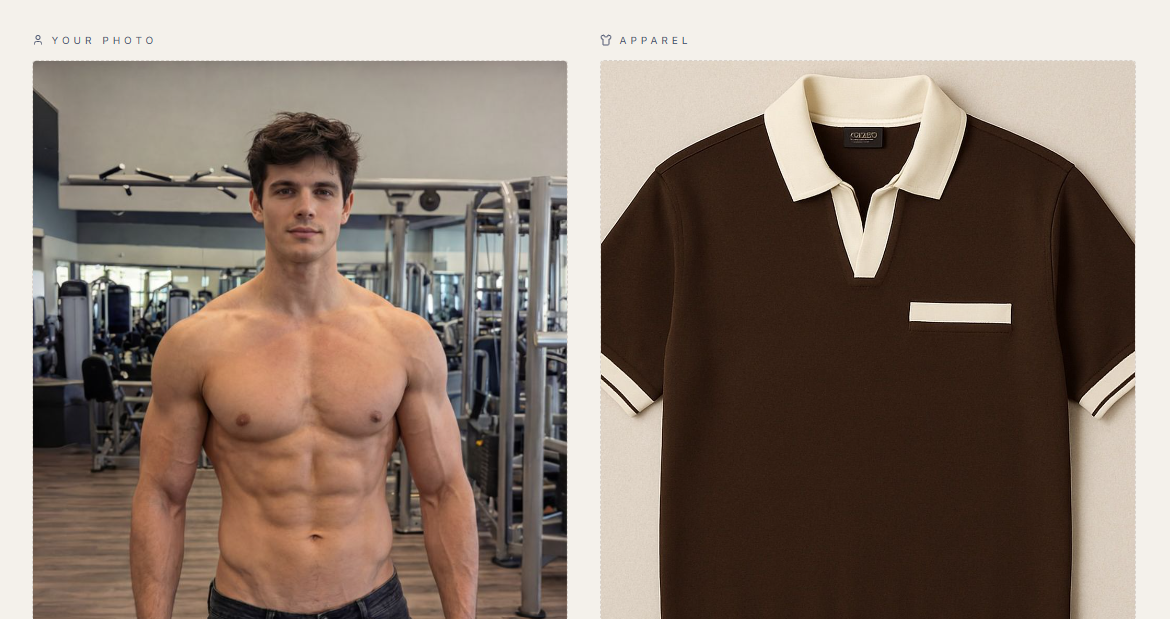
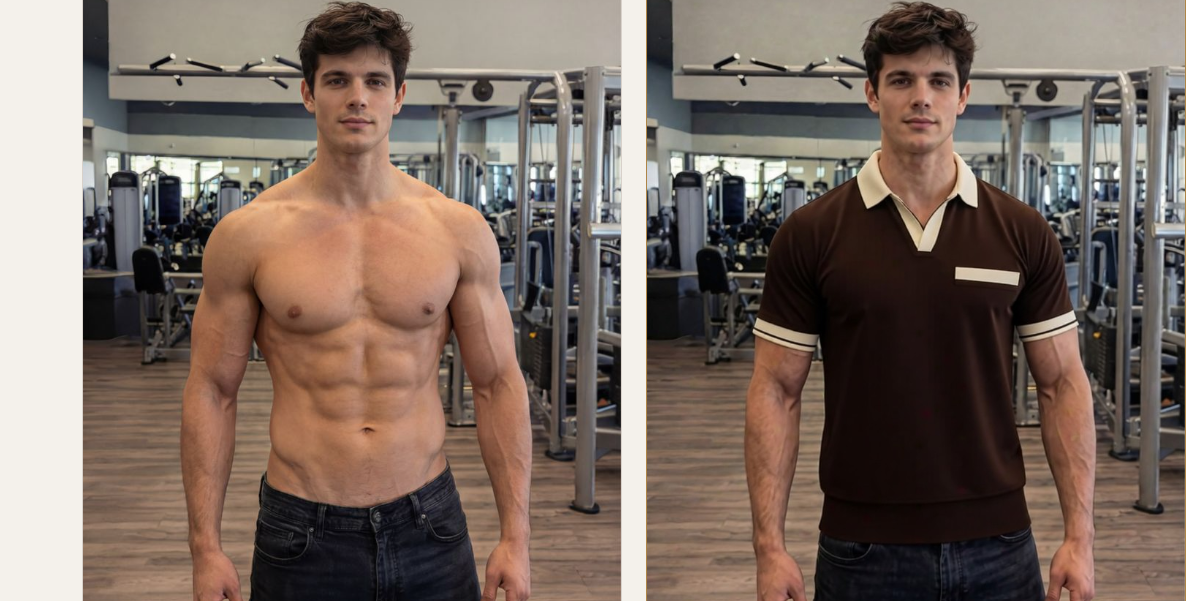
- Photorealistic AI Virtual Try-On: Powered by a high-fidelity rendering pipeline, users can upload a clean photo of themselves and instantly drape, fit, and style any digitized garment onto their actual physical frame with highly realistic texture mapping, shadow integration, and collar drape.
- Weather-Sync Logic: The app syncs with local meteorological data to automatically recommend layers and styles suitable for the day's forecast.
- Dynamic Laundry Tracker: Items toggled as "dirty" are temporarily locked out of the generation pool, preventing the app from recommending clothes that aren't ready to wear.
- Ad-Hoc Outfit Generation: Users can type a natural language context (e.g., "Casual coffee run" or "Premium business dinner"), and the AI queries available clean clothes to assemble and render the perfect outfit.
Payment Loop Integration: A seamless, localized payment infrastructure featuring Stripe/Lovable Cloud, billing structures capped by Try-On API margins, and cryptocurrency checkout options to unlock premium aesthetic tiers and programmatic developer access.
How we built it
We designed Loom with a strict emphasis on performance, speed, and clean typography:
Frontend Architecture: Built using React and TypeScript, leveraging a fluid, native feel optimized for clean state transitions.
Styling & Interface: Styled entirely with Tailwind CSS, adopting a minimalist, high-contrast palette (cream, deep charcoal, thin borders, and generous whitespace) to mirror a premium luxury catalog.
AI Engine & Computer Vision: Integrated advanced image-processing APIs alongside Gemini and lightweight vision models to handle instant background removal, color-map extraction, and semantic categorization.
Virtual Try-On Pipeline: Architected a secure, server-side Edge Function integration with the YouCam API. This handles multi-part binary image uploads to pre-signed S3 slots and manages asynchronous task generation via a custom client-side polling state machine.
Challenges we ran into
Asynchronous API Polling & Presigned S3 Uploads: The try-on API operates asynchronously and rejects standard binary POST requests. We had to implement a multi-stage workflow: requesting an upload slot with an explicit file schema, executing an HTTP PUT to a pre-signed S3 URL, creating the generation task, and running a clean, non-blocking 2-second client-side polling loop to catch the success payload.
The "Unstructured Data" Bottleneck: Raw user images are messy, taken in varying lighting conditions with diverse shadows. We solved this by implementing an algorithmic normalization layer that balances exposure and color before running classification.
Dynamic Outfit Cohesion: Teaching an AI why certain colors or textures clash (without resorting to rigid, hard-coded rules) required building a custom semantic vector space representing classic design principles, allowing the model to understand "contrast," "complementation," and "layering."
Accomplishments that we're proud of
End-to-End Edge Architecture: Successfully engineering a zero-CORS, secure backend gateway to process intensive image-generation pipelines while completely protecting production API keys.
Zero-Friction Partner Onboarding: Building an instant-access bypass token route (
?partner_token=) that lets elite stakeholders, developers, and creators experience the unrestricted power of Loom's try-on engine in a single click, completely skipping the auth and paywall friction.Lag-Free Visual Processing: Achieving a highly optimized image-processing pipeline that takes raw user uploads and outputs clean, catalog-grade assets in under 5 seconds.
What we learned
User Action Drives Retention: If users have to manually input details (brand, size, fabric type) of 50 clothes, they abandon the app. Automated vision-based extraction is mandatory.
Context Matters More Than Aesthetics: Knowing a user has a "blue shirt" is useless unless the AI understands the context—is it a casual linen shirt for the beach, or a structured oxford for a pitch meeting? Metadata must capture semantic intent.
Design is a Feature: Clean, quiet, high-contrast aesthetics dramatically elevate user trust. When the app looks premium, users treat their own wardrobes with a higher level of care.
What's next for Loom
The Dynamic Graph Compiler: Moving from simple context matching to generating a personalized, interactive "Styling Dependency Graph" that adapts to evolving fashion cycles.
Localized Smart Retail Integrations: Letting users virtually "try on" or pair potential new retail purchases with their existing digitized wardrobe before hitting buy.
B2B Brand Partnerships: Partnering with eco-conscious, high-end fashion brands to allow direct upcycling, tailoring, and custom brand recommendations based on real-world closet data.
Built With
- node.js
- youcamapi

Log in or sign up for Devpost to join the conversation.