-
-
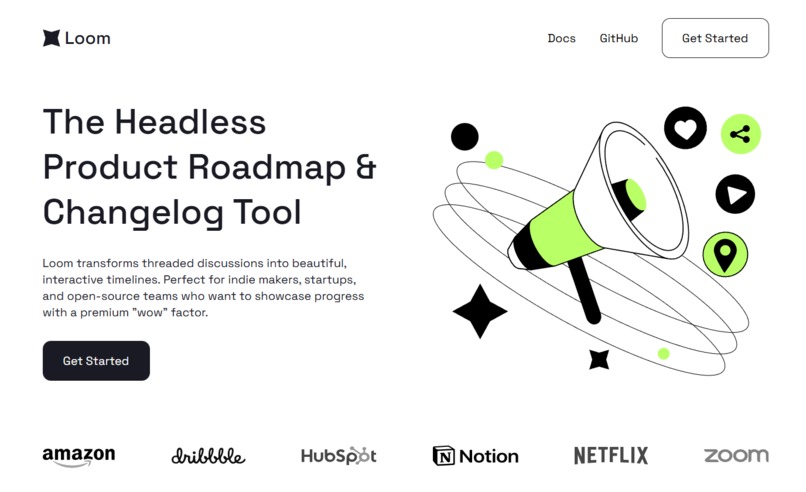
Loom's Landing Page
-
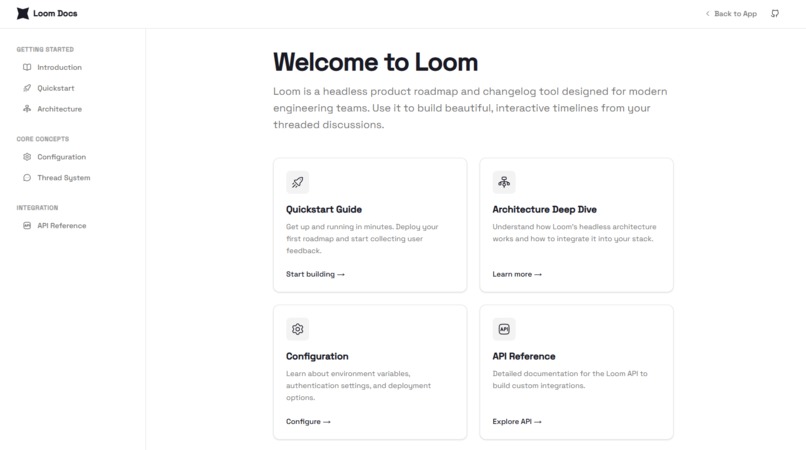
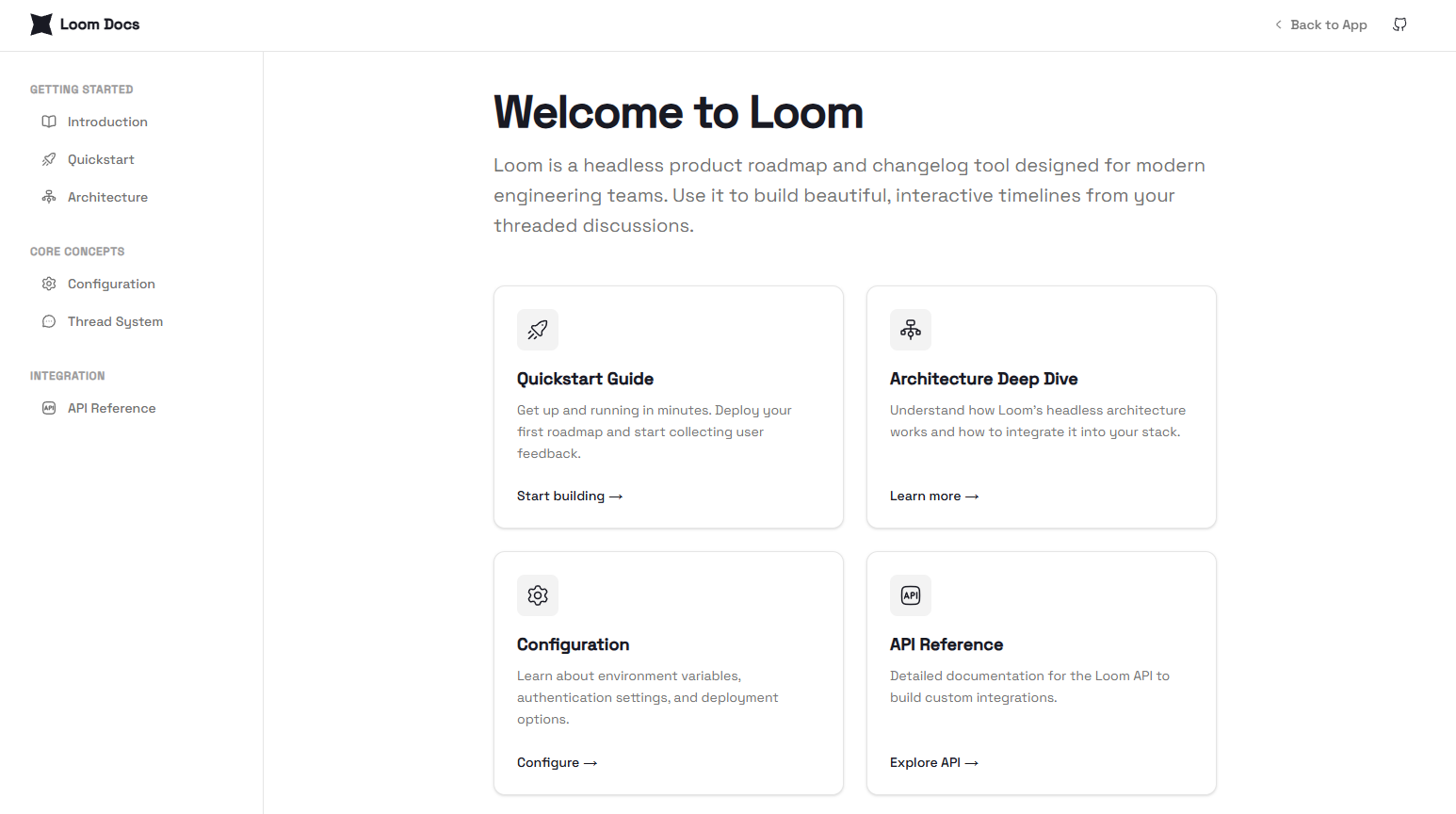
Loom's Docs Page
-
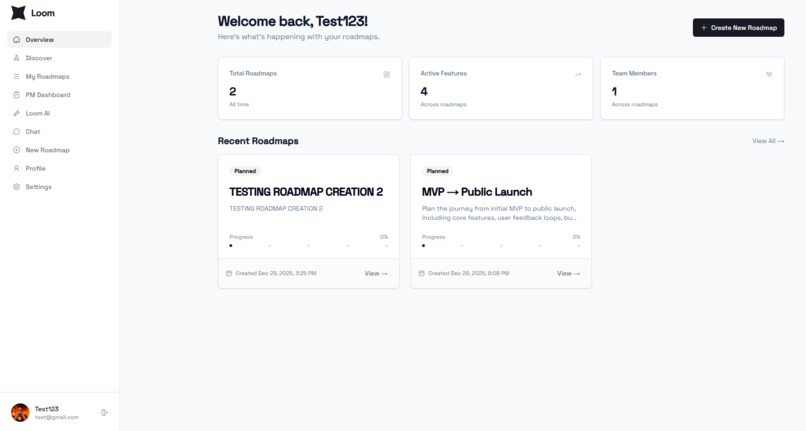
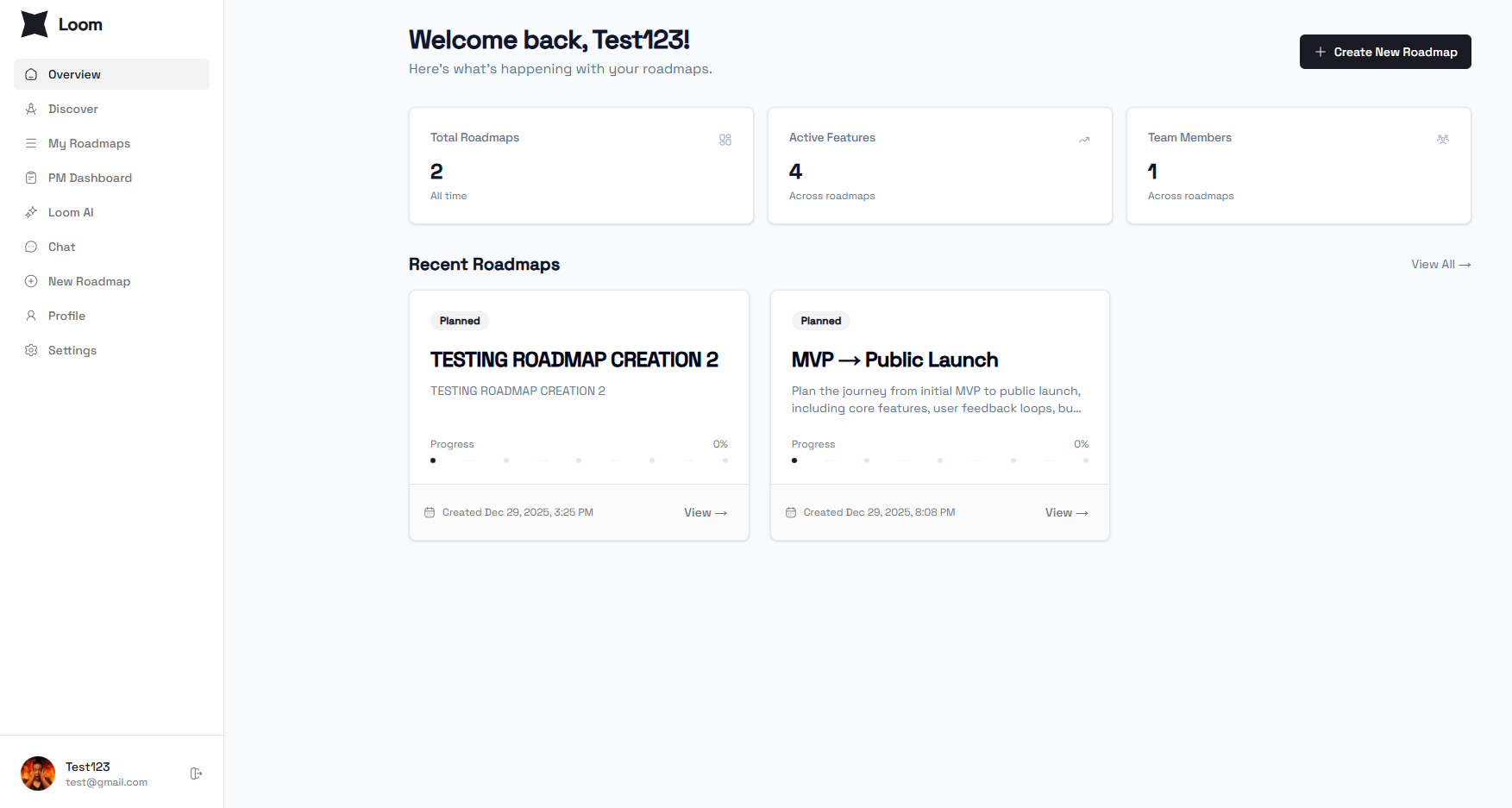
Loom's Dashboard Overview Page
-
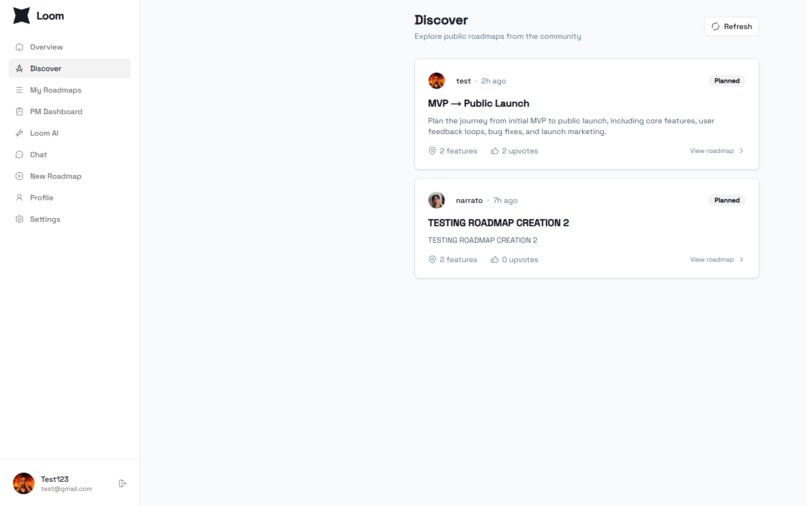
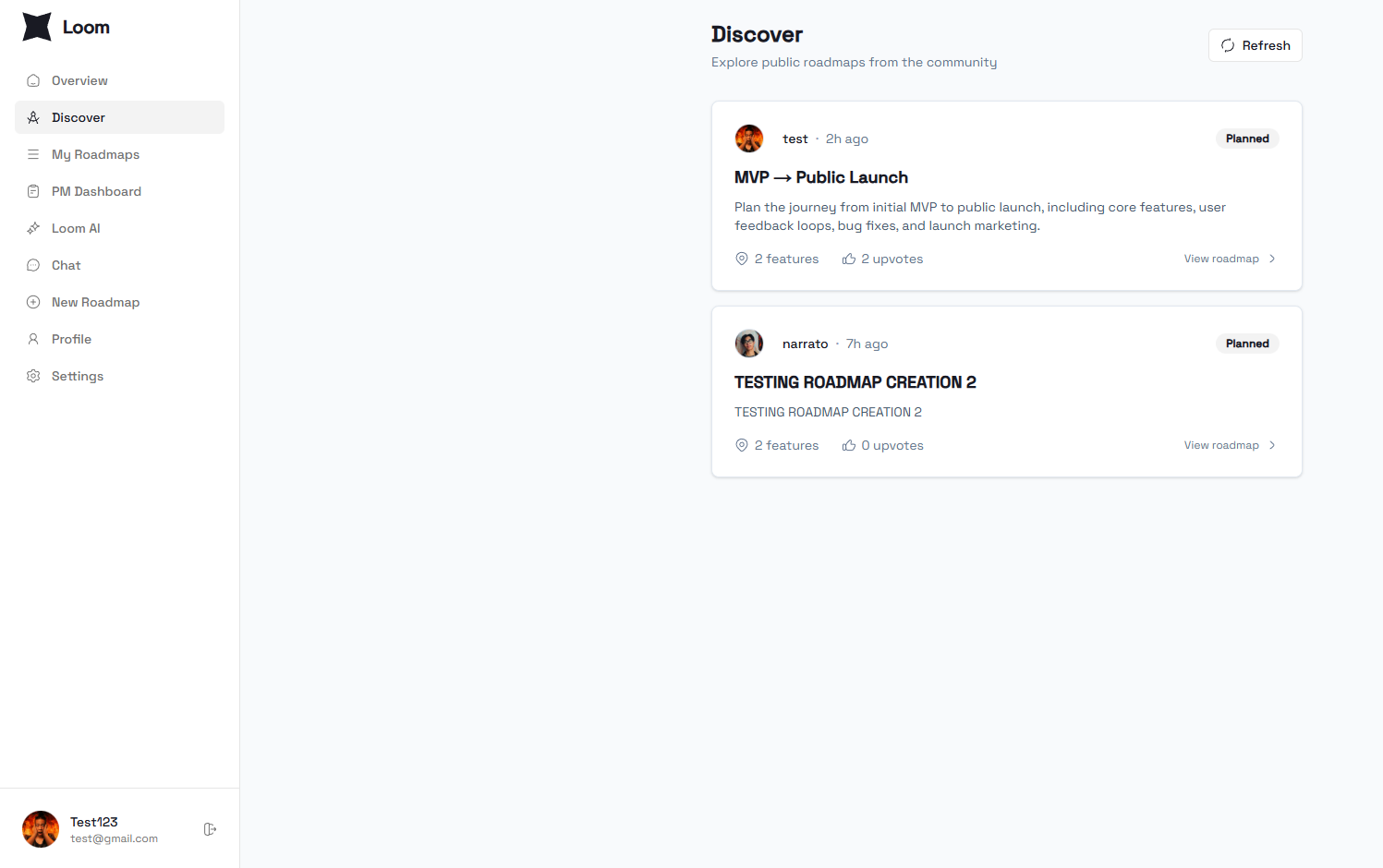
Loom's Discover Page
-
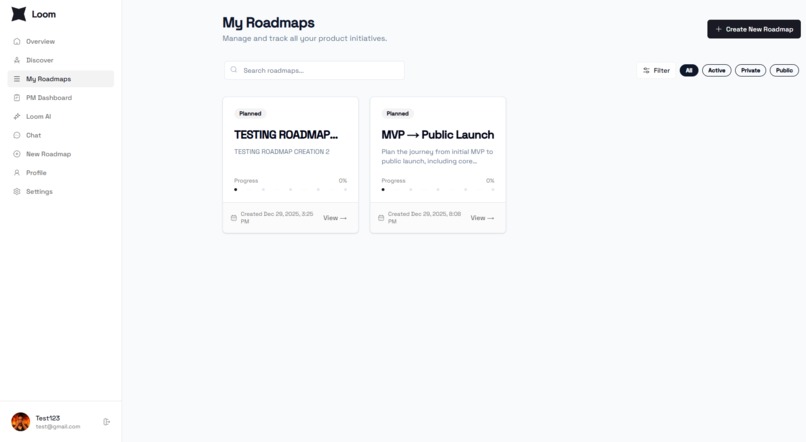
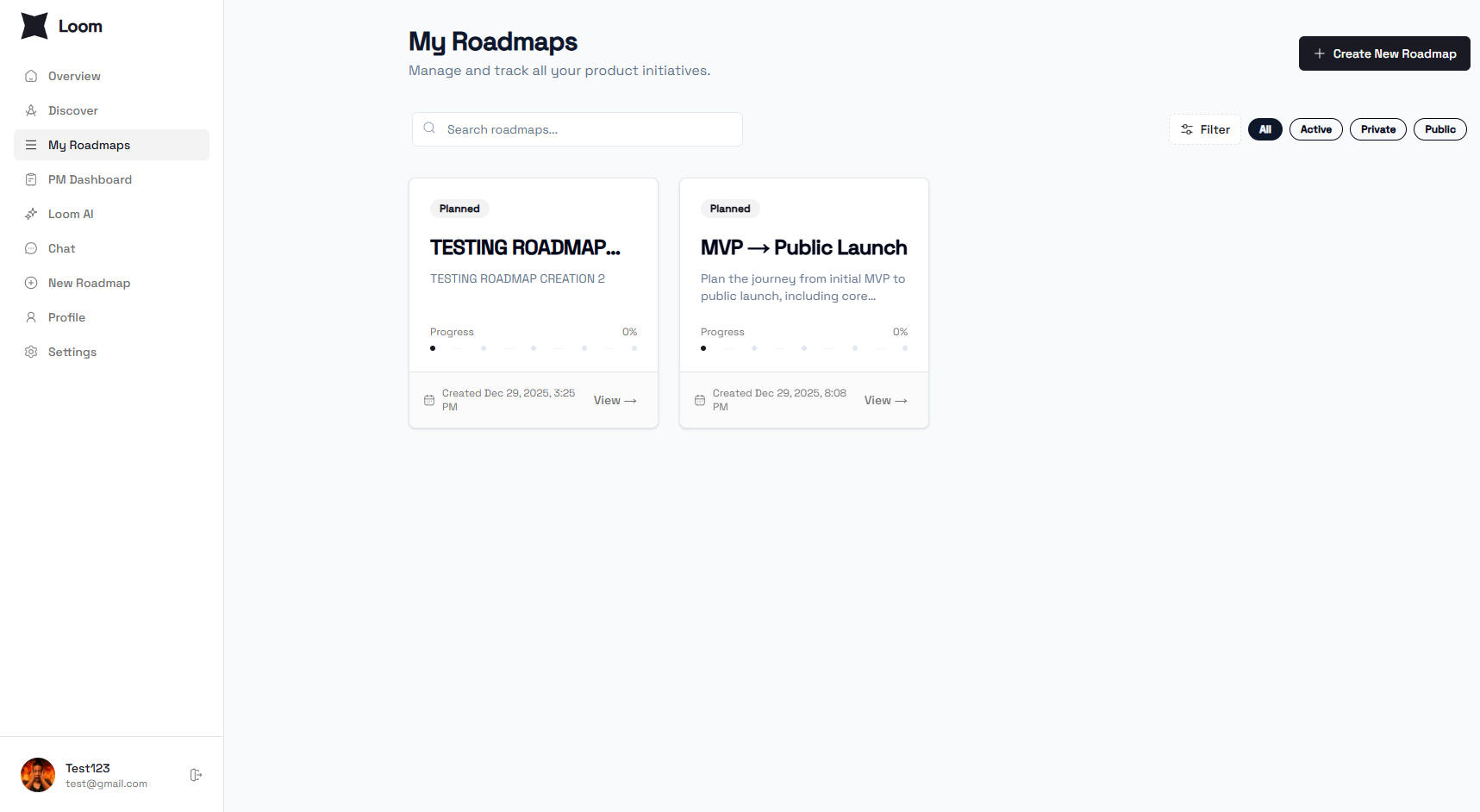
Loom's "My Roadmaps" Page
-
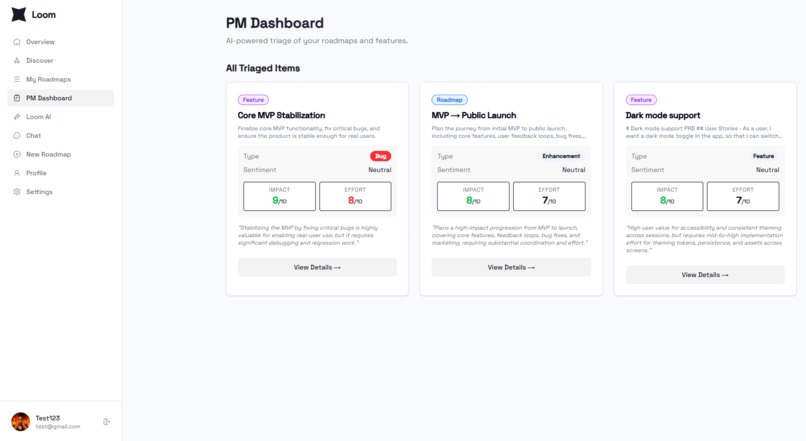
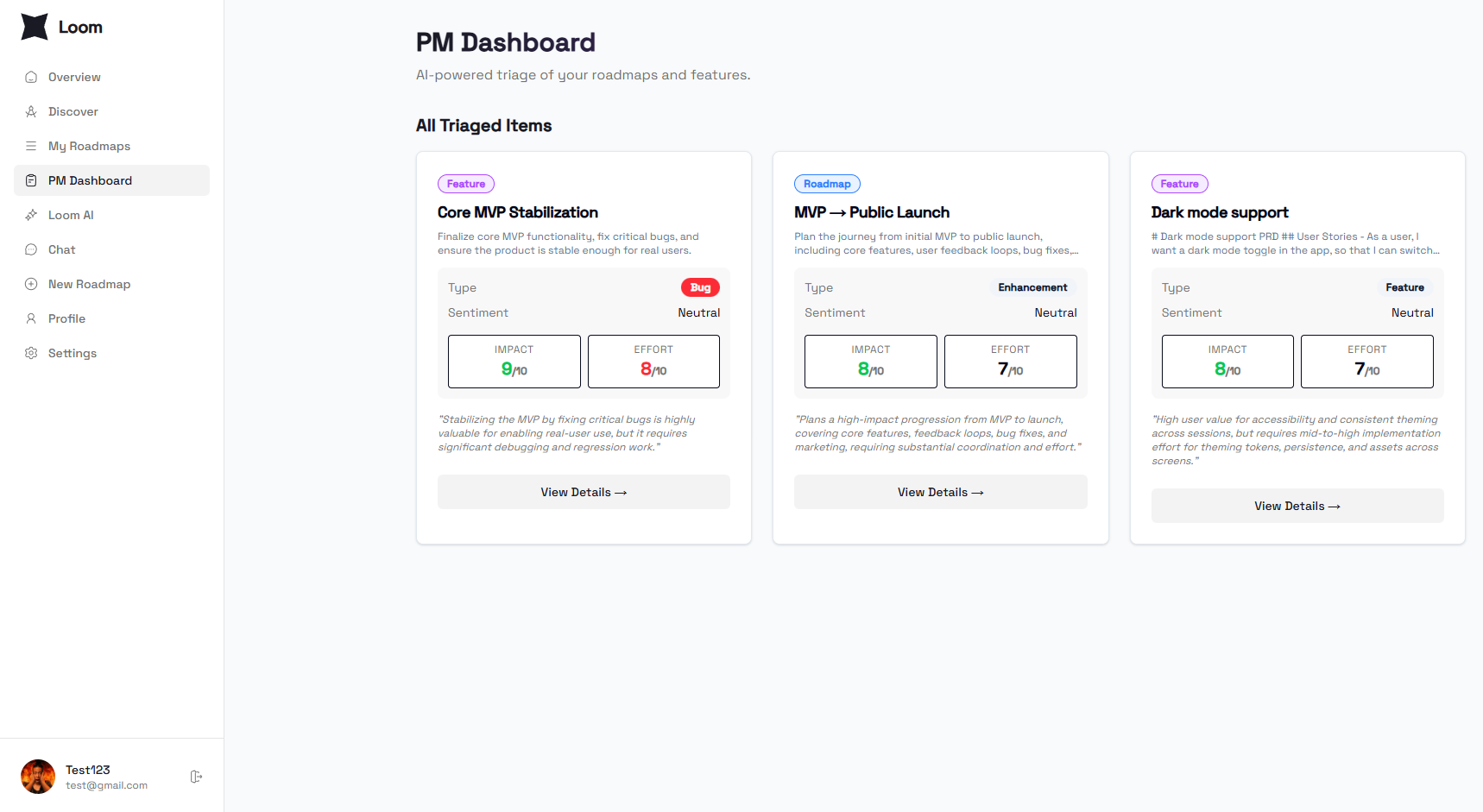
Loom's PM Dashboard Page
-
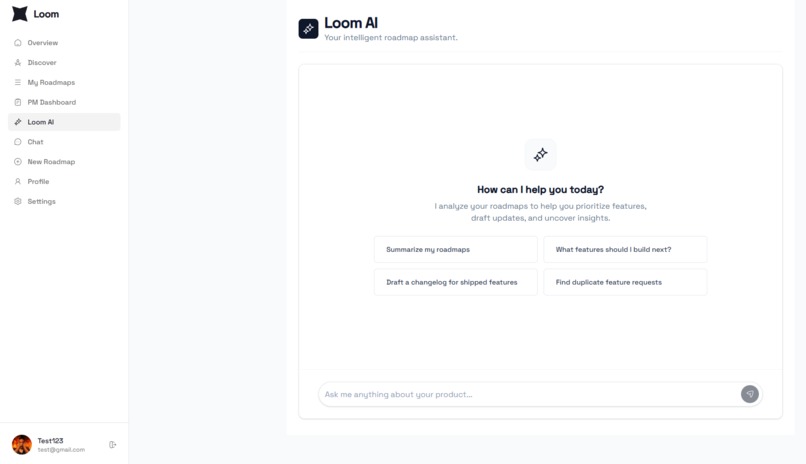
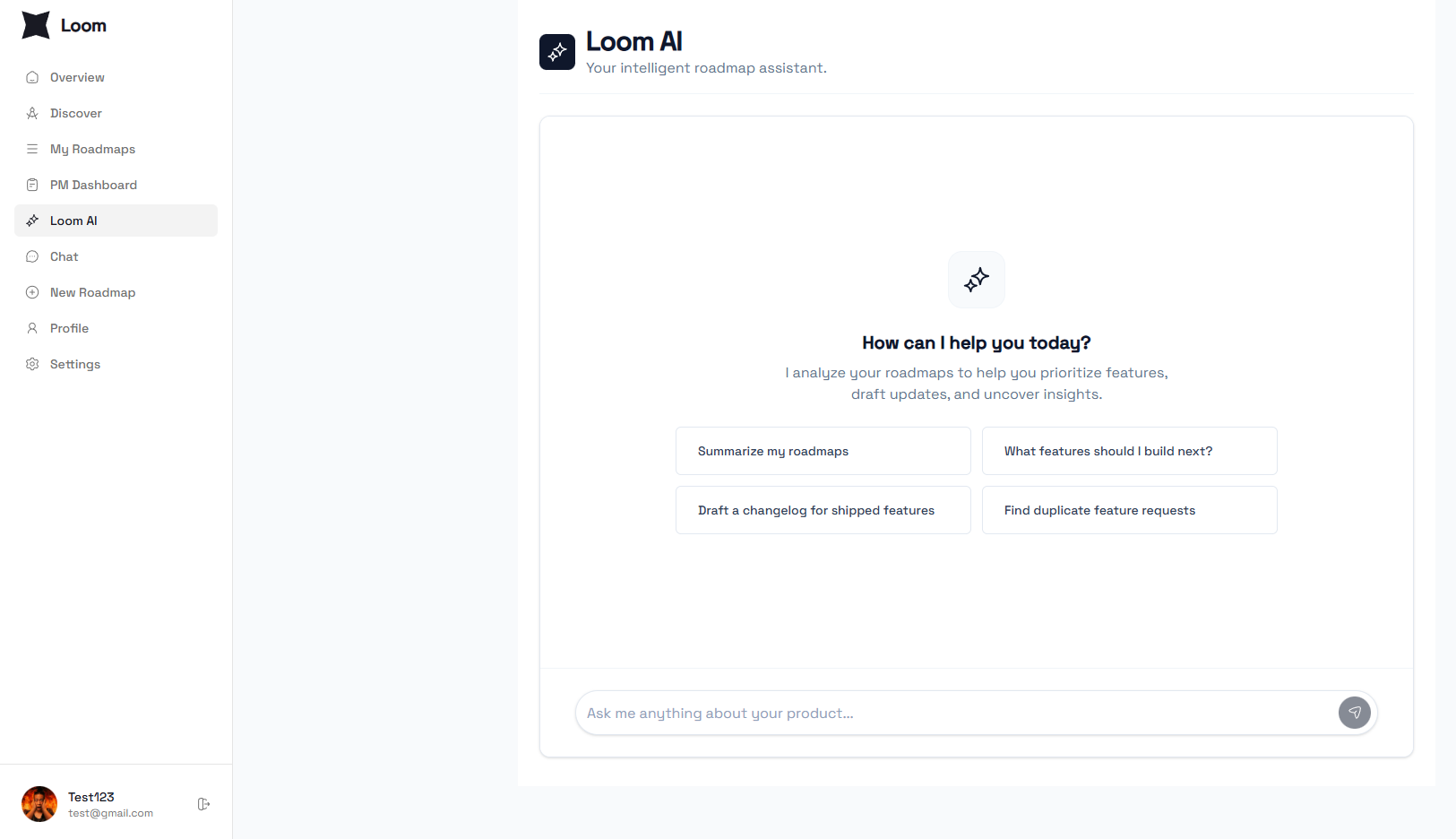
Loom's Chatbot Page
-
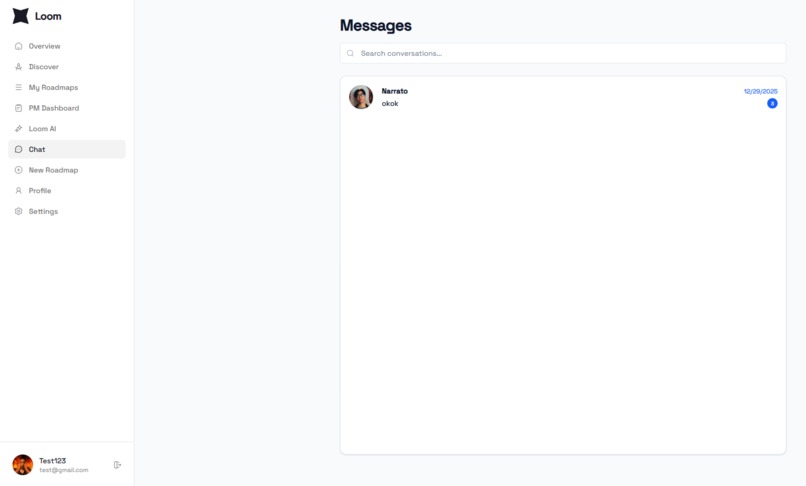
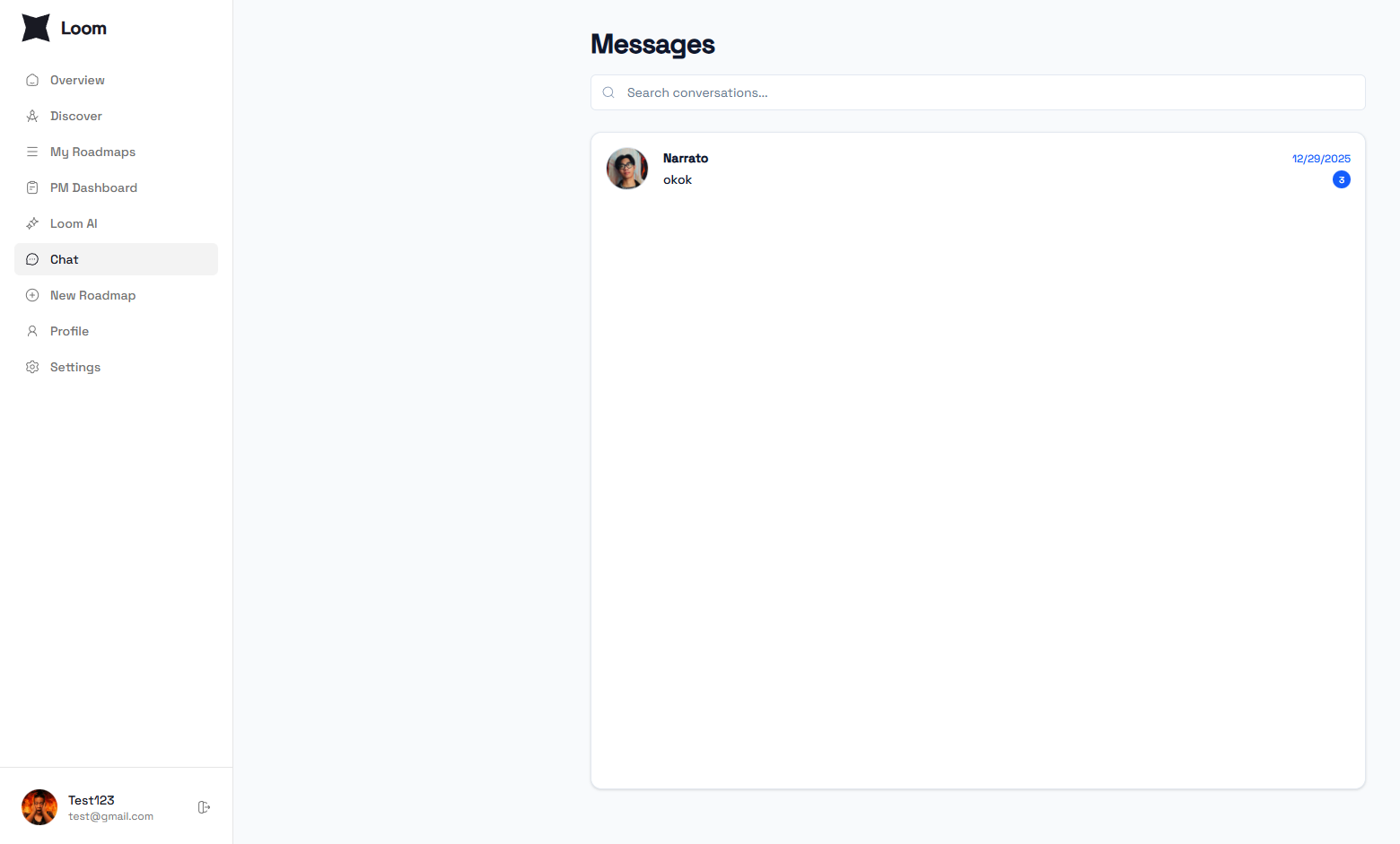
Loom's Messaging Page
-
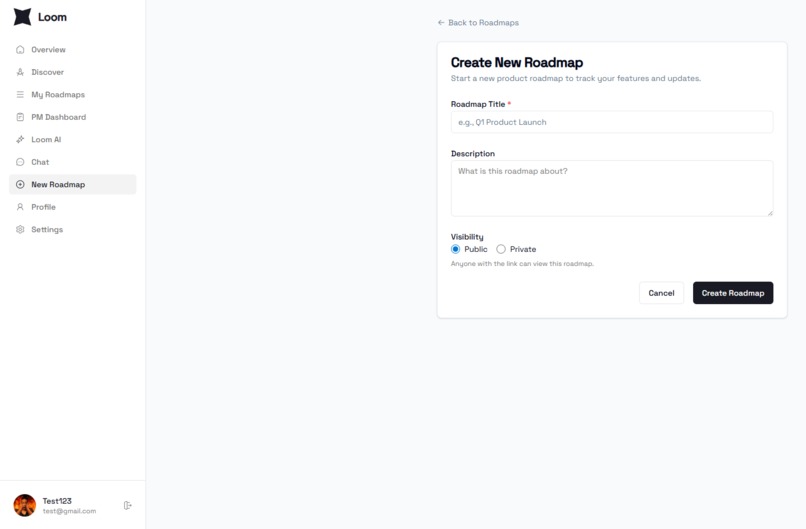
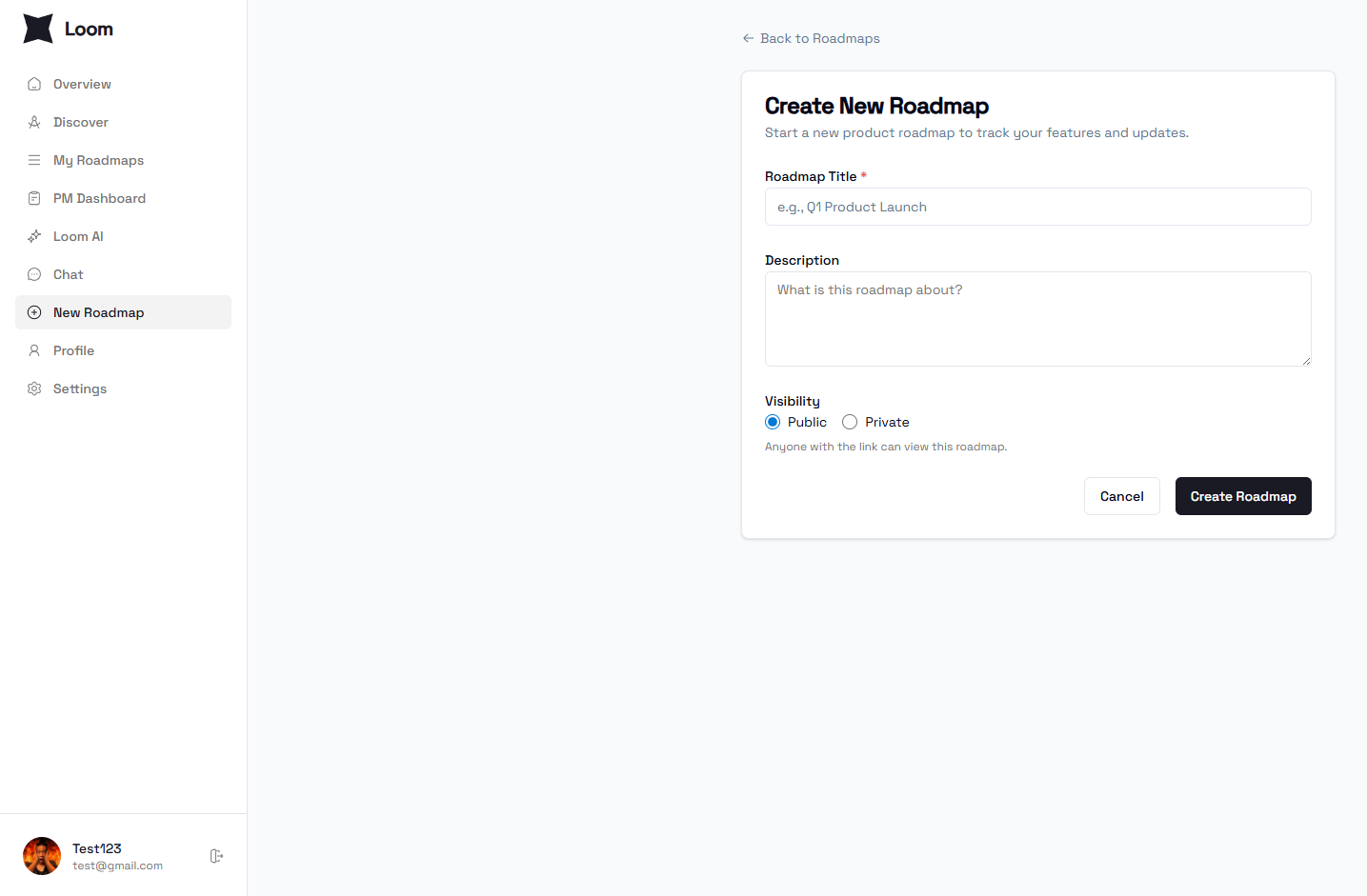
Loom's Roadmap Creation Page
-
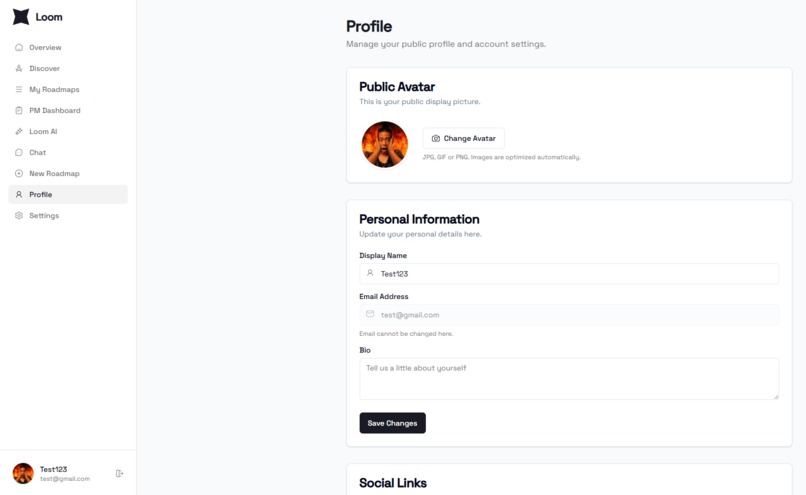
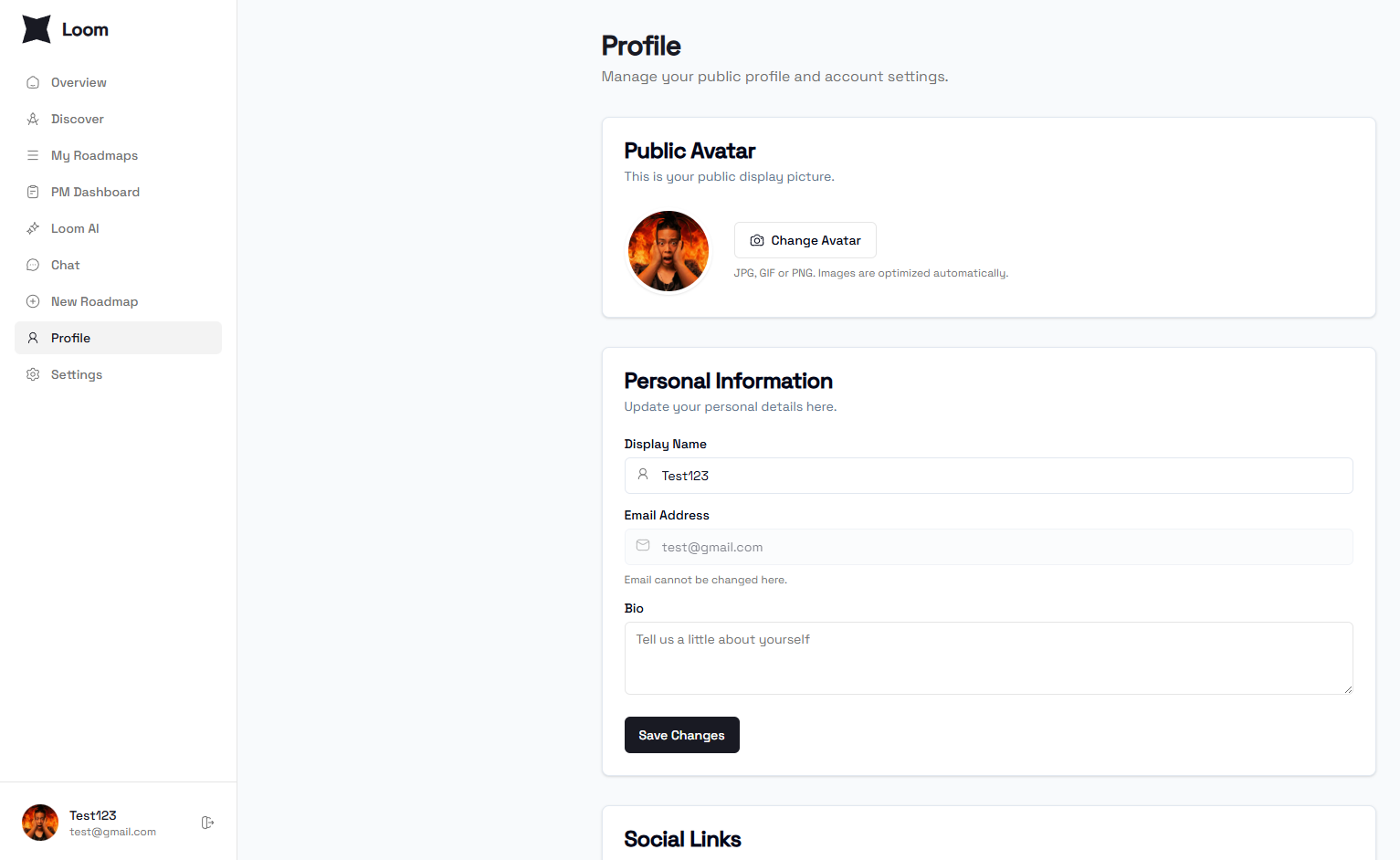
Loom's Profile Page
-
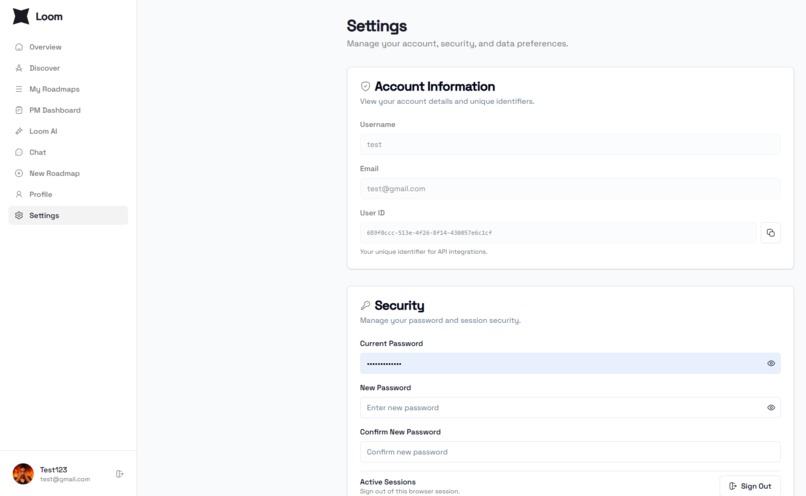
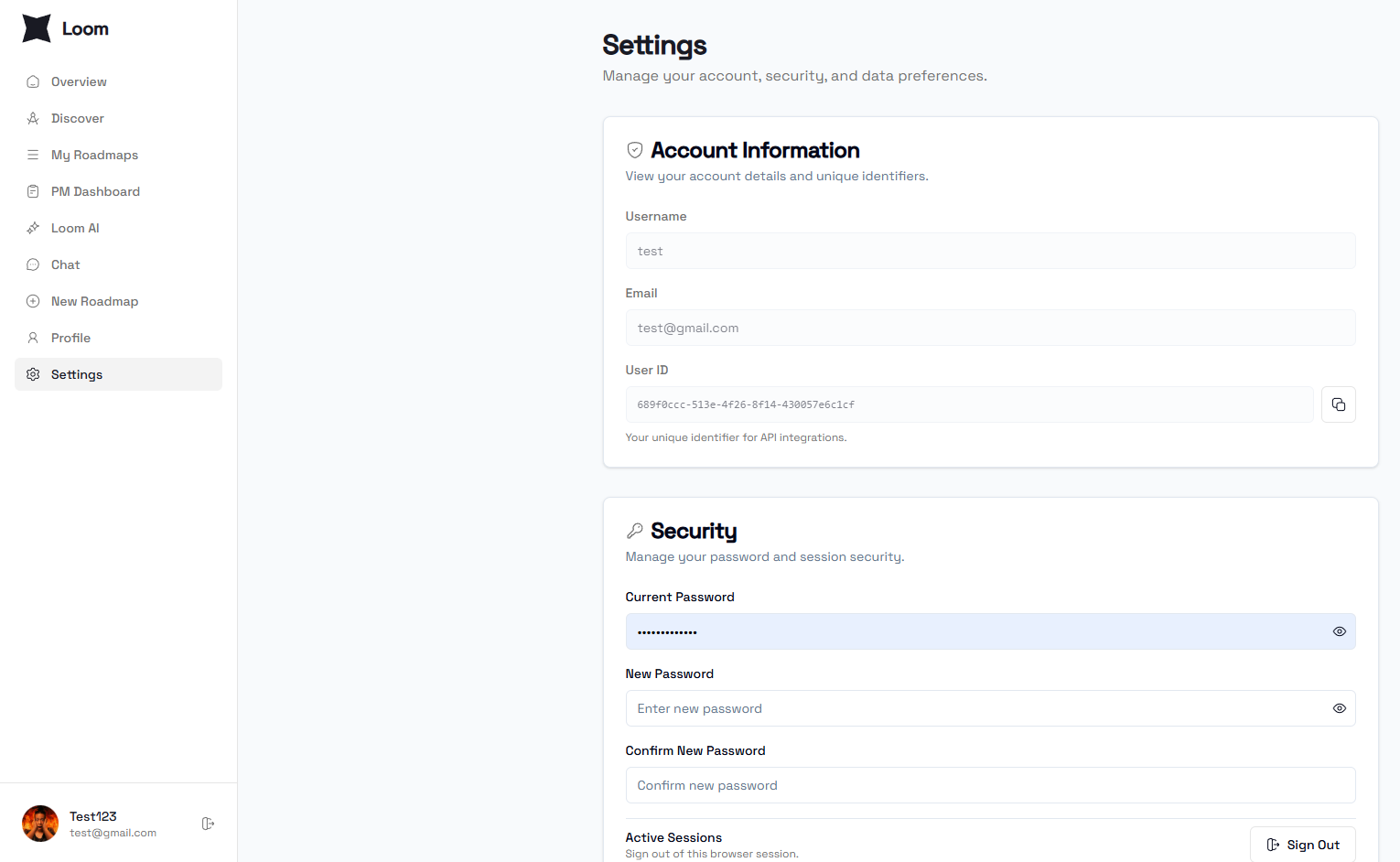
Loom's Settings Page
Inspiration
The idea for Loom came from a simple frustration: product roadmaps are often trapped in bloated tools like Notion, Linear, or spreadsheets — hard to share publicly, difficult to keep alive, and rarely collaborative in a real way. At the same time, traditional forums have a beautiful, flexible structure (users → threads → posts) that feels underutilized for anything beyond discussion.
When I saw the Foru.ms hackathon challenge emphasizing "creative misuse" of that structure, it clicked: what if we turned forum threads into living, votable, AI-smart product roadmaps? The name "Loom" emerged naturally — weaving threads into timelines, just like a loom weaves yarn into fabric.
What it does
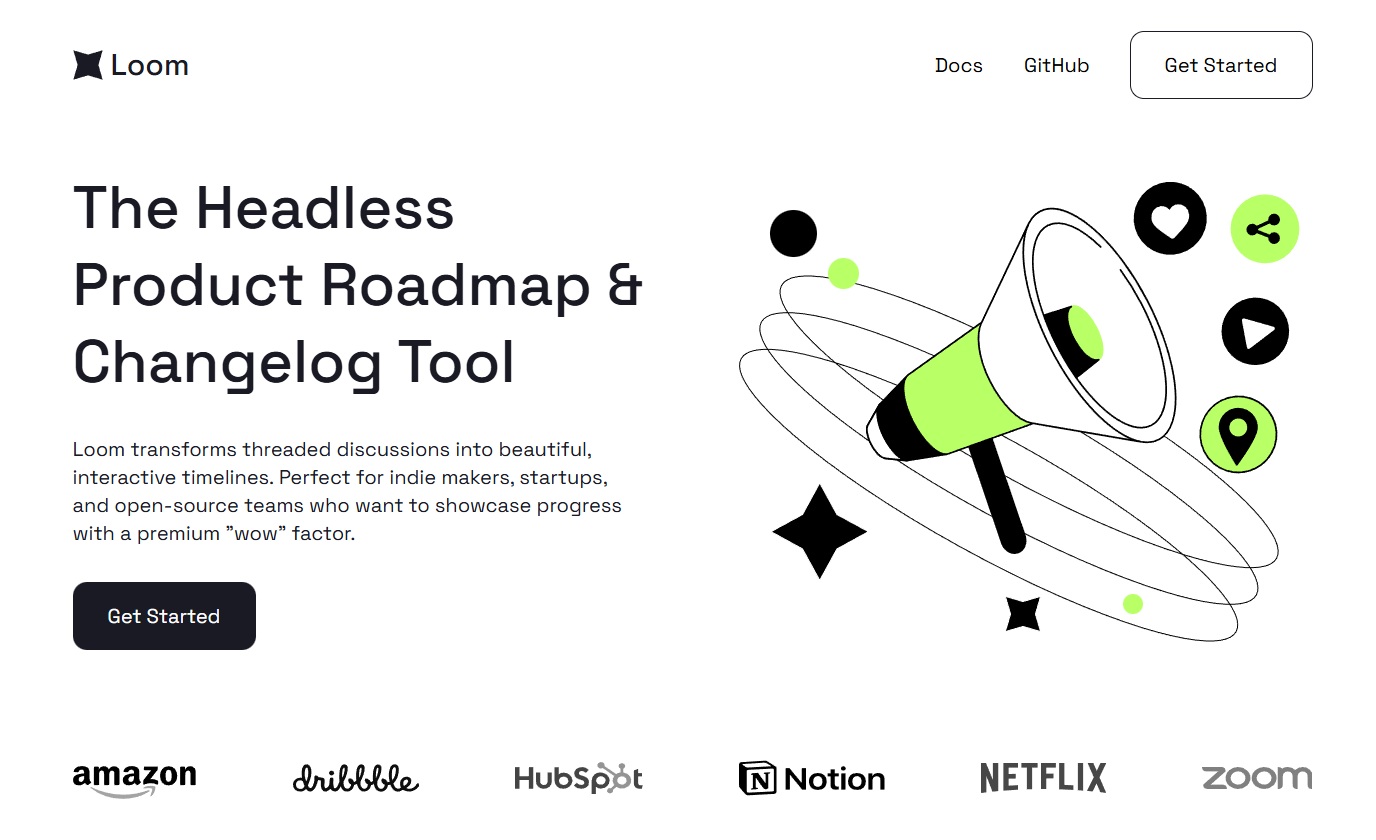
Loom is a headless product roadmap & changelog tool that transforms Foru.ms's Users → Threads → Posts model into a complete SaaS-like experience for indie makers, startups, and open-source teams.
- Roadmaps are Threads with status, visibility, team roles, and linked resources
- Features are Posts with voting, threaded comments, and AI-powered triage (impact/effort scores, sentiment, quick-win detection)
- AI powers a context-aware chat assistant, one-click PRD generation ("Magic Expand"), and automatic feature analysis
- Community features include public discovery feed, user profiles, direct messaging, and real-time notifications
It’s transparent, beautiful, and built for makers who want to ship ideas faster while keeping everyone aligned.
How we built it
We used Next.js 16 (App Router) with TypeScript for the full frontend + backend, deployed on Vercel. The core data lives in Foru.ms — threads become roadmaps, posts become features, extendedData stores rich metadata (status, team, AI insights), and tags power public discovery.
For media (avatars, screenshots), we integrated Cloudinary (with raw JSON support for lightweight user-thread indexes where Foru.ms lacks direct filtering). OpenAI (via Vercel AI SDK) drives the AI chat, triage, and PRD generation with streaming responses. We added micro-interactions (confetti on shipped features 🎉), role-based permissions, and a premium light-mode UI with Tailwind + Hugeicons.
The architecture is clean: Foru.ms as the single source of truth, Next.js API routes as a thin proxy layer, and Cloudinary for media/performance helpers.
Challenges we ran into
The biggest challenge was Foru.ms not having a direct "list threads by creator" endpoint — we worked around it by maintaining a lightweight index in Cloudinary (userId → thread list JSON), overwritten on every create/update. Keeping the AI triage accurate and fast (without burning tokens) required careful prompt engineering and webhook timing. Real-time messaging was tricky with polling limits, but we got it smooth enough for demo.
Accomplishments that we're proud of
- Deep, creative use of Foru.ms in a non-forum context — proving the data model is truly flexible
- Multi-track excellence: Un-Forum primary + strong AI & Intelligence + Bring Your Own Head polish
- A genuinely useful tool: indie makers can now have beautiful, shareable, AI-assisted roadmaps in minutes
- The "wow" moments: AI drafting full PRDs, confetti on shipped features, and context-aware chat
What we learned
We learned how powerful a truly headless backend can be when paired with modern frontend tools — Foru.ms gave us structure without constraints, letting us focus on UX and innovation. We also deepened our understanding of prompt engineering for reliable AI triage and how to balance ambition with hackathon realities (prioritizing core loops first!).
What's next for Loom
Post-hackathon, we plan to:
- Add mobile/responsive polish
- Implement full real-time (WebSockets via Foru.ms webhooks)
- Open-source more of the codebase
- Explore integrations (GitHub issues sync, Slack notifications)
- Possibly turn it into a real indie SaaS with free + paid tiers
Loom started as a hackathon idea — but it’s ready to become the roadmap tool makers actually want to use every day.
Built With
- cloudinary
- foru.ms
- next.js
- openai
- typescript
- v0


Log in or sign up for Devpost to join the conversation.