-
-
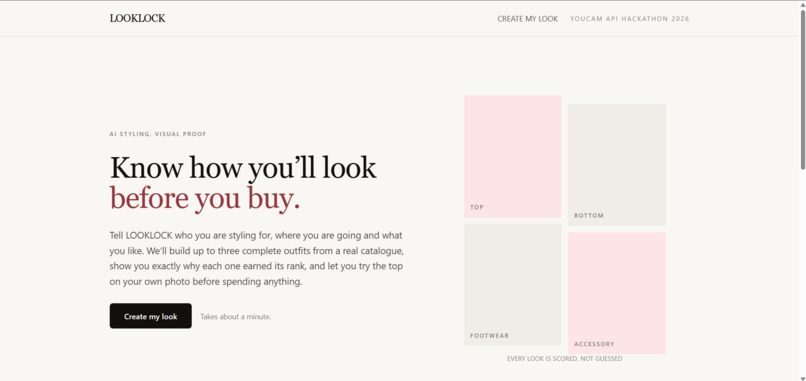
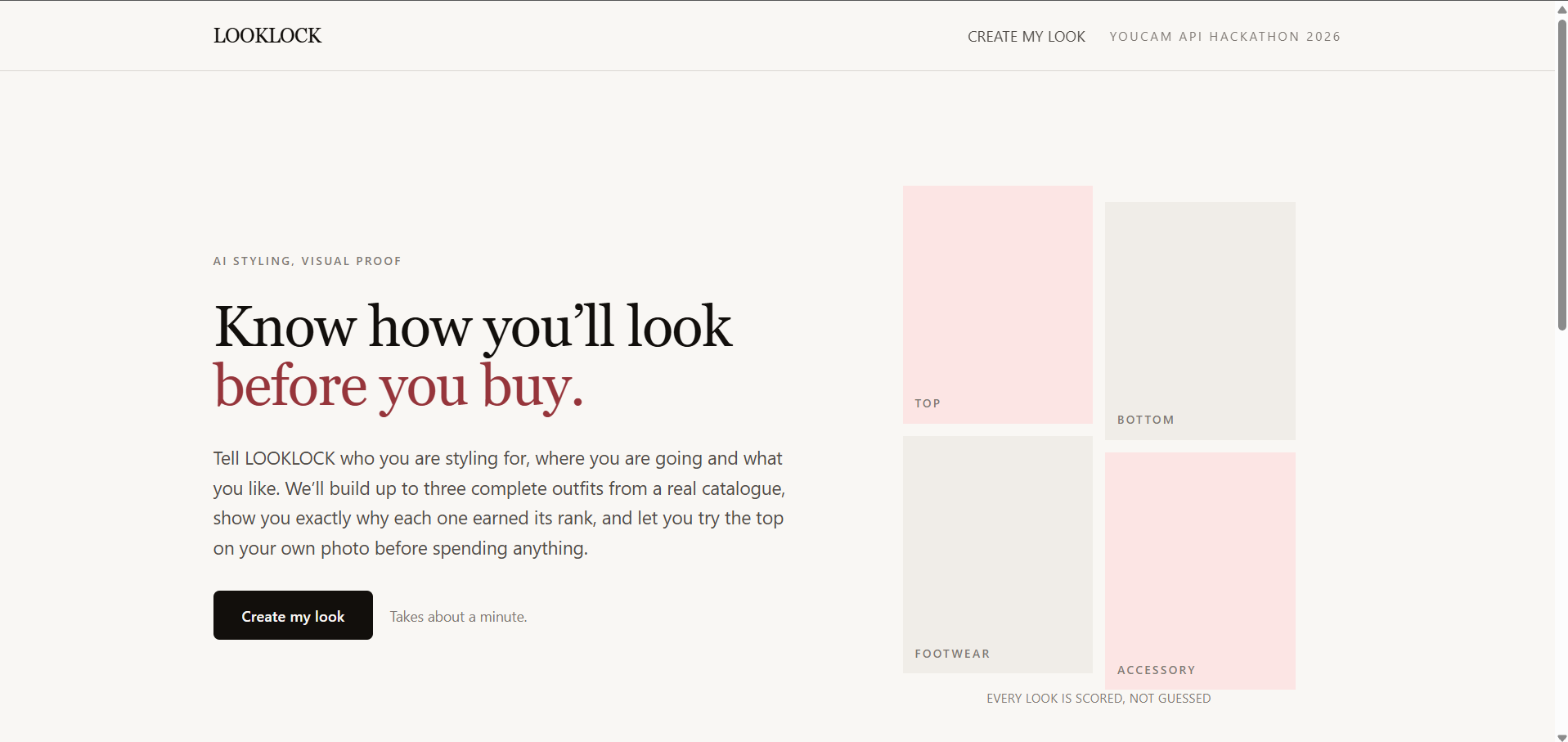
Home page
-
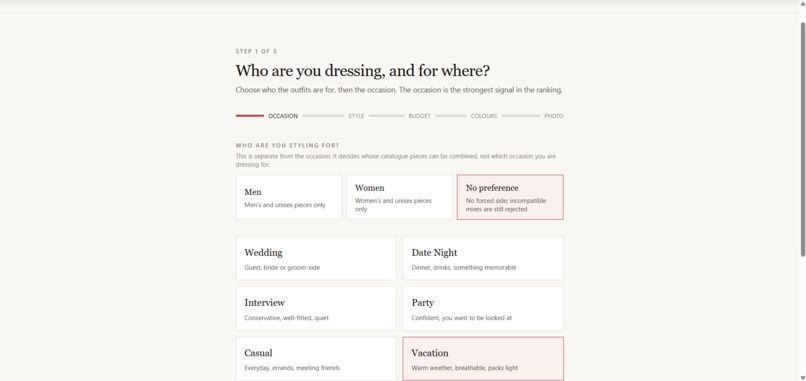
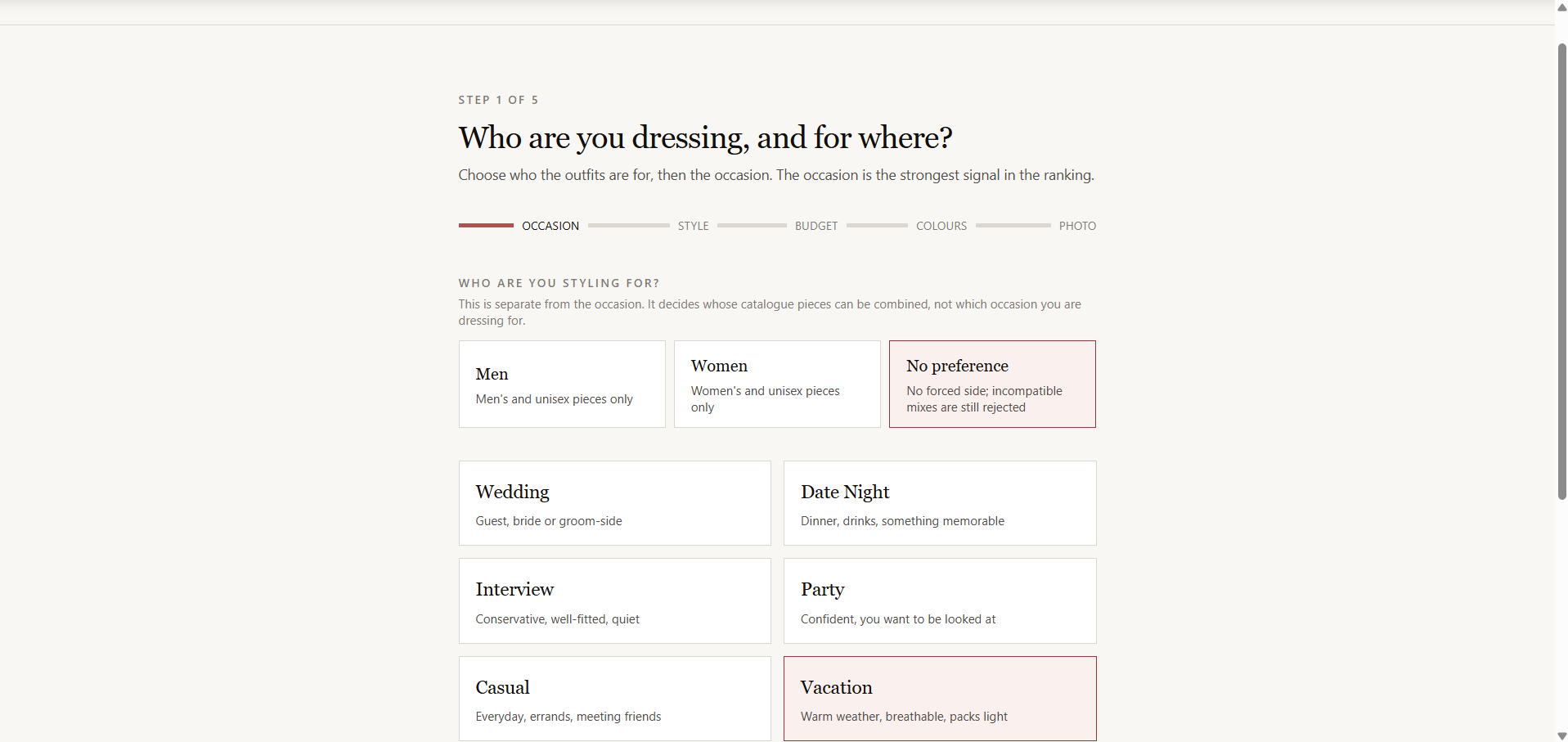
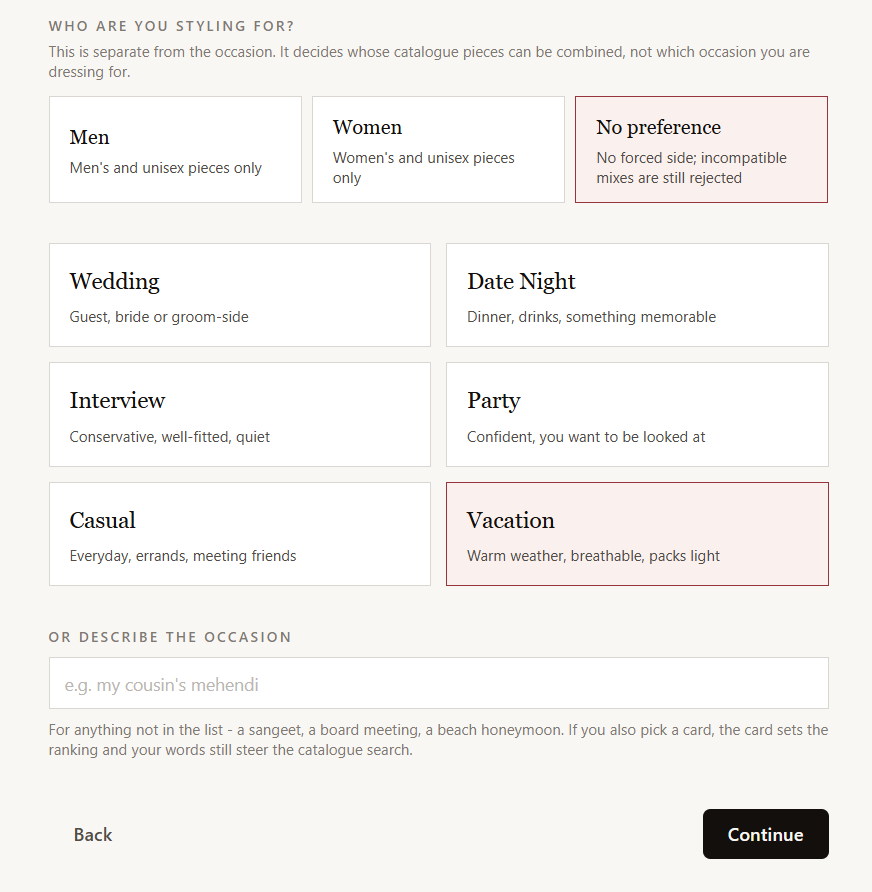
Preferences
-
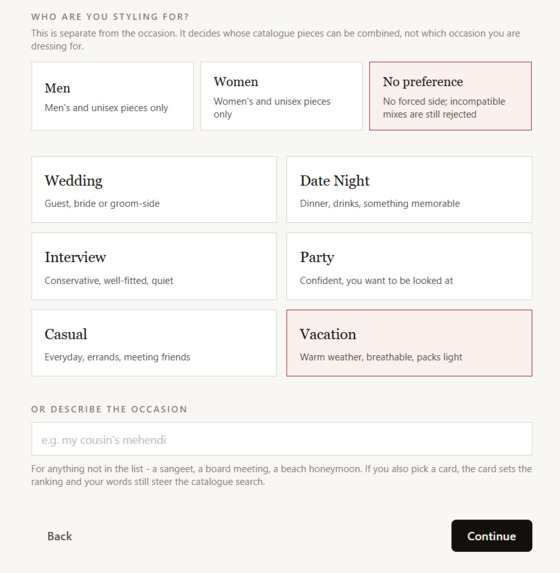
Preferences - 2
-
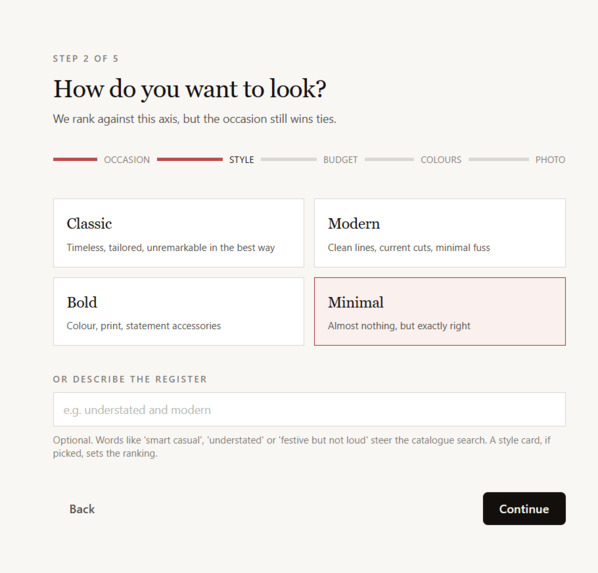
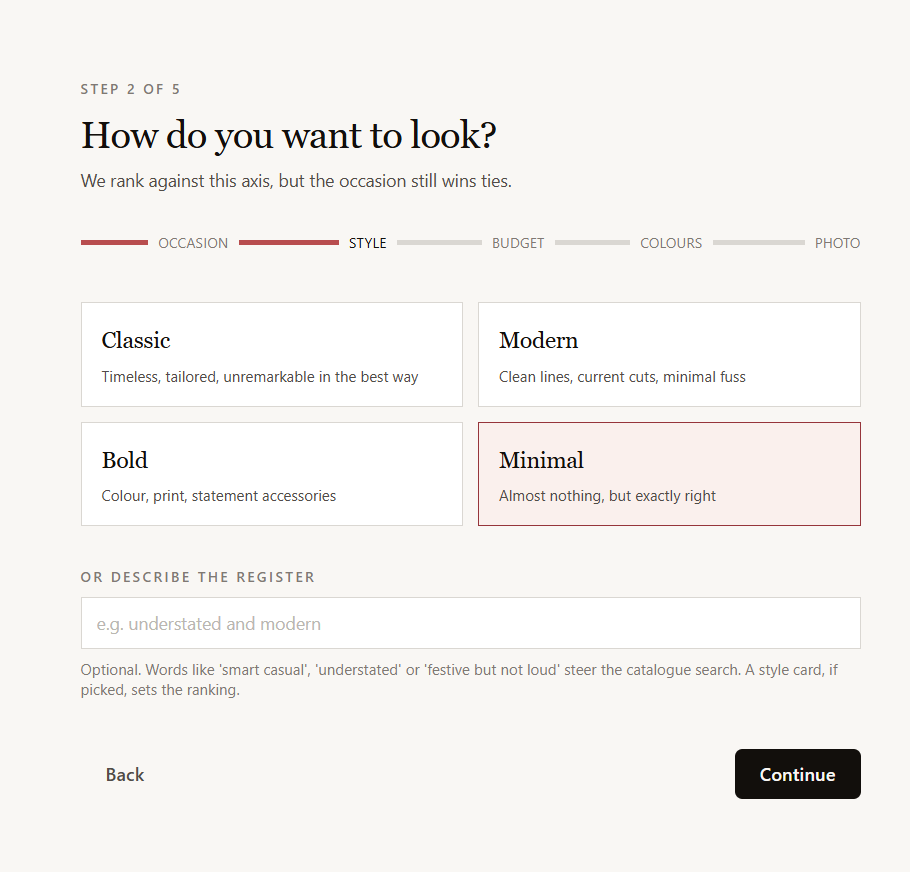
Select your look
-
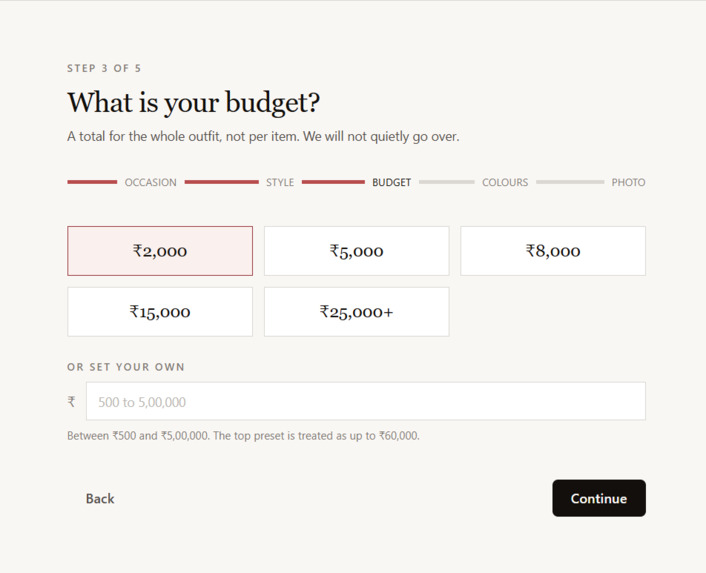
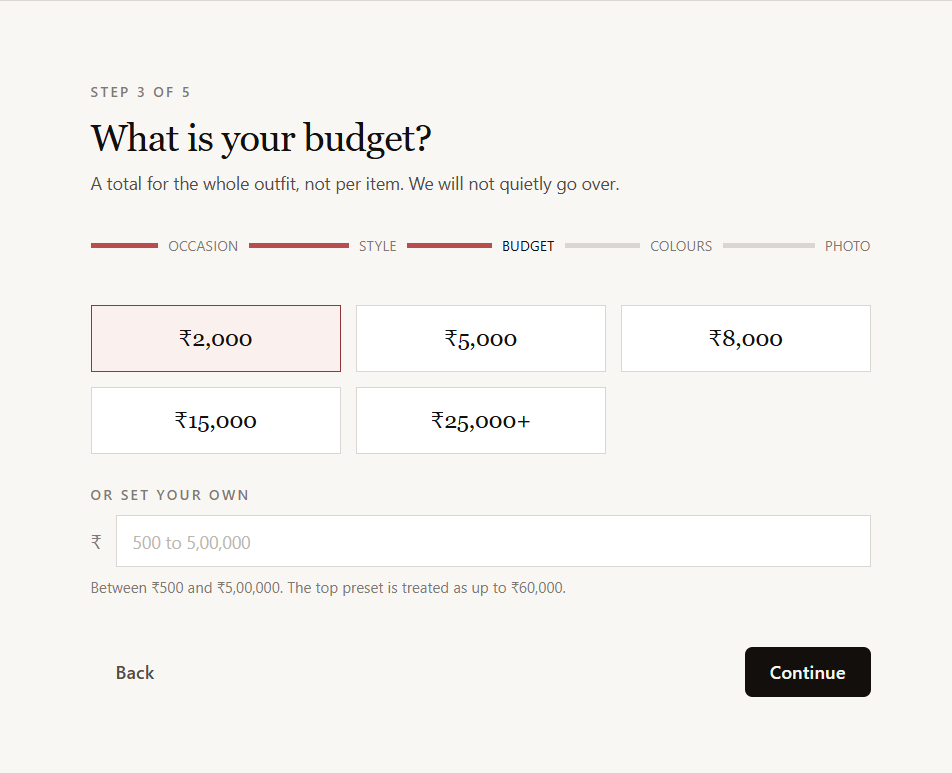
Select Budget
-
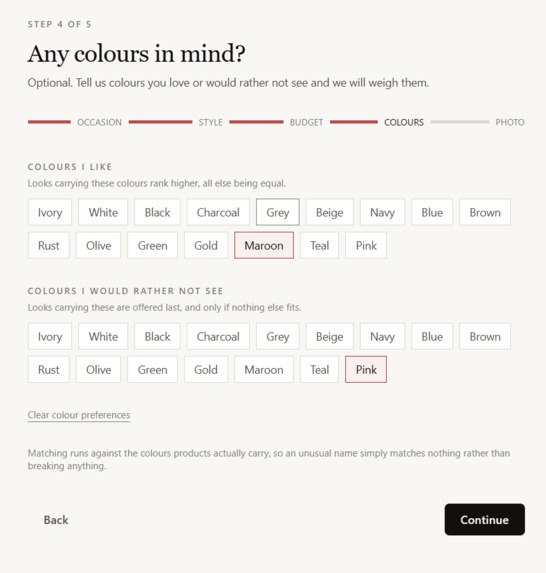
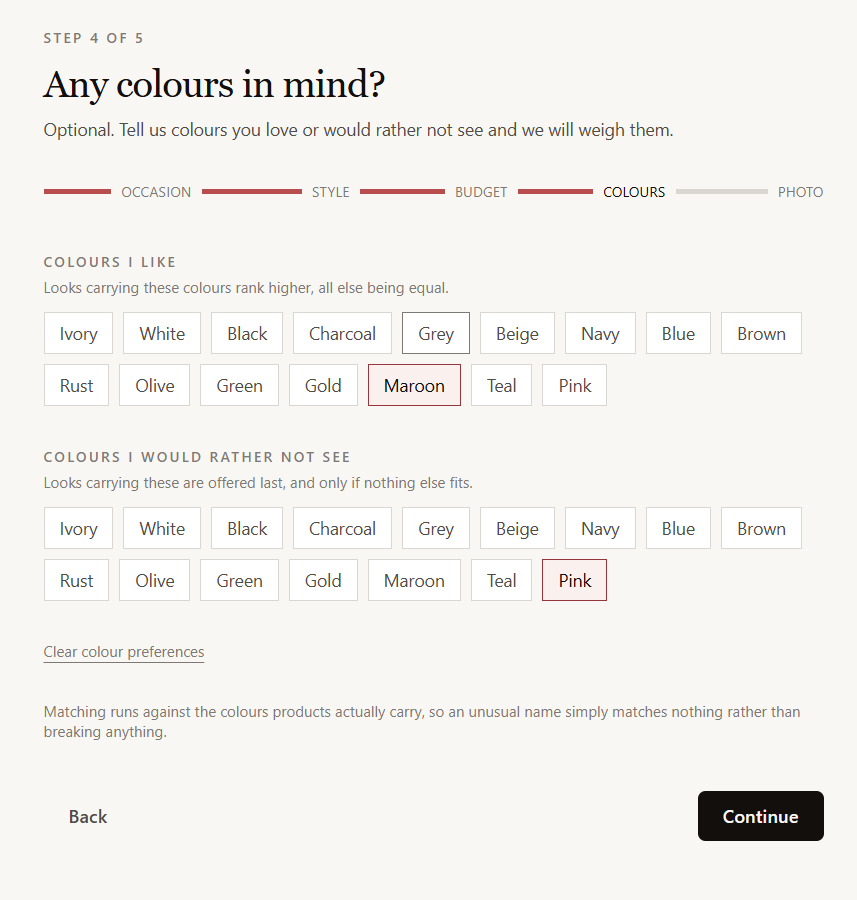
Choose colors
-
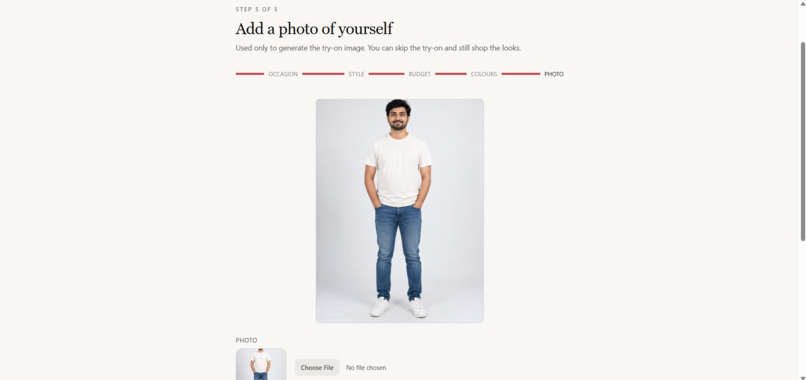
Add your photo
-
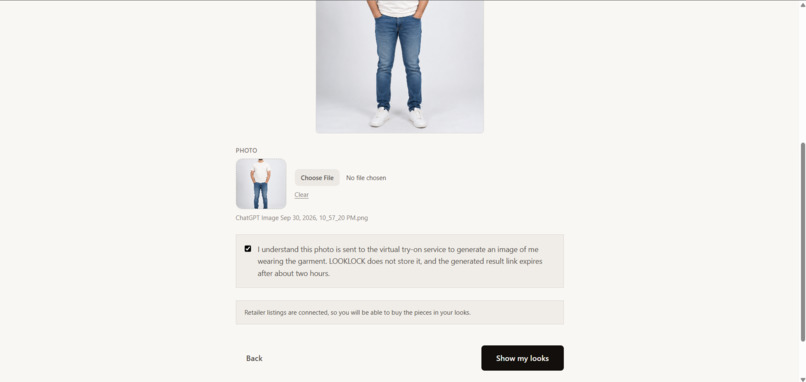
Add your photo - 2
-
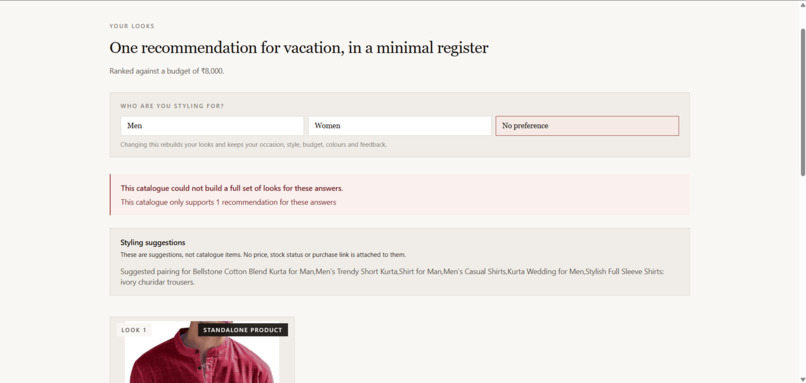
Your looks
-
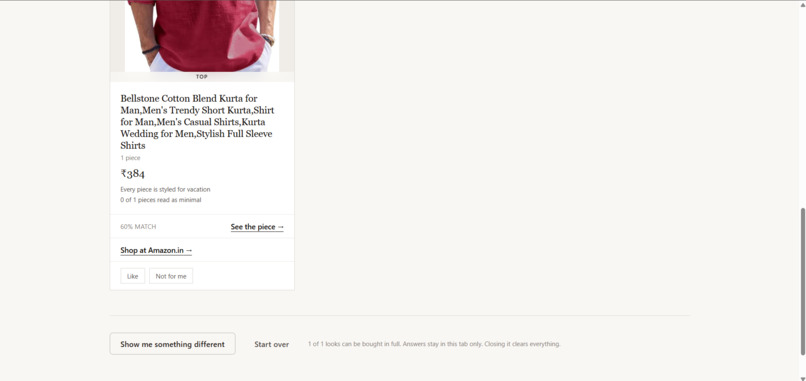
Your looks - 2
-
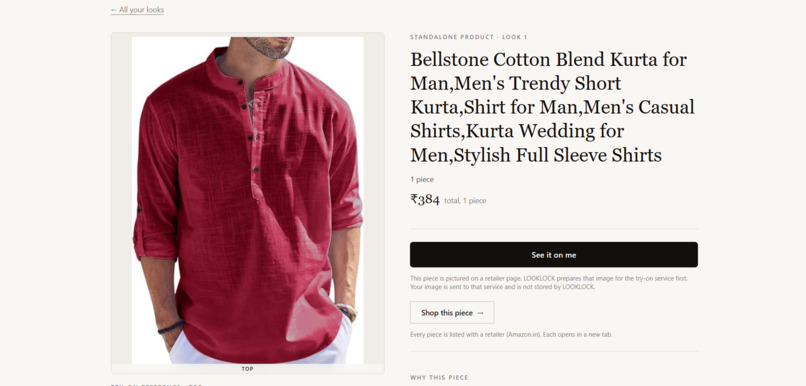
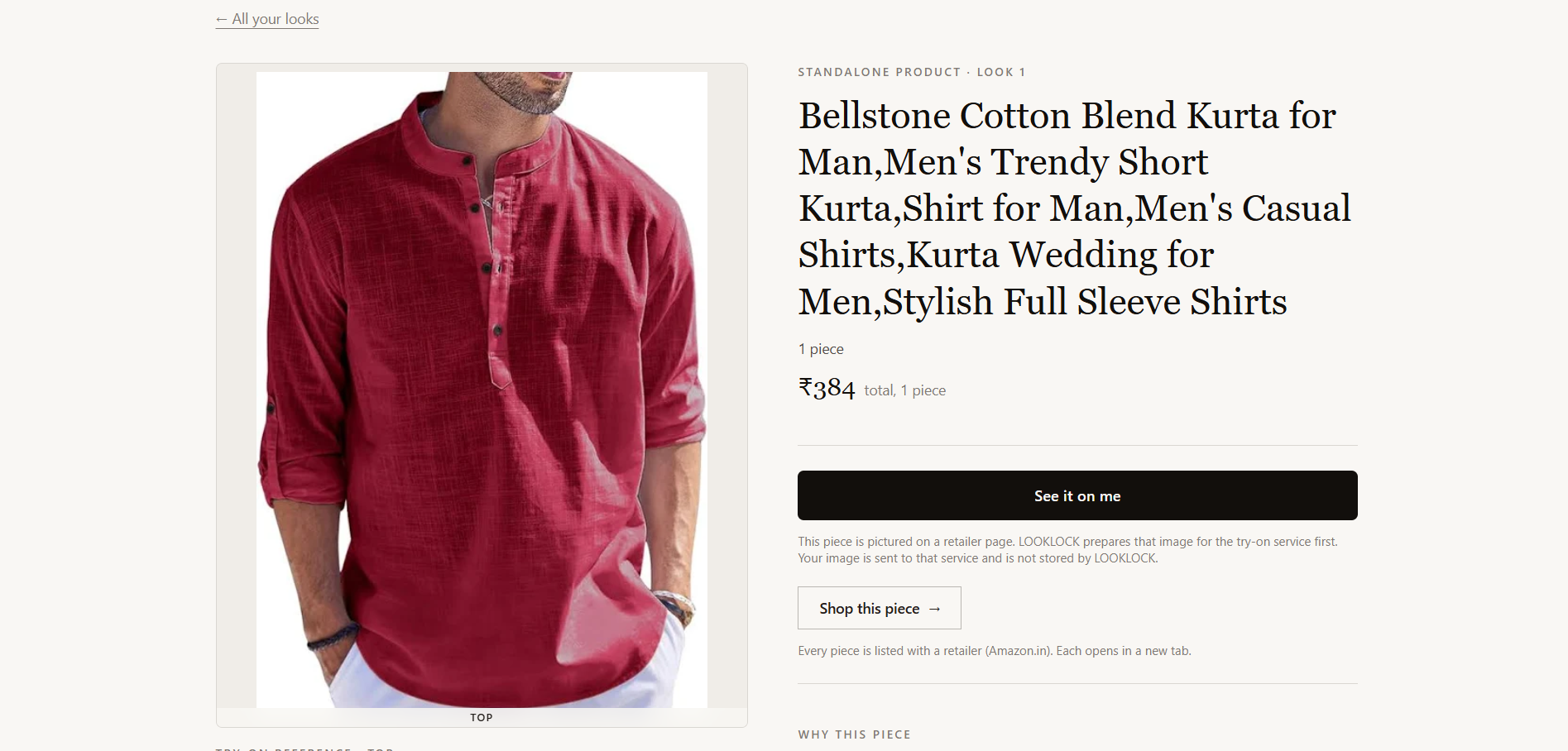
Your looks - 3
-
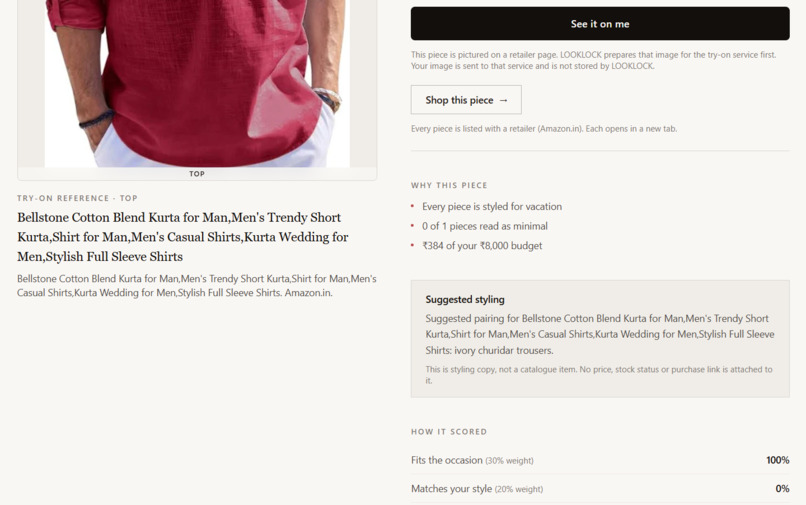
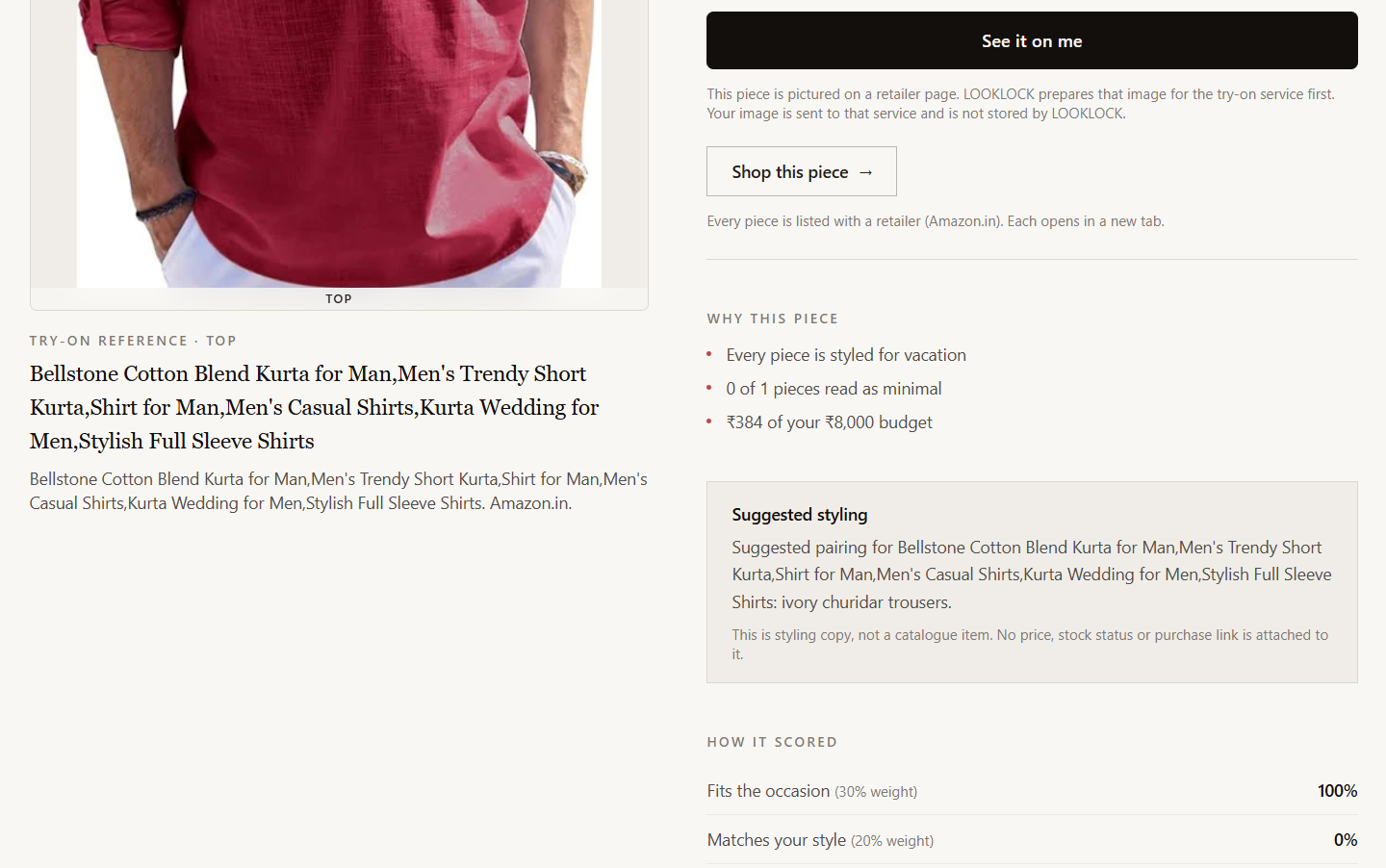
Your looks - 4
-
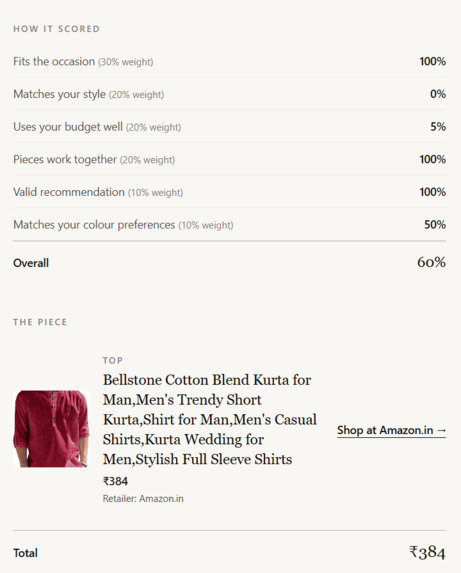
Your looks - 5
-
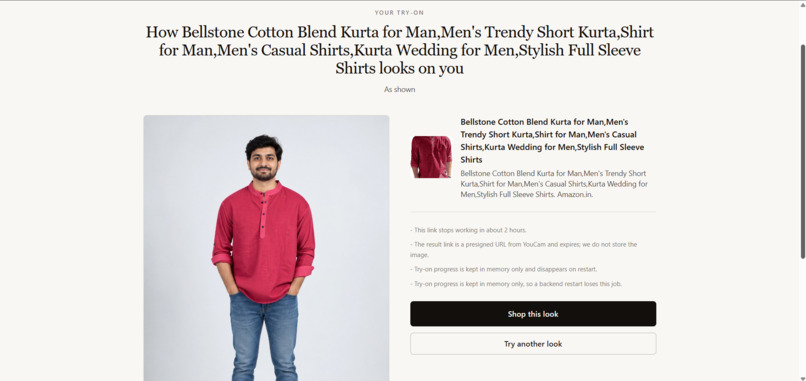
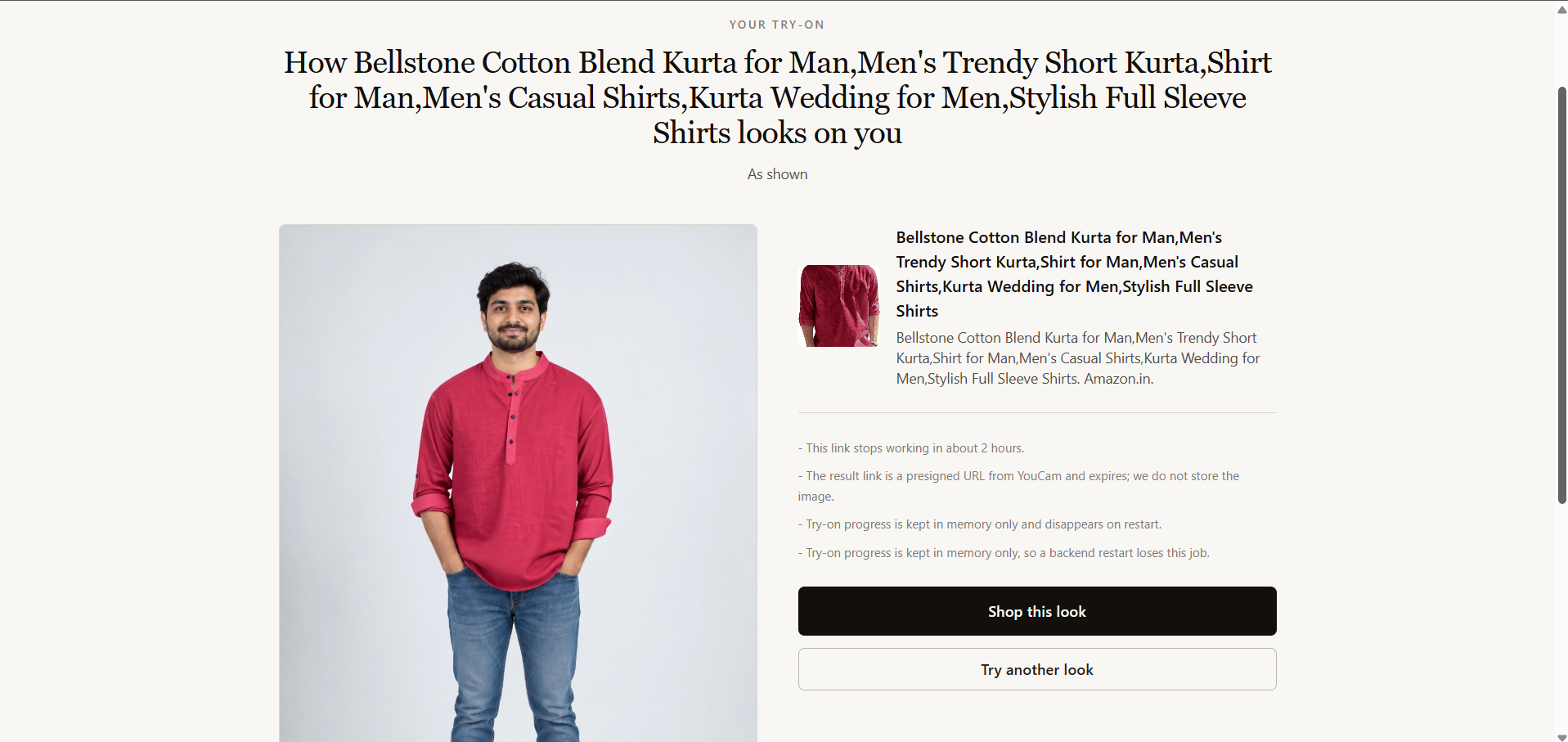
Try on result
👗 The Problem
Shopping for an outfit online often comes down to a frustrating question:
"Will this actually look good on me?"
Product photos can show what an outfit looks like on a model, but they don't give shoppers confidence about how it will look on them. This uncertainty can lead to hesitation, poor purchasing decisions, and returns.
We wanted to build something that goes beyond simply showing another virtual try-on.
💡 Our Idea — LOOKLOCK AI
LOOKLOCK AI is a personalized fashion decision assistant that helps you decide what to wear before you buy it.
Instead of starting with a product catalog, LOOKLOCK starts with the person and the occasion.
Users tell LOOKLOCK:
- 🎉 What they're dressing for
- ✨ Their preferred style
- 💰 Their budget
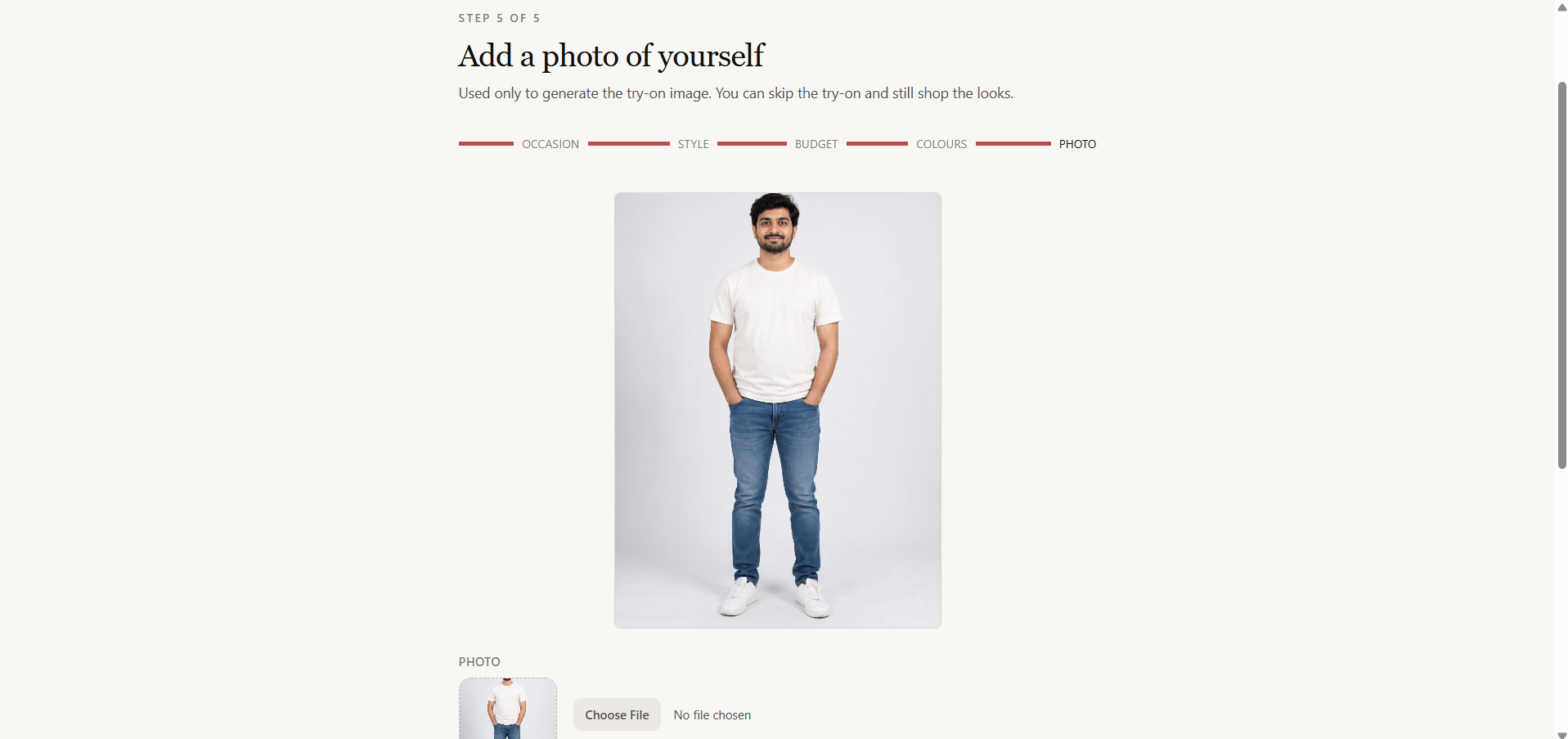
- 📸 What they look like
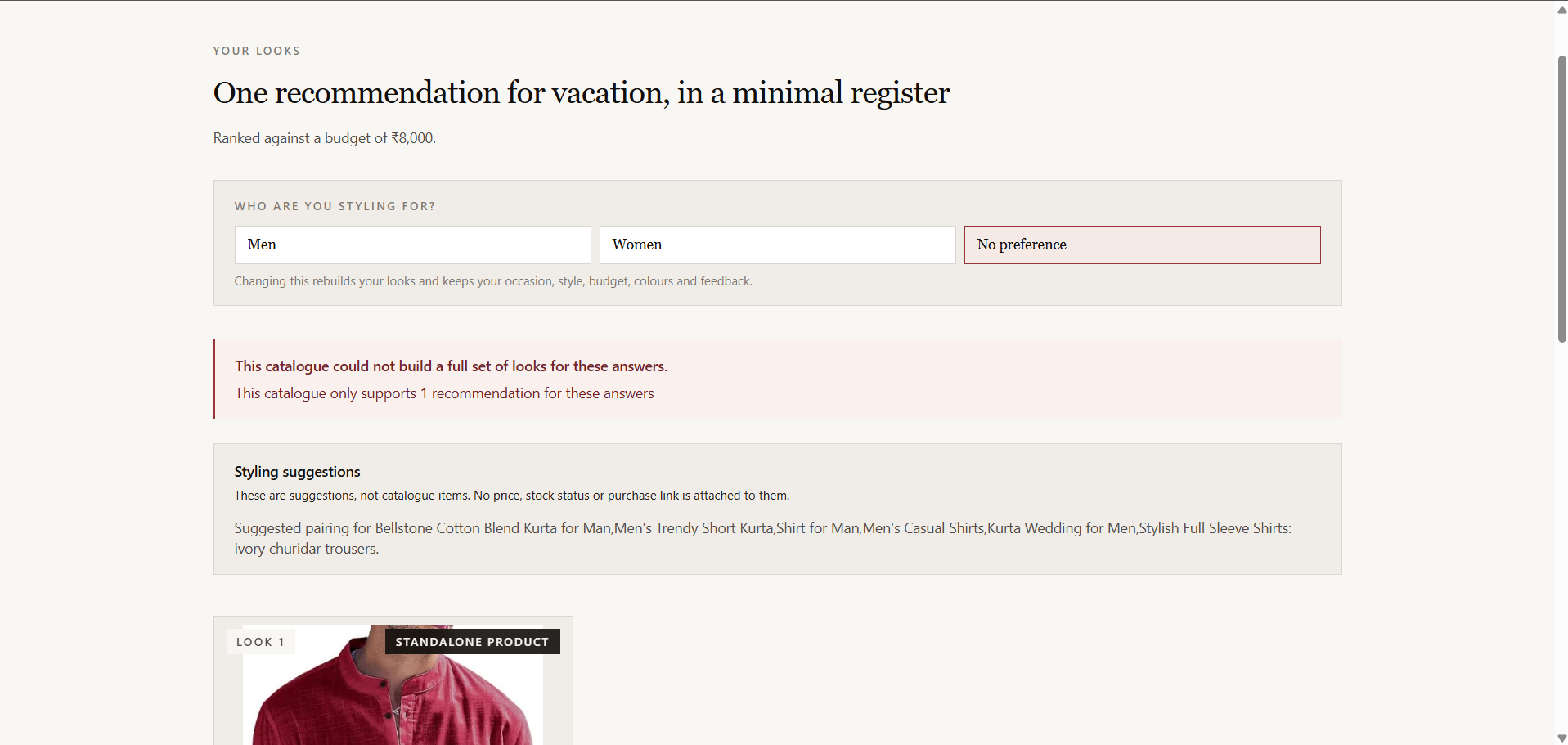
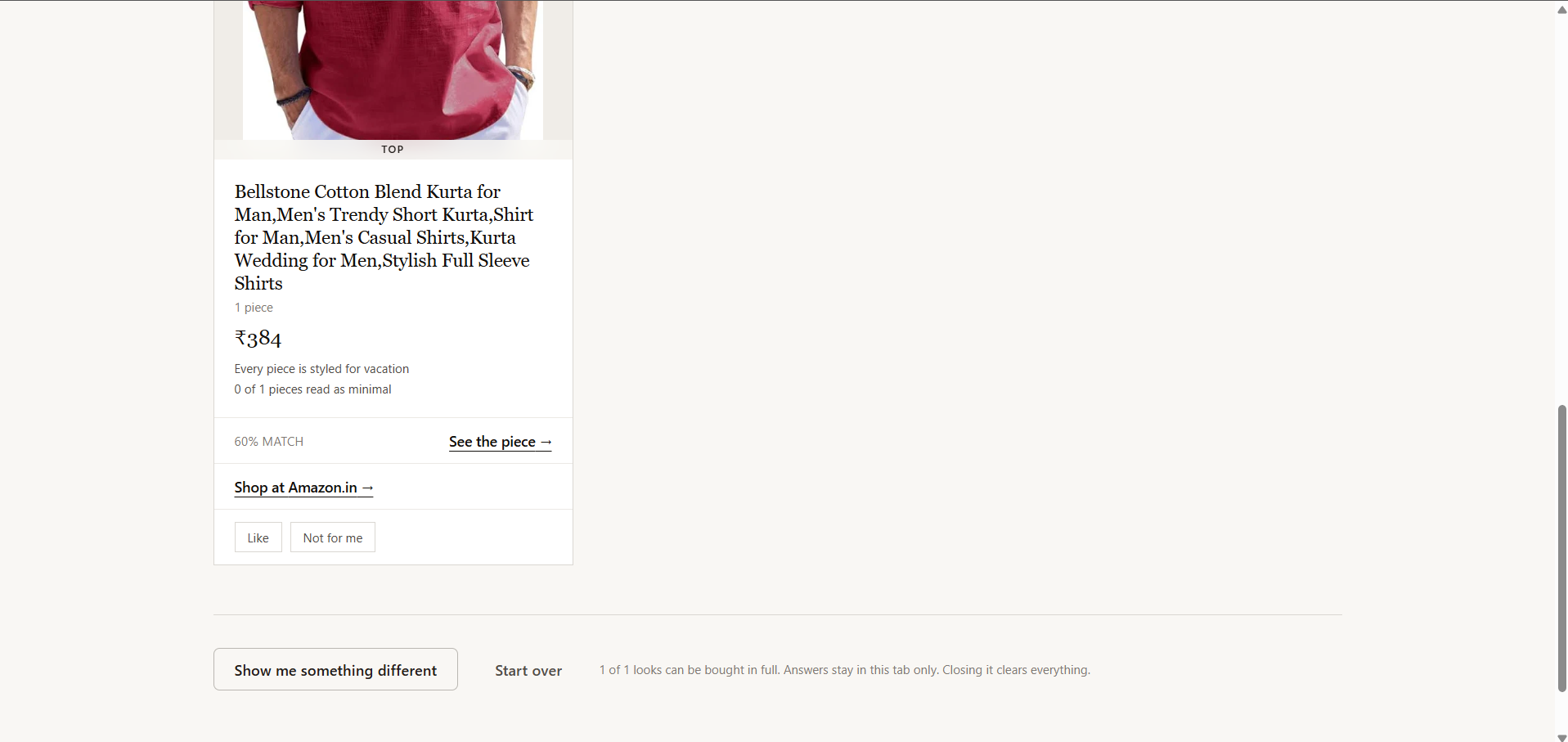
LOOKLOCK then recommends three complete looks that fit those preferences.
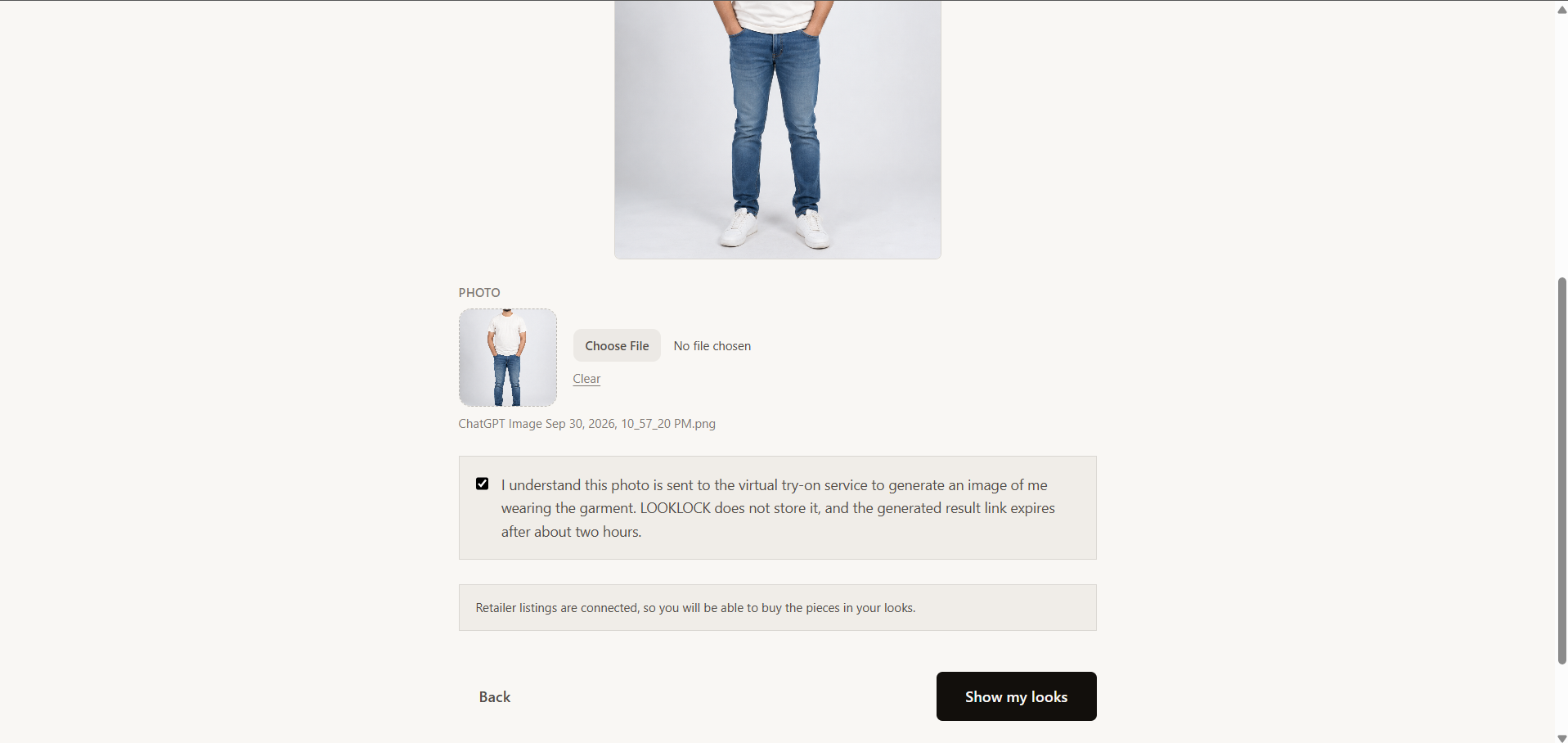
The user can select a look and use YouCam API's AI-powered virtual try-on to preview the outfit on themselves.
The result is a simple journey:
Discover → Personalize → Preview → Decide
🚀 What Makes LOOKLOCK Different?
Virtual try-on alone answers:
"How would this outfit look on me?"
LOOKLOCK goes one step earlier and asks:
"Which outfit should I try in the first place?"
Our recommendation layer combines occasion, style preference, budget, and catalog availability before sending the selected garment to the virtual try-on experience.
This makes YouCam the visual intelligence behind a larger shopping decision workflow rather than the entire product experience.
🛠️ How We Built It
LOOKLOCK is built as a web application with a React/TypeScript frontend and a Python FastAPI backend.
Frontend
- React + TypeScript
- Vite
- Tailwind CSS
- Responsive, mobile-first UI
- Typed API client
- Guided multi-step styling experience
Backend
- Python
- FastAPI
- Pydantic
- HTTPX
- Structured service layer
- In-memory job management for the hackathon MVP
YouCam API
YouCam API powers the virtual try-on workflow.
The integration follows the documented asynchronous workflow:
- Validate the user's image
- Upload the source image
- Upload the garment reference image
- Submit the virtual try-on task
- Poll the task status
- Retrieve the generated result
- Display the result inside LOOKLOCK
The YouCam API key remains server-side and is never exposed to the browser.
🧠 The Recommendation Engine
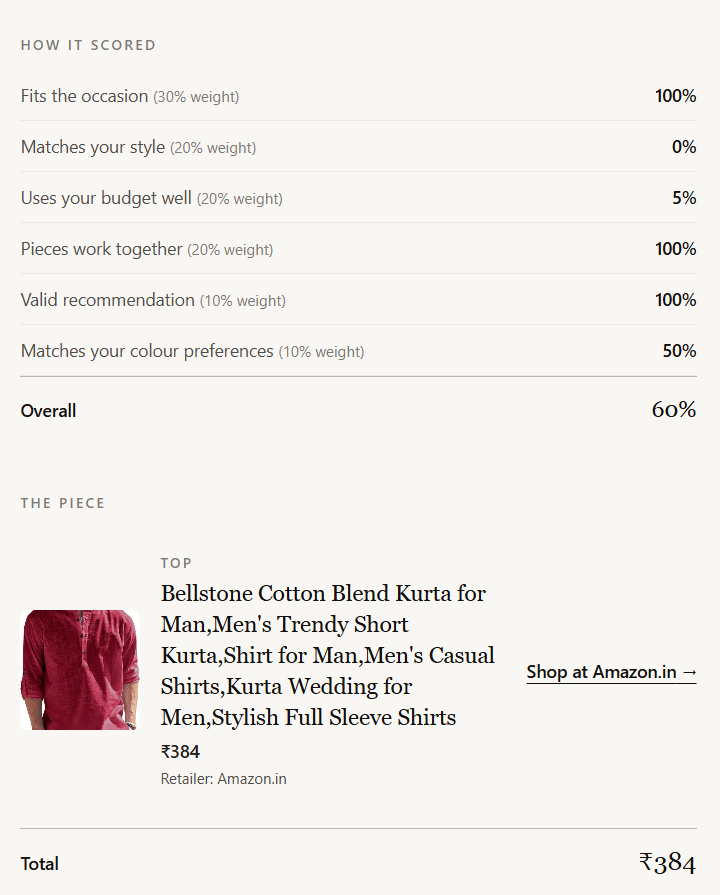
The initial LOOKLOCK recommendation engine is intentionally deterministic.
It considers:
- Occasion compatibility
- Style compatibility
- Budget compatibility
- Complete outfit availability
The engine ranks available combinations and returns three looks.
We chose this approach for the MVP because it makes the recommendation behavior transparent and predictable. The architecture is designed so that a more advanced personalization or recommendation model can be introduced later without replacing the rest of the product.
🎨 The Experience
A typical LOOKLOCK journey looks like this:
Wedding → Classic → ₹8,000 → Upload Photo
LOOKLOCK generates three suitable looks.
The user selects one and chooses:
"Try This Look"
YouCam then generates the virtual try-on result.
The final screen shows:
- The virtual try-on preview
- The complete outfit
- Total price
- Individual items
- Why the look matched the user's preferences
- A Shop This Look breakdown
The goal is to turn an uncertain shopping decision into a visual and personalized one.
🔐 Privacy & Consent
Because LOOKLOCK works with personal images, privacy was treated as a core engineering consideration.
The application:
- Keeps the YouCam API key on the backend
- Validates images before sending them to the service
- Does not forward the user's original filename to the vendor
- Requests user consent before processing their photo
- Does not claim that photos never leave the user's device
- Clearly communicates that virtual try-on processing uses the external YouCam service
🧩 Challenges We Faced
The biggest challenge wasn't creating a UI around an API. It was building a reliable integration around a real asynchronous image-processing workflow.
During implementation we encountered documentation inconsistencies around parts of the V4 API contract, including image dimensions, expected framing, response schemas, and header types.
Rather than guessing, we built the integration contract-first and validated the documented request and response structures with automated tests.
We also discovered an important security issue during development: the presigned file-upload request must not inherit the authenticated YouCam API headers.
We isolated the presigned upload into a separate HTTP client without the API authorization header and added a regression test to ensure the API key cannot leak to the storage endpoint.
Another challenge was the temporary nature of generated result URLs. LOOKLOCK therefore treats the current VTO result as a session-based experience rather than pretending that generated URLs are permanent.
📚 What We Learned
Building LOOKLOCK taught us that integrating an AI API is only one part of creating an AI-powered product.
The difficult part is designing the product layer around the AI capability.
We learned to:
- Design around documented API contracts instead of assumptions
- Treat asynchronous AI operations as first-class product states
- Separate vendor integrations from business logic
- Keep secrets strictly server-side
- Validate user-generated input before vendor calls
- Design graceful failure states for AI operations
- Think about consent and data handling from the beginning
- Build the experience around a user's decision rather than around the underlying API
Most importantly, we learned that AI becomes much more useful when it solves a complete user problem instead of simply demonstrating an AI capability.
🔮 What's Next?
LOOKLOCK's current MVP establishes the complete journey from personalization to virtual try-on.
Future versions could add:
- Smarter personalized recommendations
- Real product and retailer catalogs
- Price and availability comparison
- More fashion categories
- Accessories and complete-look recommendations
- Saved wardrobes and previous looks
- Personalized style profiles
- Persistent try-on history
- More advanced purchase-confidence signals
Our long-term vision is simple:
LOOKLOCK should become the place you go before buying an outfit when you want to know not only what looks good — but what looks right for you.
Built With
- ai
- api
- css
- e-commerce
- fashion
- fastapi
- http
- opencv
- pydantic
- python
- react
- rest
- tailwind
- tech
- try-on
- typescript
- virtual
- vite
- youcam


Log in or sign up for Devpost to join the conversation.