Inspiration
Cancer treatment brings many uncertainties. For some people, the possibility of hair loss is another deeply personal concern. Hair is more than appearance; it is often tied to identity, self-expression, and confidence.
Around 20 million people were diagnosed with cancer worldwide in 2022. In one study of patients receiving systemic cancer treatment, 78% experienced hair loss, and more than 60% reported needing information or consultation about it.
I noticed an opportunity to help people prepare for this change earlier. People often start exploring hairstyles, wigs, and alternatives only after their hair has begun changing. But what if they could explore how they want to look before treatment begins?
That question inspired LookAhead: giving people the opportunity to make personal appearance choices ahead of time, rather than having to figure everything out while going through treatment.
What it does
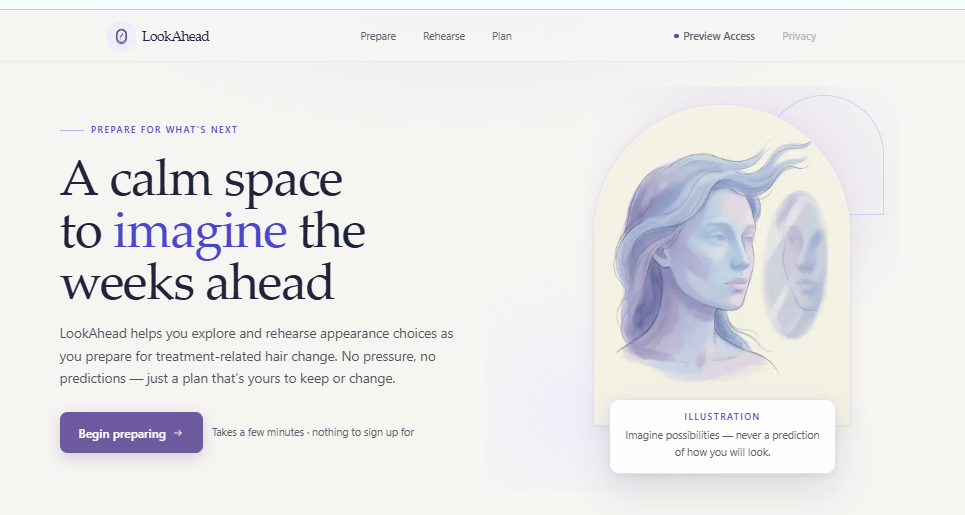
LookAhead is a visual preparation and decision-rehearsal platform for people preparing for cancer treatment and possible appearance changes.
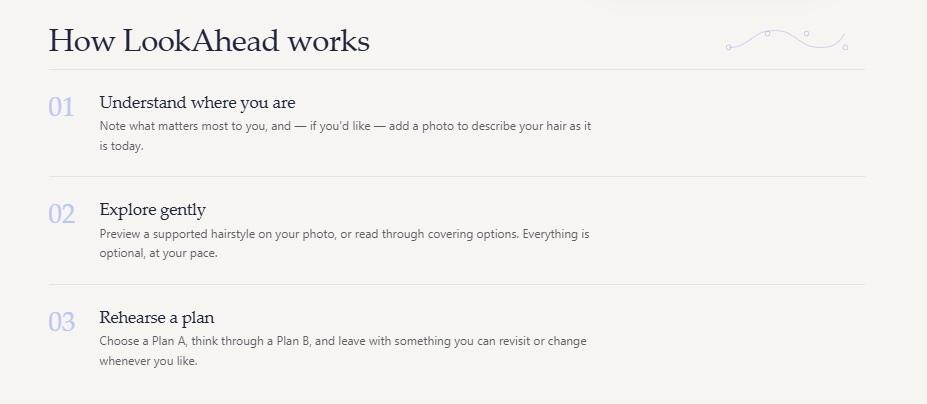
It guides users through four stages:
- Understand: Identify personal preferences, appearance goals, and what matters most to them.
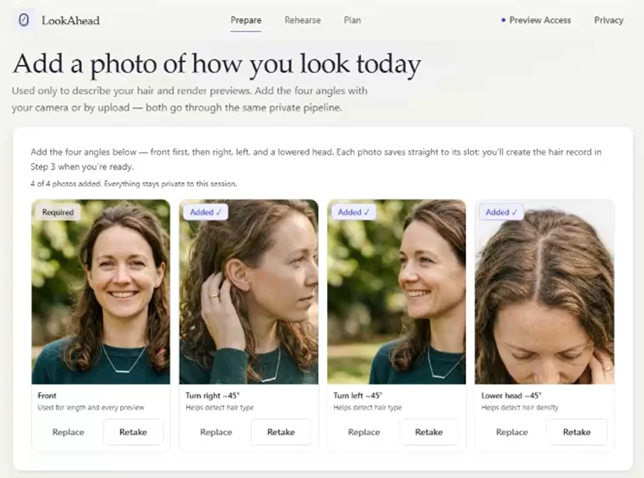
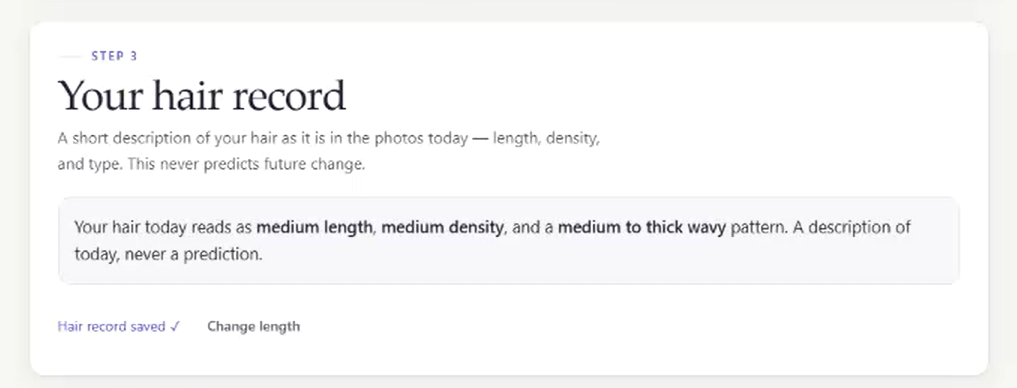
- Record: Upload a photo and create a personal hair profile using YouCam's AI hair analysis.
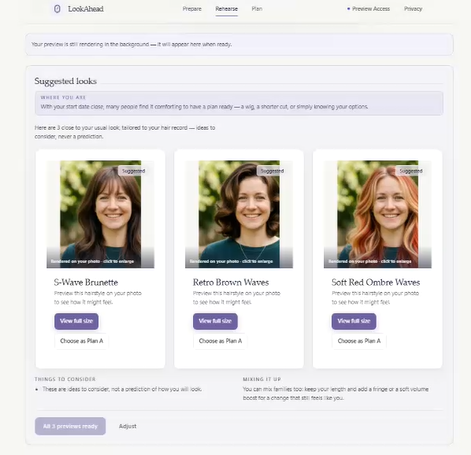
- Rehearse: Explore different hairstyles using virtual try-on on their own photo. Users can discover familiar looks or consider something completely different.
- Plan: Create a preferred look (Plan A) and an alternative (Plan B), while keeping undecided choices open.
The experience is designed to help people think about how they want to present themselves before changes begin. Whether they want to maintain a familiar style or try something new, they can explore their preferences and prepare alternatives at their own pace.
How we built it
I built LookAhead using Next.js, React, TypeScript, and Tailwind CSS, integrating Perfect Corp.'s YouCam APIs for hair analysis and virtual hairstyle try-on.
A key part of the experience is personalized exploration. LookAhead uses the user's preferences and current hair profile to suggest hairstyles that match their existing look and the kind of change they are comfortable exploring. For example, someone who prefers to maintain their original appearance and currently has long hair can discover suggestions that preserve a similar length and style. They can then preview these suggestions using their own photos or explore other available options.
This makes the experience more personal than a generic hairstyle catalogue, connecting the user's current appearance and preferences with the options they may want to consider.
Challenges we ran into
One of the biggest challenges was designing for an emotionally sensitive situation. I wanted LookAhead to feel supportive rather than clinical or like another beauty-shopping app.
Another challenge was distinguishing visual exploration from prediction. A hairstyle preview can show someone another possible look, but it cannot predict how treatment will affect their hair.
I also had to connect different hair analysis and virtual try-on capabilities into one meaningful journey, while making the experience respond to each user's preferences.
Accomplishments that we're proud of
I'm proud of bringing hair analysis, personalized virtual try-on, and appearance planning into one experience rather than treating them as separate AI features.
The four-stage journey, personalized hairstyle suggestions, and Plan A / Plan B approach make LookAhead more than a hairstyle gallery. Users can explore at their own pace, consider alternatives, and prepare without being forced to make decisions before they are ready.
Most importantly, the experience is built around a personal need that can easily be overlooked during treatment preparation: helping people feel that they still have a say in how they look.
What we learned
I learned that AI does not always need to predict or automate something to be valuable. Sometimes, helping someone explore their choices and feel more prepared can make a meaningful difference.
Appearance is closely connected to how people see themselves and how confident they feel. Technology can support that experience by giving people more opportunities to make choices on their own terms.
I also learned that individual AI capabilities become much more useful when connected to a real human need and a complete user journey.
What's next for LookAhead?
I see LookAhead expanding beyond hair into a more complete appearance-preparation experience. Skin can also change during cancer treatment, affecting how people feel about their face and overall appearance.
An additional direction would be to introduce AI skin analysis and personalized skincare and beauty exploration, helping users understand their current skin appearance and explore ways to care for it.
The longer-term vision is to help people prepare not just for changes in their hair, but for changes in their overall appearance, while supporting their confidence and sense of self during a difficult period.
LookAhead cannot change what treatment may bring. But it can help people feel more prepared, more confident in their choices, and more like themselves along the way.
Built With
- ai-hair-analysis
- hair-length-detection-api
- hairstyle-virtual-try-on-api
- next.js
- personalized-hairstyle-recommendations
- react
- typescript
- vercel
- virtual-hairstyle-try-on
- youcam-api

Log in or sign up for Devpost to join the conversation.