Inspiration
In 2022, floods at the Niger-Benue confluence in Lokoja displaced over 600,000 people, destroying homes, schools, clinics, and livelihoods. This is not a one-time disaster—it happens almost every year, yet existing warning systems remain slow and unreliable.
Seeing communities repeatedly suffer preventable losses inspired the idea behind Lokoja ANN Flood Shield: a system that doesn’t just respond to floods, but predicts and prevents them using data and AI.
What it does
Lokoja ANN Flood Shield is an AI-powered early warning system that predicts flood risks 24–48 hours in advance.
It:
- Uses an Artificial Neural Network trained on 36 years of historical flood data
- Processes real-time inputs such as rainfall, river stage, and discharge
- Sends automated alerts via SMS and WhatsApp to communities and authorities
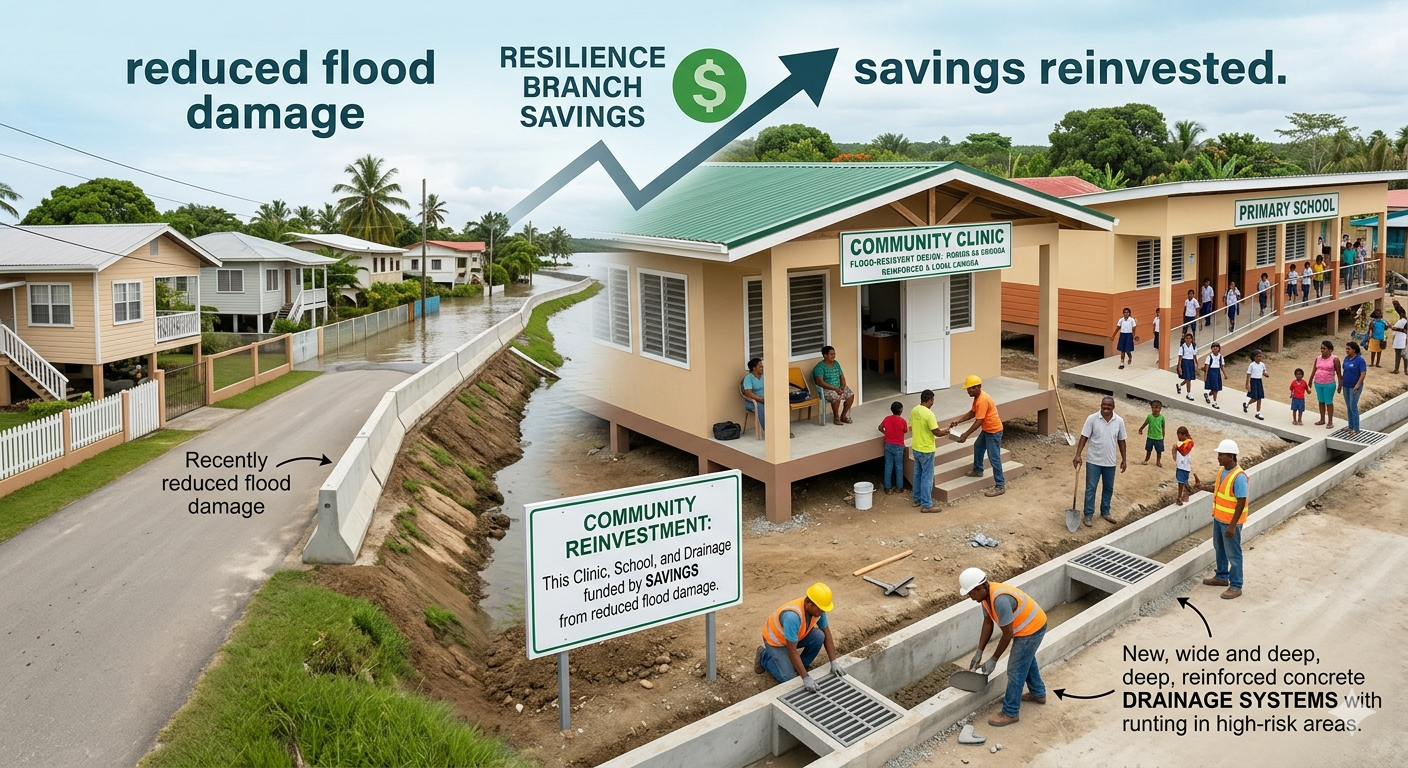
- Includes a “Resilience Branch” model that reinvests saved costs into flood-resistant infrastructure
The system transforms flood management from reactive disaster response to proactive prevention.
How we built it
The system was built using a combination of data science, AI, and automation tools:
- Historical flood data (1990–2025) used to train a feed-forward ANN model
- Integration of real-time environmental data streams
- A prediction engine for flood risk classification
- Automation tools for instant alert delivery
- A dashboard for monitoring and visualization
Workflow: Data → ANN Model → Prediction → Alerts → Community Action
Challenges we ran into
- Accessing and cleaning long-term historical flood data
- Integrating reliable real-time environmental data
- Designing alerts that are simple and actionable
- Ensuring the system works in low-connectivity environments
- Modeling the complex, nonlinear behavior of river systems
Accomplishments that we're proud of
- Achieved a projected ≥92% prediction accuracy
- Built a system capable of 24–48 hour early warnings
- Developed a fully automated alert pipeline
- Introduced a self-sustaining resilience funding model
- Combined AI with local knowledge for real-world impact
What we learned
- Flood systems are highly nonlinear and require advanced models
- Local data significantly improves prediction accuracy
- Fast communication is critical for saving lives
- Technology must be combined with community trust and engagement
- Long-term impact requires both prediction and resilience planning
What's next for Lokoja ANN Flood Shield
- Pilot deployment in high-risk communities in Lokoja
- Expansion to other flood-prone regions in Nigeria
- Integration of satellite data and IoT-based sensors
- Continuous improvement of model accuracy
- Scaling into a national AI-powered flood monitoring system
Built With
- artificial-neural-networks-(ann)
- climate-data-modeling
- data-analytics
- flood
- power-automate
- power-bi
- prediction
- python
- risk
- sms-apis
- tensorflow
- whatsapp-api

Log in or sign up for Devpost to join the conversation.