About LogiMind for Jira
Inspiration
Logistics teams often manage shipments, supplier updates, delivery deadlines, and inventory through disconnected spreadsheets, emails, and messaging platforms. Important information gets scattered, delayed shipments are difficult to track, and potential inventory shortages may go unnoticed until they become serious problems.
We wanted to build a tool that helps logistics and procurement teams move from manually tracking problems to making informed, timely decisions.
That idea inspired LogiMind for Jira — an AI-powered logistics operations copilot that brings shipment visibility, risk analysis, and actionable workflows directly into Jira.
What it does
LogiMind for Jira helps logistics teams turn operational data into organized, actionable work.
Its planned core capabilities include:
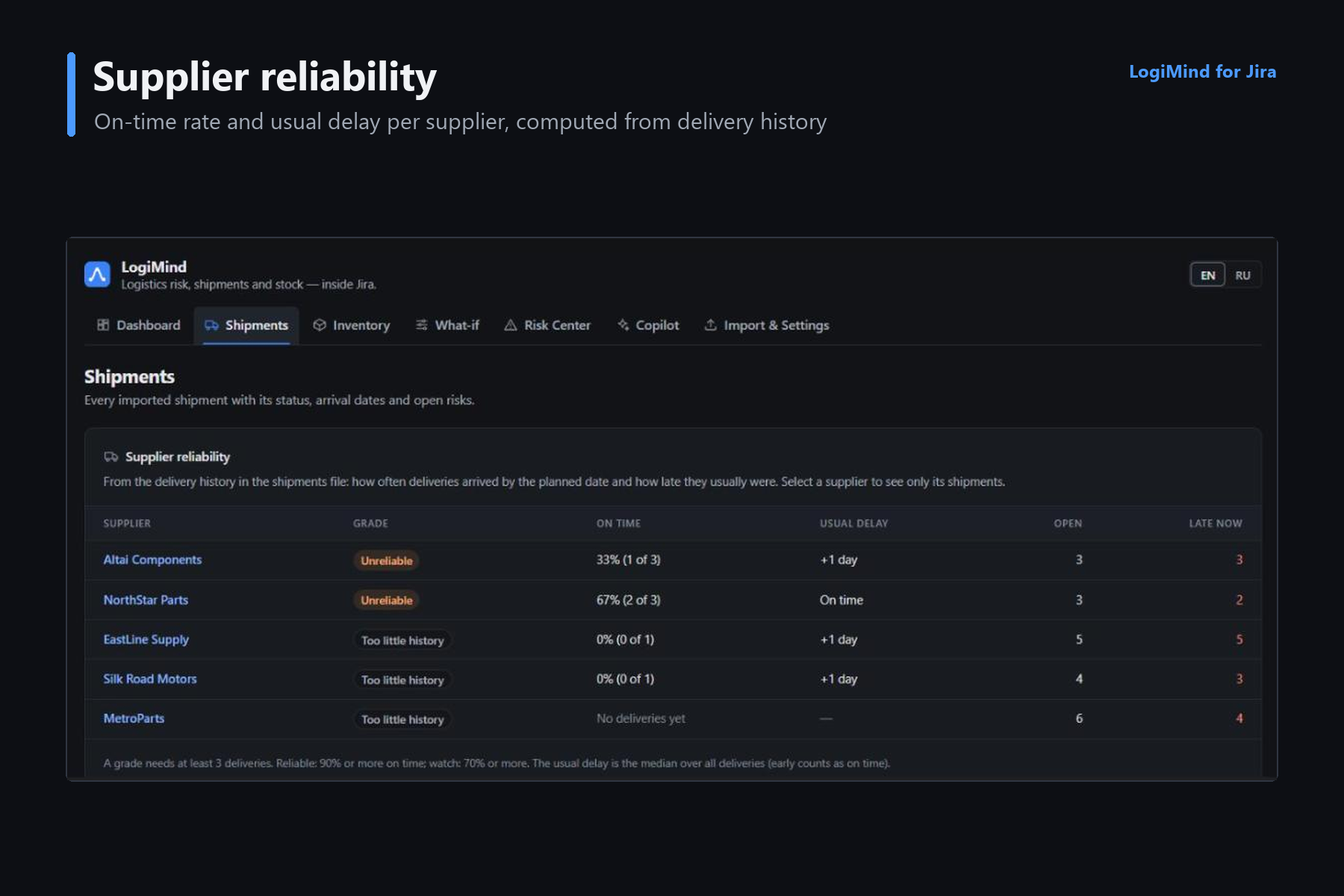
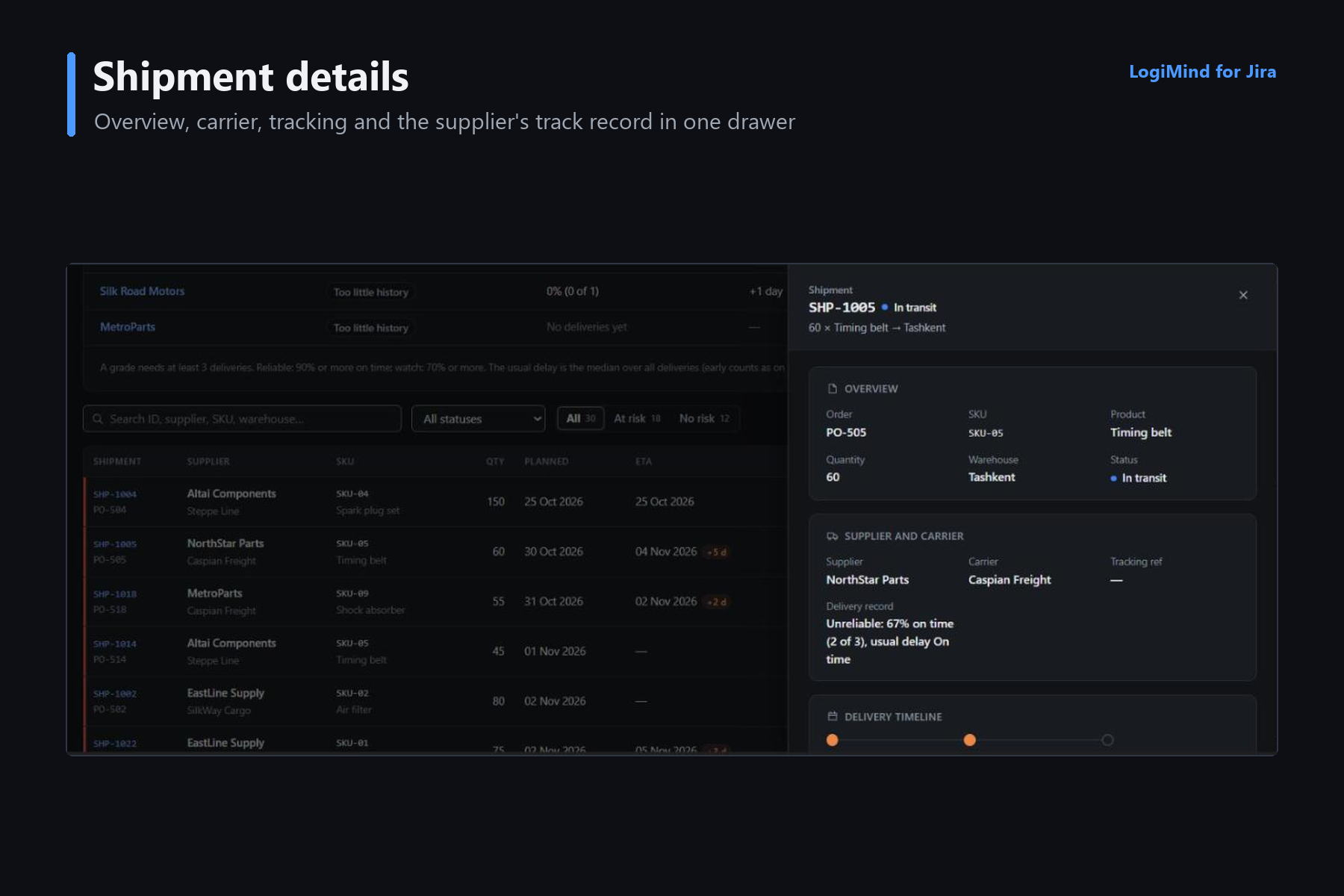
- Shipment Management: Import and review shipment and inventory information from CSV files.
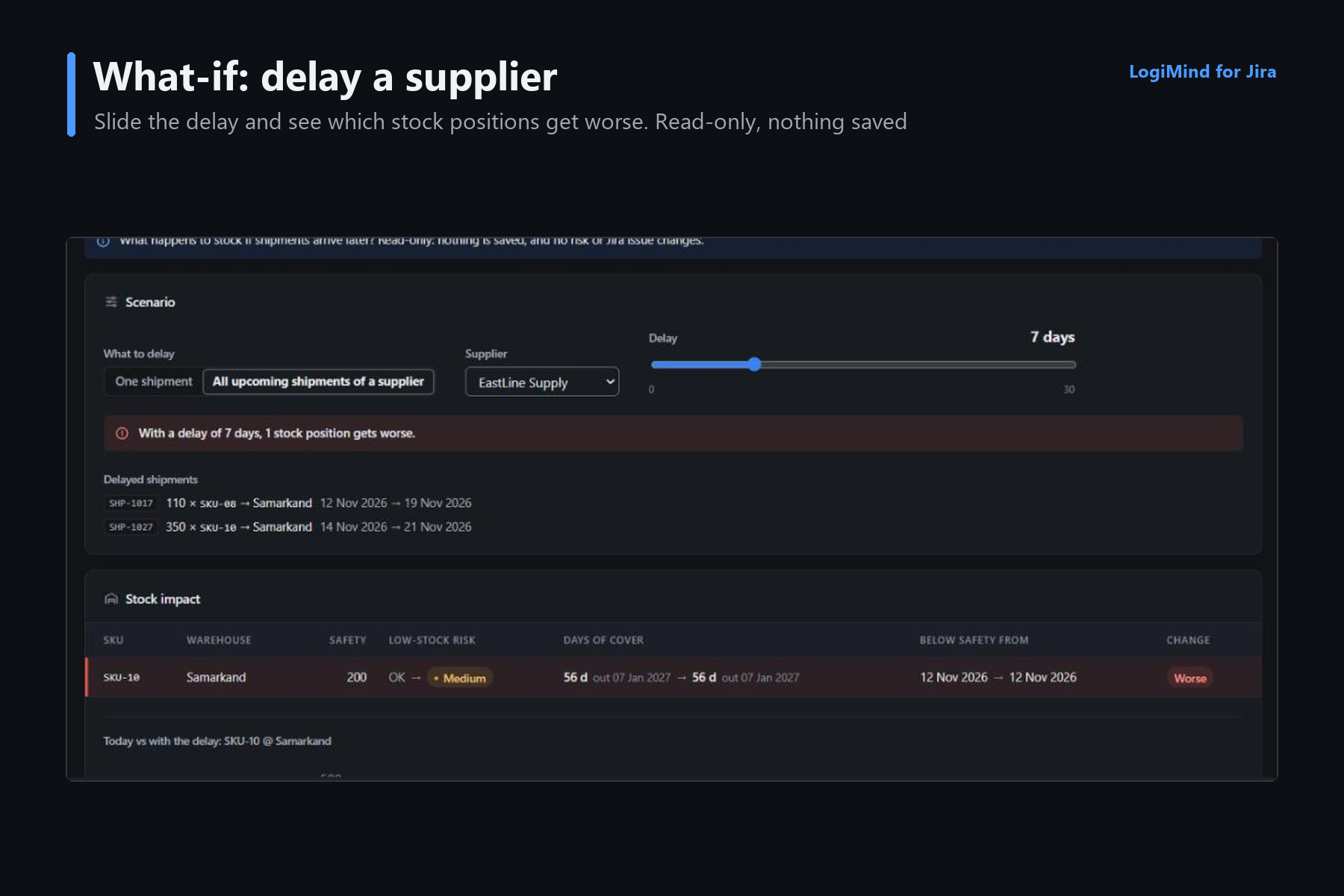
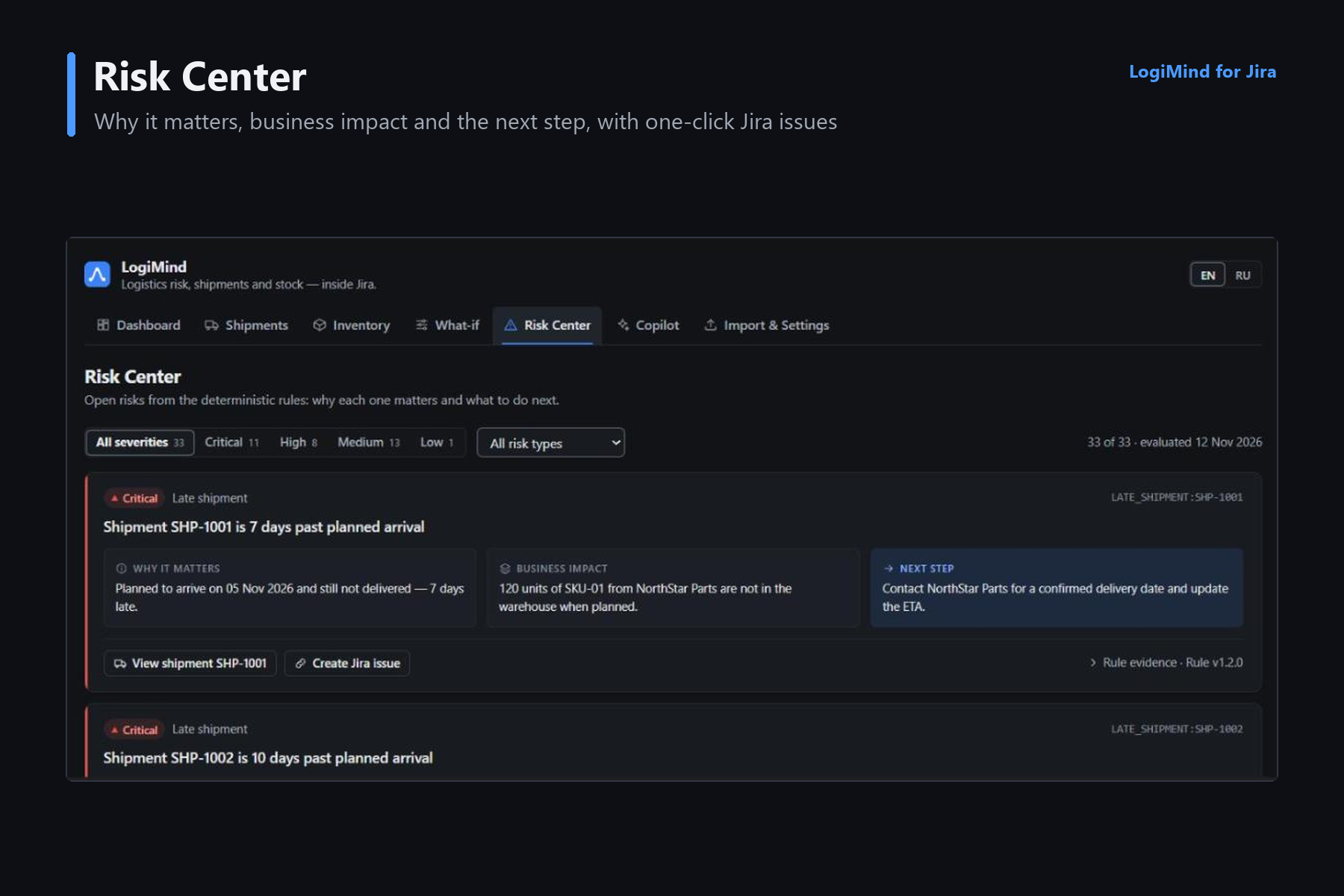
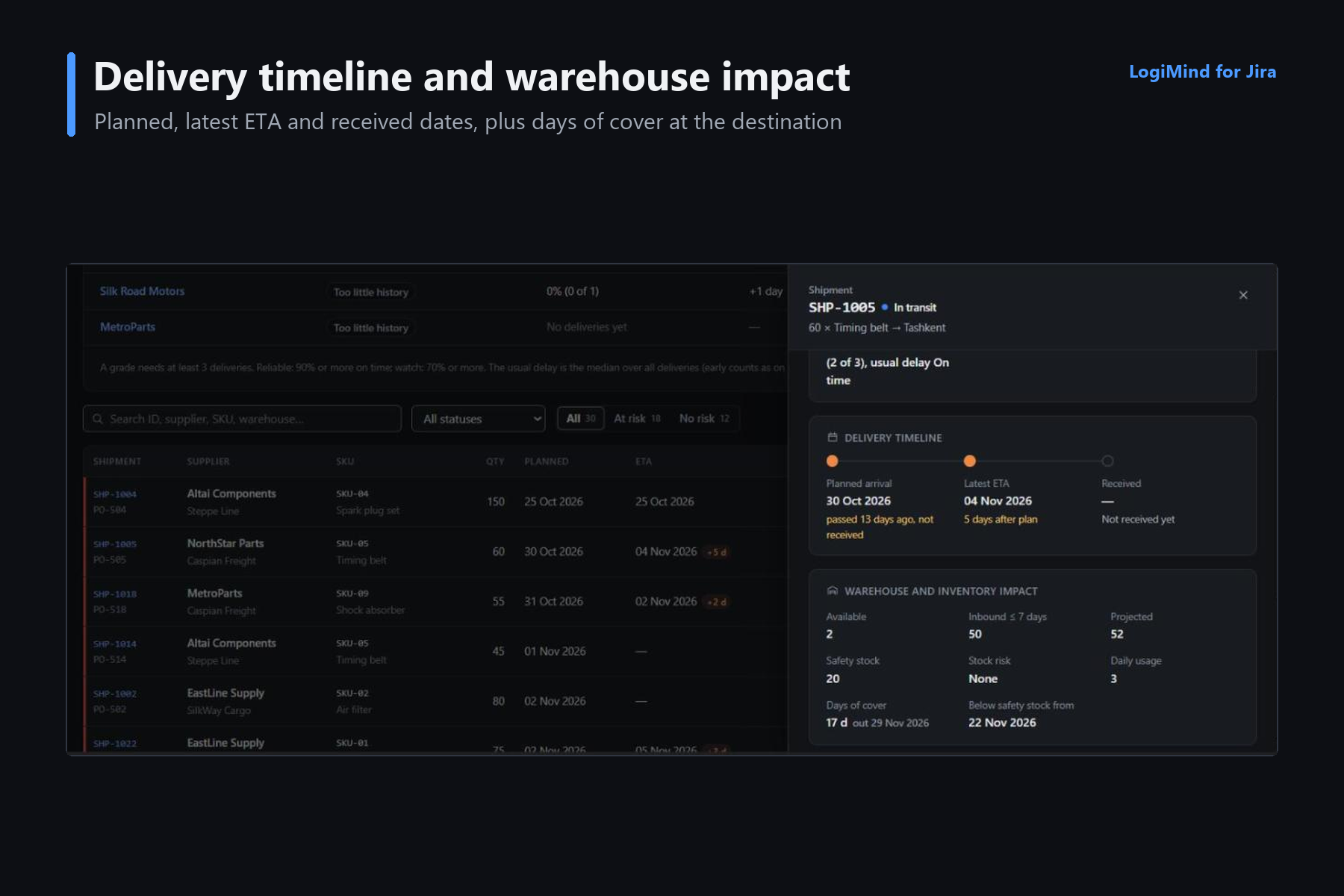
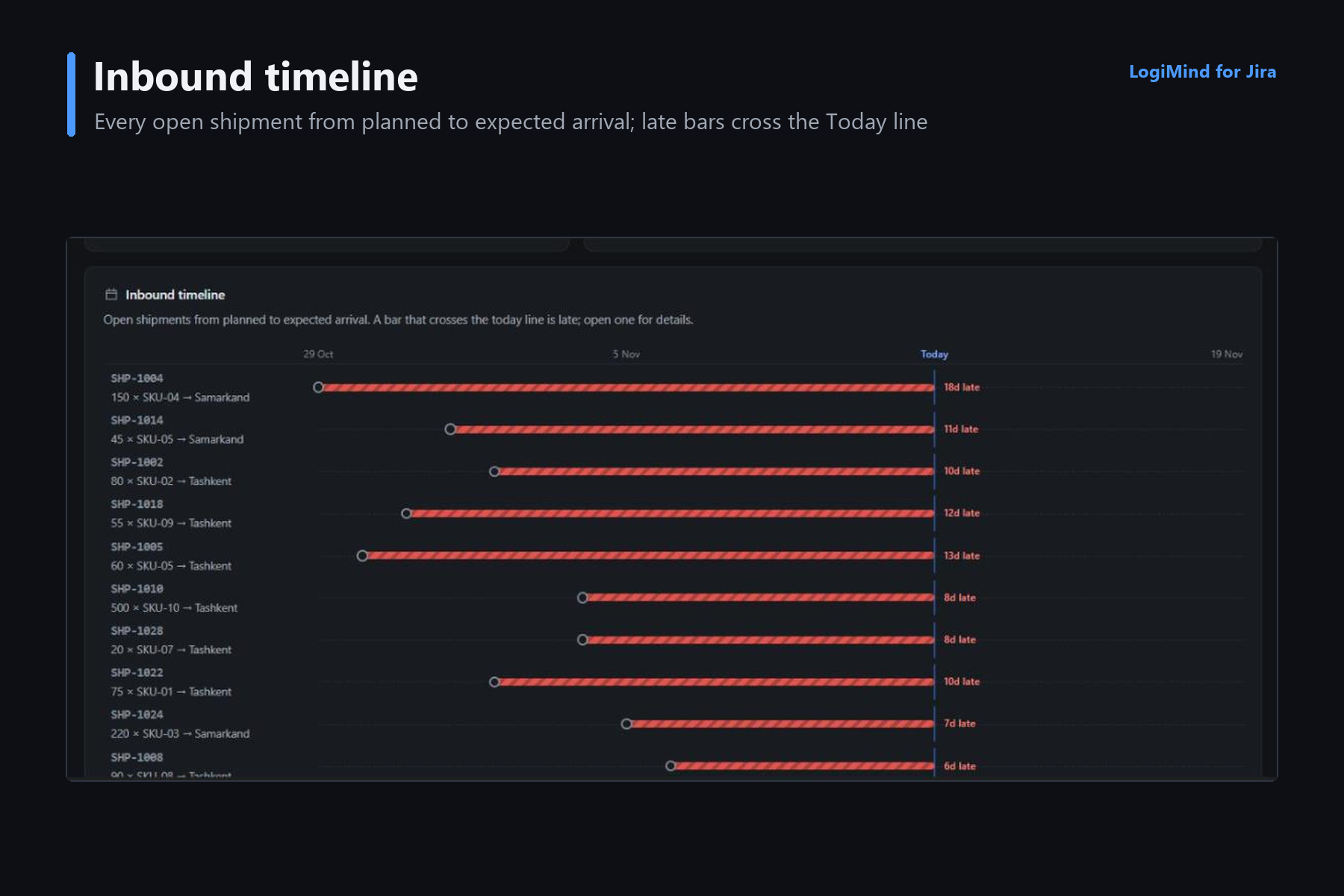
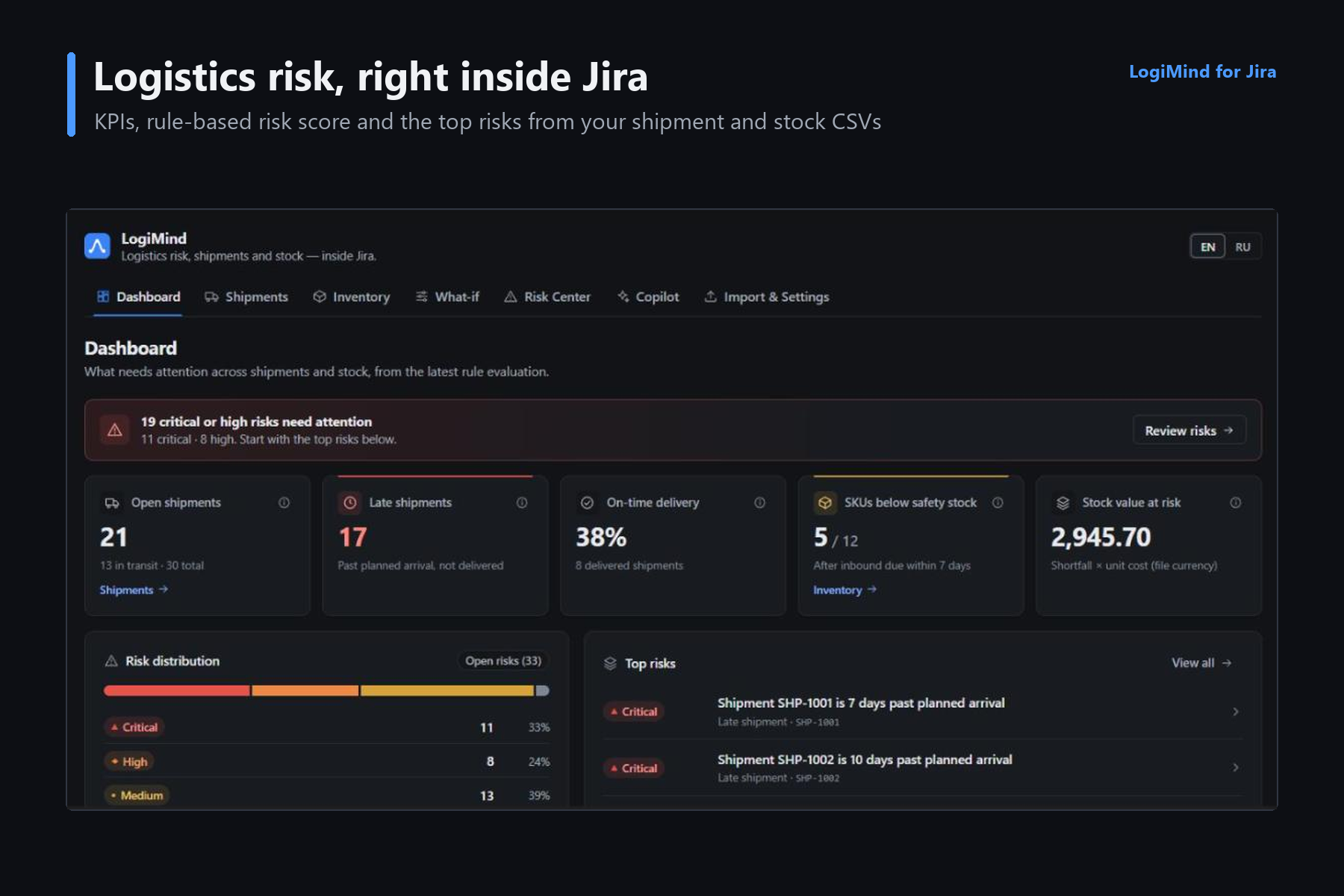
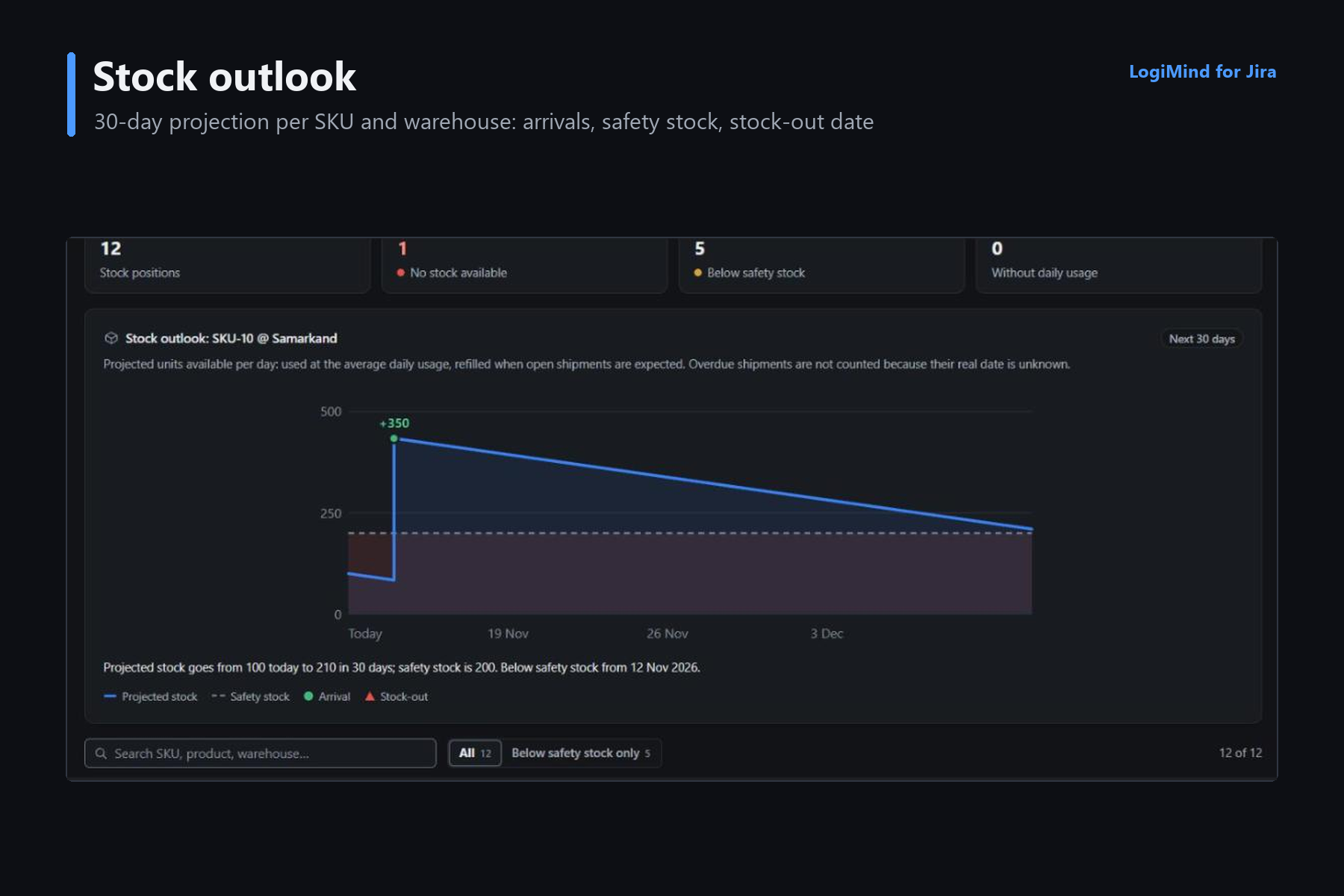
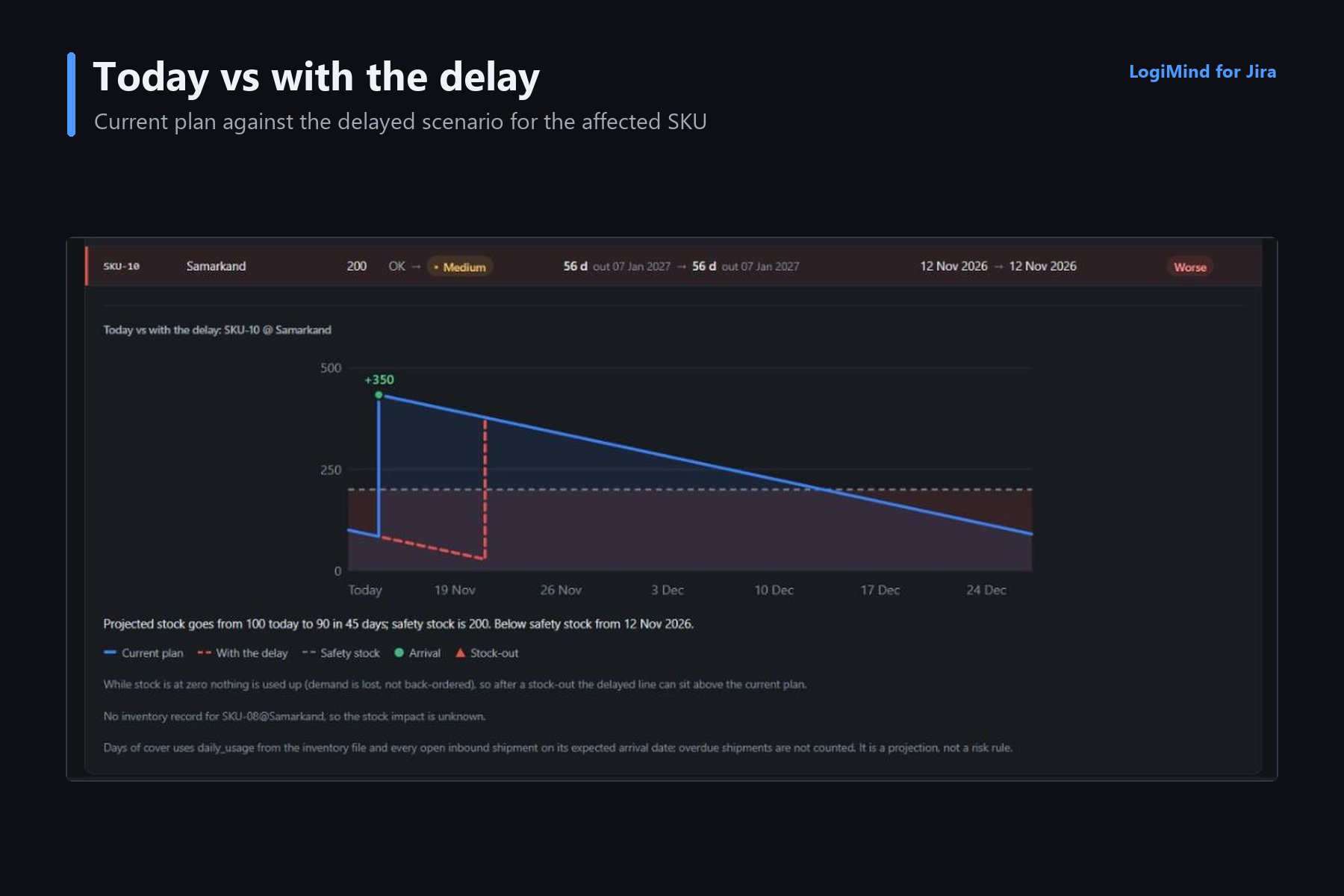
- Risk Detection: Identify overdue shipments, missing estimated arrival dates, low inventory levels, and data inconsistencies.
- Operational Dashboard: Present important logistics KPIs and critical exceptions in one place.
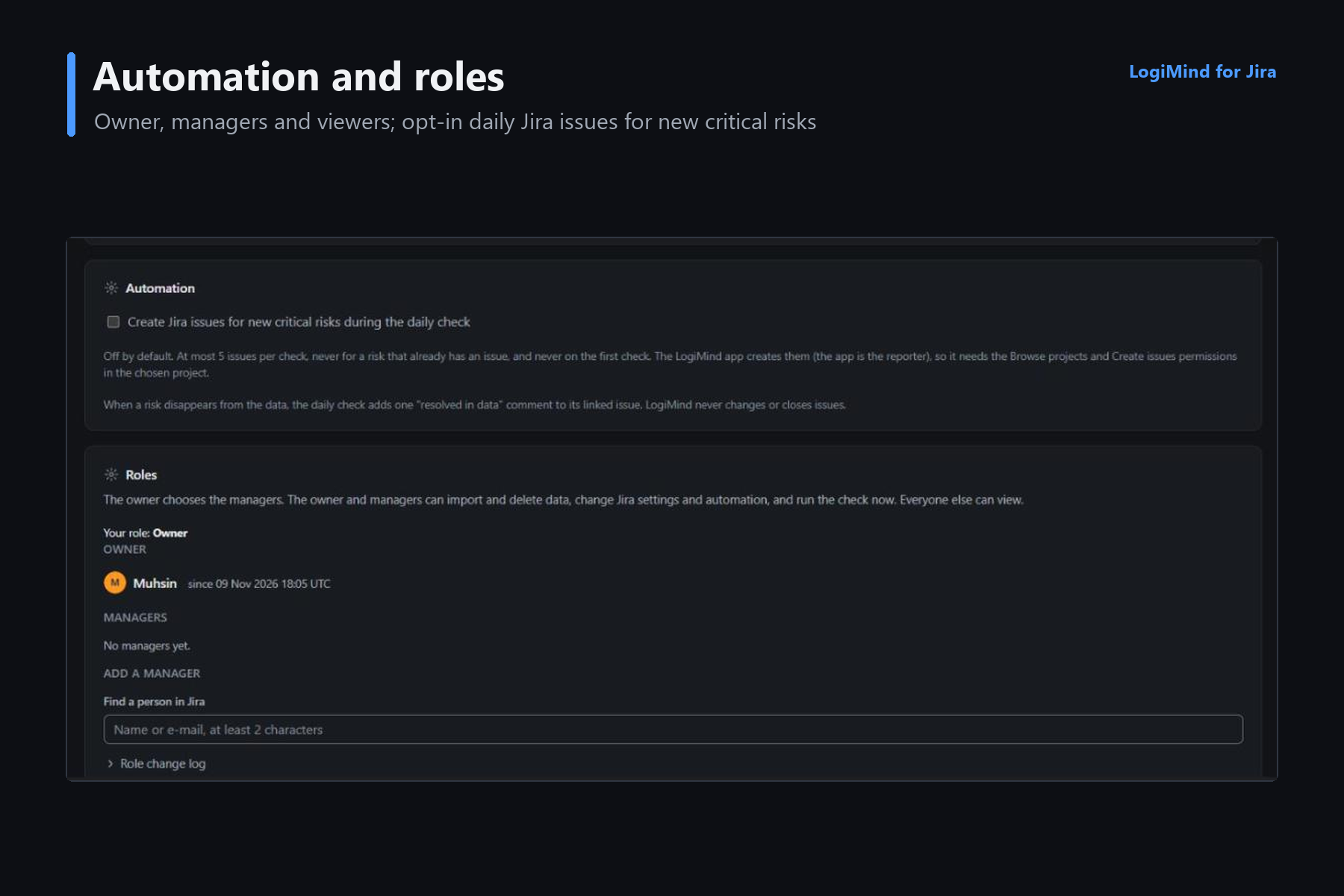
- Jira Integration: Convert identified logistics risks into Jira tasks so teams can assign responsibility and track resolution.
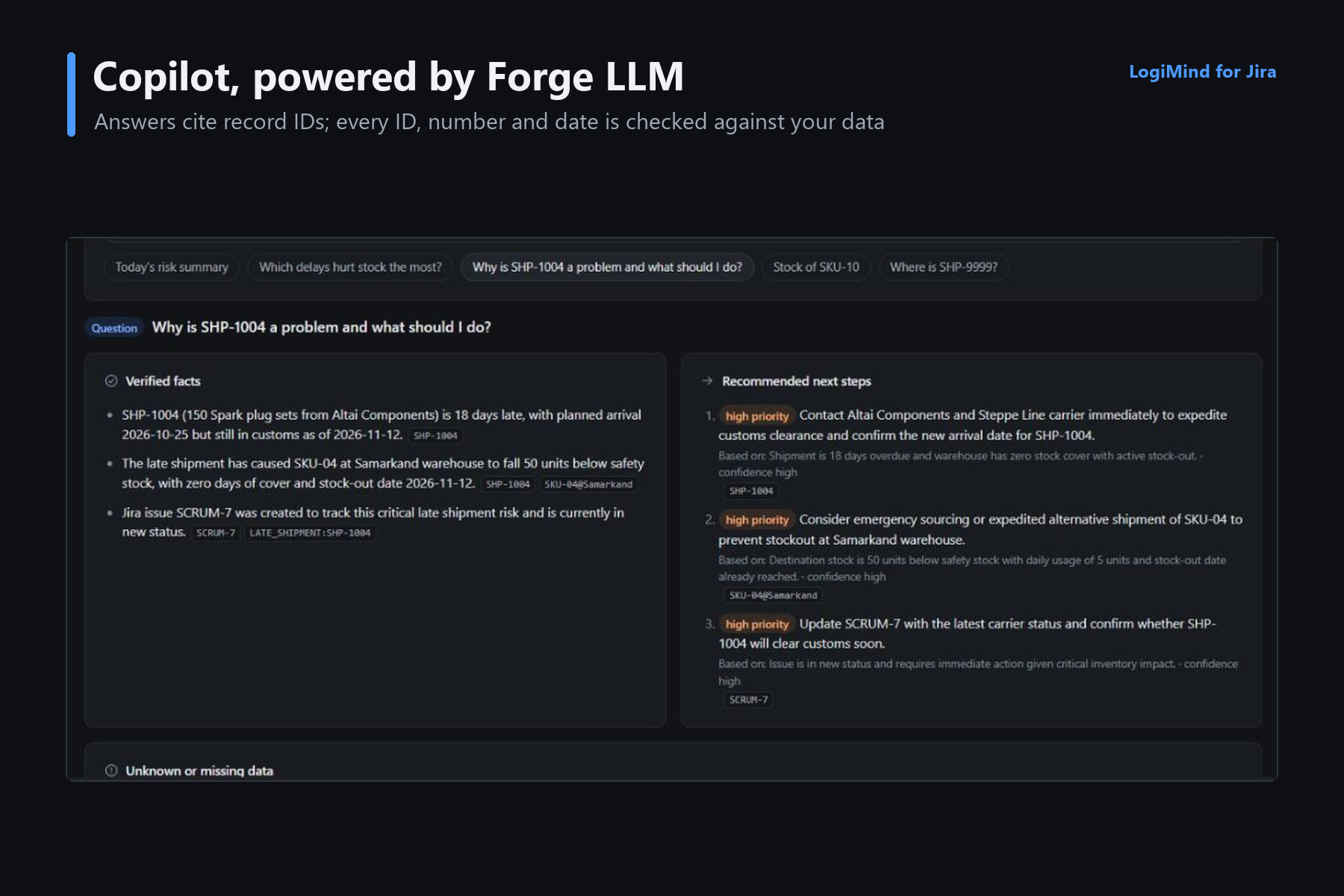
- AI Logistics Copilot: Explain operational issues, summarize relevant shipment information, and suggest practical next steps.
- Evidence-Based Recommendations: Connect recommendations to actual shipment IDs and inventory records rather than relying on unsupported assumptions.
How we built it
We are building LogiMind for Jira using Atlassian Forge as the core application platform.
The application uses Jira as its operational workspace, allowing logistics exceptions to become trackable tasks within an existing team workflow.
Our planned technology stack includes:
- Atlassian Forge for application hosting and Jira integration.
- React and TypeScript for the user interface.
- Forge backend functions and storage for application logic and data.
- Jira APIs for creating and linking operational tasks.
- AI integration for natural-language analysis and recommendations.
We are prioritizing a reliable, working Jira integration before expanding into additional Atlassian capabilities.
What we learned
This project has helped us understand how logistics management and software engineering can work together to solve practical operational problems.
We explored how to structure logistics data, define transparent risk-detection rules, integrate applications with Jira, and design AI assistants that provide useful explanations based on real business records.
One important lesson is that AI should support operational decisions, not replace reliable calculations or human responsibility. For this reason, LogiMind separates deterministic risk detection from AI-generated explanations and recommendations.
Challenges
One of our main challenges is transforming different spreadsheet formats into consistent, structured logistics data.
Another challenge is building a meaningful Atlassian integration rather than simply creating an independent application with a Jira link.
We are also working to make AI recommendations reliable and traceable. The assistant must reference actual shipment records, distinguish verified information from assumptions, and acknowledge when data is insufficient.
Our vision
Our vision is to make logistics operations more transparent, proactive, and manageable for small and medium-sized businesses.
We want LogiMind for Jira to become a practical bridge between supply-chain information and everyday team collaboration — helping people identify problems earlier, organize responsibilities, and make better operational decisions.
Logistics problems should become actionable work, not forgotten spreadsheet rows.
Built With
- ai
- api
- artificial
- atlassian
- automation
- copy
- forge
- intelligence
- javascript
- jira
- react
- rest
- typescript

