-
-
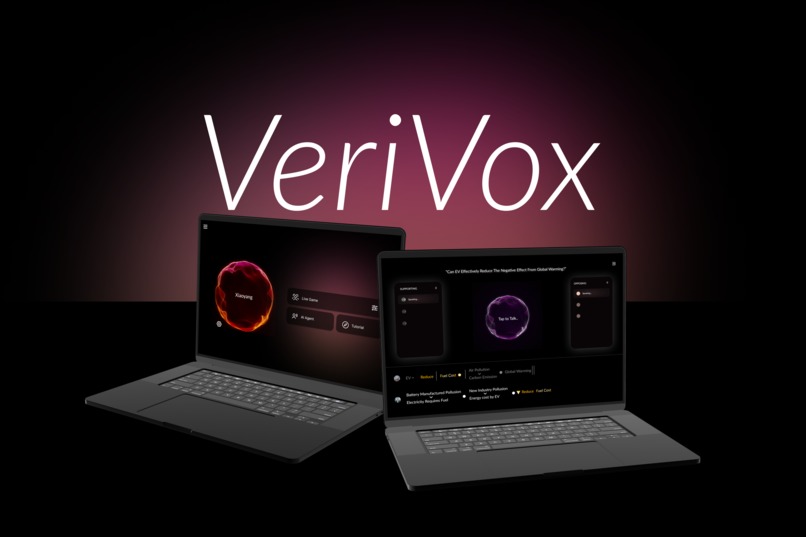
HeroShot
-
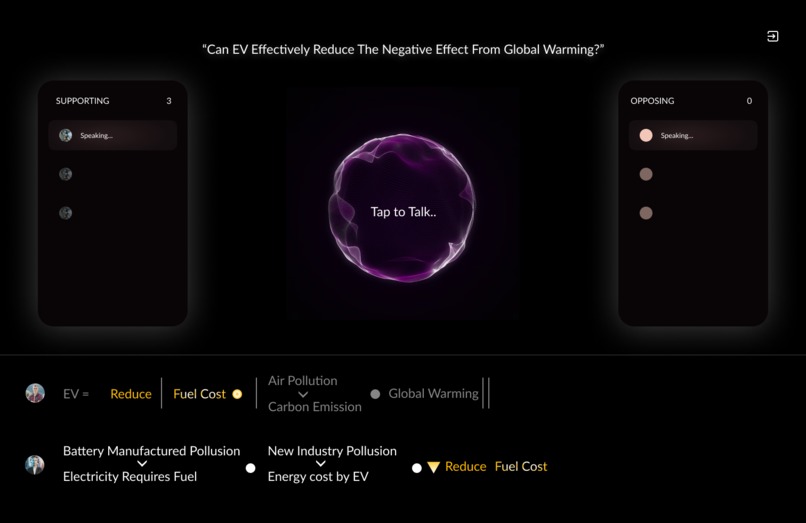
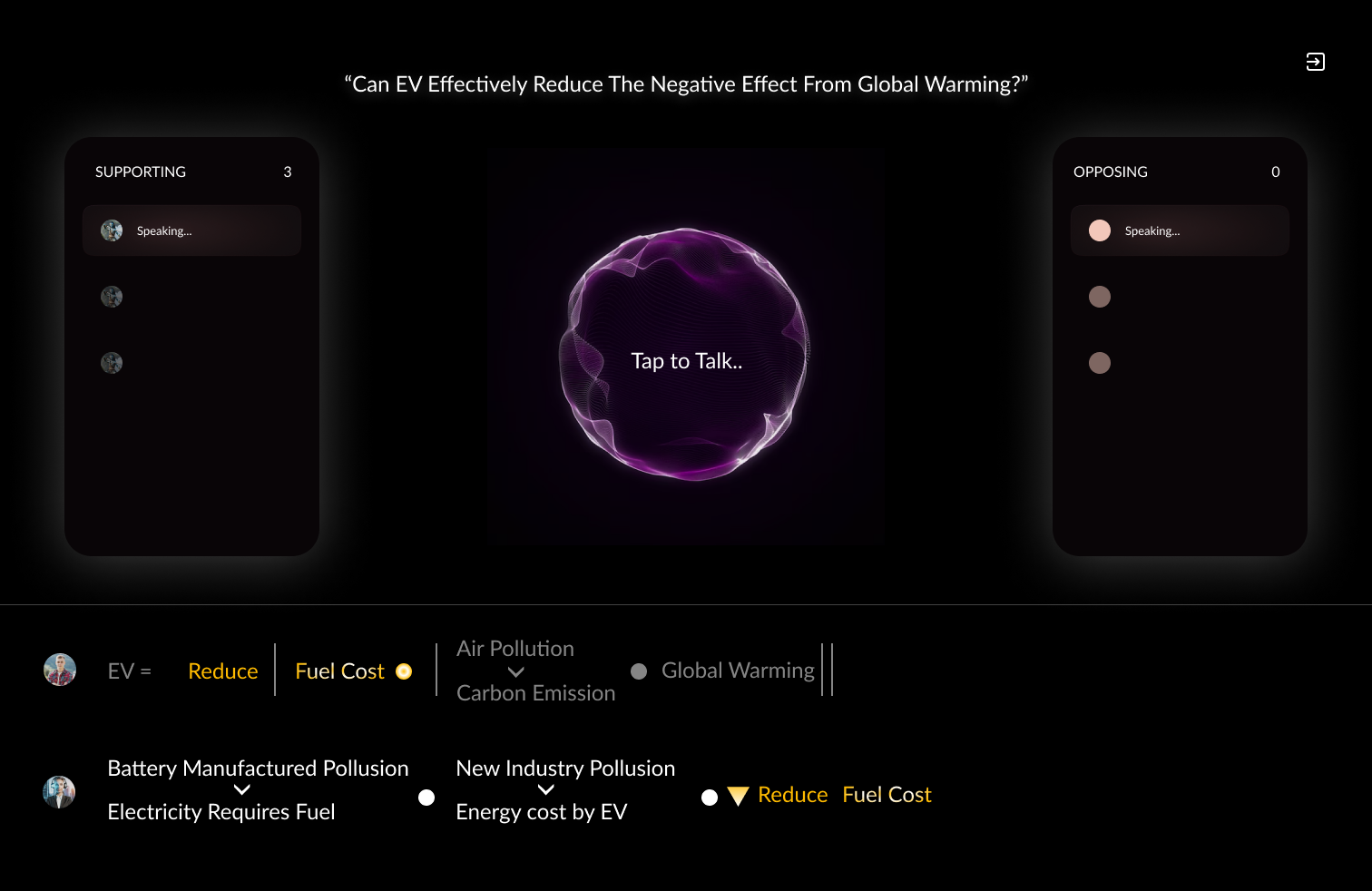
Game Demo
-
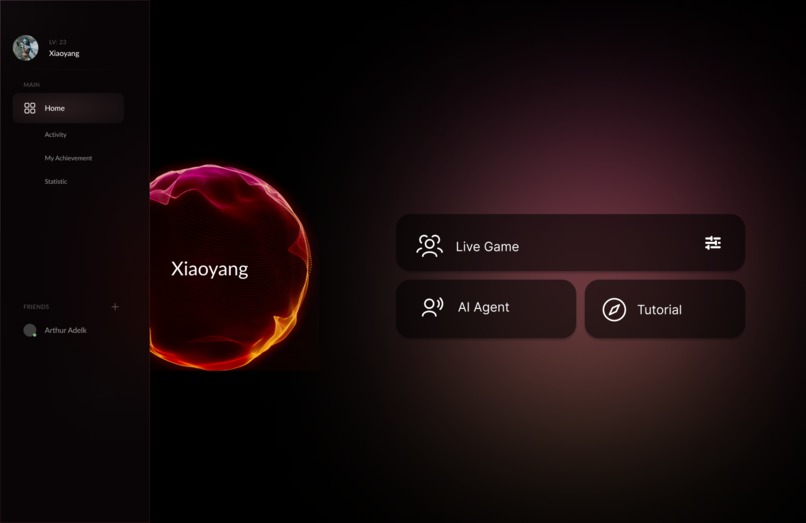
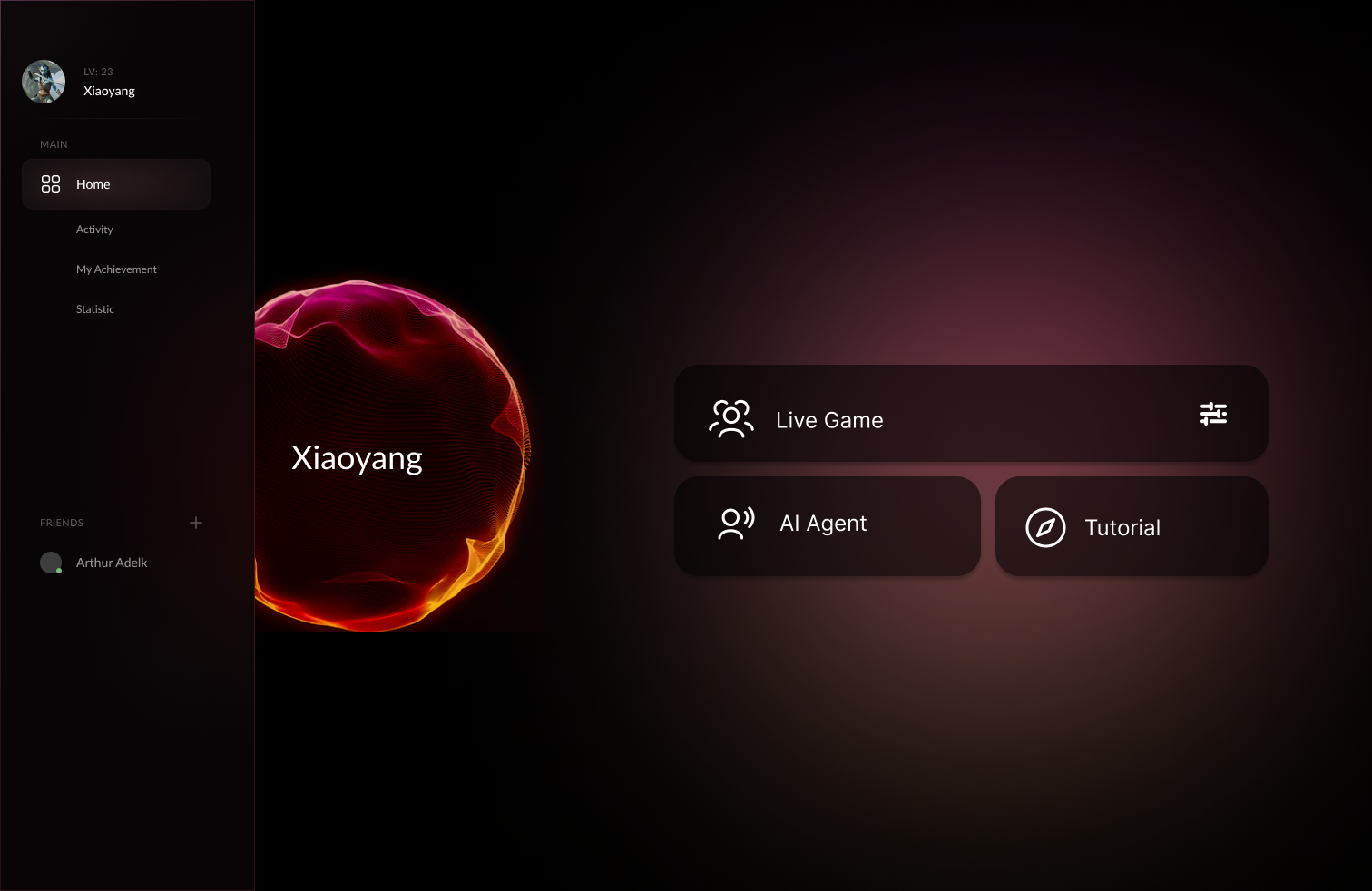
Main Lobby
-

Logo
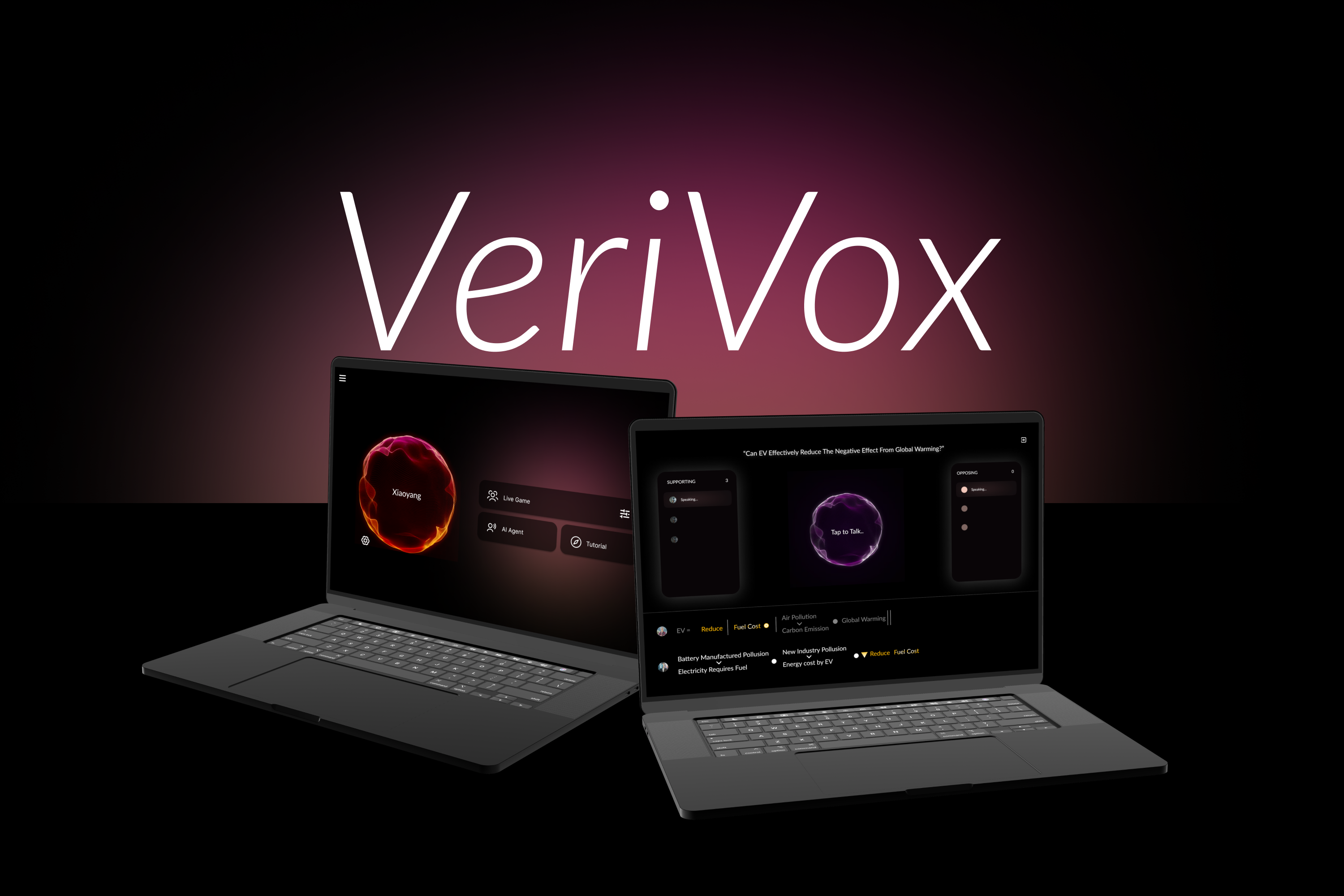

Inspiration
We were inspired by the shortcomings of traditional text-based debate and the untapped potential of voice-assisted interaction. We wanted to combine symbolic logic checks with AI-driven voice to create a more immersive, structured, and engaging debate and learning experience. Our goal was to empower users with stronger reasoning skills in a fun, community-driven environment.
What it does
VeriVox is a voice-oriented debate and learning platform that:
- Integrates ElevenLabs voice APIs for real-time AI speech interaction.
- Uses audio reflective particles to visualize user engagement and states like recording, speaking, or standby.
- Incorporates a symbolic logic engine that validates the soundness of user statements (something typical LLMs struggle with).
- Teaches five fundamental logic symbols (And, Or, Not, If…then, If and only if) through an interactive tutorial.
- Offers an online multiplayer mode with achievements, letting users debate, play, and hone their logic skills together.
How we built it
Voice Integration
- Leveraged ElevenLabs for natural-sounding AI voice and real-time speech output.
- Built a custom voice pipeline with web audio APIs to capture user input and provide swift feedback.
Symbolic Logic System
- Developed a custom logic validator that parses user statements and checks their internal consistency.
- Connected it to LLMs (GPT-4o) for natural language processing—while the formal logic engine does the “heavy lifting” on validity.
Audio Reflective Particles
- Implemented a visual layer in the frontend (React + WebGL or Canvas) that reacts dynamically to user voice states (e.g., “Recording,” “Listening,” “Idle”).
Online Game & Achievements
- Created a multiplayer environment using Node.js + websockets, allowing real-time debate sessions.
- Implemented an achievement system in the database to track user progress (e.g., number of debates joined, logic tutorials completed).
Challenges we ran into
- Voice & Symbolic Logic Integration: Balancing free-flowing AI conversation with strict logical validation required multiple checks and fail-safes.
- Real-time Performance: Ensuring audio reflective particles and voice outputs remained smooth under multiplayer conditions.
- Tutorial Design: Making symbolic logic approachable and enjoyable for beginners, yet still useful for advanced debaters.
- Scalable Infrastructure: Handling voice processing and logic checking with minimal latency on the backend.
Accomplishments that we're proud of
- Seamless Voice + Logic: Successfully merged AI voice responses with an internal symbolic logic engine—a first of its kind for us.
- Interactive Tutorial: Built a user-friendly introduction to five fundamental logic symbols, helping users quickly improve their reasoning skills.
- Engaging Social Platform: Launched a multiplayer feature that encourages friendly debate, skill-building, and community interaction.
- Achievement Gamification: Integrated a rewards system that keeps users motivated and tracks their logic proficiency over time.
What we learned
- The importance of careful UX design for bridging voice interaction and formal logic, ensuring neither overwhelms new users.
- How to make LLMs and a formal logic engine collaborate effectively—LLMs handle natural language, while the symbolic logic system ensures semantic correctness.
- Techniques for optimizing real-time audio visualization without sacrificing system performance.
What's next for VeriVox
- Expanded Logic Library: Add more advanced logic operators (e.g., quantifiers, modal logic) for deeper debates.
- Community & Collaboration: Let users share logic maps, team up for group debates, and crowdsource best practices.
- Multi-Language Voice Support: Adapt the platform for multiple languages and diverse cultural contexts.
- Advanced AI Opponents: Develop more sophisticated voice-based AI adversaries with specialized knowledge in specific debate topics.
Built With
- elevenlabs
- figma
- flask
- openai
- python
- react.js
- restfulapi
- touchdesigner
- typescript
- websockets


Log in or sign up for Devpost to join the conversation.