Inspiration
We were inspired by how complex and overwhelming most real estate CRM tools are. Platforms like Lofty offer a lot of features, but they can be difficult to navigate for everyday users. We wanted to build a simplified version that keeps the core functionality while making it more intuitive and user-friendly. At the same time, we were interested in exploring how modern web technologies can be used to recreate real-world SaaS products.
What it does
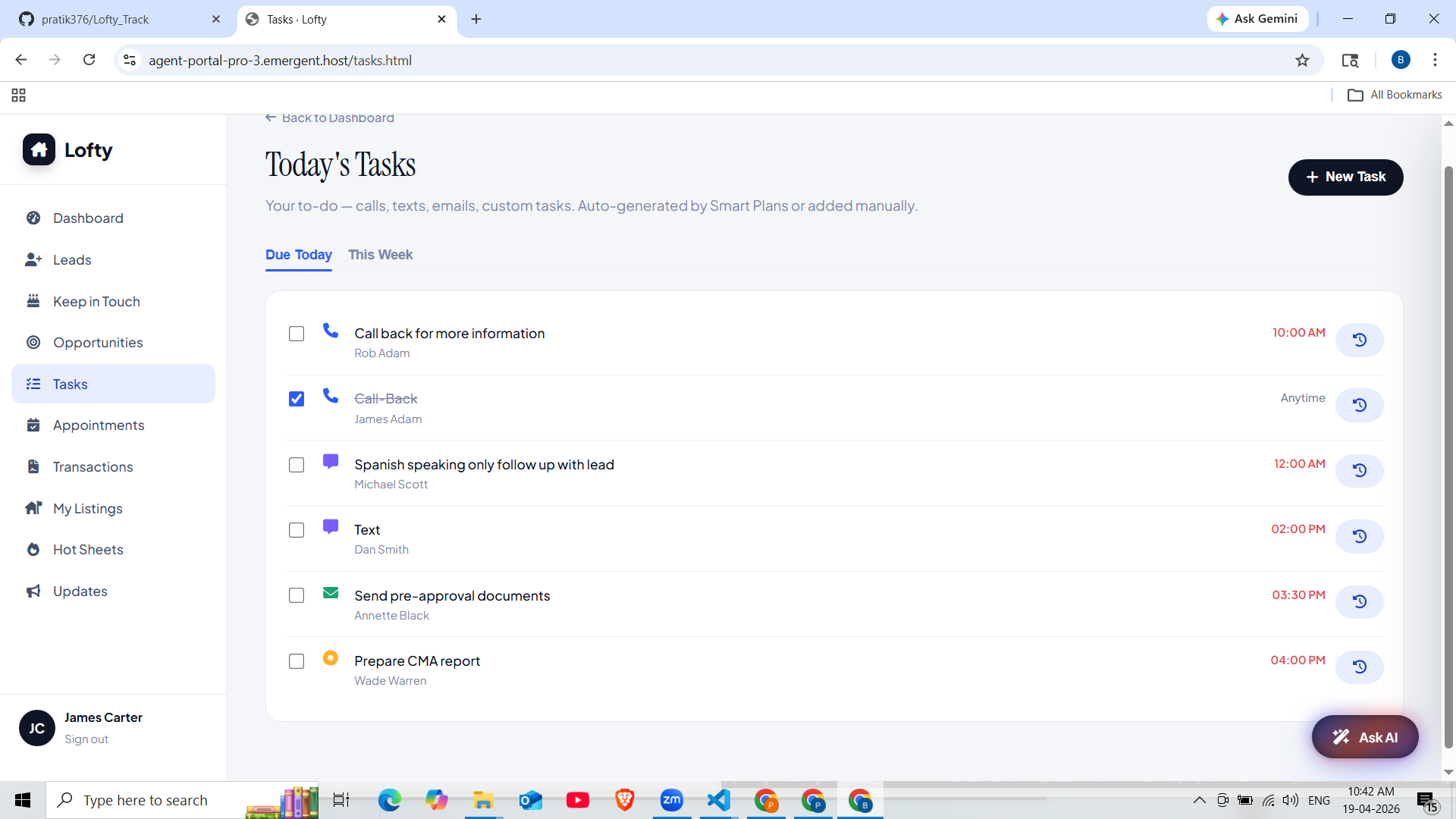
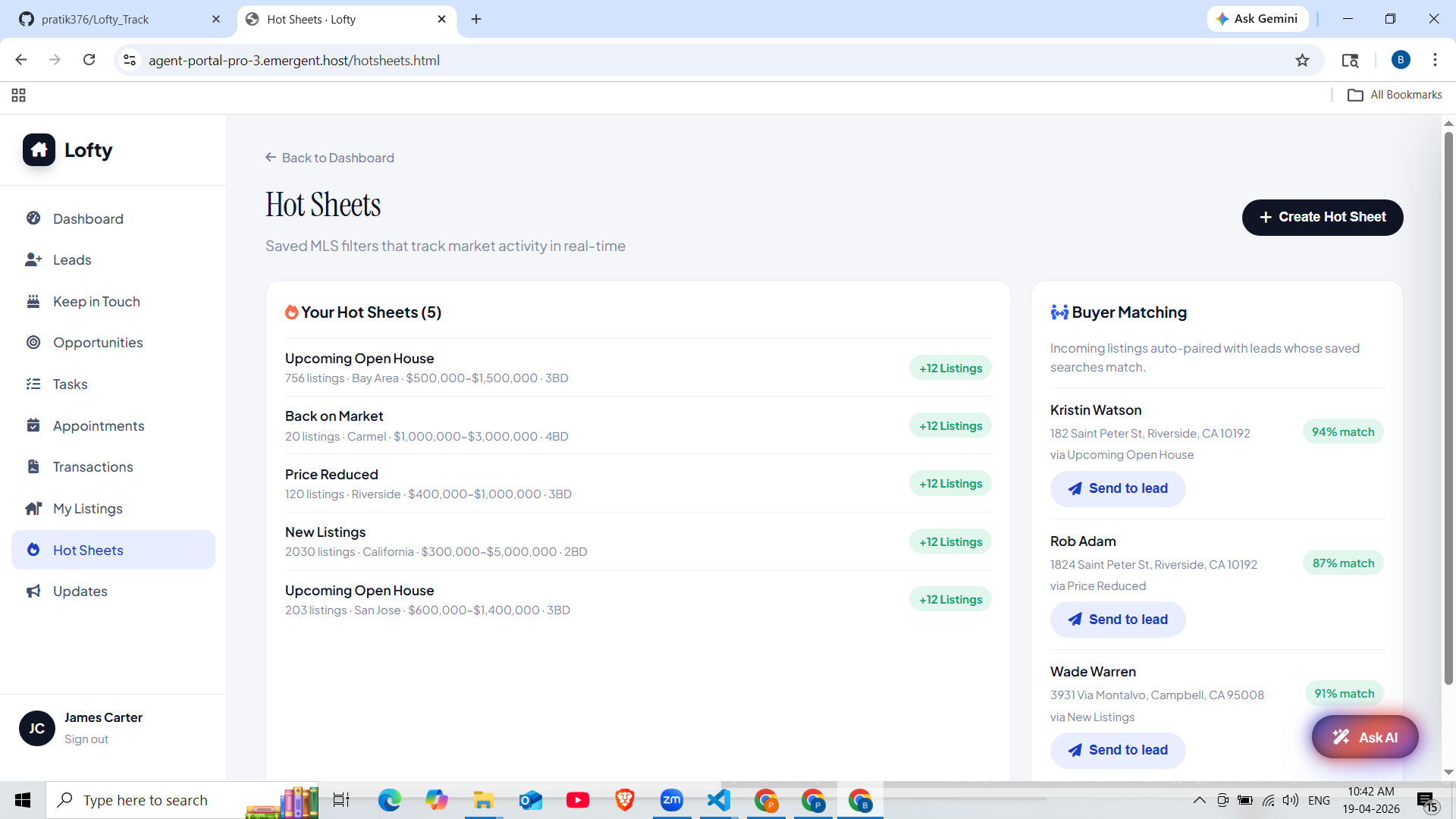
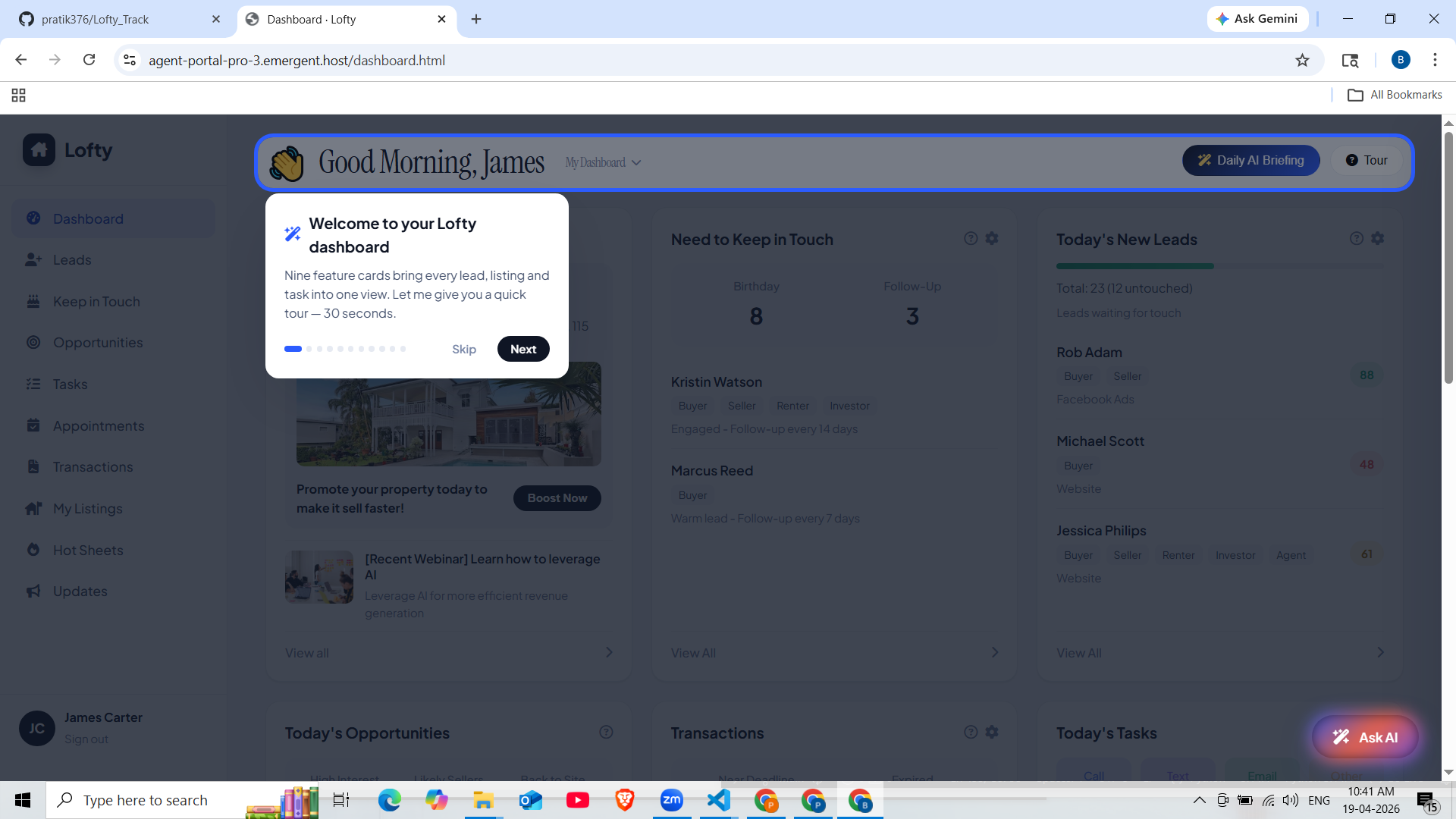
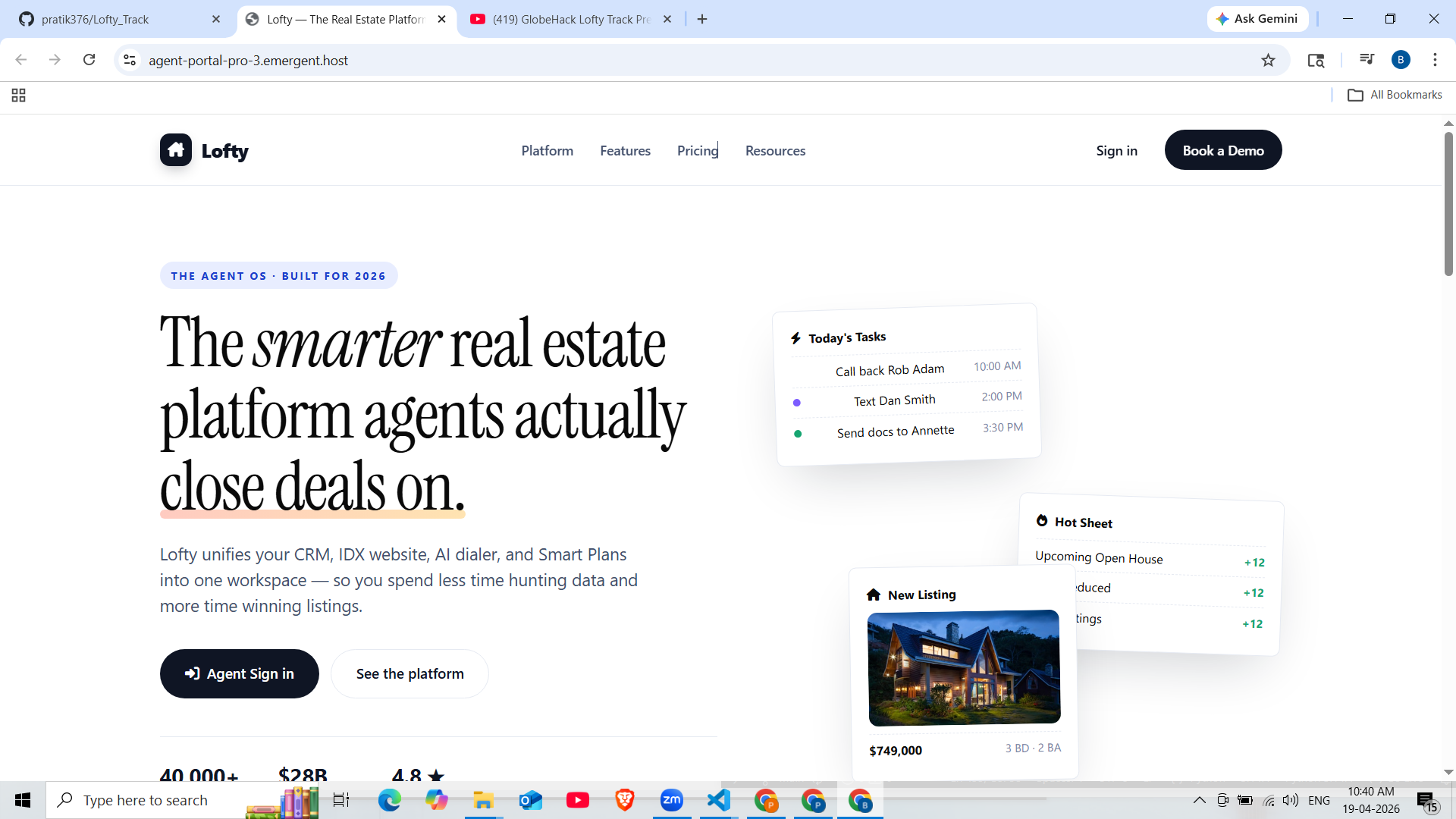
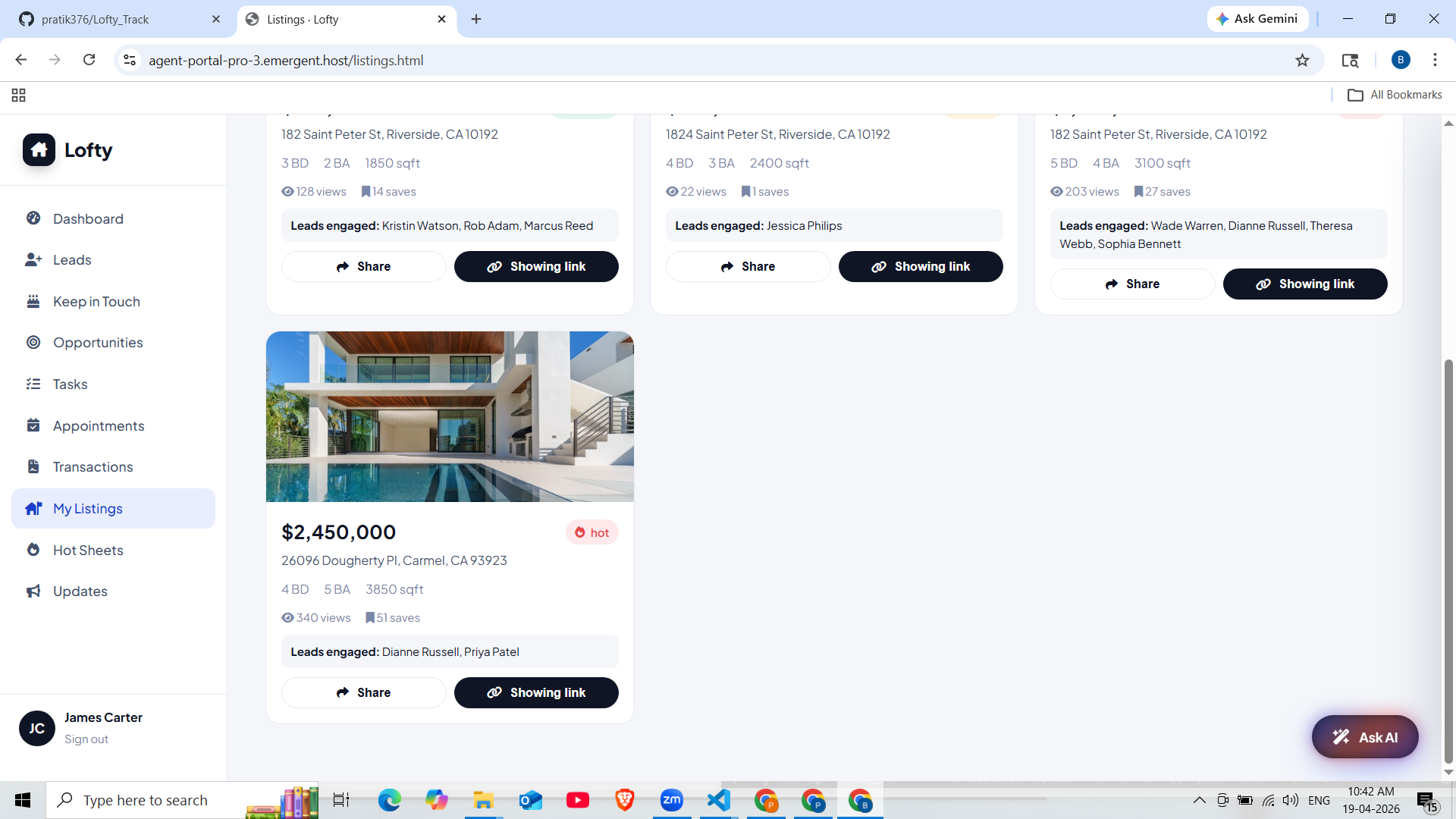
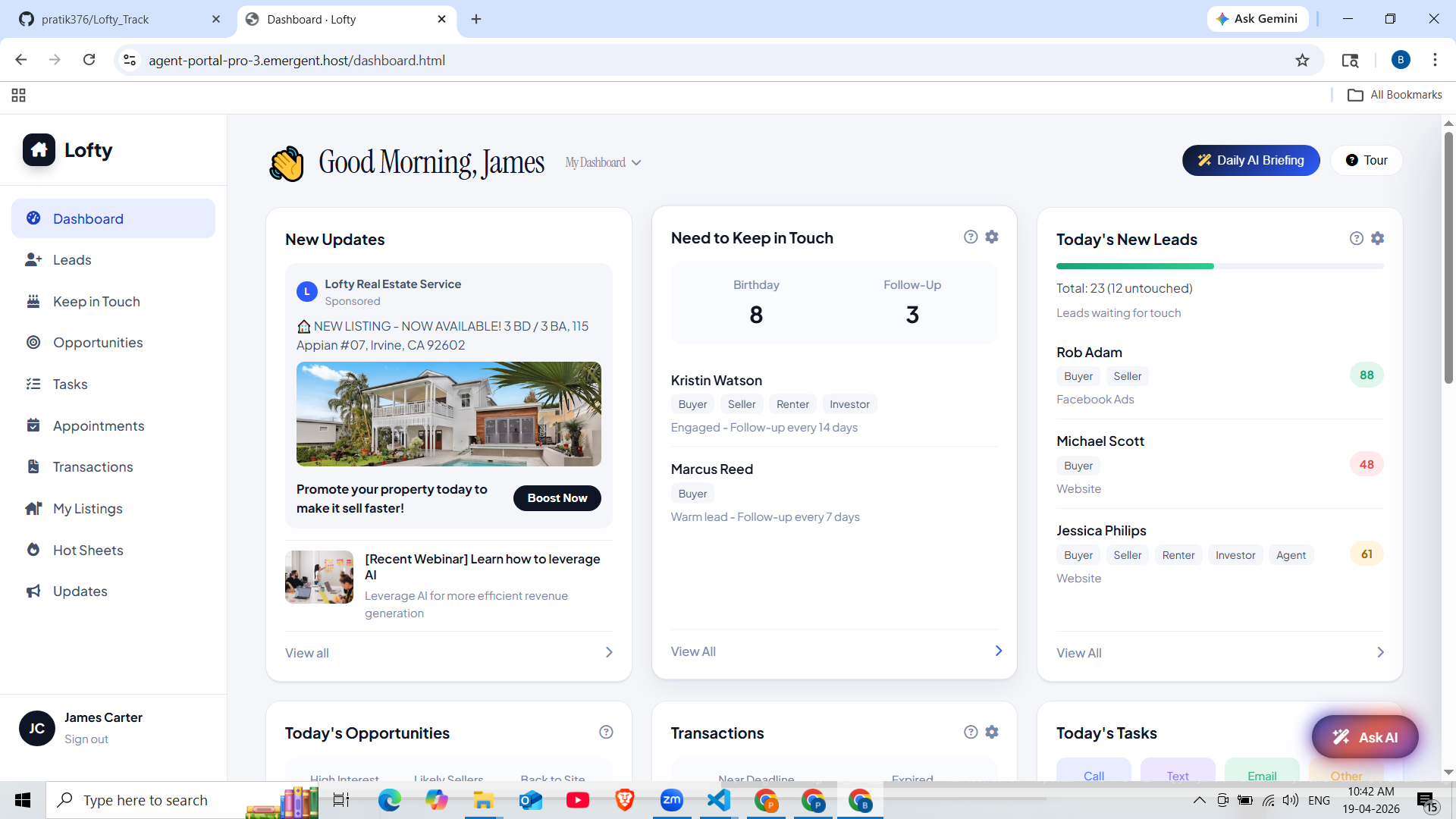
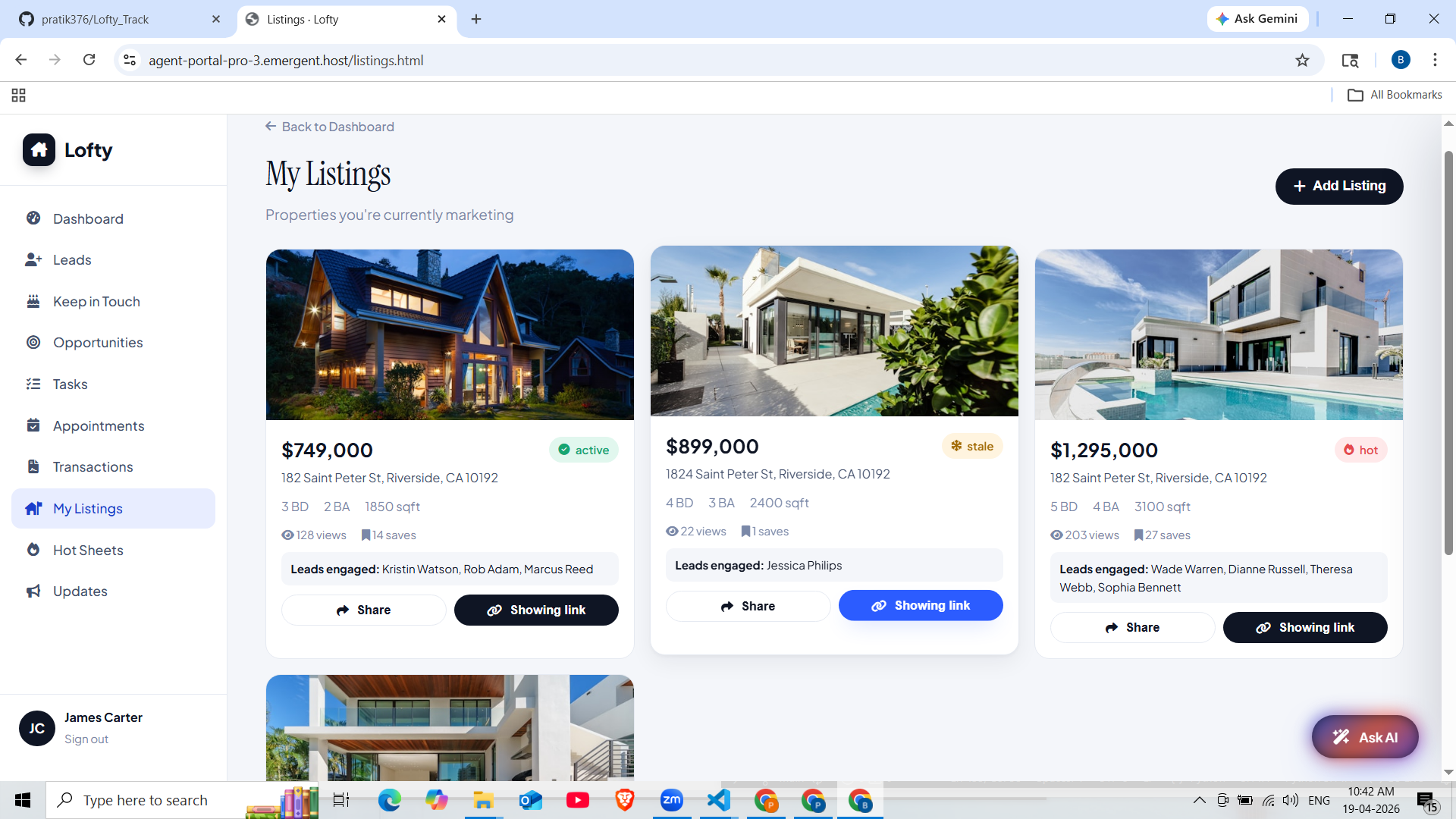
Our project is a CRM-style dashboard designed for real estate agents. It allows users to manage leads, track opportunities, handle daily tasks, and view listings all in one place. The dashboard provides a clear overview of important data like follow-ups, appointments, and transactions. It simulates real-world workflows, making it feel like a practical tool rather than just a demo project.
How we built it
We built the backend using FastAPI, where we created multiple API endpoints to handle data like leads, tasks, listings, and dashboard summaries. For the frontend, we used React to design a responsive and interactive user interface. We connected both using REST APIs and used mock data (and optional MongoDB support) to simulate real-time operations. The overall architecture follows a clean separation between frontend and backend.
Challenges we ran into
We faced several setup and integration challenges. Installing and configuring Node.js and npm was tricky due to PATH issues. We also ran into dependency conflicts in the frontend (especially with packages like date-fns). On the backend, handling environment variables like MONGO_URL caused errors initially. Debugging these issues and making both frontend and backend run smoothly together took a lot of effort.
Accomplishments that we're proud of
We’re proud that we were able to build a complete full-stack application that actually works end-to-end. The project closely resembles a real CRM system and includes multiple features like task management, listings, and dashboards. We also managed to overcome several technical issues during development, which helped us understand the system much better.
What we learned
We learned how to connect a FastAPI backend with a React frontend and how important proper environment setup is. We also gained experience debugging real-world issues like dependency conflicts and configuration errors. Overall, this project helped us understand how full-stack applications are structured and how different parts interact with each other.
What's next for Lofty
In the future, we plan to connect the app to a real database like MongoDB Atlas and add proper user authentication. We also want to improve the UI/UX and introduce AI-based features like smart lead recommendations and automated follow-ups. Finally, we aim to deploy the project so it can be used as a real-world application.

Log in or sign up for Devpost to join the conversation.