-
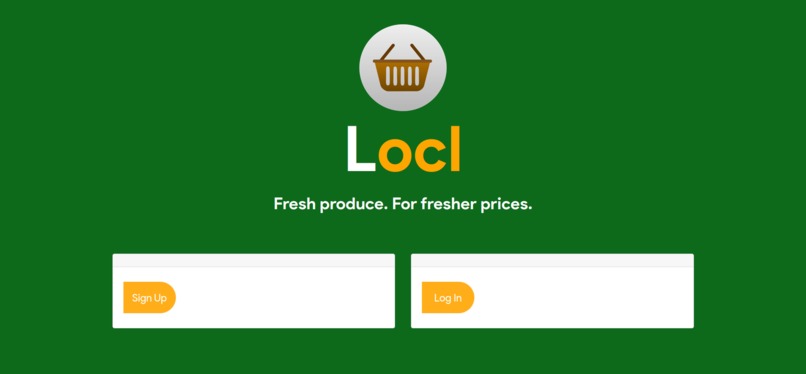
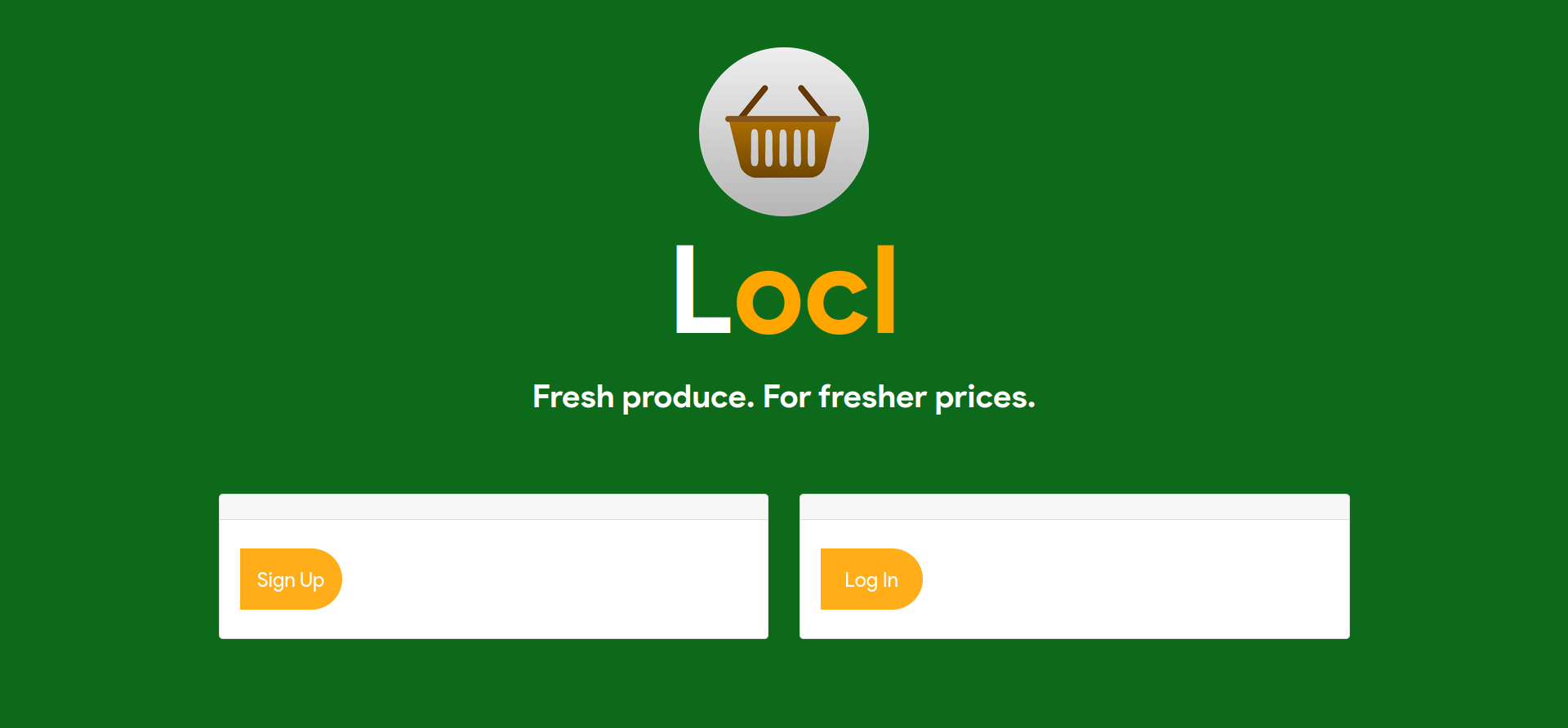
Home Page
-
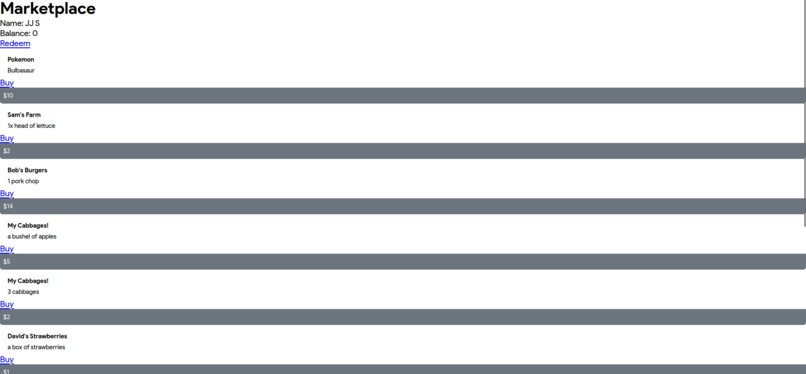
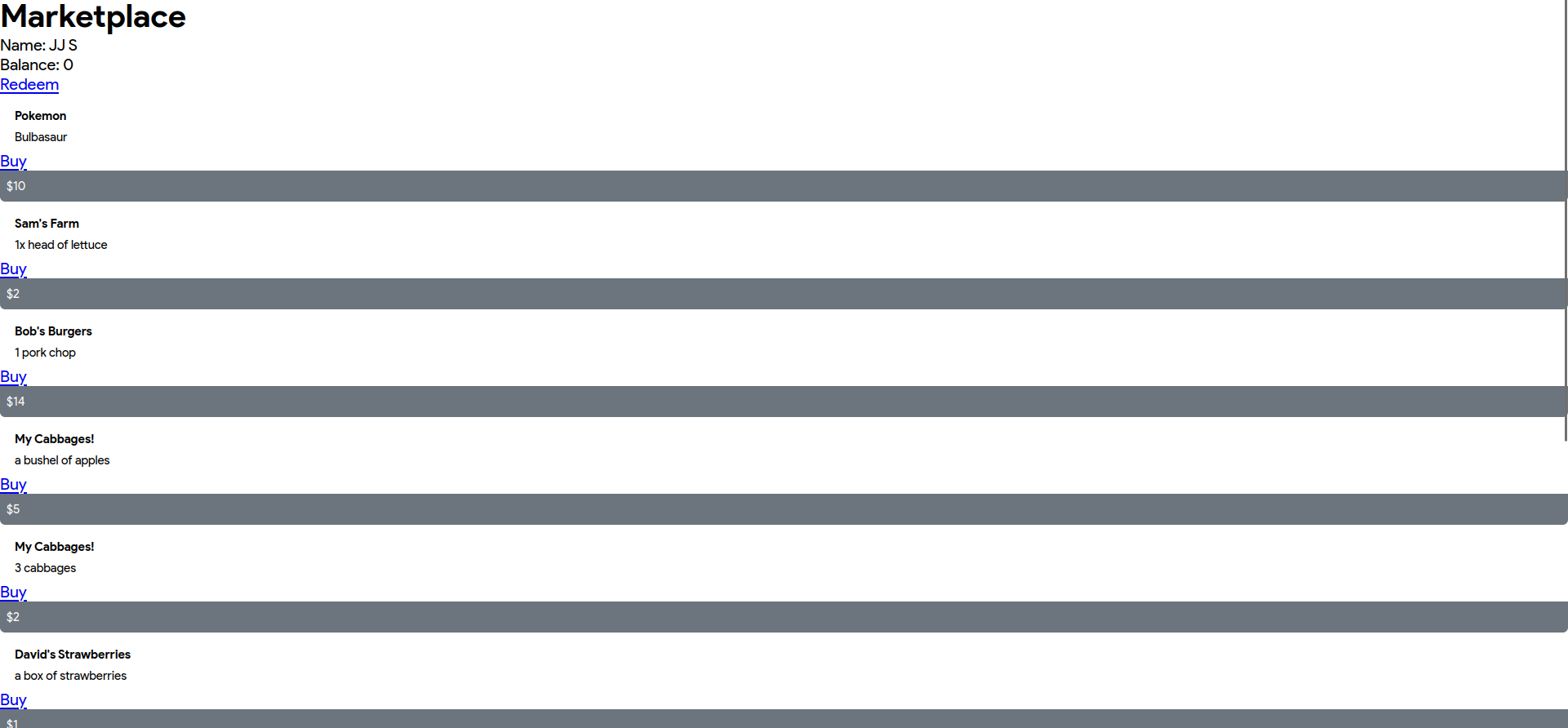
Marketplace
-
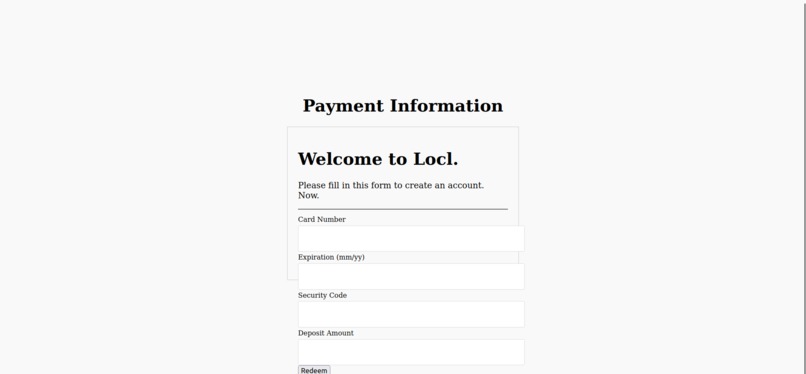
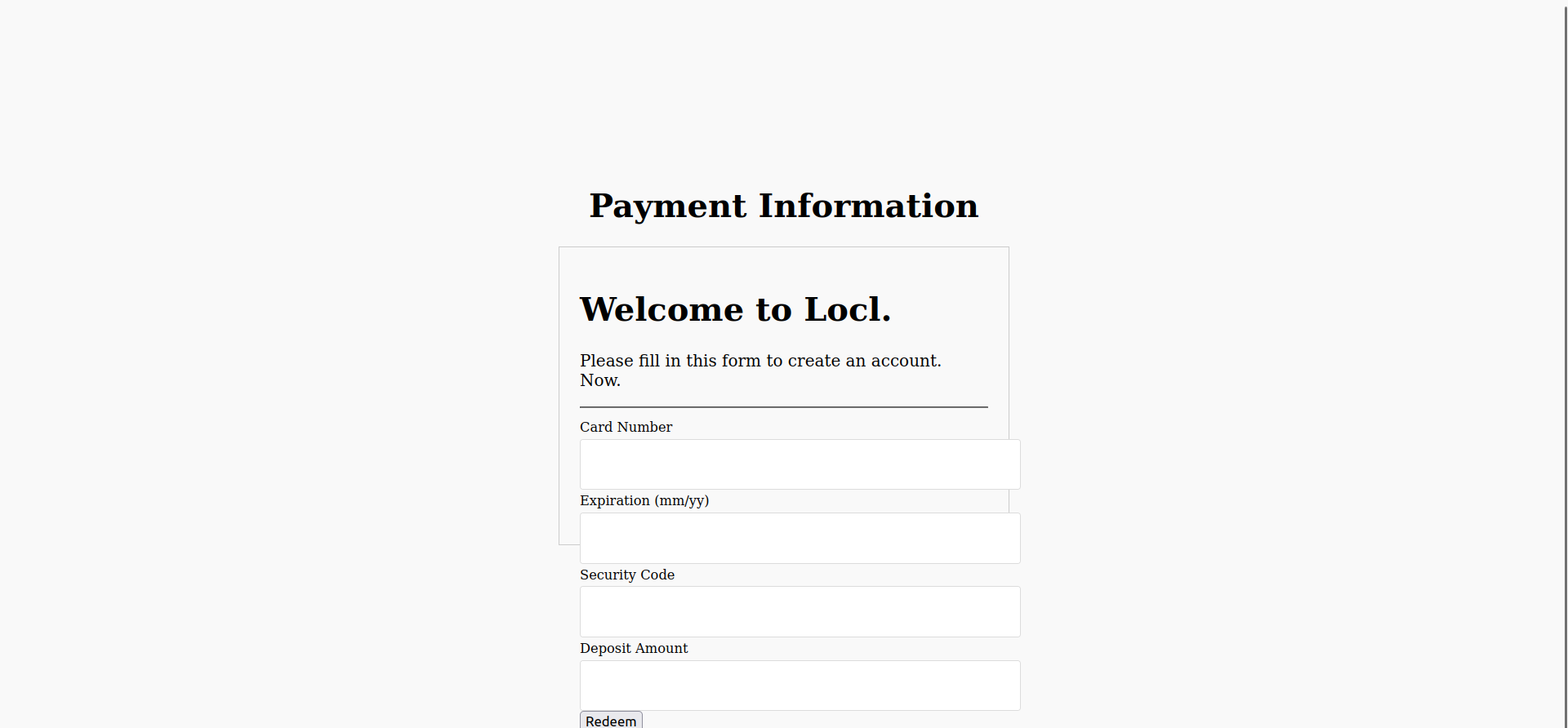
Redeem EBT
Inspiration
Meet one of our teammates, Lainey! Over the past three years, she has spent over 2,000 hours volunteering with youth who attend under-resourced schools in Washington state. During the sudden onset of the pandemic, the rapid school closures ended the state’s Free and Reduced Lunch program for thousands of children across the state, pushing the burden of purchasing healthy foods onto parents. It became apparent that many families she worked with heavily relied on government-provided benefits such as SNAP (Supplemental Nutrition Assistance Program) to purchase the bare necessities. Research shows that SNAP is associated with alleviating food insecurity. Receiving SNAP in early life can lead to improved outcomes in adulthood. Low-income families under SNAP are provided with an EBT (Electronic Benefit Transfer) card and are able to load a monthly balance and use it like a debit card to purchase food and other daily essentials.
However, the EBT system still has its limitations: to qualify to accept food stamps, stores must sell food in each of the staple food categories. Oftentimes, the only stores that possess the quantities of scale to achieve this are a small set of large chain grocery stores, which lack diverse healthy food options in favor of highly-processed goods. Not only does this hurt consumers with limited healthy options, it also prevents small, local producers from selling their ethically and sustainably sourced produce to those most in need. Studies have repeatedly shown a direct link between sustainable food production and food health quality.
The primary grocery sellers who have the means and scale to qualify to accept food stamps are large chain grocery stores, which often have varying qualities of produce (correlated with income in that area) that pale compared to output from smaller farms. Additionally, grocery stores often supplement their fresh food options with a large selection of cheaper, highly-processed items that are high in sodium, cholesterol, and sugar. On average, unhealthy foods are about $1.50 cheaper per day than healthy foods, making it both less expensive and less effort to choose those options. Studies have shown that lower income individuals “consume fewer fruits and vegetables, more sugar-sweetened beverages, and have lower overall diet quality”. This leads to deteriorated health, inadequate nutrition, and elevated risk for disease. In addition, groceries stores with healthier, higher quality products are often concentrated in wealthy areas and target a higher income group, making distance another barrier to entry when it comes to getting better quality foods.
Meanwhile, small, local farmers and stores are unable to accept food stamp payments. Along with being higher quality and supporting the community, buying local foods are also better for the environment. Local foods travel a shorter distance, and the structure of events like farmers markets takes away a customer’s dependency on harmful monocrop farming techniques. However, these benefits come with their own barriers as well. While farmers markets accept SNAP benefits, they (and similar events) aren’t as widespread: there are only 8600 markets registered in the USDA directory, compared to the over 62,000 grocery stores that exist in the USA. And the higher quality foods have their own reputation of higher prices.
Locl works to alleviate these challenges, offering a platform that supports EBT card purchases to allow SNAP benefit users to purchase healthy food options from local markets.
What does Locl do?
Locl works to bridge the gap between EBT cardholders and fresh homegrown produce. Namely, it offers a platform where multiple local producers can list their produce online for shoppers to purchase with their EBT card. This provides a convenient and accessible way for EBT cardholders to access healthy meals, while also promoting better eating habits and supporting local markets and farmers. It works like a virtual farmers market, combining the quality of small farms with the ease and reach of online shopping. It makes it easier for a consumer to buy better quality foods with their EBT card, while also allowing a greater range of farms and businesses to accept these benefits. This provides a convenient and accessible way for EBT cardholders to access healthy meals, while also promoting better eating habits and supporting local markets and farmers.
When designing our product, some of our top concerns were the technological barrier of entry for consumers and ensuring an ethical and sustainable approach to listing produce online. To use Locl, users are required to have an electronic device and internet connection, ultimately limiting access within our target audience. Beyond this, we recognized that certain produce items or markets could be displayed disproportionally in comparison to others, which could create imbalances and inequities between all the stakeholders involved. We aim to address this issue by crafting a refined algorithm that balances the search appearance frequency from a certain product based on how many similar products like such are posted.
Key Features
EBT Support
Shoppers can convert their EBT balance into Locl credits. From there, they can spend their credits buying produce from our set of carefully curated suppliers. To prevent fraud, each vendor is carefully evaluated to ensure they sell ethically sourced produce. Thus, shoppers can only spend their Locl credits on produce, adhering to government regulation on SNAP benefits.
Bank-less payment
Because low-income shoppers may not have access to a bank account, we've used Checkbook.io's virtual credit cards and direct deposit to facilitate payments between shoppers and vendors.
Producer accessibility
By listing multiple vendors on one platform, Locl is able to circumvent the initial problems of scale. Rather than each vendor being its own store, we consolidate them all into one large store, thereby increasing accessibility for consumers to purchase products from smaller vendors.
Recognizable marketplace
To improve the ease of use, Locl's interface is carefully crafted to emulate other popular marketplace applications such as Facebook Marketplace and Craigslist. Because shoppers will already be accustomed to our app, it'll far improve the overall user experience.
How we built it
Locl revolves around a web app interface to allow shoppers and vendors to buy and sell produce.
Flask
The crux of Locl centers on our Flask server. From there, we use requests and render_templates() to populate our website with GET and POST requests.
Supabase
We use Supabase and PostgreSQL to store our product, market, virtual credit card, and user information. Because Flask is a Python library, we use Supabase's community managed Python library to insert and update data.
Checkbook.io
We use Checkbook.io's Payfac API to create transactions between shoppers and vendors. When people create an account on Locl, they are automatically added as a user in Checkbook with the POST /v3/user endpoint. Meanwhile, to onboard both local farmers and shoppers painlessly, we offer a bankless solution with Checkbook’s virtual credit card using the POST /v3/account/vcc endpoint.
First, shoppers deposit credits into their Locl account from the EBT card. The EBT funds are later redeemed with the state government by Locl. Whenever a user buys an item, we use the POST /v3/check/digital endpoint to create a transaction between them and the stores to pay for the goods. From there, vendors can also spend their funds as if it were a prepaid debit card. By using Checkbook’s API, we’re able to break down the financial barrier of having a bank account for low-income shoppers to buy fresh produce from local suppliers, when they otherwise wouldn’t have been able to.
Challenges we encountered
Because we were all new to using these APIs, we were initially unclear about what actions they could support. For example, we wanted to use You.com API to build our marketplace. However, it soon became apparent that we couldn't embed their API into our static HTML page as we'd assume. Thus, we had to pivot to creating our own cards with Jinja.
Looking forward
In the future, we hope to advance our API services to provide a wider breadth of services which would include more than just produce from local farmers markets. Given a longer timeframe, a few features we'd like to implement include:
- a search and filtering system to show shoppers their preferred goods.
- an automated redemption system with the state government for EBT.
- improved security and encryption for all API calls and database queries.
Ethics
SNAP (Supplemental Nutrition Assistance Program), otherwise known as food stamps, is a government program that aids low-income families and individuals to purchase food. The inaccessibility of healthy foods is a pressing problem because there is a small number of grocery stores that accept food stamps, which are often limited to large, chain grocery stores that are not always accessible. Beyond this, these grocery stores often lack healthy food options in favor of highly-processed goods.
When doing further research into this issue, we were fortunate to have a team member who has knowledge about SNAP benefits through firsthand experience in classroom settings and at food banks. Through this, we learned about EBT (Electronic Benefit Transfer) cards, as well as their limitations. The only stores that can support EBT payments must offer a selection for each of the staple food categories, which prevents local markets and farmers from accepting food stamps as payment.
To tackle this issue of the limited accessibility of healthy foods for SNAP benefit users, we came up with Locl, an online platform that allows local markets and farmers to list fresh produce for EBT cardholders to purchase with food stamps. When creating Locl, we adhered to our goal of connecting food stamp users with healthy, ethically sourced foods in a sustainable manner. However, there are still many ethical challenges that must be explored further.
First, to use Locl, users would require a portable electronic device and an internet connection due to it being an online platform. The Pew Research center states that 29% of adults with incomes below $30,000/year do not have access to a smartphone and 44% do not have portable internet access. This would greatly lessen the range of individuals that we aim to serve.
Second, though Locl aims to serve SNAP beneficiaries, we also hope to aid local markets and farmers by increasing the number of potential customers. However, Locl runs the risk of displaying certain produce items or marketplaces disproportionately in comparison to others, which could create imbalances and inequities between all stakeholders involved. Furthermore, this display imbalance could limit user knowledge about certain marketplaces.
Third, Locl aims to increase ethical consumerism by connecting its users with sustainable markets and farmers. However, there arises the issue of selecting which markets and farmers to support on our platform. While considering baselines that we would expect marketplaces to meet to be displayed on Locl, we recognized that sustainability can be measured through a wide number of factors- labor, resources used, pollution levels, and began wondering whether we prioritize sustainability of items we market or the health of users. One example of this is meat, a popular food product which is known for its high health benefits, but similarly high water consumption and greenhouse gas levels. Narrowing these down could greatly limit the display of certain products.
Fourth, Locl does not have an option for users to filter the results that are displayed to them. Many EBT cardholders say that they do not use their benefits to make online purchases due to the difficulty of finding items on online store pages that qualify for their benefits as well as their dietary needs. Thus, our lack of a filter option would cause certain users to have increased difficulty in finding food options for themselves.
Our next step for Locl is to address the ethical concerns above, as well as explore ways to make it more accessible and well-known. However, there are still many components to consider from a sociotechnical lens. Currently, only 4% of SNAP beneficiaries make online purchases with their EBT cards. This small percentage may stem from reasons that range from lack of internet access, to not being aware that online options are available. We hope that with Locl, food stamp users will have increased access to healthy food options and local markets and farmers will have an increased customer-base.
References
https://ajph.aphapublications.org/doi/full/10.2105/AJPH.2019.305325 https://bmcpublichealth.biomedcentral.com/articles/10.1186/s12889-019-6546-2 https://www.ibisworld.com/industry-statistics/number-of-businesses/supermarkets-grocery-stores-united-states/ https://www.masslive.com/food/2022/01/these-are-the-top-10-unhealthiest-grocery-items-you-can-buy-in-the-united-states-according-to-moneywise.html https://farmersmarketcoalition.org/education/qanda/ https://bmcpublichealth.biomedcentral.com/articles/10.1186/s12889-019-6546-2 https://news.climate.columbia.edu/2019/08/09/farmers-market-week-2019/

Log in or sign up for Devpost to join the conversation.