-
-
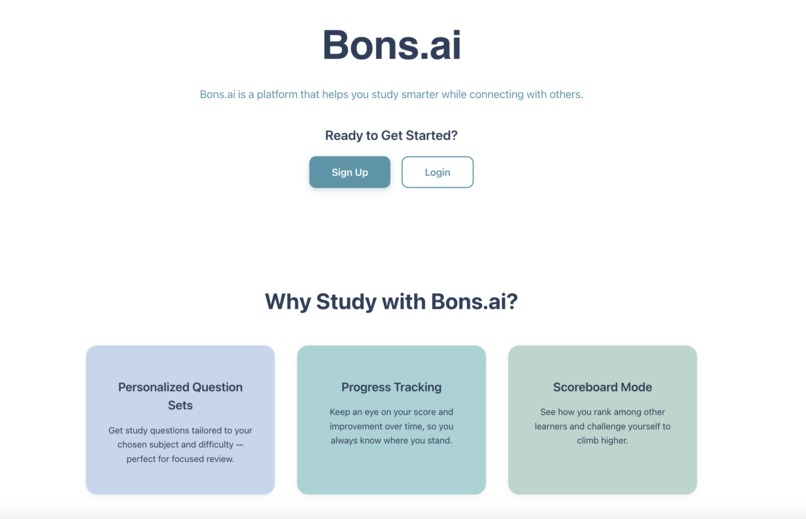
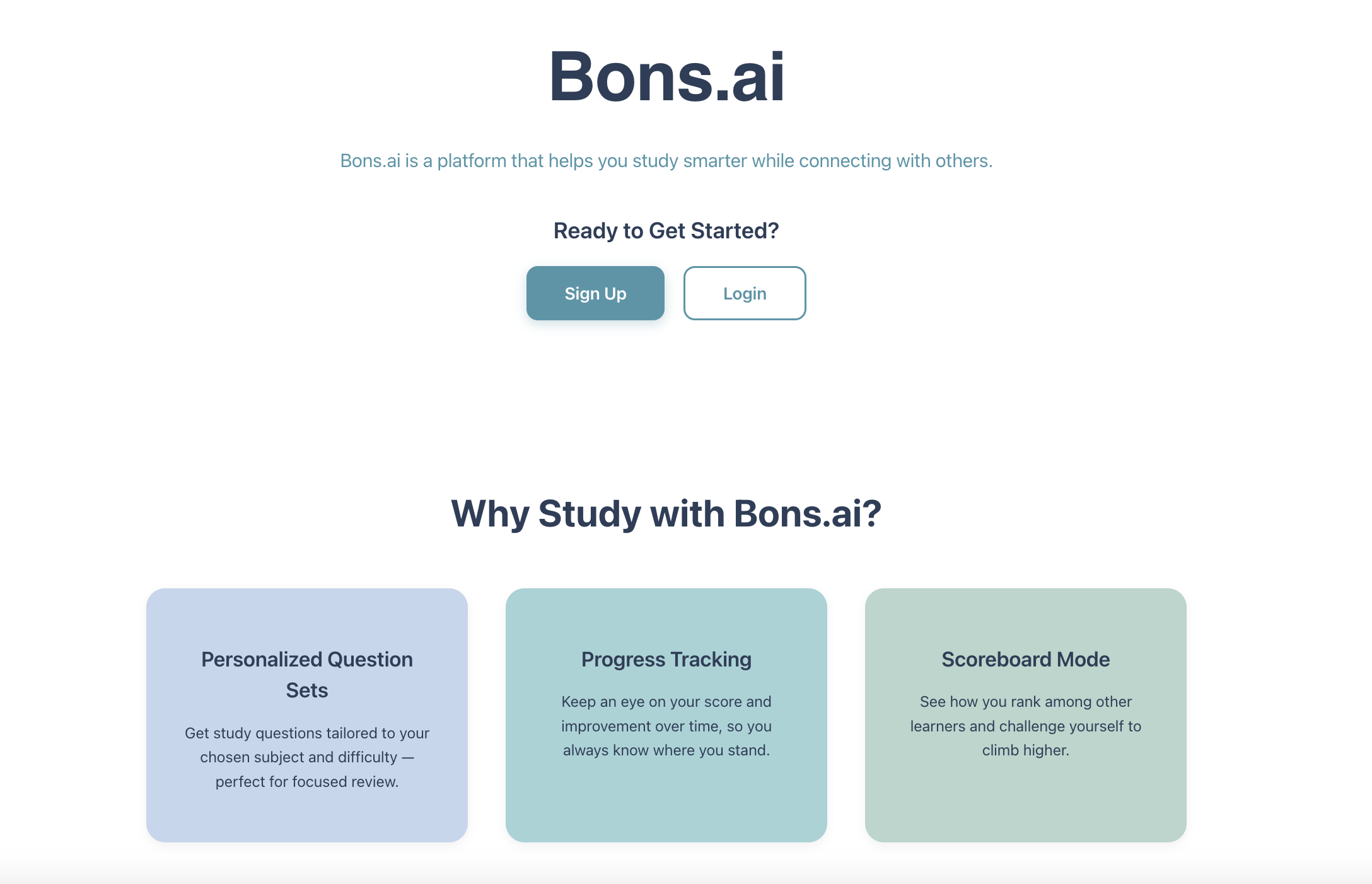
Welcome Page
-
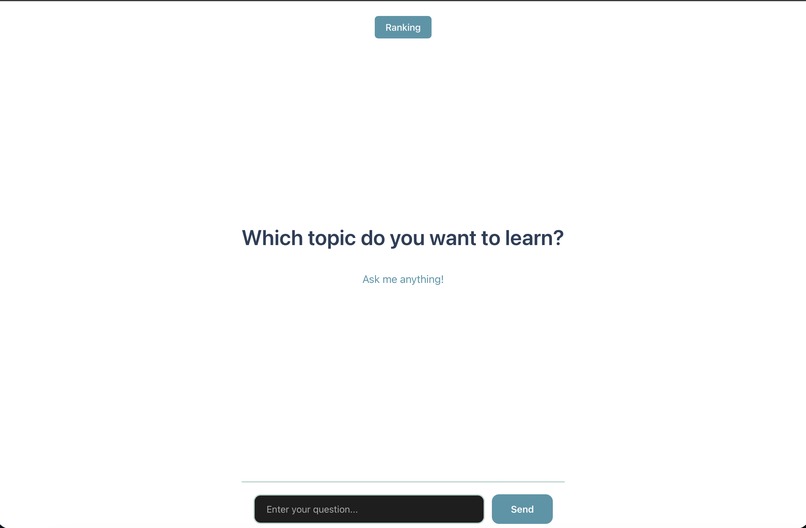
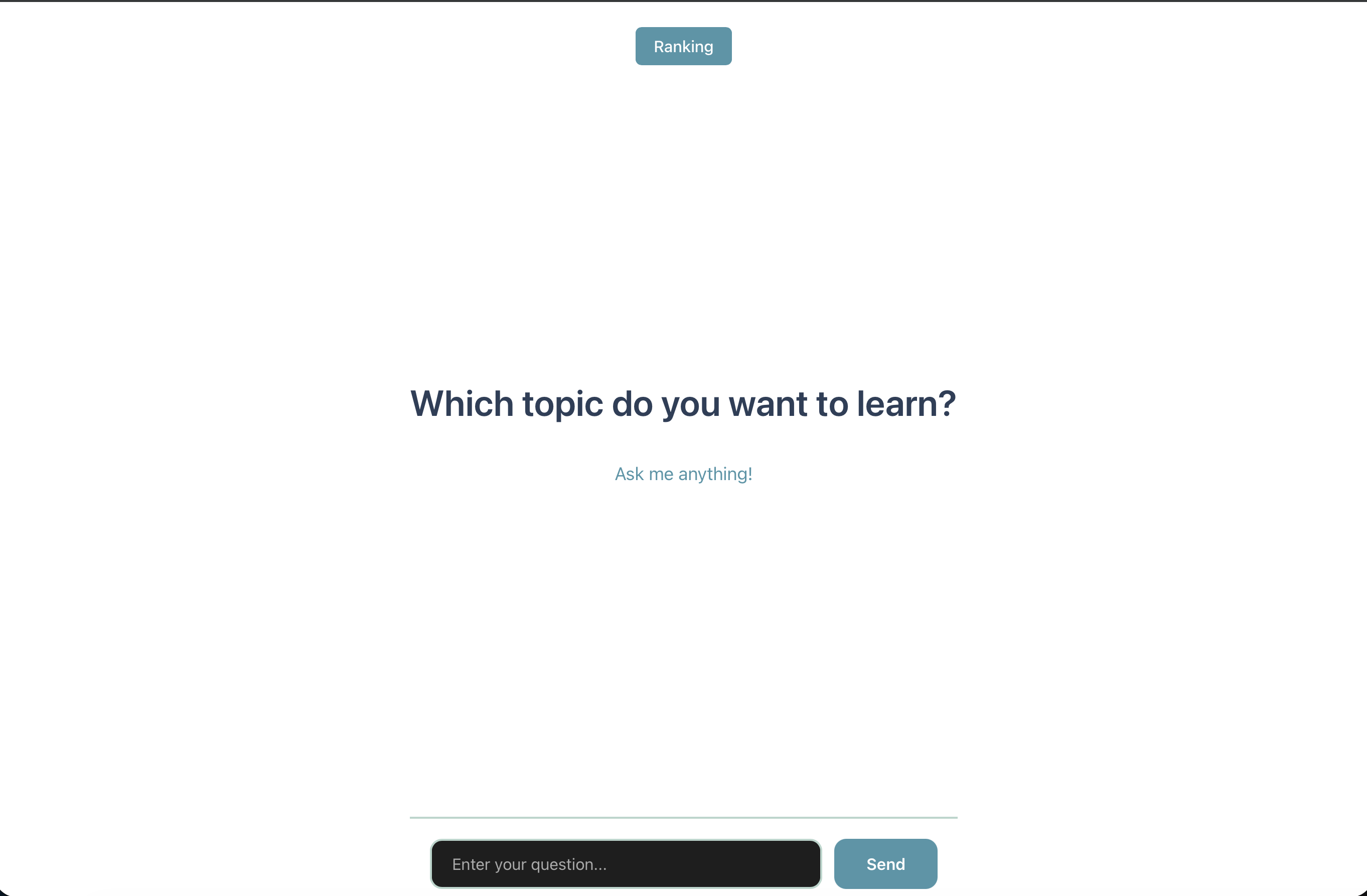
Home Page
-
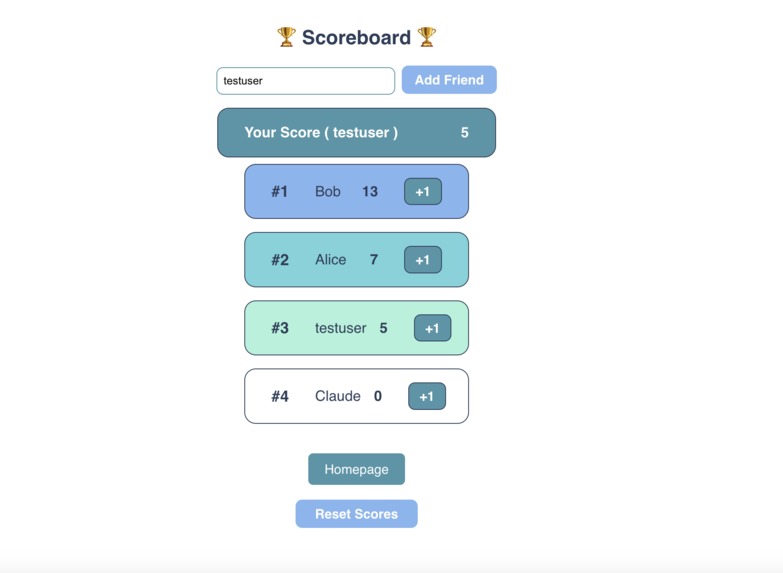
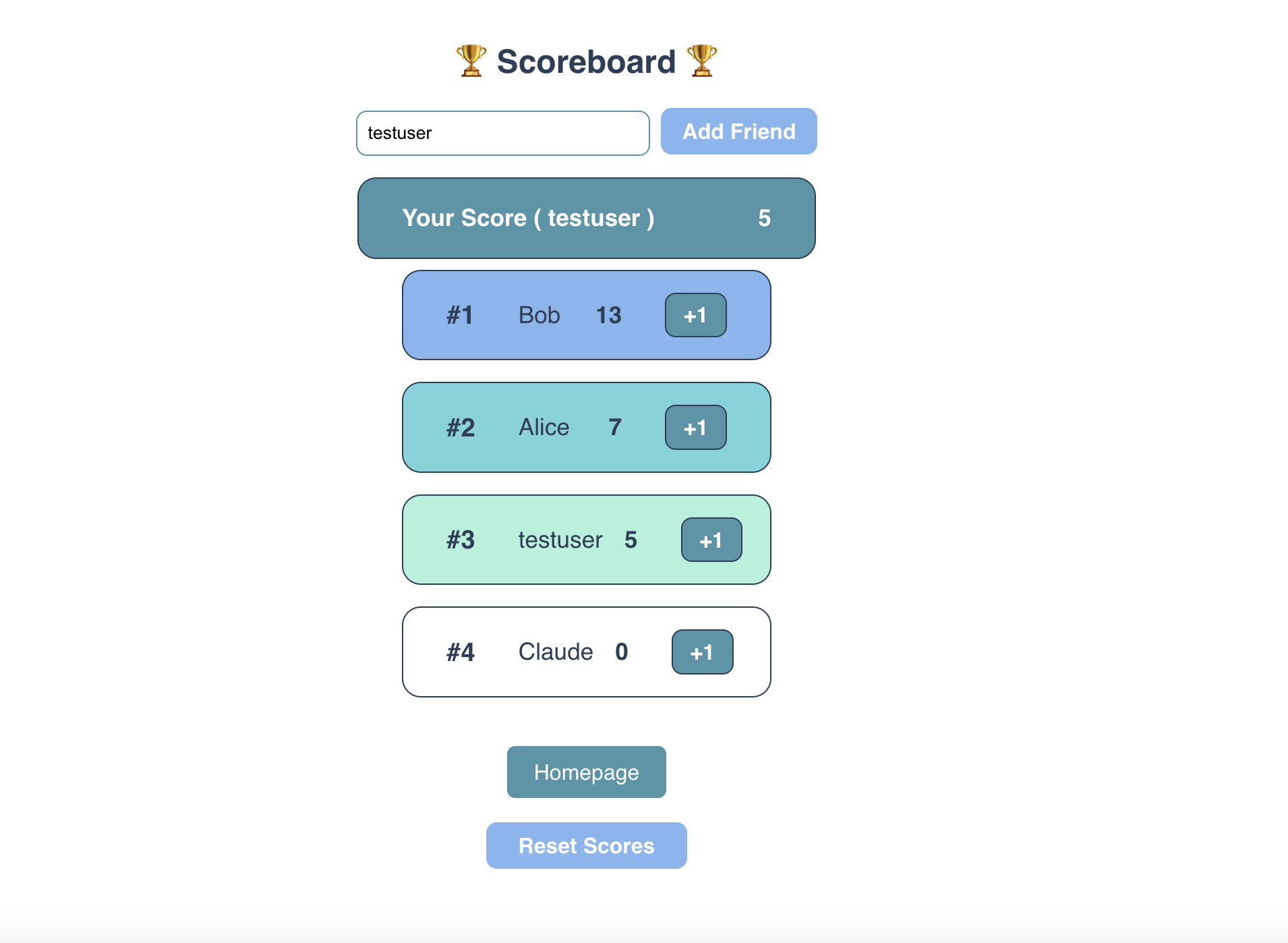
Scoreboard & Add Friends
-
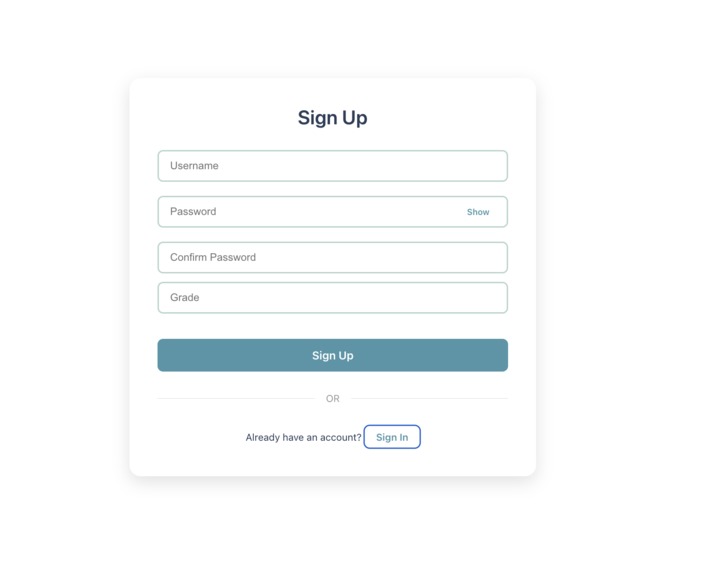
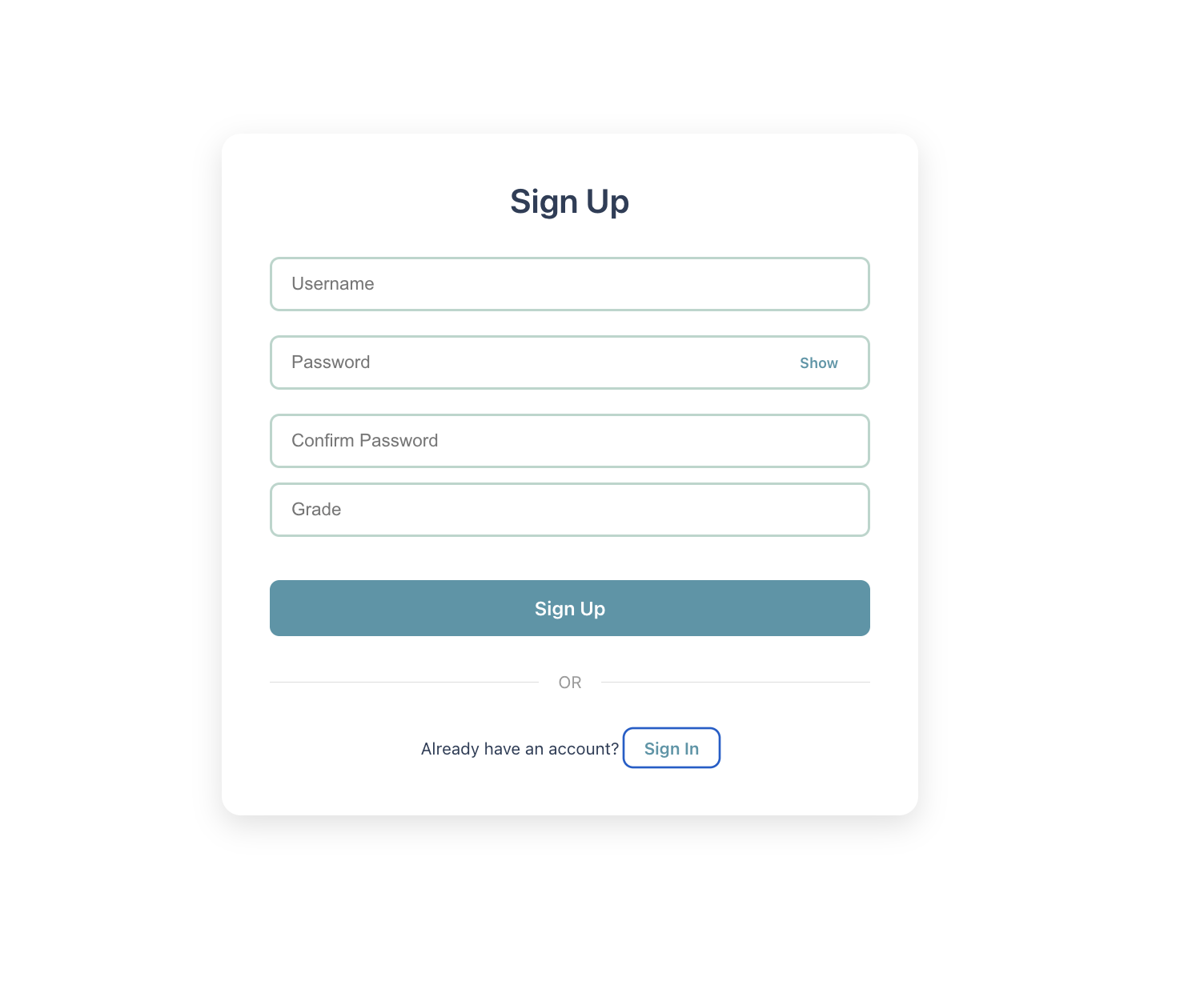
Sign Up Page
Inspiration
It's hard to find good study questions, and even harder to find ones that match your level of understanding and help you grow.
The internet has so much information available that it can be challenging to sift through all the noise and find what you are looking for. Our product, Bons.ai, is designed to help fix that issue.
What it does
Bons.ai prompts users to enter a topic they want to practice, asking for clarification if the topic entered is too broad, and then generates study questions.
Using a chatbot, the user can answer questions on any given topic, making it extremely versatile. Not only does Bons.ai offer hints to the user as they work, but it also offers comprehensive solutions to the problems and scores the user's solution.
One of the many highlights of Bons.ai allows users to interact with others and creates a more exciting and dynamic study environment. Through its Scoreboard feature, users are able to not only keep track of their progress, but also their friends’ progress. It playfully insights competition and encourages the user to keep on bettering their skills in good company.
Bons.ai saves students time spent hunting through the internet for valid or up to date resources by being a one stop shop for many of their academic needs.
As the user answers questions, Bons.ai adjusts itself and the difficulty of the questions given to the user based on how the user is performing and their score.
Depending on how the user performs, whether they are struggling with a certain topic or excelling past the basics, Bons.ai tailors itself to give each user a more personalized experience. Meeting them where they are at and helping them on their way to a more complete understanding of any topic of study.
How we built it
Front End: Built with React and Vite for fast iteration and clean UI, focusing on simplicity and accessibility.
Back End: Developed in Go with RESTful APIs to deal with user sign-in, friends features, database querying, and more. Our databases were managed by AWS RDS and had three separate tables to maintain a database for users, a database for friends, and another for authentication. We integrated AWS Bedrock’s Claude 4.5 Haiku for question generation.
Challenges we ran into
Nothing done easy is ever worth doing. After many errors and crashing the website multiple times, we have definitely had our share of issues. Even after every soul crushing red line and unreasonable demands made by software, our perseverance paid off and has allowed us the privilege to share with you our favorite crash-outs and mistakes of this hackathon.
We tried to build a machine learning model using XGBoost to assign how difficult a user's problems should be based on past performance, but had to give up on this because we didn’t have enough time to implement the data collection needed that would make an ML model better than simple logic.
The score board was not working at all in the beginning and would not display right, no matter how much it was tweaked it. Eventually, realized that that code was re-edited so much that it became convoluted and ran horribly. It turned out that the best thing to do was to start from scratch and take our time to get the wanted result.
For display, LaTex does not support react 19, so we used mathjax instead.
Accomplishments that we're proud of
In our journey of all 24 hours, more when including planning beforehand, has not been a walk in the park, but it’s almost better that way. Our product can absolutely be improved upon, but with how far it’s come in such a short time, it is definitely something that we take pride in. We were happy with how our authentication system worked and how clean our UI turned out. A particular delight was learning more about machine learning.
What we learned
Our team has diverse backgrounds and skillsets. For AWS x INRIX’s 2025 Hackathon, both technical and interpersonal skills have been challenged and improved upon. An example of one, was getting the opportunity to step away from the front end and learning how to structure the backend, more importantly, connect it to the front end. Another one being able to work on large pages and builds the front end. Then there was also being able to learn more about machine learning and frontend development. A big one being unfamiliar in VS Code and being able to confidently troubleshoot terminal errors by the end of the hackathon.
What's next for Bons.ai
Now that we’ve a solid foundation, our next move will be to focus on gathering usage data, finishing the ML, work on the personalized difficulty tuning, and expanding question types for our product.


Log in or sign up for Devpost to join the conversation.