Inspiration
I've tried to learn the memory palace more than once. Every guide makes it sound easy. Picture your house, walk through it, leave a strange image in every corner. My brain doesn't work like that. By the third room I've lost the hallway, and inventing a weird picture for every idea feels like homework on top of the homework. I never got good at it, even though I know it works for people who can.
So I built the version I needed. LOCI does the two parts I can't do in my head. It builds the palace around me and it draws the strange pictures for me. All I have to do is walk.
What it does
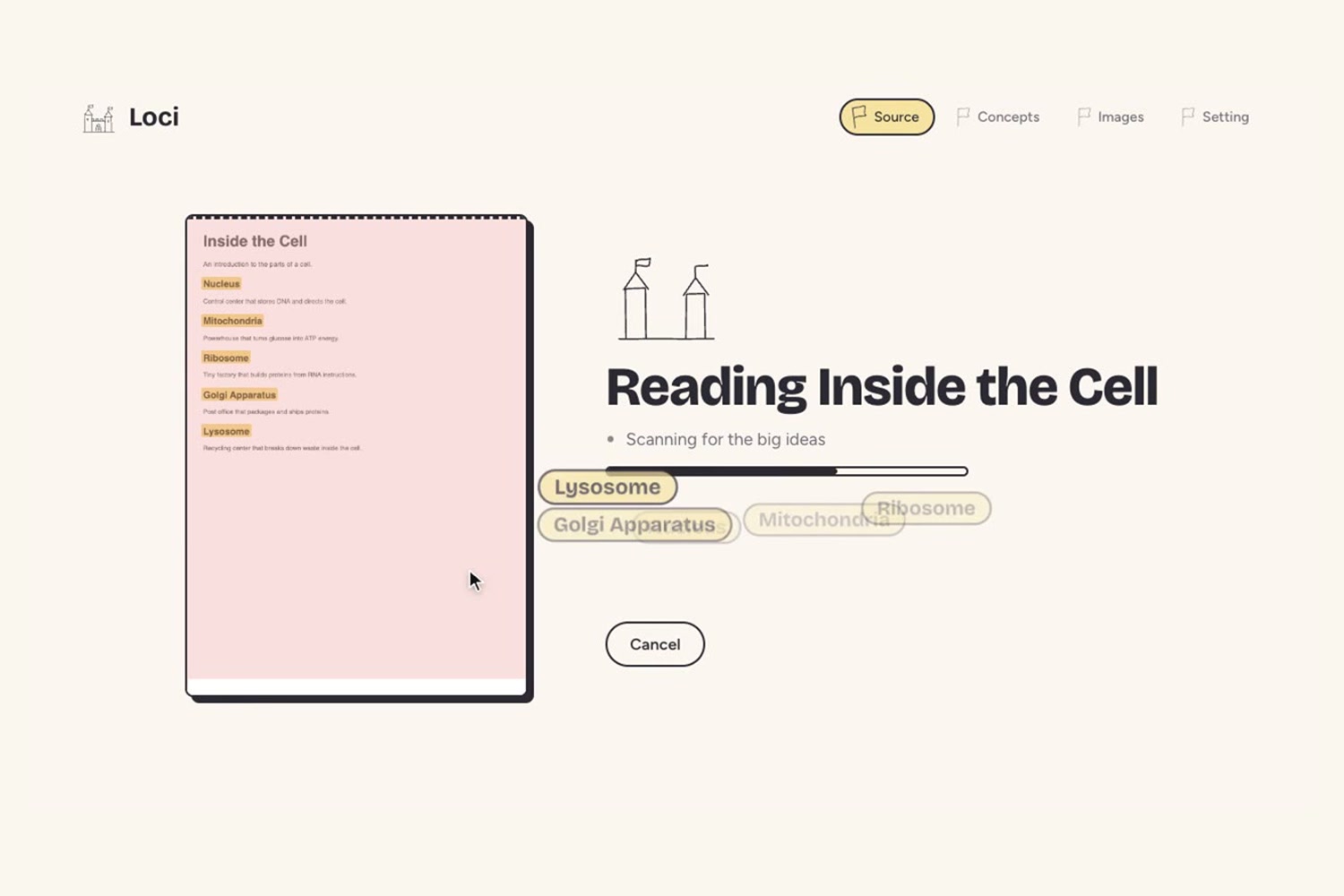
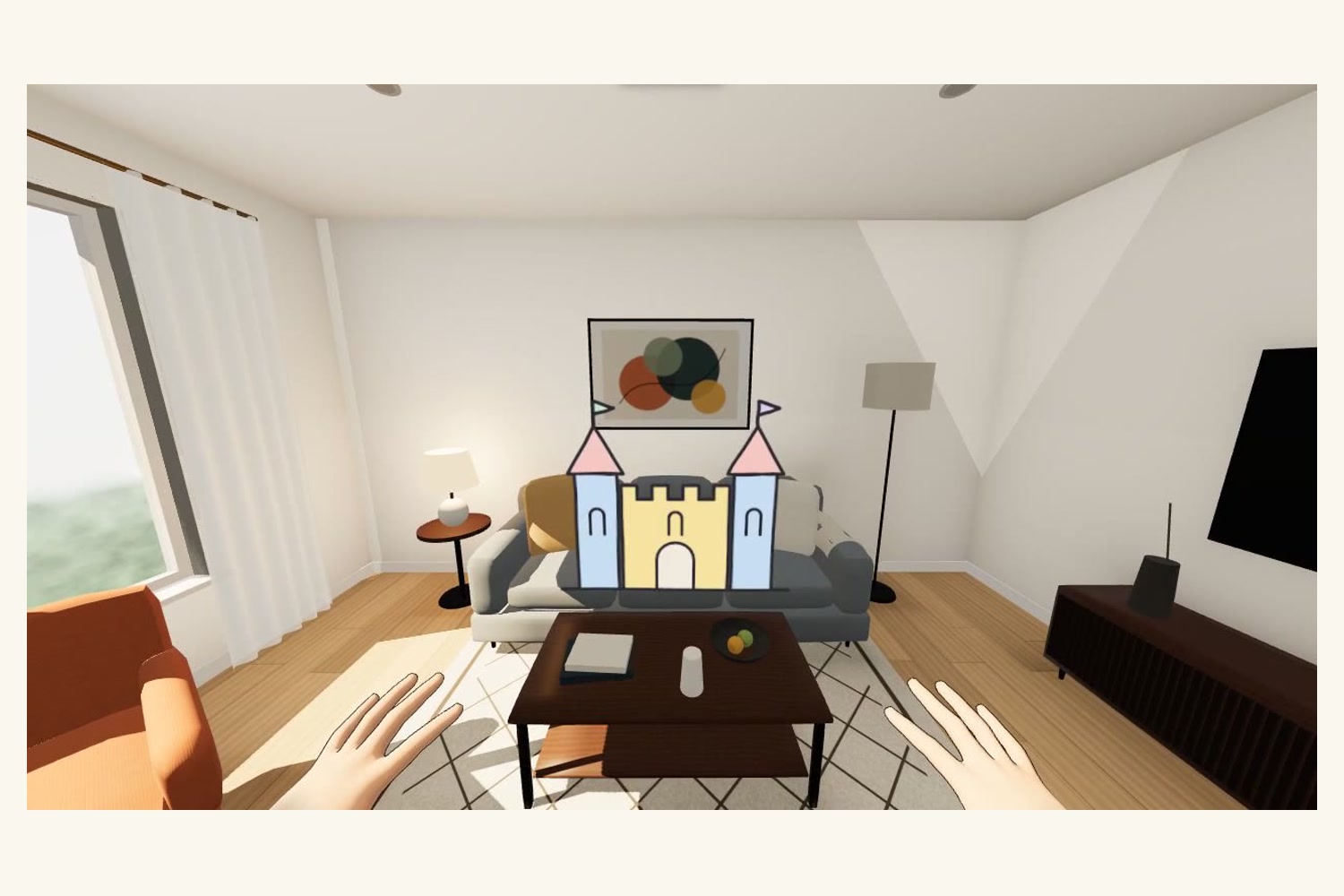
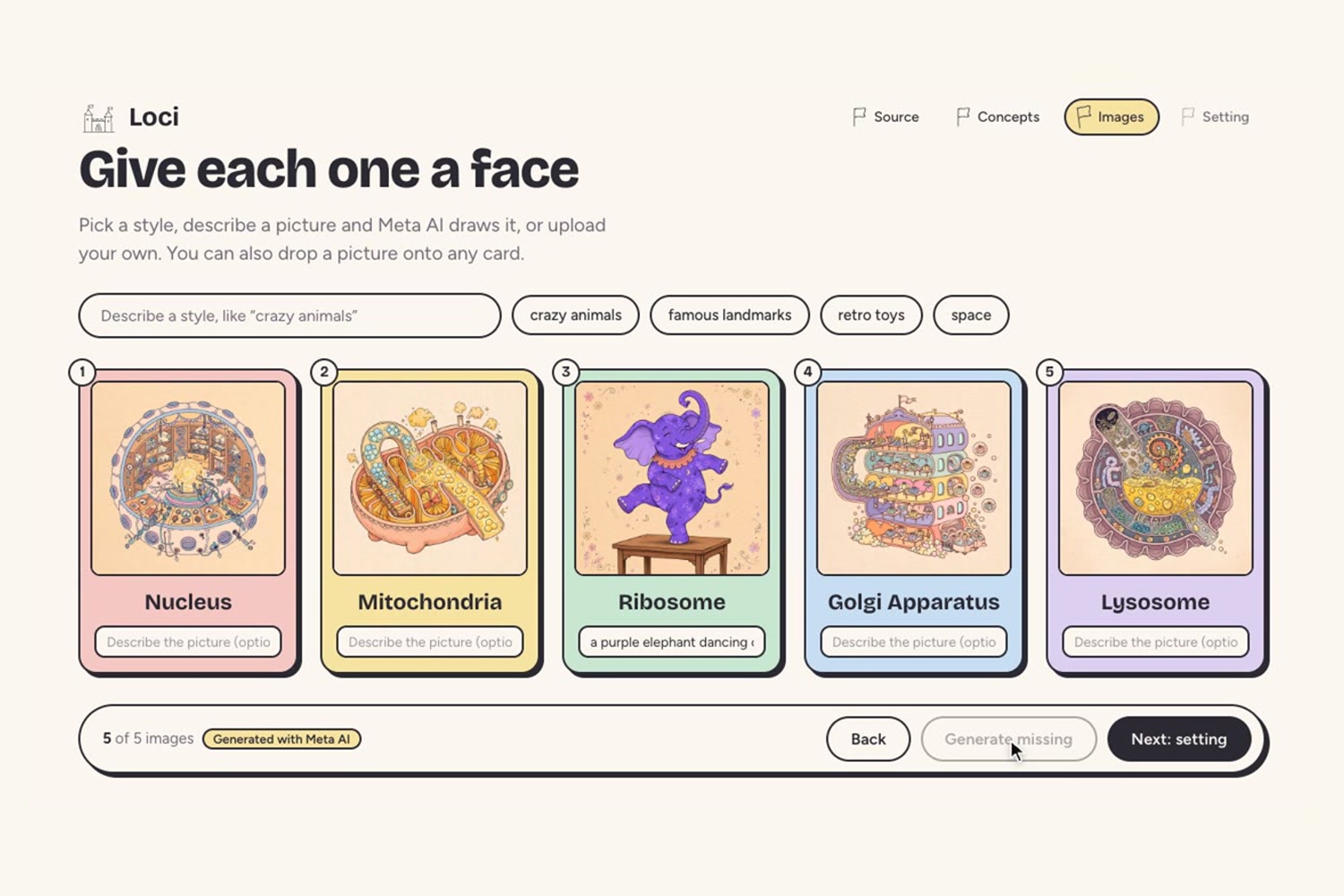
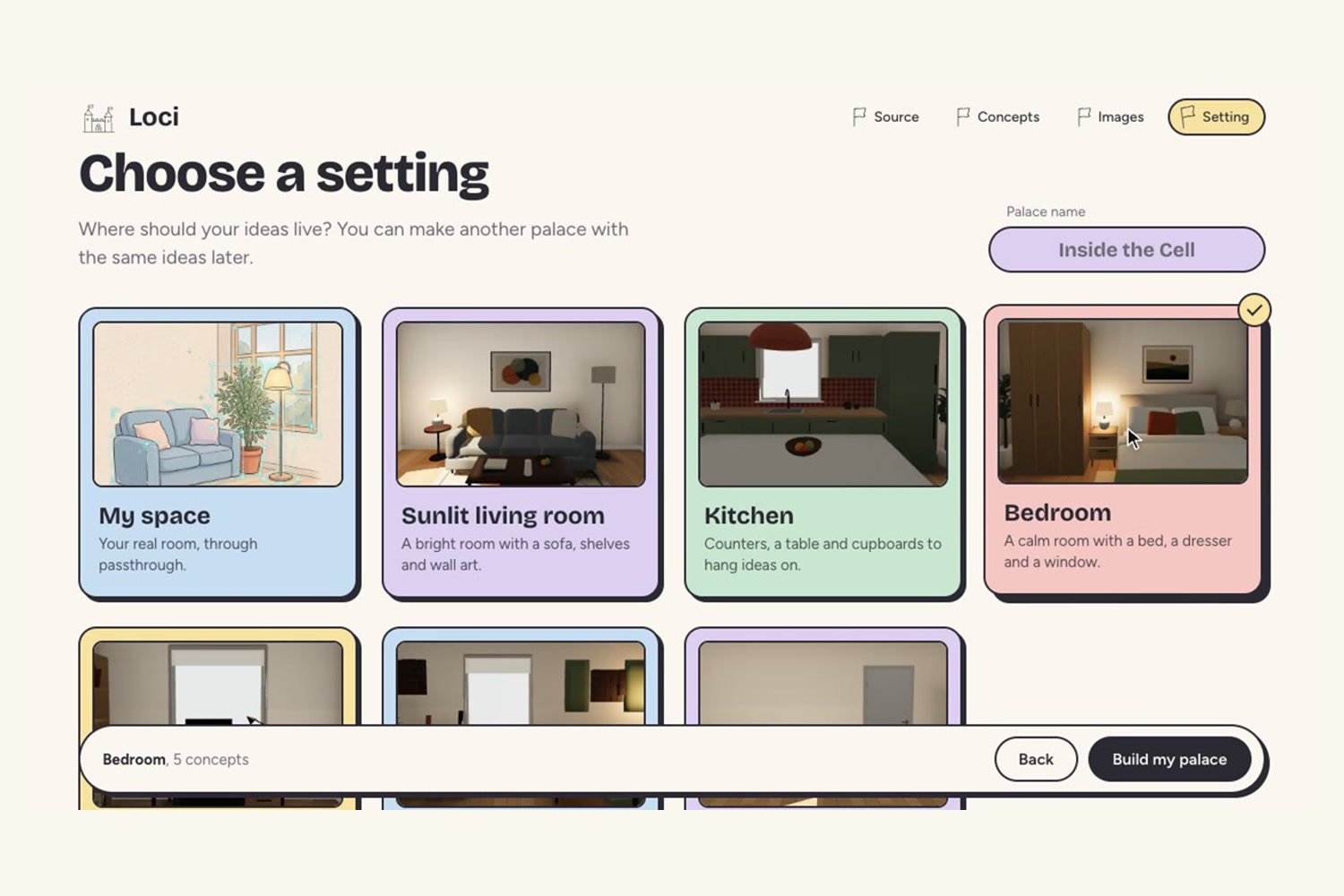
You start on the web. Drop in a PDF or paste your notes and LOCI picks out the ideas worth keeping, or you write your own list. Every idea gets a picture. Describe one and Meta's AI draws it, let it draw the whole deck in one go, or upload something of your own. Then you choose where the palace lives, either your real room through passthrough or one of the furnished rooms.
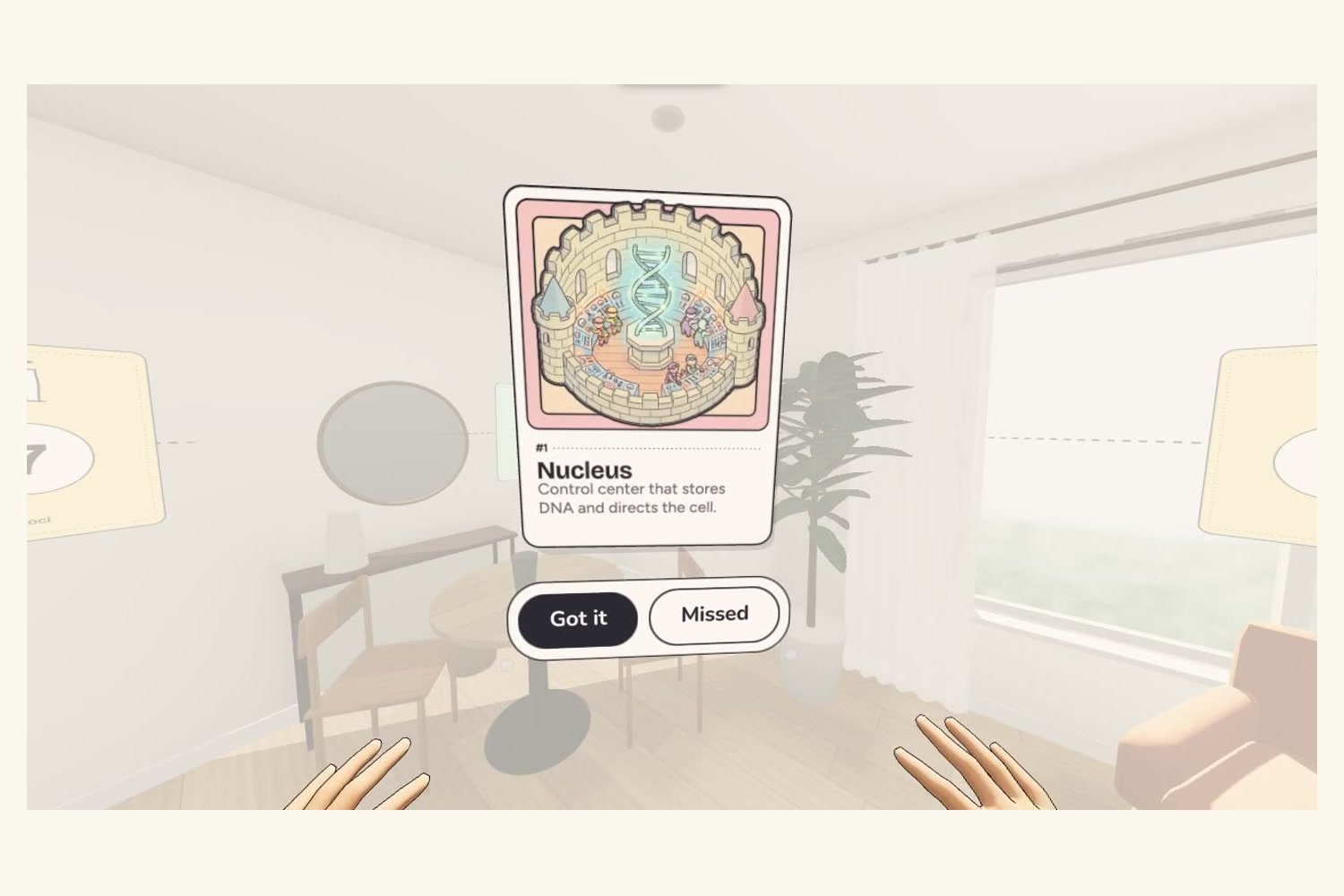
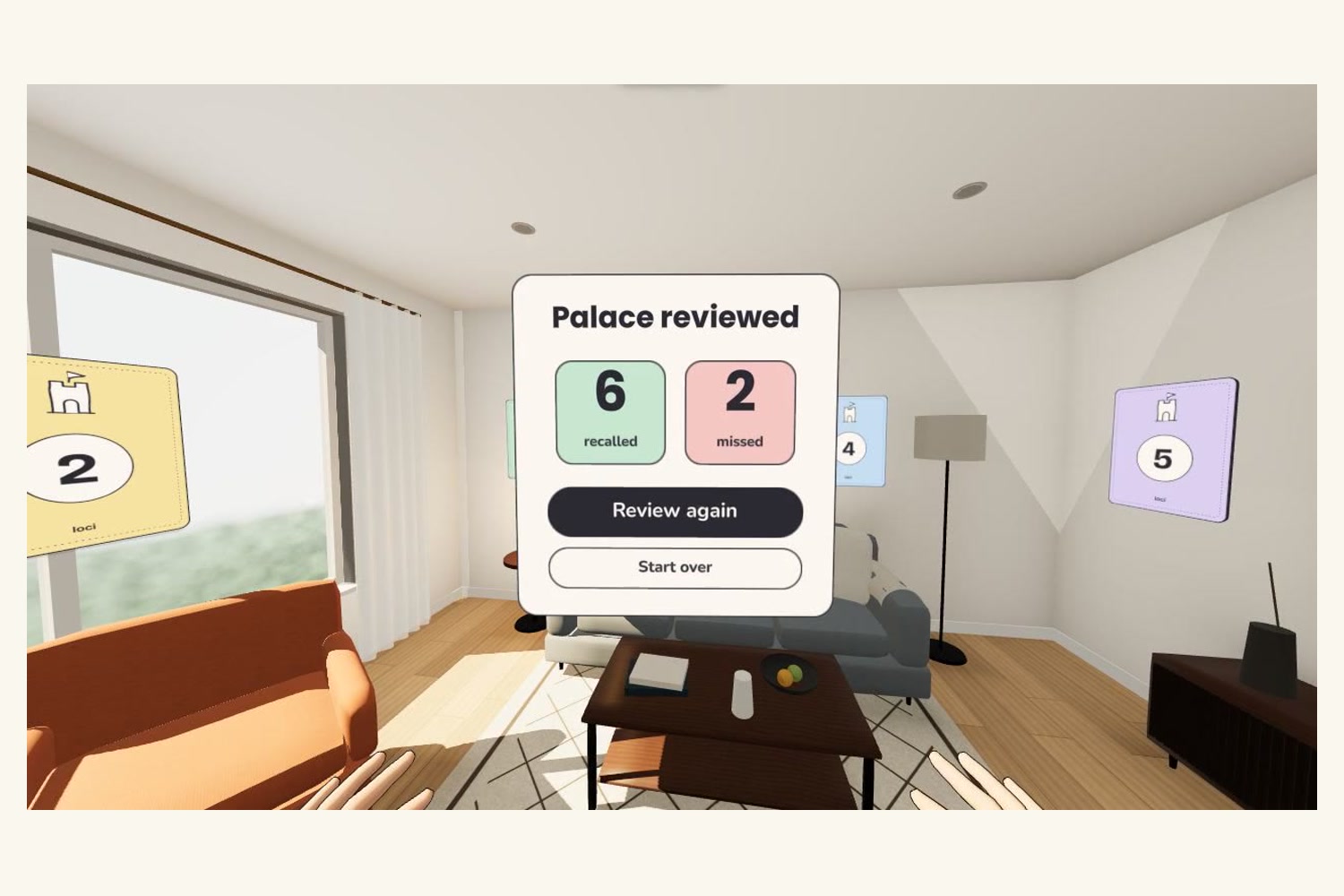
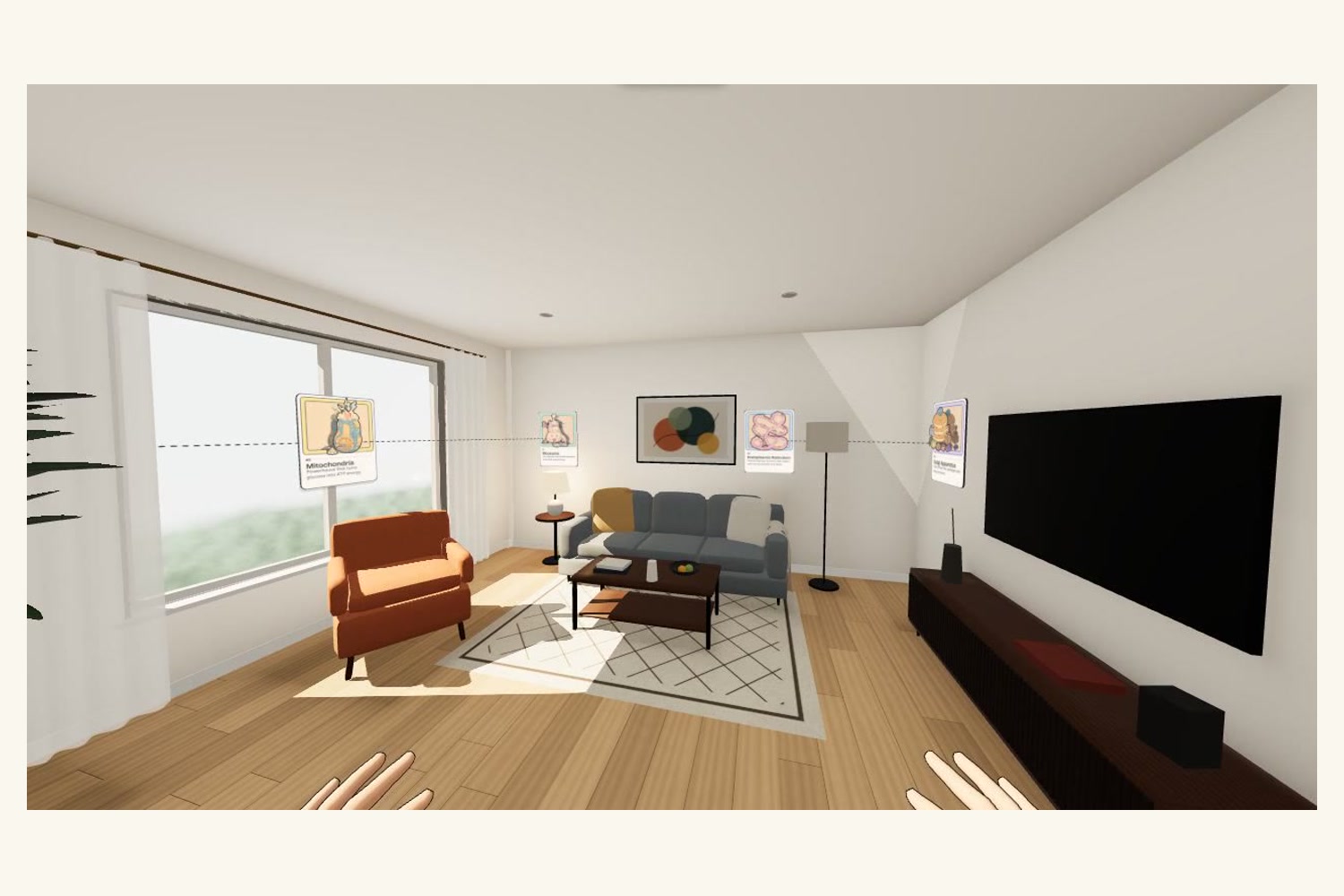
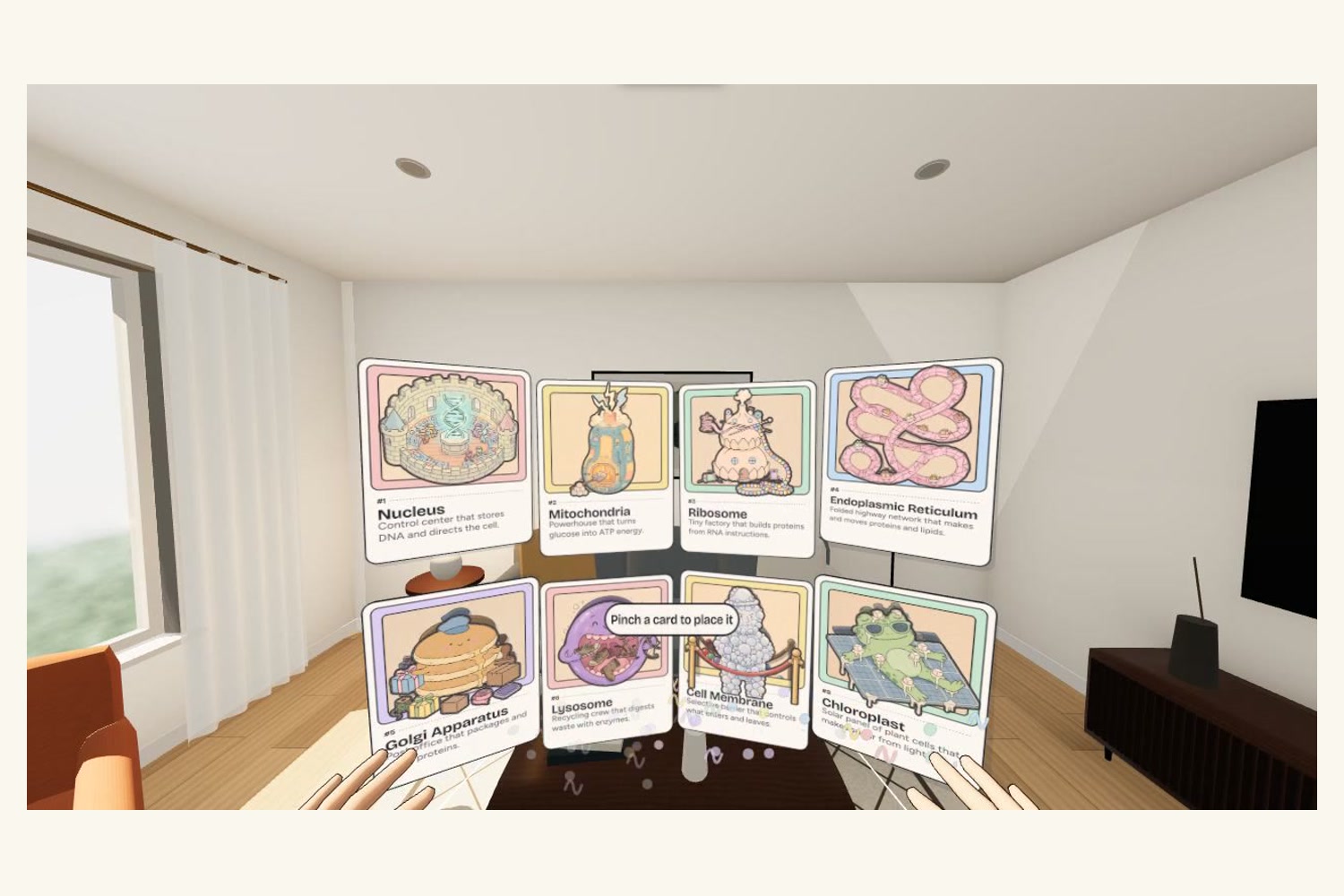
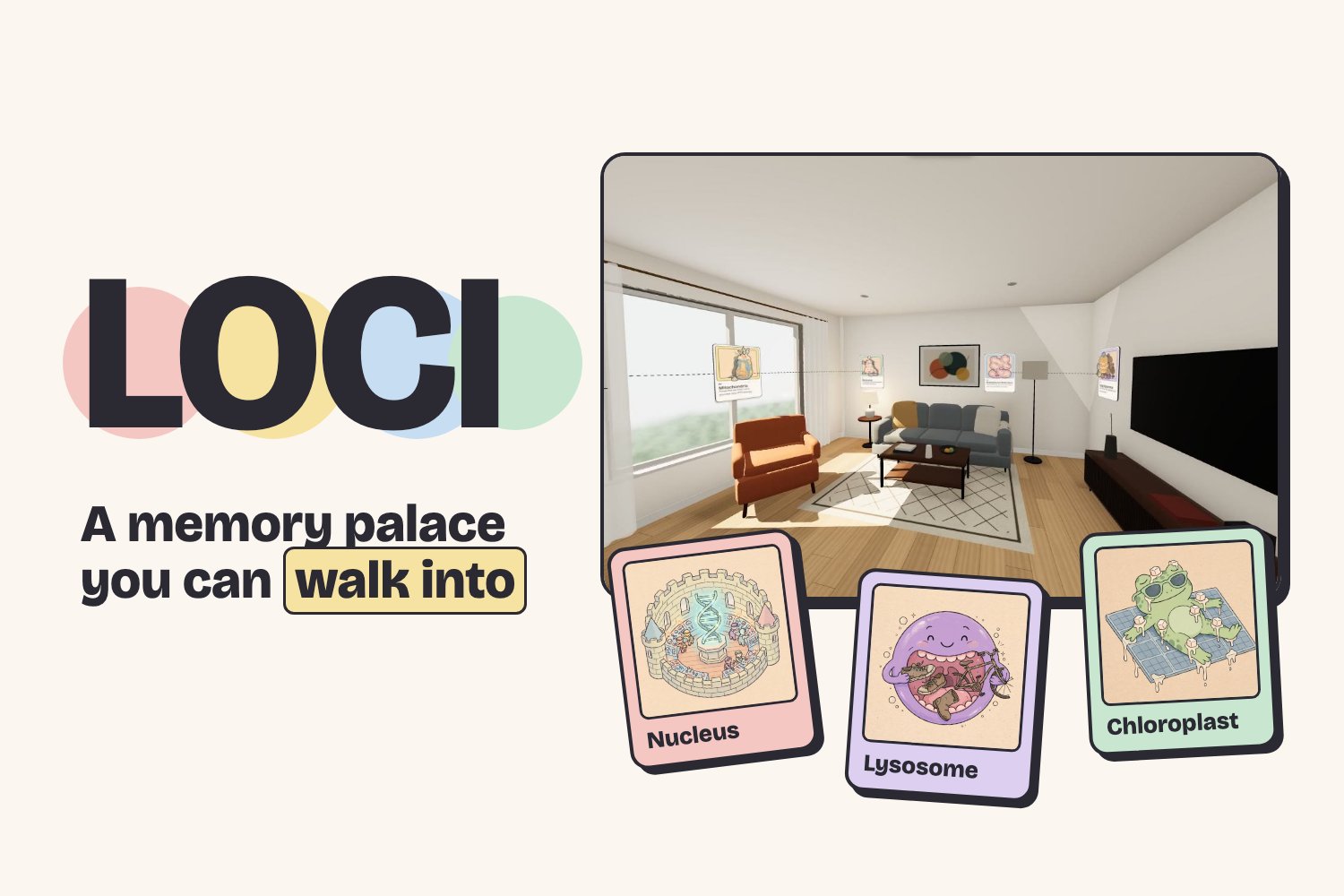
Put on the Quest and the cards are waiting in front of you. Pinch one and stick it anywhere. The lamp, the window, the wall above the sofa. A dotted path remembers the order. A couple of days later you come back and walk it again. You look at a card, try to remember what's on the back, pinch to flip it and say whether you got it. Spaced repetition takes it from there. Cards you nailed come back later and the ones you missed come back sooner.
You can do all of it sitting down, with just your hands.
How I built it
LOCI runs in the Quest Browser on the Immersive Web SDK and Three.js, so there's nothing to install. The VR side leans on IWSDK's ECS, tracked hands, gaze plus pinch for recall and world-locked placement that snaps cards onto walls and furniture. The card fan adapts to the field of view so nothing spawns off screen.
The web studio reads PDFs with pdf.js. Pictures come from muse-image-1.0 through the Meta Model API, and concept extraction tries muse-spark-1.3 before falling back to an offline heuristic. Both calls go through small serverless functions, so the key never touches the browser. Palaces live in localStorage with no account and no database, and every sound is synthesized with WebAudio.
Challenges
The hardest part was making a card feel like an object when there's no controller to hold. Grabbing, carrying and letting go took many rounds of tuning. Cards also had to stay readable from across the room, and the review had to work without a single menu. Getting the AI art to look like one deck instead of eight random pictures took more prompt work than I expected.
What I learned
Once an idea has a place, you remember the place first and the idea follows. I knew that from books. Feeling it in my own living room was different. The pictures also work better the stranger they get. A frog in sunglasses lying on a solar panel is a chloroplast I won't forget.
What's next
3D images, so every idea can stand in the room as an object you walk around instead of a flat card. Shared palaces for a whole class, more rooms, and adding ideas by voice while you're standing in the palace.
Built With
- elevenlabs
- hand-tracking
- iwsdk
- meta-model-api
- meta-quest
- muse-image
- passthrough
- pdf.js
- remotion
- three.js
- typescript
- uikit
- vercel
- vite
- webaudio
- webxr
