-
-
UI
-
UI
-
ADK ARCHITECTURE
-
ADK ARCHITECTURE
-
ADK ARCHITECTURE
-
-
-

One Stop Platform For Local Needs
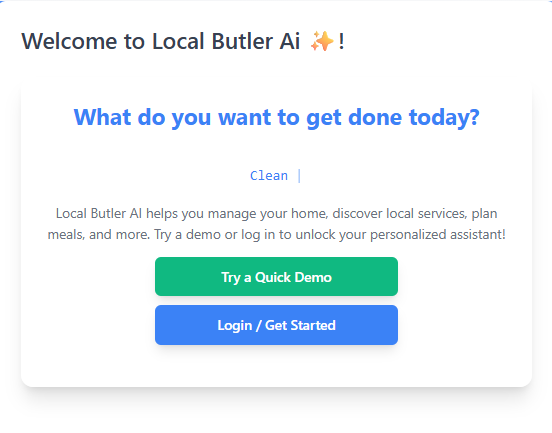

🧠 Inspiration
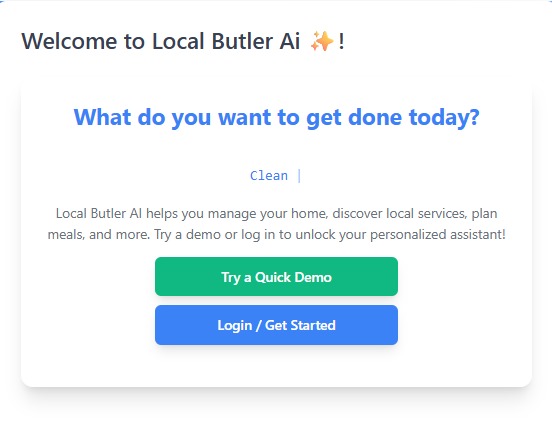
I’m not a developer or a builder by trade. I just had an idea, a curiosity, and the motivation to try building something useful. I saw how much mental load we all carry with daily tasks — groceries, meals, chores, appointments — and I thought: what if AI could actually help with that? Not just give answers, but do things?
That question became Local Butler AI — an attempt to turn a smart assistant into something real and useful for everyday life.
⚙ What It Does
Local Butler AI is a multi-agent system that uses Google’s Agent Development Kit (ADK) to let a user offload tasks like:
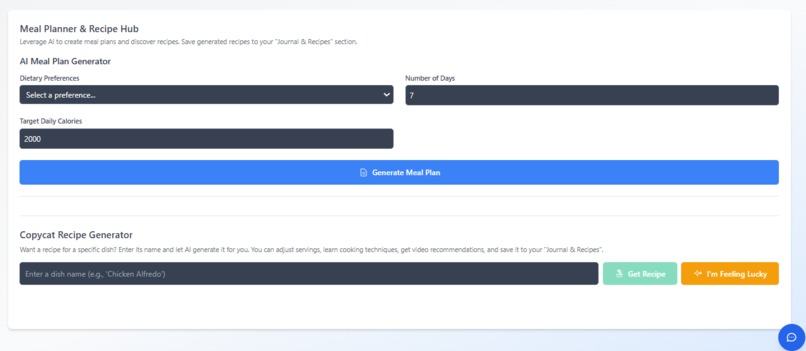
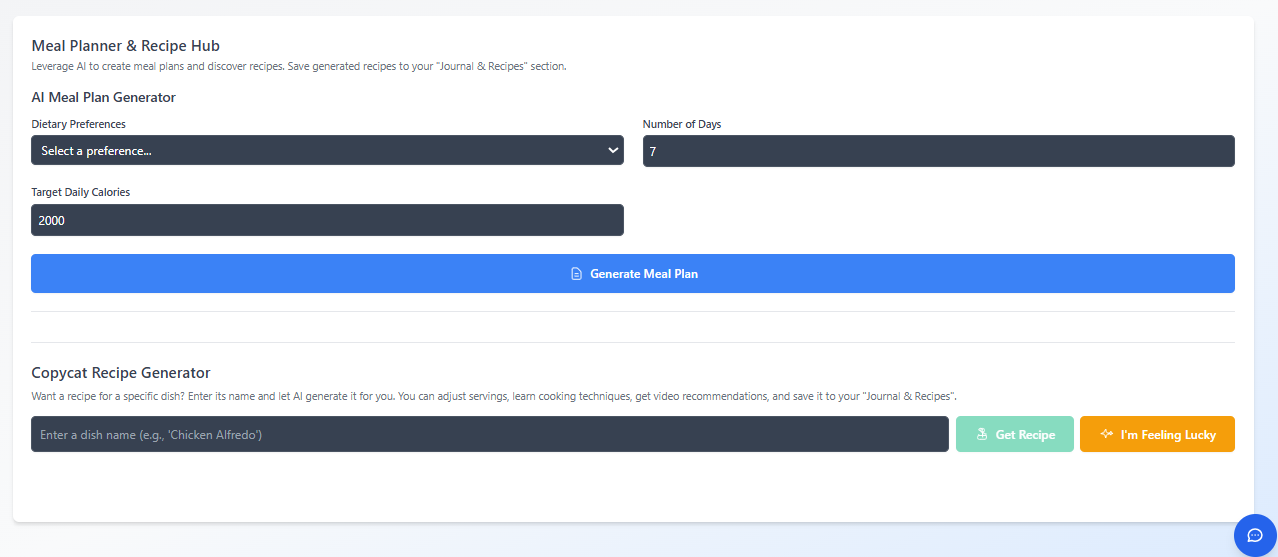
Planning meals and generating recipes
Building grocery lists and checking kitchen inventory
Requesting deliveries
Scheduling personal tasks like laundry or pet sitting
Managing real-world needs through structured conversations
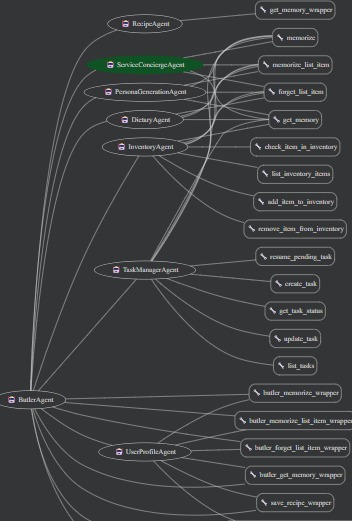
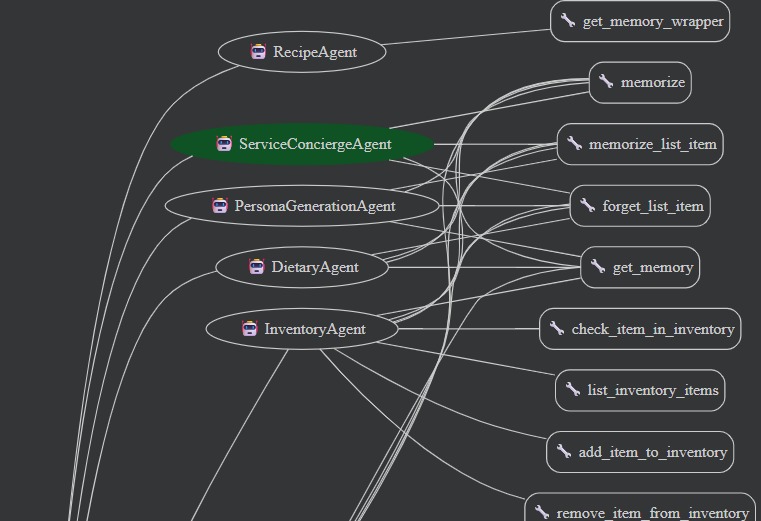
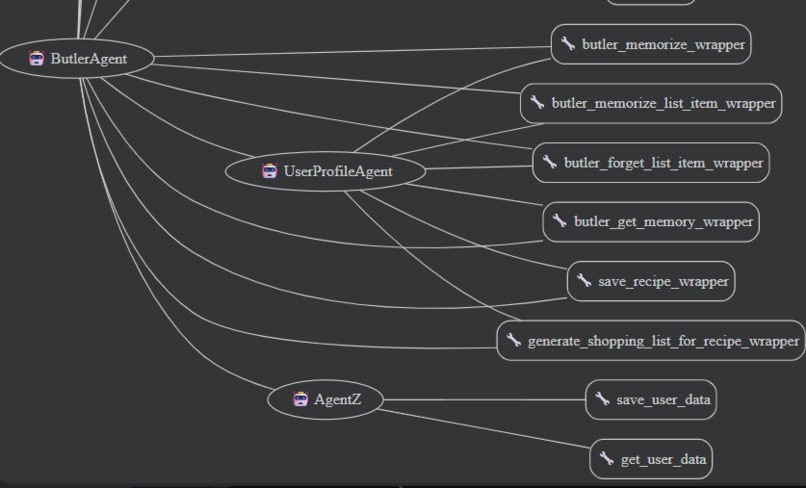
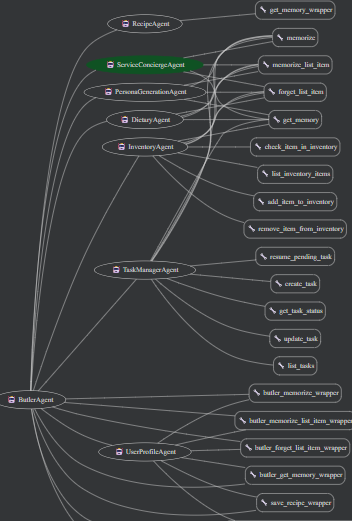
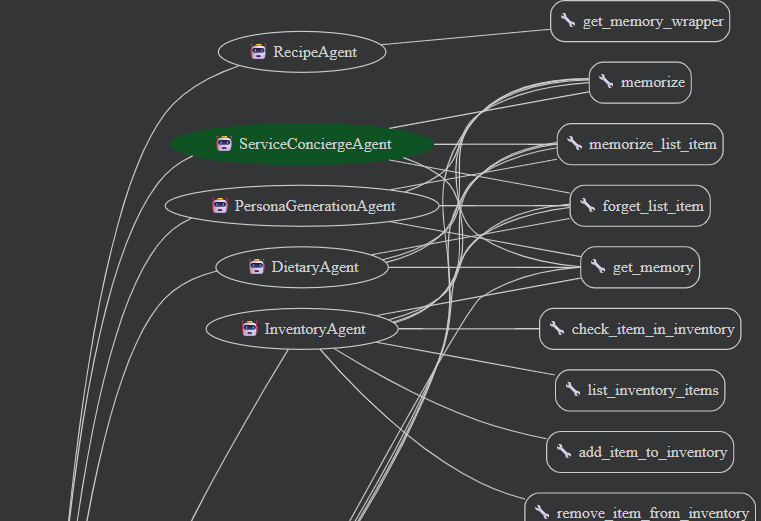
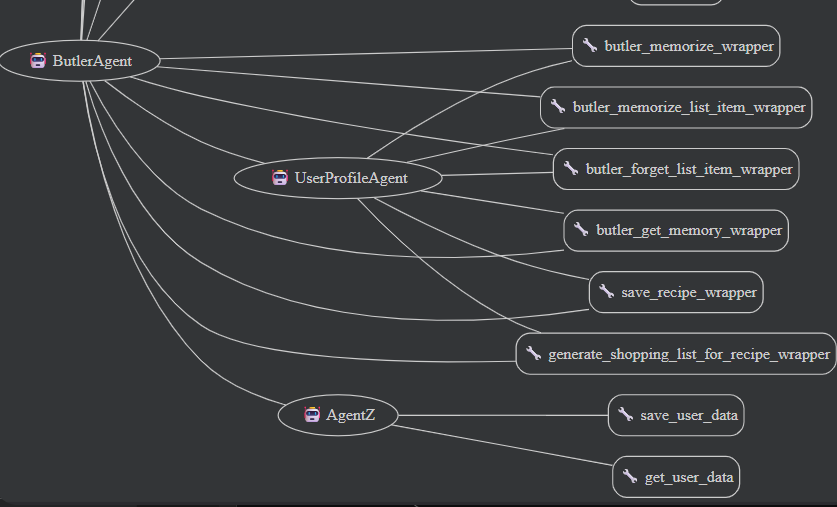
The user just asks. The orchestrator routes requests to the right agents — Recipe Agent, Inventory Agent, Task Agent, etc. — and those agents manage data, ask follow-ups, store context, and trigger real-world actions like delivery or task scheduling.
It’s live, interactive, and all powered behind the scenes by modular agents with memory, logic, and intent.
🛠 How I Built It
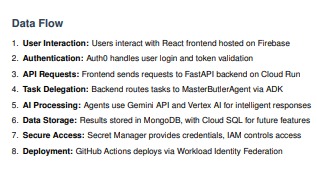
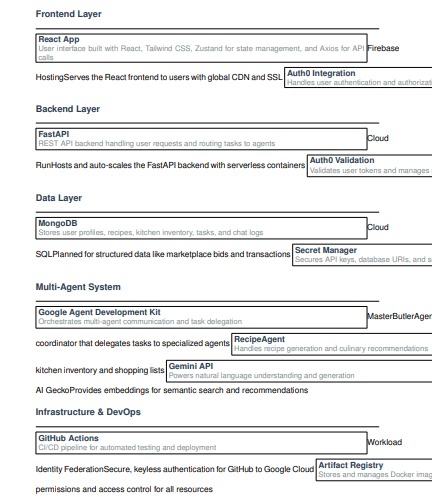
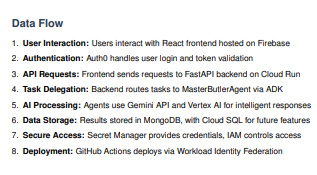
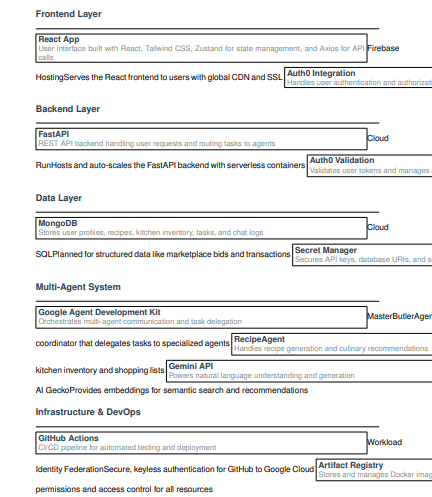
The system is built with a frontend–backend architecture:
Frontend: React + Vite, Zustand for state, Tailwind (via CDN), and Gemini for AI generation.
Backend: FastAPI with multiple ADK-powered agents — orchestrated via agent-to-agent protocols.
Data: Stored in localStorage for now, synced between frontend and Agent Z (our data delegate).
AI: Gemini handles generation tasks (like meal plans and image content) on the frontend, while agents manage logic and state.
The main orchestrator agent routes user queries to the appropriate specialized agent. Responses are structured, contextual, and saved for future use.
🧗 Challenges I Ran Into
Understanding ADK: Learning how to structure, coordinate, and wire up agents took time — especially with no prior dev background.
State Management: Syncing frontend state with backend agents via Zustand and MongoDB logic was tricky.
Gemini + Agents: Merging LLM generation with agent memory and structured workflows was a challenge.
No Auth, No Server Storage: Everything was built with local-first persistence, which was both a constraint and a useful simplification.
Making it Real: It wasn’t just about building a cool AI — it had to actually help the user.
🏆 Accomplishments That We're Proud Of
Built a working multi-agent system — from scratch — without being a traditional developer.
Integrated Gemini, ADK, and a clean React frontend into a single usable tool.
Enabled real task execution: grocery orders, recipe saving, delivery, and personal task planning.
Created a system where AI doesn't just chat — it acts.
📚 What I Learned
AI agents can be far more than chatbots — they can think, act, and support real user workflows.
The power of good state design: Zustand + memory syncing makes everything feel connected.
Gemini is excellent for structured outputs, especially when prompted carefully.
You don’t need to be a dev to build — you just need curiosity and patience.
The biggest challenge is understanding what the user really needs — and designing the system to anticipate it.
🚀 What's Next for Local Butler AI
Persistent User Profiles: Add authentication and MongoDB sync for true multi-user support.
Marketplace Integration: Let users dispatch tasks to real-world services or APIs.
Mobile Interface: Simplify the UI for quick task planning on the go.
Voice Control: Talk to your butler naturally, hands-free.
Agent Evolution: Let agents learn from user history and optimize their behaviors. Stripe Integration for Payments
Implementation: Add Stripe’s Payment Intents API to FastAPI backend for task-related payments (e.g.,
marketplace services). Store payment metadata in Cloud SQL and secure keys in Secret Manager.
Impact: Enables seamless monetization for task outsourcing.
This is just the beginning. Local Butler AI isn’t just about cool tech — it’s about removing mental clutter and giving people their time back.
Built With
- agent-development-kit
- and-google's-agent-development-kit-(adk)-for-the-multi-agent-system.-it-uses-gemini-ai-for-content-generation-and-stores-data-locally-using-localstorage
- fastapi
- fastapi-for-the-backend
- gemini-ai
- localstorage
- mongodb
- react-19
- vite
- zustand
- zustand-for-state-management

Log in or sign up for Devpost to join the conversation.