-
-
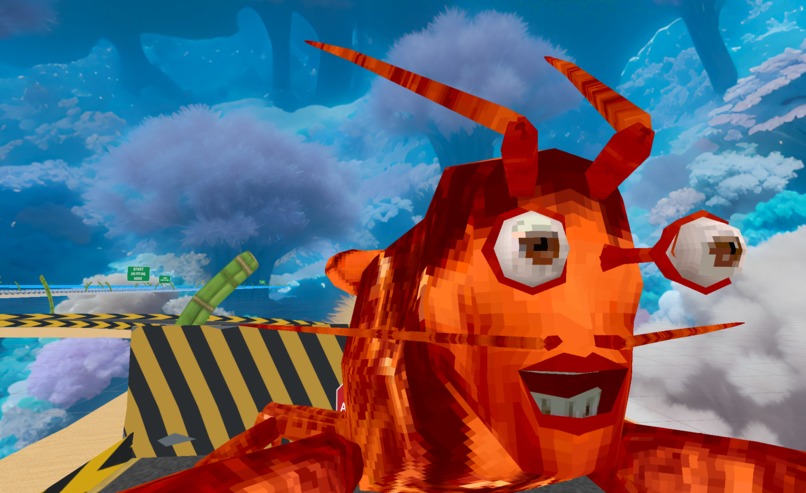
Lobster Player Avatar
-
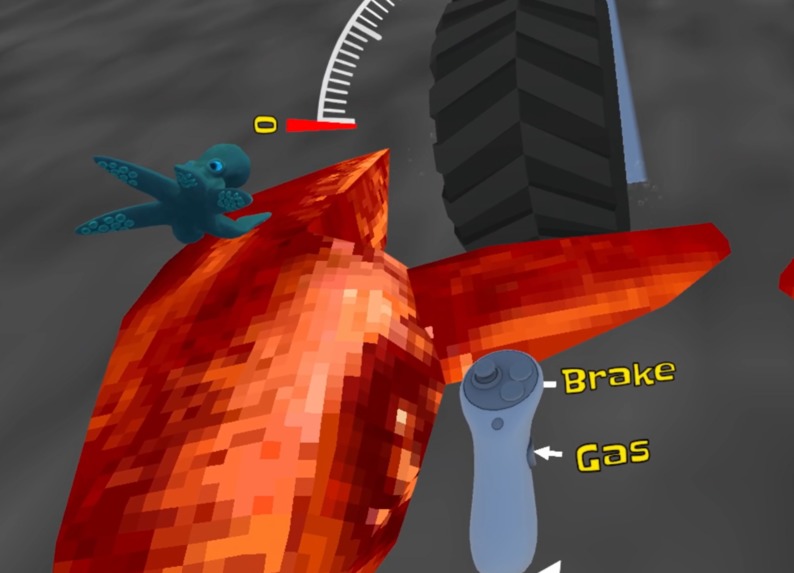
Hands are wheels
-
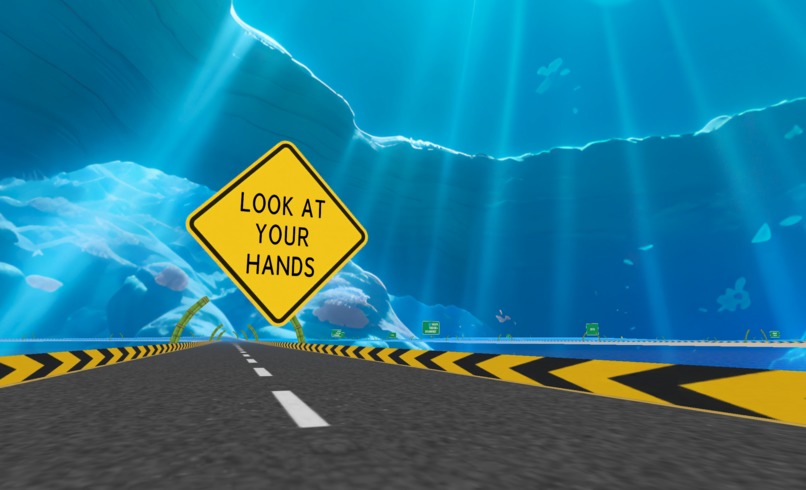
Aquatic themed race track
-
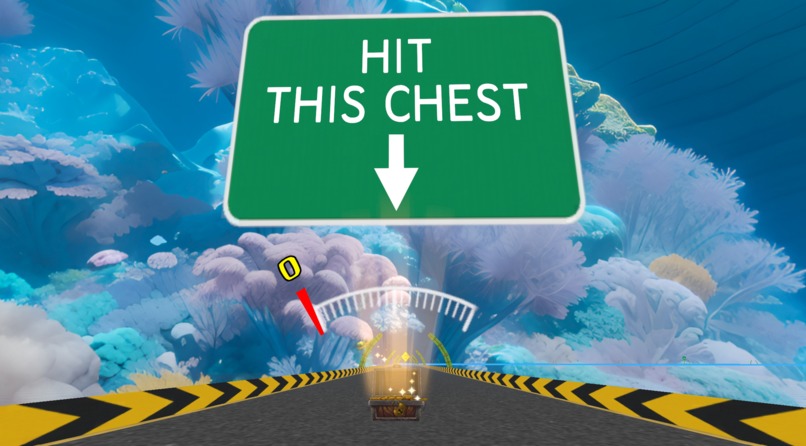
Fun rewarding challenges
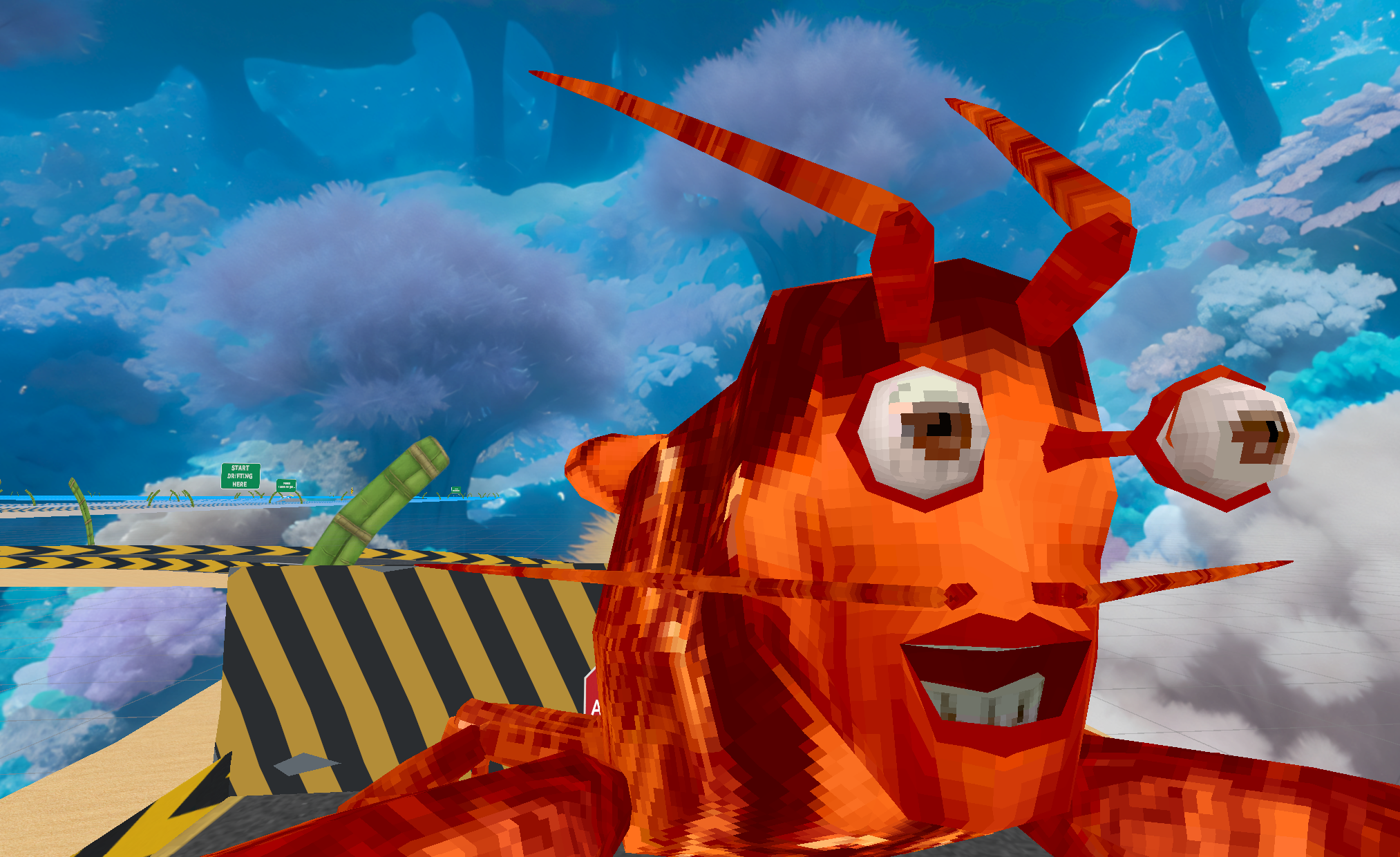
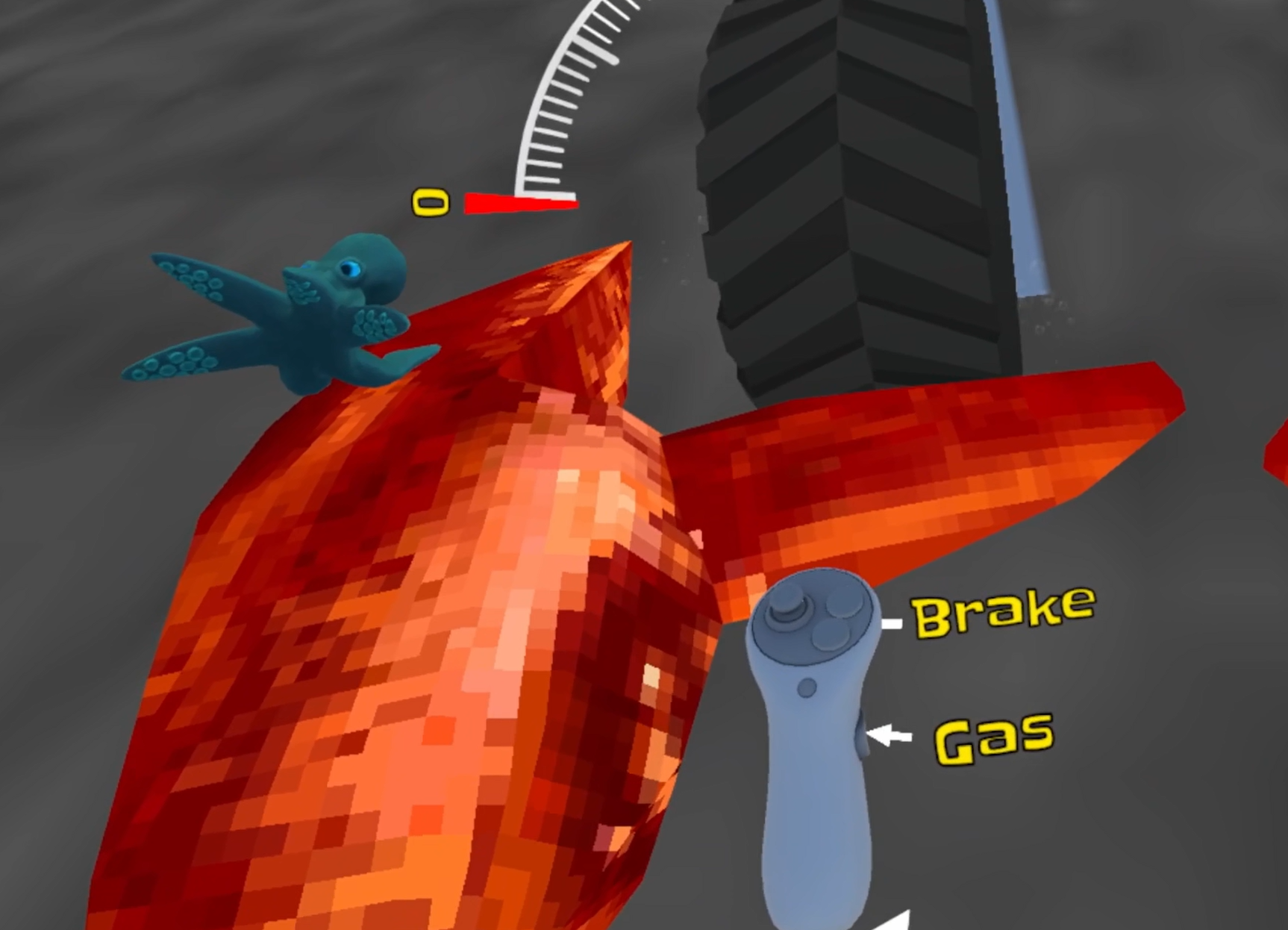
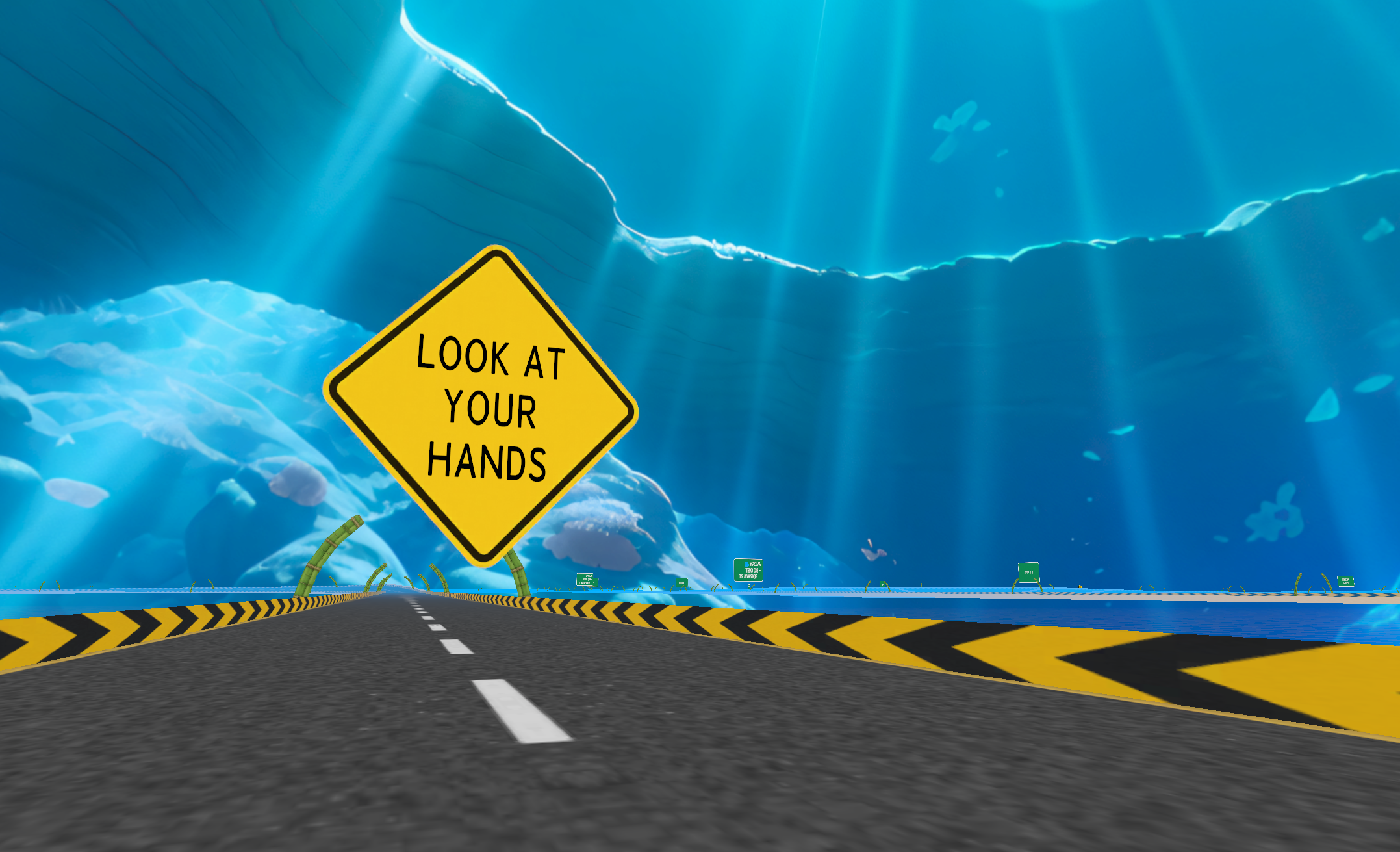
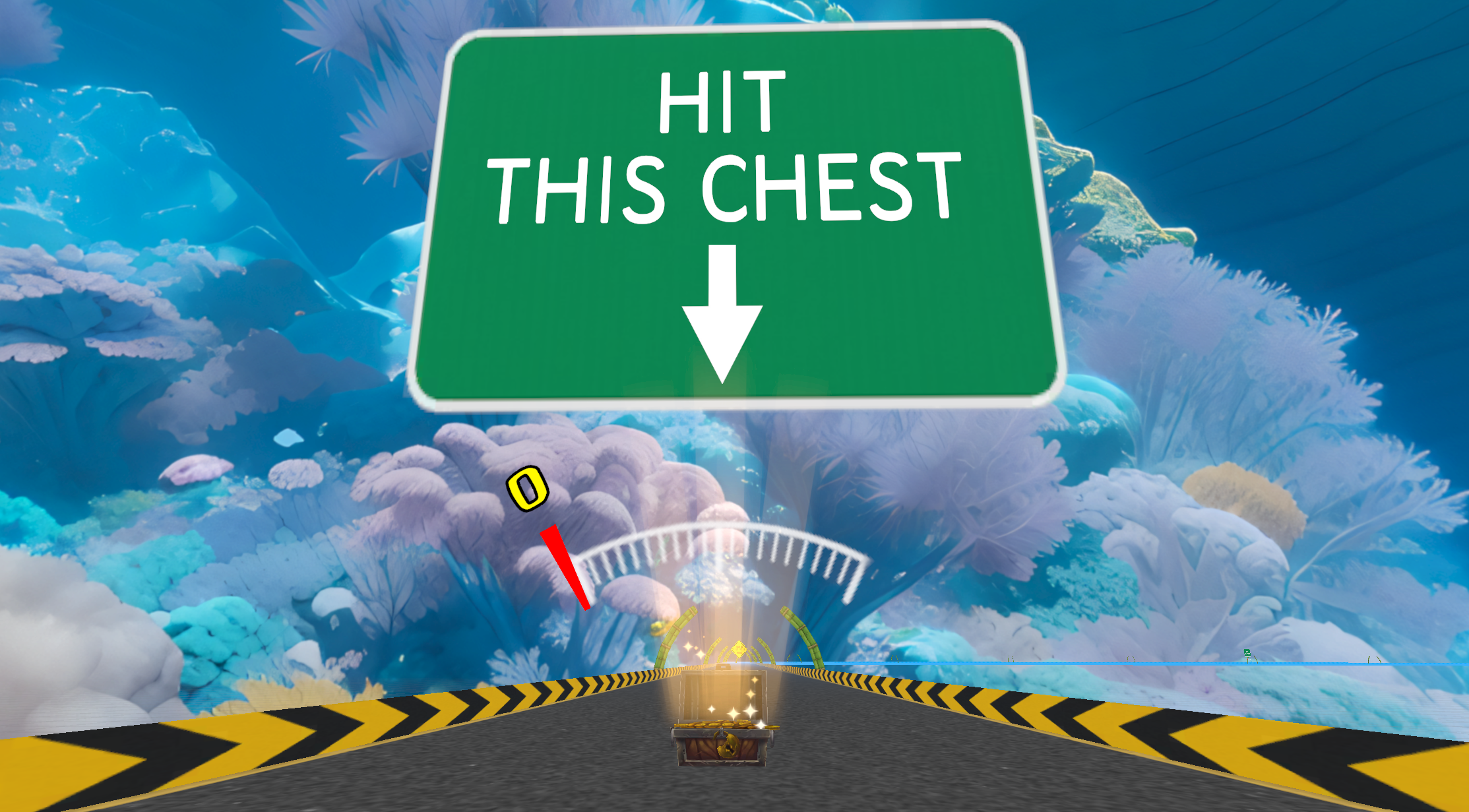
Inspiration
Lobster Roller grew out of a desire to expand on hand-based locomotion in VR—systems popularized by Echo VR/Arena and Gorilla Tag—by imagining what would happen if your hands became wheels. That spark collided with the style and attitude of Jet Set Radio, the momentum-driven flow of Sonic, and the expressive movement and trick-based confidence of Tony Hawk’s Pro Skater.
Outside of games, fast and fluid rollercoasters shaped the early vision, especially Disney’s approach to environmental storytelling, where spaces teach players through design rather than text. Even an office chair contributed to the project: its effortless swivel movement inspired the omnidirectional steering system that makes turning feel intuitive. Drift and rally racing later completed the picture, helping define the game’s risk-reward loop and the real-world road language that grounds its UI and track design.
What it does
At its core, Lobster Roller lets players race through dynamic tracks using wheel-hands to accelerate, drift, and boost. By pressing their wheels against surfaces, players generate forward speed; drifting allows them to redirect momentum through sharp turns. Drifting is risky—it slows the player slightly and demands precise positioning—but it also fills a boost meter. Boosting restores lost speed and enables powerful bursts of acceleration, creating a constant push-and-pull between maintaining control and chasing high-speed flow.
Tracks introduce turns, jumps, obstacles, and branching paths that challenge players to adapt, while optional collectibles encourage daring shortcuts. Whether racing the clock or opponents, players must balance mastery of the movement system with the shifting hazards of each course.
How we built it
The game was developed entirely in Unity, using its native physics system as the backbone of the wheel-hand locomotion. Concepts from control theory and Hooke’s law informed the suspension and contact behavior of the wheels. A third-party spline mesh tool streamlined track creation, and procedural animation tools supported the player avatar’s movements. Licensed assets filled out the visual and audio landscape, allowing rapid iteration on worldbuilding and track layout.
Challenges we ran into
Because the movement system is unconventional, extensive playtesting was essential. Real-world road signage and car-like wheel designs were intentionally chosen to give players familiar cues as they learned something fundamentally new. The game’s high speed also made performance optimization demanding; ultimately, a low-fidelity art style proved necessary to ensure smooth play on standalone headsets.
Accomplishments that we're proud of
I'm proud to have created a movement system that feels fresh and intuitive, navigated significant physics and control challenges, and blended fantastical and real-world elements into a cohesive, readable aesthetic.
What we learned
A strict “design by subtraction” mindset helped me focus on a single satisfying loop before expanding outward, improving clarity and development efficiency.
What's next for Lobster Roller
Upcoming plans include PvP racing, a social sandbox with varied terrain, community tournaments, a track editor, additional track features like loops and rails, and new modes such as time trials and themed challenges—along with a range of cosmetic items.


Log in or sign up for Devpost to join the conversation.