-
-
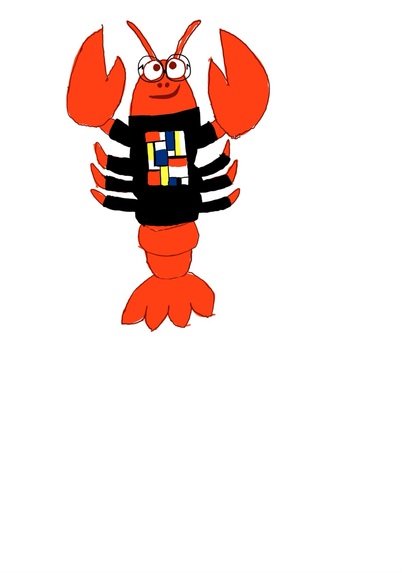
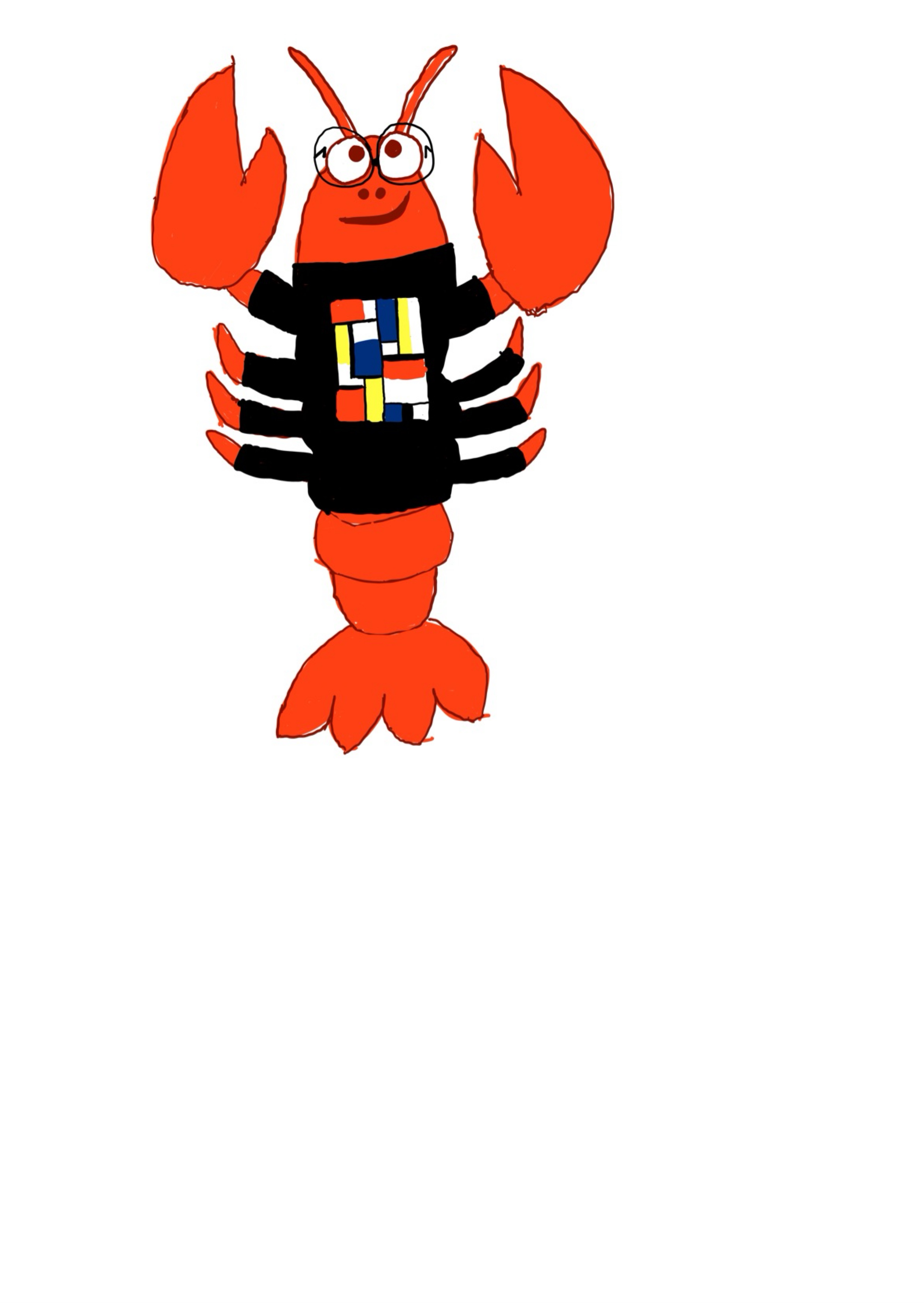
Art Critic Lorenzo
-
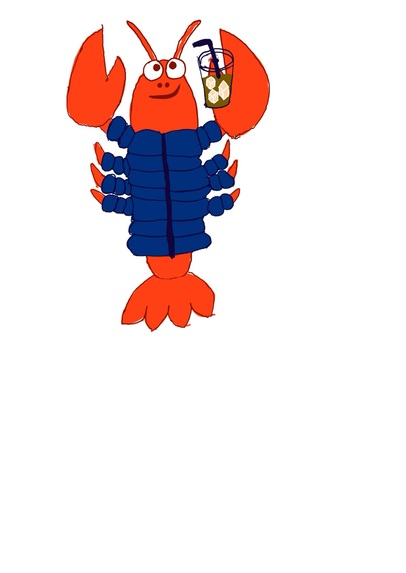
Bostonian Lorenzo
-

Crewneck Lorenzo
-

Mystery Lorenzo
-
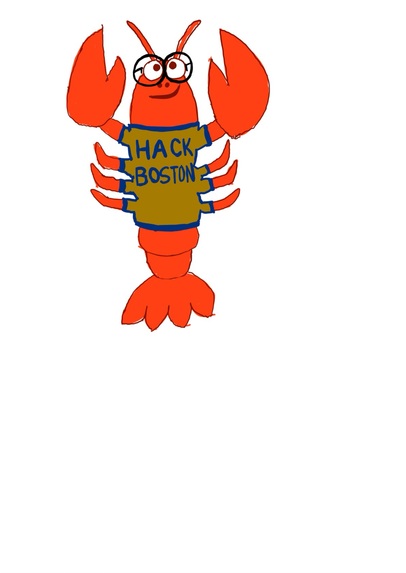
Hacker Lorenzo
-
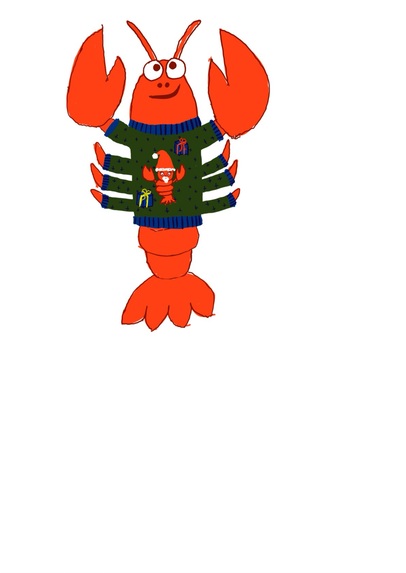
Christmas Lorenzo
-

Halloween Lorenzo
-
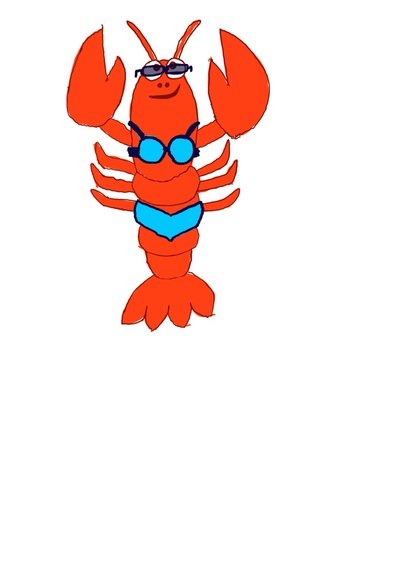
Vacation Lorenzo
-
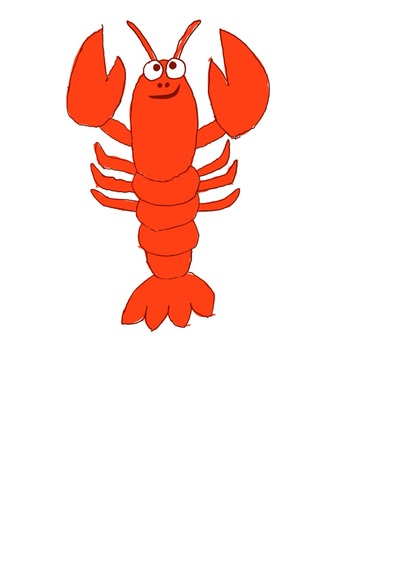
Lorenzo
-

Sleeping Lorenzo
-
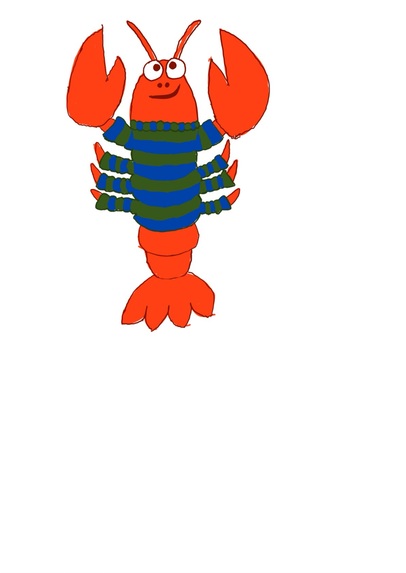
Sweatshirt Lorenzo





Inspiration
As college students, where we are able to go is limited by our access to public transportation, since we don't have cars. Additionally we really care about prices when picking out restaurants and activities because most of us are unemployed or working minimum wage jobs. We wanted to build a website to help students like us find fun things to do within their budget and that's accessible by public and university transit (plus that factors in transportation costs as those can add up). That's how we came up with Lobstah.
What it does
Lobstah answers one question for a student in Boston without a car: where should I eat or go right now, can I actually get there and back on the T, and what will it really cost me?
- Only places that work for you right now. We show spots that will still be open when you arrive, not just open right now. Every card shows the trip time, the round-trip T fare and an estimated total cost with your student discount applied.
- Last Train mode. Late at night, Lobstah hides anything you can't get home from. It tells you exactly when to leave ("Last Red Line from Kendall/MIT ~12:51am · leave by 12:42am") and lets you save a reminder to your calendar.
- Student deals that are real. Every discount is hand-checked and linked to its source, like "$20 student rush tickets" at the A.R.T. or free museum entry with your ID. We match deals to your school, and we never make up a price.
- Your school, built in. Sign in with your .edu email and we add your campus shuttle when it beats the T, use your semester pass so covered rides show as $0, and show what's trending at your school.
- Eat + Do evenings. Lobstah pairs an activity with dinner nearby and works out the whole night door to door, including the ride home.
- Group rooms. Indecisive friends join from a link or QR code without an account. Everyone sets a budget and a craving, then swipes on spots that work for the whole group. If it's a tie, you Spin the Lobster and every phone gets the same winner.
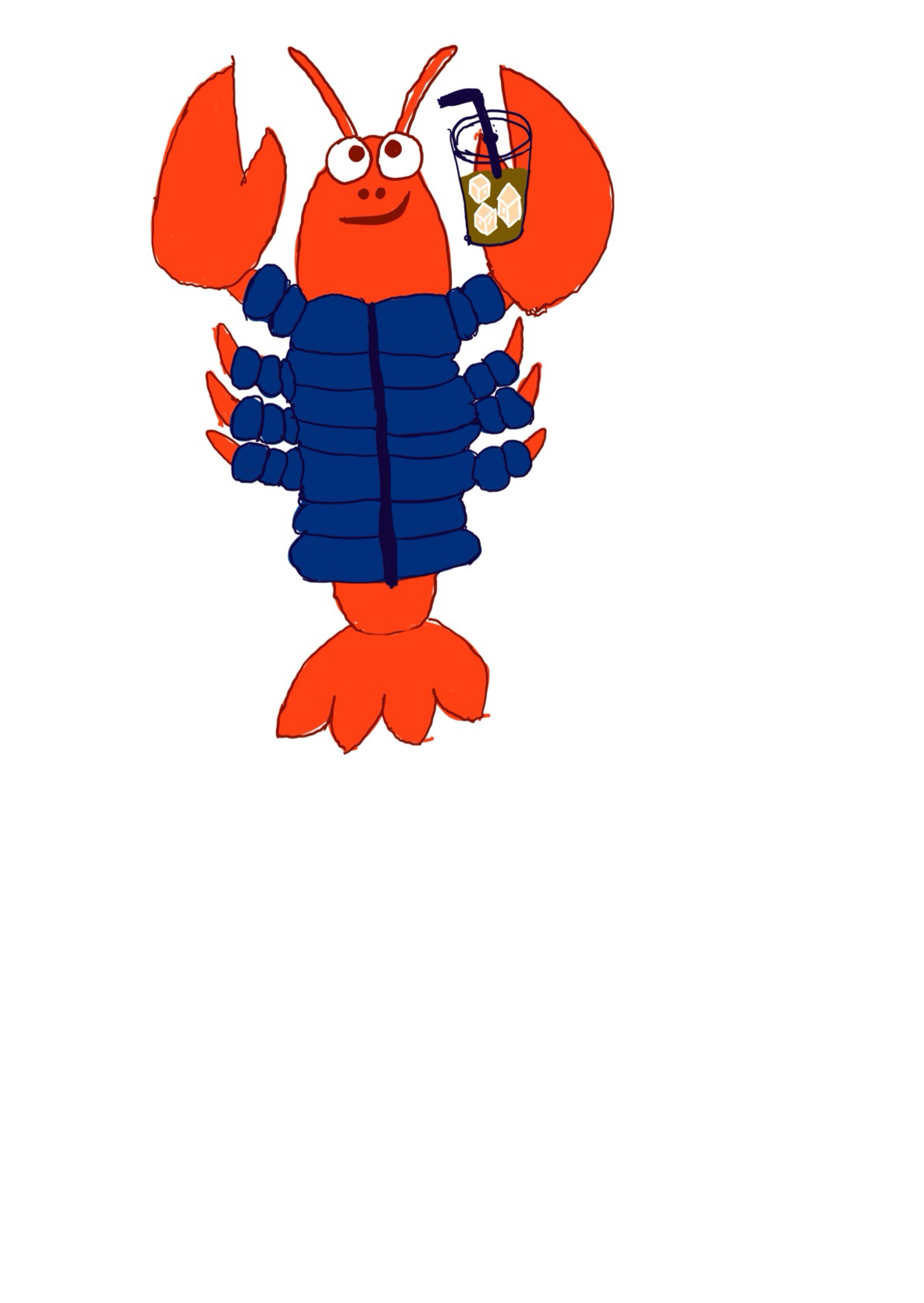
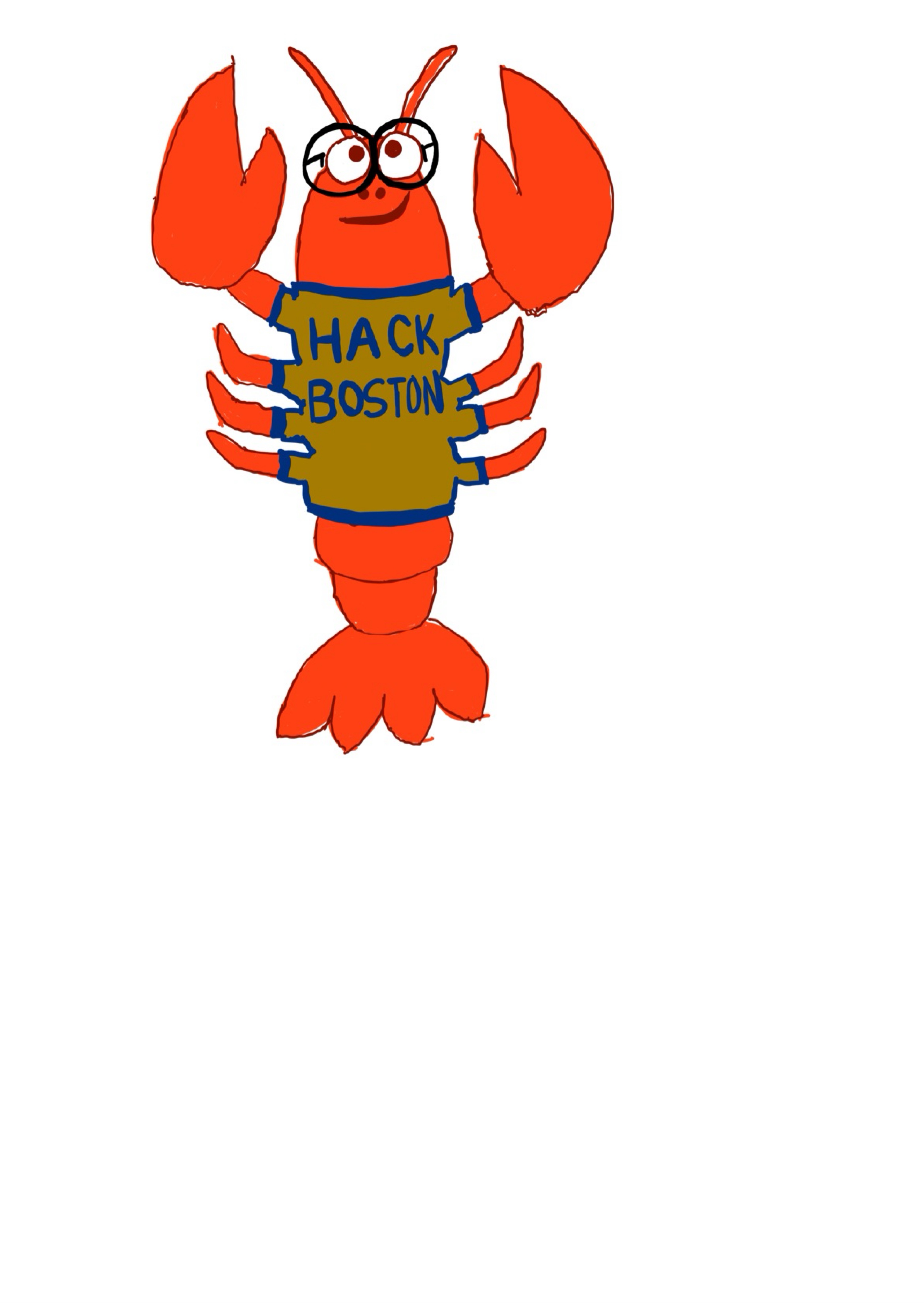
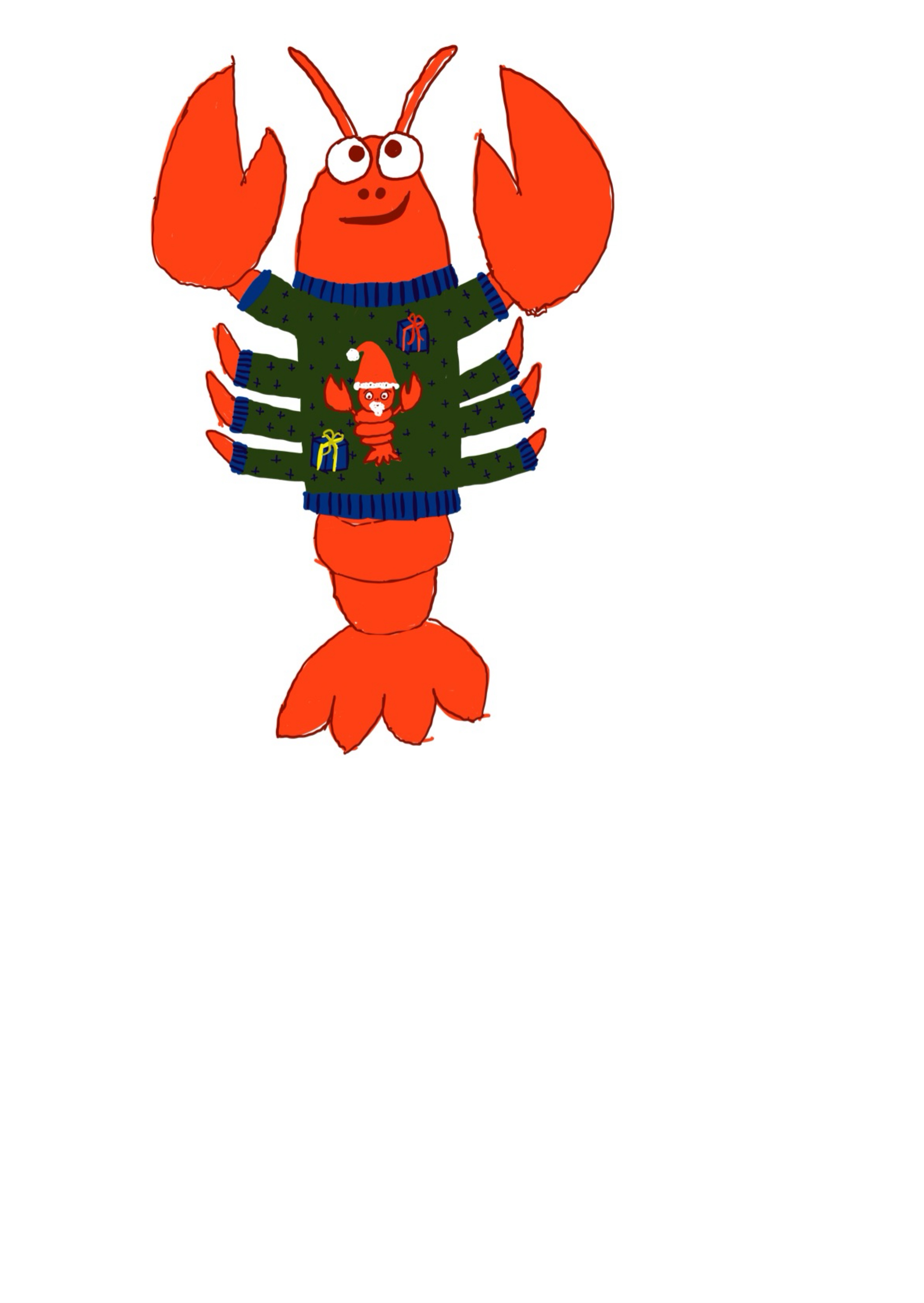
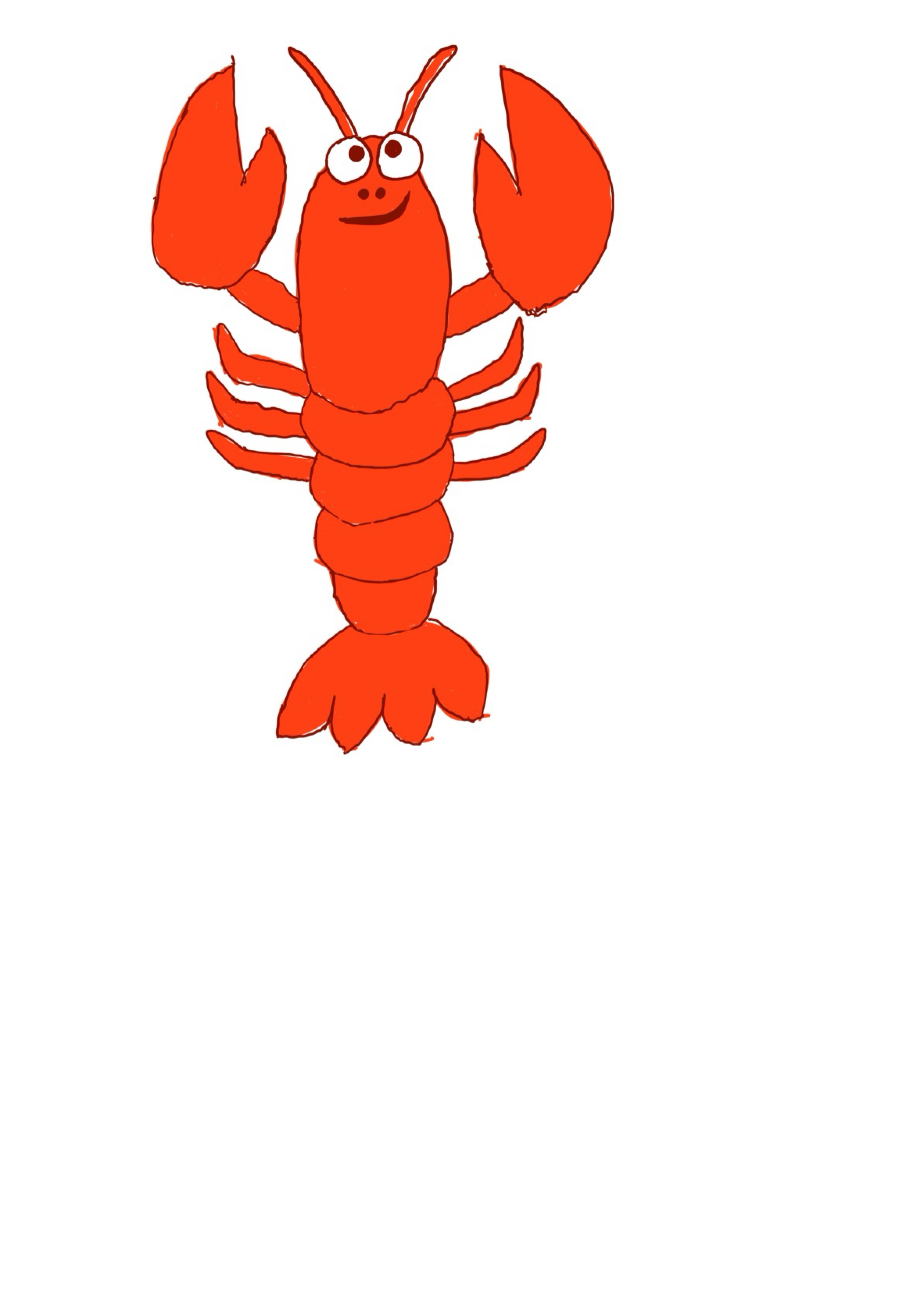
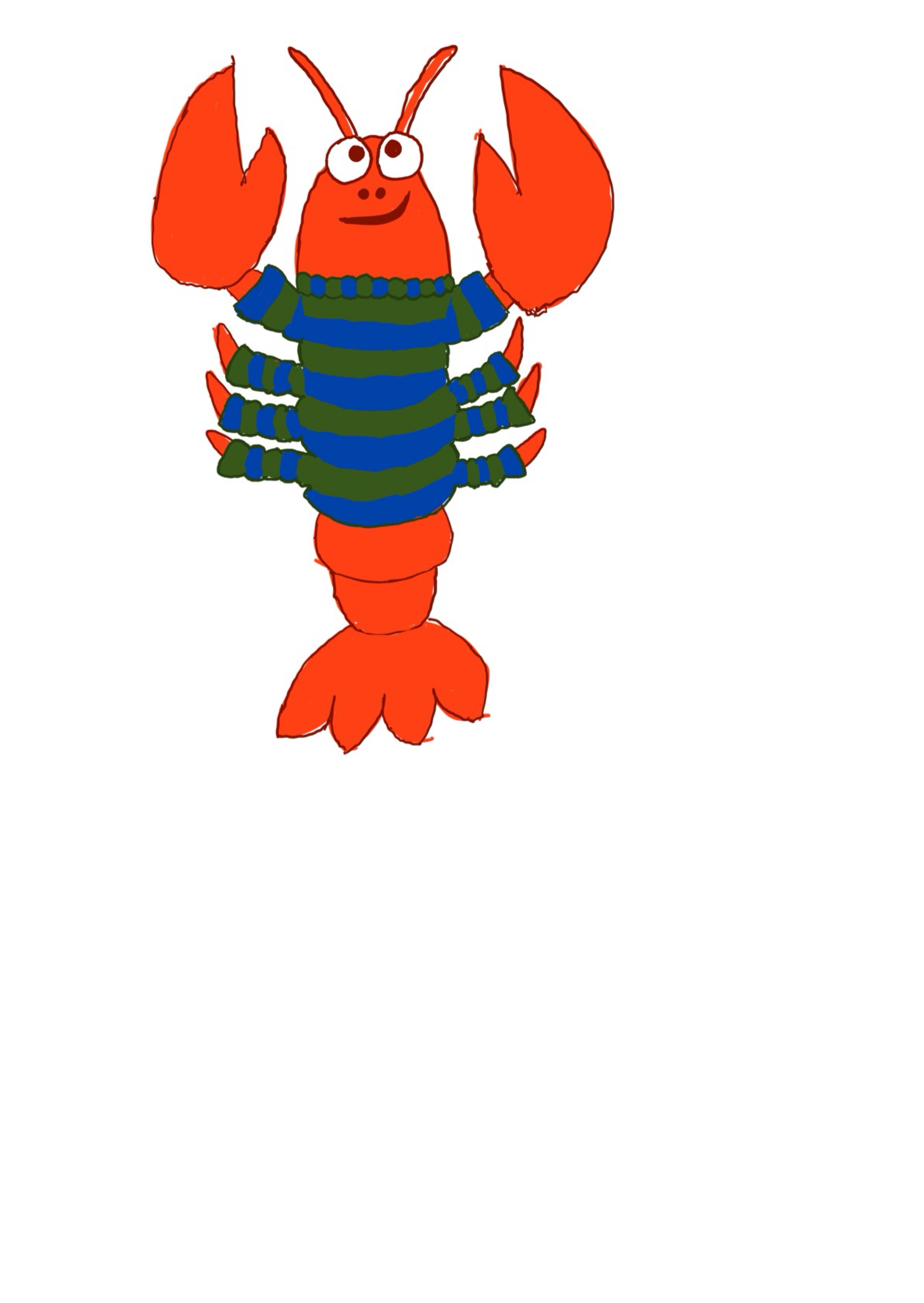
- Check-ins and Lorenzo. Checking in earns points. You rate the place (Liked / Fine / Didn't like), and a few "better or worse than…" questions build your personal ranking. You spend points on outfits for Lorenzo, our lobster mascot: Bostonian, Finals Week, Halloween, Vacation and more.
- Your profile. Places you've been, your want-to-try list, friends, your rankings, and how much you've saved with student deals.
How we built it
- App: Next.js 16 (App Router) with React 19 and Tailwind CSS 4, built mobile-first from our designer's Figma. Our style goal was "cutesy yet high-tech": hand-drawn Lorenzo stickers next to departure-board numbers and the T's own line colors. Maps use Leaflet and OpenStreetMap.
- Data: about two dozen hand-checked student deals, places from OpenStreetMap, and MBTA stations and last-train times from the MBTA V3 API. All of it is saved in the repo as seed data, so the demo never depends on an outside API being up.
- Transit and cost: we wrote our own trip and fare engine. It accounts for the MBTA's 2-hour free-transfer window (so the ride home can be free), checks opening hours against your arrival time, checks the last train home, and adds the fare to the food or ticket price with your discount.
- Backend: Supabase (Postgres plus .edu-only magic-link sign-in) for check-ins, ratings, friends, group rooms and the lobster collection. It's deployed on Vercel.
- Team process: we split into frontend and backend and coordinated through a shared contracts doc. Backend published each API before frontend built on it. A demo:check script hits the live API with our demo setup and must pass before every merge. We also used Claude Code throughout to build faster.
- Art: Elizabeth hand-drew every Lorenzo.
Challenges we ran into
- There's no API for student discounts. We collected them by hand, saved a source link and a "checked on" date for each, and made a rule never to show a price we couldn't source. That includes rideshare, which we show as "price varies."
- Time zones nearly broke everything. A server running on UTC decides half of Boston is closed at 7pm. All our time math had to run in America/New_York.
- "Can I get home?" is harder than it sounds. The return trip isn't the outbound trip in reverse, last trains change by day of the week, and the 2-hour fare window depends on how long you stay. We picked a demo time (12:10am on a Thursday in finals week) and wrote a script to prove the edge cases show up.
- Free tiers fought back. Supabase's free email service can't put a code in the sign-in email, so we switched to magic links. It also limits how many emails go out per hour, and we hit that limit while testing. Vercel temporarily blocked our deploys after too many in one day.
- Three people, one repo, very little sleep. Parallel pushes meant a lot of rebasing and careful merge rules.
Accomplishments that we're proud of
- Last Train mode works on real MBTA data. It's the feature we wish we'd had freshman year.
- Every card shows a true total cost, fare included, and every deal links to where we found it.
- Group rooms work across phones without accounts, and Spin the Lobster picks the same winner on every phone.
- Lorenzo, as we really liked using human-made art, as well AI is a powerful tool we appreciated the more old school process of making our own designs.
What we learned
- Shipping beats polishing a second version: a great list matters more than a broken map.
- Being honest with data is a feature. Saying "price varies" or "admission unknown" builds more trust than a made-up number.
- Agreeing on API contracts early let frontend and backend work in parallel without blocking each other.
- Transit is full of edge cases: fare windows, last trains, weekend schedules, and campus shuttles that sometimes beat the T.
What's next for Lobstah
- Student-verified deals: students confirm or report deals, a deal counts as verified after 3 independent confirmations, and stale ones fade out.
- Campus shuttles for every school, not just the ones we've added so far.
- A real iPhone app (a native wrapper around the web app) with notifications like "leave in 10 minutes to make the last train."
- Better trend signals, from Google Trends, TikTok and Instagram.
- More Lorenzo: more seasonal and vacation outfits, 3D Lorenzos, and trading with friends.
- Rankings and the heatmap of where students are going, on real data once more students use it.
Built With
- claude
- css
- figma
- github
- html
- javascript
- leaflet.js
- lucide
- node.js
- sql
- supabase
- typescript
- vercel


