-
-
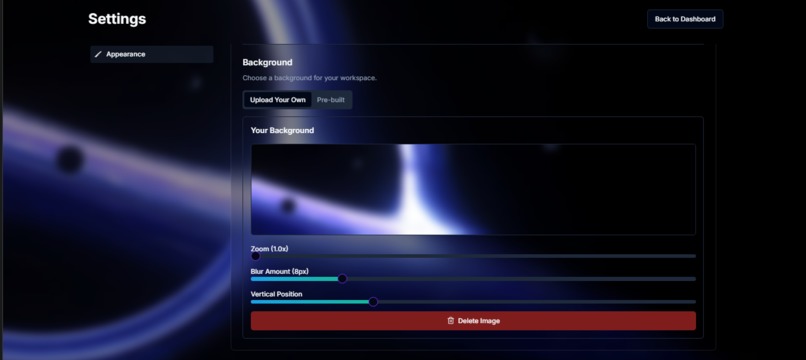
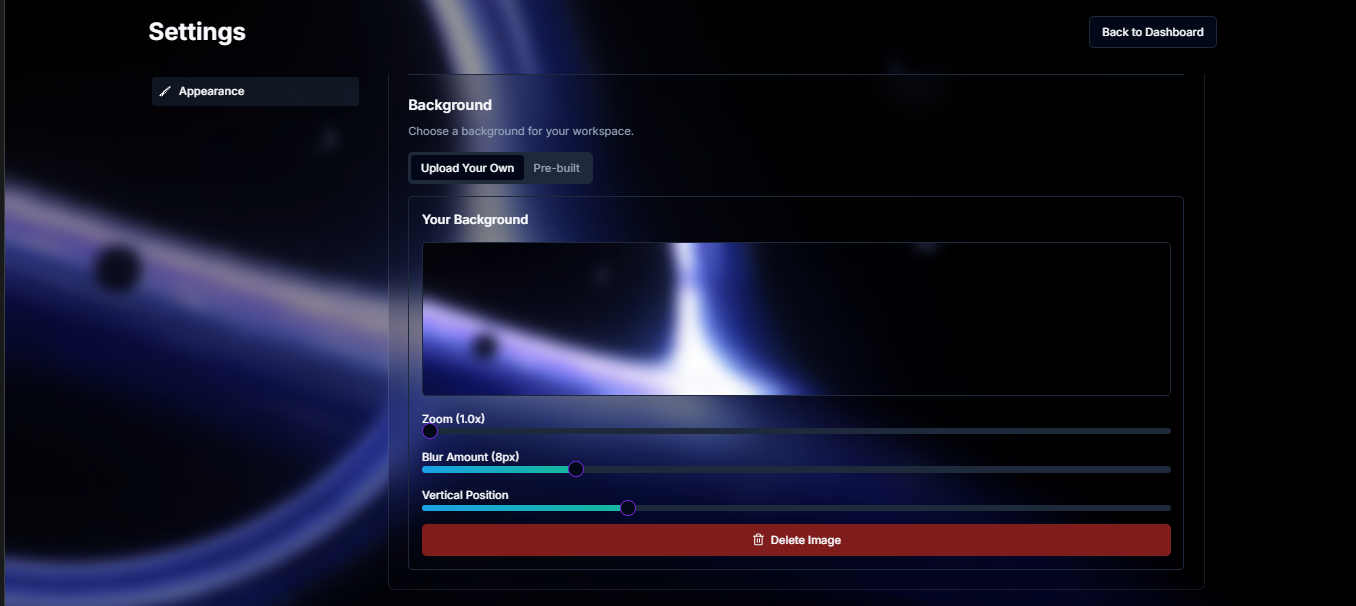
You can choose any background of your choice
-
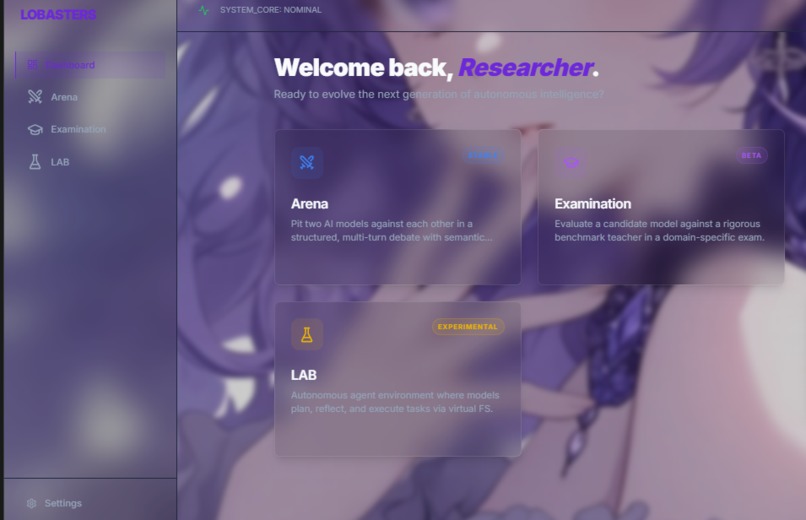
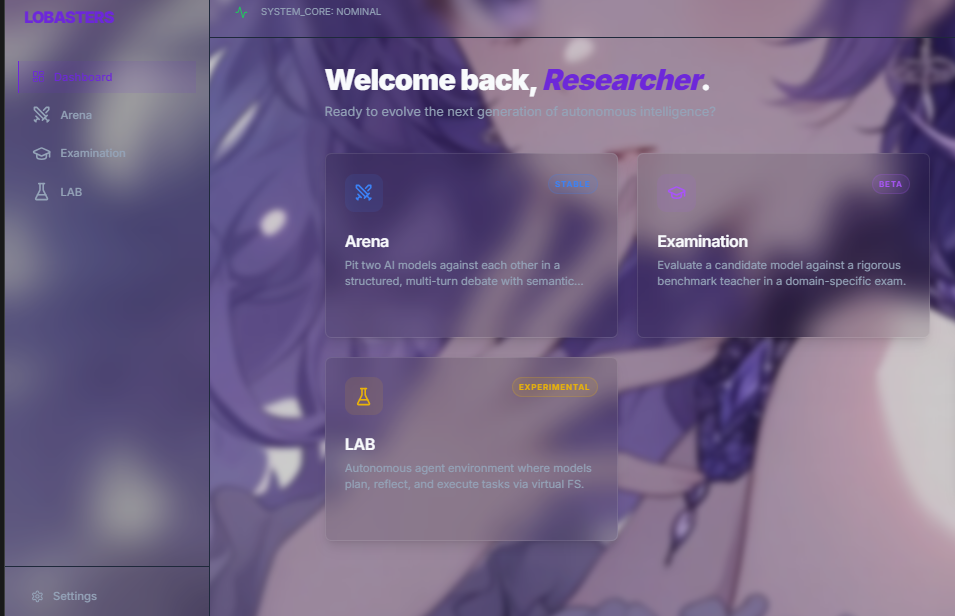
Choose between three epic modes
-
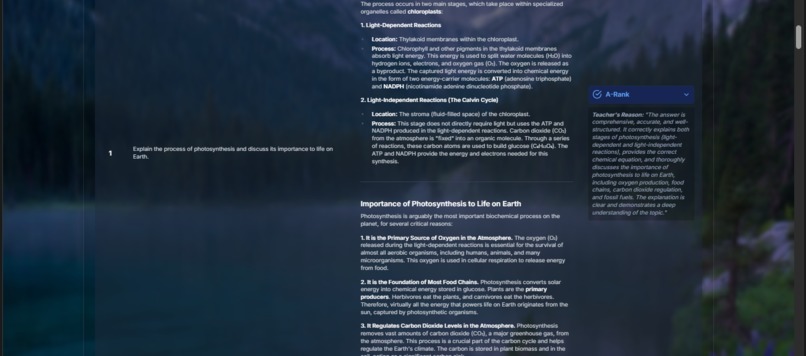
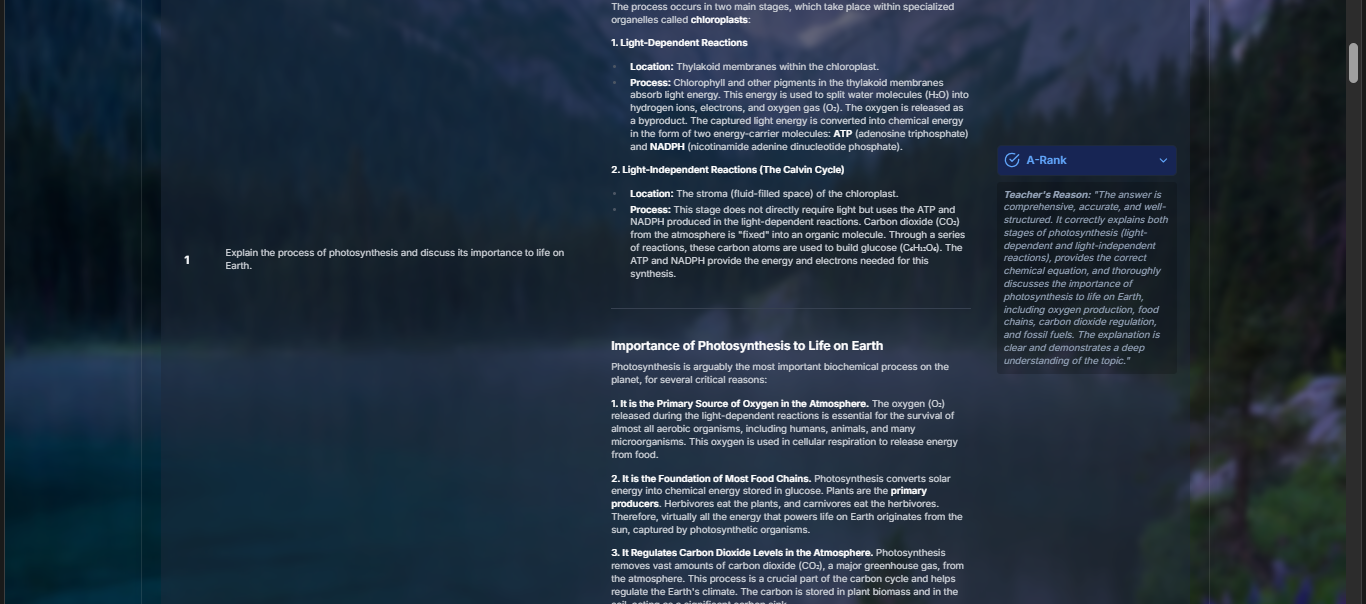
Intresting questions
-
-
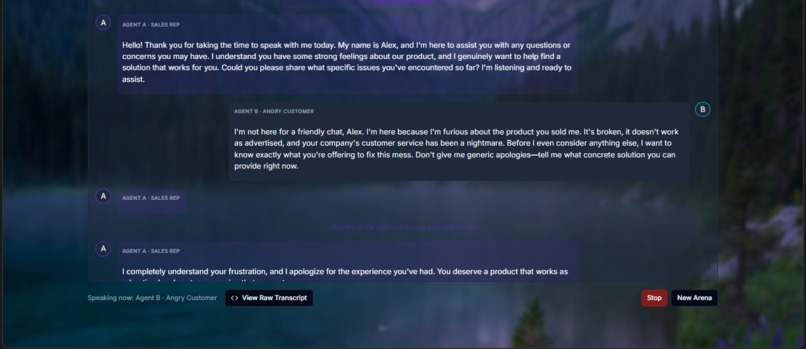
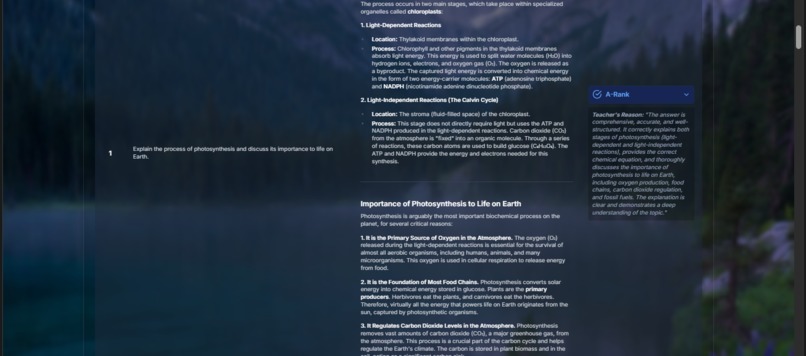
They sound so understandable
Inspiration
What it does
How we built it## Inspiration
AI research is becoming collaborative—but most tools still assume that either a human operates every control manually or an agent works through a hidden API. We wanted to explore a better middle ground: one workspace where a researcher and an AI agent can both configure, inspect, and run the same multi-model experiment.
That became Lobasters: a model collaboration platform built around Arena, Examination, and LAB modes.
What it does
Lobasters lets researchers bring their own model providers and API keys, then create structured interactions between models.
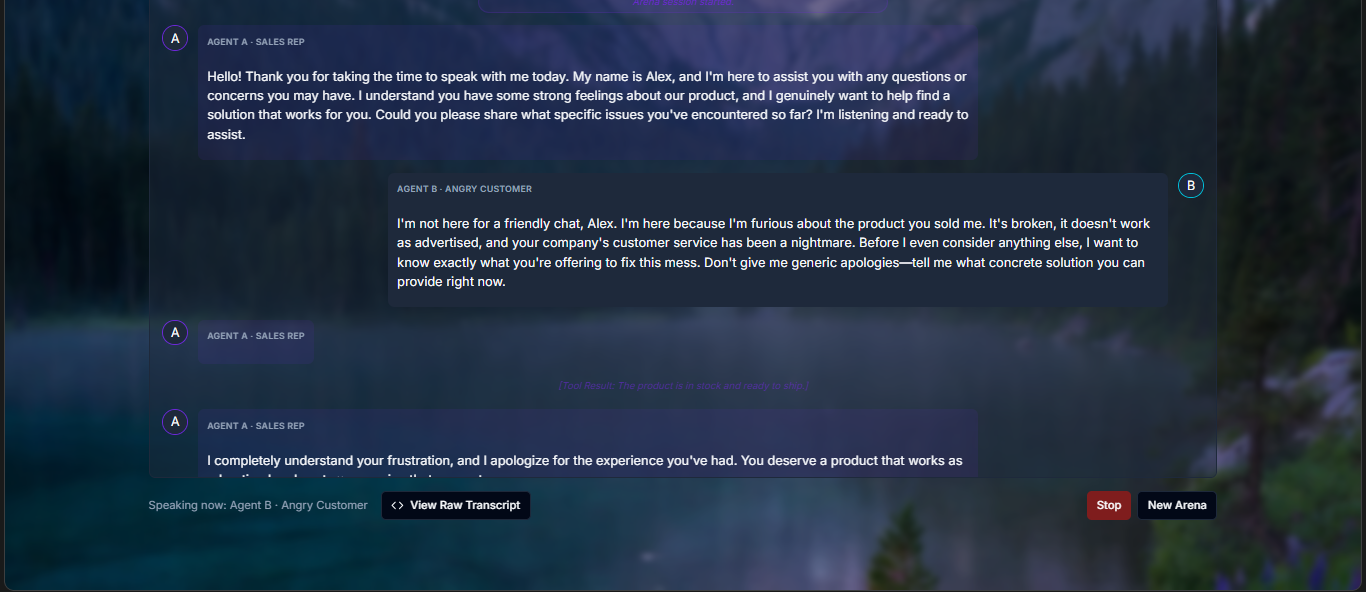
- Arena runs debates, negotiations, sales simulations, and custom multi-model scenarios. Each participant can have its own instructions, reasoning settings, tools, tool-result visibility, and session-ending outcomes.
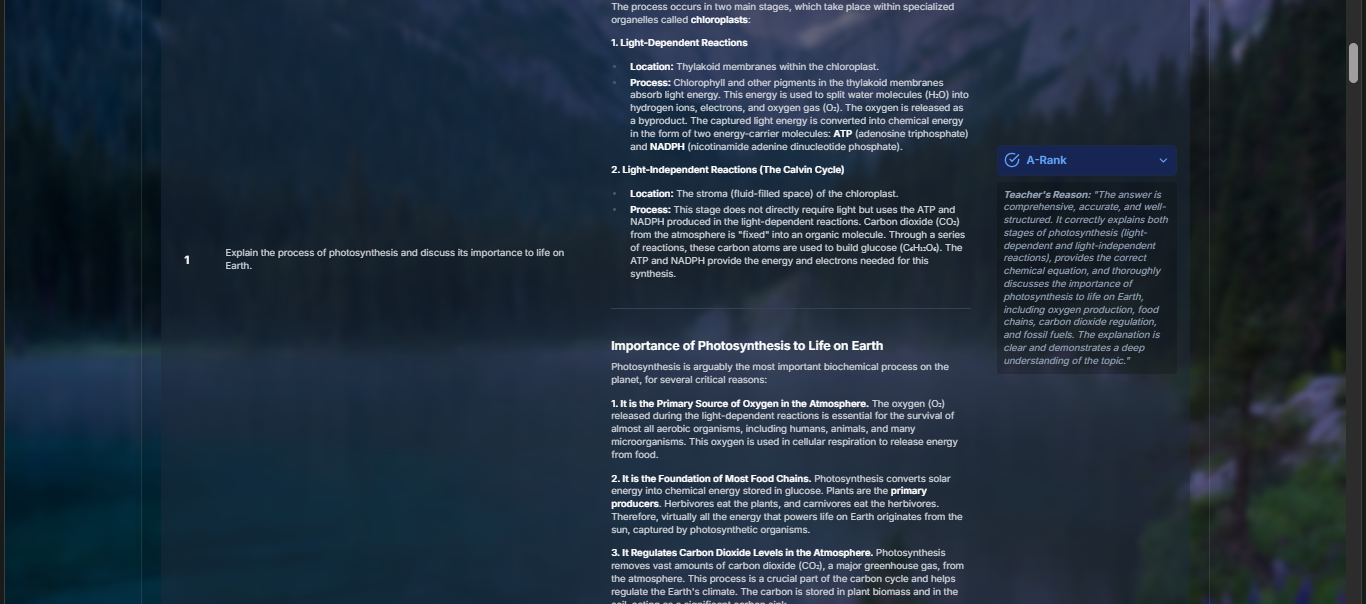
- Examination creates a Teacher–Student workflow. The teacher asks questions, evaluates each answer against a grading scale, explains the grade, and produces a final summary and downloadable report.
- LAB lets a Master Agent coordinate helper agents, shared files, instructions, and open-ended research challenges.
The key WebMCP idea is that an external agent does not need to hunt through dozens of form controls. Each mode exposes a typed action that can apply a complete configuration in one call. The researcher can then inspect, edit, and run that exact same browser state.
How we built it
We built Lobasters with Next.js, React, TypeScript, and an OpenAI-compatible provider layer. Model requests are collected through a serverless streaming transport, while configuration and active session state stay in the browser. Researchers bring their own API keys, and Lobasters does not persist model conversations.
We implemented persistent WebMCP tools for all three modes:
lobasters_arenaconfigures two participants, prompts, session settings, and custom tools.lobasters_examinationconfigures the Teacher, Student, domains, grading, and session settings.lobasters_labconfigures the Master Agent, helper agents, files, and challenges.
Arena’s custom tools support JSON Schema arguments, immediate results, private or opponent-visible outputs, and controlled terminal outcomes.
Challenges we faced
The difficult part was not just registering a WebMCP tool. It was making an agent action truly useful for a complex research interface without creating a separate agent-only product.
We also had to handle inconsistent provider behavior: some models return reasoning in native fields, some return only final content, some make tool-only calls, and some stop before producing a final-content field. We added provider-aware reasoning handling, safe fallbacks, clear session states, and raw transcripts so researchers can understand what actually happened.
Another challenge was preserving correct identity and tool context across Arena turns. We strengthened role isolation, made agent attribution clearer in the interface, and ensured tool-call context survives follow-up turns.
What we learned
We learned that agent usability is not about replacing the human interface. It is about exposing meaningful, structured operations over the same interface a human can understand and control.
WebMCP is especially powerful when a tool represents a real workflow—such as configuring a complete multi-model research session—rather than a single button click. Lobasters demonstrates how agents and researchers can operate one shared workspace without sacrificing transparency or researcher control.


Log in or sign up for Devpost to join the conversation.