-
-
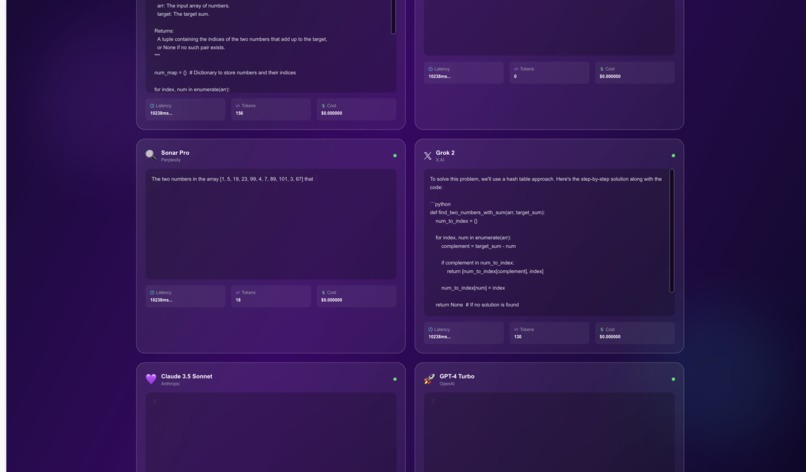
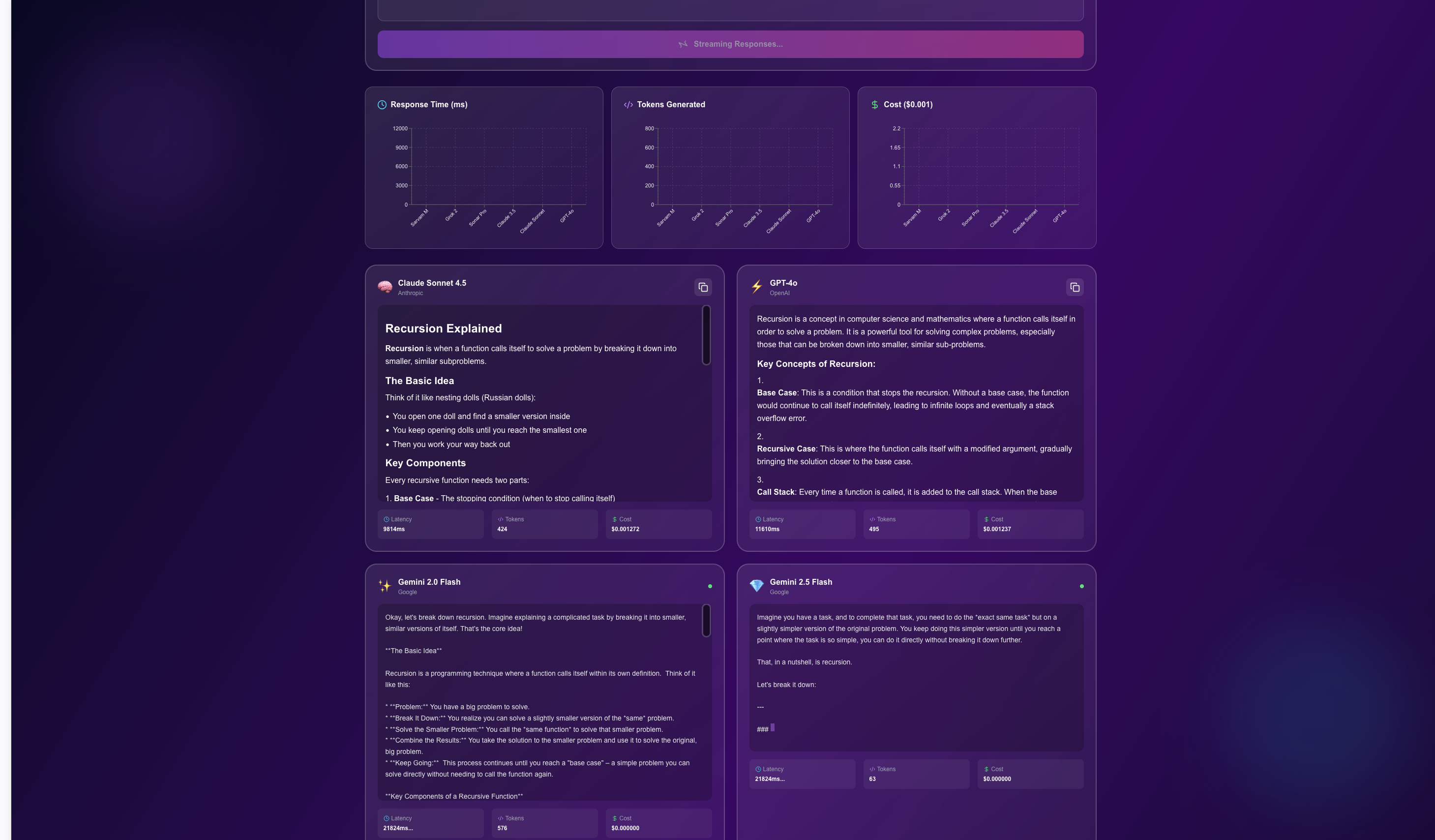
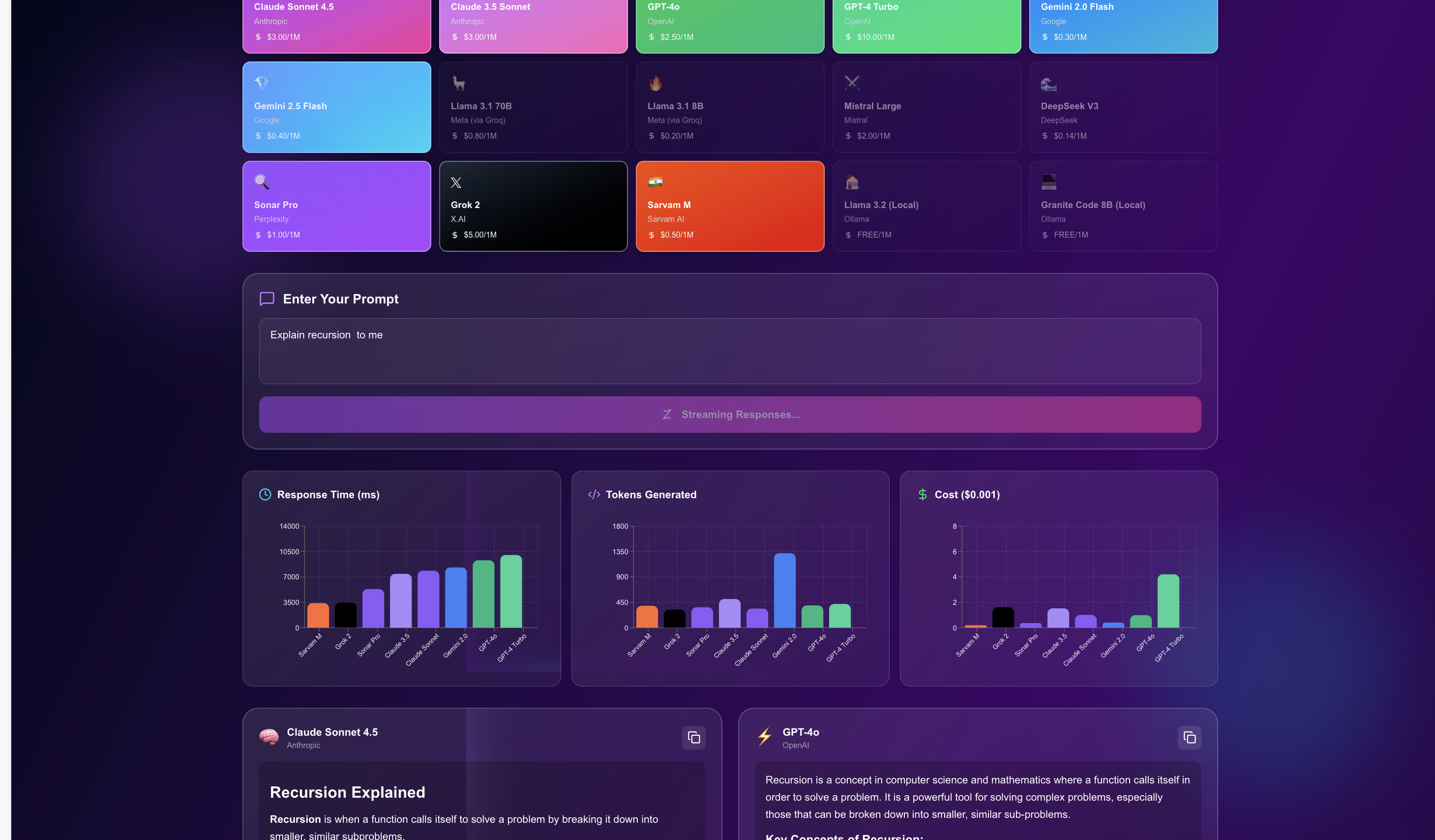
Response from different models
-
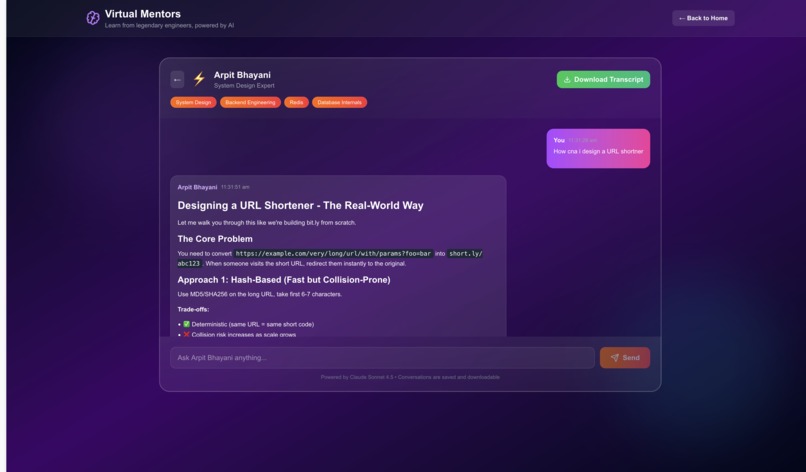
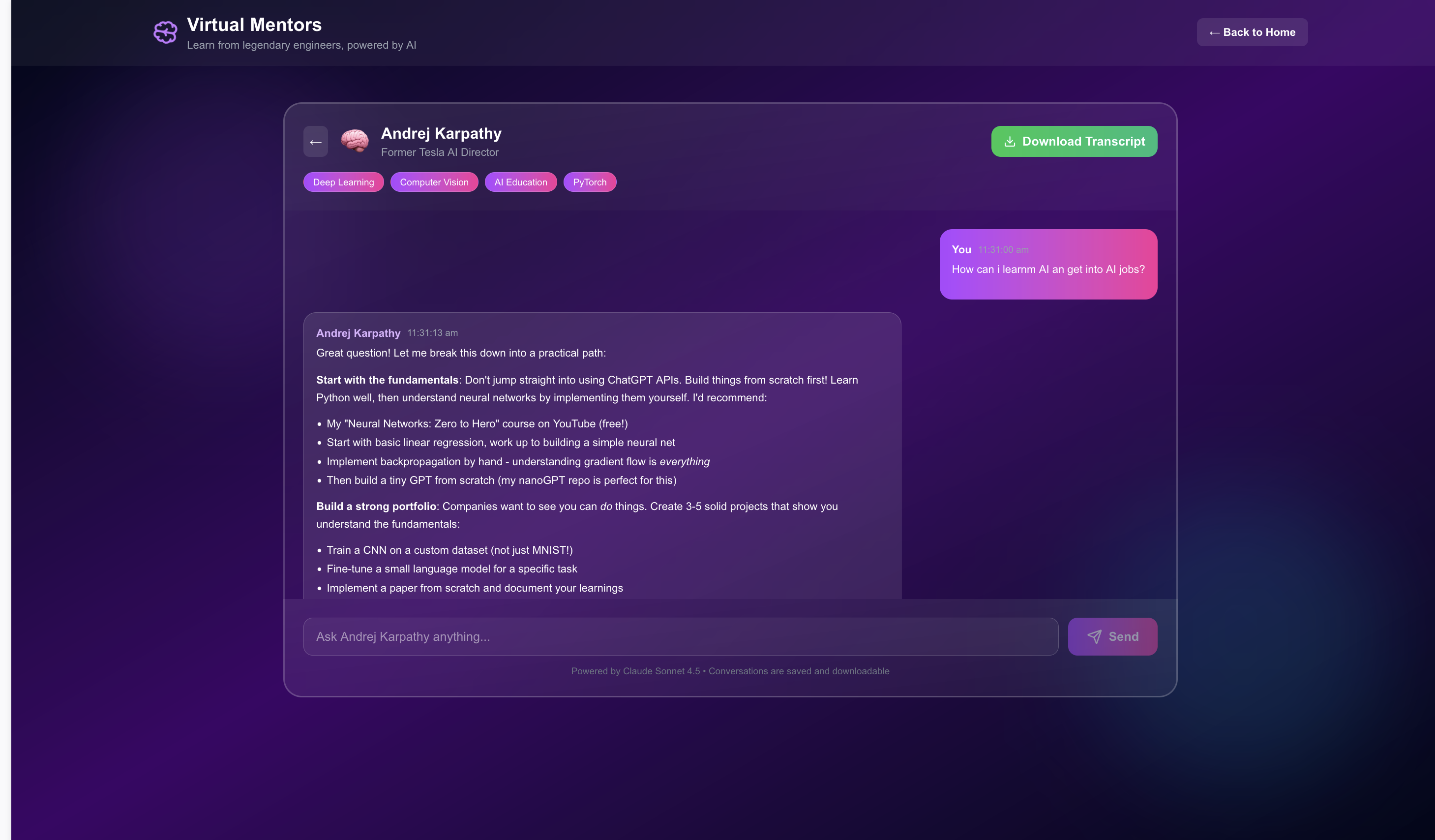
Virtual Mentoring - Arpit Bhayani
-
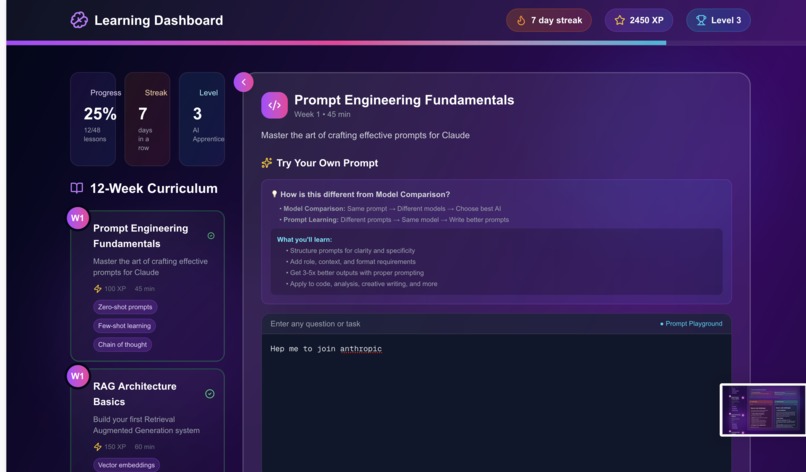
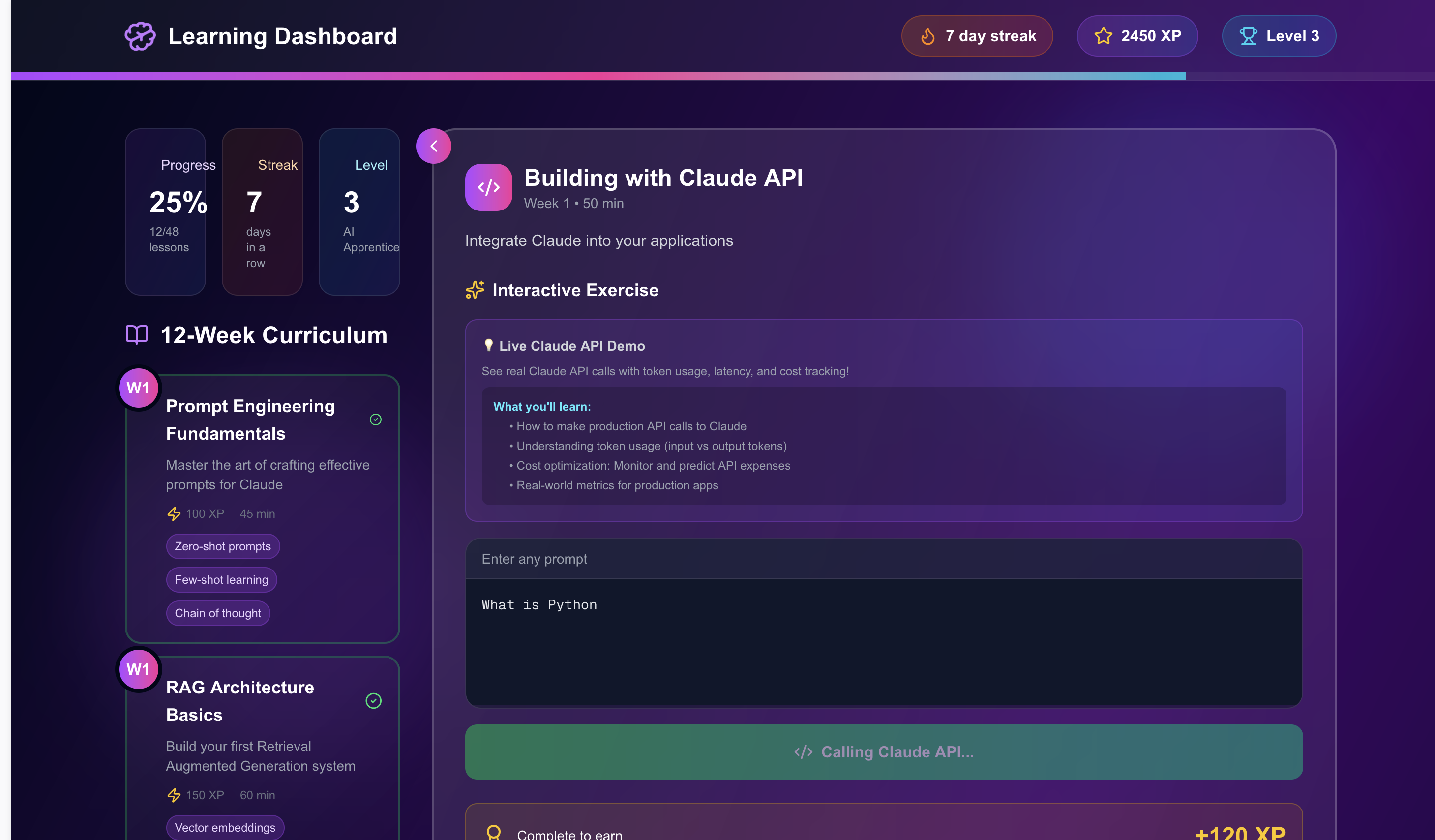
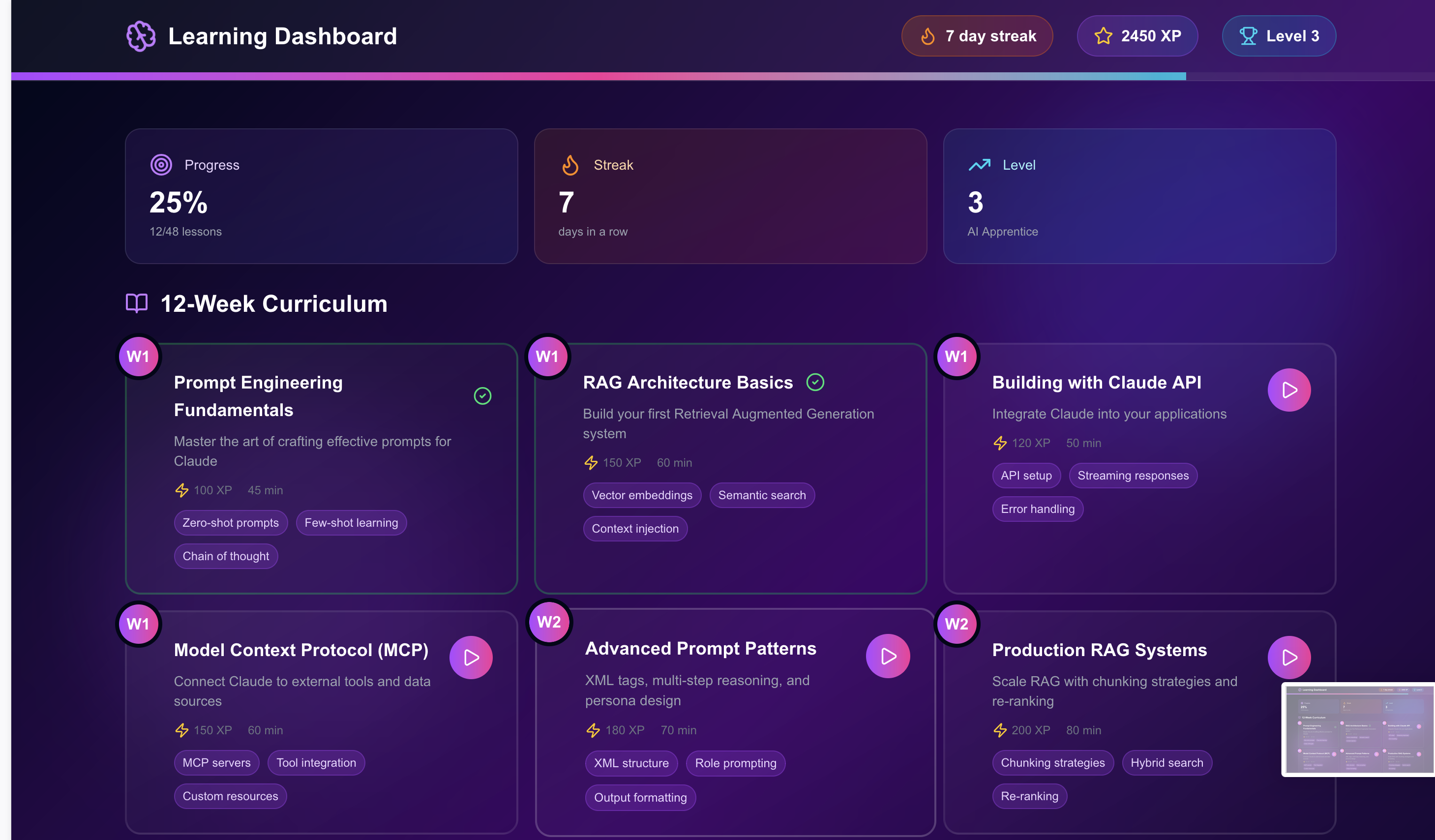
Learn Prompt
-
-
-
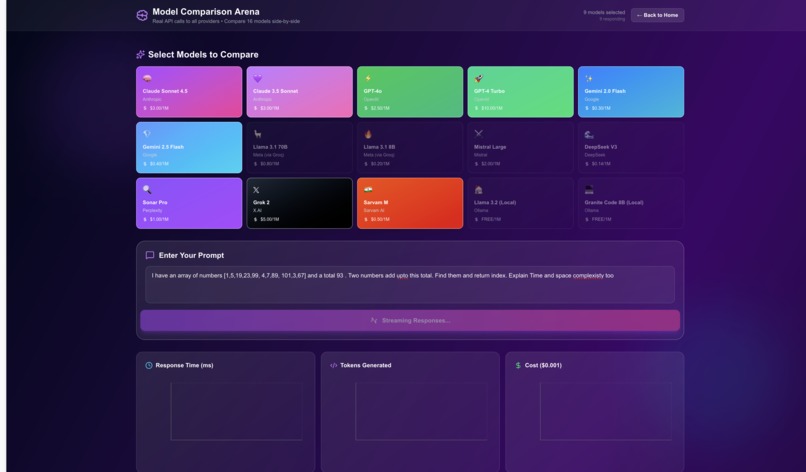
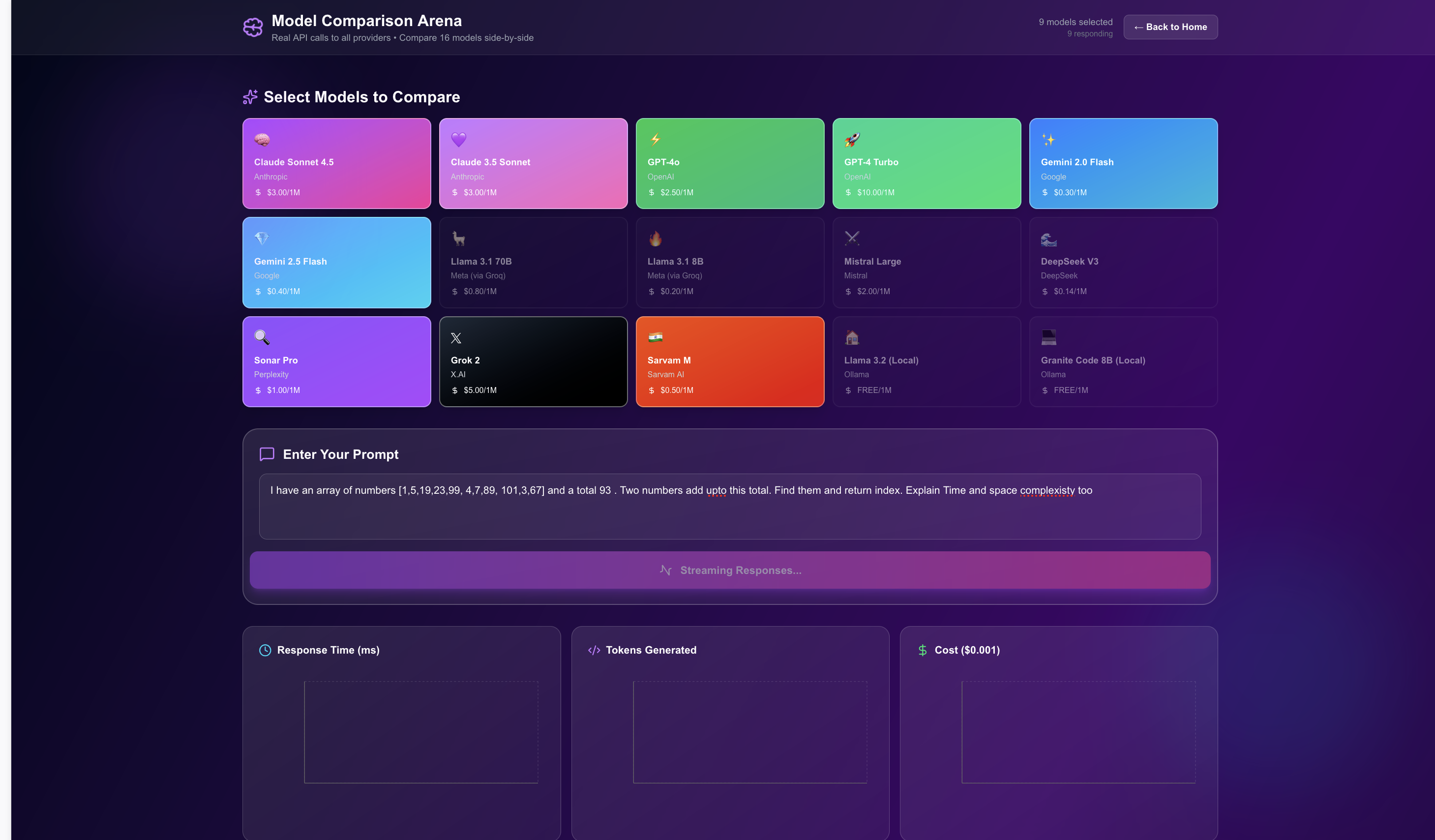
Available models
-
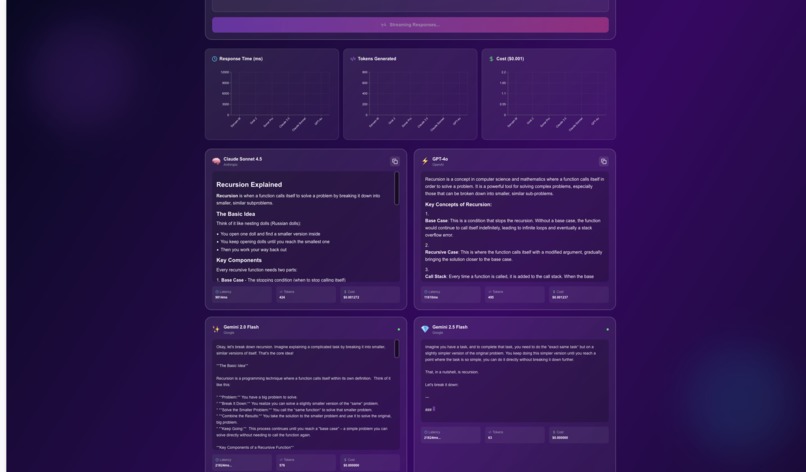
Response from different models
-
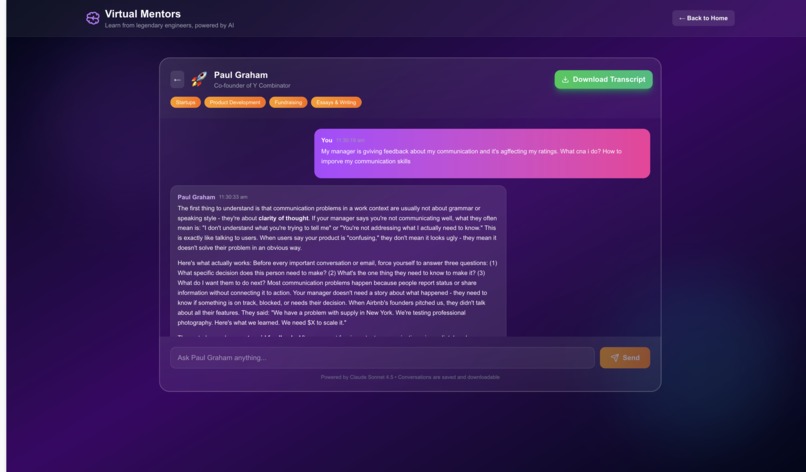
Virtual Mentoring - Jeff Dean
-
-
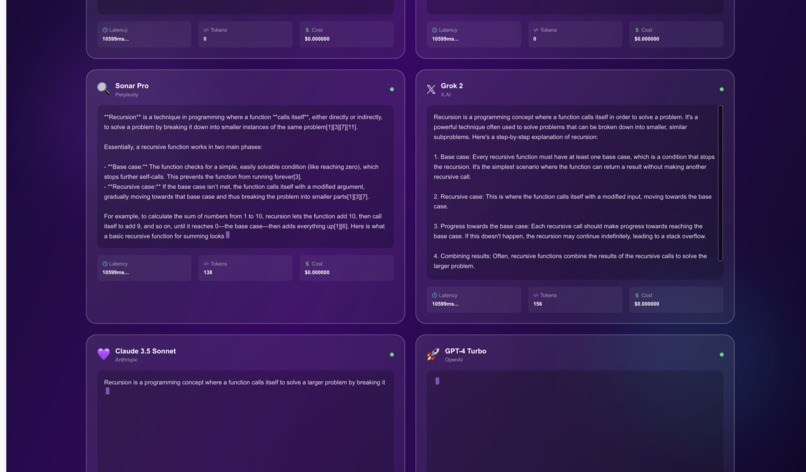
Response from different models
-
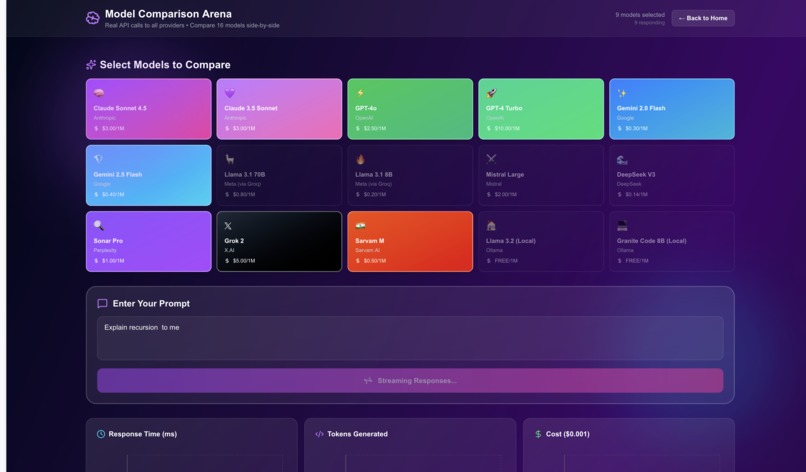
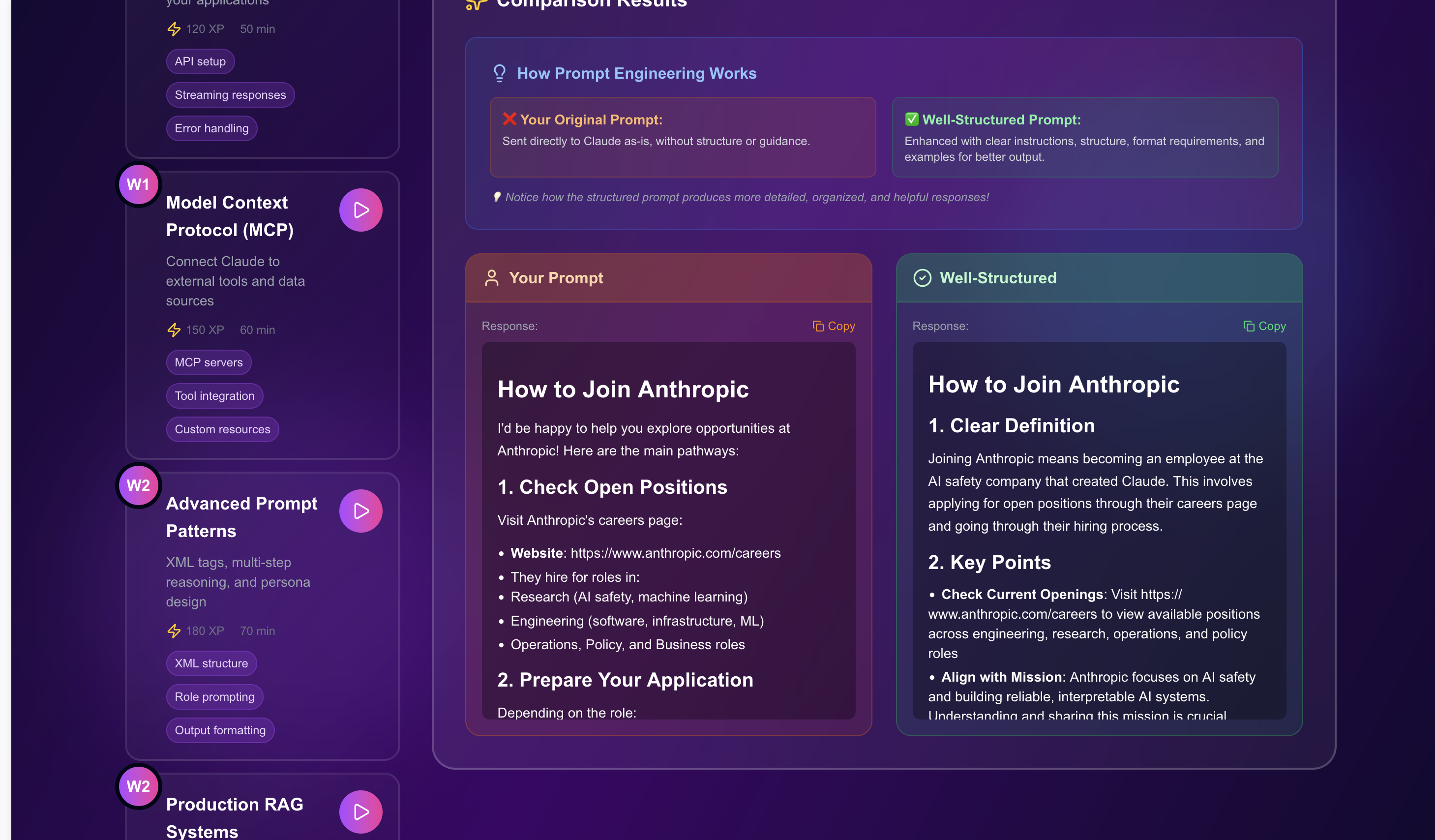
Learn by model comparison
-
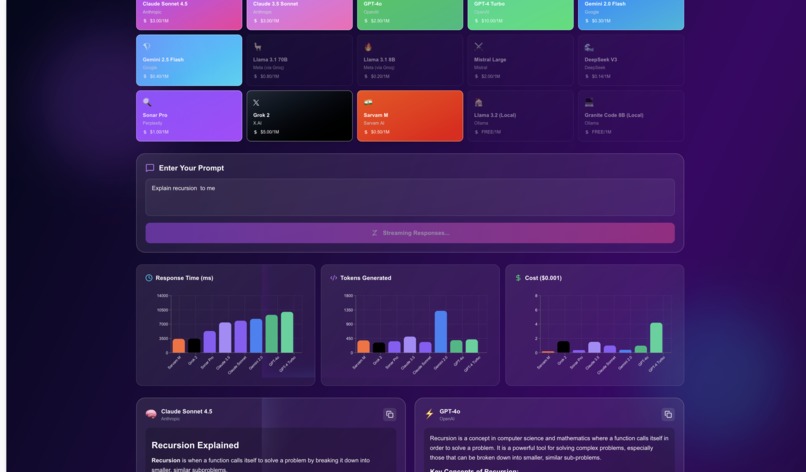
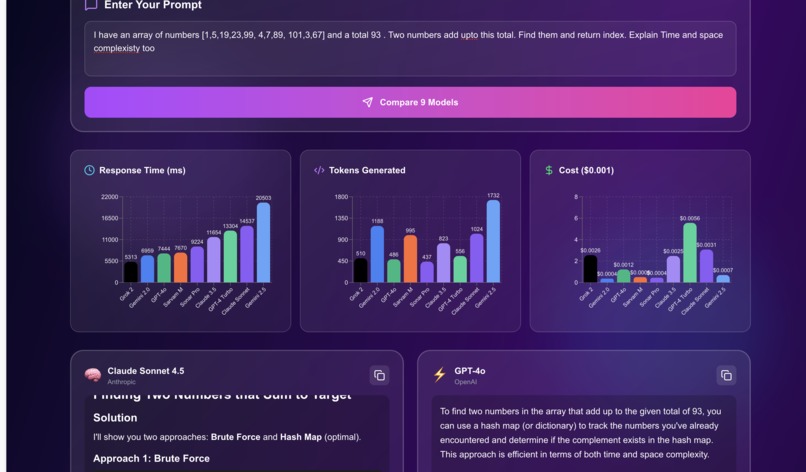
Model comparison results - request time, cost, token
-
-
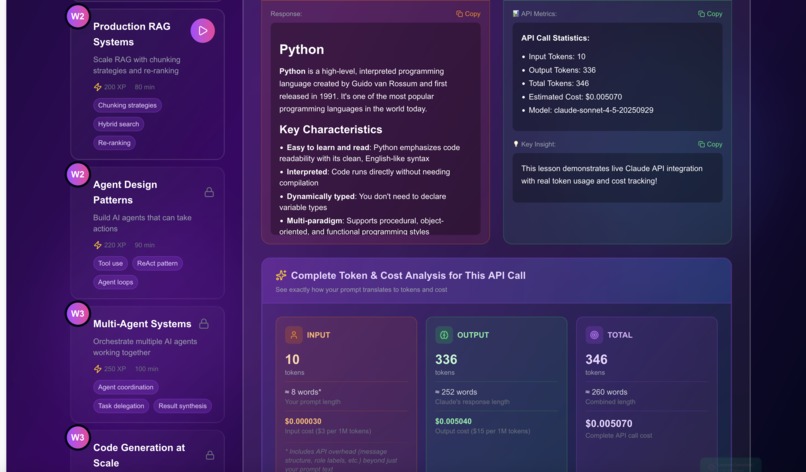
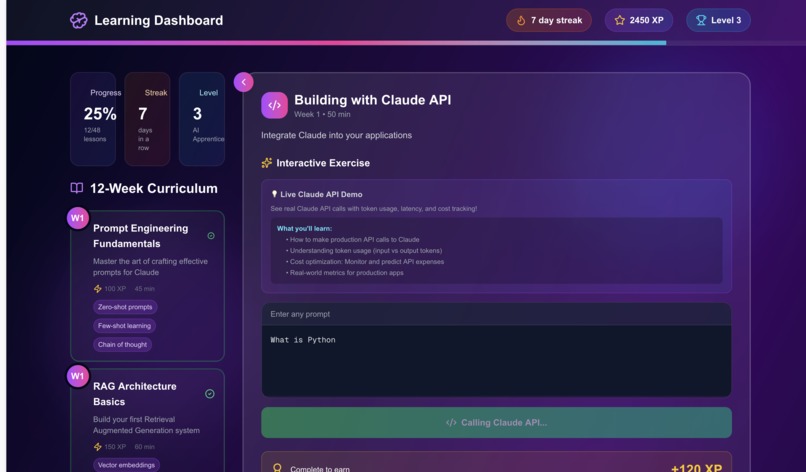
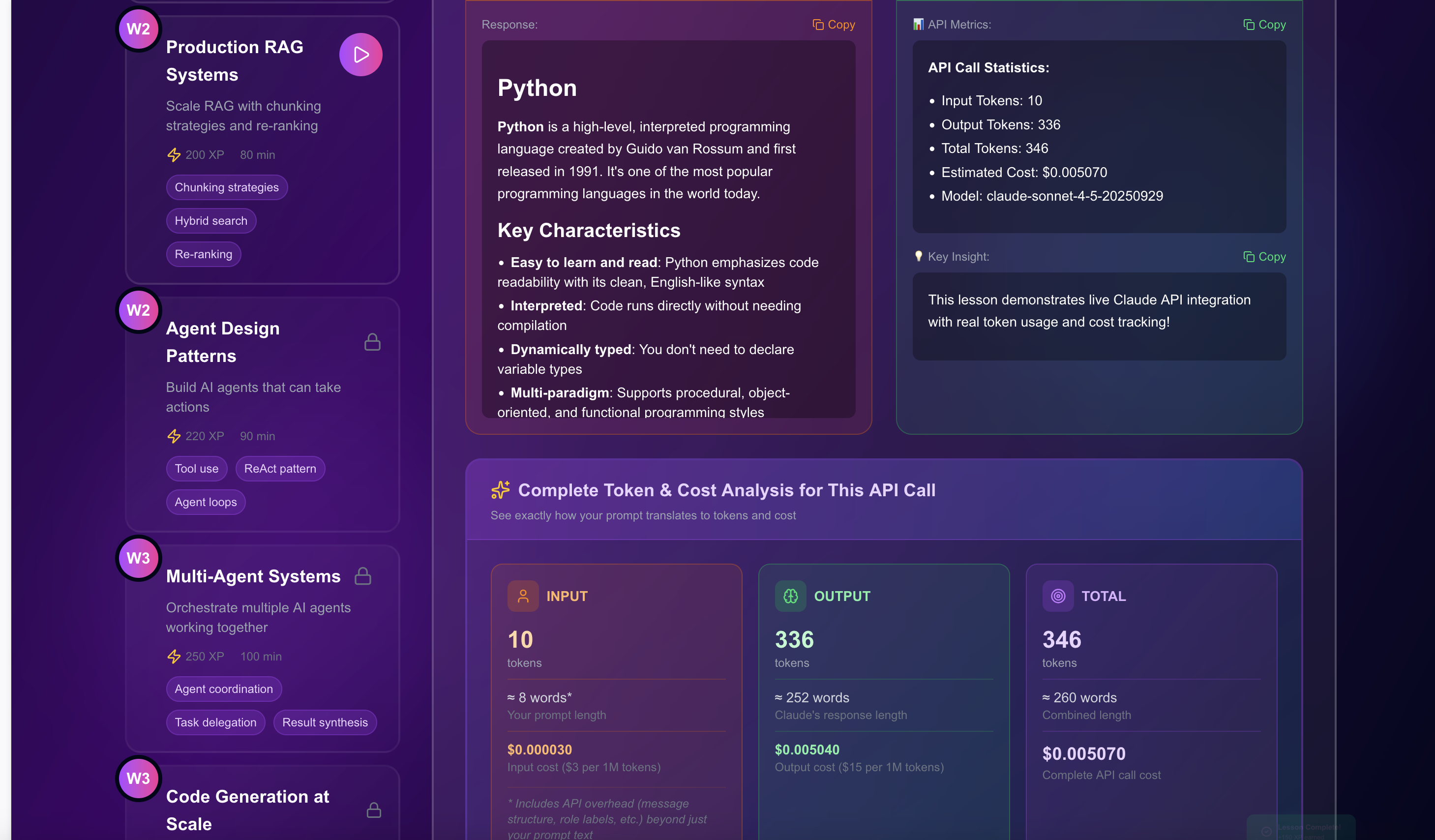
Learn Claude API, token, costs
-
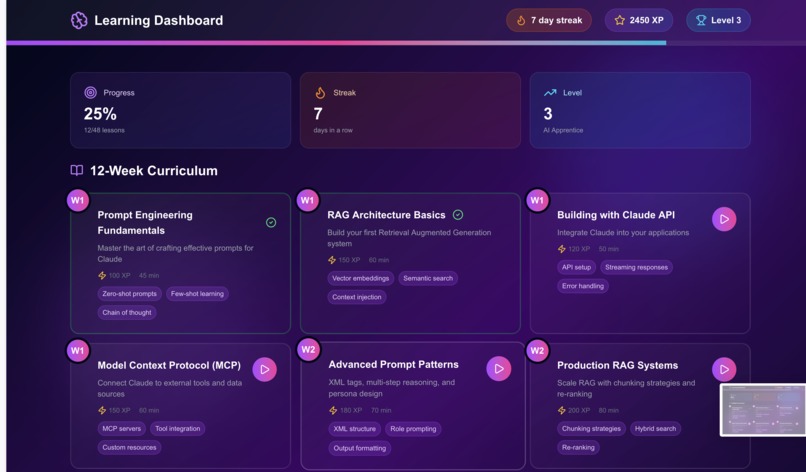
-
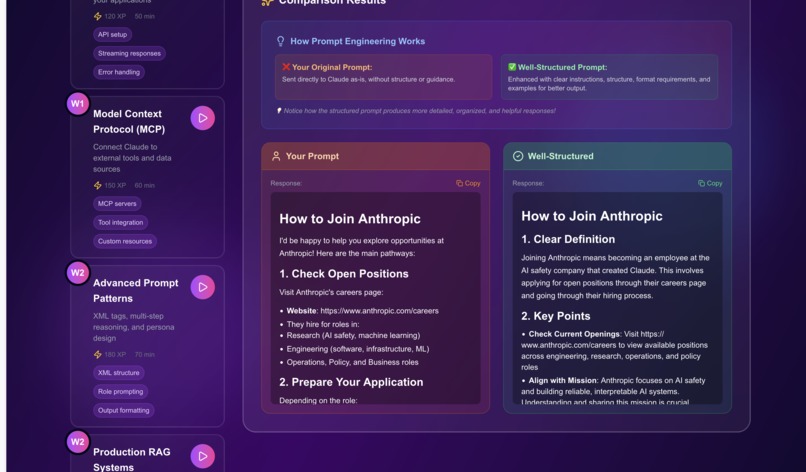
Learn RAG
-
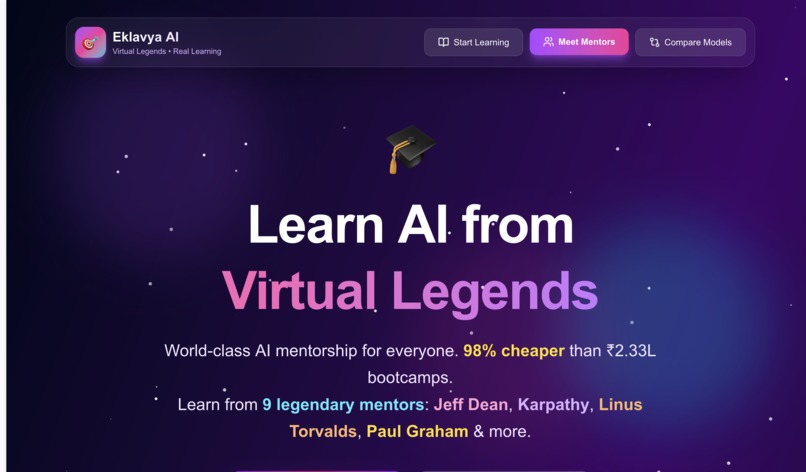
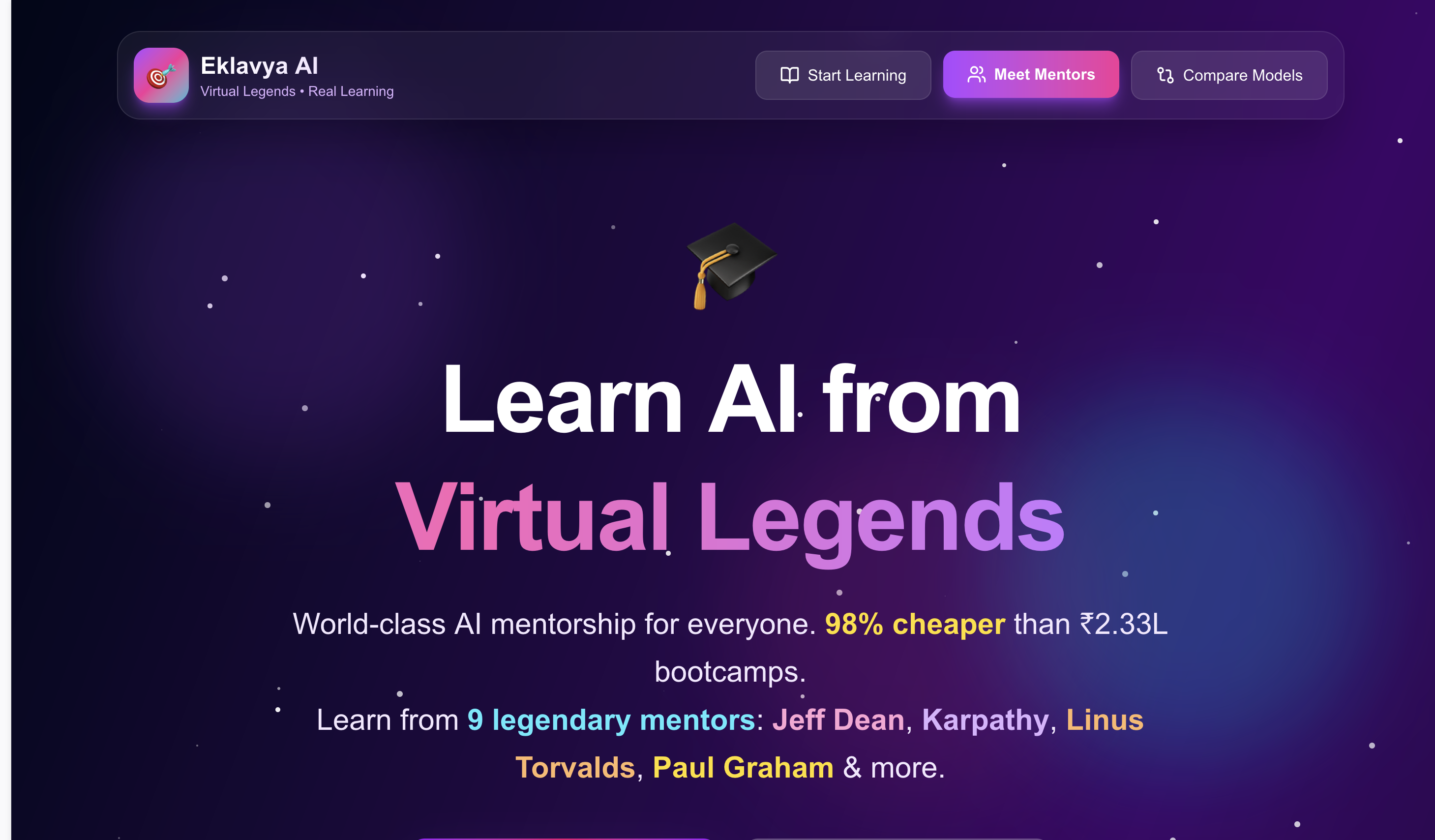
Eklavya Virtual Mentoring
Inspiration
In the ancient Indian epic Mahabharata, Eklavya learned archery by practicing in front of a statue of the legendary master Dronacharya. Without direct access to the guru, he became one of the greatest archers through dedication and self-learning.
Today, you can't access tech legends directly. But their AI-powered virtual versions can be YOUR mentors — 24/7.
The timing couldn't be more urgent. India's IT sector is facing its biggest workforce disruption in history:
- TCS is laying off 2% of its workforce (~12,000+ employees) — the largest layoffs in company history
- Up to 500,000 IT jobs are at risk in the next 3 years due to AI automation
- 68% of professionals expect their roles to be partially or fully automated within 5 years
- 4 in 10 workers fear their current skills will soon be obsolete
The message from industry leaders is clear: “Reskill or risk redundancy.”
But here's the problem: Traditional AI upskilling is expensive (₹2-5 Lakhs) and slow (12-18 months). Workers facing job displacement can't afford either.
That's why I built Eklavya — a free, interactive AI learning platform that makes world-class AI education accessible to everyone, immediately.
What it does
Eklavya combines education, mentorship, and model comparison into one powerful platform:
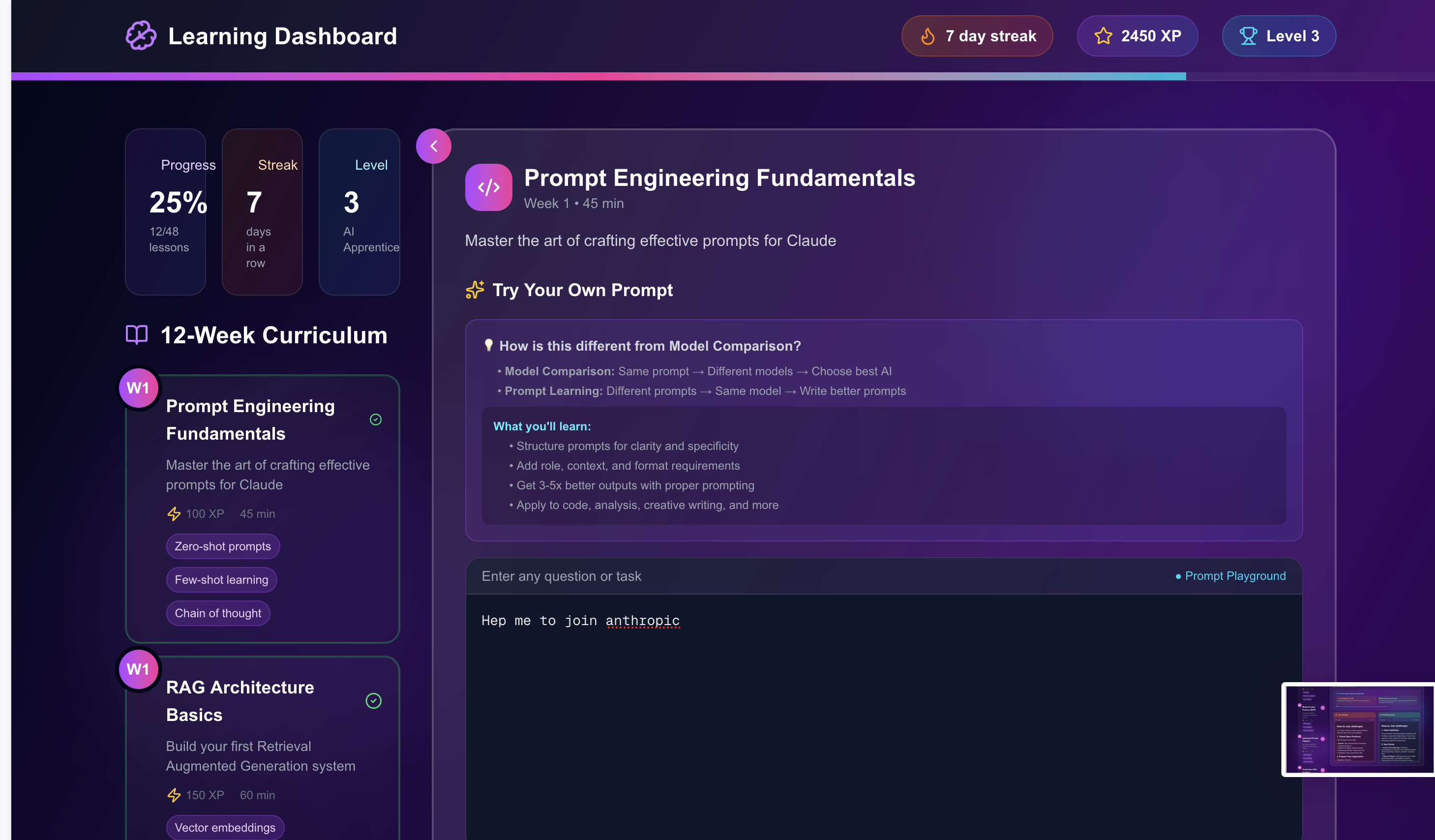
1. Interactive Learning
Learn AI concepts through hands-on lessons with real-time feedback:
- Prompt Engineering Fundamentals: Compare basic vs well-structured prompts side-by-side
- RAG (Retrieval Augmented Generation): Paste your own documents and see how context improves AI responses
- Claude API Integration: Real-time token tracking, cost analysis, and production-ready examples
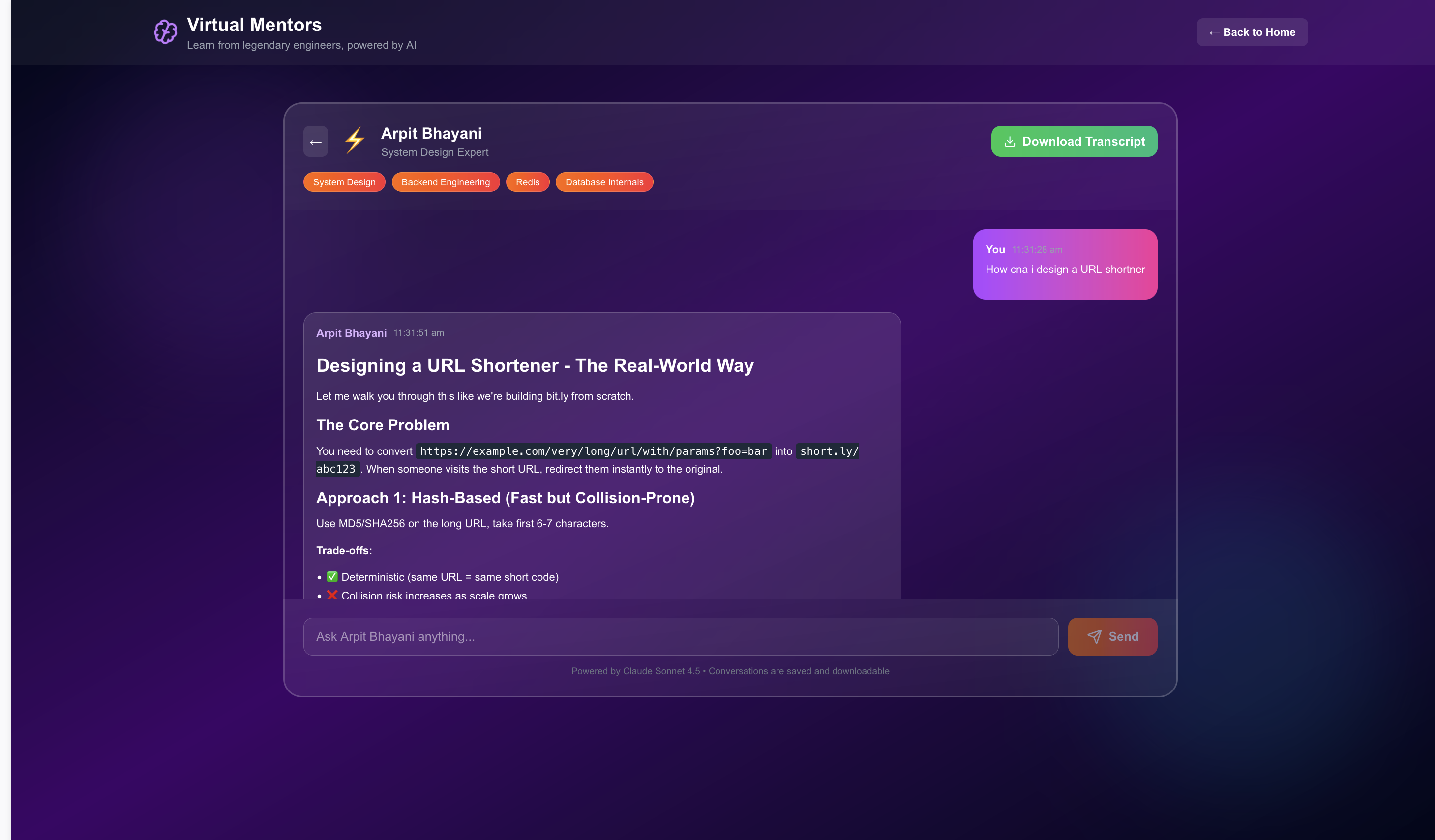
2. Virtual Mentorship
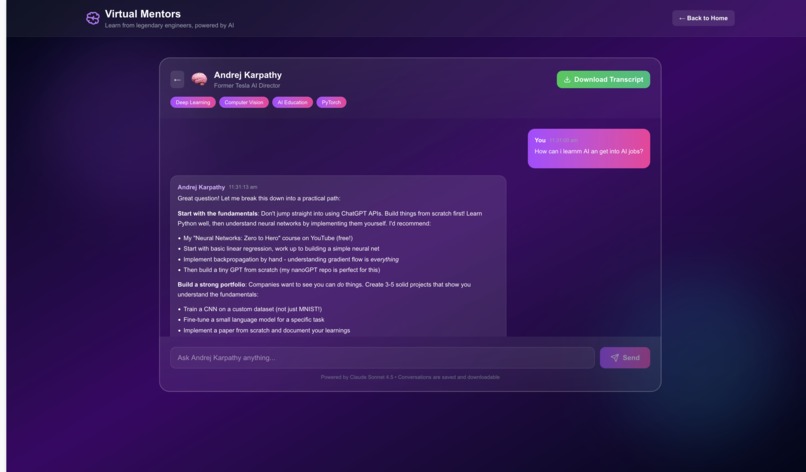
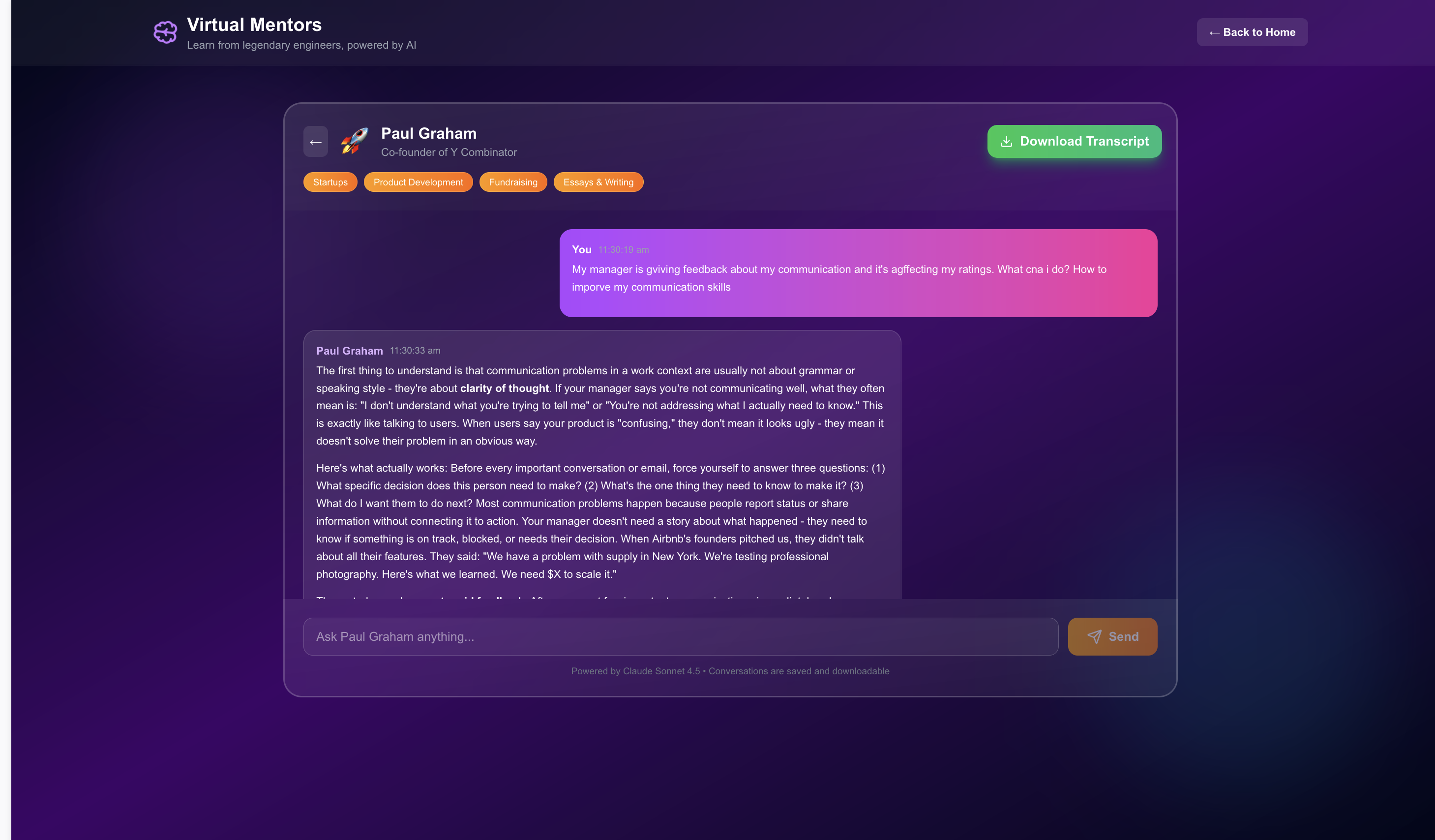
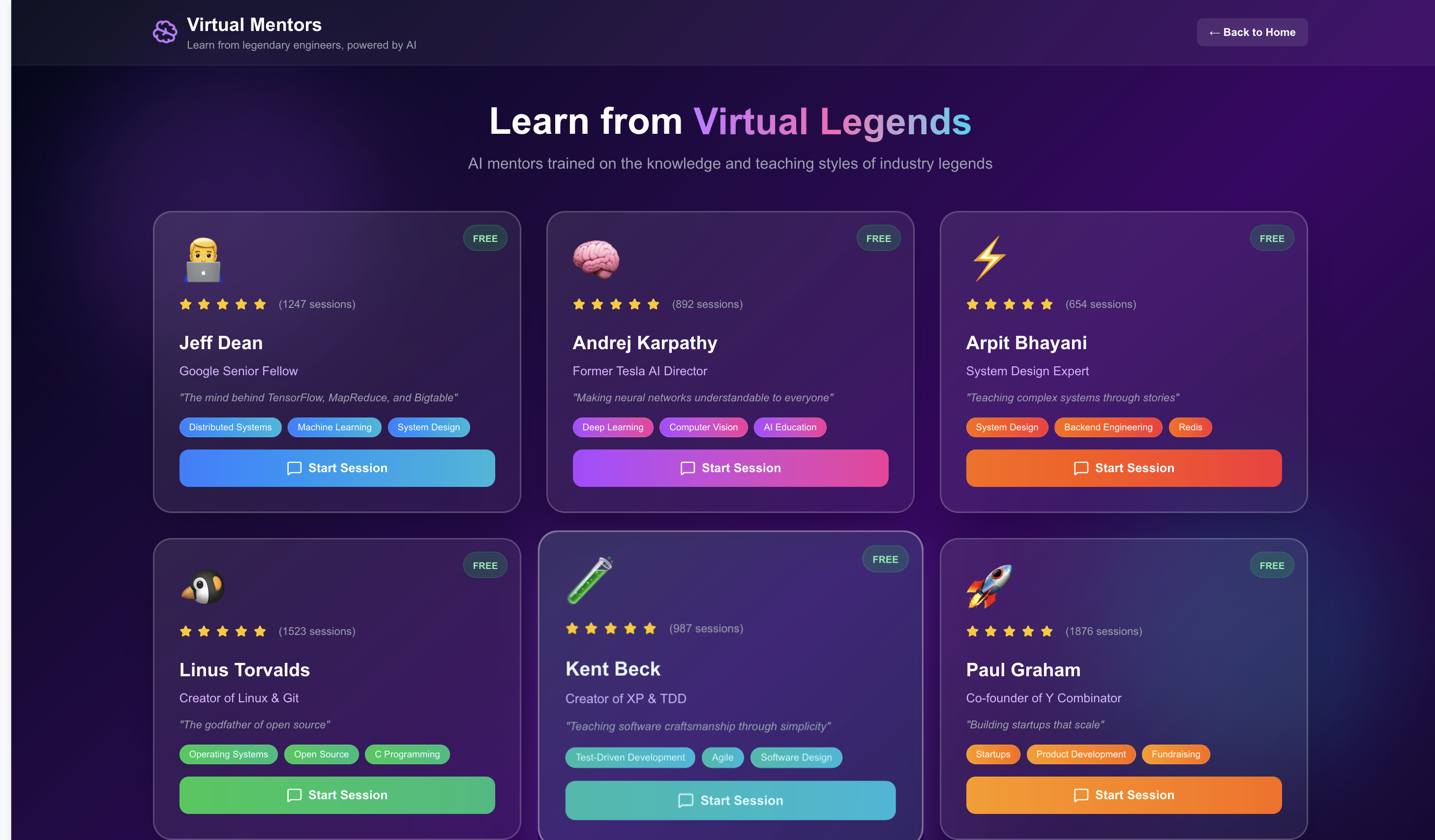
Chat with AI personas of legendary tech leaders:
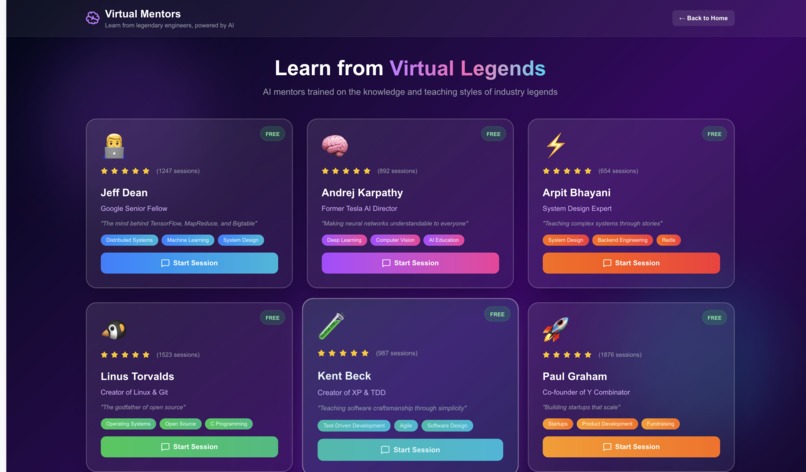
- Jeff Dean (Google Senior Fellow) — Distributed Systems, ML at Scale
- Andrej Karpathy (Ex-Tesla AI Director) — Deep Learning, Neural Networks
- Arpit Bhayani (System Design Expert) — Backend, Scalability
- Linus Torvalds (Creator of Linux & Git) — Open Source, Kernel Development
- Kent Beck (Creator of XP & TDD) — Software Craftsmanship
- Paul Graham (Y Combinator Co-founder) — Startups, Product
- Reshma Saujani (Girls Who Code Founder) — Diversity in Tech
- Steve Ballmer (Former Microsoft CEO) — Business & Tech Strategy
- Shigeru Miyamoto (Creator of Mario & Zelda) — Game Design, UX
3. Model Comparison Arena
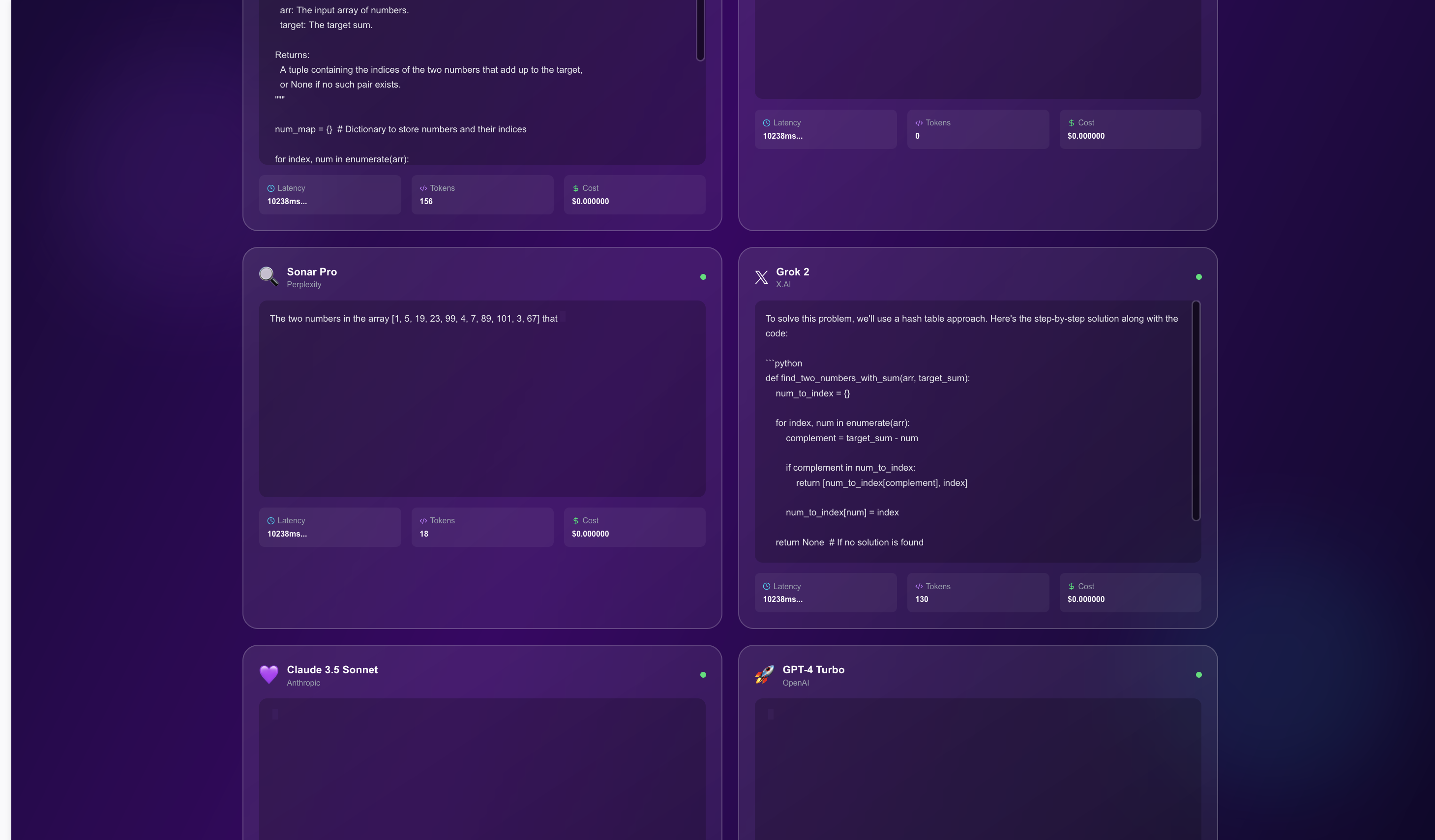
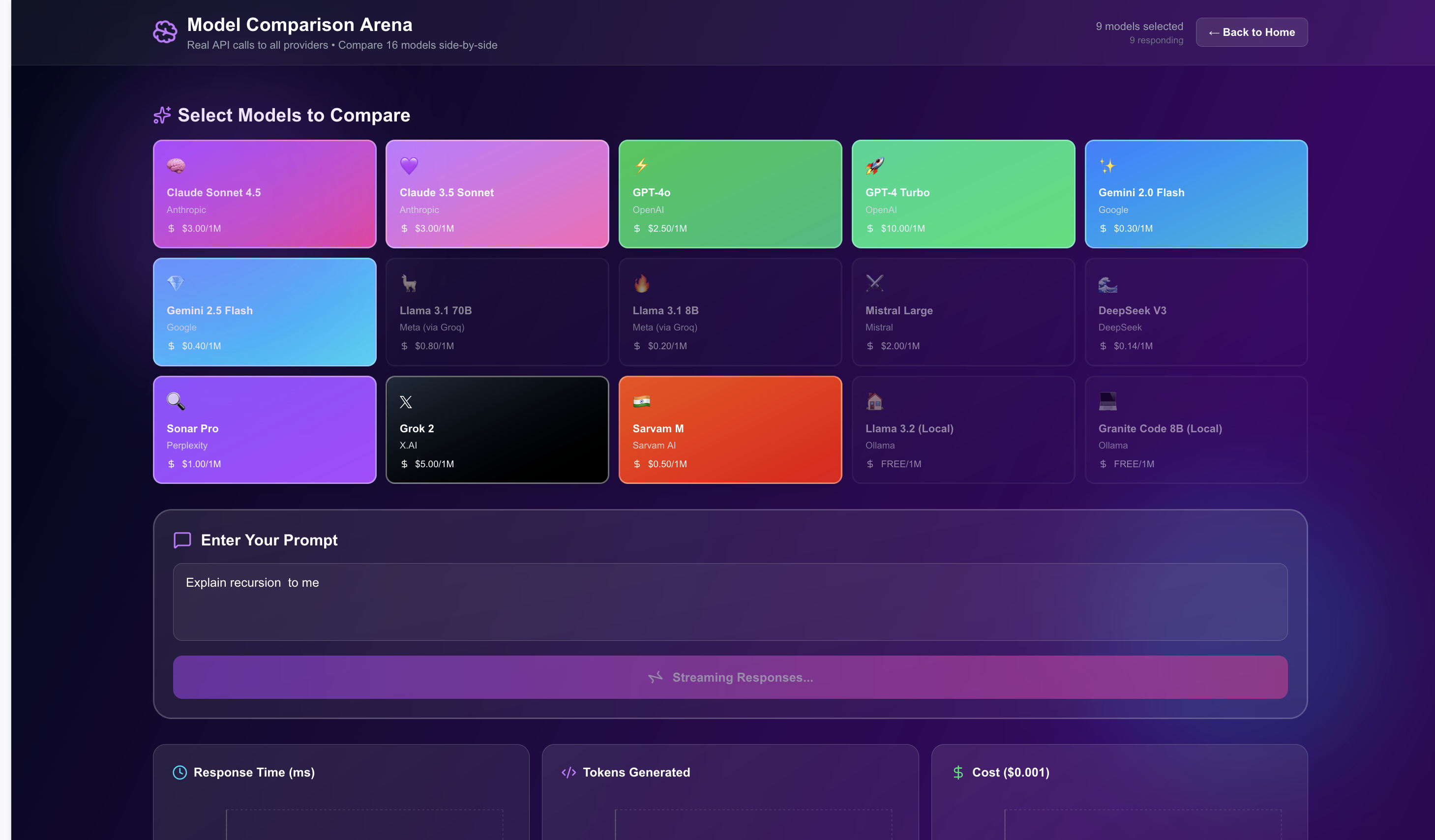
Compare up to 16 AI models in real-time with a single prompt:
- Live API calls to Anthropic, OpenAI, Google, Meta, Mistral, DeepSeek, Perplexity, Grok, Sarvam, and Ollama
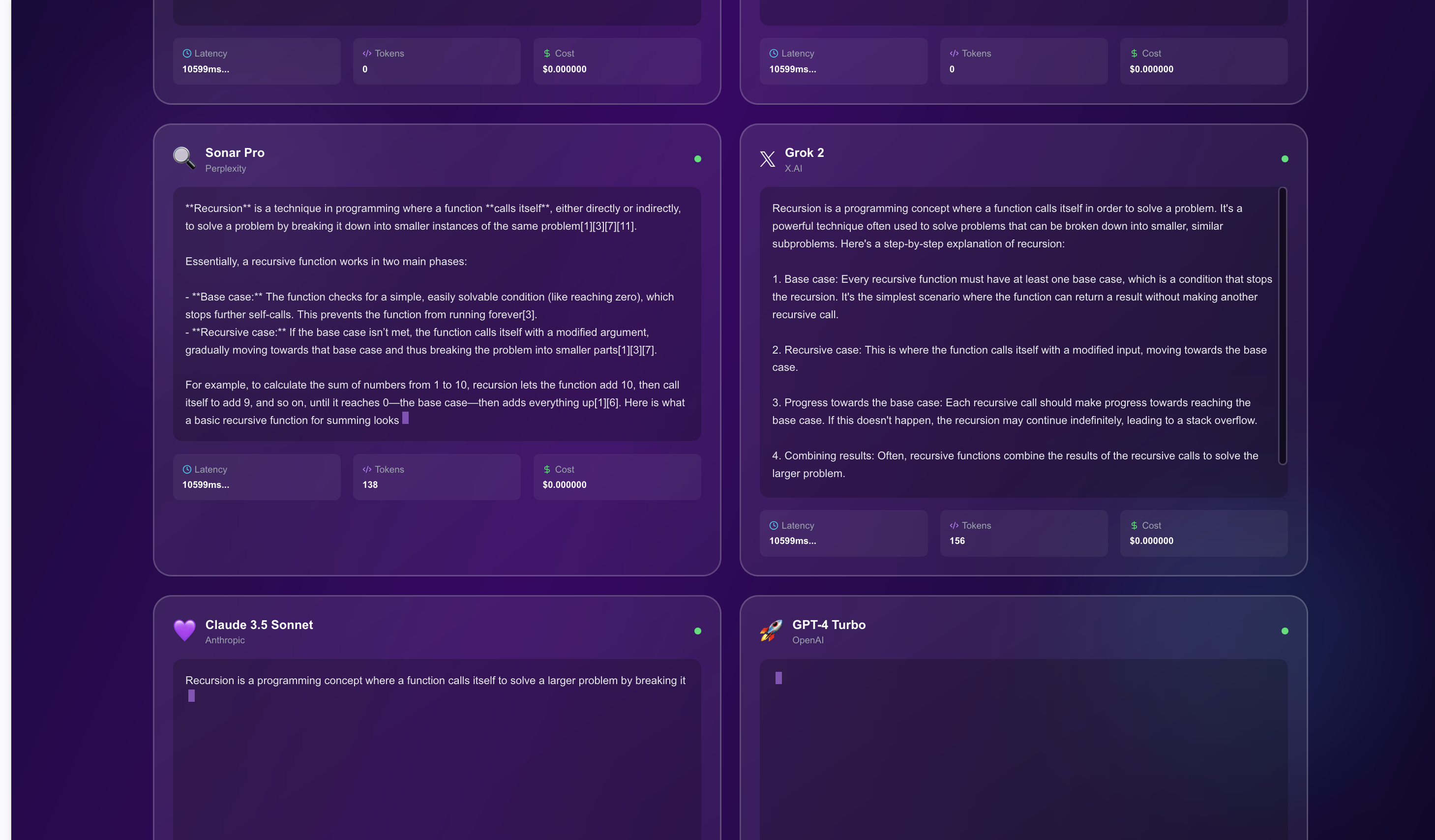
- Side-by-side responses streaming in real-time
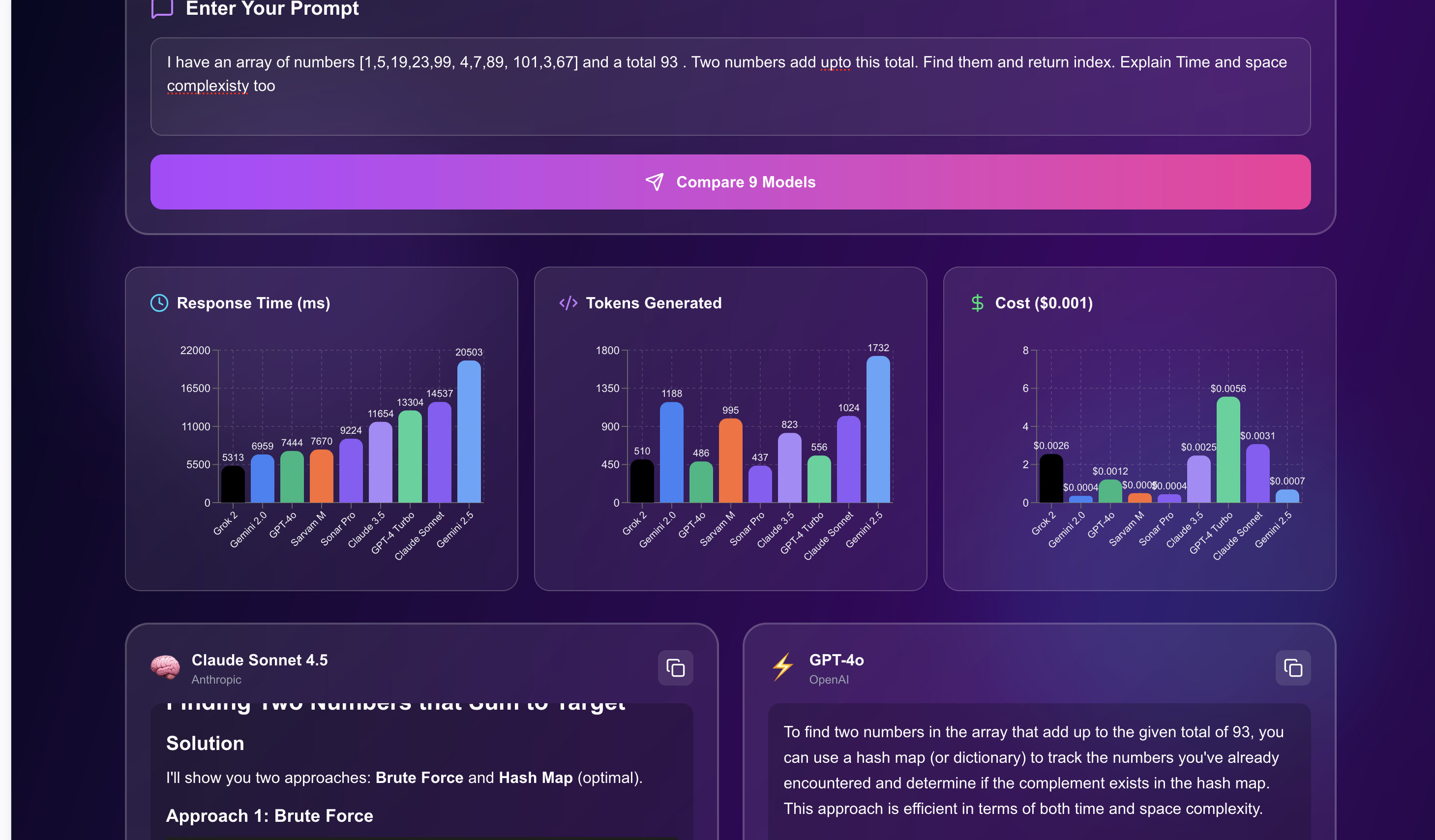
- Performance charts showing response time, cost, and token usage
- Data-driven decisions for choosing the right model for your use case
How we built it
Tech Stack
- Frontend: Next.js 14, Tailwind CSS, Framer Motion, Monaco Editor
- Backend: Claude Sonnet 4.5, Next.js API Routes
- AI Providers: Anthropic, OpenAI, Google, Groq, Ollama, and more
Development Process
- Platform Architecture: Built on Next.js 14 with App Router and React Server Components for optimal performance
- AI Integration: Implemented streaming responses for all 16 models using their respective SDKs
- Mentor Personas: Designed 9 unique system prompts based on each legend's teaching philosophy and communication style
- Interactive Lessons: Created hands-on exercises with live code editors, RAG context input, and real-time API tracking
- Real-time Charts: Built performance visualization using Chart.js for latency, cost, and token comparison
Challenges we ran into
1. Multi-Provider API Integration
Each AI provider has different SDKs, authentication methods, and response formats. Creating a unified interface that could handle 16 models from 10 different providers required:
- Custom adapter patterns for each provider
- Error handling for rate limits, timeouts, and API failures
- Streaming response normalization across different formats
2. Real-time Performance Comparison
Building live charts that update as model responses stream in was technically complex:
- Token counting had to happen in real-time during streaming
- Cost calculation required provider-specific pricing logic
- Latency measurement needed precise timing for each API call
- Chart animations had to be smooth while data updated continuously
3. Token Confusion
The biggest user education challenge was explaining tokens vs characters. Users would paste 100-word documents and wonder why they got charged for “2,000 tokens.” I solved this by:
- Adding a live token visualization widget
- Creating an interactive token calculator
- Explaining tokenization with real-time examples
4. RAG Context Management
Making RAG (Retrieval Augmented Generation) understandable for beginners was challenging:
- How much context is too much?
- How to structure context for best results?
- When does RAG help vs hurt?
I addressed this with an interactive lesson where users paste their own documents and immediately see how context affects responses.
5. Build and Deployment
The platform had 50+ ESLint warnings (unescaped apostrophes, unused imports, etc.) that blocked production builds. I had to balance:
- Shipping quickly for the hackathon deadline
- Maintaining code quality standards
- Ensuring production deployment success
I disabled strict linting for builds while keeping it active in development, allowing deployment without compromising dev experience.
Accomplishments that we're proud of
1. Educational Impact
Created a platform that reduces AI learning costs by 98% compared to traditional courses:
- Traditional courses: ₹2-5 Lakhs for 12-18 months
- Eklavya: Free platform + ₹100-500/month API costs
2. Virtual Mentorship at Scale
Built AI personas of 9 legendary tech leaders who are typically inaccessible:
- No scheduling conflicts
- No hourly fees (vs ₹2-6K/hour on platforms like Topmate)
- 24/7 availability
- Unlimited sessions
3. Real Production Tools
This isn't a toy — it's production-ready:
- 16 real AI models with live API calls
- Real-time token tracking for cost optimization
- Actual streaming responses (not simulations)
- Monaco Editor for code examples
- RAG implementation with custom context
4. Immediate Practical Value
Users can:
- Test different prompts and see results instantly
- Compare models before committing to an API provider
- Learn prompt engineering by doing, not watching videos
- Get mentorship from virtual versions of tech legends
What we learned
1. Claude as a Development Partner
Building with Claude Sonnet 4.5 taught me how powerful AI-assisted development can be:
- Rapid prototyping of complex features
- Real-time debugging and optimization
- System prompt engineering for mentor personas
- Context management for long conversations
2. Prompt Engineering is an Art AND Science
Creating effective prompts requires:
- Clarity: Specific instructions work better than vague requests
- Context: Providing relevant background improves accuracy
- Structure: Using headings, lists, and examples enhances output
- Iteration: Testing and refining prompts is essential
3. RAG is a Game-Changer
Retrieval Augmented Generation solves the “knowledge cutoff” problem:
- AI can answer questions about proprietary documents
- Context injection improves accuracy dramatically
- But there's a token cost vs accuracy tradeoff to manage
4. Model Diversity Matters
Different models excel at different tasks:
- Claude: Nuanced reasoning, code generation
- GPT-4: General knowledge, creative writing
- Gemini: Multilingual tasks, data analysis
- Groq: Ultra-fast inference
- DeepSeek: Cost-effective coding tasks
Having a comparison tool helps users make data-driven decisions instead of relying on marketing claims.
5. Education Must Be Hands-On
Reading about prompt engineering vs actually trying it are completely different experiences. The interactive lessons where users can paste their own content, modify prompts, and see real-time results are far more effective than passive tutorials.
What's next for Eklavya Platform
Immediate (Next 2 Weeks)
- Fix build warnings for production-grade code quality
- Add more mentor personas: Douglas Crockford (JavaScript), Rich Hickey (Clojure/FP), Tim Berners-Lee (Web)
- Improve mobile responsiveness for on-the-go learning
- Add user authentication to save chat history and learning progress
Short-term (1-2 Months)
Advanced Learning Modules:
- Multi-turn prompt patterns
- Agent orchestration with Claude
- Function calling and tool use
- Fine-tuning vs RAG tradeoffs
Other Features:
- Code Execution Sandbox: Let users run AI-generated code safely in the browser
- Mentor Memory: Allow mentor chats to remember previous conversations across sessions
- Model Fine-tuning Guide: Interactive lesson on when and how to fine-tune models
Medium-term (3-6 Months)
Community Features:
- Share your best prompts
- Leaderboards for learning progress
- User-submitted mentor personas
Enterprise Features:
- Team accounts with usage analytics
- Custom model endpoints
- Private deployment options
Multi-language Support: Hindi, Tamil, Telugu for broader accessibility in India
Long-term Vision
- Free and Open for All: Keep the platform completely free and open-source, allowing anyone to learn, adapt, and build upon it
- Enterprise Integration: Enable companies to integrate Eklavya into their internal education portals with custom content and domain-specific mentors
- Partner with AI Providers: Collaborate with Anthropic to integrate into their official learning tutorial paths and developer onboarding
- Education Platform Partnerships: Provide white-label solutions for education companies to build custom AI learning experiences on top of Eklavya
- Become the “Khan Academy for AI Education”: Free, high-quality, interactive AI learning for everyone
- Expand to Web3, Security, DevOps: Virtual mentors for other critical tech domains
- Research Platform: Enable academics to study prompt engineering patterns and model performance at scale
The goal:
Remove the fear of AI by helping people understand not just the “how” but the “why.” AI should enhance thinking, not replace it. Eklavya empowers everyone — developers, tech leads, architects, project managers, directors, students, and non-technical professionals — to upskill and confidently use AI as a tool for growth, not just copy-paste automation.
Make world-class AI education accessible to anyone, anywhere, for free — because the cost of not learning AI is far greater than the cost of learning it.
Built with Next.js 14 and Claude Sonnet 4.5
Built With
- anthropic-claude-api-(sonnet-4.5)
- deepseek
- flash)
- framer-motion
- gemma)
- git
- google-gemini-api-(pro
- gpt-4o
- gpt-4o-mini)
- grok-(x.ai)
- groq-api-(llama
- javascript
- meta-llama
- mistral-ai
- mixtral
- monaco-editor
- next.js-14
- node.js
- ollama
- openai-api-(gpt-4
- perplexity-api
- prism.js
- react-18
- react-markdown
- recharts
- sarvam-ai
- tailwind-css
- typescript
- vercel

Log in or sign up for Devpost to join the conversation.