-
-
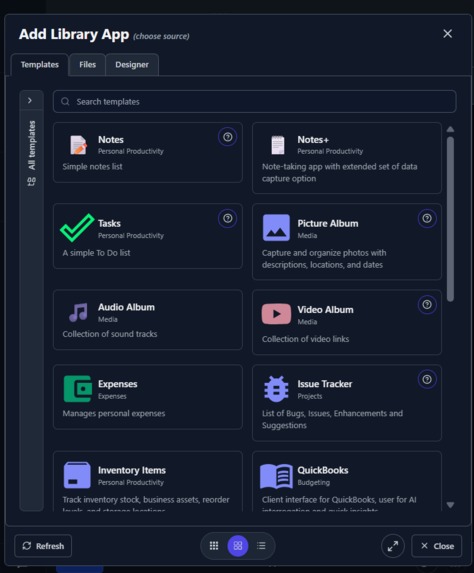
Built-in App Templates
-
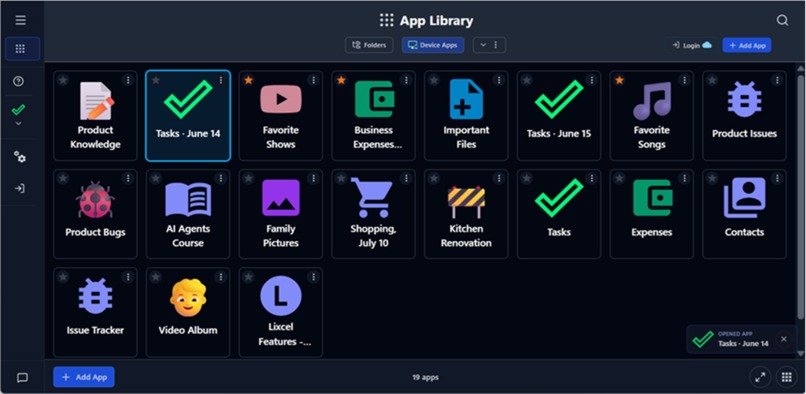
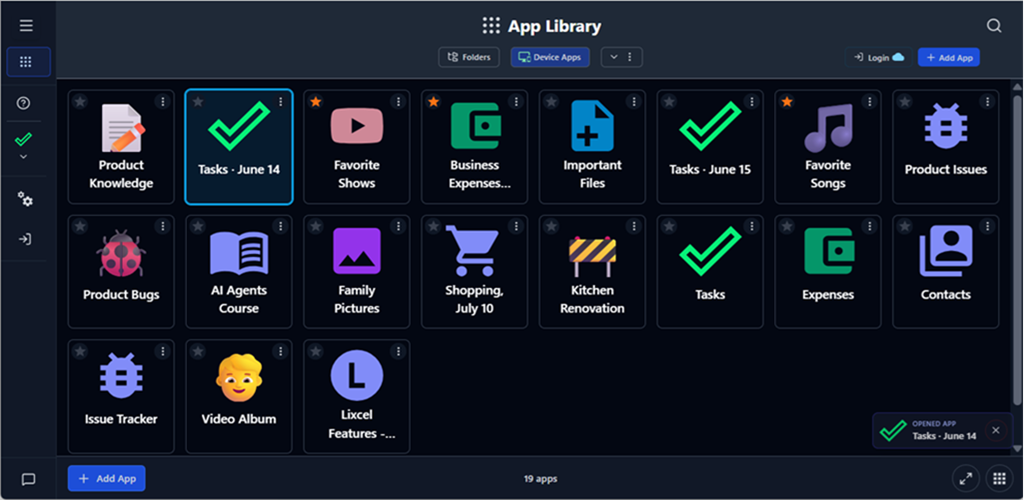
Personal App Library
-
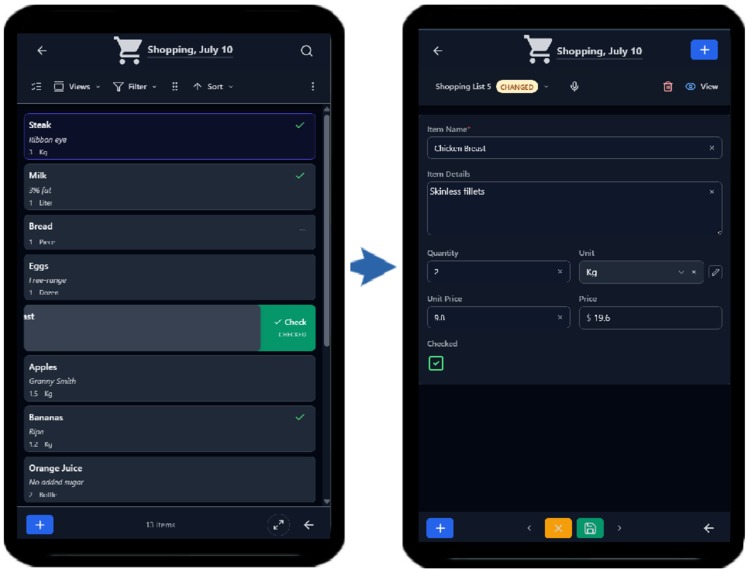
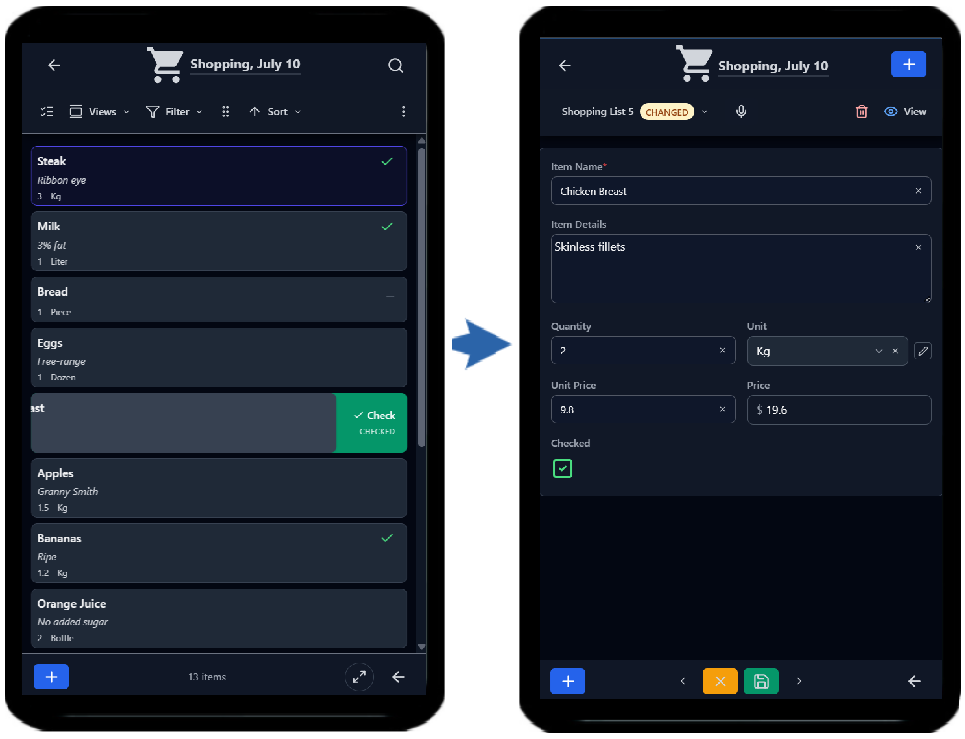
Unified app behavior (Shopping list example)
-
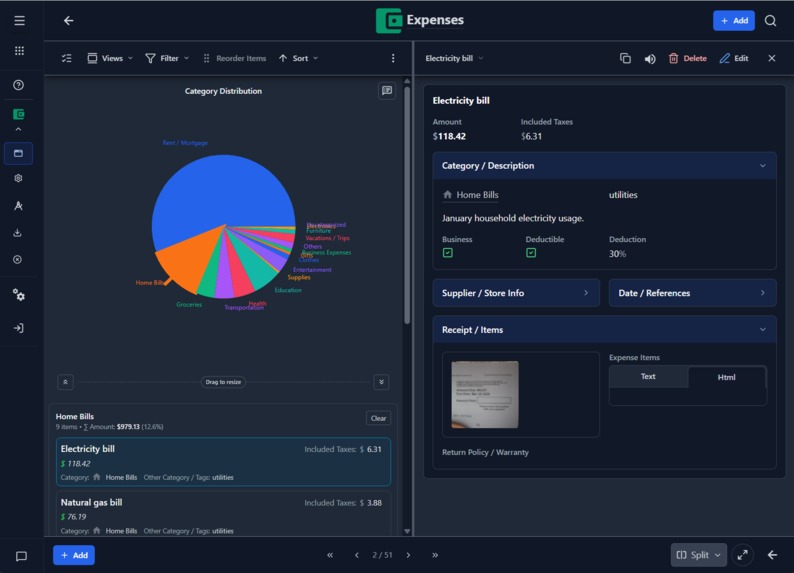
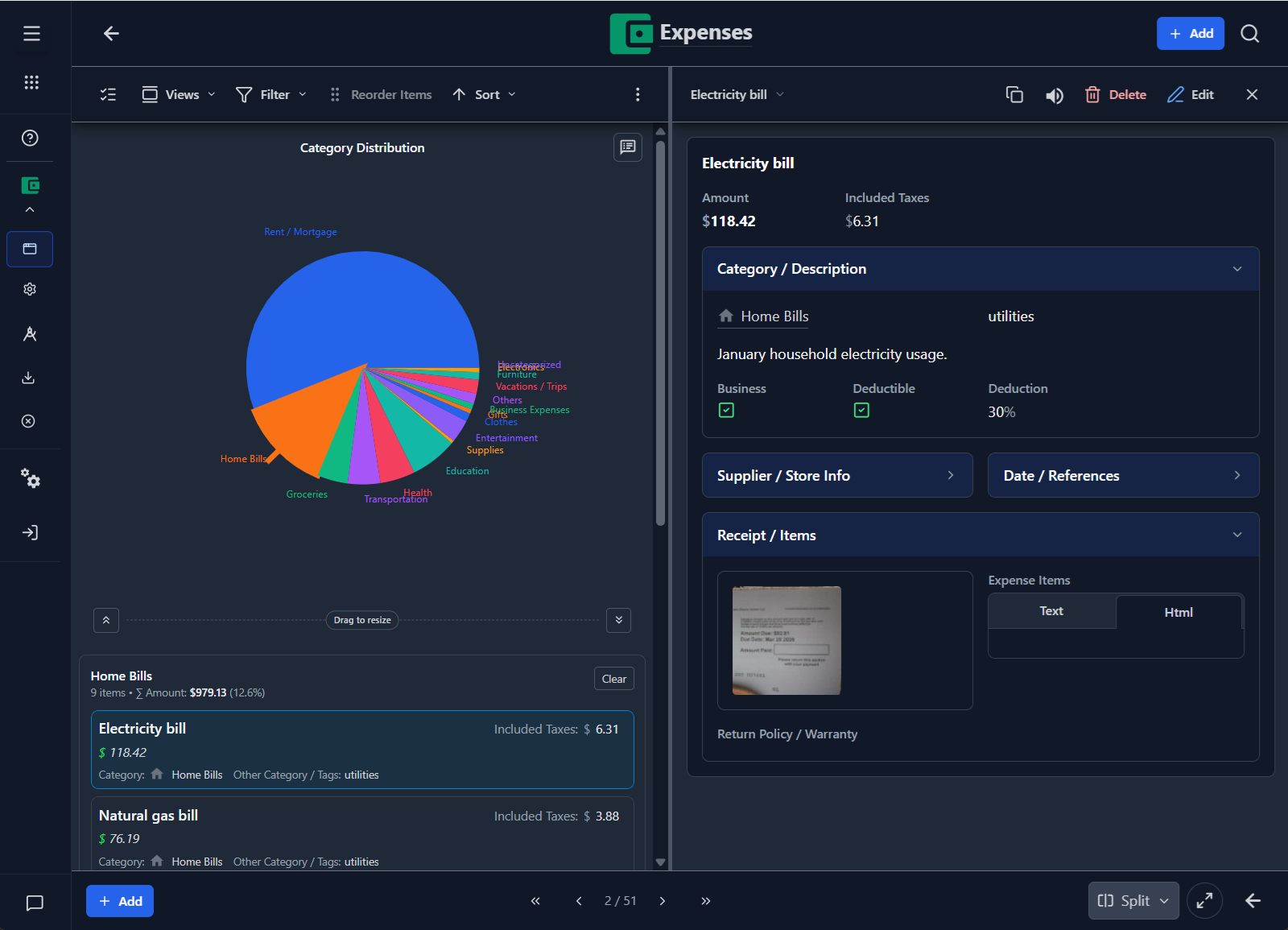
Expenses app template
-
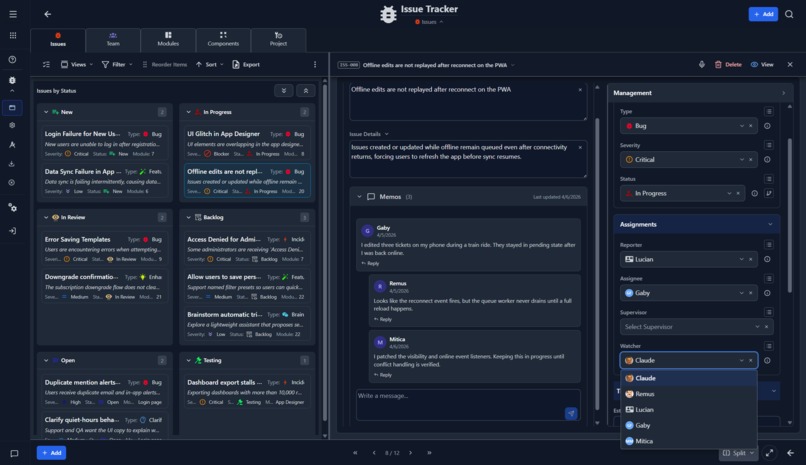
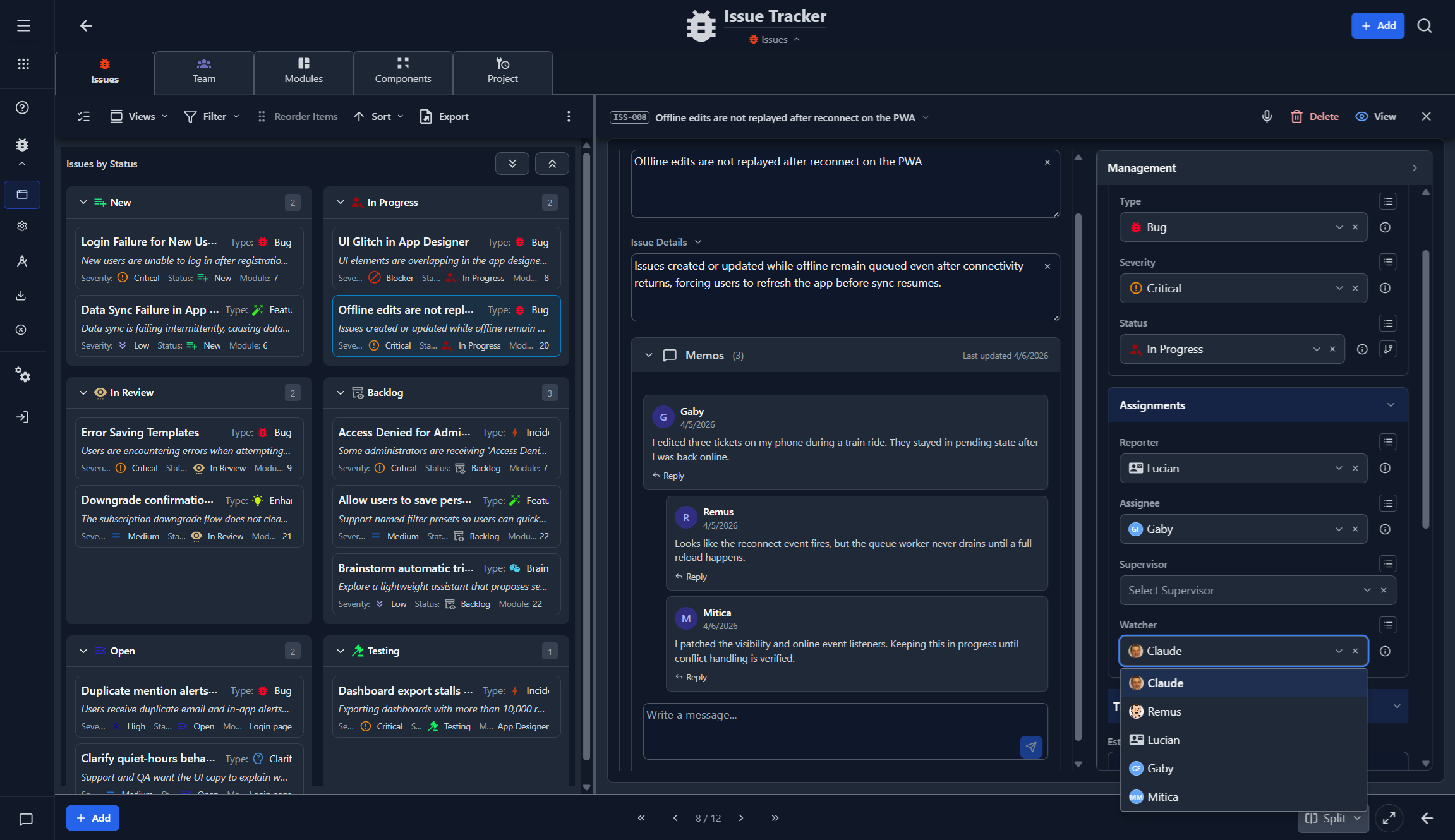
Issue Tracker app template
-
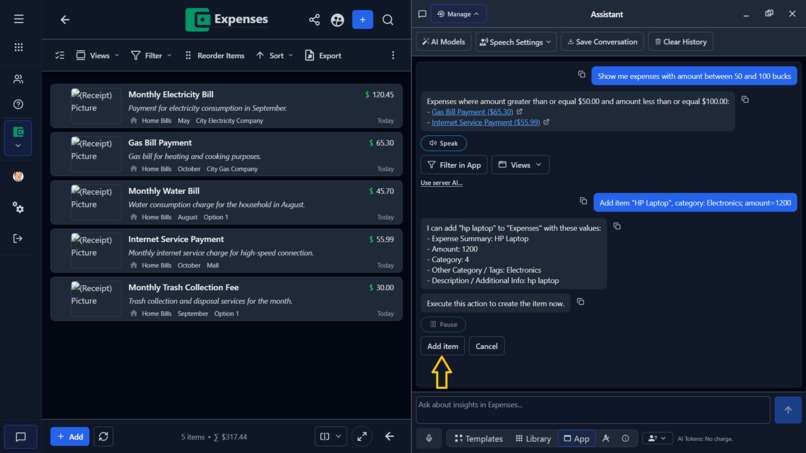
AI Assistant
-
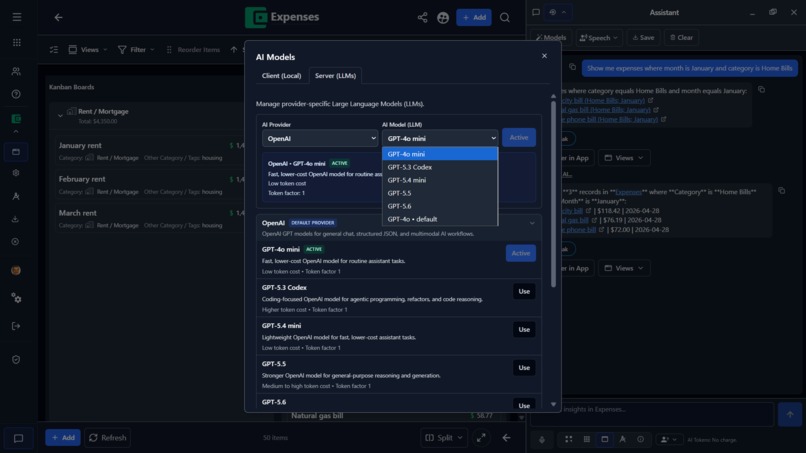
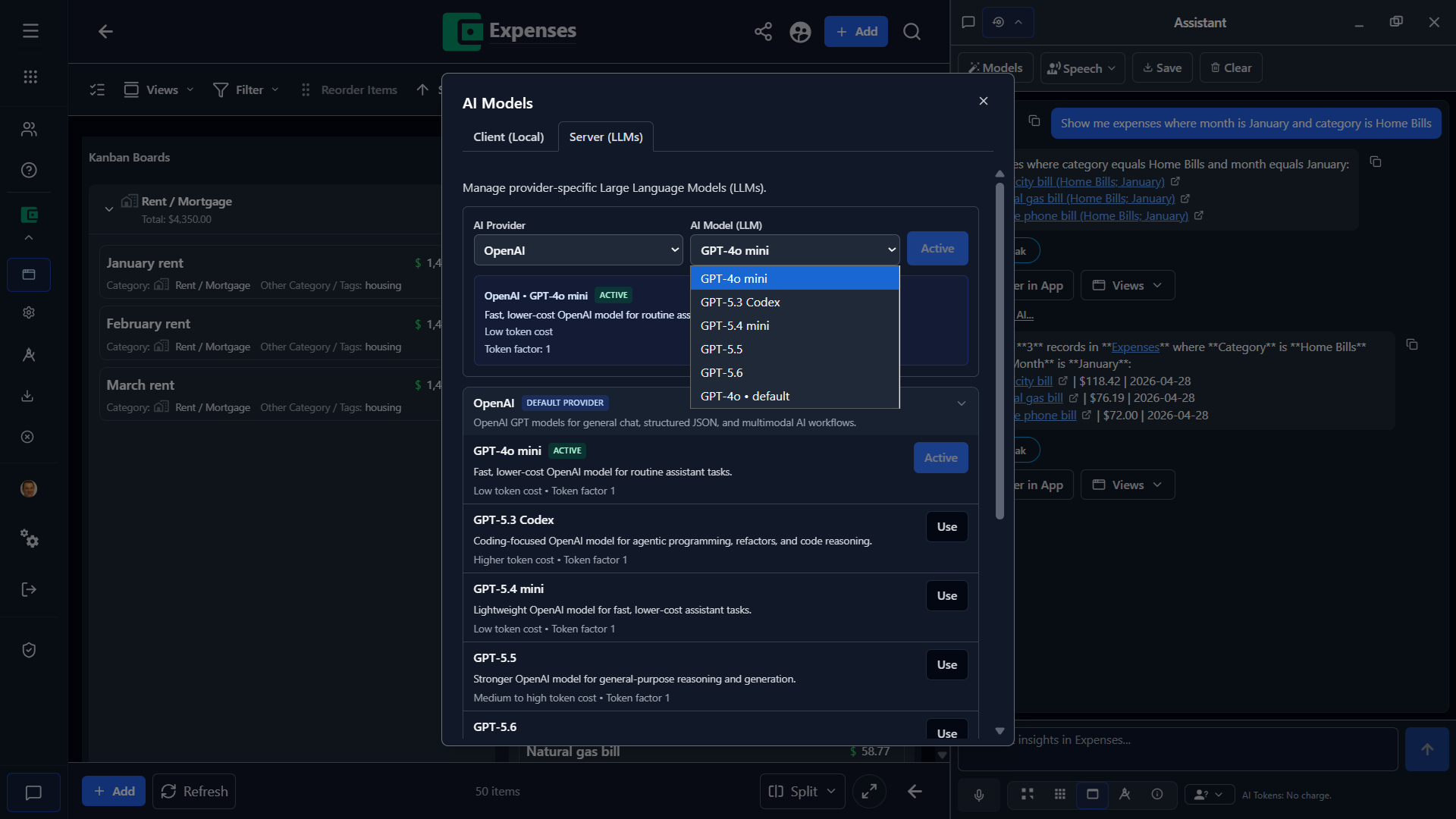
OpenAI LLM selection
Lixcel
Inspiration
Traditional no-code platforms are incredibly powerful, but they often require users to manually design every screen, form, and workflow. We wanted to explore a different approach: what if applications could be generated almost entirely from metadata instead of drag-and-drop UI design?
Our goal was to build a platform where anyone can create data-driven applications by simply defining their data model, relationships, workflows, permissions, and business rules, while AI helps with both application design and data analysis.
What it does
Lixcel is an AI-powered no-code platform for building data-driven applications.
Instead of designing screens manually, users define their application's metadata—lists, fields, relationships, layouts, workflows, permissions, filters, and behaviors—and the platform automatically generates responsive user interfaces. Watch the Application Design Features or the AI Integration demo videos for more insights.
Applications can include features such as:
Forms and list views Tables, Kanban boards, calendars, maps, and charts Search, filtering, and reporting Role-based security Audit history Workflow management REST APIs Offline support with optional cloud synchronization
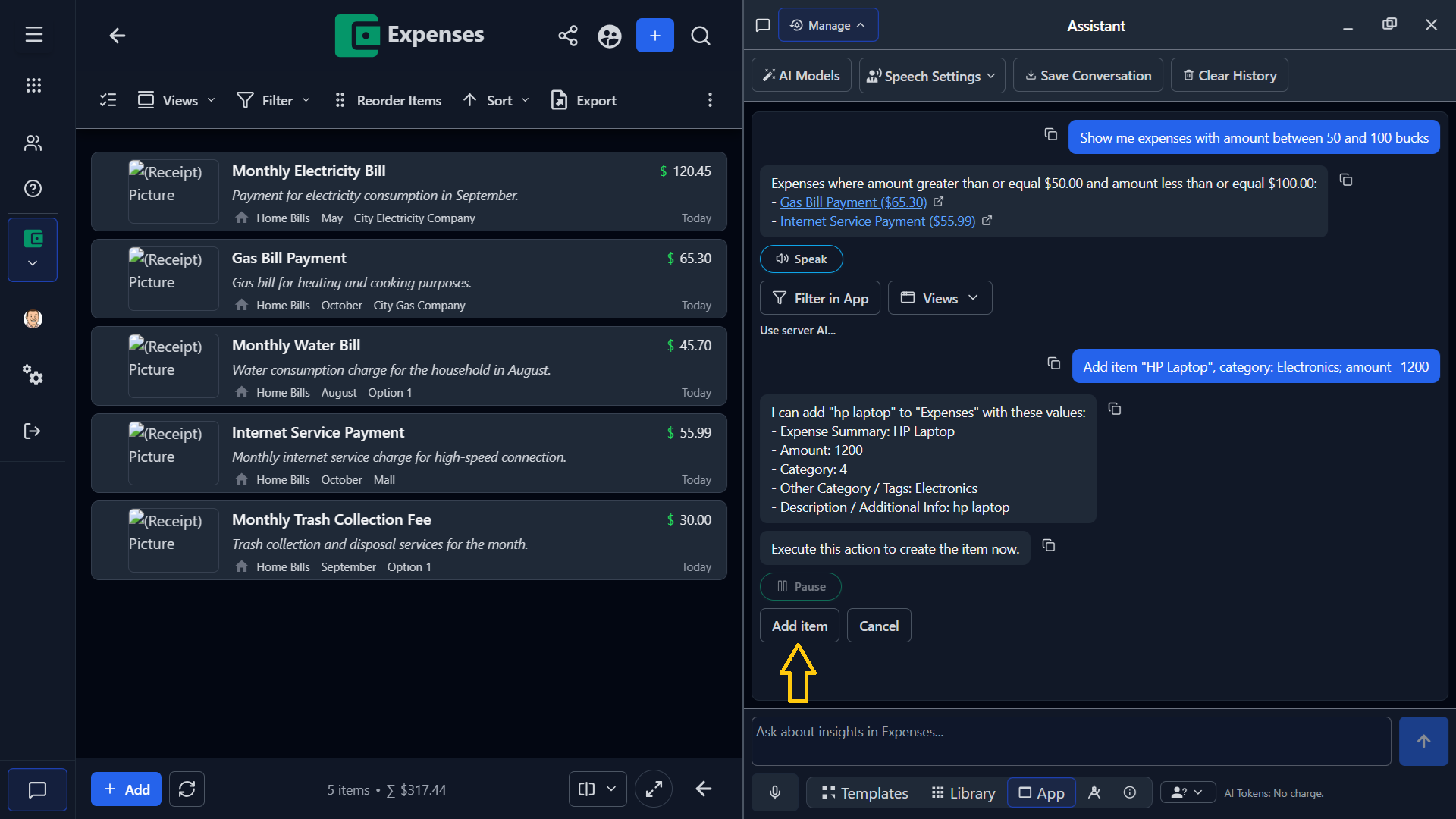
The integrated AI Assistant can:
Generate complete sample datasets Answer questions about application data Produce insights and summaries Suggest improvements to an application's design Help users configure applications using natural language
How we built it
Lixcel was built as a full-stack web platform using modern web technologies.
The frontend is built with React and TypeScript, while the backend is powered by ASP.NET Core and SQL Server. The platform stores application definitions as metadata, allowing the runtime engine to dynamically generate the user interface and behavior without custom coding for each app.
For AI capabilities, we integrated OpenAI models alongside local transformer-based models. Depending on the task, Lixcel can use cloud-hosted LLMs or perform local inference for privacy and lower cost. We also built an AI Assistant capable of understanding both application metadata and user data to provide contextual assistance.
During the hackathon we focused on refining the AI experience, improving metadata generation, expanding intelligent design assistance, and making AI a natural part of the application-building workflow.
Challenges we ran into
One of the biggest challenges was giving AI enough context to make useful recommendations. The assistant needs to understand not only the application's schema, but also relationships, workflows, permissions, layouts, and the user's data.
Another challenge was balancing flexibility with simplicity. Because the UI is generated automatically, every metadata option can affect multiple parts of the application. Designing a metadata model that remains expressive while producing intuitive applications required many iterations.
We also had to carefully optimize AI usage to balance response quality, latency, and operating costs by combining local models with cloud-based LLMs.
Accomplishments that we're proud of Building a metadata-driven platform that generates complete applications without manual UI design. Successfully integrating AI into both application creation and data exploration. Supporting multiple visualization types from the same metadata model. Providing local AI capabilities to reduce costs and improve privacy. Creating a platform that works across desktop and mobile devices with offline support. Rebuilding the platform into a much more mature architecture while continuously expanding its capabilities. What we learned
We learned that AI becomes significantly more valuable when it understands the structure of an application rather than operating only on free-form text.
We also discovered that metadata provides an excellent foundation for AI reasoning. Because every application follows a consistent model, AI can generate better suggestions, answer more accurate questions, and automate tasks that would otherwise require extensive manual configuration.
Perhaps most importantly, we learned that users want AI to collaborate with them throughout the design process, not simply generate code.
What's next for Lixcel
Our roadmap focuses on making Lixcel an AI-native application platform.
Upcoming work includes:
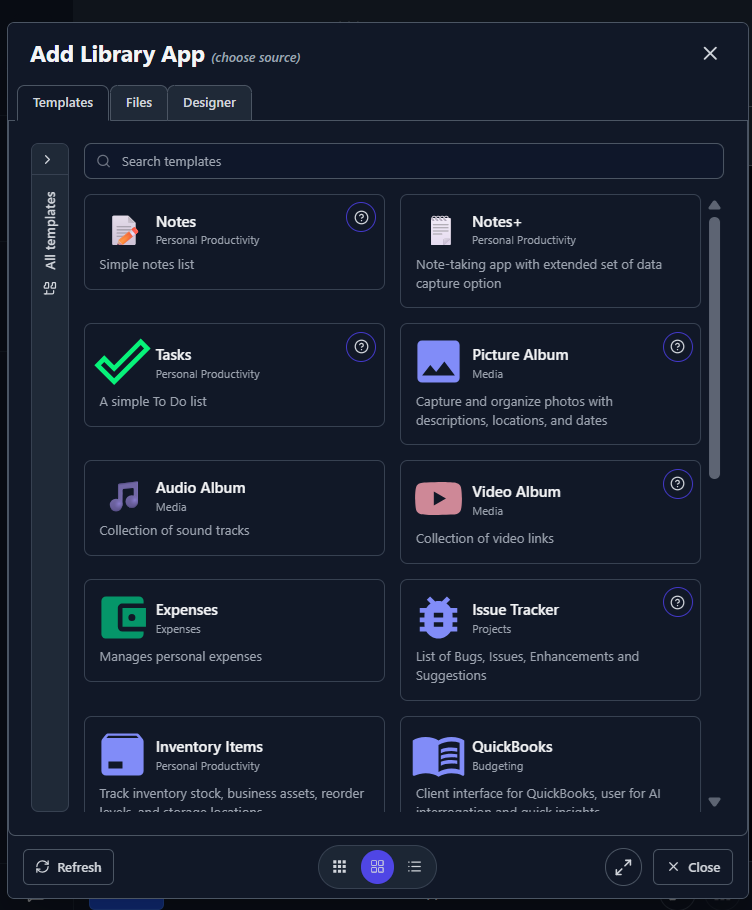
AI-generated applications from natural language prompts AI-assisted workflow and business rule generation Secure MCP server integration so external AI agents can interact with Lixcel applications Additional enterprise integrations More templates for common business scenarios Multi-language support More advanced analytics and AI-powered reporting Expanded collaboration features for teams
Our long-term vision is to enable anyone to build sophisticated business applications simply by describing what they need, with AI handling the implementation details.


Log in or sign up for Devpost to join the conversation.