-
-
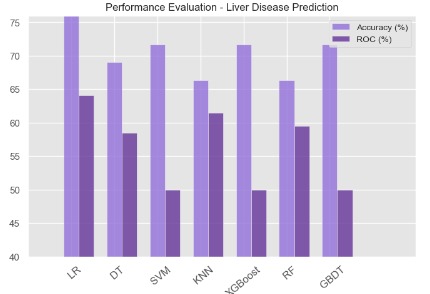
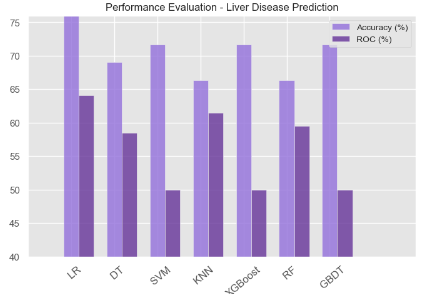
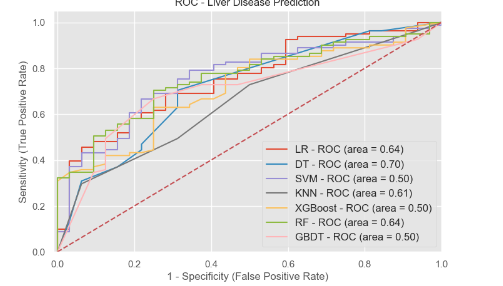
performance of the model
-
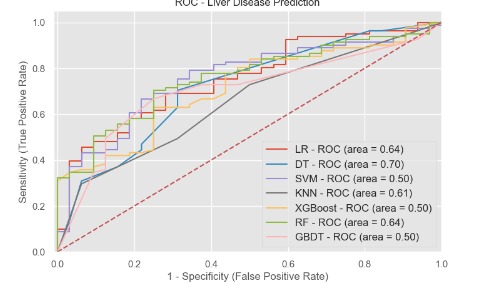
accuracy of the model for different algorithms
-
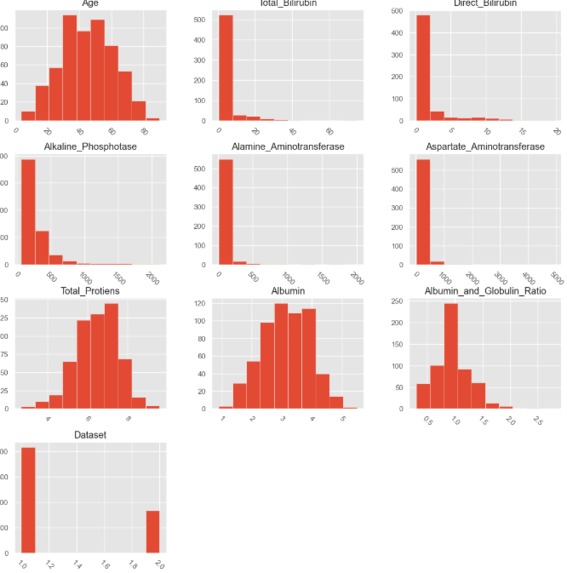
columns units
-
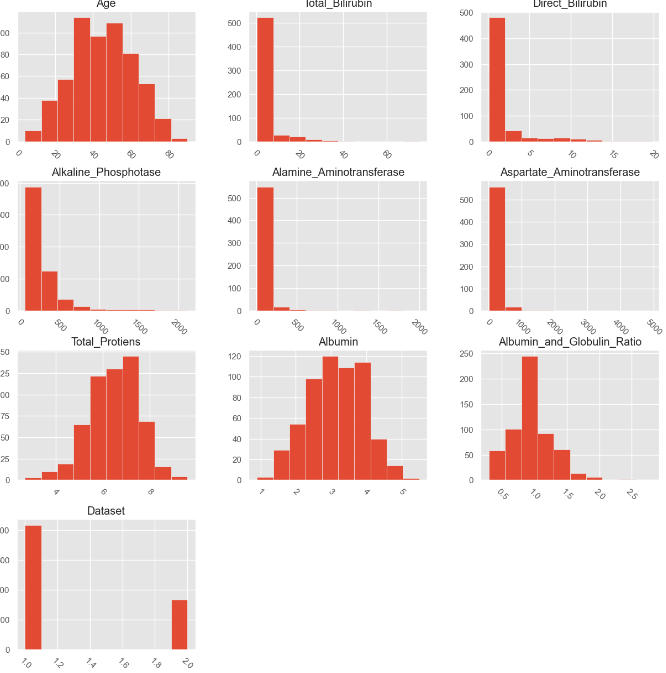
attributes values
-
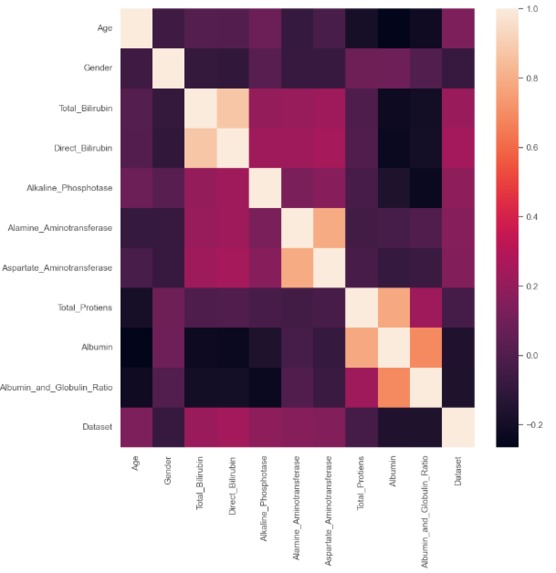
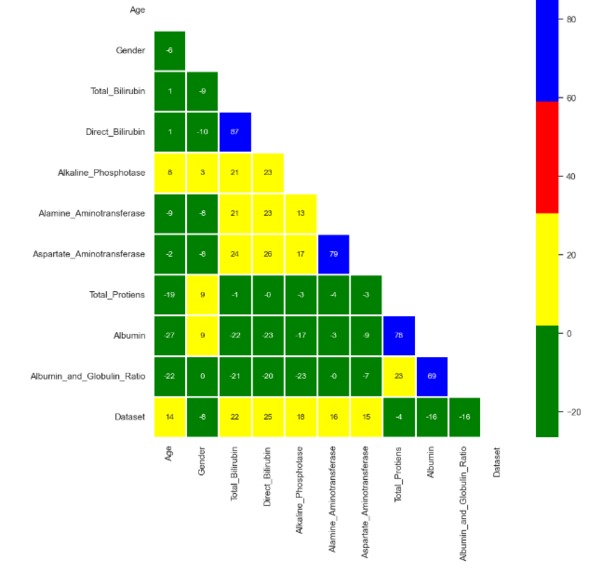
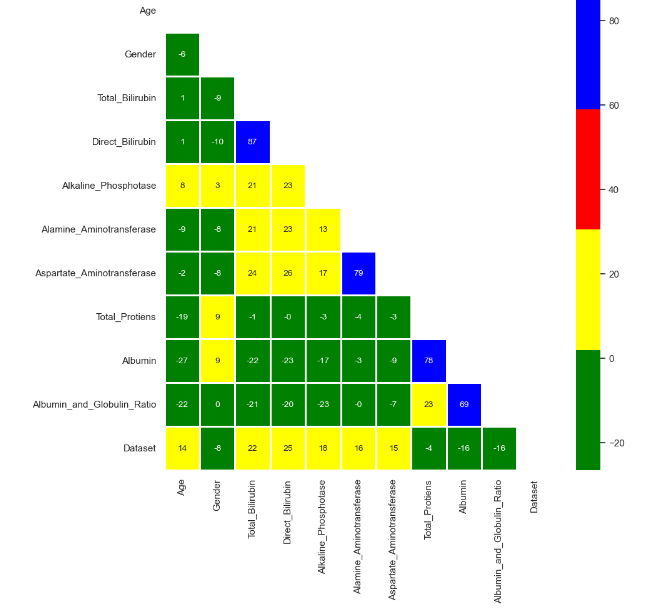
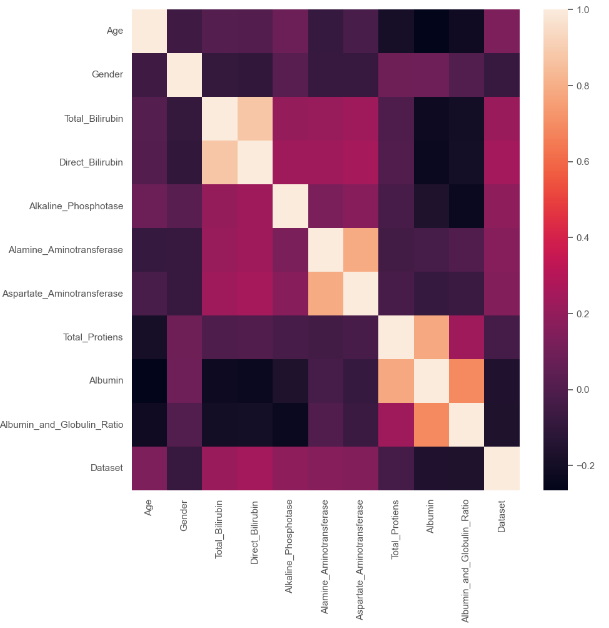
Heat map
-
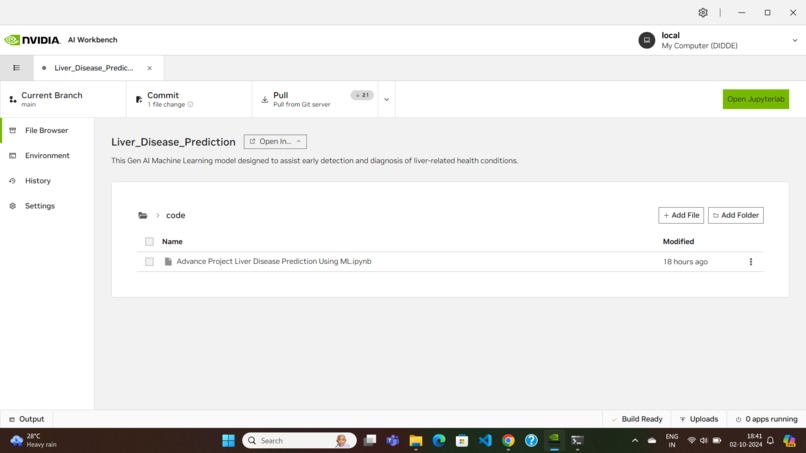
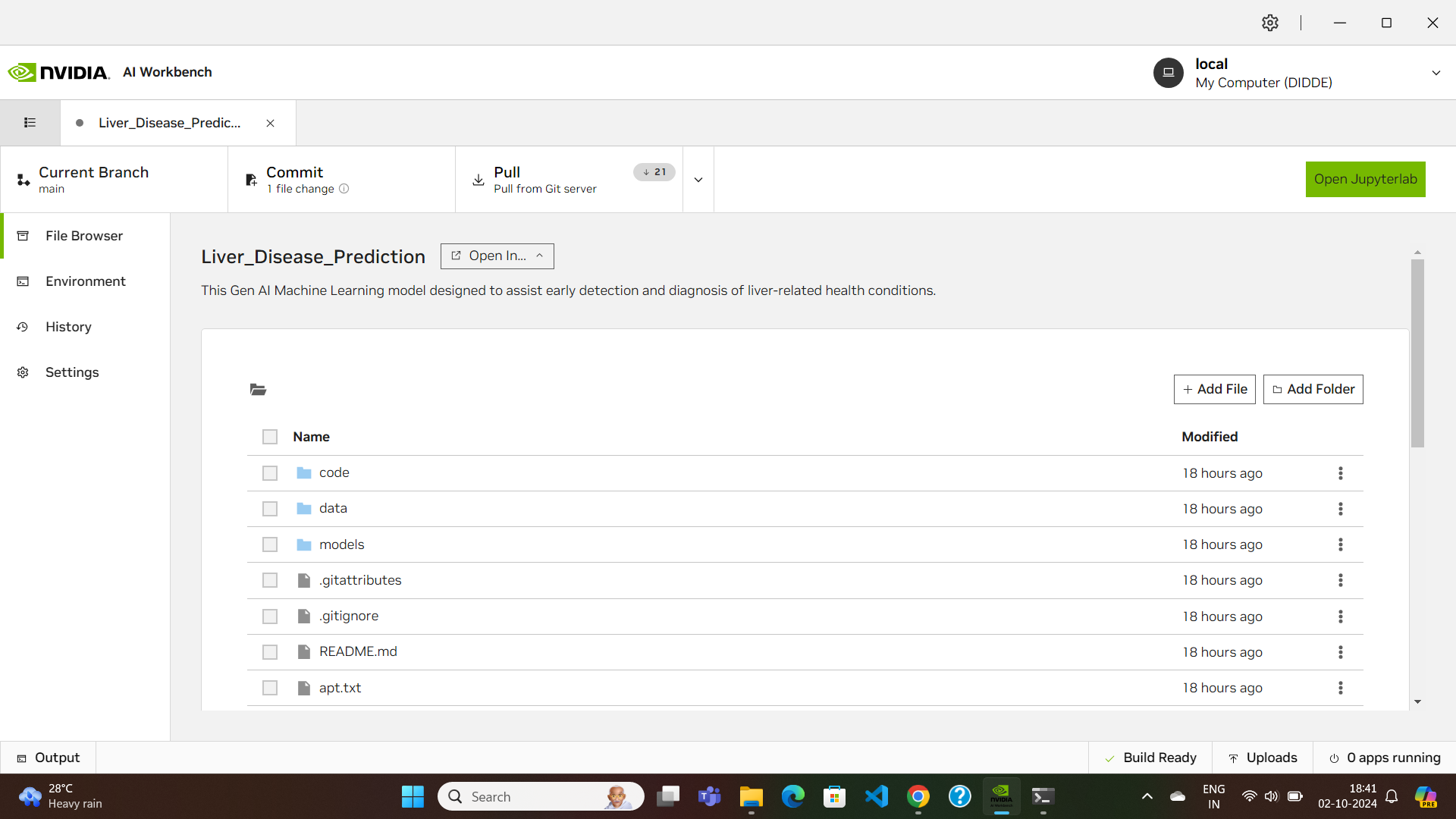
files
-
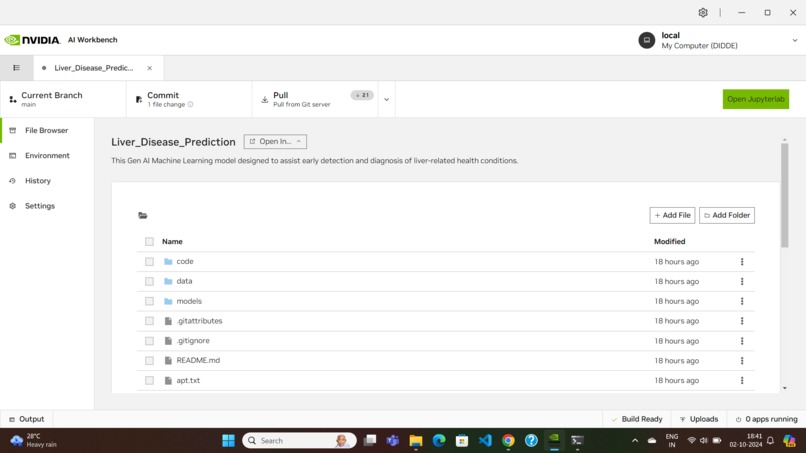
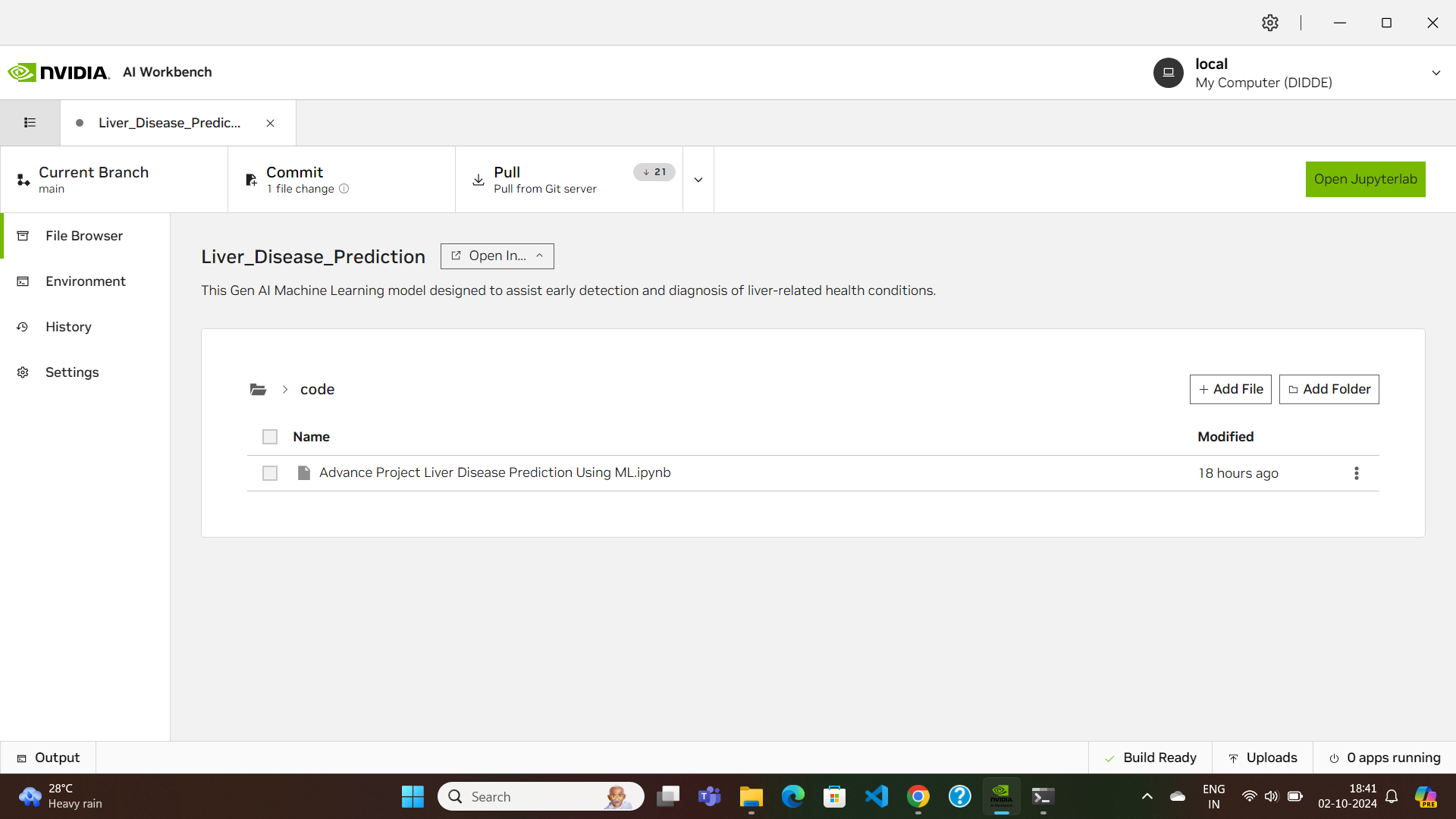
NVIDIA Ai workbench
Inspiration
The rising global prevalence of liver disease, which affects millions annually, inspired us to create a solution that could help medical professionals detect and predict liver conditions earlier. Early detection is crucial in providing timely treatment and improving patient outcomes. With the advancements in Gen AI and Machine Learning, we saw an opportunity to leverage these technologies to build a predictive model that could potentially save lives by analyzing complex datasets and generating more accurate predictions than traditional methods.
What it does
Our model is designed to predict the likelihood of liver disease in patients based on clinical and demographic data. Using a combination of Gen AI techniques and machine learning algorithms, it analyzes a variety of factors like liver function tests, patient history, and lifestyle. The model provides a risk assessment score, helping doctors make informed decisions about diagnosis and early interventions.
How we built it
We began by gathering a robust dataset of liver disease cases from public health databases. Using this data, we cleaned and preprocessed it for analysis, ensuring that all features were relevant and well-represented. The model is built using a combination of machine learning algorithms like Random Forest, Logistic Regression, and Support Vector Machines. Additionally, we incorporated Gen AI to synthesize new data and augment the dataset, improving the model's predictive accuracy. We also employed cross-validation techniques to ensure model reliability and prevent overfitting.
Challenges we ran into
One of the main challenges was dealing with incomplete or noisy data, which required a lot of preprocessing and data augmentation using Gen AI techniques. We also faced difficulties in finding the right balance between accuracy and interpretability, as medical professionals need the predictions to be both precise and understandable. Another challenge was optimizing the model for performance without sacrificing prediction time, ensuring that the results could be generated quickly in real-time scenarios.
Accomplishments that we're proud of
We’re proud of developing a model that not only has high accuracy but also provides interpretable results that can be easily understood by healthcare professionals. The use of Gen AI to augment the dataset significantly improved the model's performance, especially in predicting borderline cases. Additionally, the model's real-time prediction capability is a huge step forward, enabling faster and more accurate medical interventions.
What we learned
Through this project, we learned the importance of data quality and the power of data augmentation using Gen AI. We also gained a deeper understanding of how to balance model complexity with usability, especially in a healthcare setting where interpretability is as important as accuracy. Collaborating across multiple fields—healthcare, data science, and AI—also gave us a holistic view of how different disciplines can come together to solve real-world problems.
What's next for Liver Disease Prediction using Gen AI and Machine Learning
Moving forward, we plan to expand the model to predict not just the presence of liver disease but also the stage of progression and potential treatment outcomes. We also aim to incorporate more diverse datasets from different regions and populations to make the model more universally applicable. Additionally, we're exploring ways to integrate the model into healthcare systems, allowing for seamless use in clinical settings.
Built With
- genai
- github
- libraries
- machine-learning
- matplotlib-&-seaborn
- python
- pytorch
- scikit-learn
- tensorflow


Log in or sign up for Devpost to join the conversation.