About
LivelierVR was born from a desire to transform the way we approach mental health and wellness. Inspired by the need for more engaging and effective solutions, we sought to create an immersive virtual reality experience that would not only support mental health but also empower users to take control of their emotional well-being.
Inspiration
Our inspiration came from witnessing the struggles many individuals face in accessing traditional mental health support. We wanted to leverage technology to make mental health care more accessible, personalized, and interactive.
What it does
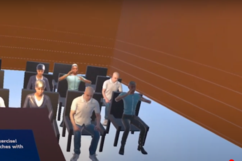
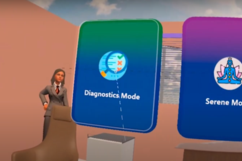
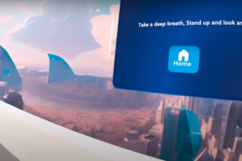
LivelierVR is an immersive virtual reality application designed to enhance mental wellness through personalized VR experiences. It allows users to explore customized virtual environments tailored to their emotional and mental state. The platform provides real-time support and recommendations, including interactive exercises, guided meditations, and therapeutic scenarios, to help users manage stress, anxiety, and other mental health challenges. LivelierVR also includes features like emotion tracking, personalized feedback, and a reward system to motivate and support users on their mental wellness journey.
How we built it
LivelierVR was built using cutting-edge VR technology combined with AI-driven personalization. We developed the platform with a focus on user experience, ensuring it is both intuitive and engaging. The core system was developed using Unity for VR interactions, while the backend was powered by a robust combination of Laravel and Node.js to handle data management and AI processes. We integrated APIs for seamless data flow and incorporated real-time analytics to adapt the experiences based on user feedback. The project involved extensive research into mental health practices and continuous testing to refine the user experience.
The biggest challenges we faced included ensuring cross-platform compatibility and optimizing the VR experiences for various devices without compromising quality. Despite these hurdles, we were able to create a scalable solution that has the potential to significantly impact the mental health space.
Challenges we ran into
Building LivelierVR was a challenging yet rewarding process. We utilized state-of-the-art VR technology combined with AI-driven insights to craft personalized experiences for each user. Our team collaborated across various disciplines, including psychology, technology, and design, to bring this vision to life.
Accomplishments that we're proud of
User-Centric Design: Successfully developed a platform that offers personalized VR experiences based on users' emotional and mental states, enhancing the effectiveness of mental wellness practices.
Seamless Integration: Integrated advanced AI algorithms with VR technology to provide real-time, adaptive feedback and recommendations, creating a truly immersive and responsive environment.
Positive Impact: Received overwhelmingly positive feedback from early users who reported significant improvements in their mental health and overall well-being after using LivelierVR.
What we learned
Throughout the development of LivelierVR, we learned the importance of user-centric design and the power of immersive experiences in creating impactful change. Engaging with our users helped us refine our approach, ensuring that every feature added genuine value to their journey towards better mental health.
What's next for LiveLierVR
Expansion of VR Experiences: We plan to expand our library of VR experiences, incorporating new scenarios and environments that cater to a broader range of mental health needs. Integration with Wearable Devices: We're working on integrating LivelierVR with wearable devices to provide real-time biofeedback, enhancing the personalization of user experiences. Partnerships with Mental Health Professionals: We aim to collaborate with mental health experts to refine and expand the therapeutic aspects of LivelierVR, ensuring that the platform remains at the forefront of mental health innovation. Global Outreach: LivelierVR is set to launch in new markets, including partnerships with organizations focused on mental health in underserved communities. User-Driven Features: We plan to introduce user-driven features, such as community support and customizable VR environments, to further enhance user engagement and satisfaction.

Log in or sign up for Devpost to join the conversation.