Inspiration
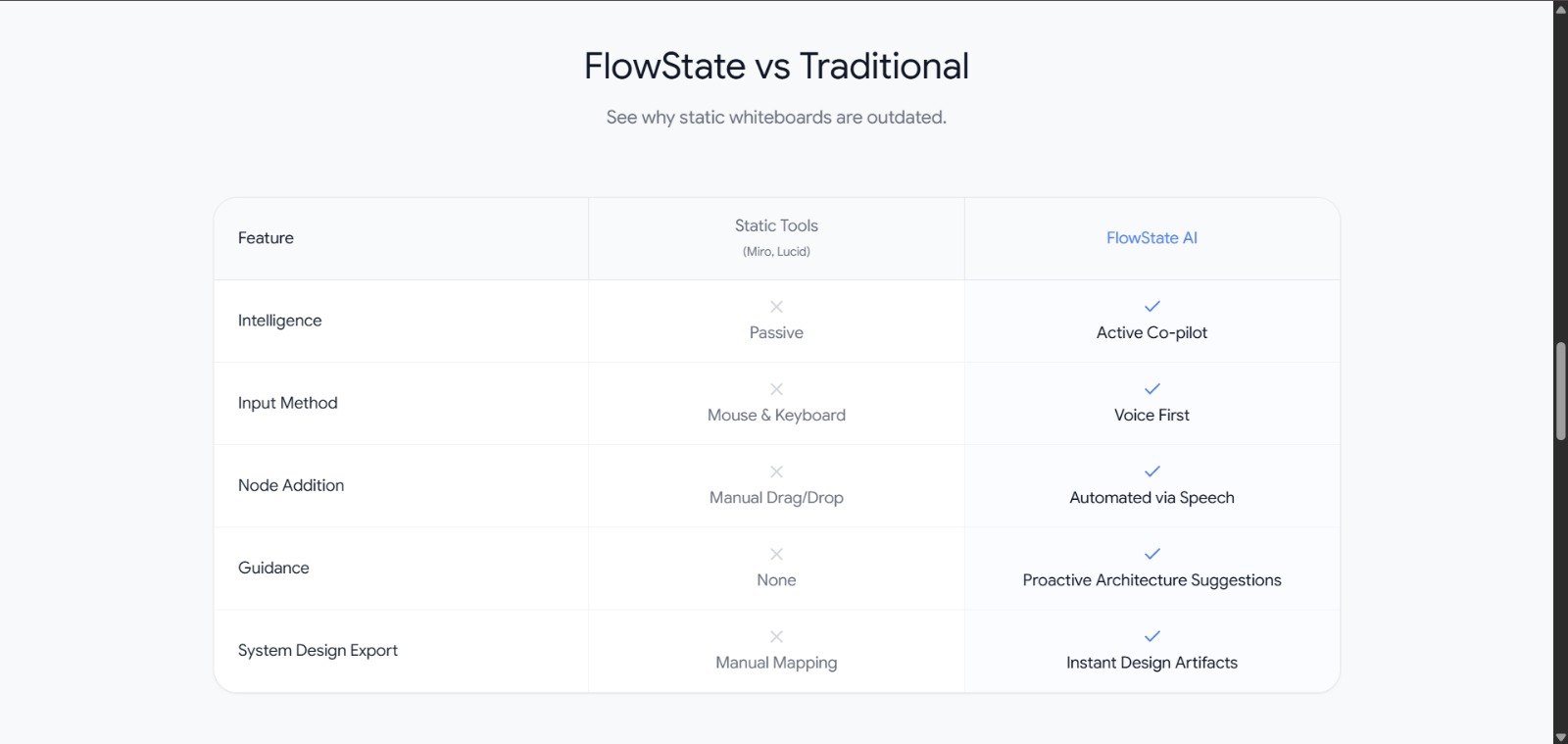
Most AI systems today rely heavily on traditional text-based interaction. While these systems are powerful, they do not fully reflect how humans naturally communicate. Humans interact through speech, visual perception, and contextual awareness, not just typed text.
The inspiration for this project was to move beyond the conventional chat interface and create an AI agent that can interact with users in a more natural way. Instead of limiting communication to text input, the goal was to build an intelligent system capable of understanding voice, images, and visual context in real time.
The Gemini Live Agent Challenge provided an ideal opportunity to explore this concept by leveraging the multimodal capabilities of Gemini models along with the scalability of Google Cloud infrastructure.
Project Overview
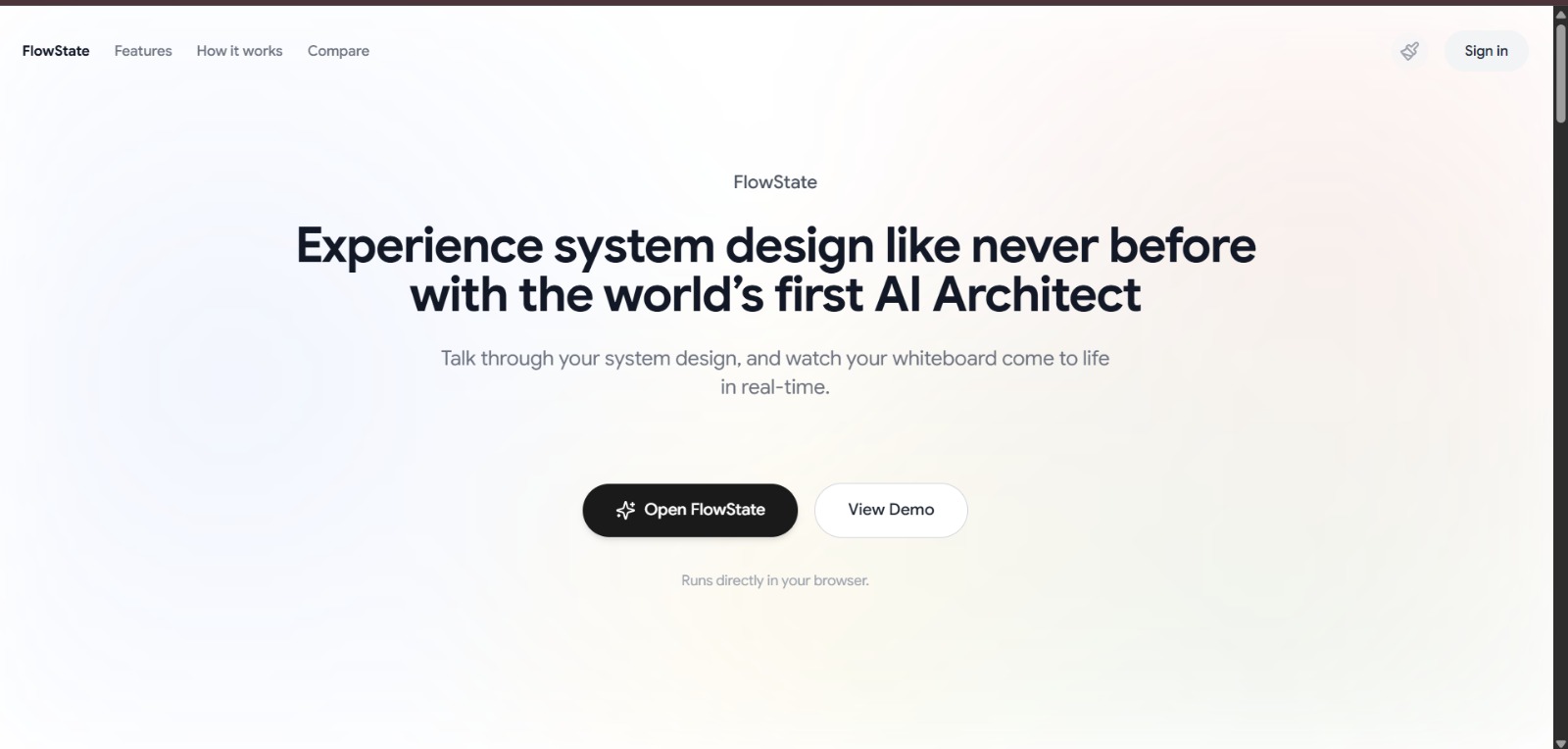
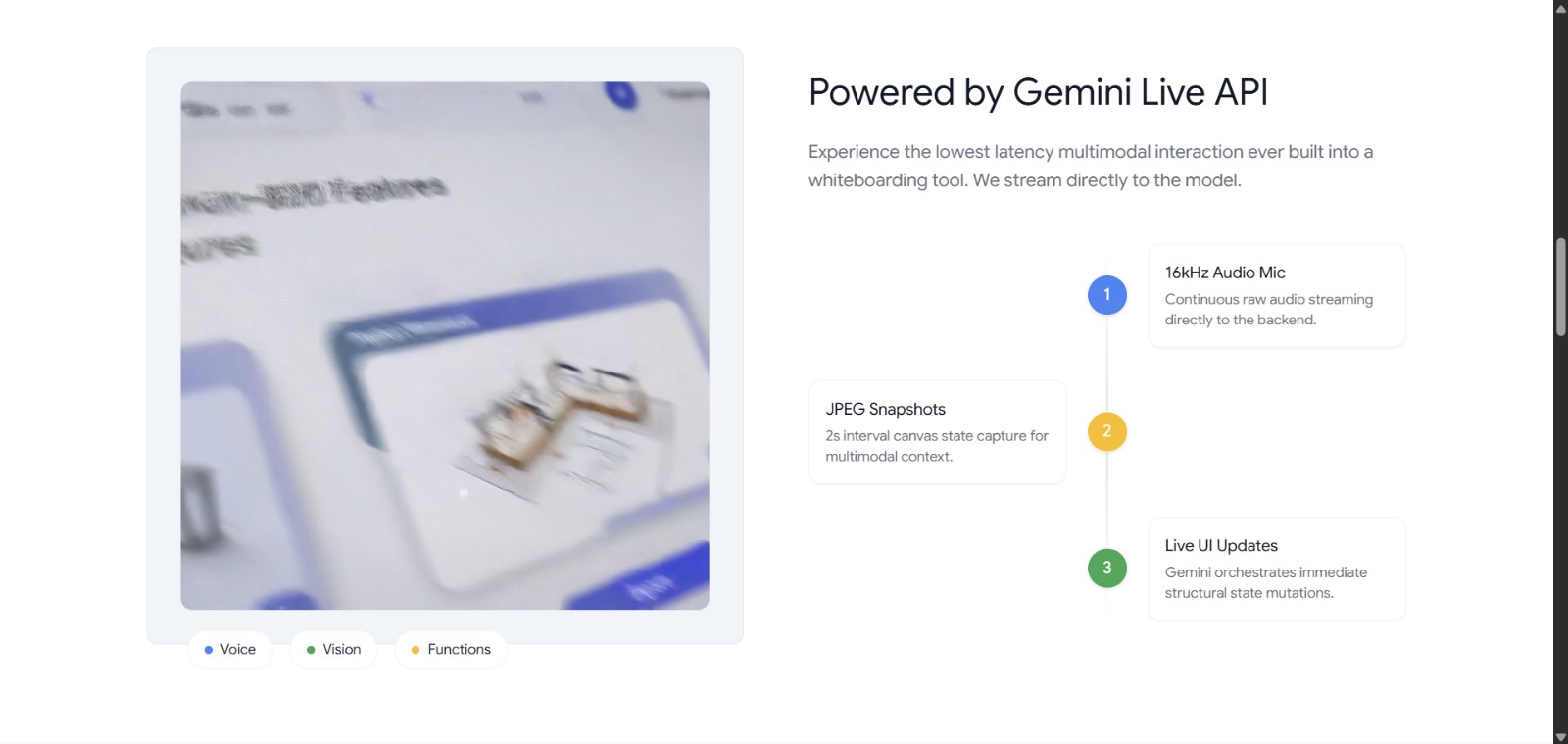
This project is a real-time multimodal AI agent designed to interact with users through multiple input modalities, including voice, images, and text. The system processes these inputs using Gemini’s multimodal models and generates intelligent responses in different formats such as voice, text, and generated visual outputs.
By integrating these capabilities, the system moves beyond simple text-based interactions and enables users to communicate with AI in a more natural and intuitive way.
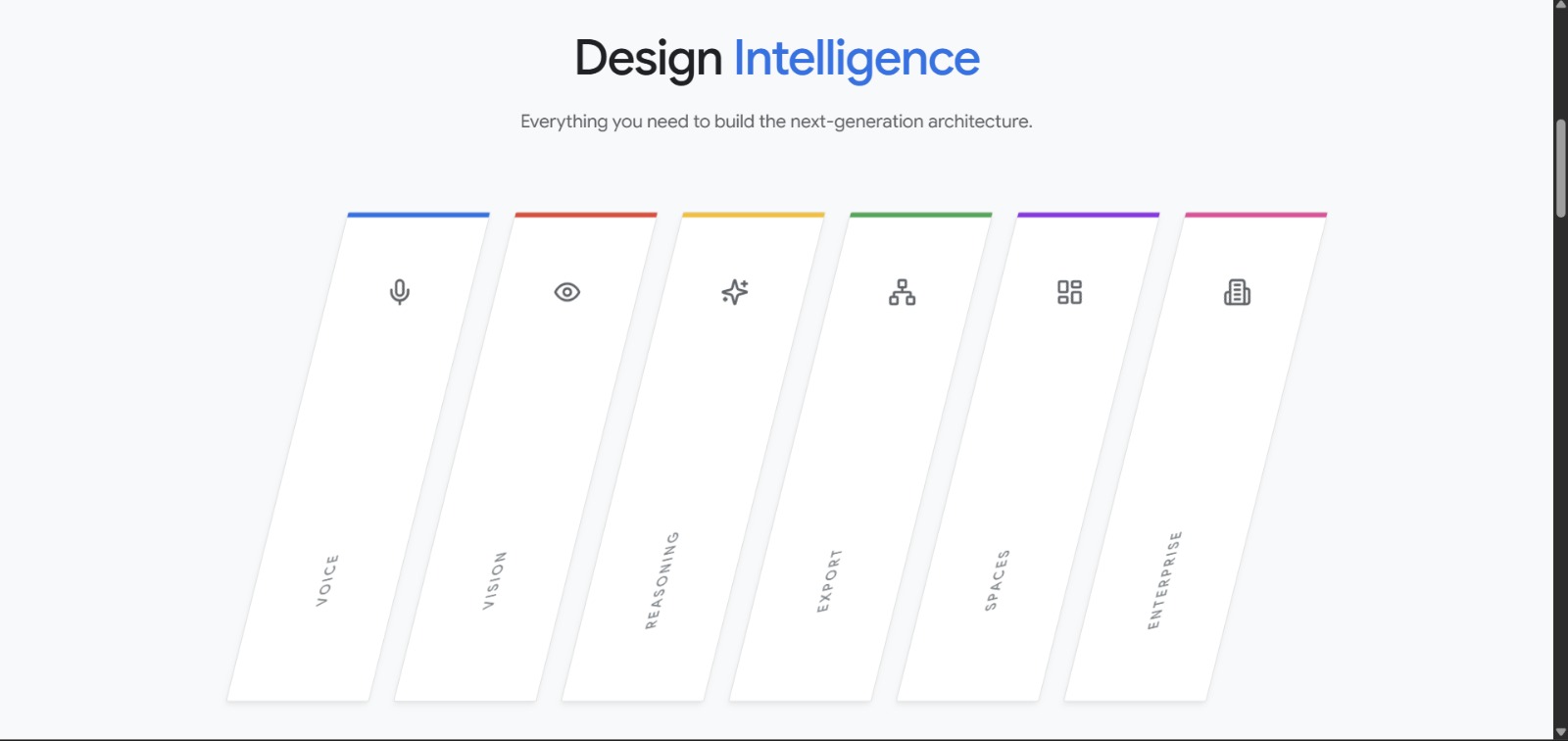
Key Features Real-Time Multimodal Interaction
The system allows users to interact with the AI agent using multiple forms of input such as voice, text, and images. This creates a more flexible and natural user experience.
Visual Understanding
The AI agent is capable of analyzing images or camera input, enabling it to interpret visual information and respond with context-aware insights.
Intelligent Response Generation
The system uses Gemini models to generate responses that combine reasoning, language understanding, and multimodal output generation.
Cloud-Based Architecture
The backend services are hosted on Google Cloud, providing a scalable and reliable infrastructure capable of supporting real-time AI interactions.
System Architecture
The architecture of the system is divided into three primary layers: the frontend interface, the backend agent server, and the AI processing layer.
Frontend Layer
The frontend is developed using React and provides the main user interface for interacting with the AI agent. It supports real-time communication and allows users to provide inputs through voice, images, and text.
The frontend is responsible for:
Capturing voice input through the browser
Handling camera and image uploads
Displaying AI-generated responses
Managing communication with backend services
Technologies used in this layer include React and modern web APIs for media capture.
Backend Agent Layer
The backend serves as the orchestration layer that connects user inputs with AI processing services. It manages incoming requests, processes multimodal inputs, and communicates with the Gemini model through APIs.
Key responsibilities of the backend include:
Handling API requests from the frontend
Managing multimodal input processing
Sending requests to the Gemini API
Returning generated responses to the client
This backend is deployed on Google Cloud infrastructure to ensure scalability and reliability.
AI Processing Layer
The AI processing layer utilizes Gemini models to interpret and respond to multimodal inputs. These models are capable of understanding text, visual inputs, and contextual information simultaneously.
Capabilities provided by this layer include:
Natural language understanding
Visual content interpretation
Context-aware response generation
Multimodal output generation
This enables the AI agent to deliver more intelligent and relevant responses based on the user's inputs.
Google Cloud Infrastructure
The project is deployed on Google Cloud, which provides the core infrastructure for hosting backend services and connecting to Gemini models.
Key services used include:
Vertex AI / Gemini API for AI processing
Cloud Run or Cloud Functions for backend execution
Cloud Storage for storing generated assets
Google Cloud networking for secure communication between components
Using Google Cloud ensures the system can scale effectively while maintaining low latency for real-time interaction.
System Workflow
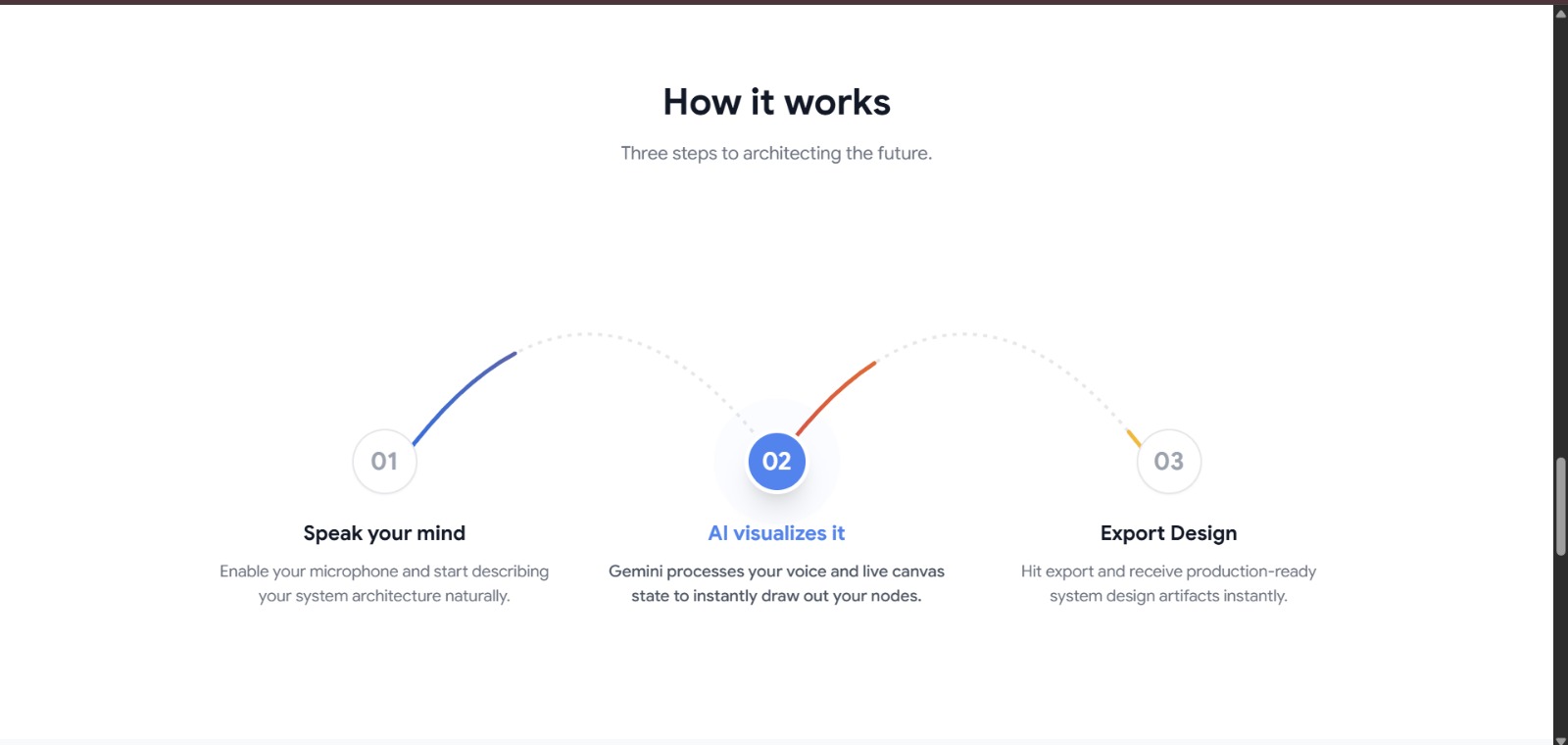
The high-level workflow of the system is as follows:
The user provides input through voice, text, image, or screen capture.
The React frontend captures the input and sends it to the backend server.
The backend processes the request and forwards it to the Gemini API.
The Gemini model analyzes the multimodal input and generates a response.
The backend receives the generated response.
The response is returned to the frontend and presented to the user.
What I Learned
Developing this project provided practical experience in designing and implementing multimodal AI systems. It also offered insights into how real-time AI interaction can be built using modern cloud infrastructure.
Key learning areas included:
Integrating multimodal AI capabilities into a unified application
Designing low-latency systems for real-time user interaction
Deploying scalable backend services on Google Cloud
Structuring AI agents that can process multiple types of input simultaneously
Challenges Faced
Several technical challenges were encountered during development.
One major challenge involved handling real-time communication between the frontend and backend while processing multiple types of data inputs.
Another challenge involved managing multimodal input processing and ensuring the system could efficiently send and receive data from the Gemini API without introducing significant latency.
Deploying and configuring services on Google Cloud also required careful setup of APIs, authentication, and service connections.
Future Improvements
Several enhancements could further improve the system.
Future development may include:
Persistent conversation memory for longer interactions
Advanced visual reasoning capabilities
Deeper integration with screen automation tools
More personalized AI agent behaviors
These improvements could further extend the functionality and real-world applicability of the system.
Conclusion
This project demonstrates how AI systems can move beyond static text interfaces and evolve into real-time interactive agents capable of understanding multiple forms of human input.
By combining multimodal AI capabilities with scalable cloud infrastructure, the system provides a foundation for building more natural, intelligent, and context-aware AI assistants.


Log in or sign up for Devpost to join the conversation.