-
-
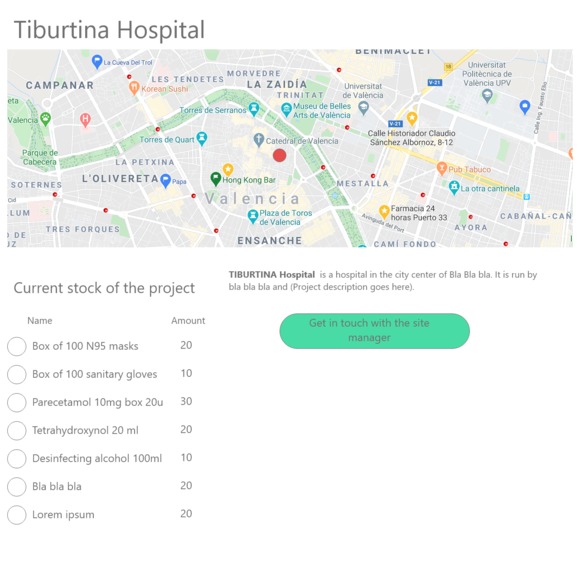
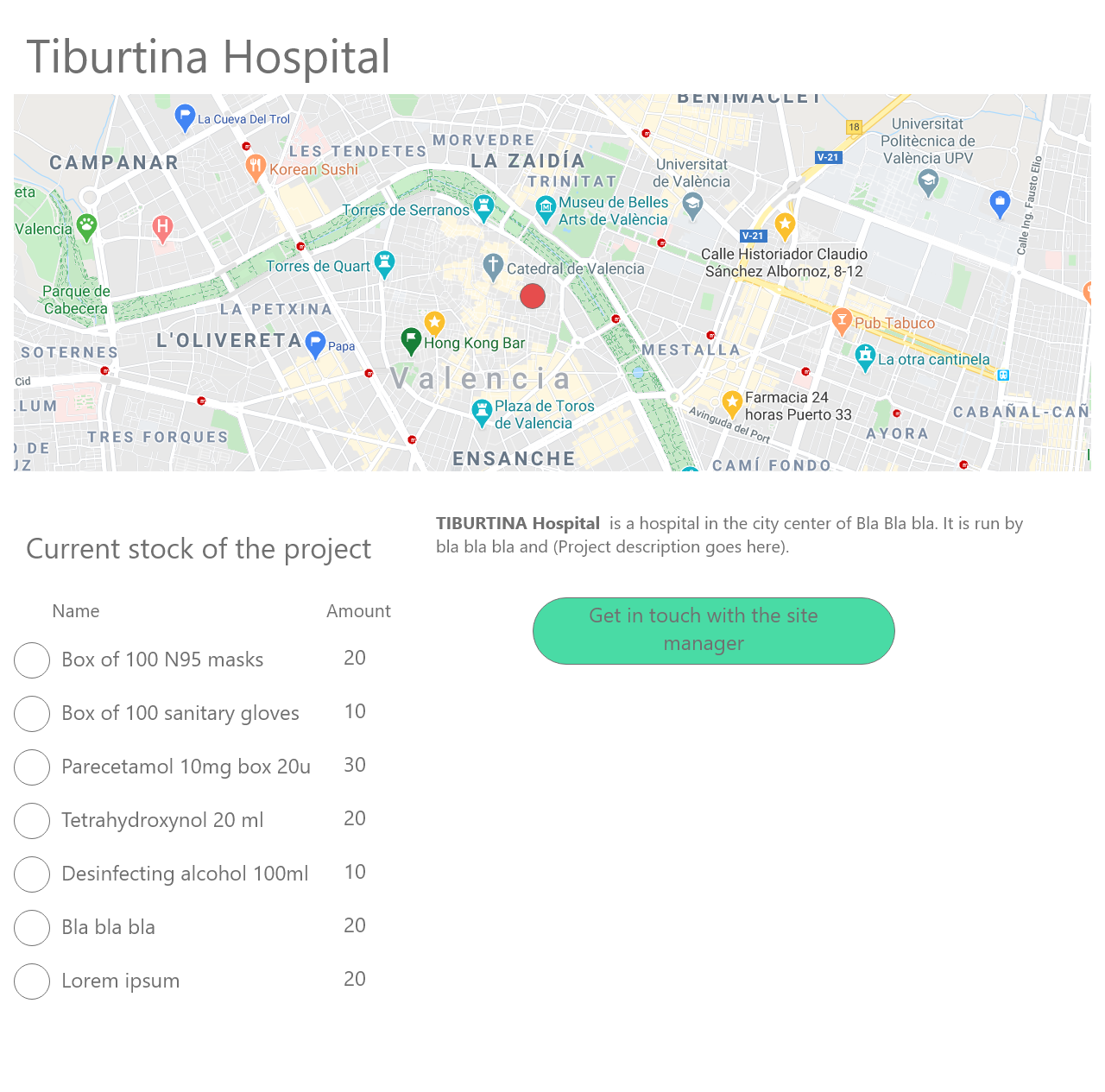
Project webpage
-
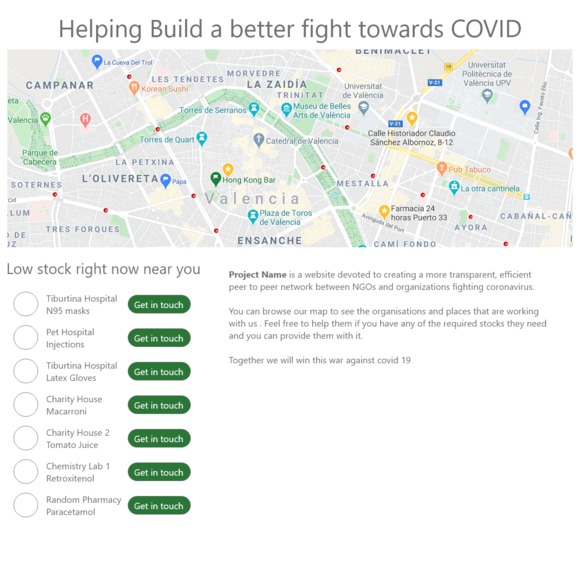
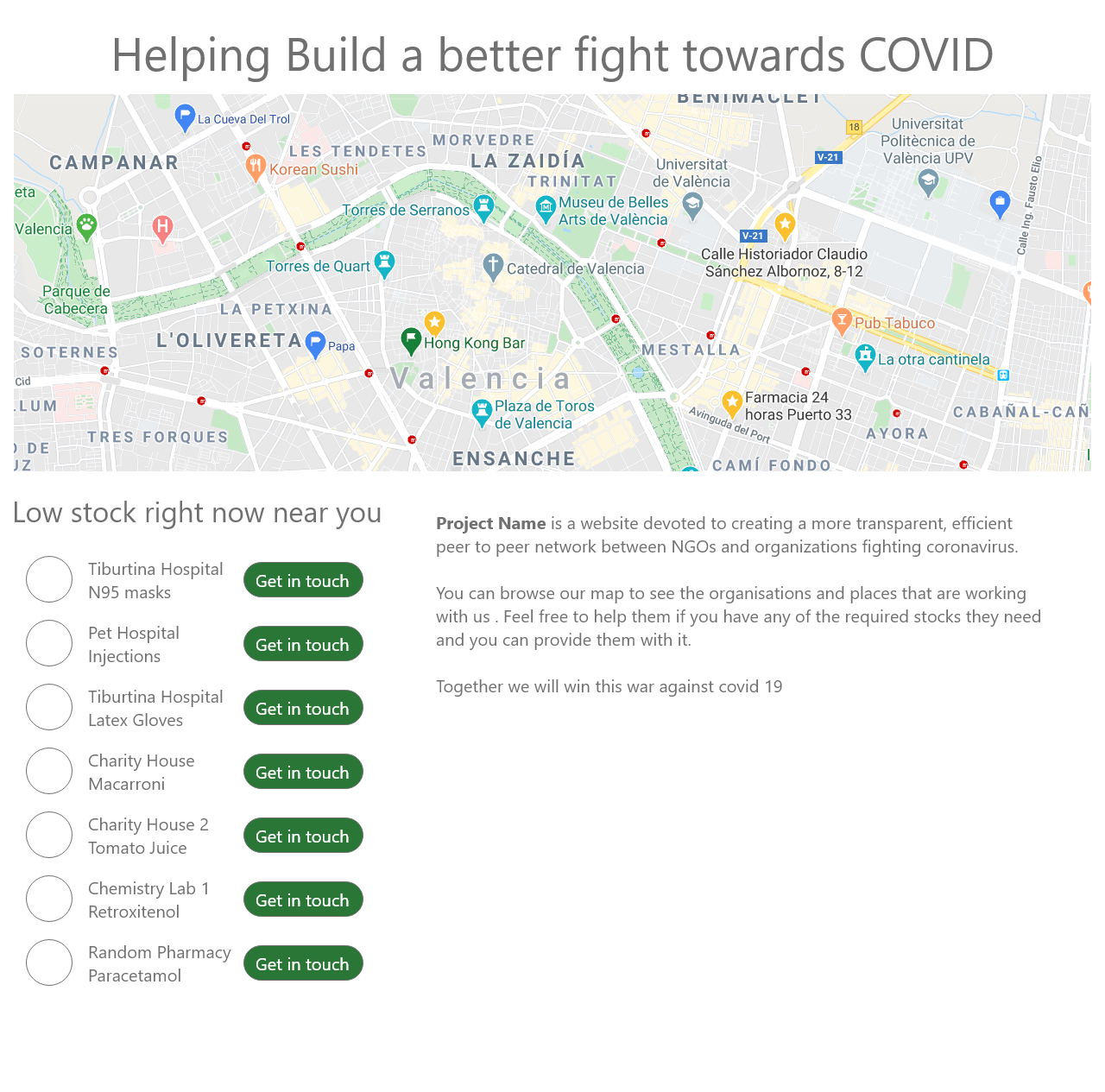
main webpage
-
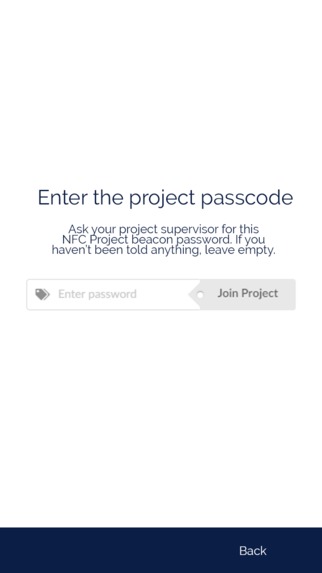
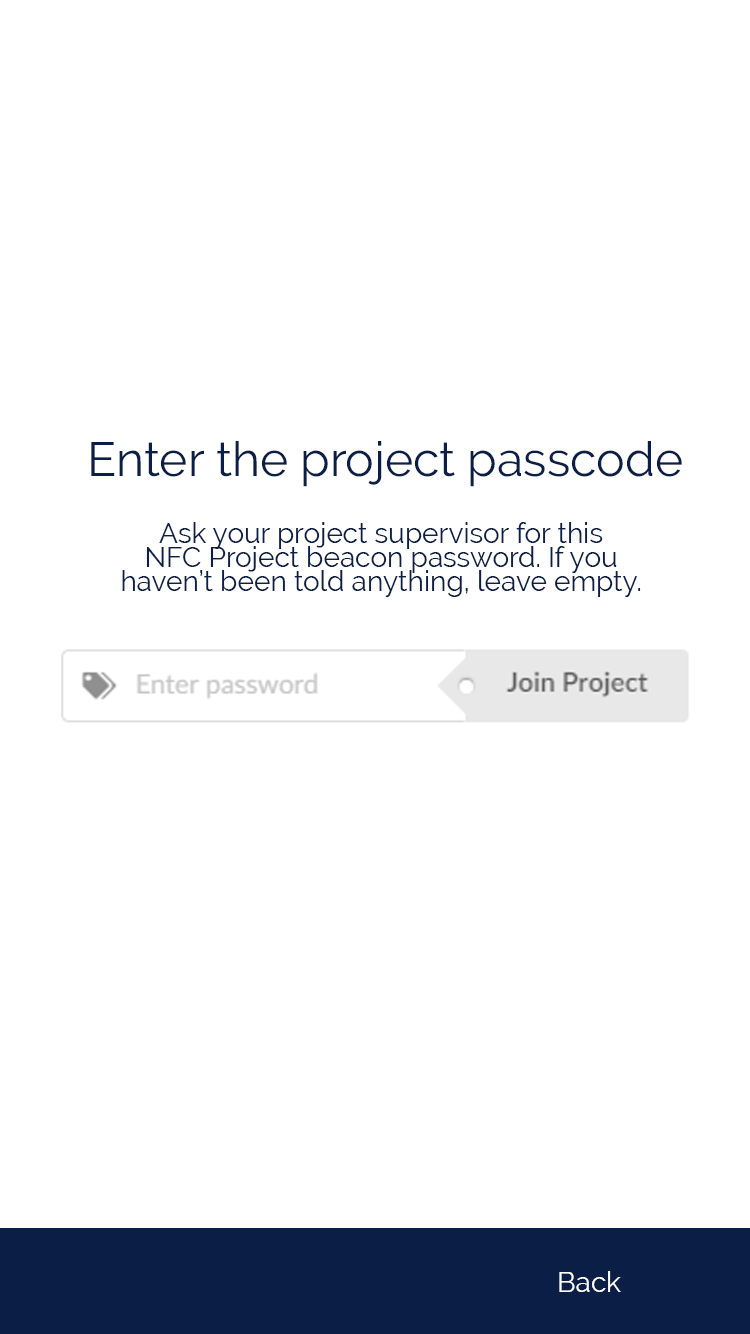
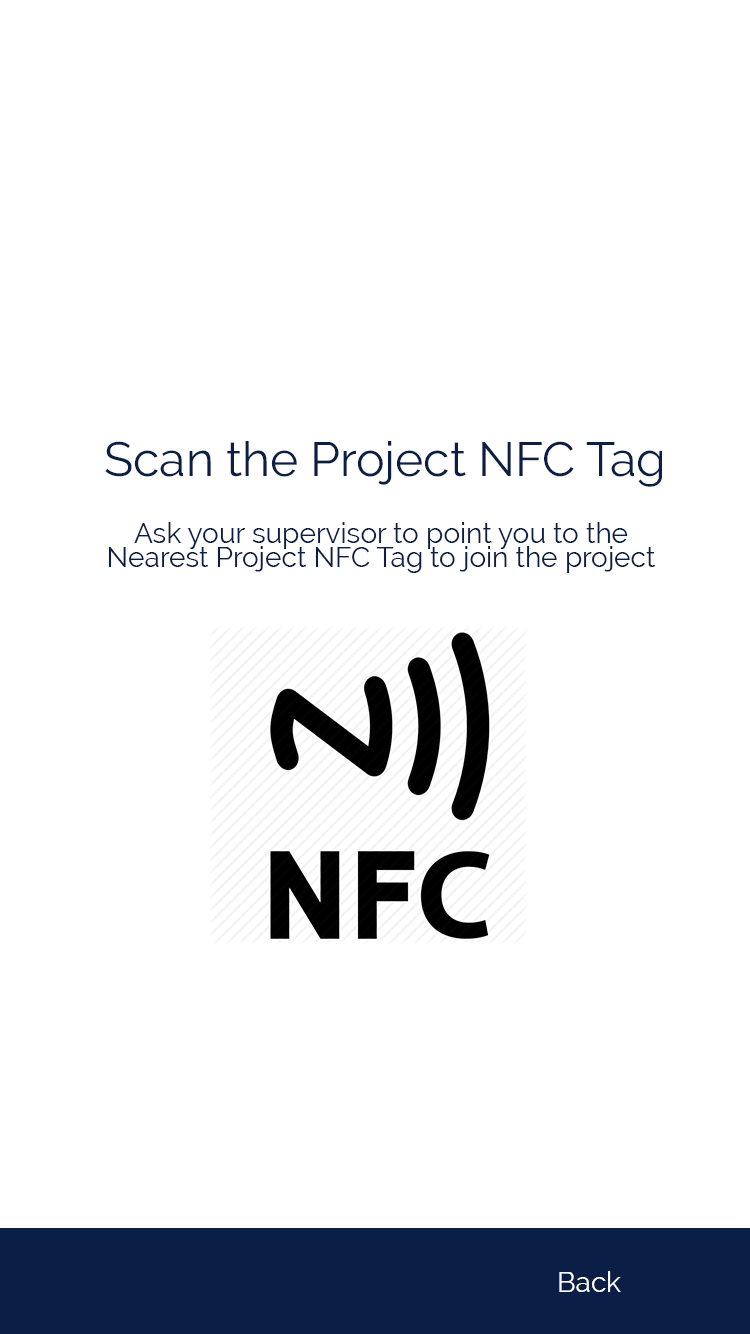
joinspot
-
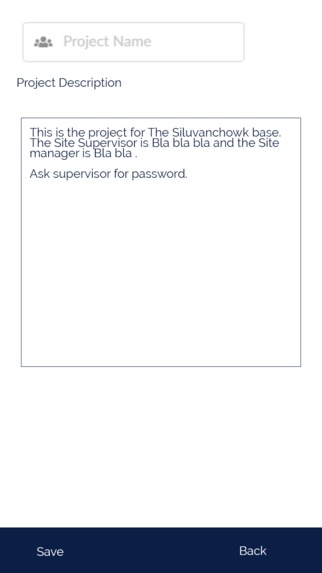
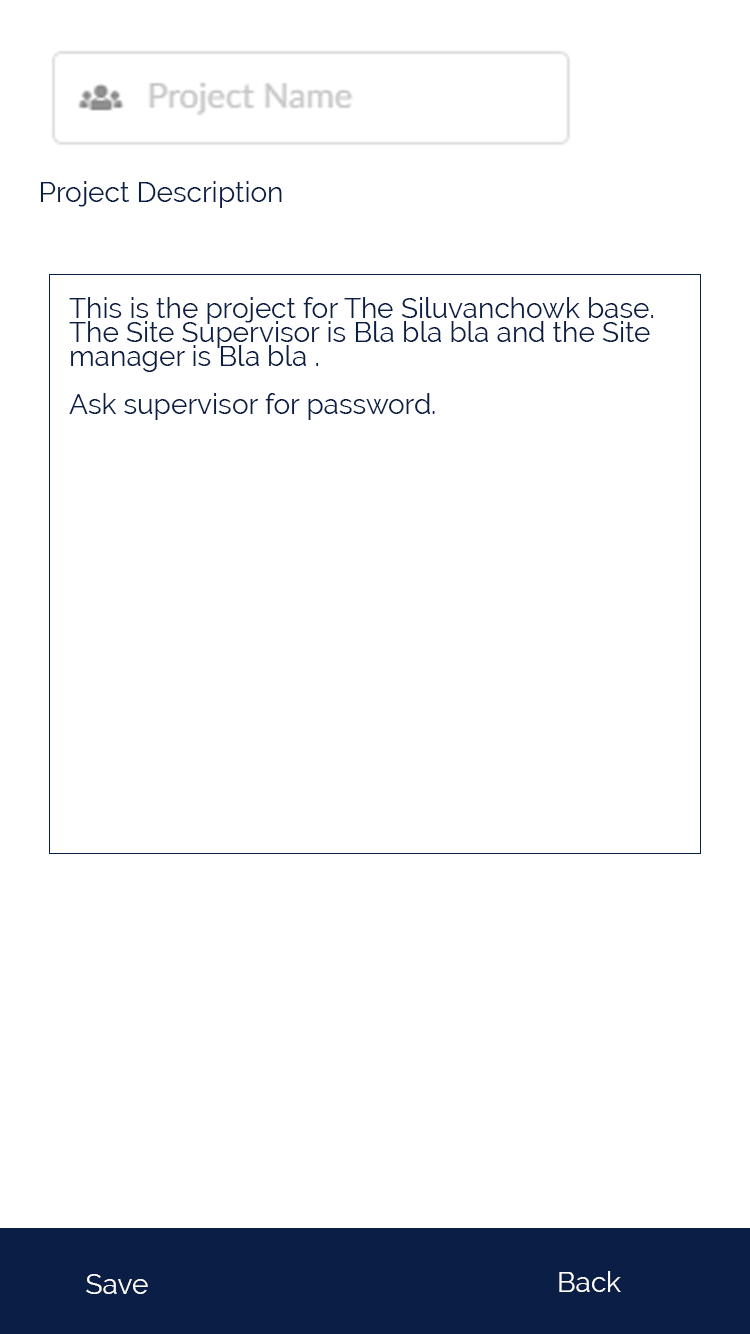
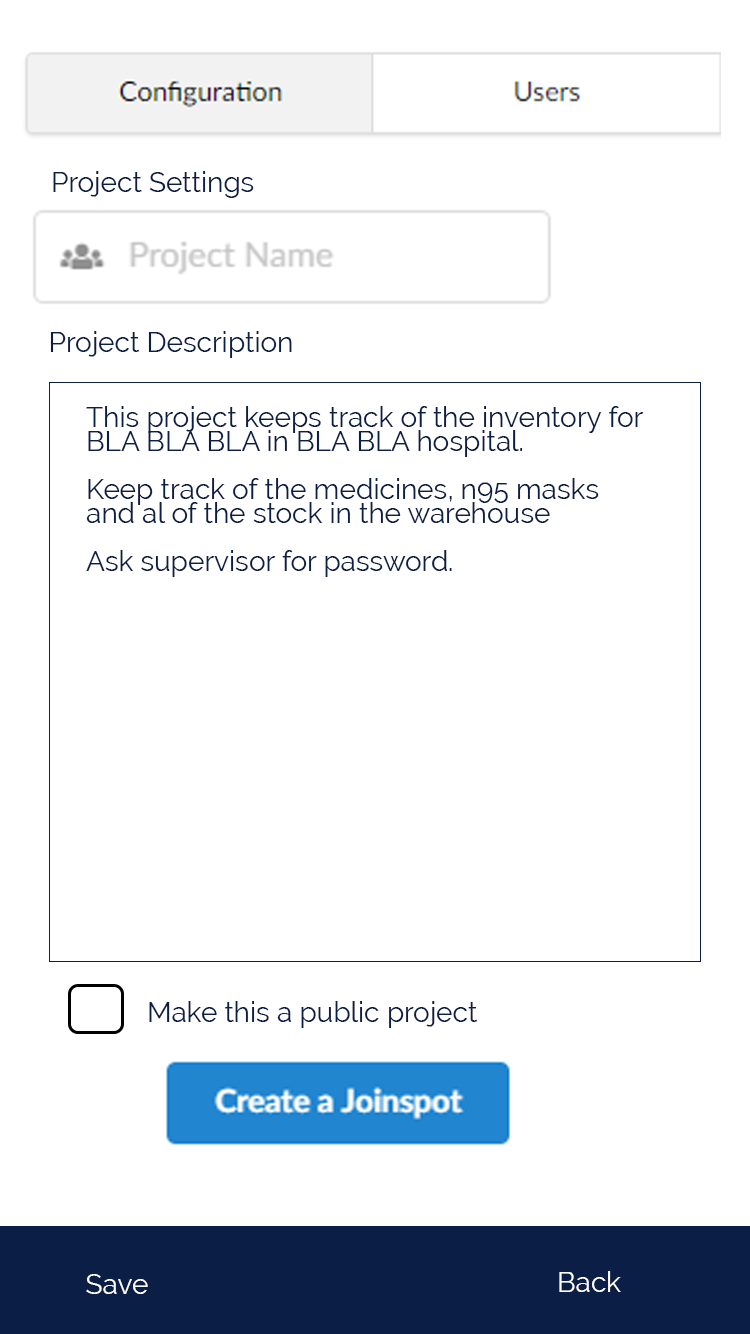
project settings
-
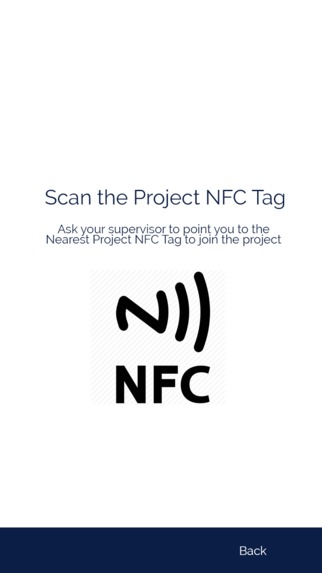
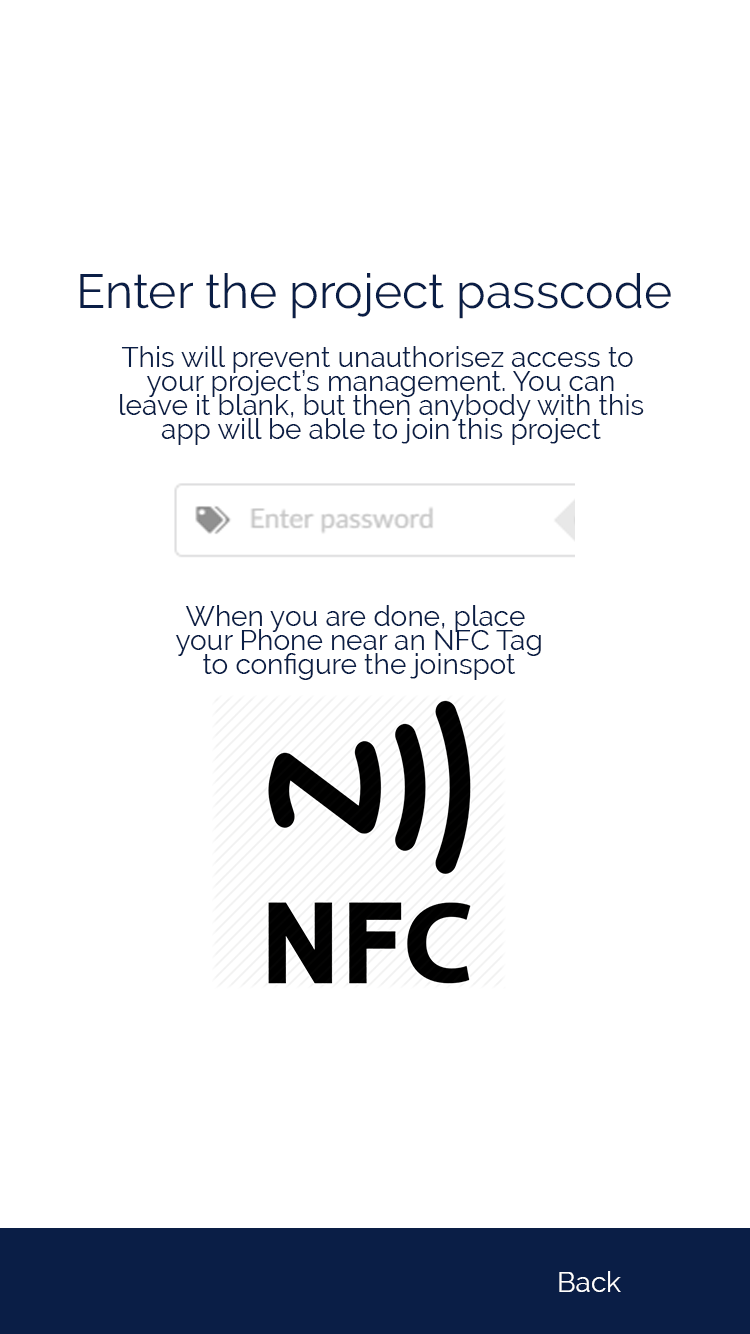
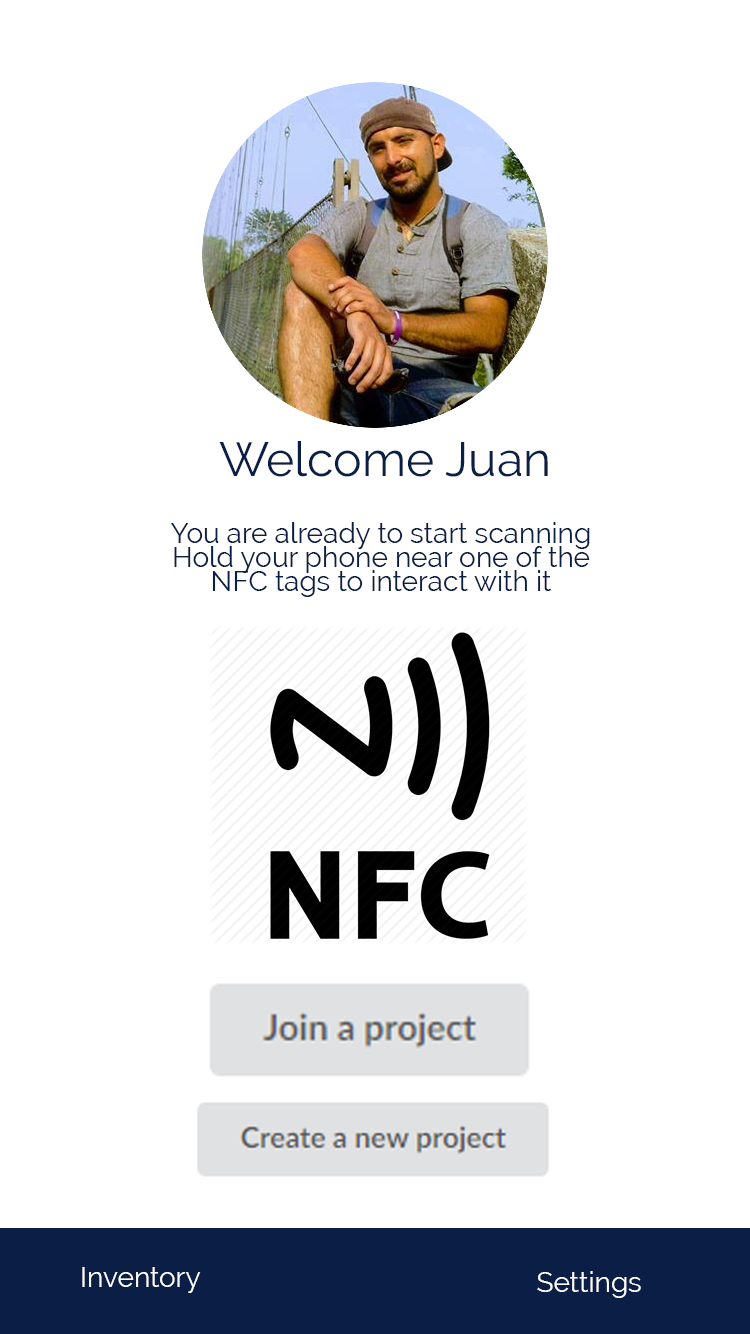
NFC ready to join
-
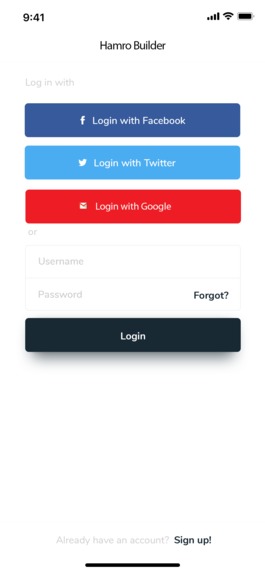
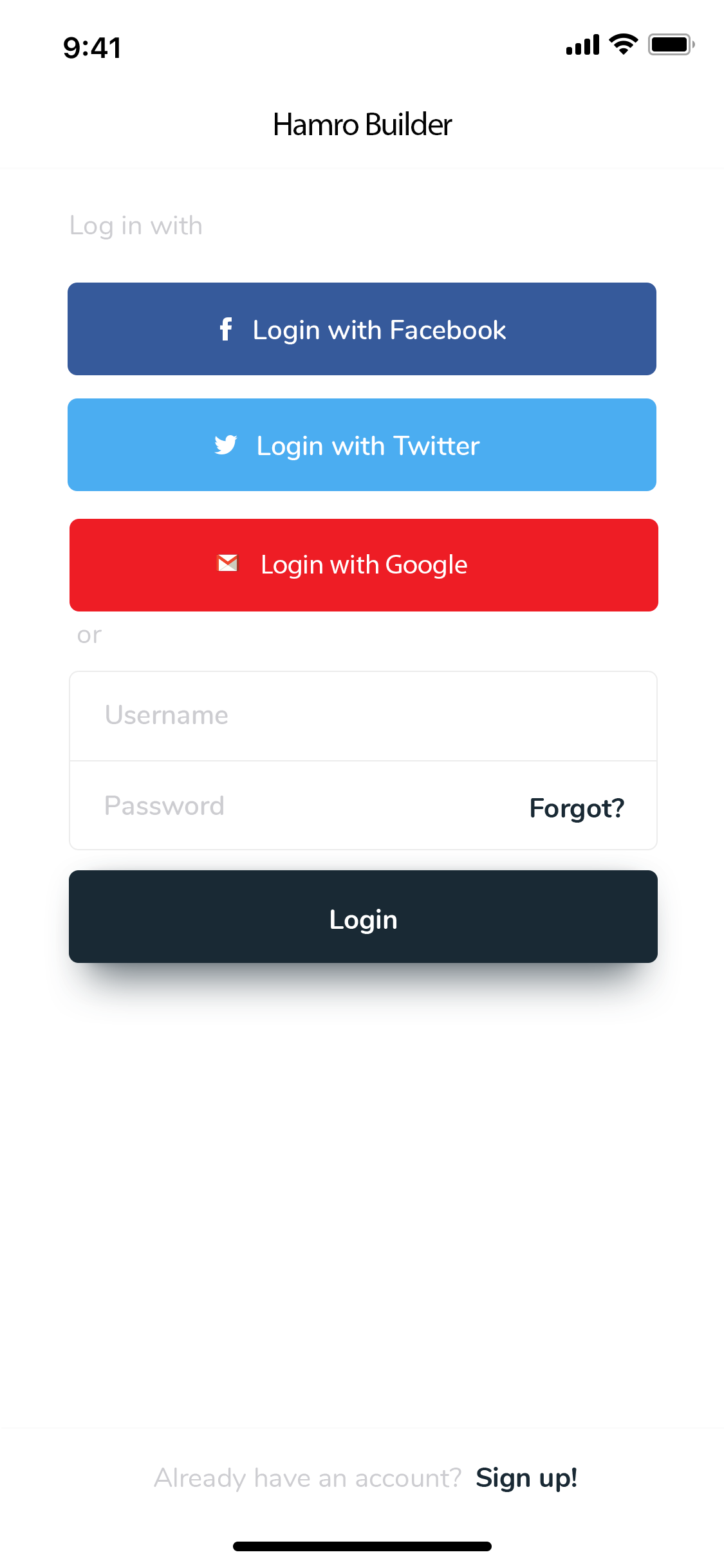
login view
-
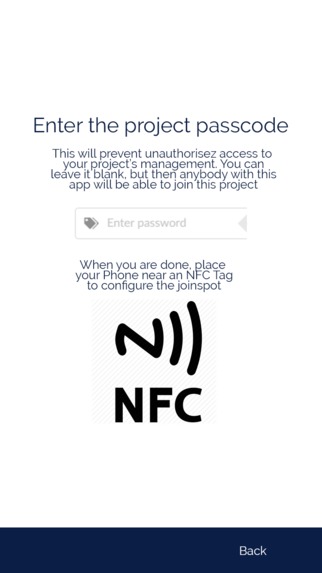
main page
-
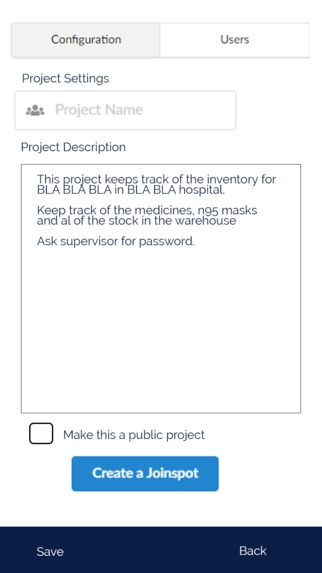
edit and config for project
-
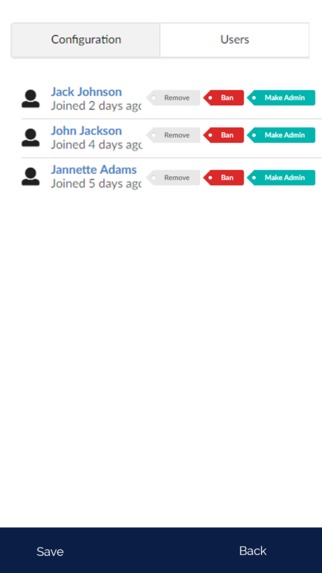
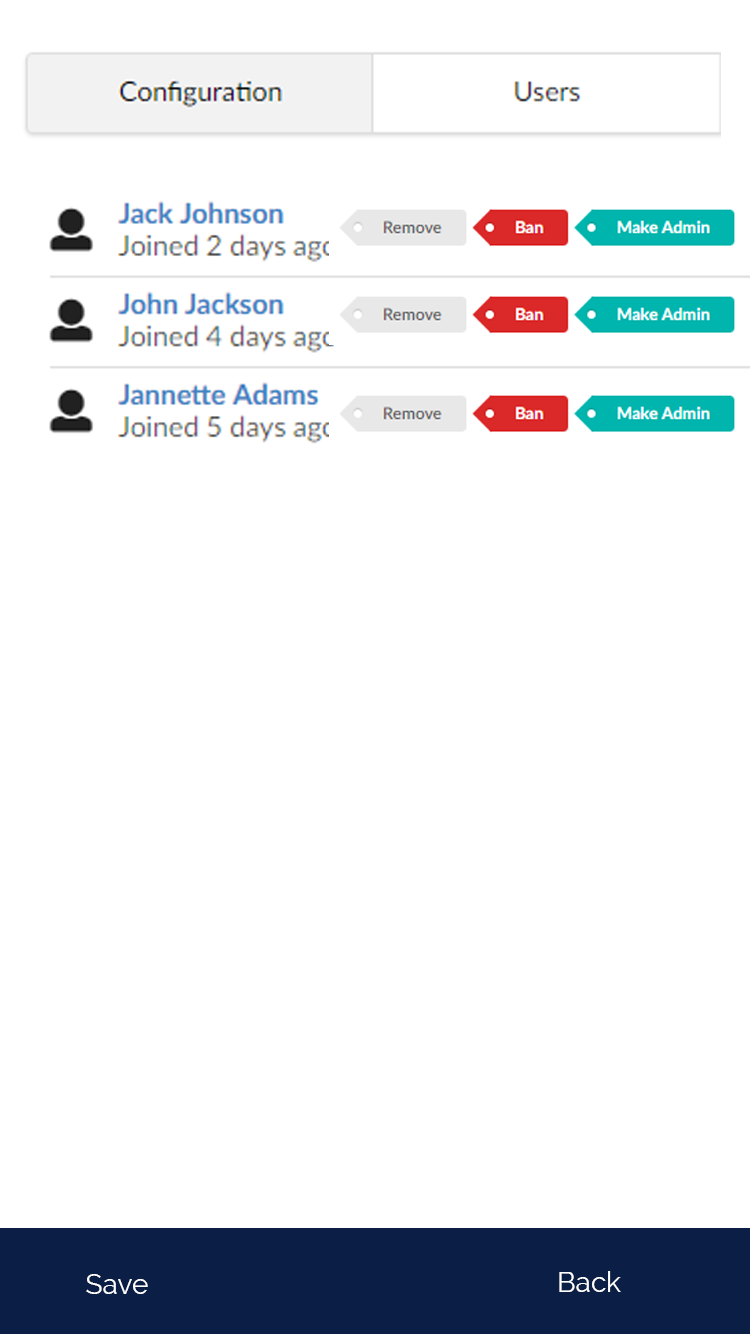
people in project
-
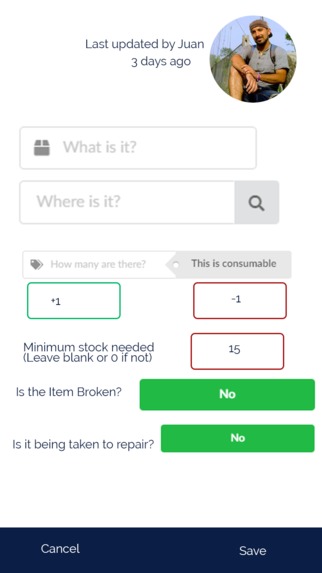
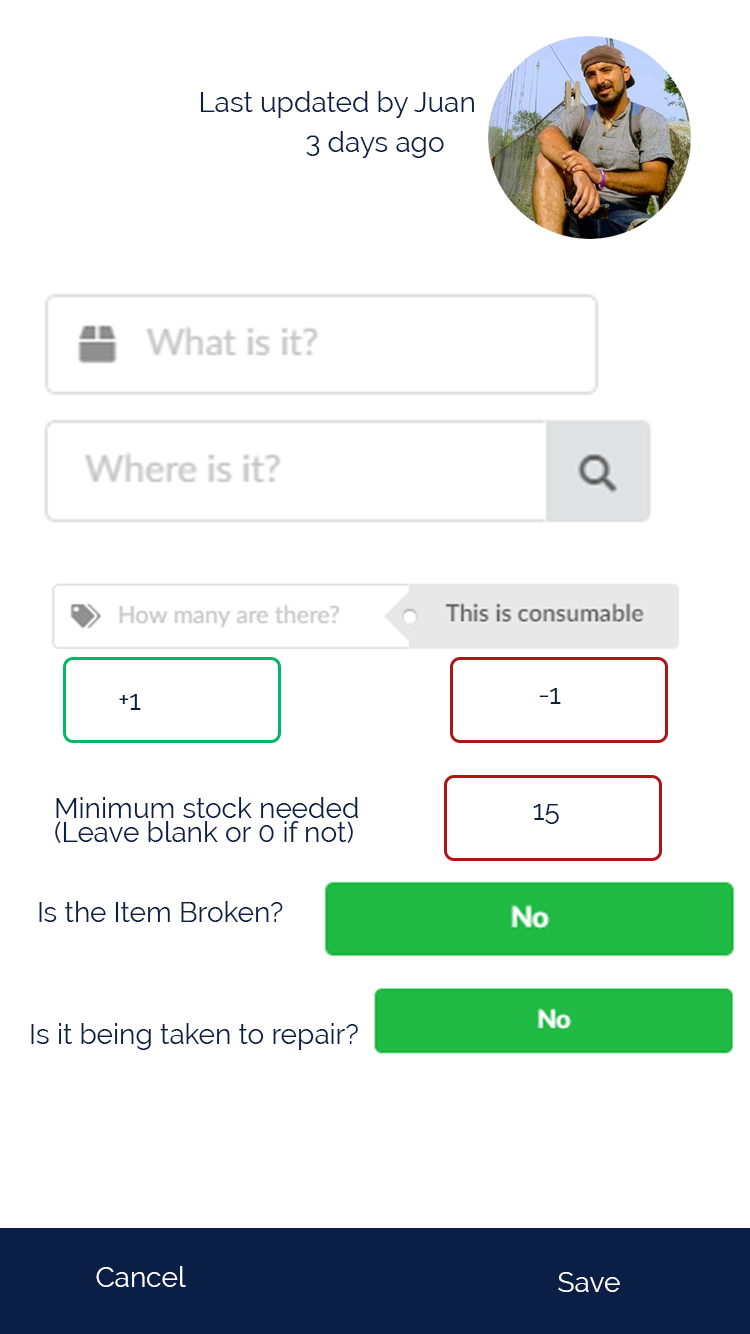
edit/update tool or object
-
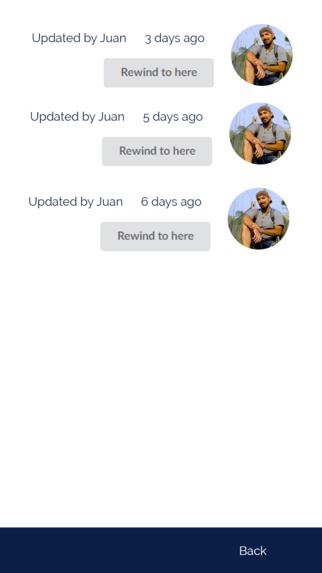
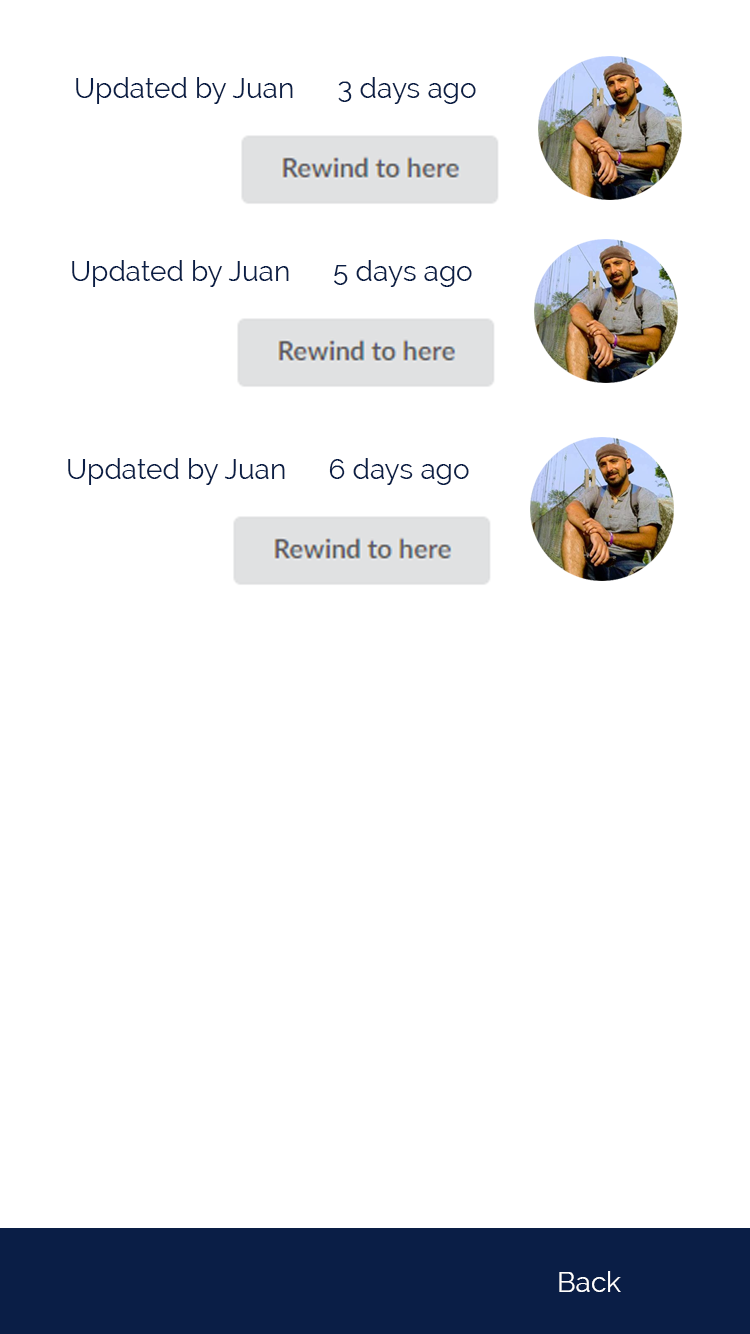
history review
-
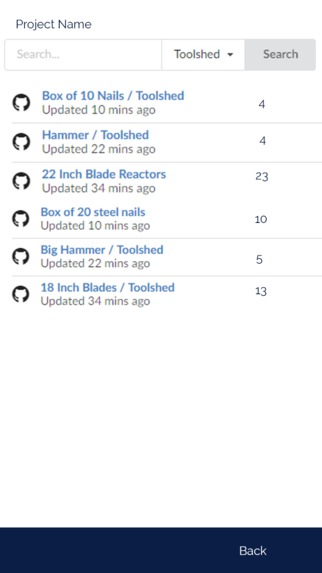
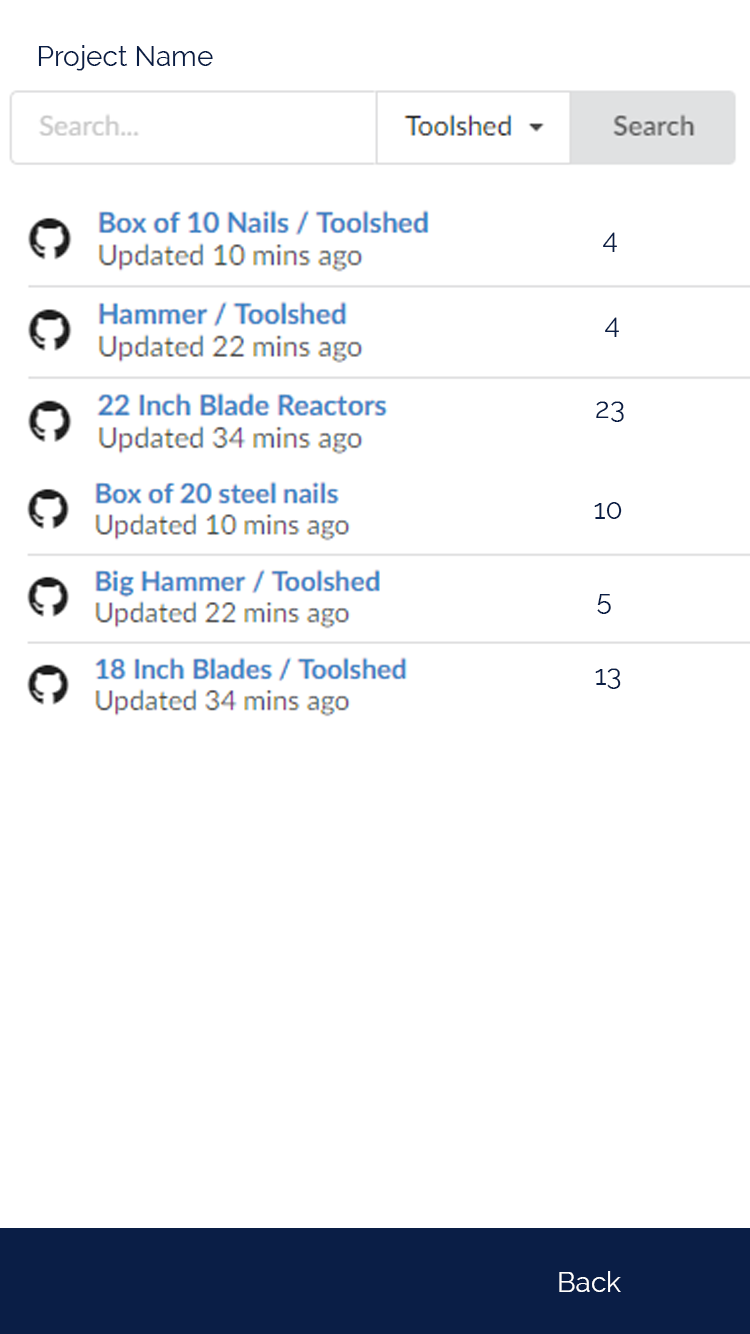
inventory
-
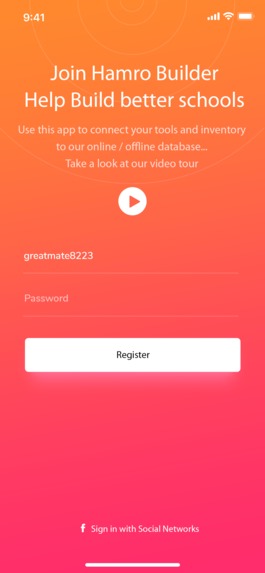
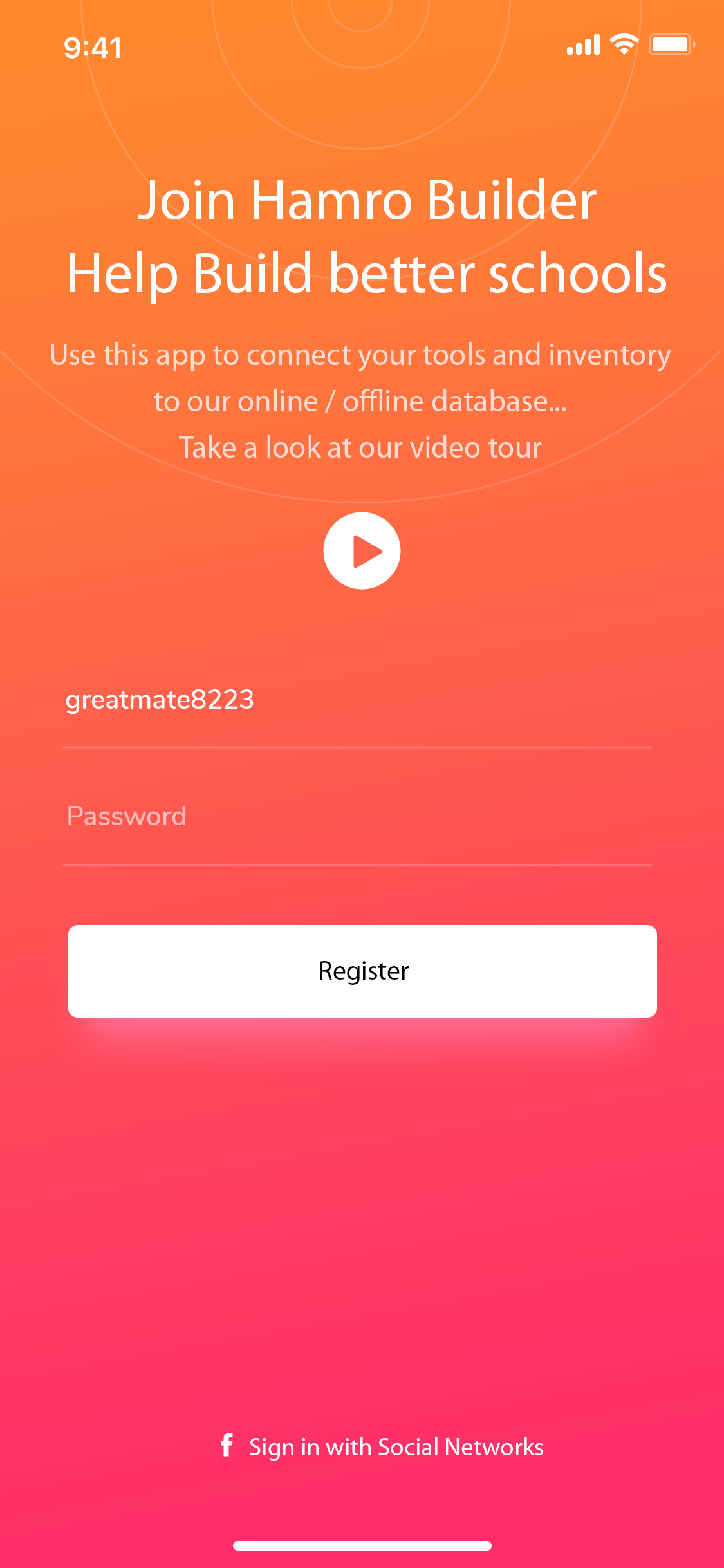
login
-
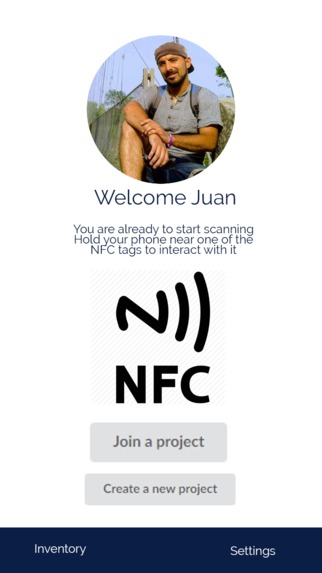
main dashboard
Anyone with a little bit of experience in disaster relief will already know how hard it is to keep track of inventory, stock and supplies. Working sites and environments sometimes tend to be mobile and hospitals, clinics and other places where relief efforts may be coordinated tend to have large quantities of supplies shipped in and consumed. Material is moved from site to site without much control over what has been carried and where, and overall it is a general burden to figure out what stock has been used or consumed, or where and how much of each is remaining.
I ran into this problem when working for this great American ngo. Despite the many efforts the NGO made, they always ran into problems when it came to inventory and tracking their consumables and power tools. This ended up costing the NGO (and the volunteers that worked with them) a big chunk of money.
I can imagine how keeping track of inventory will be problematic in many places around the globe. Furthermore, the need for new materials being brought into these projects is also a constant problem. Managers come and go and there is rarely a standard and effortless way to keep track of what new supplies need to be brought into the mission.
It is also hard to figure out what provisions any organization may need for the future. In the case of the coronavirus pandemic, being able to adequately provision and restock needed supplies IN TIME to work and function can sometimes be a burden.
While the effort can be diverted into this. It is generally never the main scope of any NGO or organisation to be organised but to do the disaster relief missions that they were brought to do in the first place. Doing inventory is generally a long time-consuming process that also involves a lot of human-made mistakes, Especially in COVID times when resources are scarce and vary tremendously on a day to day basis.
During this pandemic, coordination between multiple agents can be KEY for their missions to be effective, and precious resources can come to waste, being stocked somewhere where they are not needed when they could also be shipped towards someplace where they could be needed.
Another problem is how any NGO in action can also make use of this data in a productive, clear and fast way to investigate their consumption of tools and consumables in the field. There is no standardized way to categorize orders that allow for any NGO or organisation to have quick feedback over what things are left in their supplies.
To build this, there is no need to develop any fancy algorithms or train Artificial Intelligence systems that can fail in a small %. This project is just plain old software engineering with tools that already exist. Plus, developing this project would not take a big amount of resources. NFC readers are wildly available in most modern phones (and new phones). Moreover, NFC tags can stick anywhere, they are resilient and can be found widely across the globe. They require no maintenance, they need no charging and the app can be downloaded and used by any person with an Android or iOS phone.
The real challenge in developing this software would be to implement the methodology of working with this app and using this system in the people working in the different projects that could benefit from using this platform. If successfully implemented, this platform could automatically bring in interesting information and data to governments and organizations, as well as a sense of immense transparency towards their citizens, users and workers.


Log in or sign up for Devpost to join the conversation.