Problem
The problem space our group chose to follow was: 1. Population Growth: 120,000 in 20 years. Population growth causes stress on water supply through development, agriculture, business and basic needs.
2. Urban/Suburban linear water waste. Less green spaces and more impermeable surfaces means that rain fall isn't being optimised in urban areas. This can also be the cause of flooding and damage to subterranean infrastructure.
3. Separation from contextual information, practical (on-site) education and water data. COVID has not only restricted people from learning and understanding changes to the environment, but it was also eclipsed awareness in the media.
4. Decentralised communities have less favouritism of their water needs and are enforced stricter, more frequent water policy. Every largely-populated city is guilty of this, but inland towns that depend on the same water supply as Newcastle are given the brunt of water restrictions because of their lower rainfall and the construction/maintenance of water transporting infrastructure.
5. Normalising a 'water wise' attitude. Understanding that a holistic approach to water management doesn't mean banishing water use, but rather implement and retrofit interventions that optimise the use of water. While also normalising a positive attitude towards saving water.
The User
With out limited time and access to interviews we wanted our target users to be elementary students, with the prospect of including high school students in early updates. Our reason for this is:
1. They're impressionable Younger people are more likely to be influenced by an interactive design because of their curiosity and interests in progressing in an app.
2. Schools are a community hub. Students not only interact with their friends, but their school has a common connection to many people from the community such as teachers, parents, staff, guests, neighbours and even local councils. The more effective a targeted product is at helping students, the more potential it has to reach a larger audience.
Solution
By gamifying the action and cause of wasting water, we are able to place the user in the context of how their environment is affected by their interaction with water.
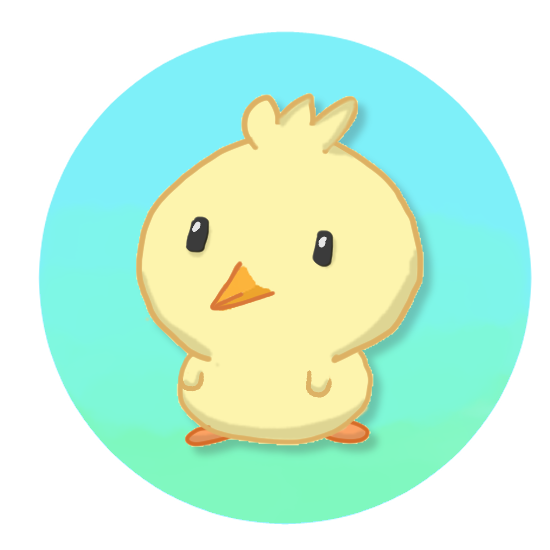
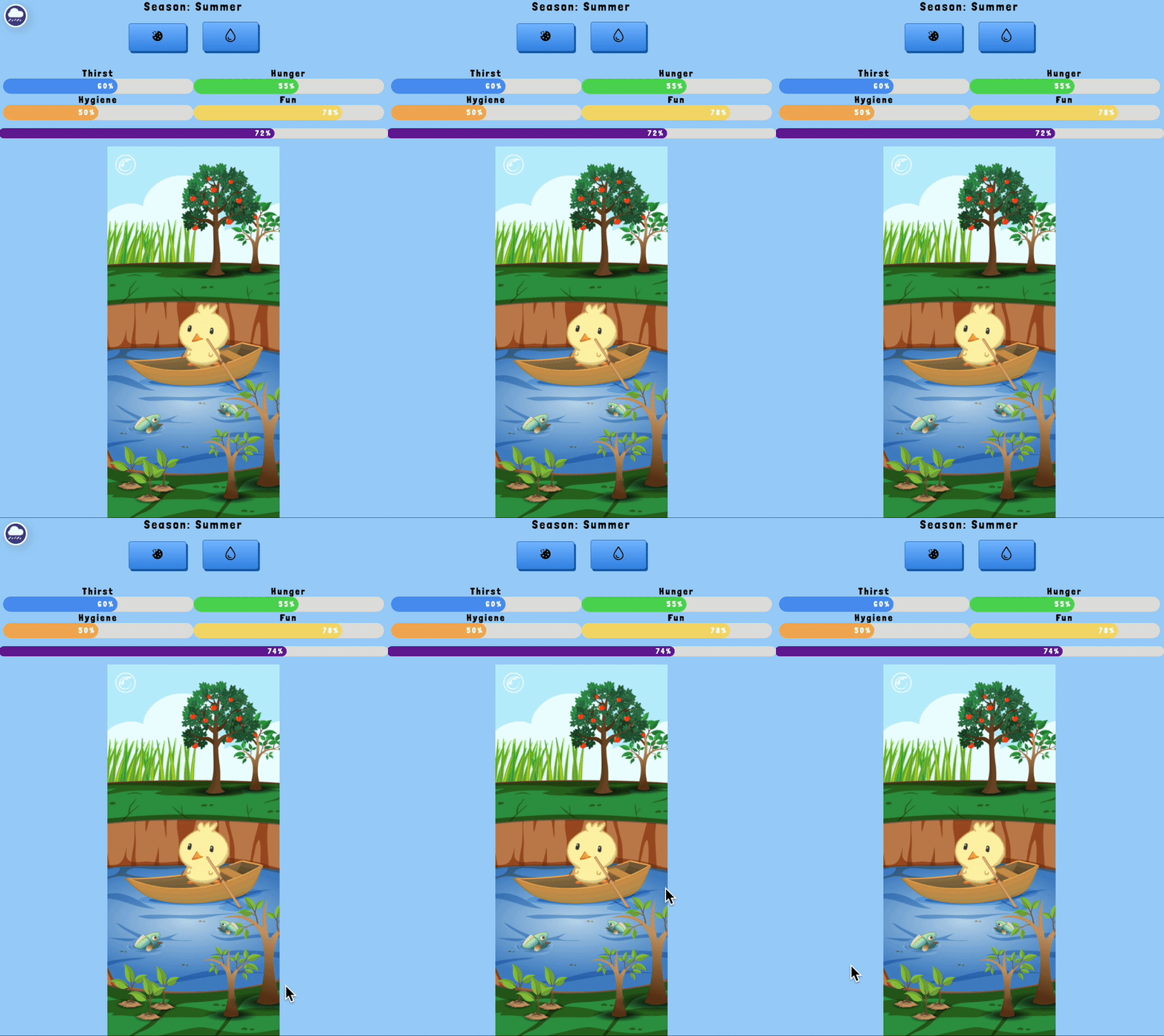
Ducki is the cause and solution to water waste hazards around the house. The strategy behind using Ducki was to personify the user into a cute character they need to take care of, like a Tamagochi.
Depending on Ducki’s reaction to wasting water, the reservoir and environment changes.
The reservoir also reacts to seasonal variables like storms and drought.
We also wanted to speculate how this game can be updated to include more users, a larger scale, and systems to improve water optimisation; therefore making Ducki the problem, solution and action towards water-responsibility.
Scale: situations such as the garden, neighbourhood, city and agriculture all pose their own water interventions and variables. How will the user not only prevent water waste but improve our water use? Scales also imply a higher level of difficulty as different environments have different needs, and pose a higher risk of water waste.
Systems: incorporating water-wise features like irrigation, xeriscaping, permaculture and sand-bed filtration includes the user in the construction methods needed to improve their water optimisation. These systems are a way for users to strategise and gain rewards in the game.
Inspiration & Precedents
We took inspiration from the viral Melbourne-based marketing campaign 'Dumb Ways to Die' which used gamification to help teach kids about the importance of train safety. This campaign saw a 26% reduction in train accidents. We felt like we could re-interpret this game structure into the issue of water security. This began the inception of our design when we wanted to create a cute character thats involved in live-or-die situations.
We're also inspired by a podcast where Tahlia Rossi talks to host Jo Taranto about a smart data intervention rolled out with the help of City of Gold Coast. The intervention was aimed at teaching schools about how to access, analyse and discover problems in their water consumption. Prior to this strategy, users would have to use an account to log in and pay the bill - Rossi saw that there was an opportunity to connect the user to detailed information through a web-based portal connected to installed outpost loggers that read the data. This intervention helped us understand the importance of a 'bottom-up', holistic approach to water-responsibility in schools; and how students, teachers and parents can engage with these systems in order to appropriate them in their daily life. [https://omny.fm/shows/australianwater/tahlia-rossi-on-water-conservation-in-schools]
The bottom-up, holistic approach is also a running theme in lectures taught by Geoff Lawton, who is an education leader in the study of permaculture, and has proven that permaculture-based planting/land design through a bottom-up community approach can reforest some of the most arid places on-earth. [https://vimeo.com/7658282]
Storyboard 01: Domestic (Early Prototype)
- Ducki is in their house, surrounded by water-waste hazards that occur in different rooms (such as the kitchen or bathroom).
- Ducki has a matter of seconds to resolve the water waste hazard.
- The time it takes to resolve the hazard reflects the amount of water in the reservoir. If the Ducki is quick, then the reservoir remains full.
- The game also becomes difficult during seasons of drought, or when Ducki needs to wash and drink water.
- If Ducki is continuously too slow at preventing water waste, the reservoir empties and causes the environment to become dry and malnourished.
- an empty reservoir causes Ducki to die, and the user has to start again.
Storyboard 02: Garden
- Ducki is in the garden, where water-waste hazards also occur.
- Ducki must resolve water hazards while sparingly watering its plants and preventing them from dying.
- Ducki has access to tools and materials such as irrigation, mulch, a shovel and drought-hardy plants.
- Ducki can also install a water tank, alleviating pressure from the reservoir.
- Ducki also needs to consider when to water the garden. If Ducki waters it's garden during a hot day, then the water won't be as effective on the garden as watering during dusk.
How we built it
We built this app using React, Node.js, NPM and CSS. First we worked through the basic interactions that the user would experience upon arriving in our app. During the morning, the devs created the bare functionality without any specific understanding of how the game would look, while the UI/UX team worked to create the story and interactive experiences.
Challenges we ran into
Our biggest challenge was trying to gamify a concept without cheapening or be distracting towards a very serious topic. We were concerned that a game centred around water could detach players from the real-world issues that they face. However we were also faced with a balancing issue that if the game became too educational or wasn't unique or captivating enough, users wouldn't be motivated to play it.
This lead to our idea of Ducki being like a digital pet. Similar to the success of 'life simulation' games like The Sims, we needed to design Ducki in a way where users become attached to this pet, and care whether it thrives or dies.
Another challenge was to place the game in the context of Newcastle, or else this would be just a game with a fabricated environment thats disconnected from local water issues. One of the solutions was to incorporate a geo-location feature like that of the 'Poke-stops' and gyms used in Pokemon Go. This way users can place Ducki in Newcastle and interact with water issues in their yard or neighbourhood, there could even be a feature where users can add friends and solve water issues together.
The final challenge is, of course, the need for user research and usability testing. In a Hackathon with a finite amount of time, it's difficult find users to interview and test the product. So the next step would be to continue onto a mid-fidelity product that can be tested on our user. Can Ducki both entertain and teach users how to be water wise?
Accomplishments that we're proud of
We are proud of our ability to create the foundation of a product that can connect the user to water issues in an impactful way. By having to take care of Ducki, we hope that they learn that we all are both the problem and the solution to water security.
We're also proud of how well we were able to work within our limits. None of us are engineers or agriculturalists, so we feel that our project was the strongest representation of our combined skills.
What we learned
This is all of our first Hackathon, and we came into this challenge not knowing what to expect. As a team we've learned to ideate and move quickly, to not become too attached to any particular direction, and that the best concepts come from our diverse knowledge base and skillsets.
In our next Hackathon we will definitely research and synthesise possible design avenues before the Hackathon starts. None of us had an idea going into this, and I think that hindered our chances creating a more realised product. Makes for a juicy case study though...

Log in or sign up for Devpost to join the conversation.