-
-
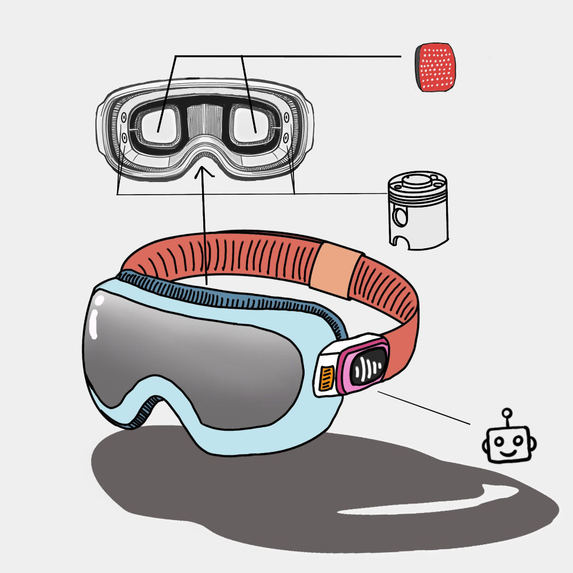
Liumonos prototype
Inspiration
Long-duration spaceflight carries an under-appreciated threat: up to 70% of astronauts develop Spaceflight-Associated Neuro-ocular Syndrome (SANS), with fluid shifts in microgravity elevating intracranial pressure and reshaping the eye in ways that can lead to permanent vision loss. Witnessing how weightlessness undermines one of our most vital senses—vision—inspired us to imagine a countermeasure that works where the problem is worst: while astronauts sleep and fluids pool. This became the seed of Liumonos, our proposition for a sleep-compatible, non-invasive device to keep fluid off the optic nerve and preserve vision off Earth.
What it does
Liumonos is a smart therapeutic sleep mask that:
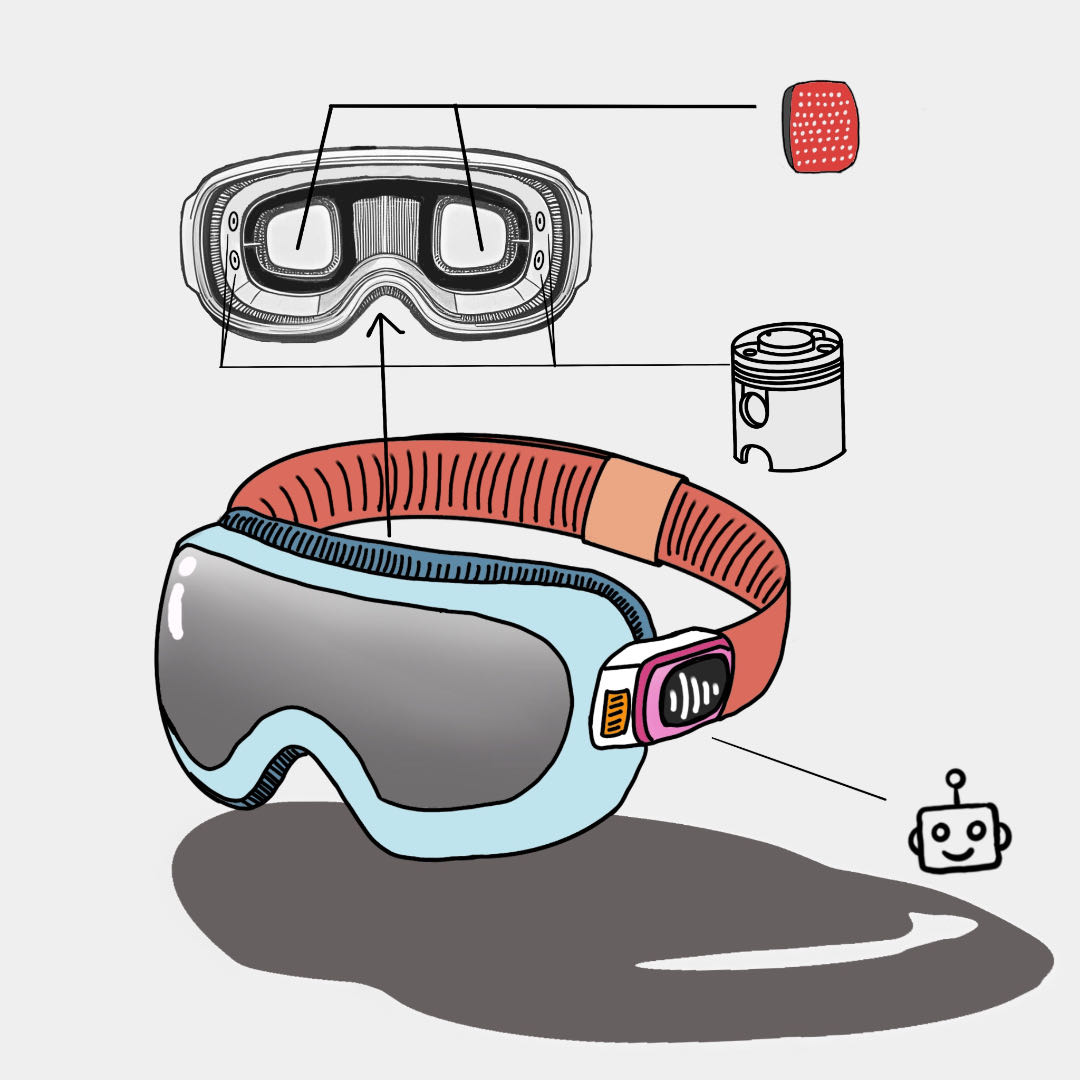
- Simulates gravity-driven drainage via dynamic pneumatic compression around the periorbital region
- Delivers 810 nm infrared light therapy to support cellular health, reduce inflammation, and promote fluid reabsorption
- Monitors real-time intracranial pulse wave signals with embedded biometric sensors
- Uses an onboard AI engine to tailor compression and light parameters dynamically, responding to each astronaut’s physiology during sleep Together, these modalities form a non-invasive, adaptive countermeasure, activated when crew members are most vulnerable to fluid accumulation.
How we built it
Hardware integration:
- Designed a soft, sleep-compatible pneumatic sleeve that inflates/deflates around the eyes.
- Integrated 810 nm IR LEDs into the mask lining for uniform photonic delivery.
- Embedded miniaturized pressure and optical sensors to track intracranial pulse waves.
AI & firmware:
- Developed algorithms to map sensor feedback to optimal compression cycles and light intensities.
- Trained the model on simulated intracranial pressure profiles and tissue-phantom studies.
- Implemented onboard firmware for low-power real-time control and data logging.
Prototyping & testing:
- Built rapid-prototype iterations with 3D-printed housings and medical-grade silicone interfaces.
- Conducted benchtop fluid-shift simulations and optical dosing validation in our lab.
- Refined ergonomics through sleep trials, measuring comfort, mask seal, and compliance.
Challenges we ran into:
- Component synergy: Harmonizing pneumatic, photonic, and sensing modules in a lightweight form factor required multiple redesigns to resolve thermal and electromagnetic interference.
- User adaptation: Ensuring astronauts could sleep comfortably while wearing an active mask meant balancing pressure levels, strap tension, and material softness.
- Regulatory ambiguity: Infrared therapy for SANS is still investigational, so defining clear optical dosing parameters and safety thresholds posed a challenge.
- Microgravity validation: Simulating long-term mask performance under fluctuating temperatures and zero-g fluid behavior demands specialized test chambers we’re still securing access to.
- Cost management: Early prototypes showed potential for high per-unit cost; driving down manufacturing expenses while maintaining medical-grade quality is an ongoing focus.
Accomplishments that we're proud of:
Working prototype: Delivered a prototype integrated mask that achieves both pneumatic cycles and IR dosing under firmware control.
SWOT & business plan: Completed a detailed SWOT analysis highlighting Liumonos’s unique zero-competitor position and strong dual-market potential in space and terrestrial medicine.
Can truly solve problems: Our products are derived from the current focus of space aerospace health and are supported by a large amount of data and research. This solution is very likely to be realized and launched in the next few years.
What we learned
- Ergonomics matter as much as efficacy: A countermeasure only works if astronauts will actually wear it consistently—comfort, ease of donning/doffing, and sleep quality are critical.
- Iterative AI training: Early dataset biases in simulated physiology revealed the need for diverse and large training inputs.
- Regulatory foresight: Engaging FDA’s MDDT program and mapping out Objective Performance Criteria (OPC) early helps streamline eventual device submission. Through this project, we learned how to rationally solve and treat problems such as fluid shift and intracranial hypertension caused by gravity differences in outer space from a biological perspective, how to formulate a reasonable plan from an economic perspective, and how to use technology in science to make human life more convenient.
Built With
- canva


Log in or sign up for Devpost to join the conversation.