-
-
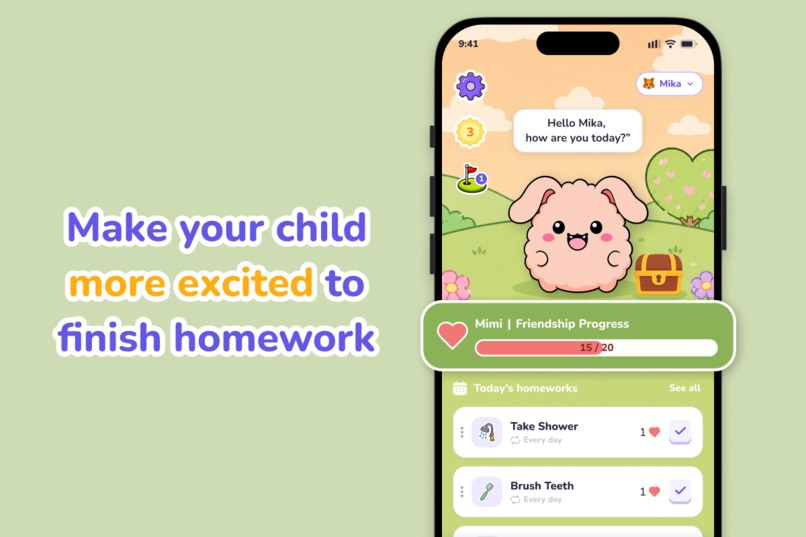
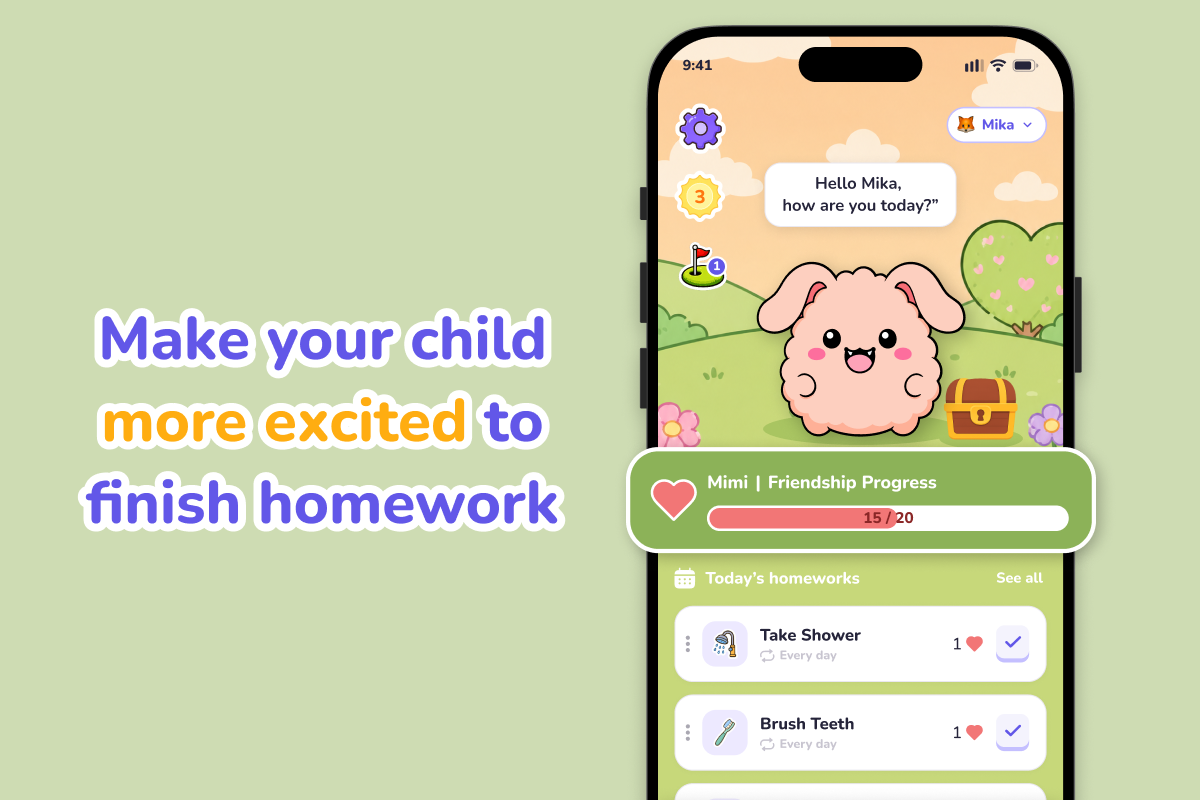
Home Page
-
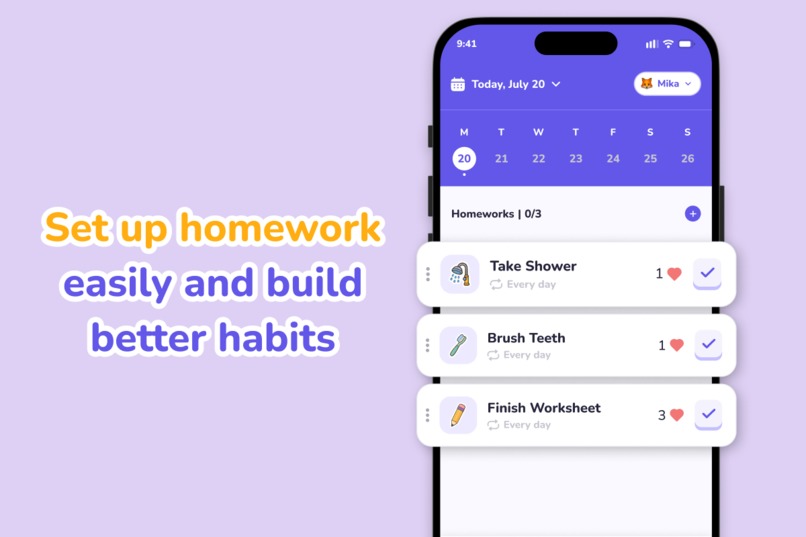
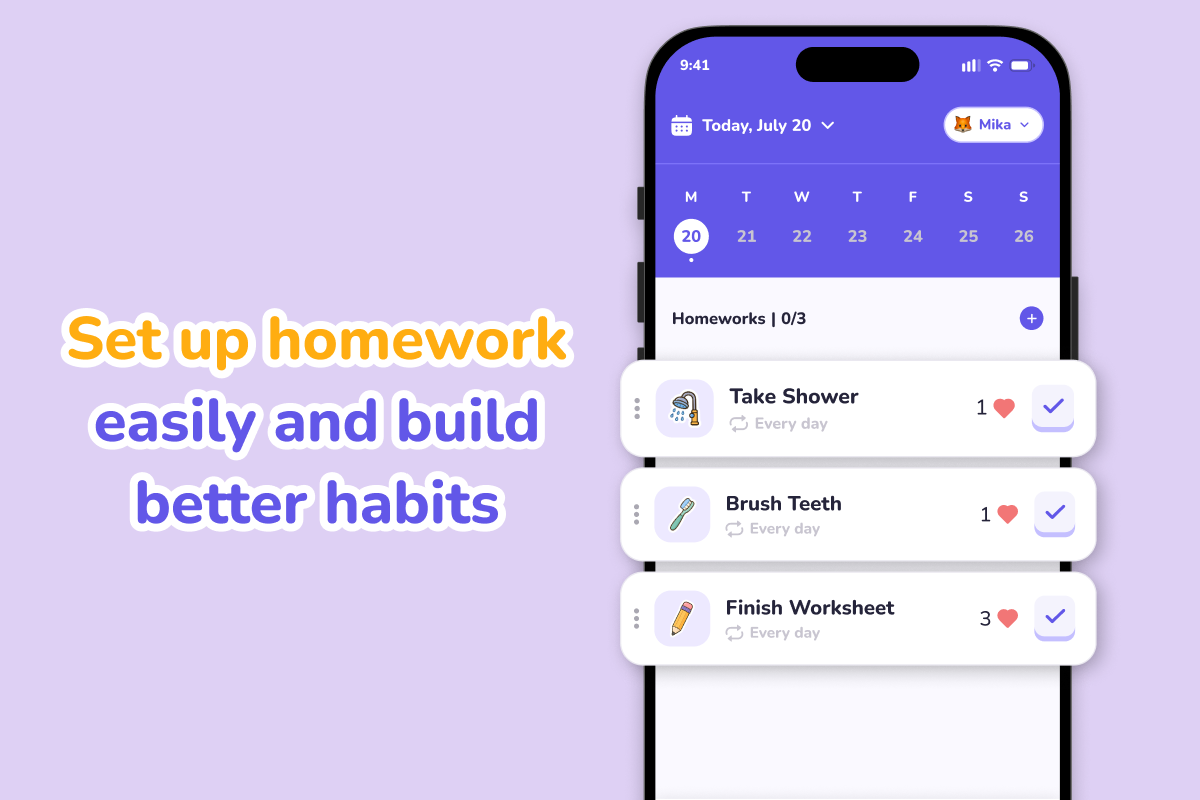
Homework
-
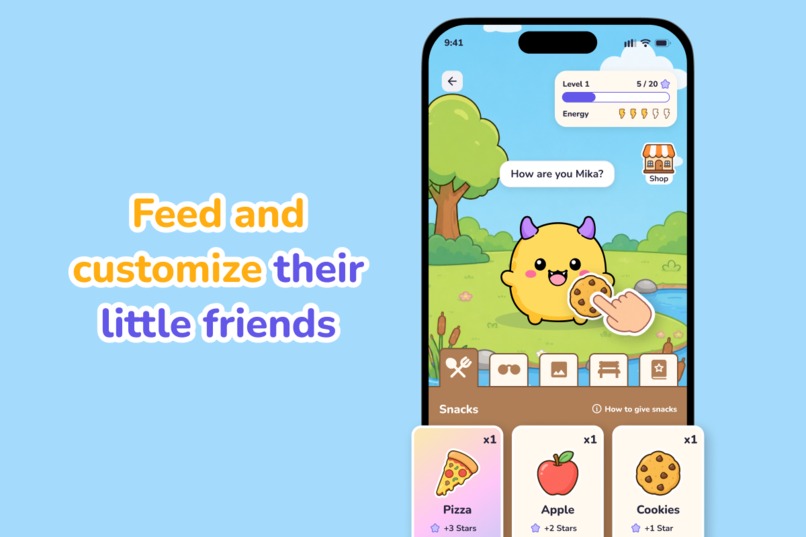
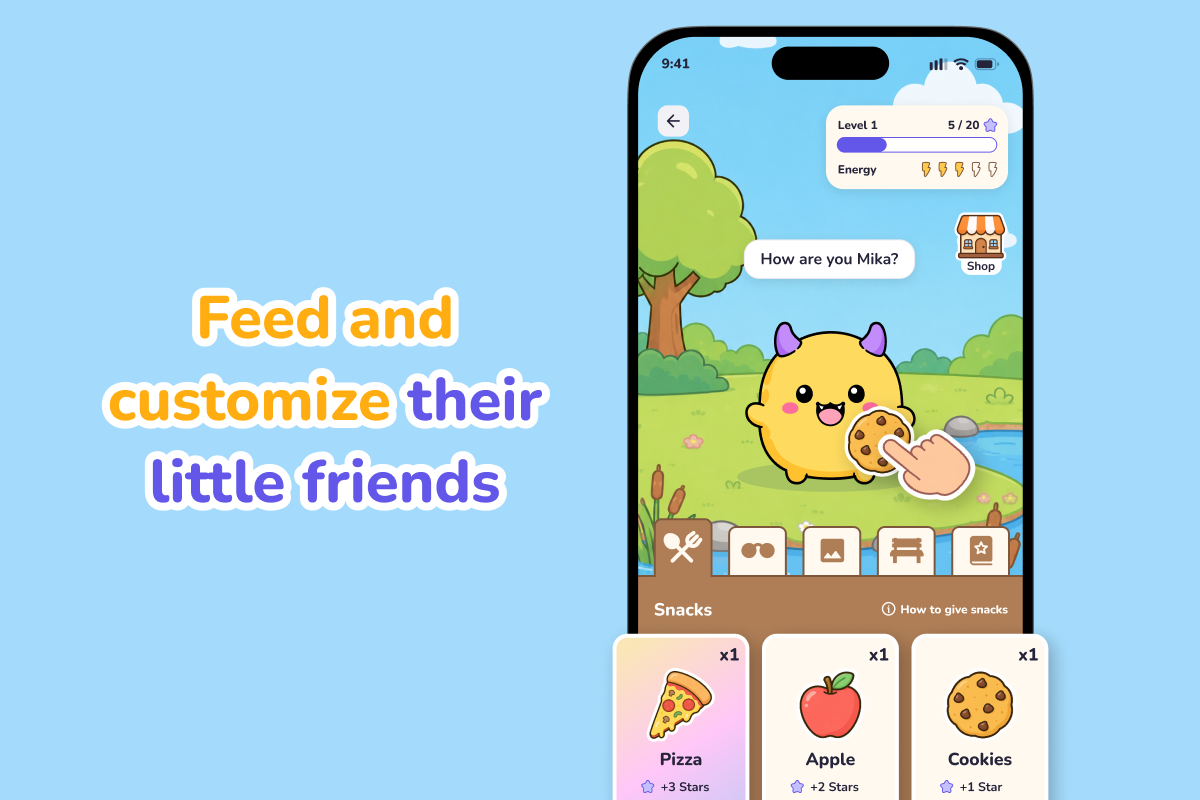
Friend Interactions
-
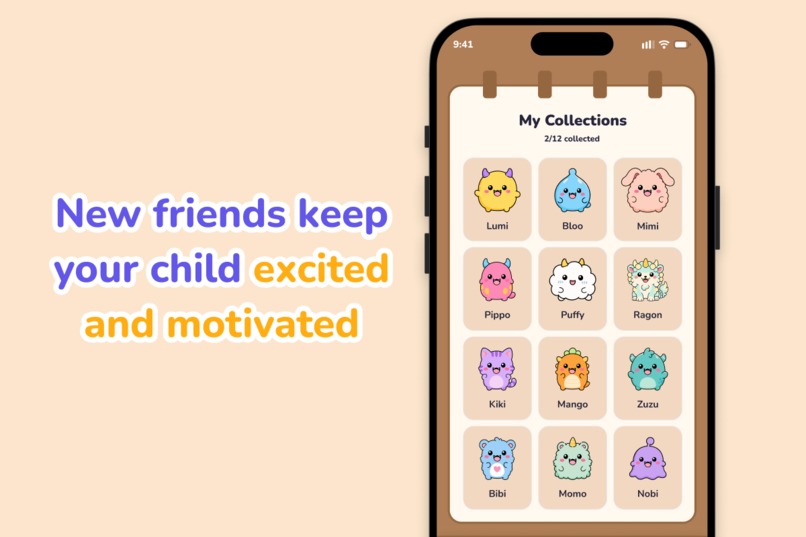
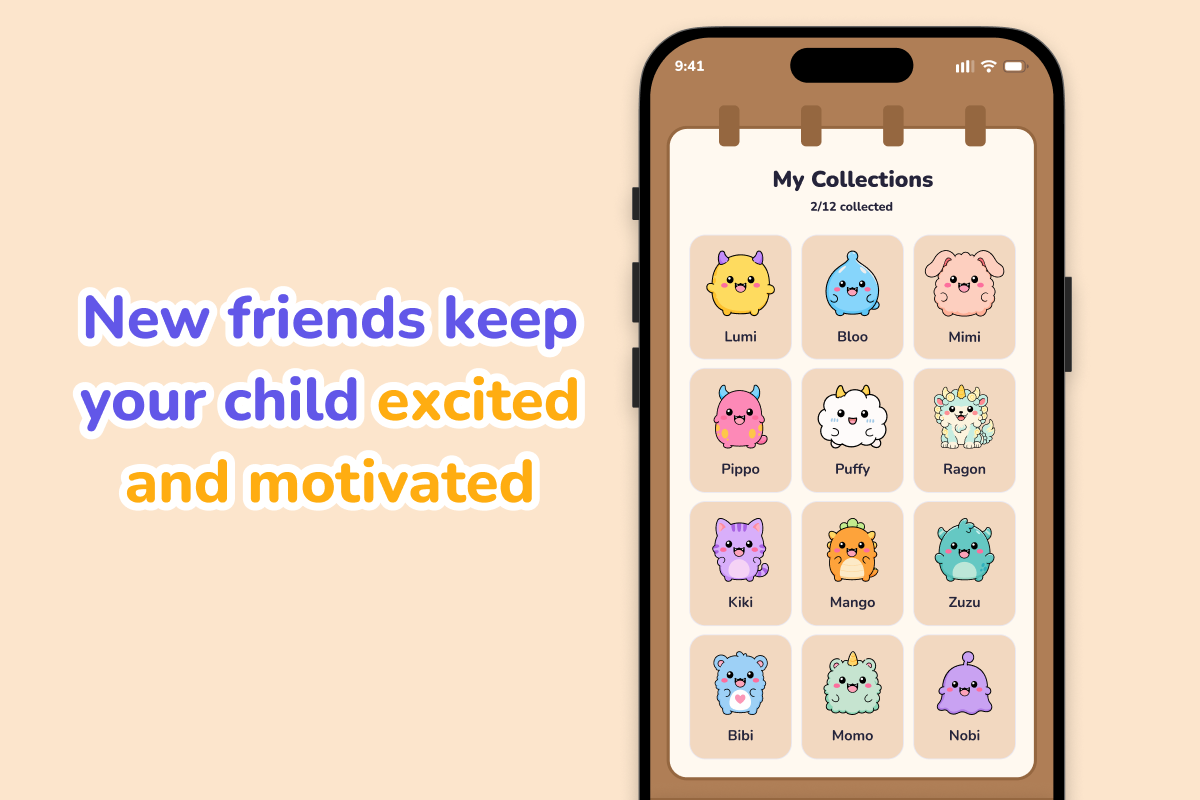
Friend Collections
Inspiration
Little Wins started from a problem that felt very close to our team. One of our teammates is a parent, and he often found himself repeatedly reminding his child to finish homework and daily tasks. After talking with other parents around him, he realized they were facing the same challenge too: young children often delay their homework, lose motivation, or need to be reminded again and again.
Instead of asking how parents could remind their children more effectively, we asked ourselves: How can we make children more willing to complete their tasks on their own, with less reminding and nagging from parents?
That question became the foundation of Little Wins. We wanted to turn everyday responsibilities into something children could actually look forward to. Instead of simply checking off homework, children could make progress, earn rewards, collect character friends, and interact with them along the way.
That is the idea behind our tagline: Small tasks, big wins.
What it does
Little Wins is a gamified homework and routine app designed for parents and children under 12 years old to use together. Parents can create tasks manually or use ready-made presets, choose rewards, and schedule homework based on their child's routine. Children can then see what they need to do and mark tasks as completed. Before receiving a reward, the task needs to be approved by a parent using a Parent PIN.
Once approved, children earn Hearts and Win Coins. Hearts help them build friendship progress with a character, while Win Coins can be spent in the Shop on snacks, accessories, backgrounds, and decorations. When the friendship progress is complete, the character becomes their new friend. Children can then feed them, dress them up, customize their background, decorate their space, and interact with them through different expressions and animations.
The goal is to make completing small tasks feel more rewarding, while helping parents reduce the need for constant reminders.
How we built it
We started with research to understand the problem from both the parent and child perspectives. We looked at how parents currently manage homework and daily routines, what usually causes friction, and what kinds of rewards or interactions could make the experience more motivating for children. We also benchmarked existing homework, habit-building, and gamified apps to understand common patterns, identify gaps, and avoid making Little Wins feel like just another task tracker or virtual pet app.
From there, we defined the product structure by creating the information architecture, mapping the main user flows, and deciding how the experience would work on a shared device between parent and child. Once the structure was clear, we explored different visual directions and chose a playful, colorful design style that felt appealing to young children while still being clear and easy for parents to use.
The complete experience was then designed in Figma, including onboarding, task creation, parent approval, friendship progress, rewards, Shop, Collection, character interactions, and customization. The design went through around three major iterations before we reached the final concept. We explored different character styles, reward systems, interaction patterns, onboarding flows, and visual hierarchies. A large part of the process also involved creating our own illustrations and characters. Because the characters are an important part of the motivation system, we tested different concepts with children to see which ones they found appealing and whether they understood what they were supposed to do in the app.
Once the design was ready, we implemented the interface in Flutter, created the data models, and connected the app to Firebase. For the character interactions, we used Lottie Creator to build animated states and expressions. We then created state machines that respond to inputs from Flutter, allowing characters to change their behavior depending on what is happening in the app. This helped us connect the research, visual design, app logic, rewards, and character reactions into one cohesive experience.
Challenges we ran into
One of our biggest challenges was making Little Wins feel fun for children without making it feel like it was only a game. Homework and daily routines still needed to remain the core experience, while the characters, rewards, and customization needed to support that behavior instead of distracting from it. We also had to make sure young users could understand the app without needing long explanations. This led to several iterations of the onboarding, visual hierarchy, interaction cues, copy, reward feedback, and collection system.
Another major challenge was animation. This was our first time working deeply with Lottie Creator. We needed to learn how to structure character animations, create smooth transitions, manage different expressions, and build a state machine that could be controlled by Flutter.
We also faced technical challenges around character customization. Accessories needed to appear correctly on different characters, decorations needed to be positioned properly, and all of these elements still had to work while the characters were animated. Making the animation, customization, UI, and app state work smoothly together required a lot of experimentation and iteration.
Accomplishments that we're proud of
We are proud that Little Wins became more than just a homework checklist and more than just a virtual pet game. The two sides are connected. A task completed in real life becomes visible progress inside the app. Children can see that their effort helps them make a new friend, earn something they can use, or unlock a new interaction. We are also proud of the character system we created. The characters are not only illustrations; they have different expressions, animations, customization options, and interactions that respond to the child's progress.
Most importantly, after launching Little Wins, we were able to try it with children close to our team, including our teammate's own child. Seeing them enjoy the characters and become more excited to complete their tasks was one of the most rewarding parts of building the project.
What we learned
Little Wins taught us how important it is to design for the people who will actually use the product, especially when those users are children. We learned that something that feels obvious to an adult is not always obvious to a child. Visual guidance, simple interactions, immediate feedback, and clear rewards became extremely important.
We also learned that gamification needs a purpose. Instead of adding game elements just because they are fun, we tried to connect every reward back to the behavior we wanted to encourage. Complete tasks → earn progress → build friendships → unlock interactions.
From the technical side, we learned how to create animations in Lottie Creator, build state machines, and control those animations through Flutter. We also learned a lot about combining UI design, illustrations, animation, app logic, Firebase data, and user interaction into one cohesive product rather than treating them as separate parts.
What's next for Little Wins
We want to continue improving Little Wins based on feedback from real families. Our next focus is to make the experience even easier for young children to understand, expand the character interactions and customization options, and continue refining the balance between fun rewards and healthy routines.
We also want to keep testing with parents and children so that Little Wins can grow into something that genuinely helps families make everyday responsibilities feel a little easier and a lot more rewarding.
Small tasks, big wins.


Log in or sign up for Devpost to join the conversation.