-
-
-
-
-
-
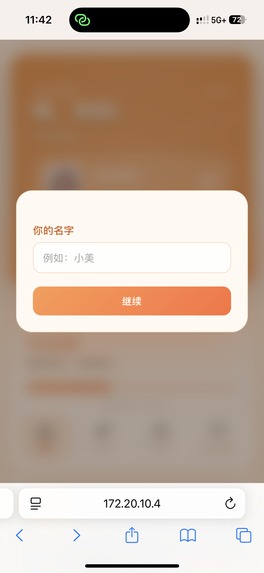
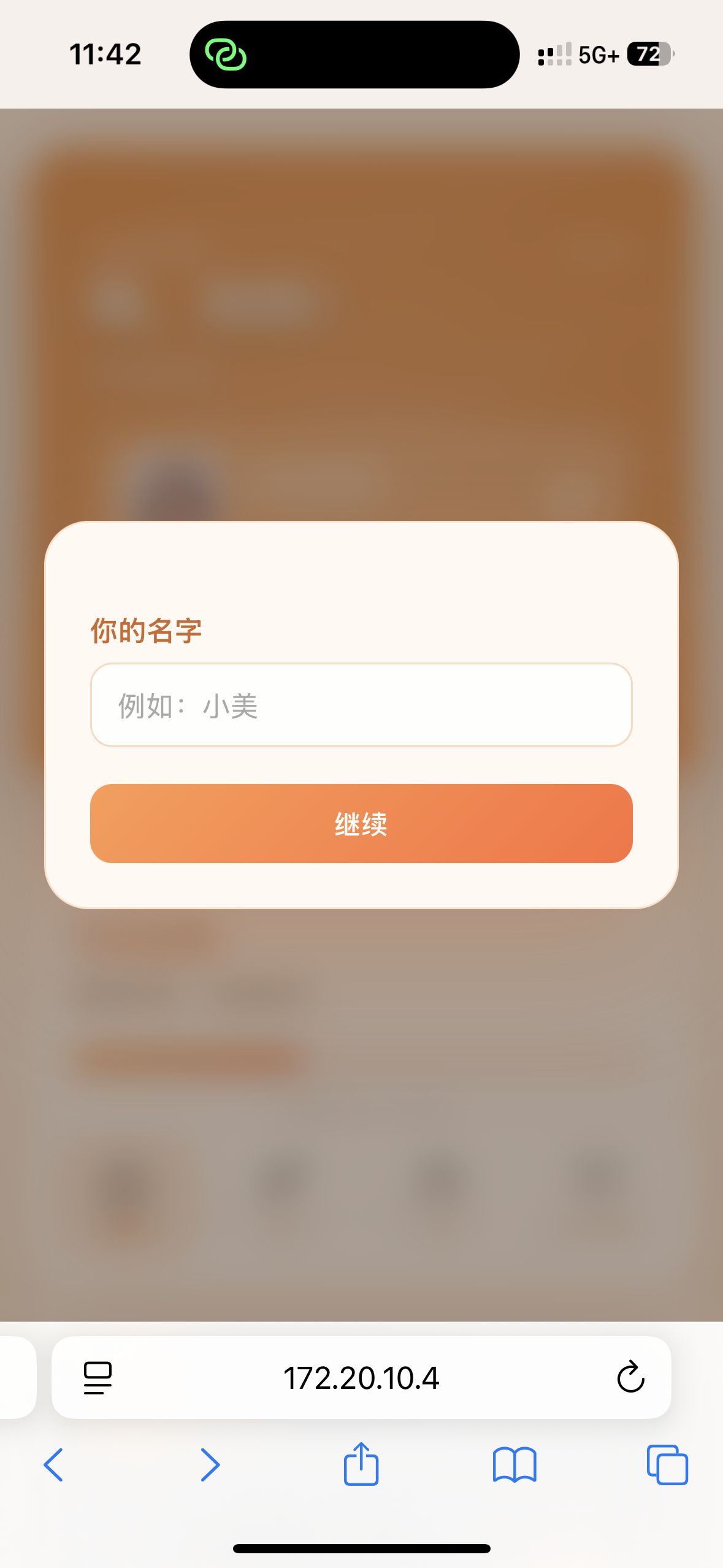
register page
-
-
-
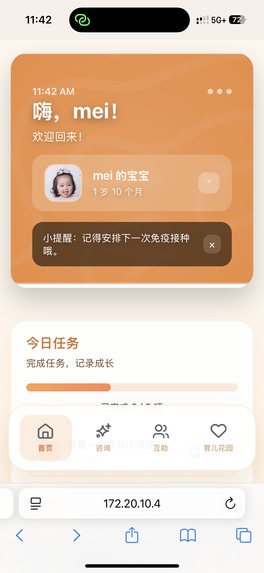
landing page
-
-
-
-
-
-
-
-
-
-
-
-
Inspiration
Early childhood (0-3 years old) is the most critical stage of brain development—over 80% of brain growth happens before age two. Yet in many rural areas of China, caregivers, especially mothers and grandparents, struggle to find trustworthy, actionable parenting information. Most parents spend over 40 minutes daily consuming online parenting content, but 70% don’t feel confident about what they read. We were inspired by this gap: parents deeply care about their children’s growth but lack accessible, evidence-based, and culturally sensitive guidance. Little Light was born to empower caregivers with personalized, trustworthy, and emotionally supportive parenting tools—right in their hands.
What it does
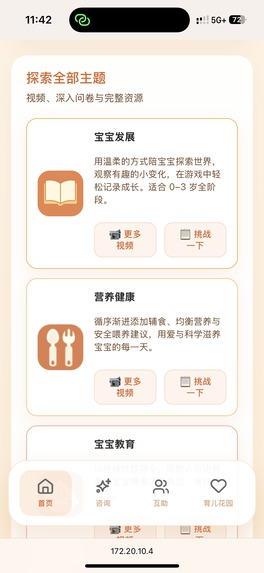
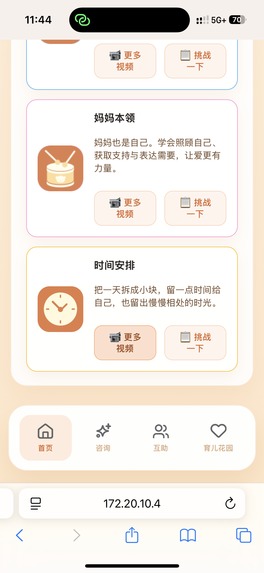
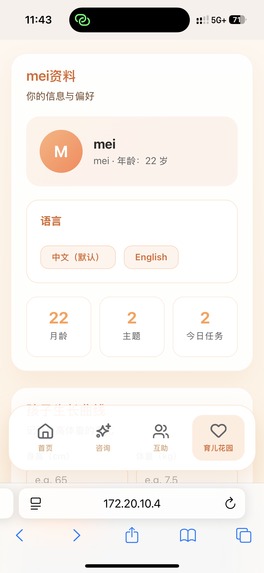
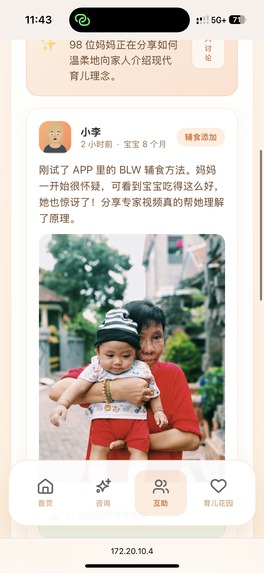
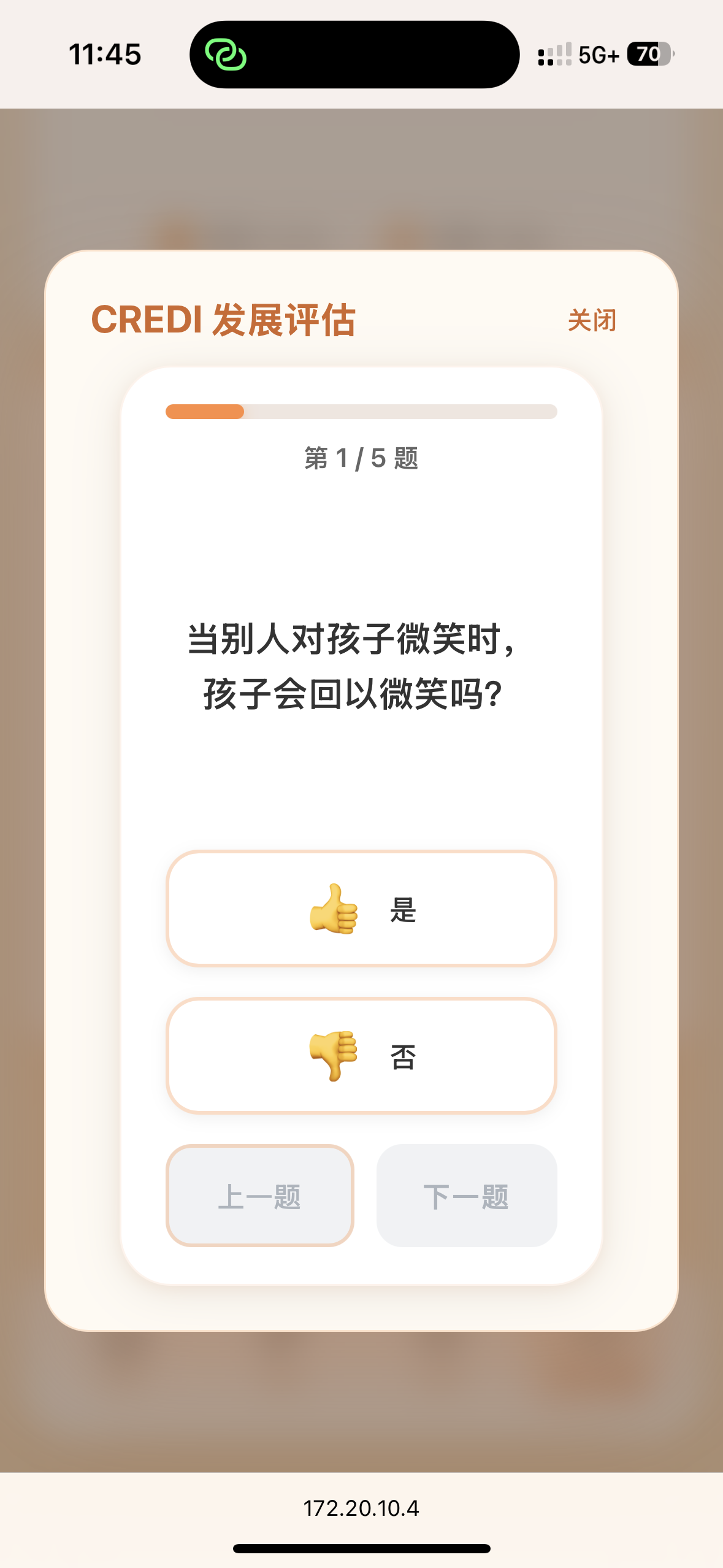
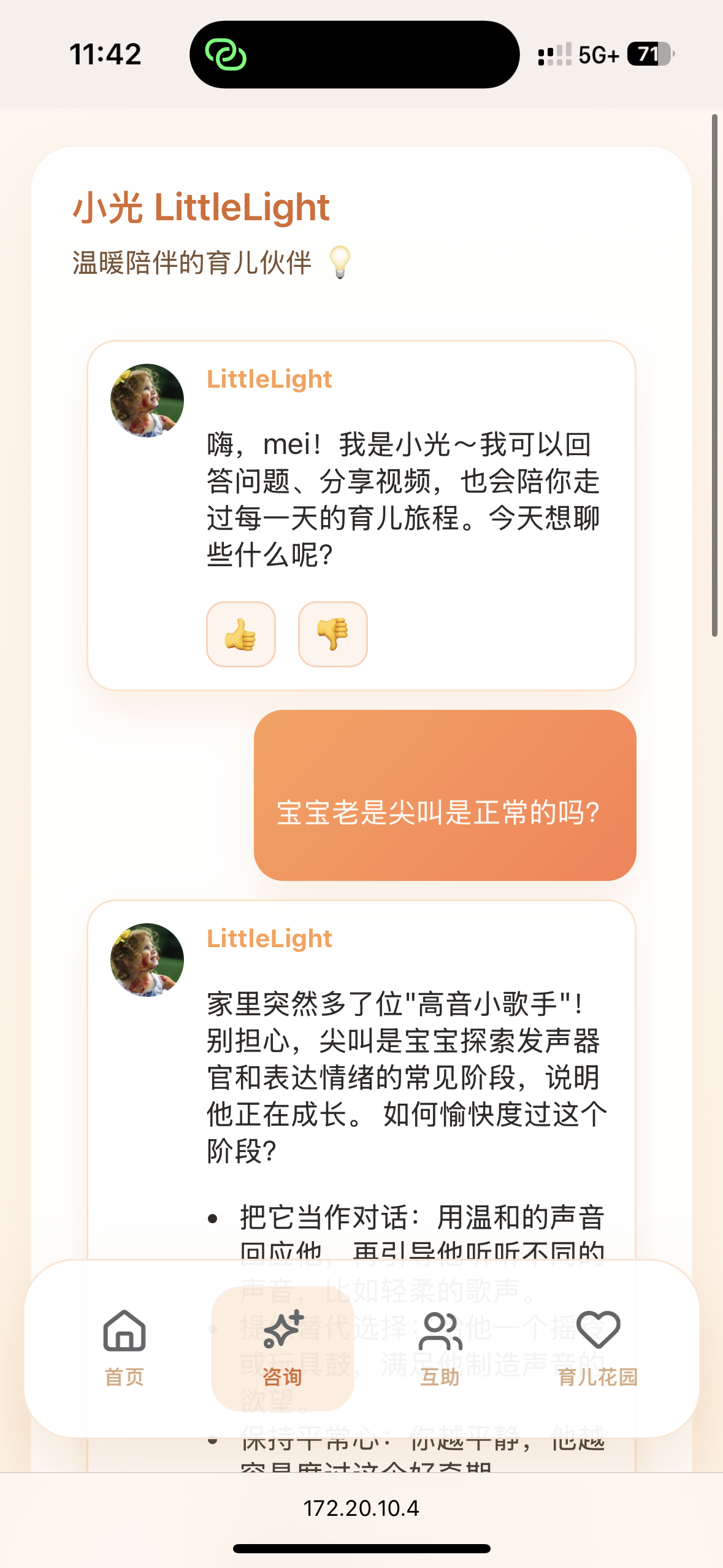
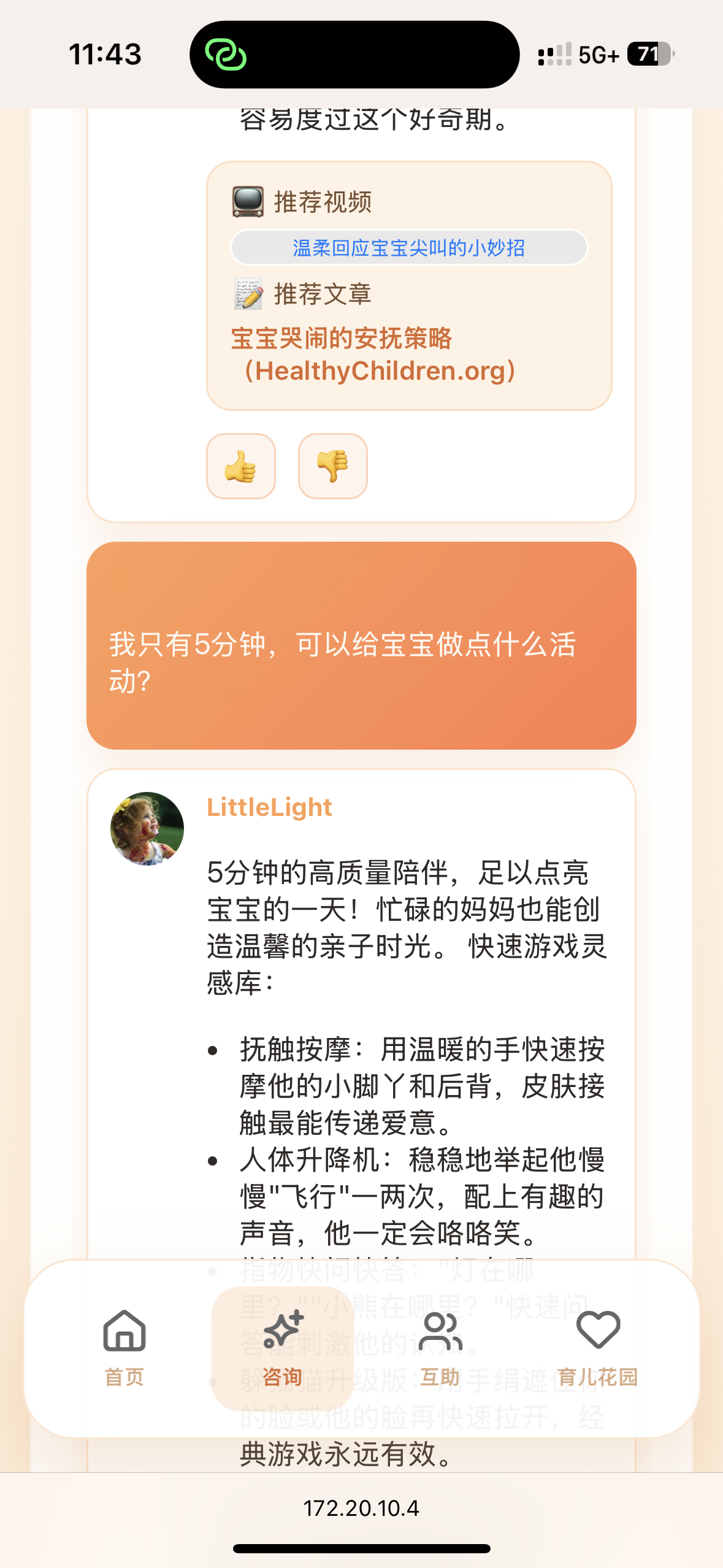
Little Light is an AI-powered, community-based companion app that supports caregivers of 0-3-year-olds. It helps users:
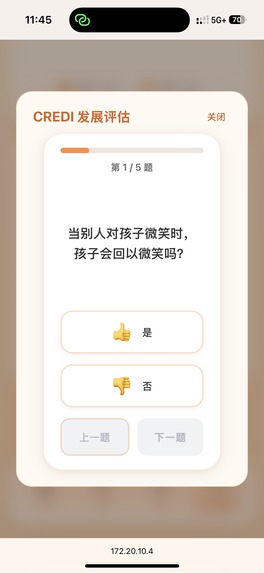
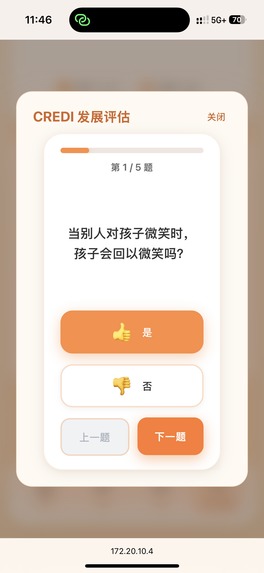
- Receive personalized parenting guidance based on scientifically validated screening questionnaires.
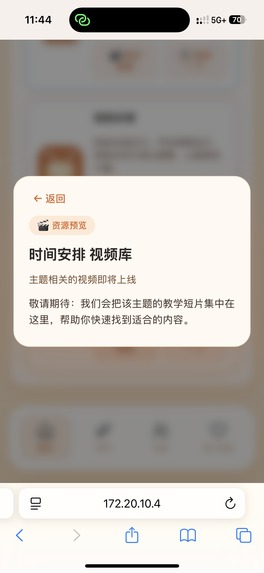
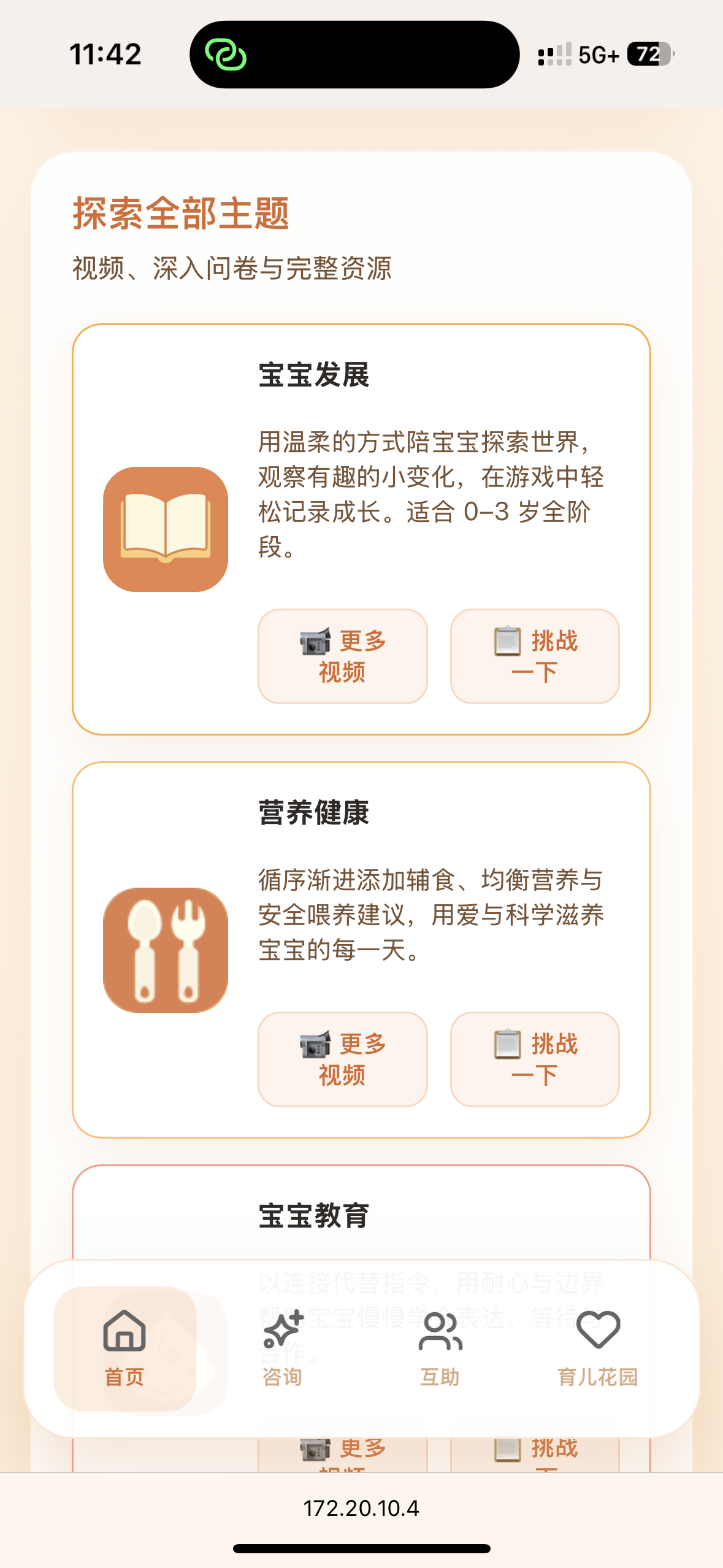
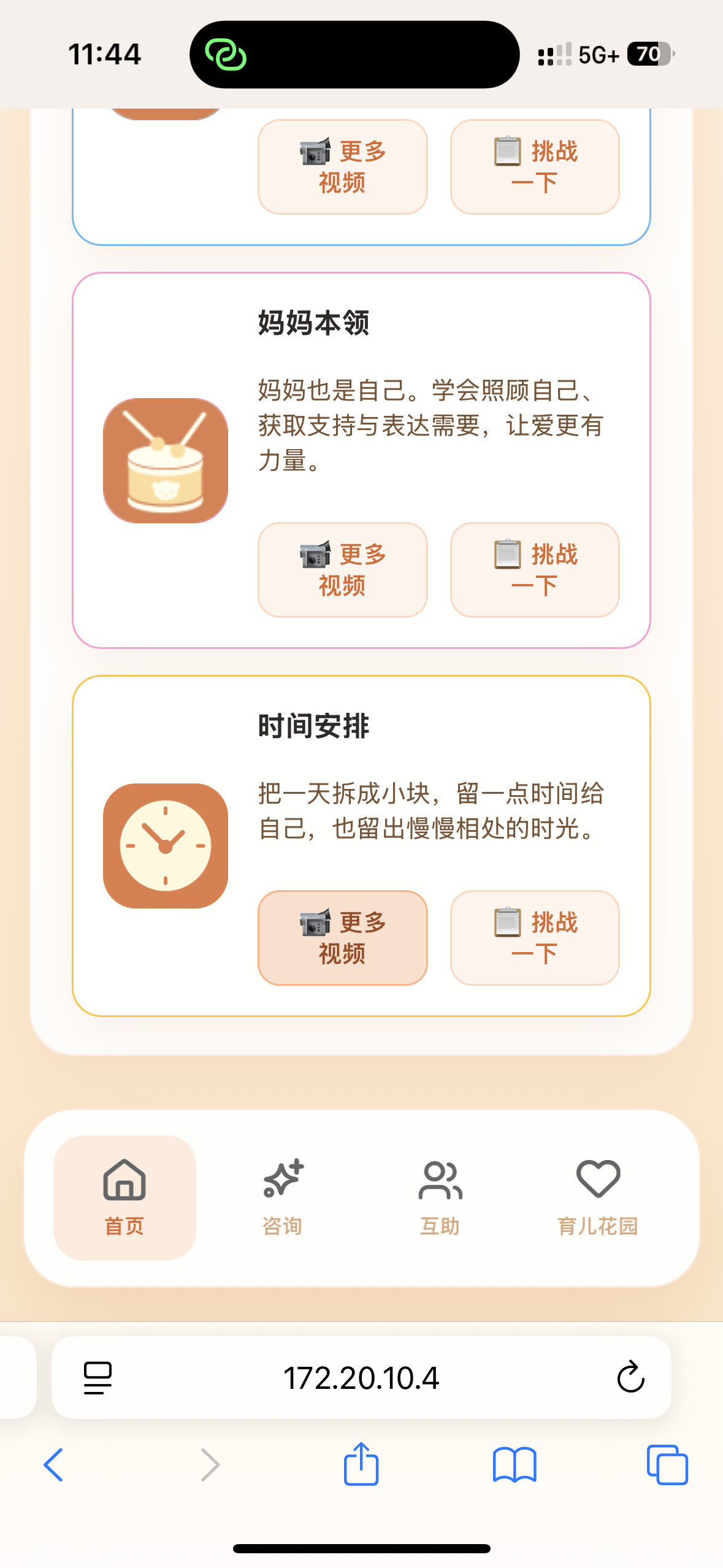
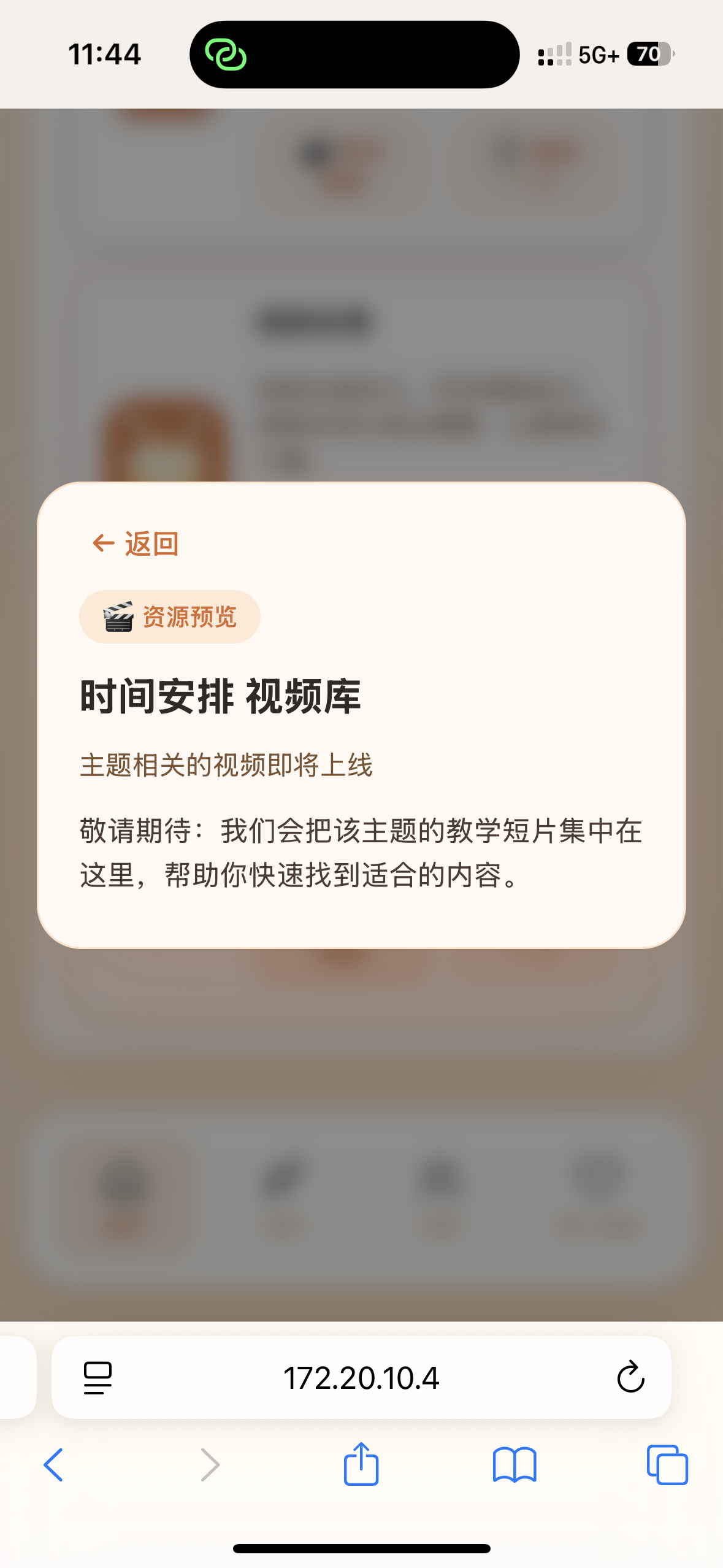
- Learn through short, engaging videos aligned with Stanford REAP’s “Reach Up and Learn” framework.
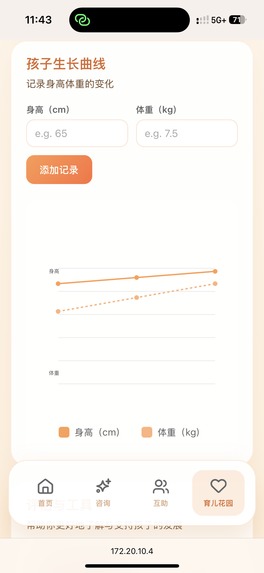
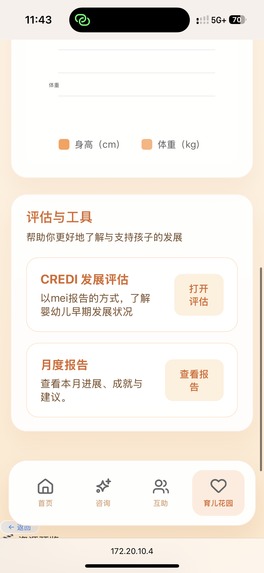
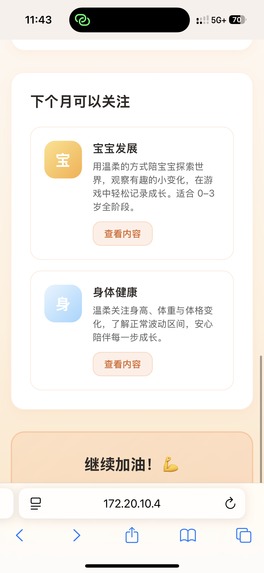
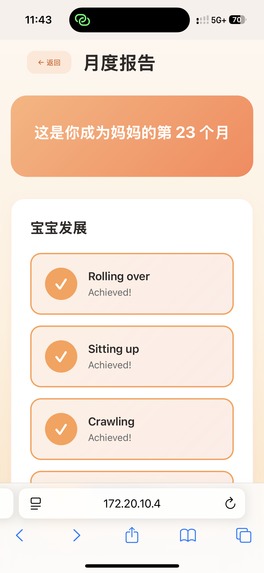
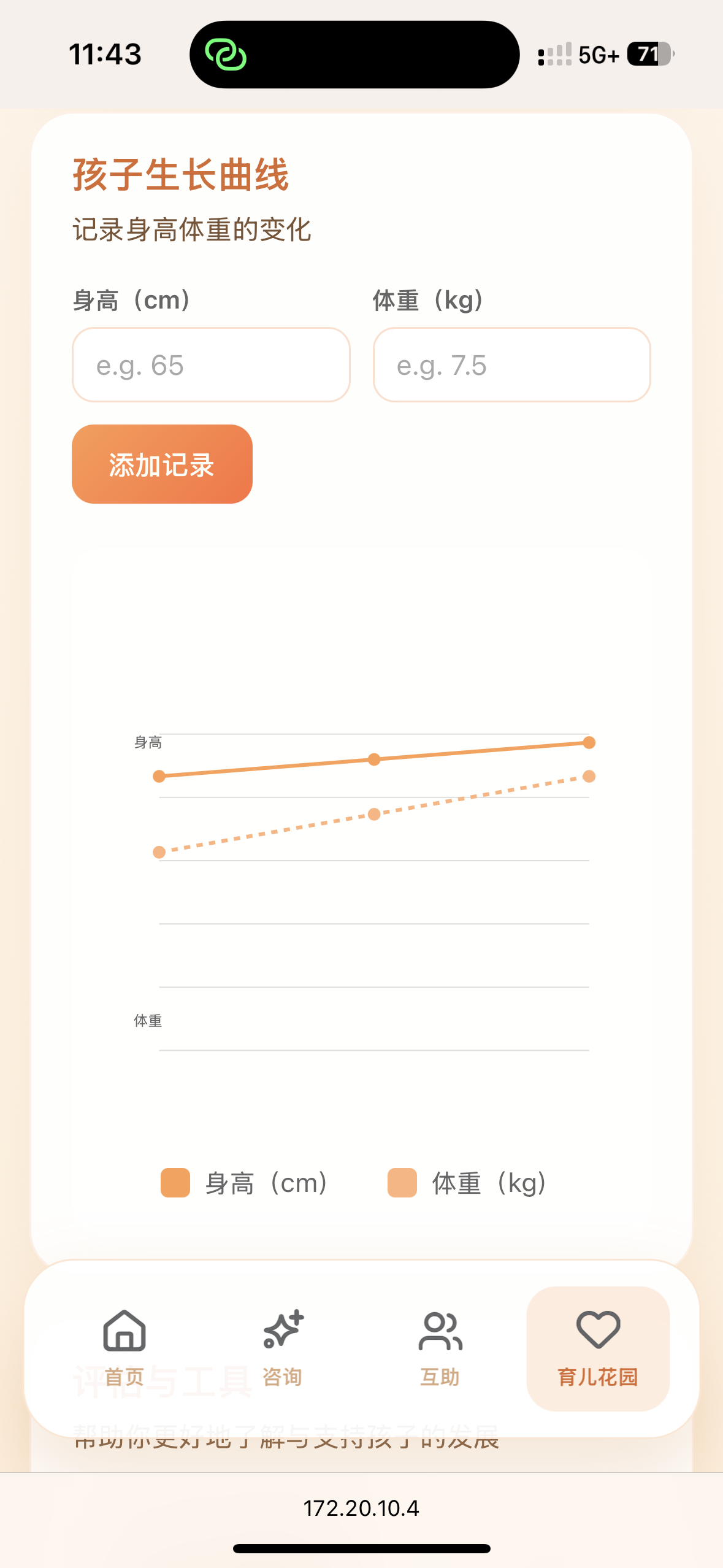
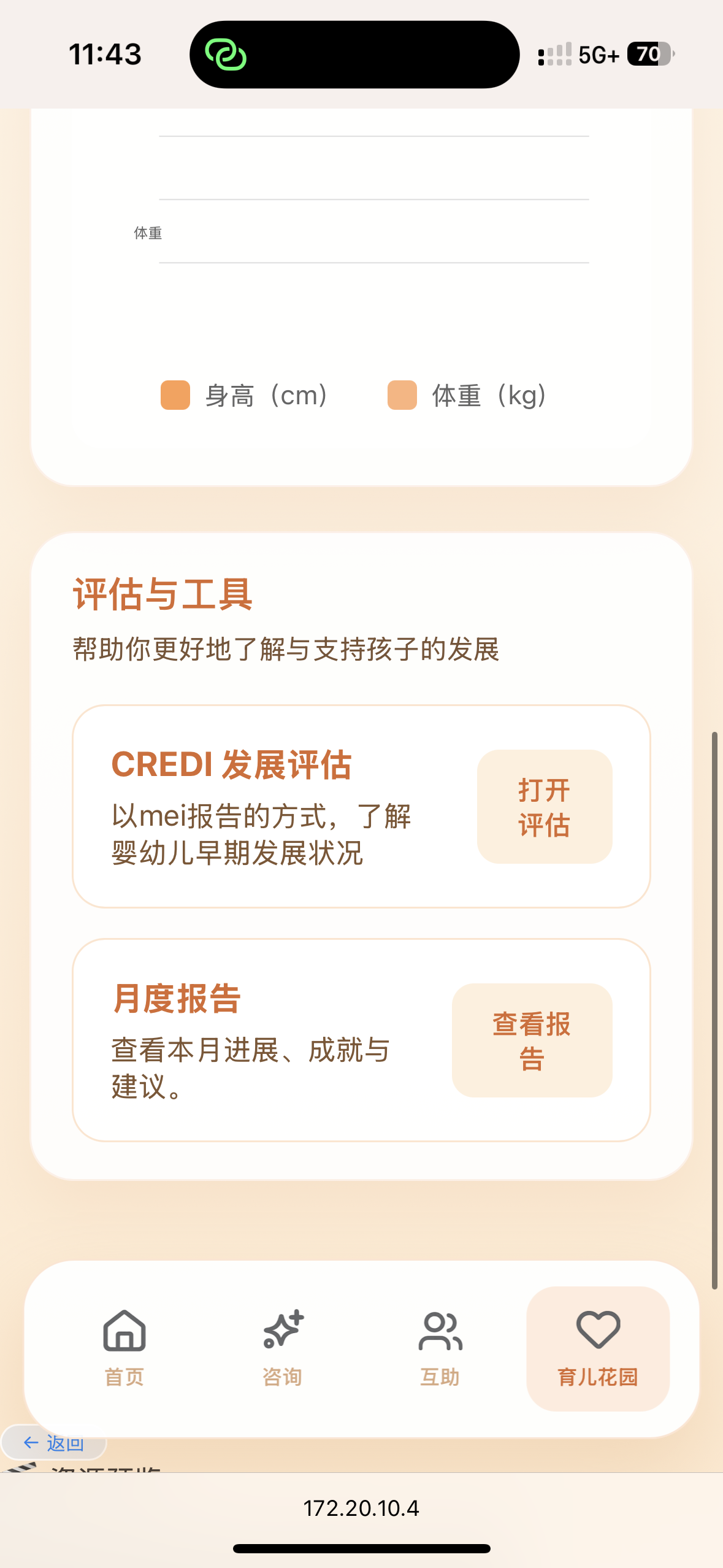
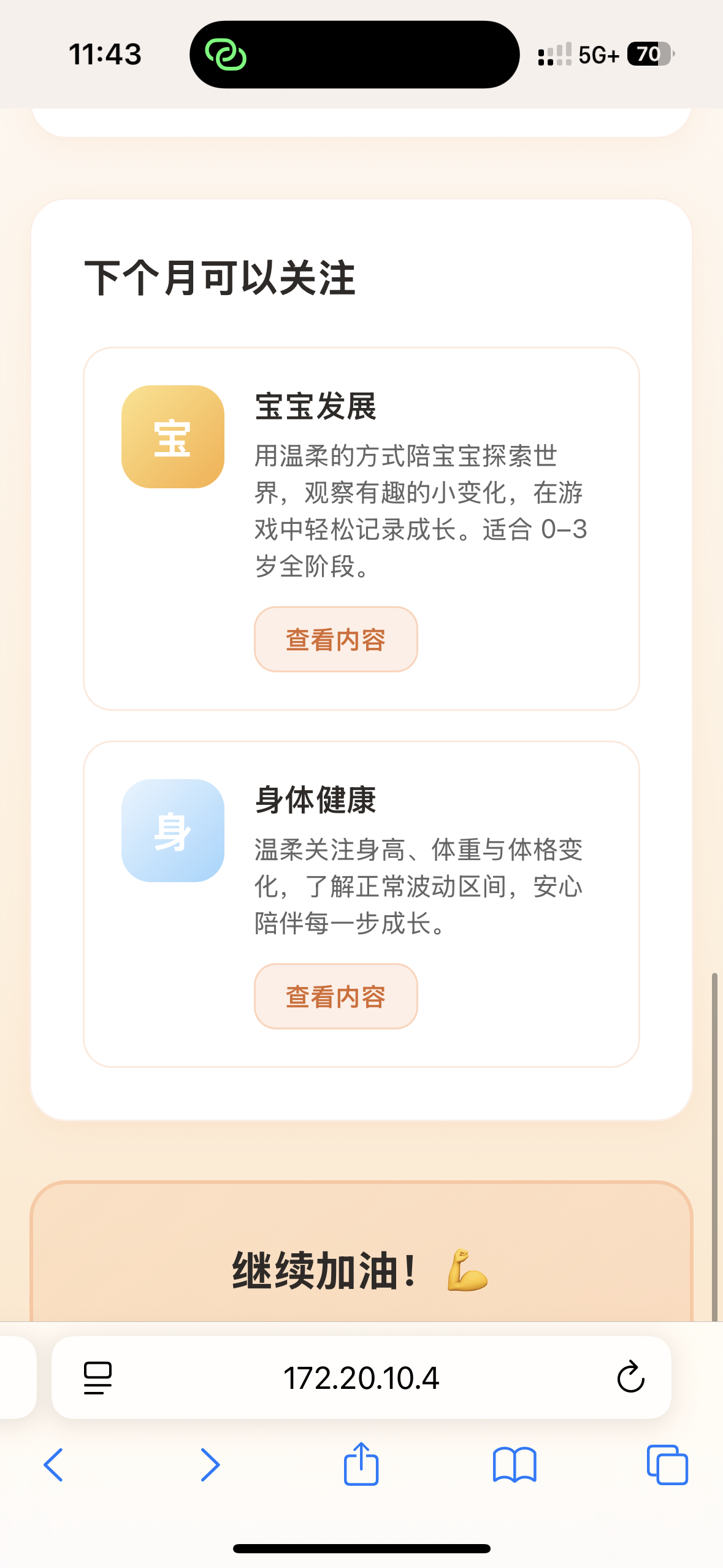
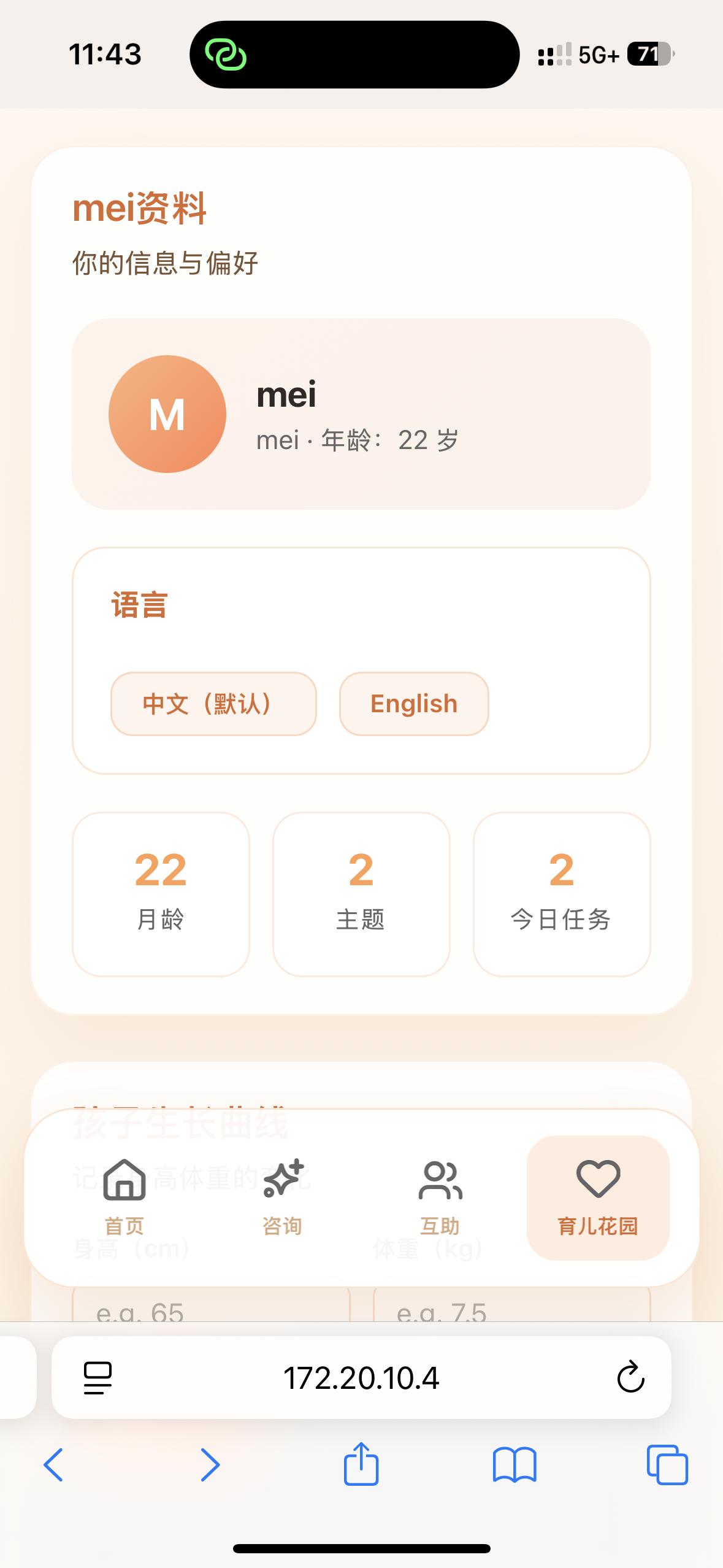
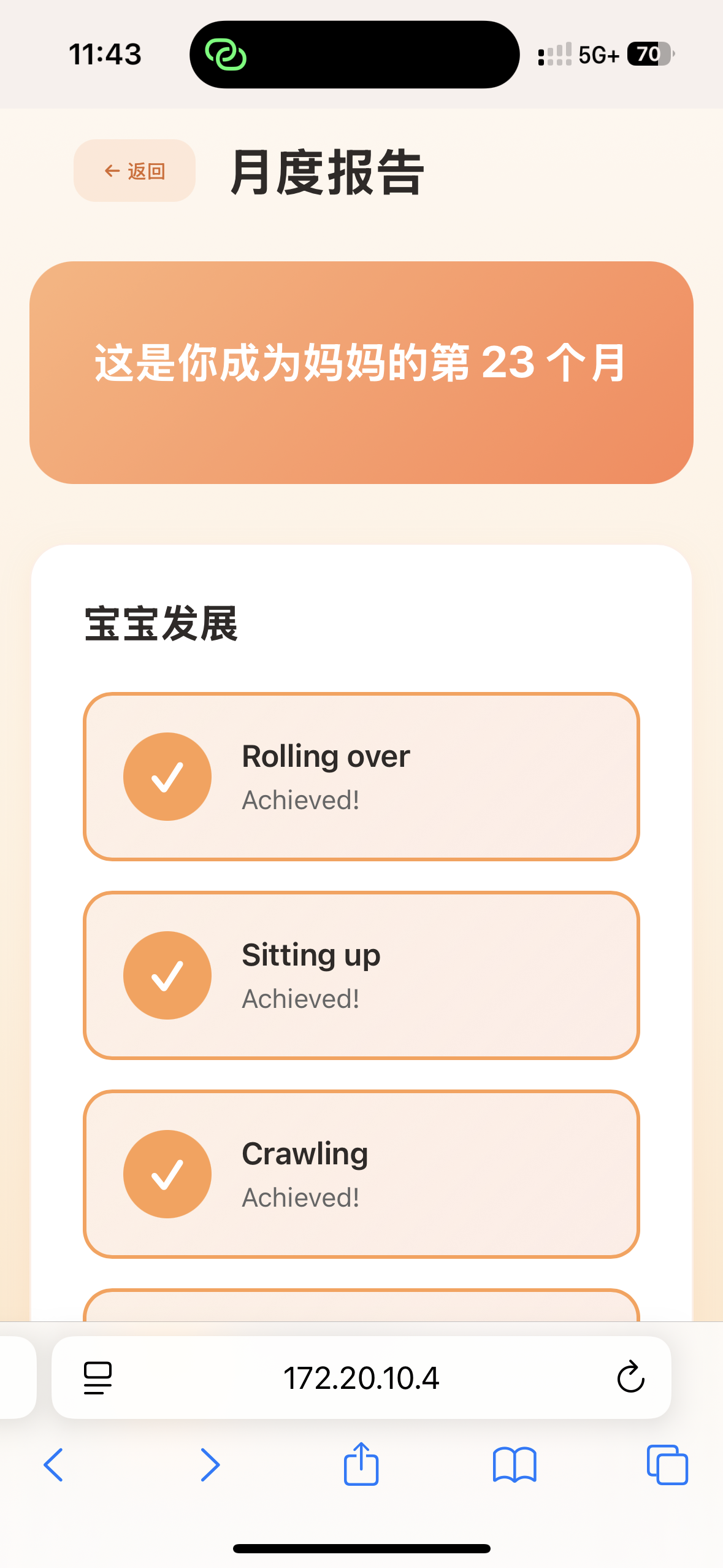
- Track their child’s physical and cognitive milestones visually through dashboards and monthly reports.
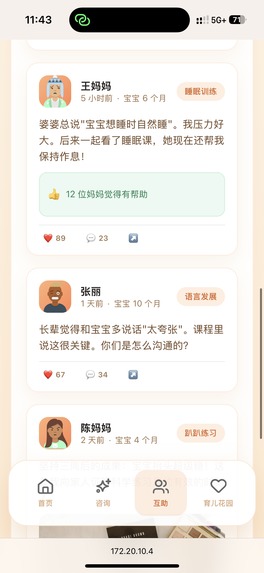
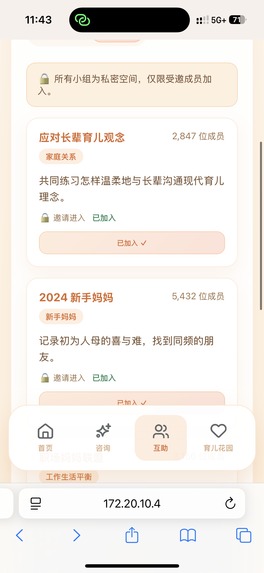
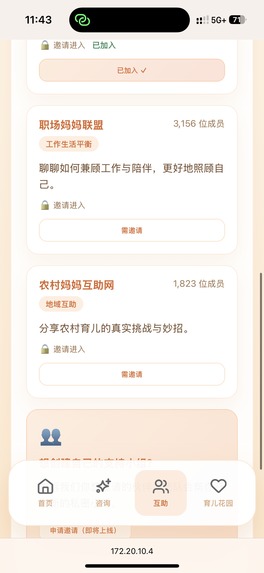
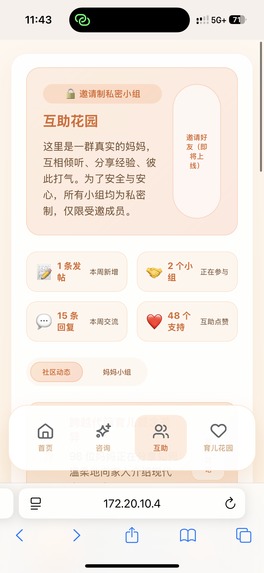
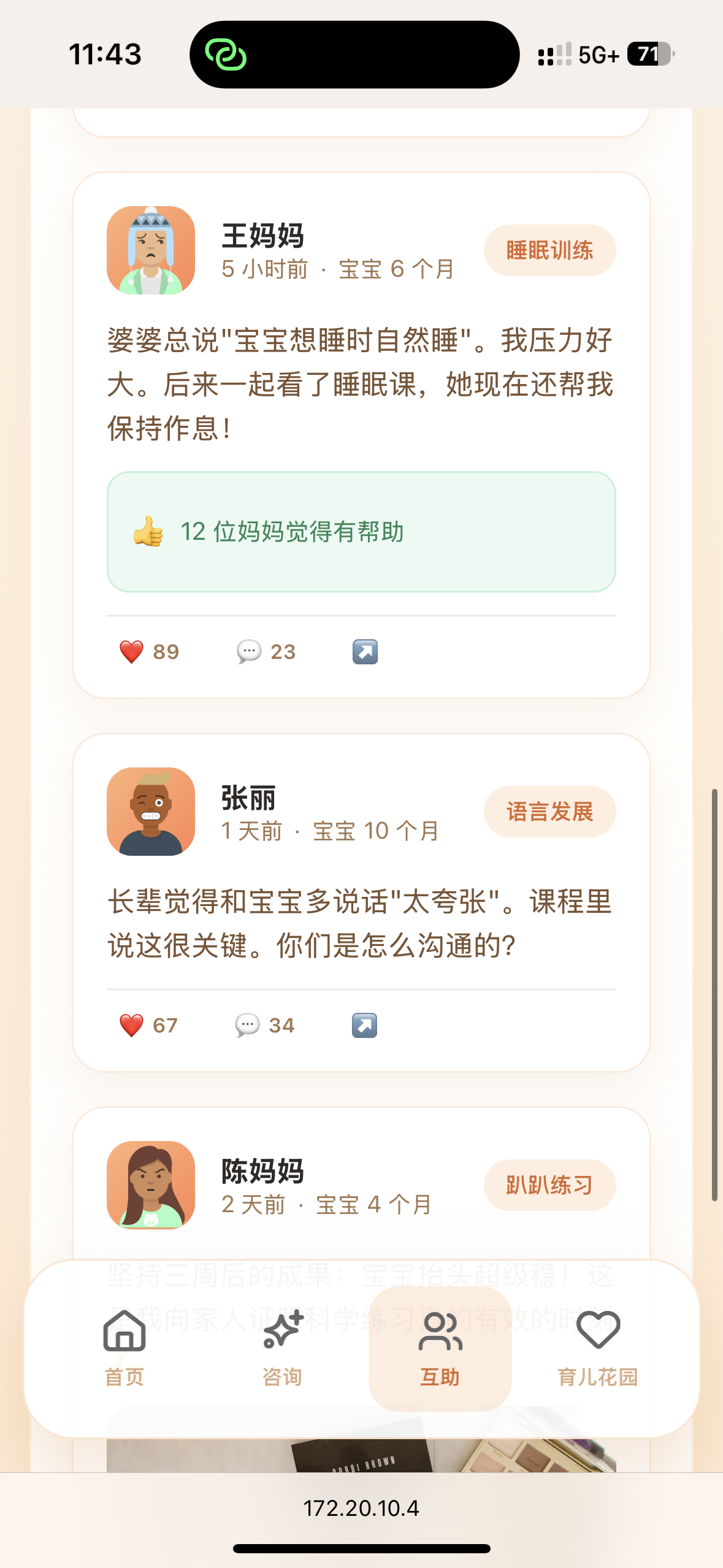
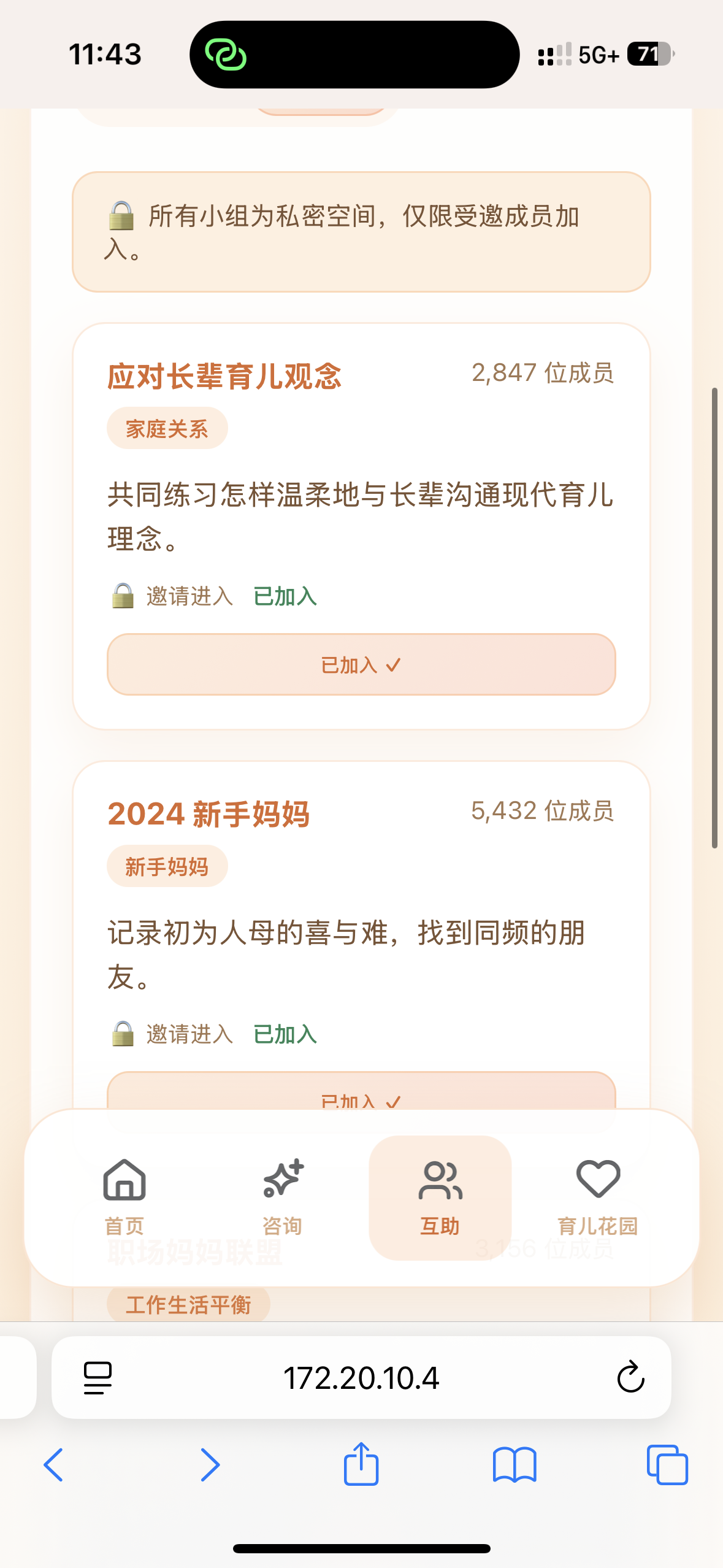
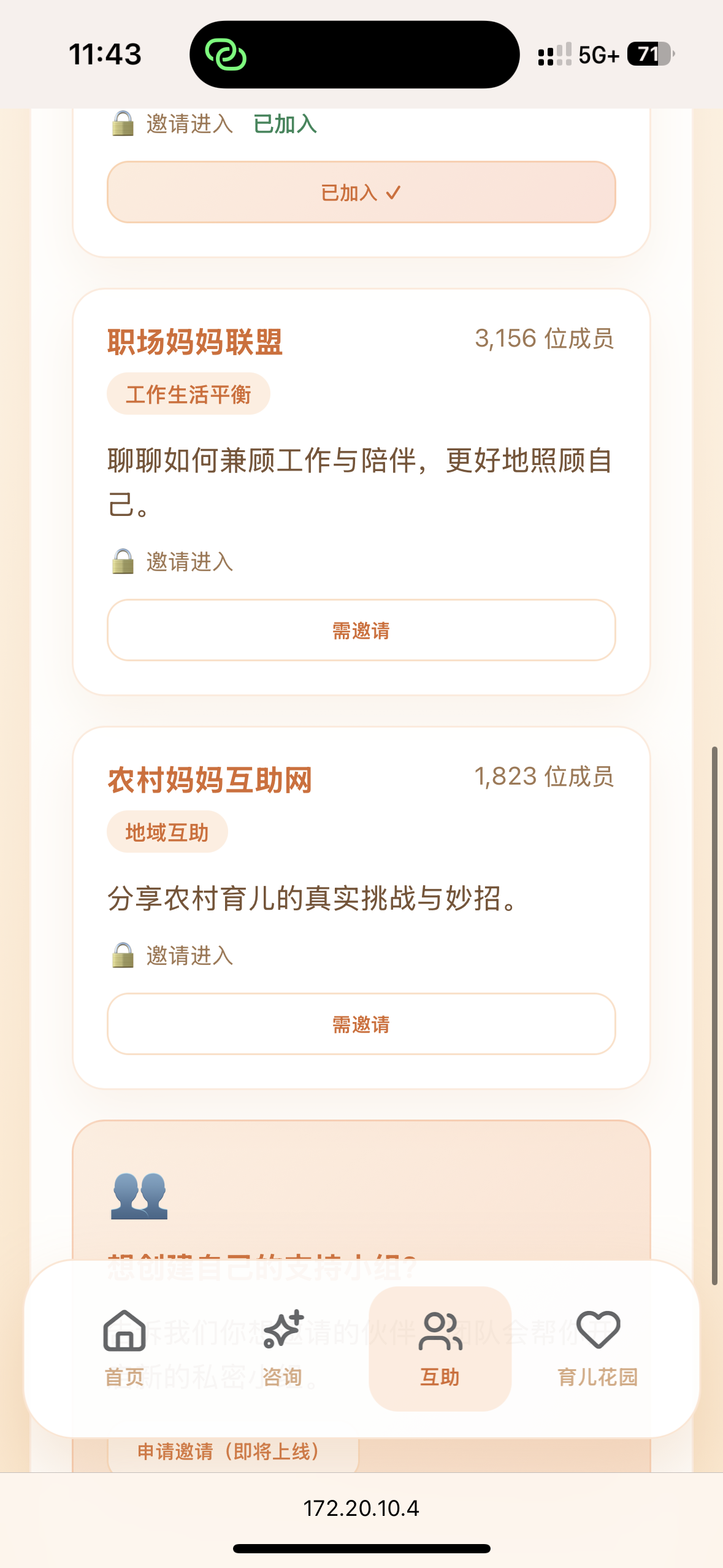
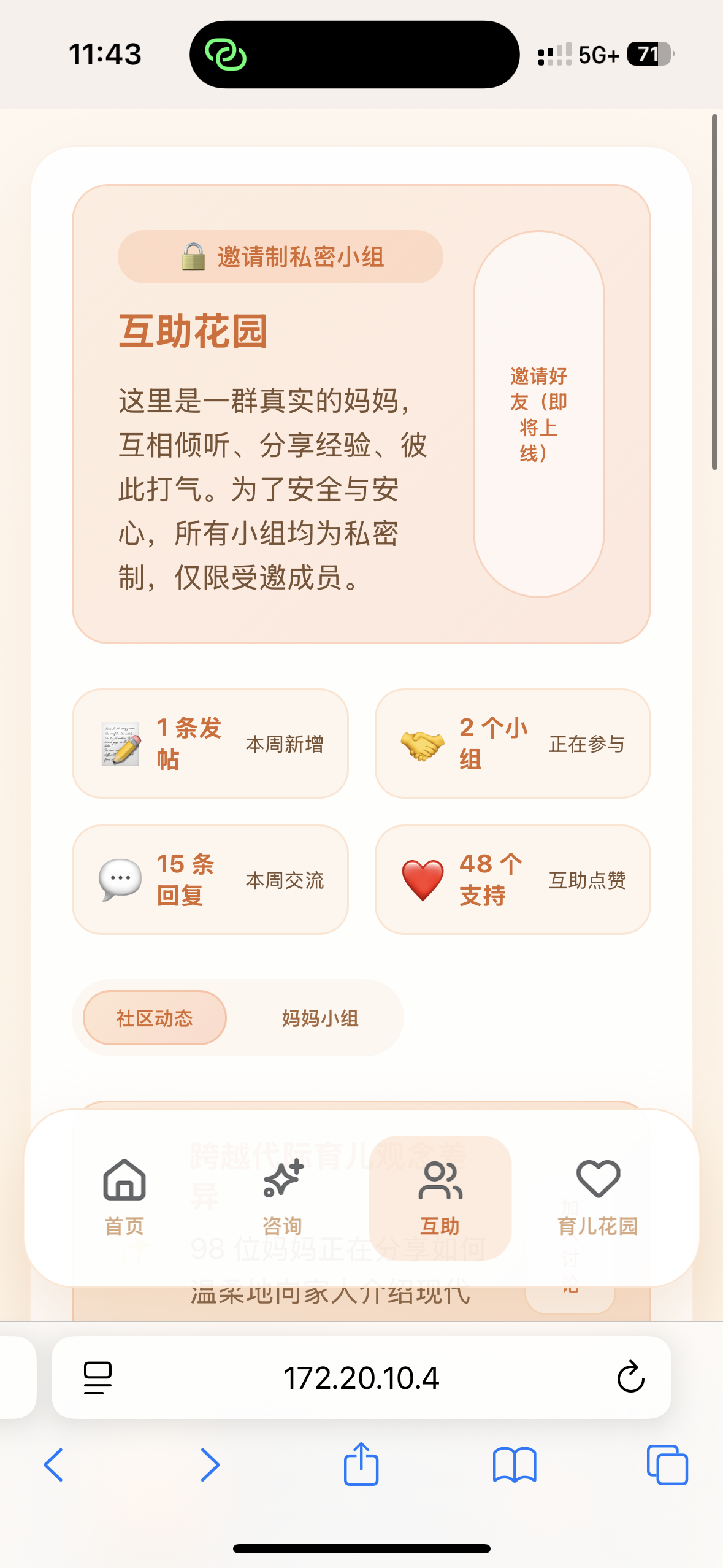
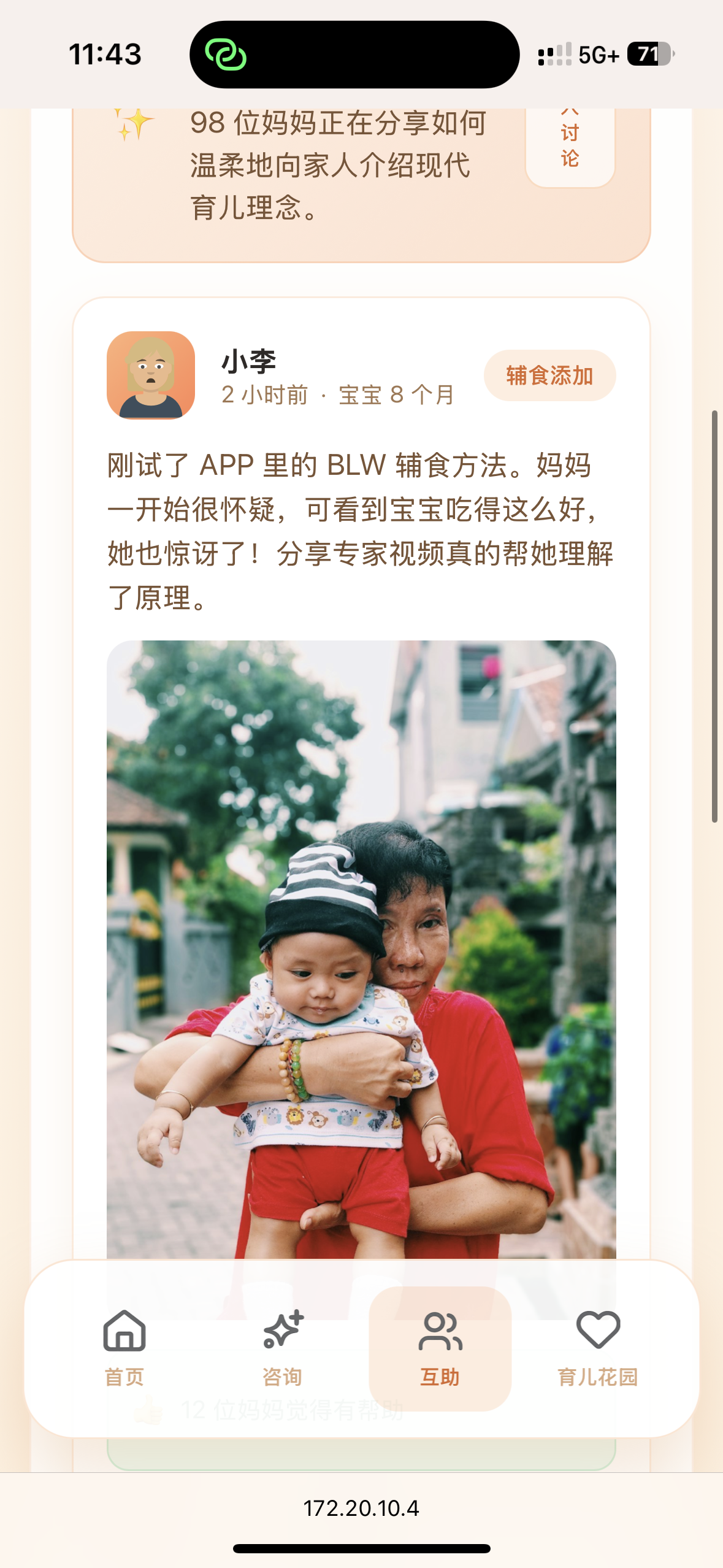
- Connect with other caregivers for peer support and motivation through a moderated community.
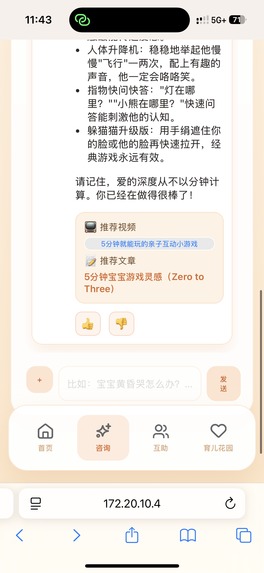
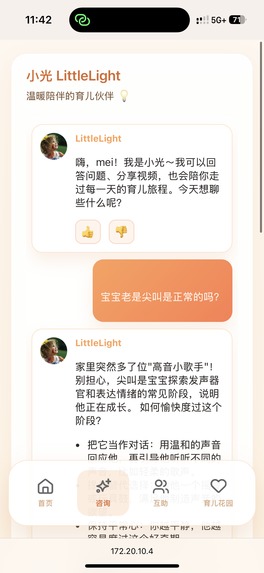
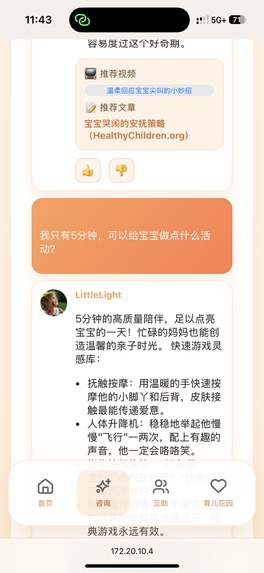
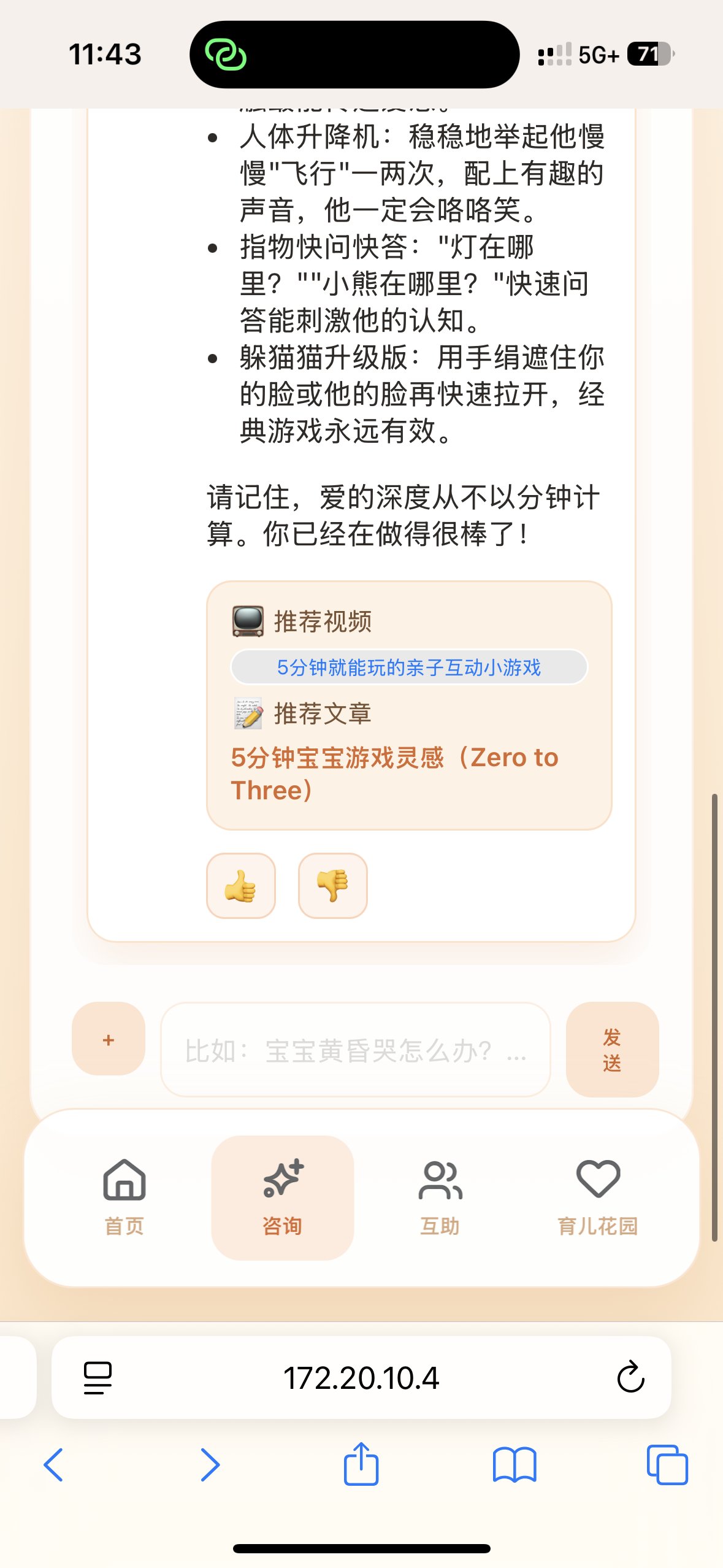
- Interact with an AI chatbot that delivers quick, trustworthy answers and emotional reassurance. The goal: make high-quality caregiving knowledge easy to access, understand, and sustain—especially for time-poor or less digitally savvy users.
How we built it
- User Research: Interviewed with our non profit partner to uncover pain points, motivations, and habits.
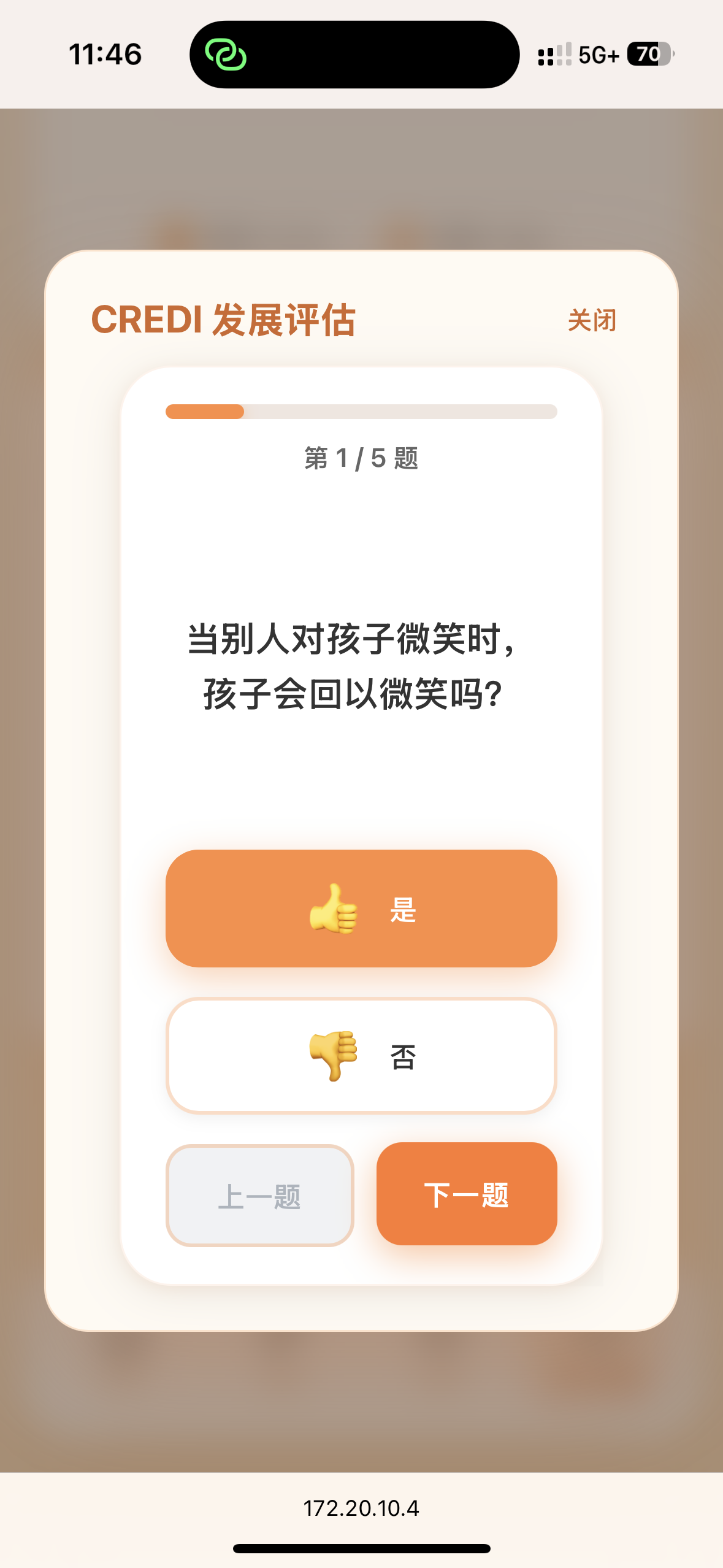
- Evidence Integration: Selected validated tools (PHQ-9, CREDI, IYCF, Pro-WEAI, etc.) for assessing mental health, nutrition, development, and empowerment.
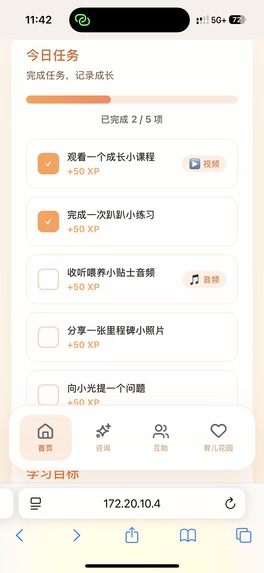
- User Flow & Prototype: Vibe coded a mini app with onboarding, AI chatbot, daily tasks, and community modules.
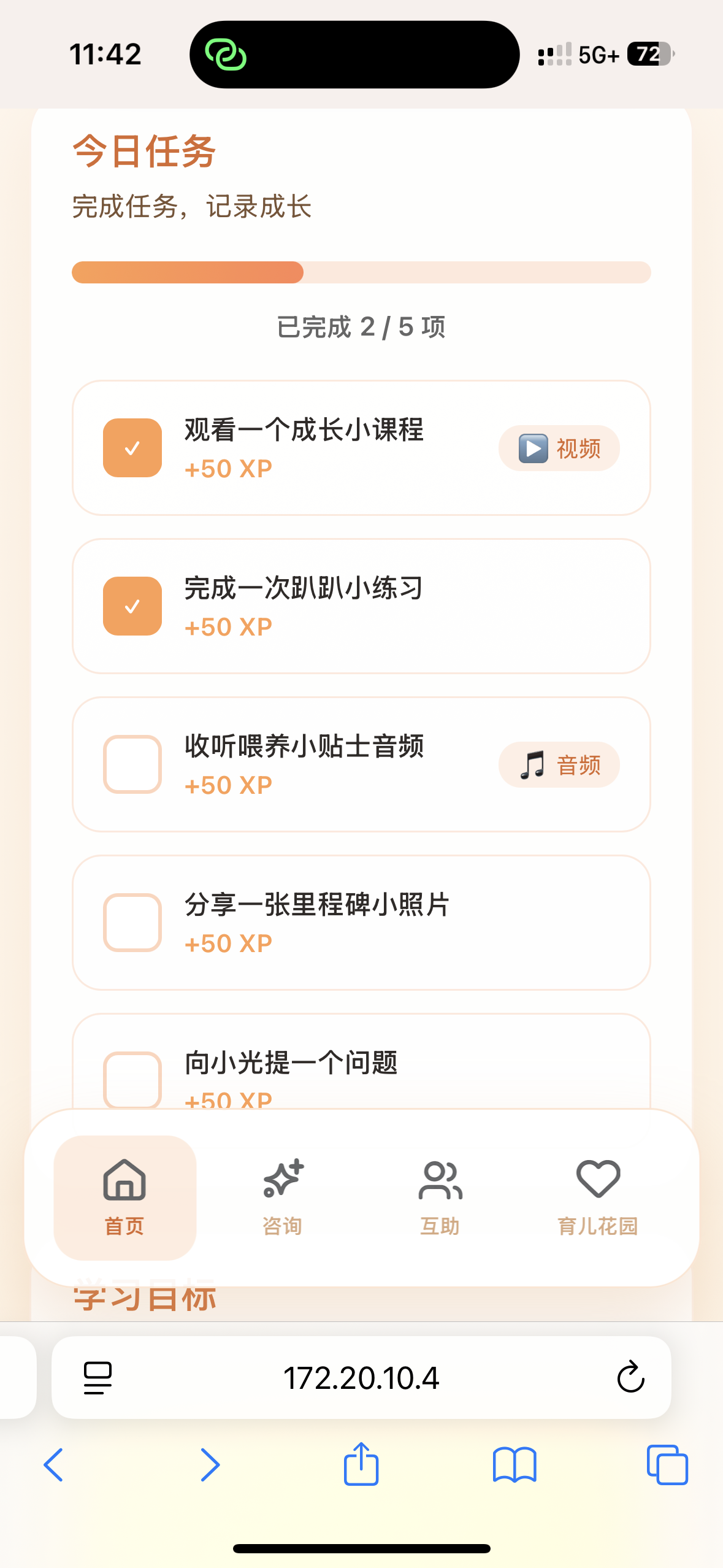
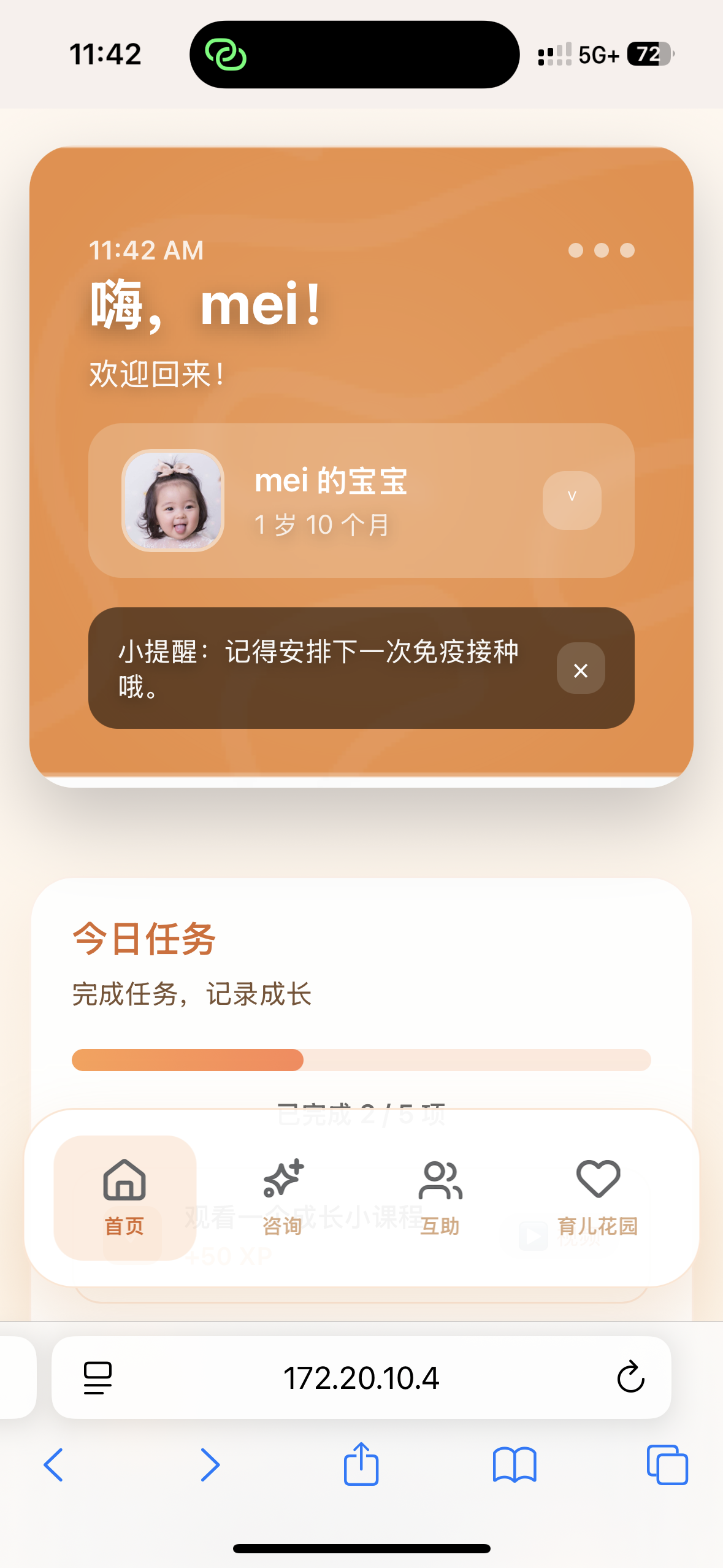
- Behavioral Design: Applied Duolingo-style engagement elements like daily streaks, badges, and progress tracking.
- AI Personalization: Integrated with Chatgpt and applied personalized tone to deliver tailored prompts and recommendations.
Challenges we ran into
Challenges We Ran Into
- Balancing scientific accuracy and usability: translating research questionnaires into quick, friendly digital flows.
- Cultural sensitivity: addressing co-parenting dynamics between mothers and grandparents.
- Sustained engagement: finding motivational loops that combine emotion, learning, and reward.
- Budget constraints: as an NPO (nonprofit organization), we had to work with limited funding for app development. This meant we couldn’t implement every planned functionality, and had to prioritize essential, high-impact features over “fancier” ones.
- Safety and content moderation: NPO partners emphasized that “doing no harm” is more important than adding complex features. The content must be carefully censored to avoid causing stress, pressure, or misinformation for caregivers. We aimed to balance community interaction with content monitoring, ensuring that shared materials remain supportive, accurate, and emotionally safe.
Accomplishments that we're proud of
- Built a unified user flow and demo prototype integrating AI chatbot, educational videos, and community interaction.
- Created a personalized parenting companion model bridging evidence-based research with real-world caregiver behavior.
- Designed a gamified engagement loop (streaks, badges, monthly reports) proven to motivate consistent learning.
- Fostered collaboration between Stanford REAP, Enlight, merging design, technology, and education expertise.
What we learned
- Empathy is key: caregivers don’t just need data — they need reassurance and understanding.
- Localization matters: success depends on aligning with local habits, dialects, and family dynamics.
- Motivation must be layered: emotional support, peer community, and progress tracking reinforce each other.
- AI works best as a guide: smart prompts and curated content empower caregivers to keep learning naturally.
What's next for Little light
- Pilot testing in Stanford REAP partner regions to collect engagement and impact data.
- Enhance trust and safety through hybrid moderation (AI + human review) to maintain a supportive environment.
