-
-
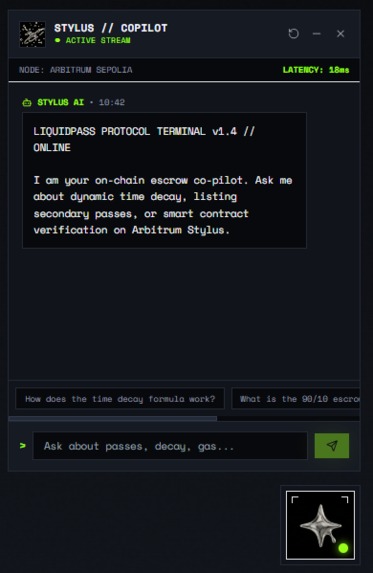
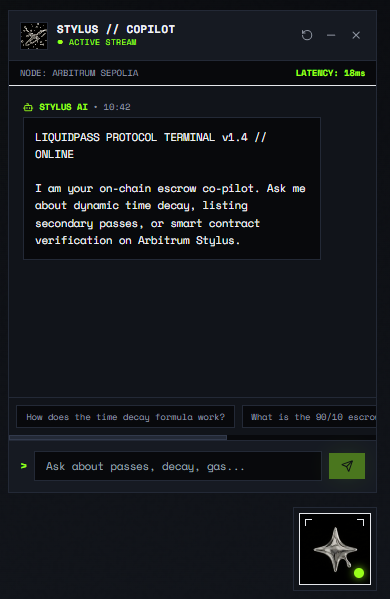
Chatbot - Dark Mode
-
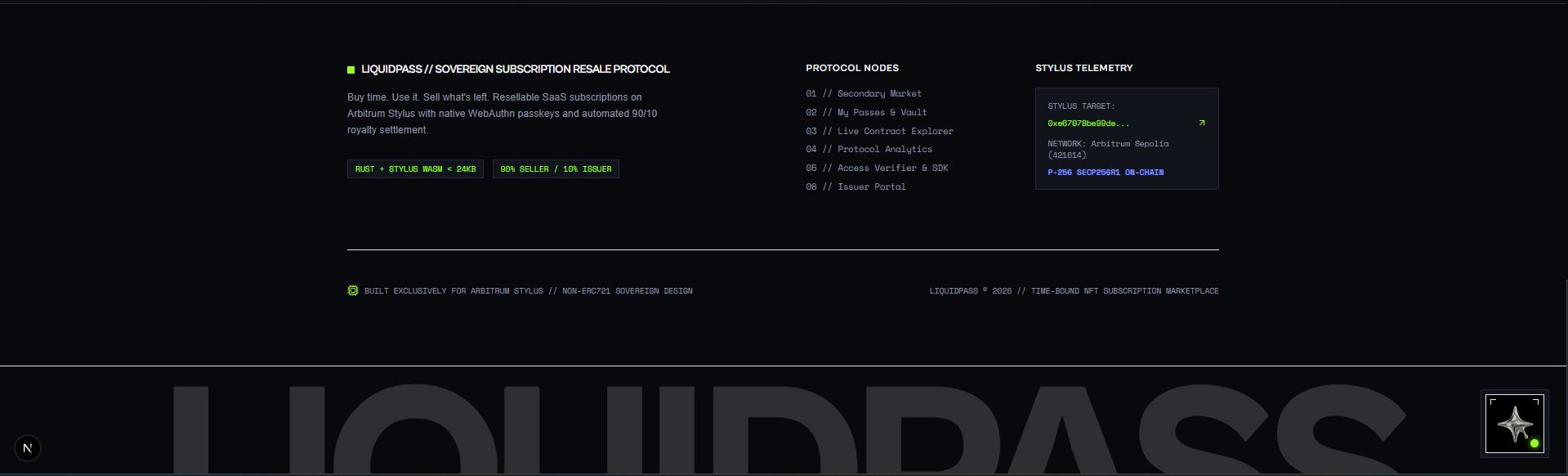
Footer - DM
-
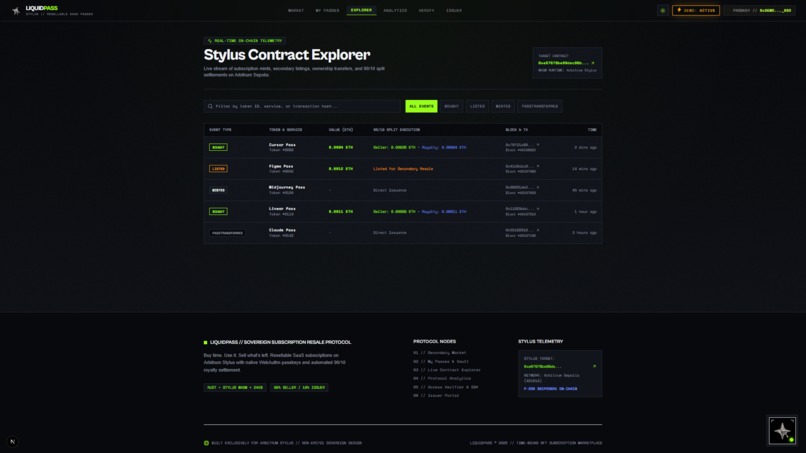
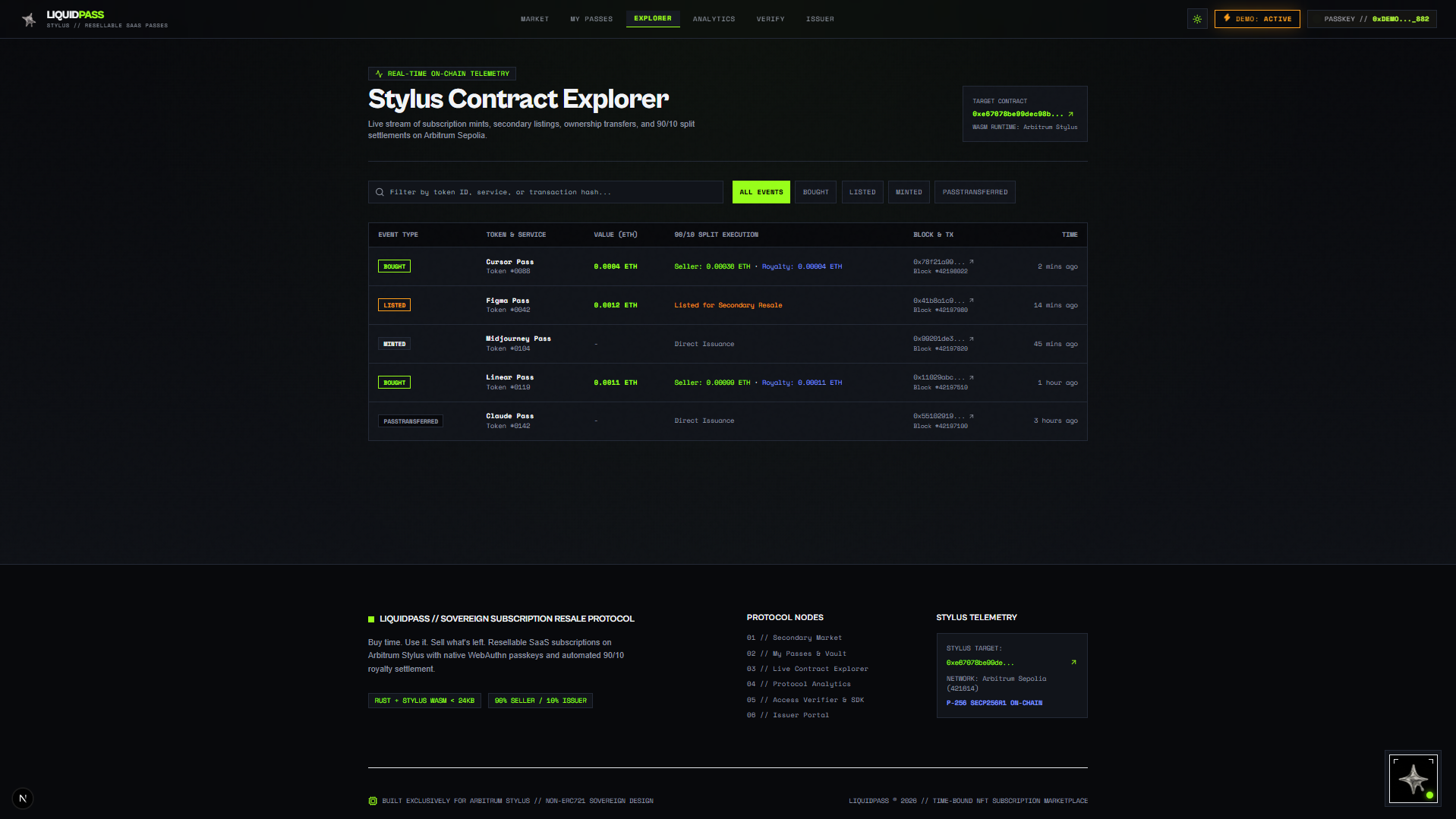
Explorer - DM
-
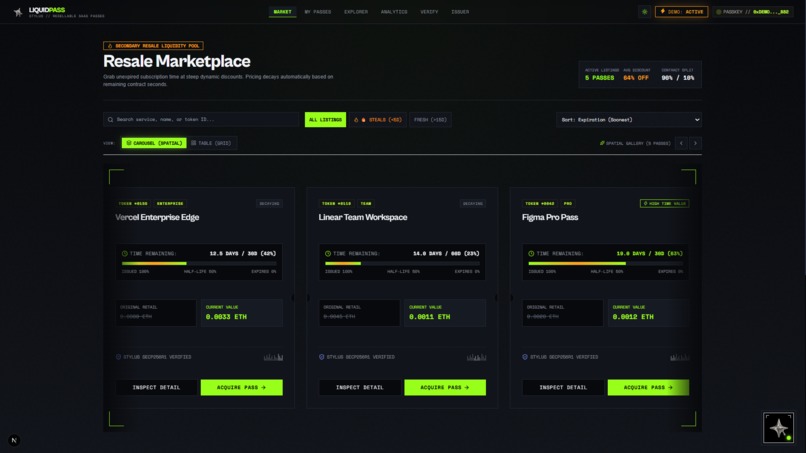
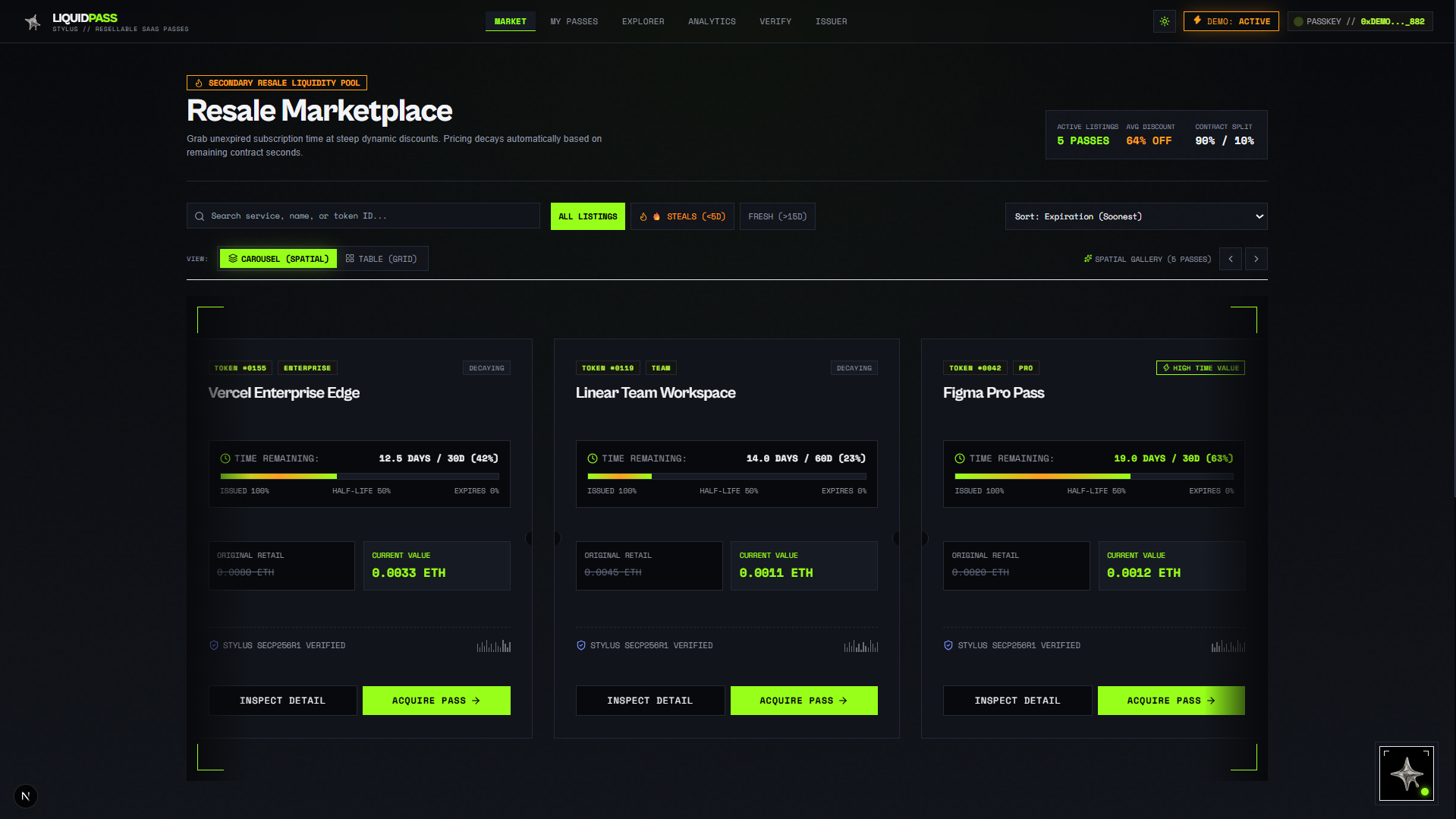
Market - DM
-
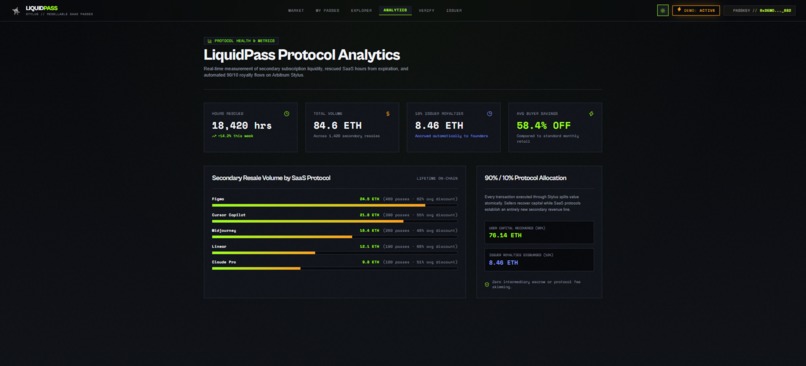
Analytics - DM
-
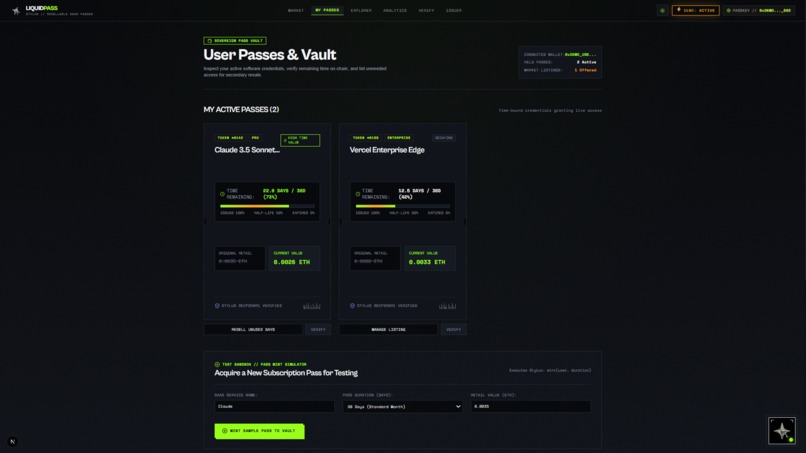
My Vault - DM
-
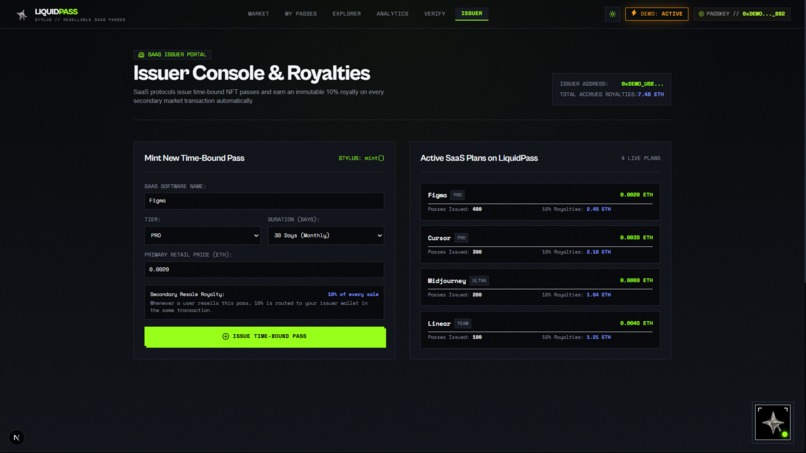
Issuer -DM
-
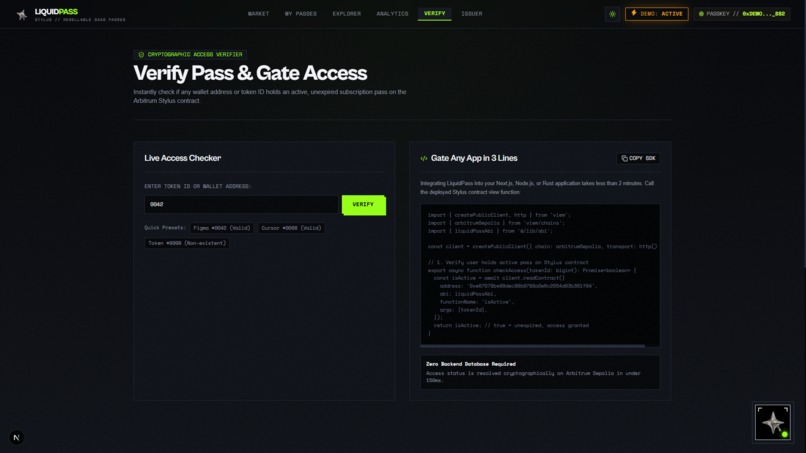
Verify - DM
Inspiration
Every subscription is a bet that you'll use the whole month, and most of us lose it. The AI tool you needed for one project that ended in week two. The design seat for a sprint that finished early. The unused days simply disappear.
What bothered us is that concert tickets, flights and gift cards can all be handed to someone else. Subscriptions can't, and the only reason is that access lives as a row in someone else's database instead of something you actually hold.
The data shows how big this is:
- A C+R Research survey of 1,000 U.S. consumers found people estimate they spend $86/month on subscriptions but actually spend $219/month. 42% keep paying for a service they no longer use, and 26% share streaming accounts without paying. (C+R Research)
- Zylo's 2026 SaaS Management Index reports that 36% of SaaS licences go unused, wasting $19.8M per organisation per year. (Zylo)
So we asked: what if access was something you hold, and unused time was something you could pass on?
What it does
Liquid-Pass turns a subscription into a time-bound pass recorded in a smart contract on Arbitrum. Holding the pass is the access.
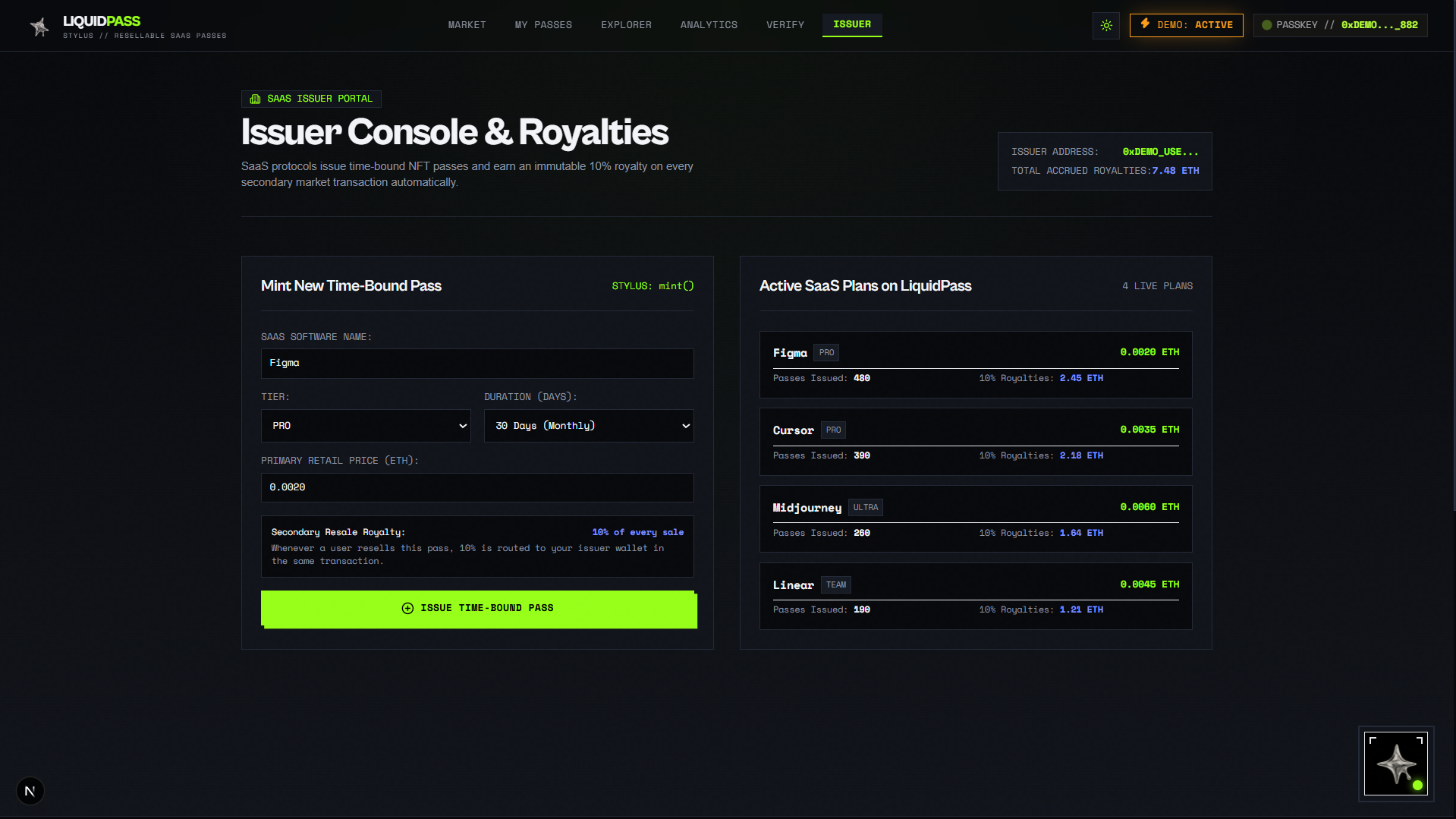
- Issuer Console: a SaaS company creates a plan (name, price, duration). Plan metadata is pinned to IPFS.
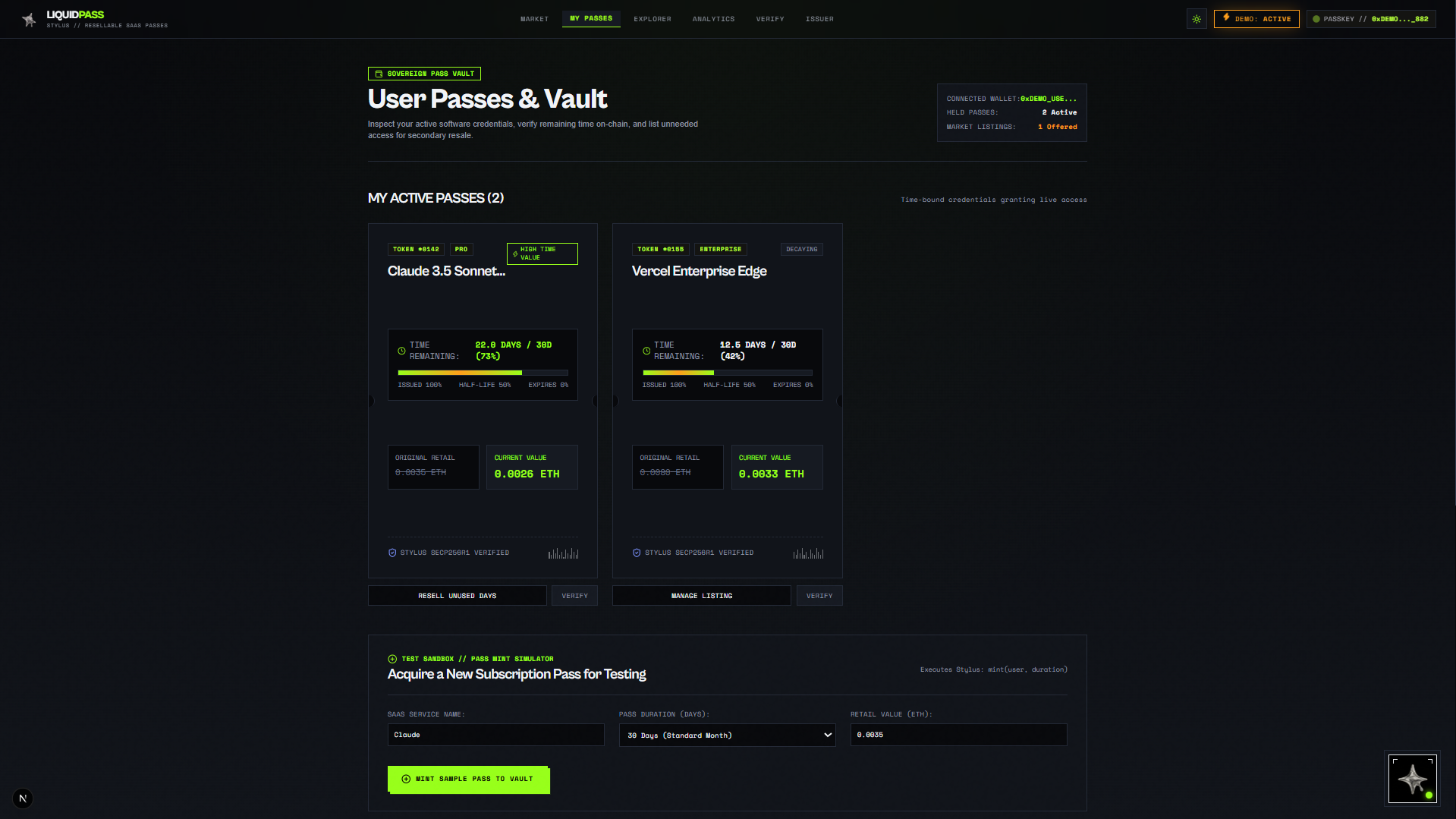
- Buy, hold and gift: users buy a pass (100% of the first sale goes to the issuer), see a live countdown to expiry, and can gift a pass to another wallet.
- Resale market with a decaying price: an owner lists the unused time. The price falls continuously and reaches zero at expiry. The buyer gets the remaining days with the same expiry date, not a fresh month.
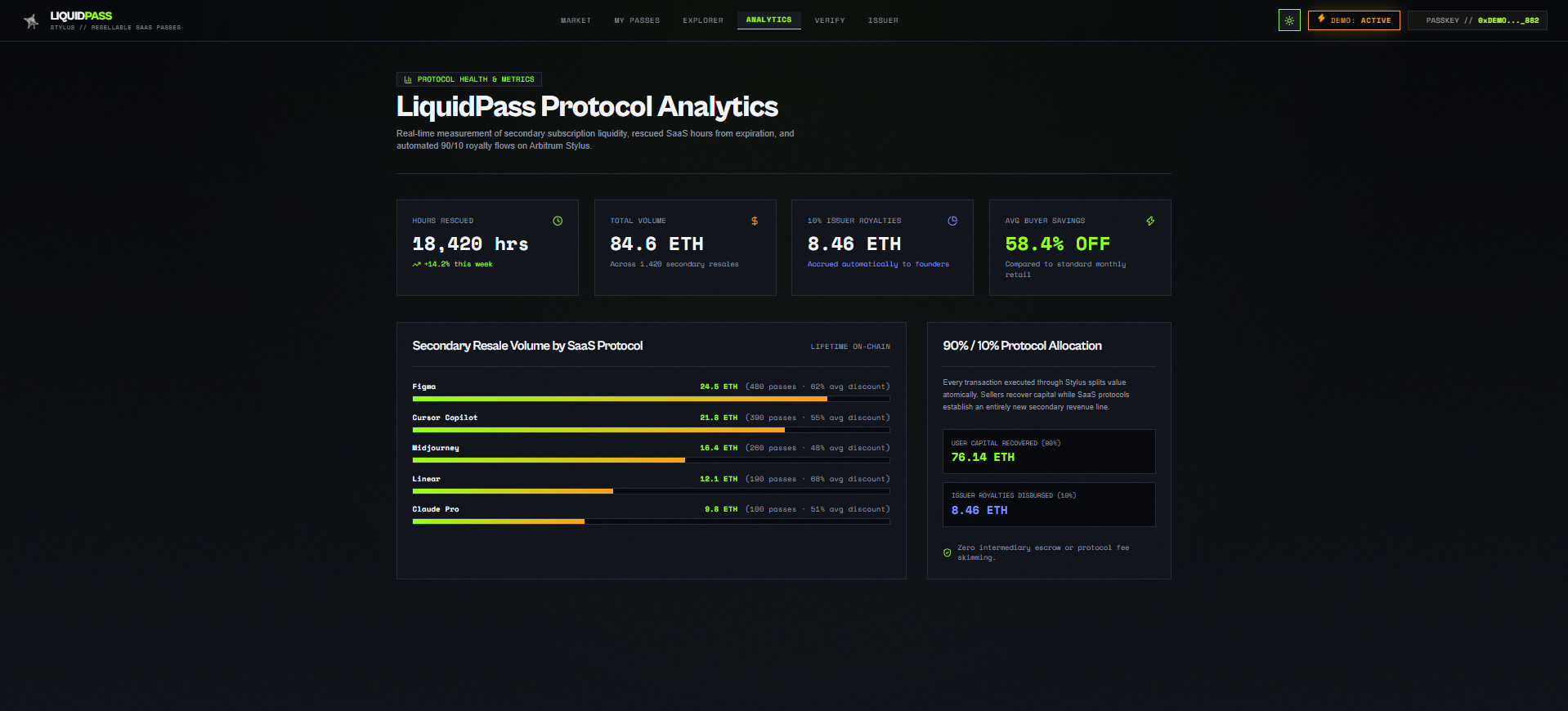
- Automatic 90 / 10 settlement: in one transaction, the contract pays 90% to the seller and a 10% royalty to the original issuer, and refunds any overpayment. Issuers earn from every resale instead of losing revenue to account sharing.
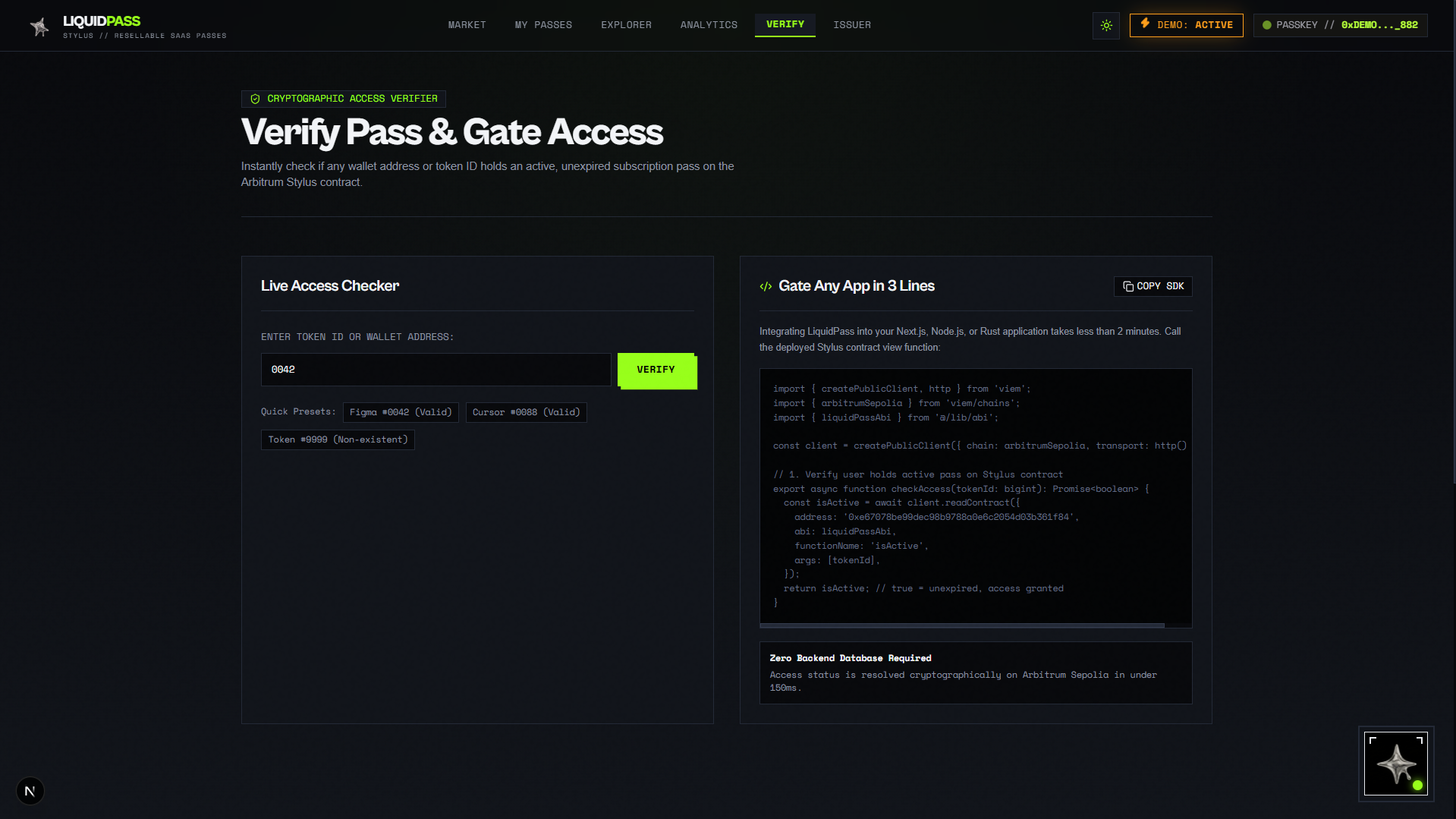
- On-chain access verification: any app can check access with two free contract calls,
isActiveandownerOf. No central database required. - LiquidityAI: an AI assistant that answers questions about passes and turns plain English like "if I don't use this pass for 7 days, sell it" into a structured, validated auto-sell rule. The user still signs every listing.
Liquid-Pass creates no crypto token and no DeFi instrument. Blockchain is used purely as a transparent, tamper-proof record of who holds access and until when.
How we built it
A hybrid Web2 + Web3 + AI architecture:
- Smart contracts: the core pass logic (plans, passes, expiry, transfers, access checks) is written in Rust, compiled to WebAssembly on Arbitrum Stylus. The marketplace (listings, time-decaying price, 90/10 settlement) is a separate Solidity contract, so trading logic can evolve without touching the pass records.
- Front-end: Next.js 15, React, TypeScript and Tailwind CSS, with wagmi, viem and RainbowKit for wallet connection. Chain state is read directly with batched multicall reads.
- Back-end: lightweight Next.js serverless API routes on Vercel, used only for things that can't run on-chain: pinning metadata to IPFS via Pinata and calling the Google Gemini API. They hold no private keys and cannot move funds or passes.
- Data: the blockchain is the source of truth for ownership, expiry and payments. Metadata lives on IPFS, and The Graph indexes contract events for analytics.
- Network: deployed publicly on Arbitrum Sepolia testnet and Vercel.
Challenges we ran into
- Conserving time instead of creating it. A resale must transfer the remaining time with the original expiry. If a transfer ever reset the clock, resale would become a way to extend access for free.
- Pricing that stays fair. A fixed listing price goes stale as days pass. We designed a price that decays linearly to zero at expiry, computed on-chain, so buyers always pay for the time actually left.
- Giving issuers a reason to say yes. A resale market that cuts out the SaaS company would never be adopted. Enforcing a 10% royalty in the contract makes resale a revenue stream, not a threat.
- Keeping the AI honest. An assistant must never invent a condition it can't observe, or act without the user. Every AI-generated rule is validated against a fixed schema, and nothing is listed without the user's signature.
- Verifying access without a central database. Any app needs a simple, free way to check access, which is why verification uses read-only contract calls.
Accomplishments that we're proud of
- A design where the core rule, the buyer inherits the existing expiry, is enforced by the contract rather than the interface.
- An economic model where subscribers, short-term users and issuers all come out ahead.
- A clean hybrid architecture where every Web2, Web3 and AI component has a clear job, and nothing depends on hardcoded data.
What we learned
- The hardest part of a Web3 product isn't the blockchain. It's designing incentives that make every party want to participate.
- Web3 works best as infrastructure, not a token. Here it's simply the most trustworthy place to record who holds access and until when.
- AI is most useful when it turns intent into structured, verifiable actions, not when it acts on its own.
What's next for Liquid-Pass
- Issuer SDK: a small library so any SaaS app can gate features with the on-chain access check.
- Mainstream payments: stablecoin pricing and card payments through crypto on-ramps, so users never need crypto knowledge.
- Beyond SaaS: courses, gym and co-working memberships, event and transport passes. Any time-bound access can become transferable and verifiable.
Built With
- arbitrum
- arbitrum-sepolia
- arbitrum-stylus
- erc-721
- ethereum
- gemini-api
- next.js
- nft
- node.js
- react
- rust
- smart-contracts
- solidity-abi
- typescript
- viem
- wasm
- web3

Log in or sign up for Devpost to join the conversation.