-
-
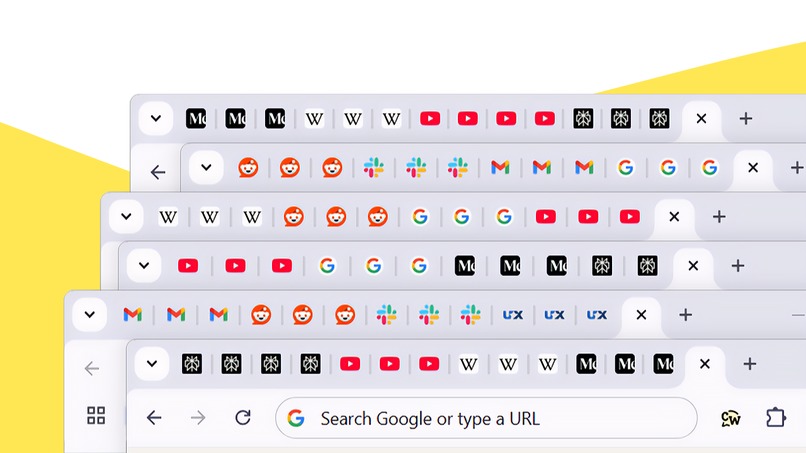
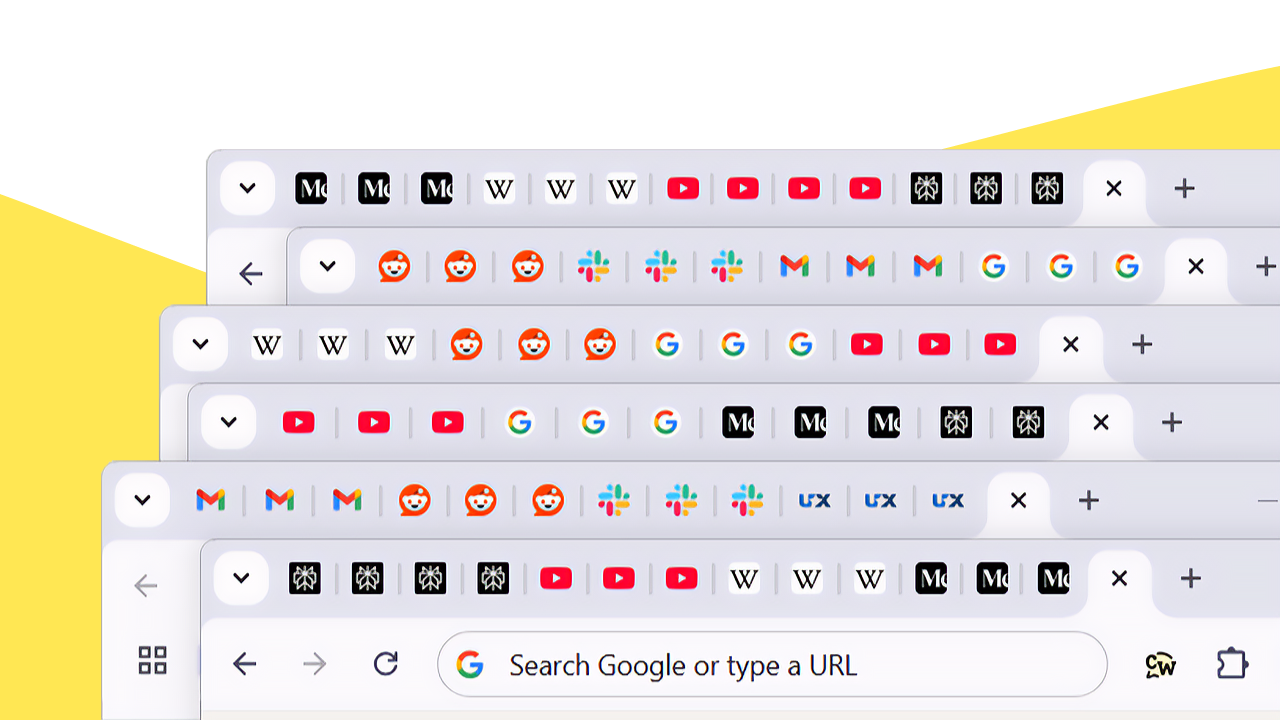
It started with one question. Now your browser looks like this.
-
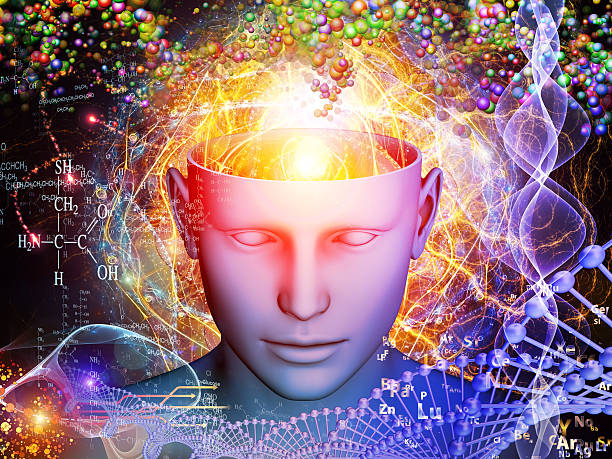
Your brain at 500% capacity
-
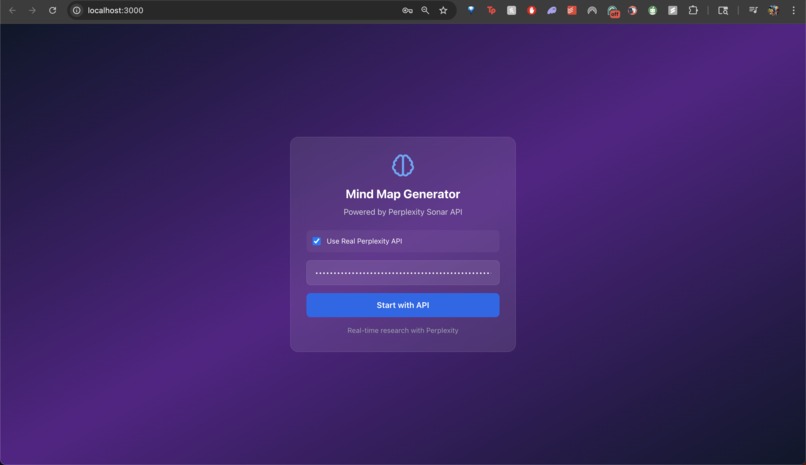
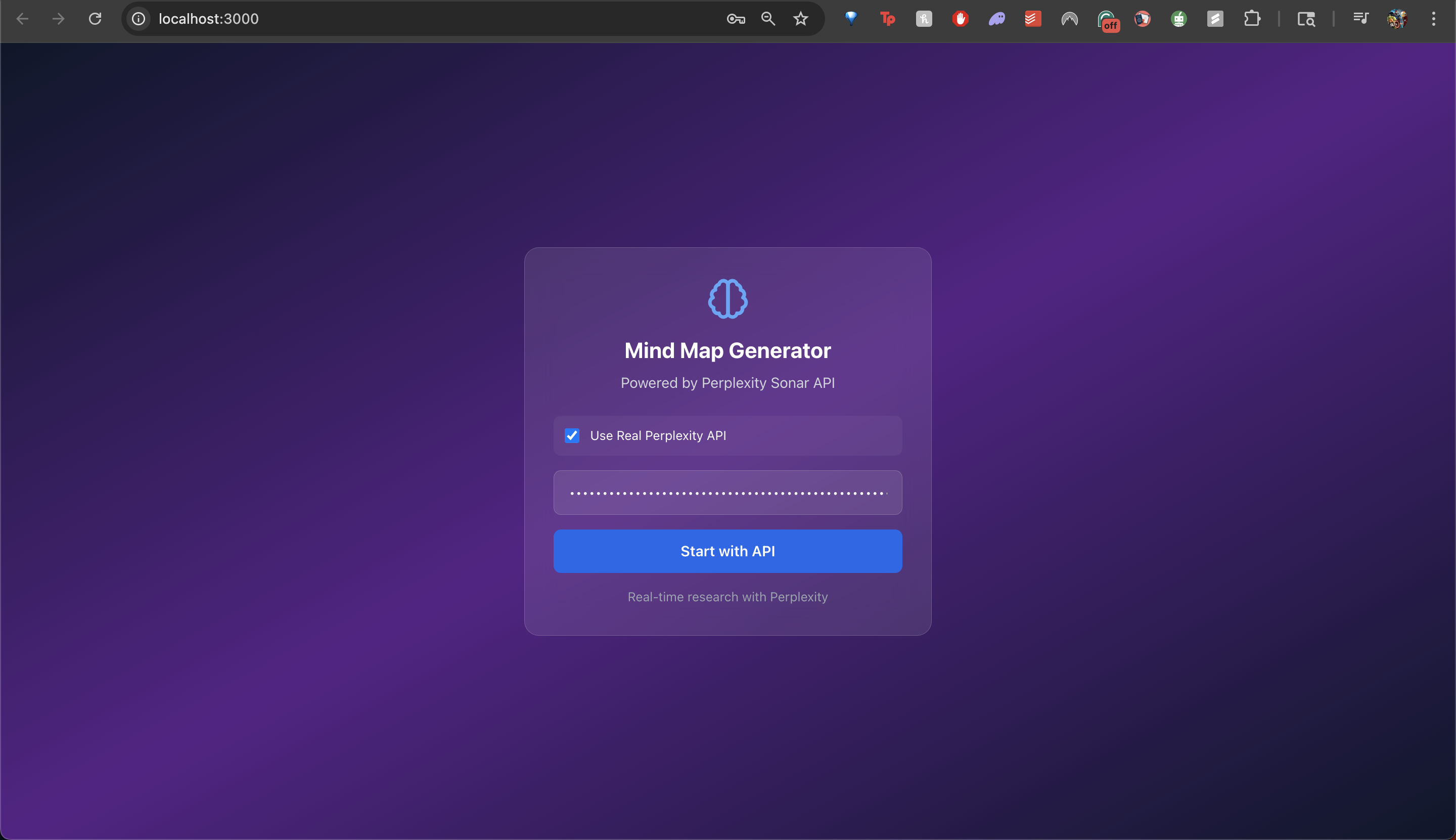
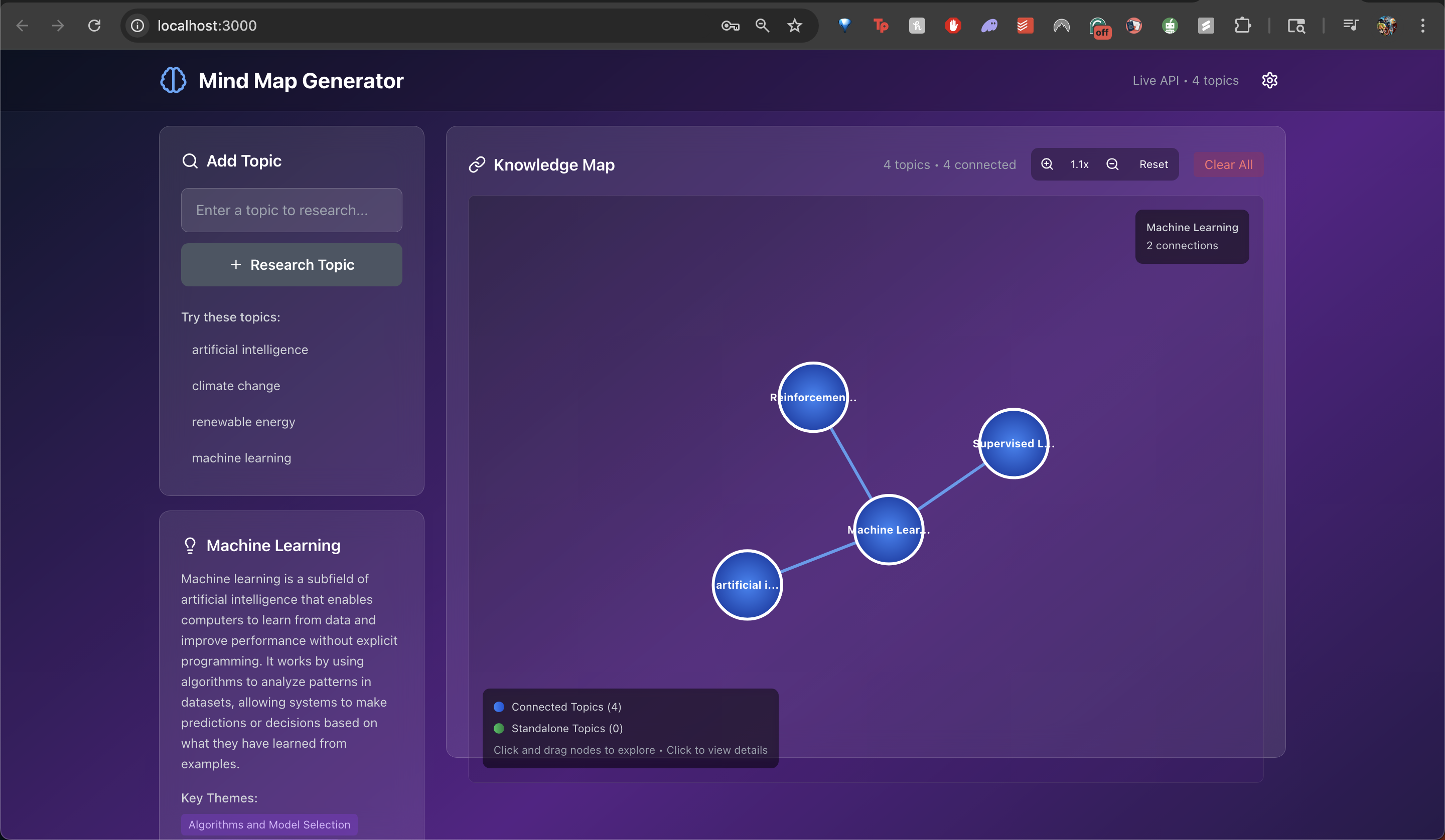
Start your journey: Linkly connects to Perplexity’s API to map your thoughts in real time.
-
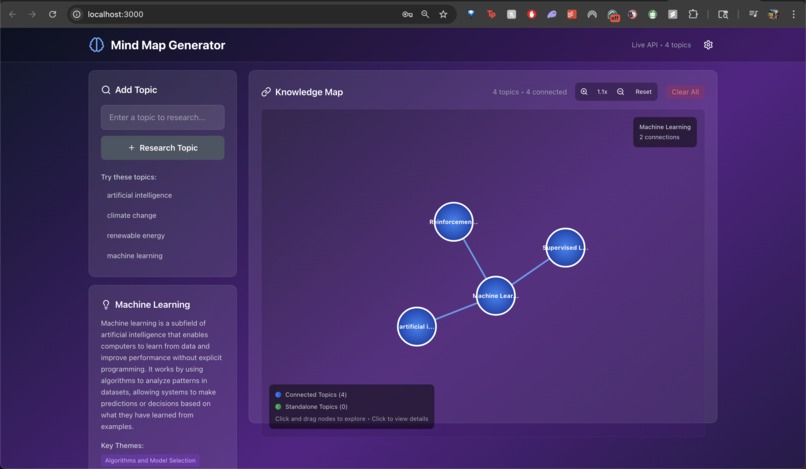
Your curiosity, visualized: A dynamic mind map unfolds as you explore topics.
-
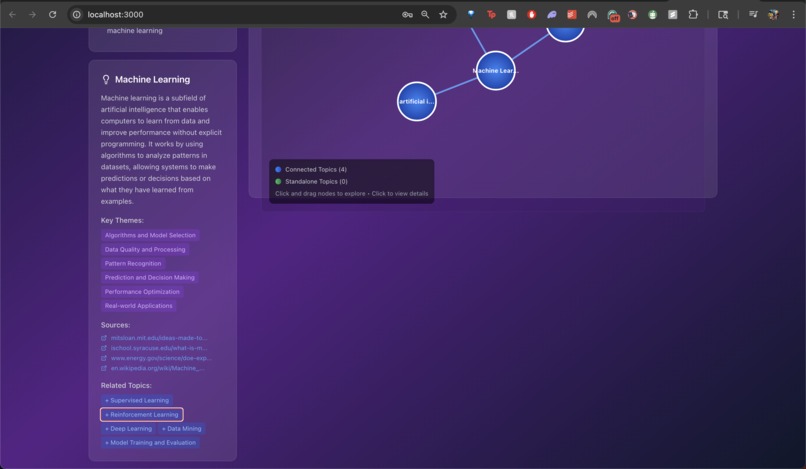
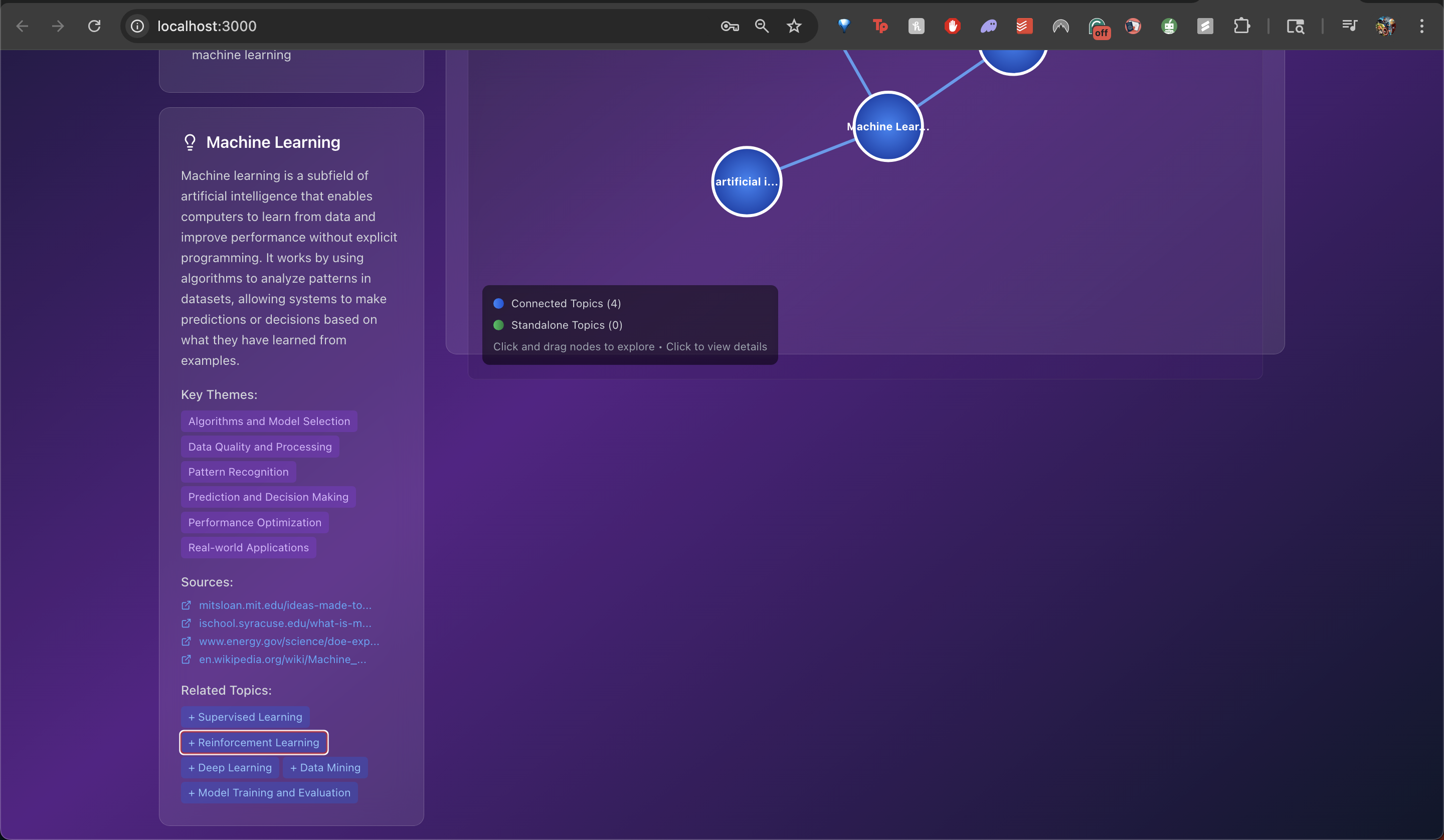
Every node has depth: Click to see explanations, key themes, sources, and related topics.
🚀 Elevator Pitch
Ever feel like your thoughts are all over the place? Linkly maps your curiosity, literally! You search a topic, and it builds a mind map. Each idea connects. Expands. Branches out. It's your brain, visualized. Your thoughts, as a network. Your research, as a graph. No tabs. No clutter. Just clarity. Powered by real-time AI from Perplexity, Linkly helps you see where your ideas lead — and what's connected beneath the surface. Because curiosity has a shape. And now, you can map it.
🔍 What it does
Linkly takes a single search query and turns it into a visual, interactive mind map. Each node represents a concept pulled from the web using the Perplexity Sonar API, complete with summaries, key themes, and trusted sources. Users can click any node to expand it further, turning one idea into a web of connected knowledge.
It's a creative tool for research, learning, ideation, or just exploring new ideas visually.
🛠️ How we built it
- Frontend: Built with React, styled using TailwindCSS, and visualized using D3.js for dynamic force-directed graphs.
- Backend: Simple Express server using Axios to interface with the Perplexity Sonar API.
- Perplexity Sonar API: Used to retrieve real-time answers and related topics for user queries, including citations and structured data.
- Design: Clean, minimal UI with a focus on intuitive interaction and visual clarity.
- Dev Tools: Nodemon for local dev, Helmet & Morgan for backend security/logging.
⚠️ Challenges we ran into
- Mapping complexity: Structuring dynamic graph layouts without overwhelming the user visually.
- Latency issues: Ensuring smooth node expansion while waiting on real-time API responses.
- Balancing data: Making sure the maps are rich in content but not too noisy or repetitive.
- Limited API formatting: Adapting Perplexity's structured responses into consistent visual formats across the app.
✅ Accomplishments that we're proud of
- Turned raw API data into a clean, compelling mind map UI.
- Made research feel fun, fluid, and exploratory.
- Designed an experience that's both educational and visually engaging, no more boring search results.
- Built a full-stack app that transforms how people interact with information, in just a couple days.
📚 What we learned
- The power of graph-based thinking for research workflows.
- How to integrate external AI APIs (like Sonar) into a responsive frontend in real-time.
- That UX matters more than ever when dealing with complex data, structure is key.
- How to translate unstructured curiosity into structured, explorable knowledge.
🔮 What's next for Linkly
We're just getting started.
- Speed & Performance: Improve the latency and responsiveness of node expansion and API fetching.
- Smarter UI/UX: Make the interface more intuitive, with animations, onboarding flows, and suggested queries based on exploration patterns.
- Motivation Layer: Add gamified elements to encourage deeper exploration (achievements, curiosity streaks, saved maps).
- Custom Libraries: Let users save, export, and return to personal maps, turning Linkly into a second brain.
- Multimodal Inputs: Explore audio or visual prompts (e.g., "Talk to Linkly") that turn voice into visual thought webs.
- Team Use Case: Add collaborative mind mapping so multiple people can brainstorm or research together in real time.
- Mobile Version: Optimize for mobile devices so curiosity can travel with you.
We believe Linkly has the potential to become a daily thinking tool, not just for students or researchers, but for anyone with a question.
Built With
- axios
- css3
- d3.js
- express.js
- html5
- javascript
- node.js
- perplexity-sonar-api
- react
- tailwindcss


Log in or sign up for Devpost to join the conversation.