-
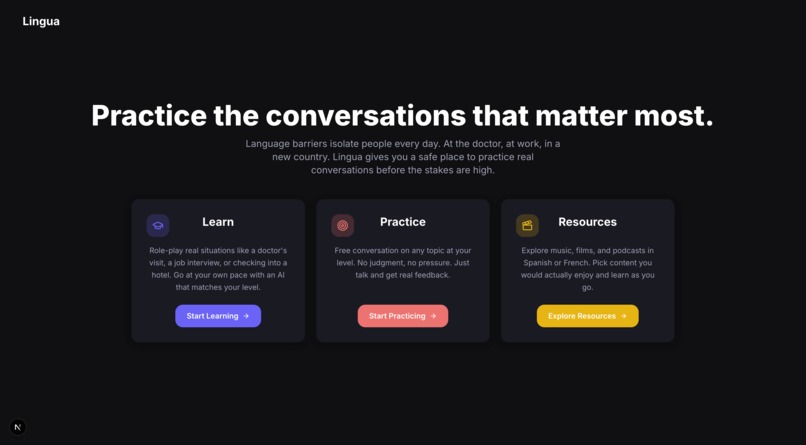
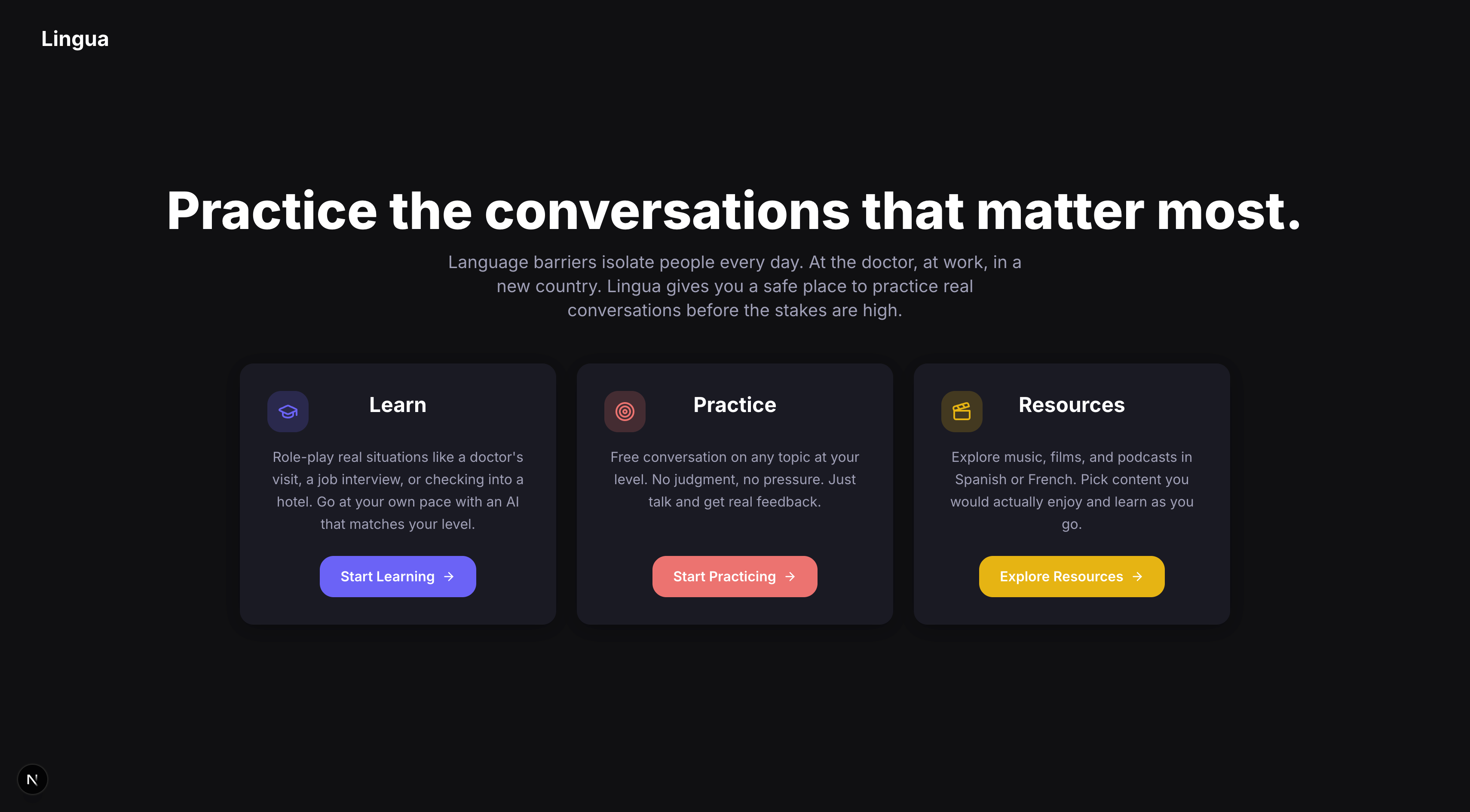
A screenshot of the front/landing page of the webapp.
-
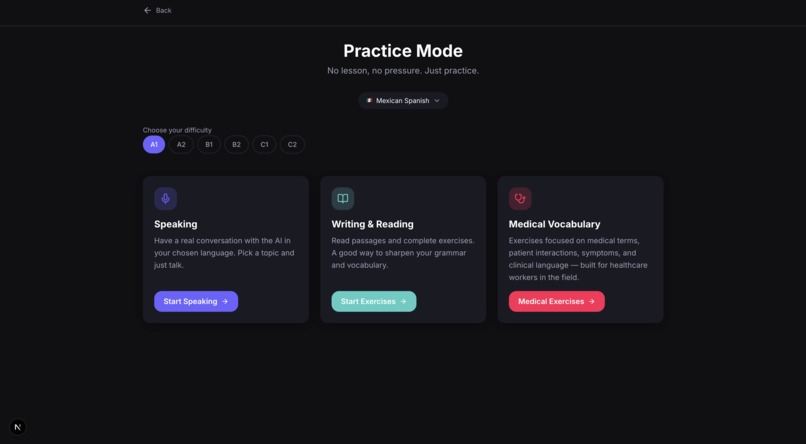
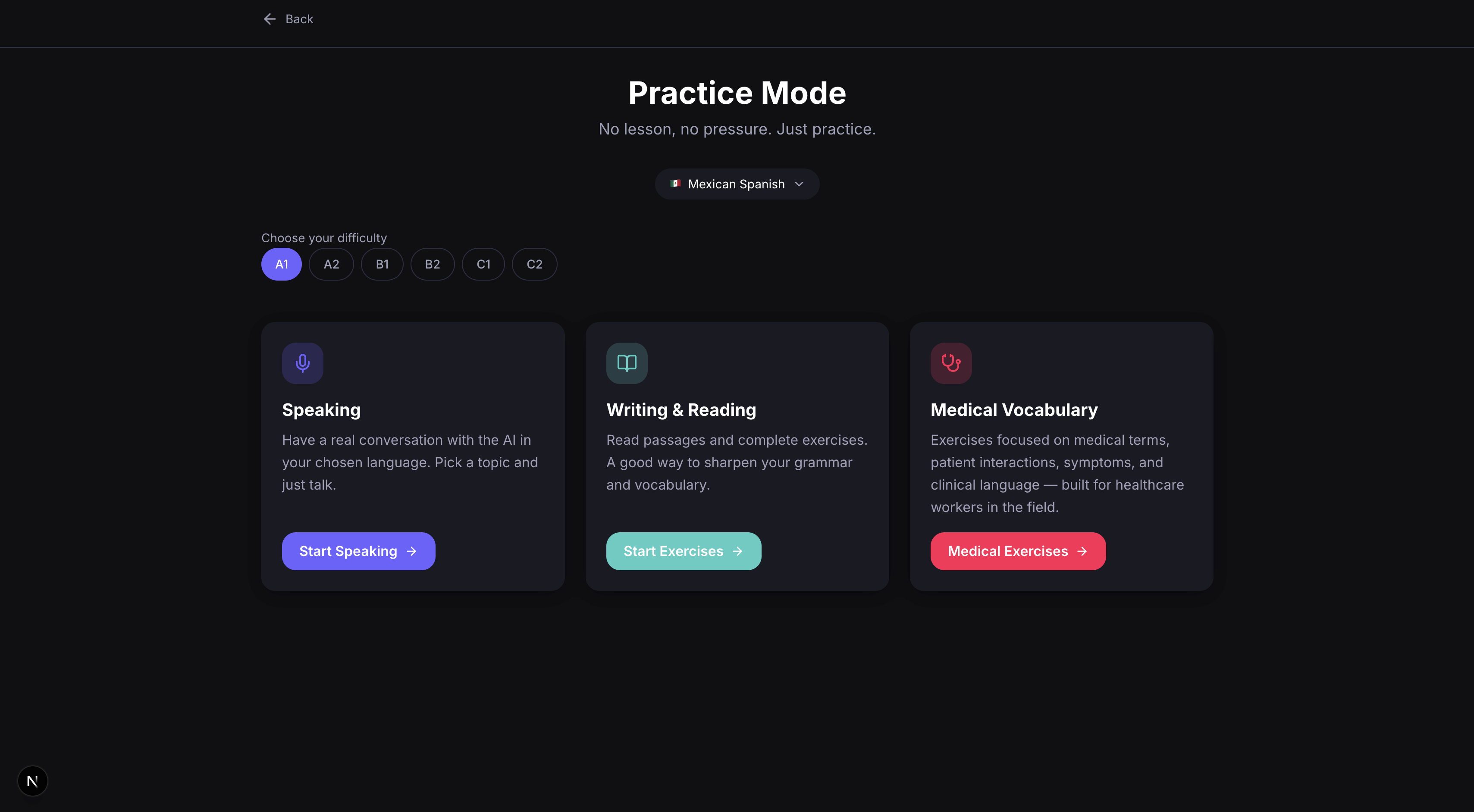
A screenshot of the options offered in practice mode.
-
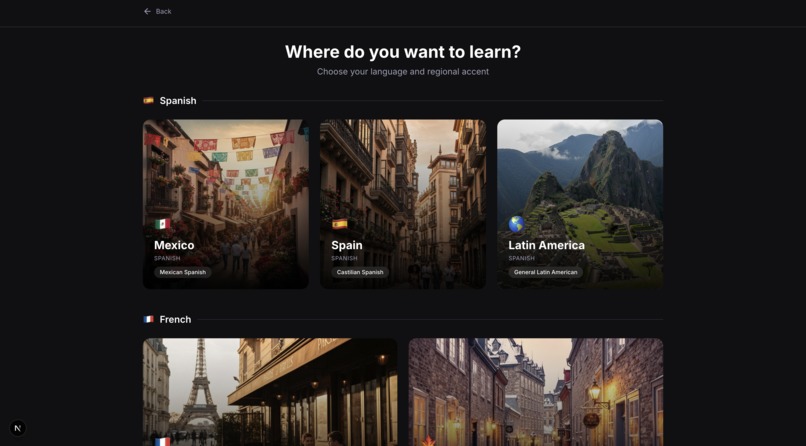
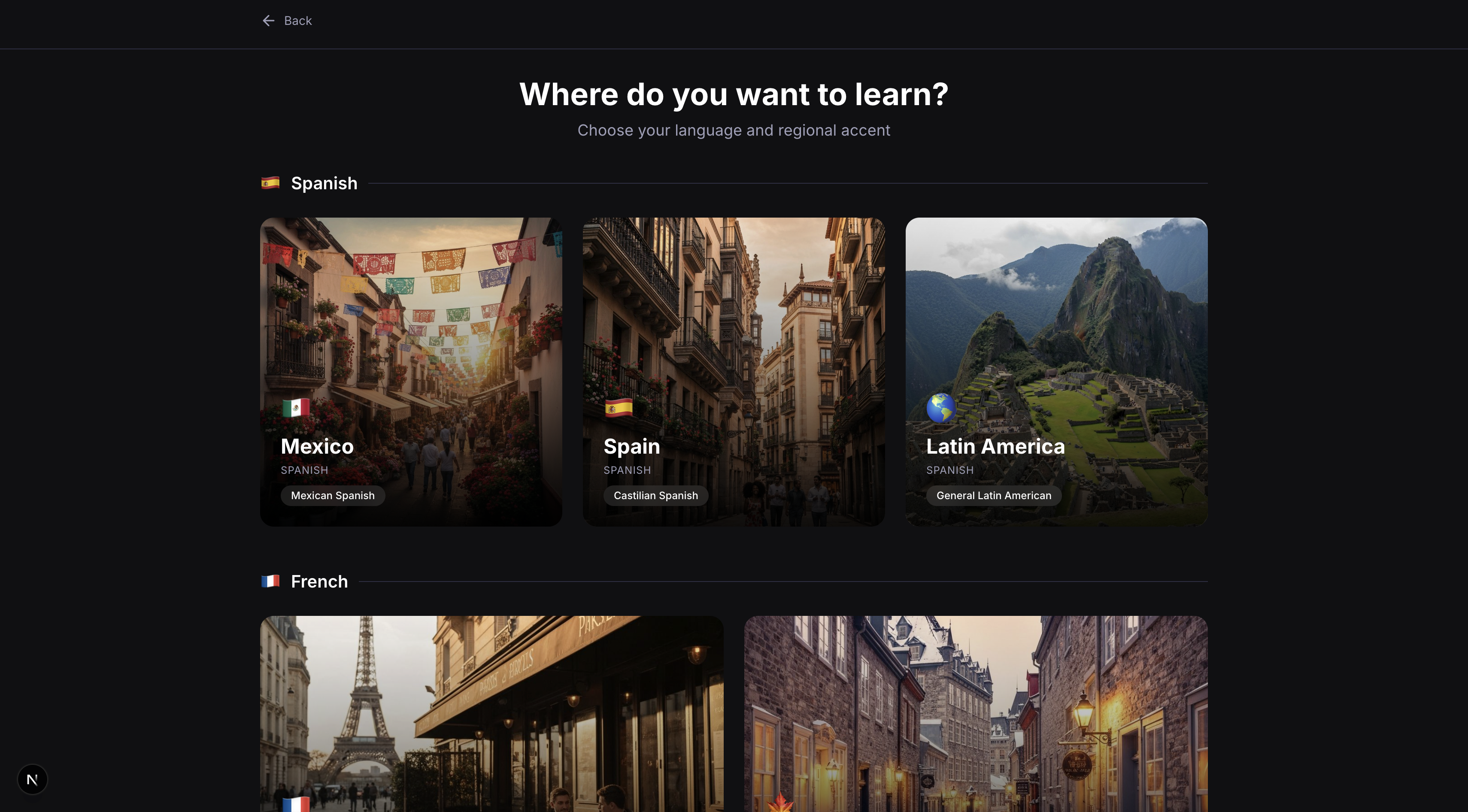
A screenshot on the language select screen including different regions and accents.
-
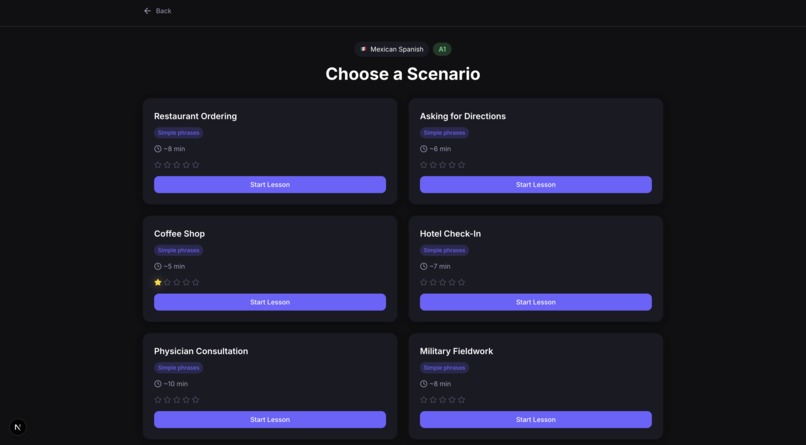
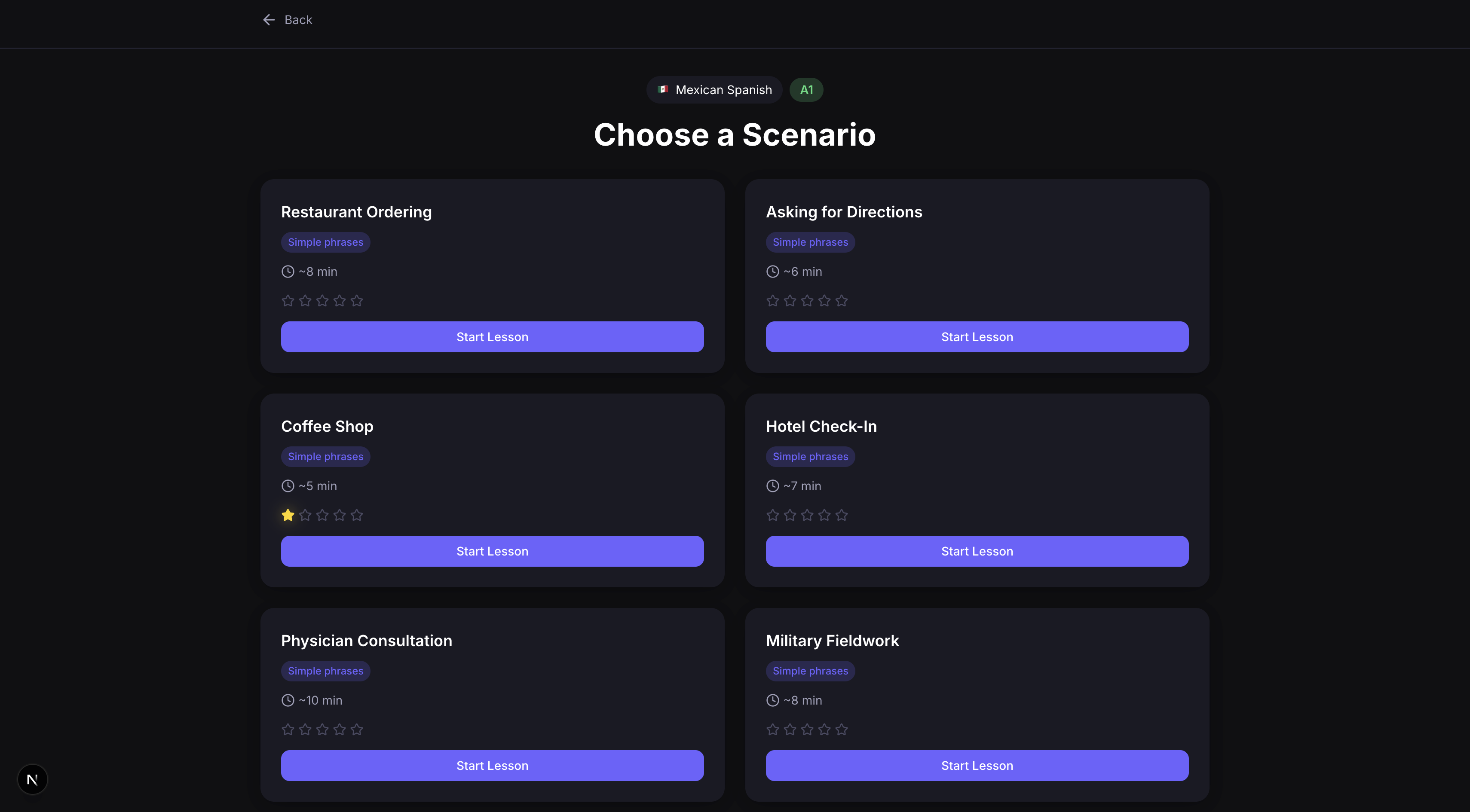
A screenshot of the list of possible scenarios to practice.
-
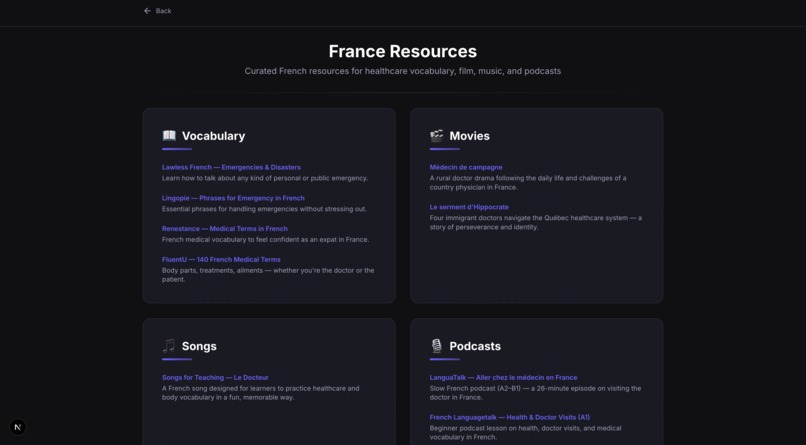
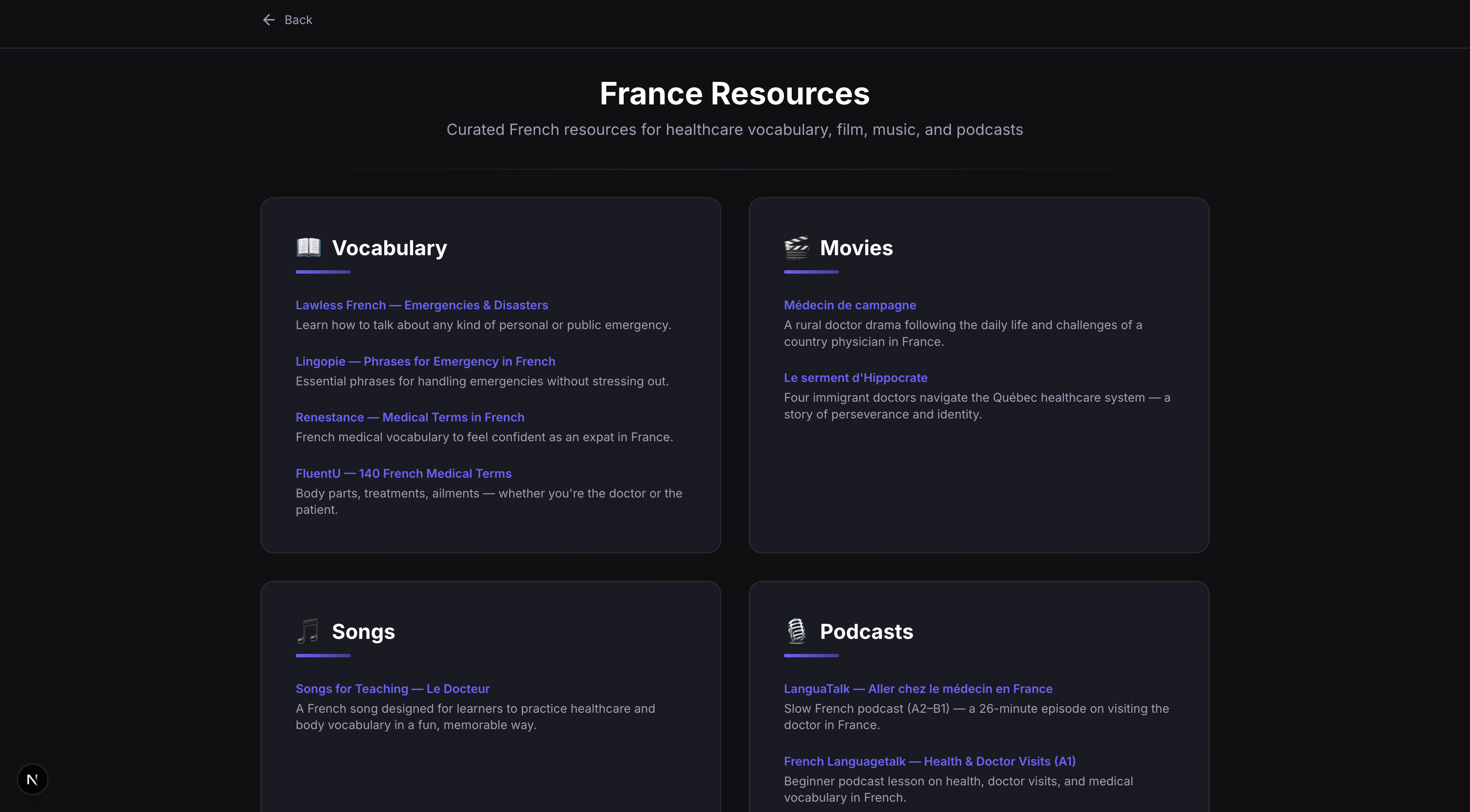
A screenshot from the resources page for French language.
-
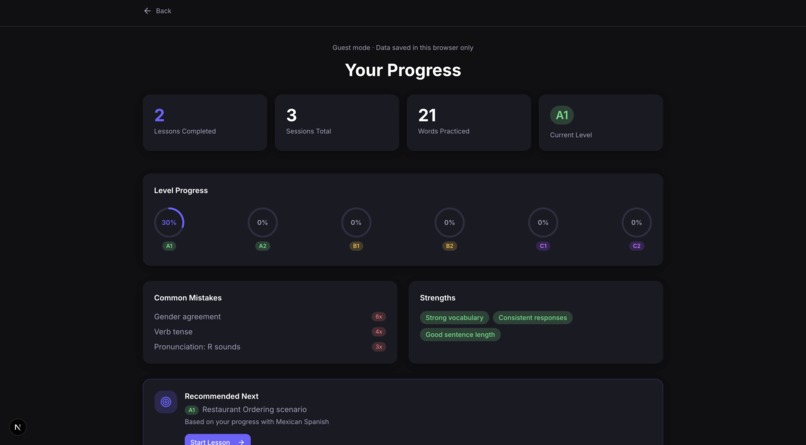
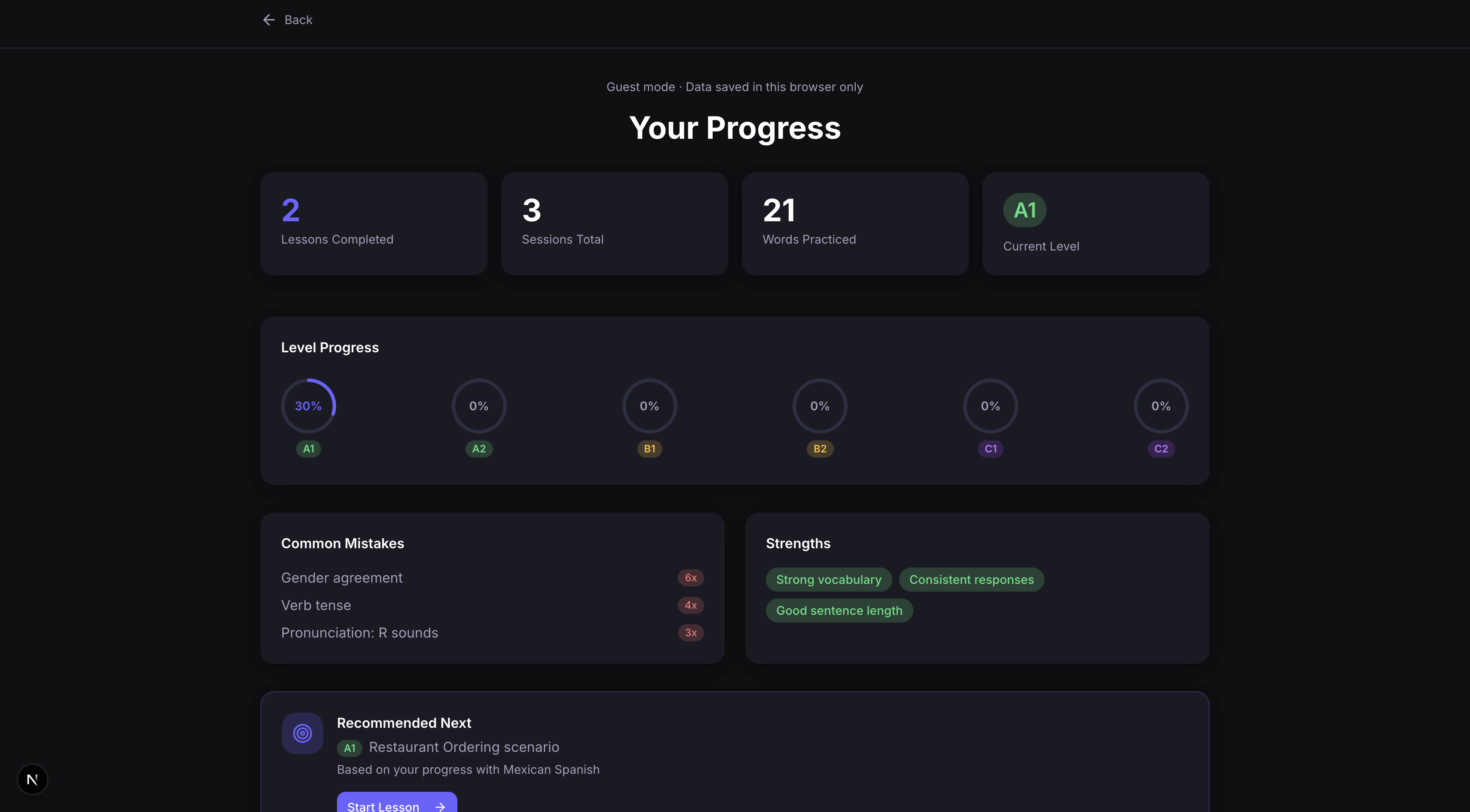
A screenshot from the progress tracking section.
Inspiration
In high-stakes environments like healthcare, emergency response, and humanitarian work, communication directly impacts outcomes. Language barriers can lead to delays, misunderstandings, and reduced quality of care. We wanted to build a tool that helps people not just learn a language, but communicate effectively when it matters most.
What it does
Lingua is an AI-powered language training platform focused on real-world, high-pressure communication. Users practice through structured, scenario-based modules (patient intake, emergency response, etc.) and freeform AI conversations. The platform analyzes speech via transcription and provides feedback on pronunciation, grammar, fluency, and clarity, helping users build confidence in real interactions.
How we built it
We built a web-based platform that integrates speech input, transcription, and AI-driven conversational responses. We designed scenario-based learning flows alongside freeform conversation, and layered in a feedback system that evaluates spoken language and generates actionable insights. The system adapts to the user's skill level and context.
Challenges we ran into
One of our biggest challenges was balancing real-time interaction with meaningful feedback. We had to decide when to prioritize flow versus correction. Structuring conversations to feel natural while still guiding learning was also difficult under tight time constraints.
Accomplishments that we're proud of
We built a working system that moves beyond traditional language apps by focusing on spoken interaction and real-world scenarios. We successfully demonstrated both structured and freeform conversation modes, along with a feedback system that helps users understand how they actually communicate.
What we learned
We learned that effective language learning is less about memorization and more about context, confidence, and interaction. Designing for real communication requires balancing structure with flexibility, and feedback with flow.
What's next for Lingua
We plan to expand into more specialized domains (medical, military, disaster response), improve adaptation to user skill, and build personalized learning paths. We also aim to support more languages and move toward real-world deployment. We would also like to add more languages to the platform, as well as communication/integration with other users.
Built With
- adaptive-learning-systems
- anthropic-sdk
- api-routing
- claude-api
- git
- natural-language-processing
- nextjs
- react
- semantic-analysis
- shadcn-ui
- speech-synthesis
- tailwindcss
- typescript
- web-speech-api

Log in or sign up for Devpost to join the conversation.