-
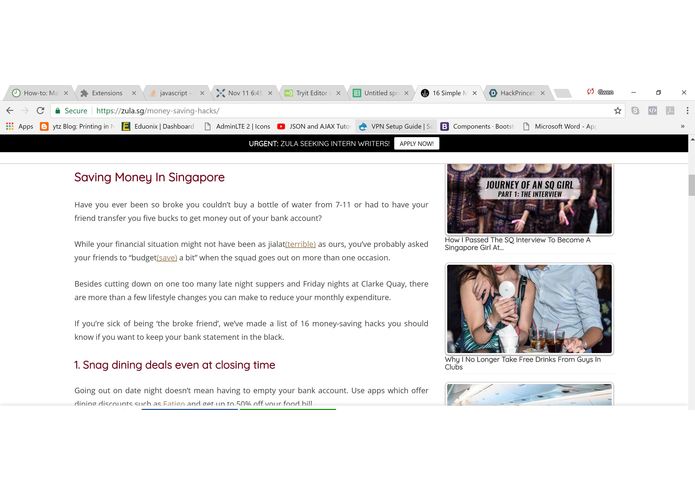
After_lingo-master
-
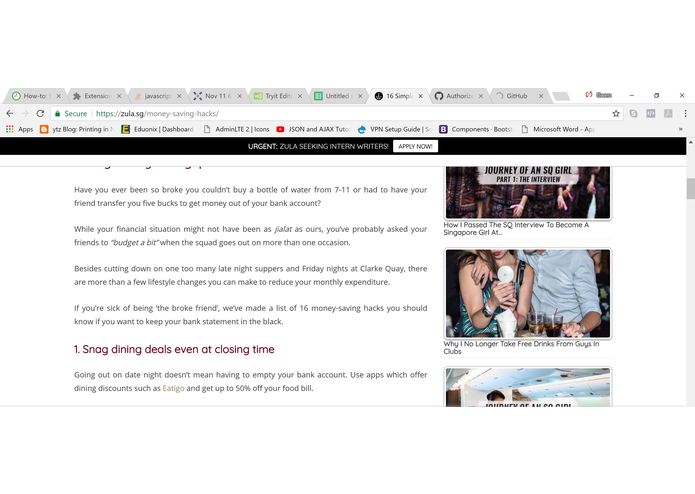
Before_lingo-master
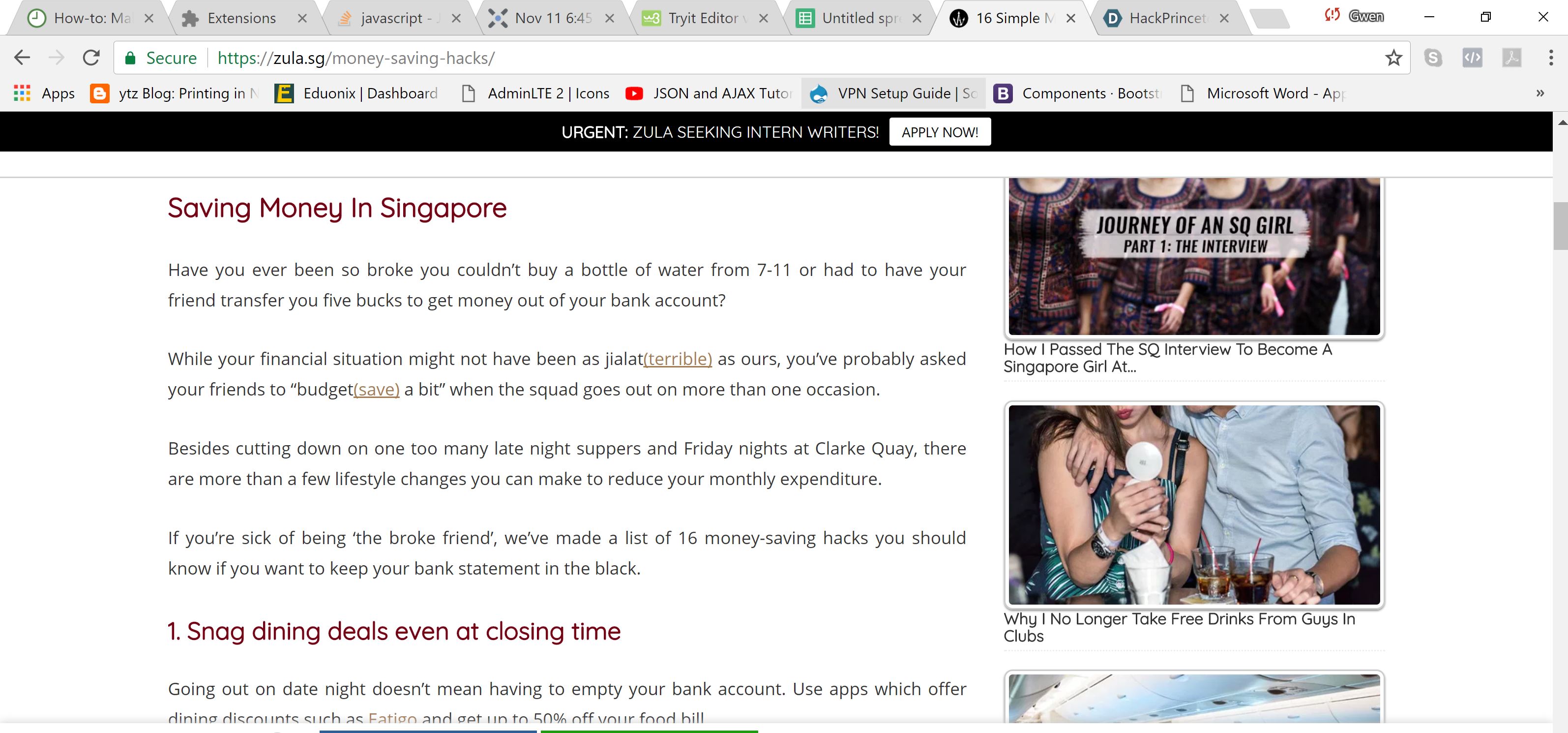
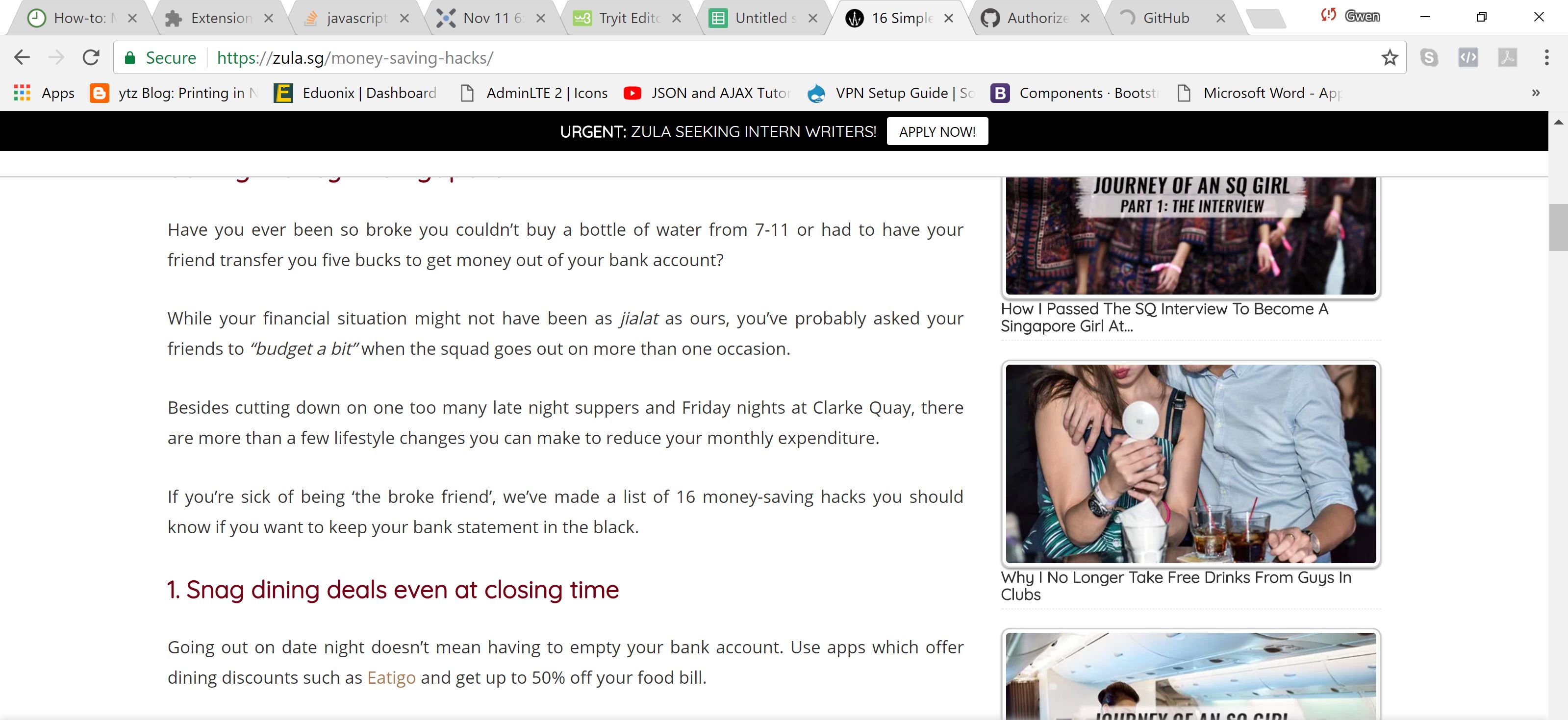
Inspiration
Wouldn't it be great if there was an explanation of a cultural lingo just right beside that word you're baffled at? This may not seem like a problem or need that you would think of at first, but we certainly did so when we were preparing to relocate to the U.S. (from Singapore) for our exchange program. Yes, we are all fellow English speakers, but each of our cultures has localised English, so there are certainly terms which are culture-specific.
What it does
Hence, the hack to realizing this magic is to create a google chrome extension. The only input required by the user would be one of setting his 'native culture'. When extension is running, it automatically detects a cultural lingo word or phrase, and then provides an equivalent word in the user's native culture, as well as an elaboration on the meaning of the word so as to bridge the cultural gap. Think of it as having your Asian American friend explaining an article written by an author of his home country, but in familiar American terms!
How we built it
We downloaded a folder that can be used to replace any word on the internet to another word. We understood the logic behind the codes and modified it to suit our case. The main bulk of logic uses Javascript. In addition, we included css and html to improve the user interface.
Challenges we ran into
One of the challenges we ran into was to incorporate html styling into the modified Javascript codes that we have written
Accomplishments that we're proud of
We are proud that we are able to display our added text and explanation in the style that we have intended for it to be.
What we learned
We learnt that while this extension may serve to bridge cultural gaps, it also has potentially many other applications. For example, it could also be a history-master which provides extra snippets of information beside related historical events that are good to know, hence aiding in the understanding of an article's core subject matter.
What's next for lingo-master
What's next would definitely be asking more of our friends if they see the value of having the availability of a 'Twitter-like Wikipedia' on an web article! And it would also be to gathering feedback on which is the best context (lingo? history? or more?) to build this extension so that it would bring most value.

Log in or sign up for Devpost to join the conversation.