-
-
Cover
-
Desktop
-
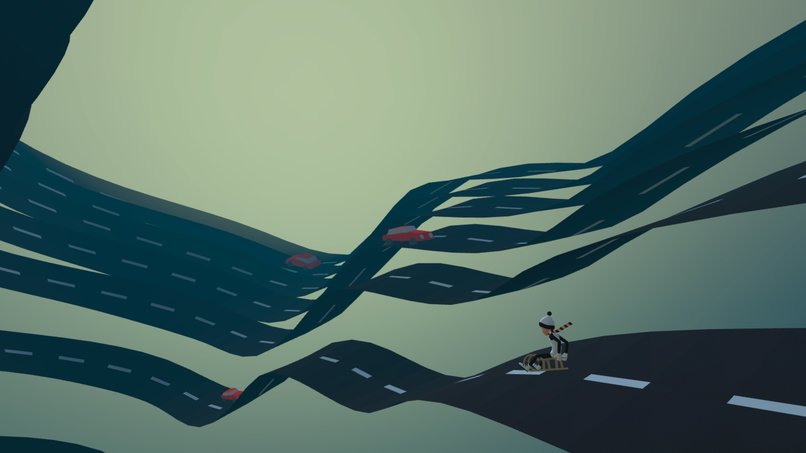
Screenshot
-
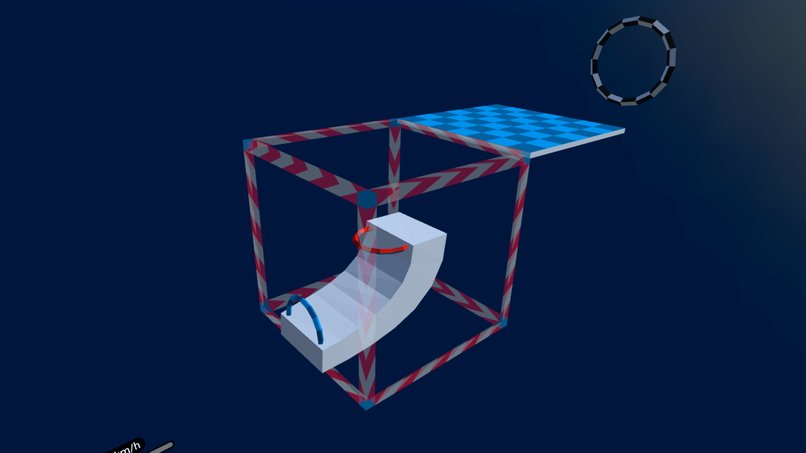
Screenshot
-
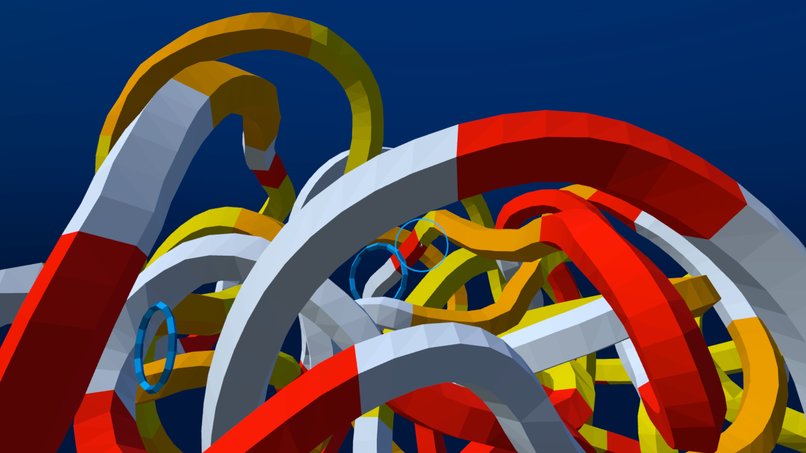
Screenshot
-
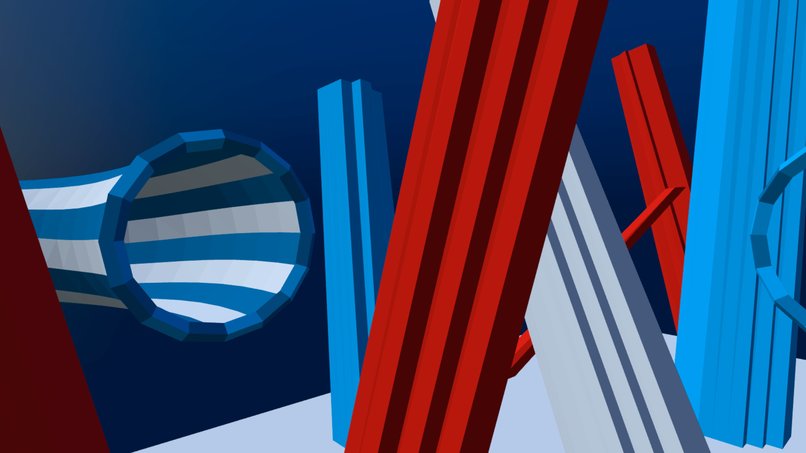
Screenshot
-
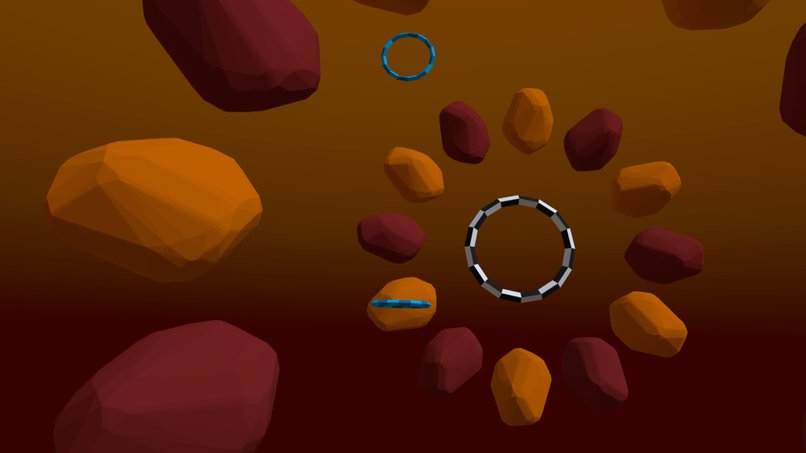
Screenshot
-
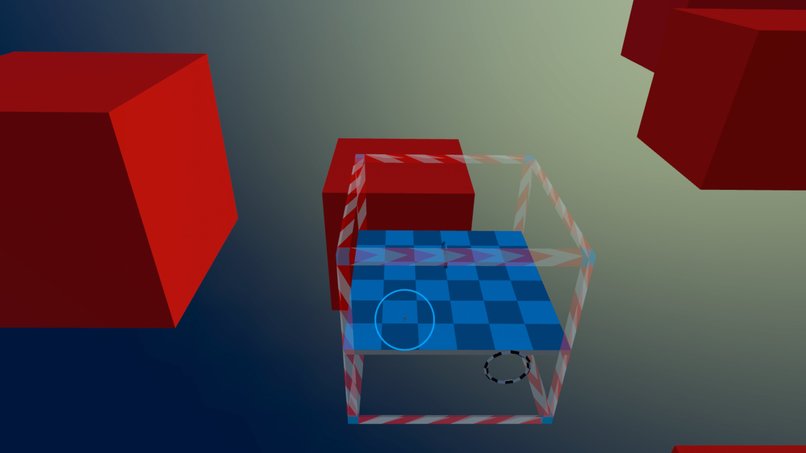
Screenshot
-
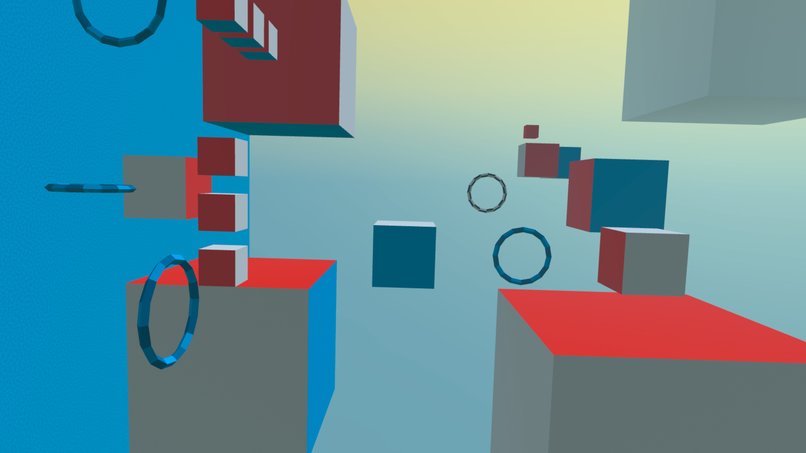
Screenshot
-
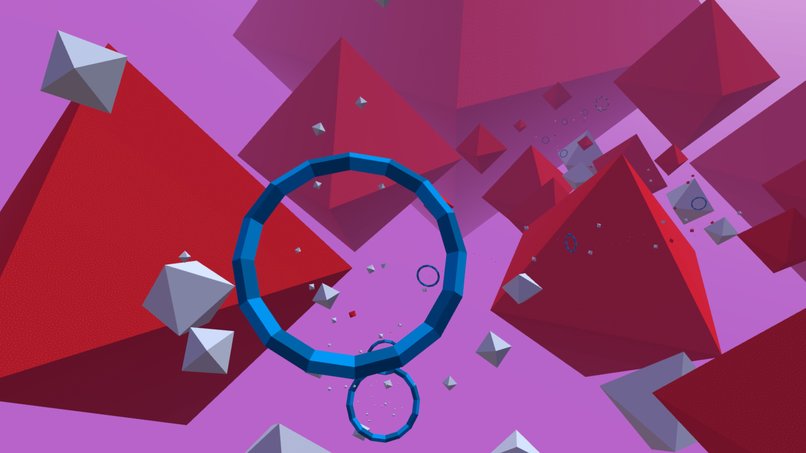
Screenshot
-
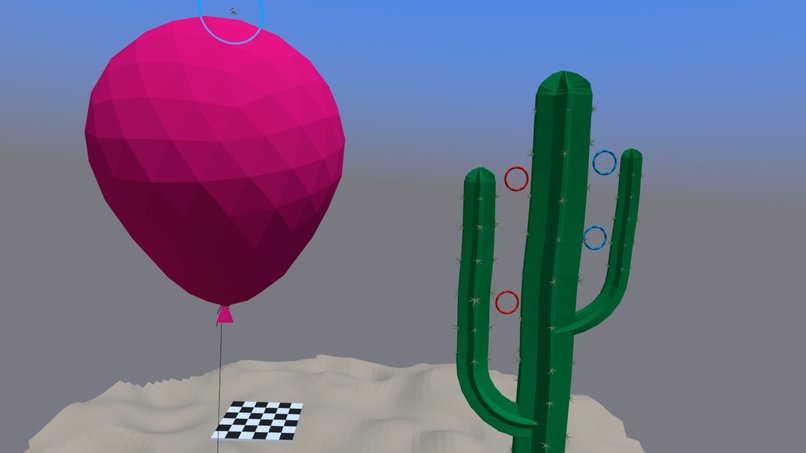
Screenshot
-
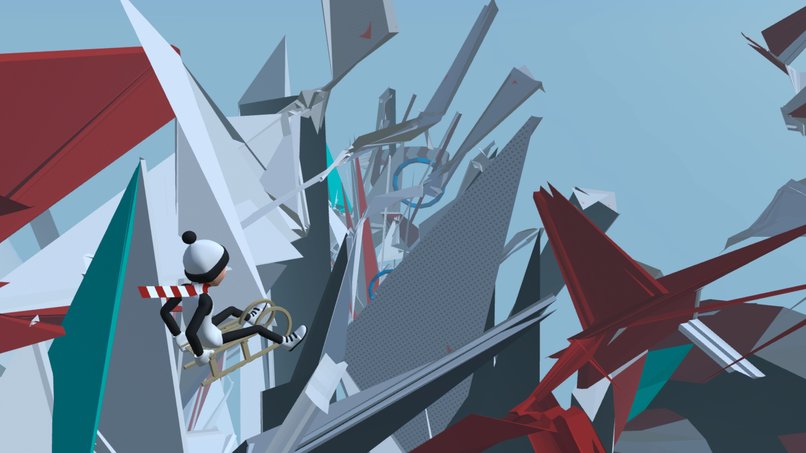
Screenshot
-
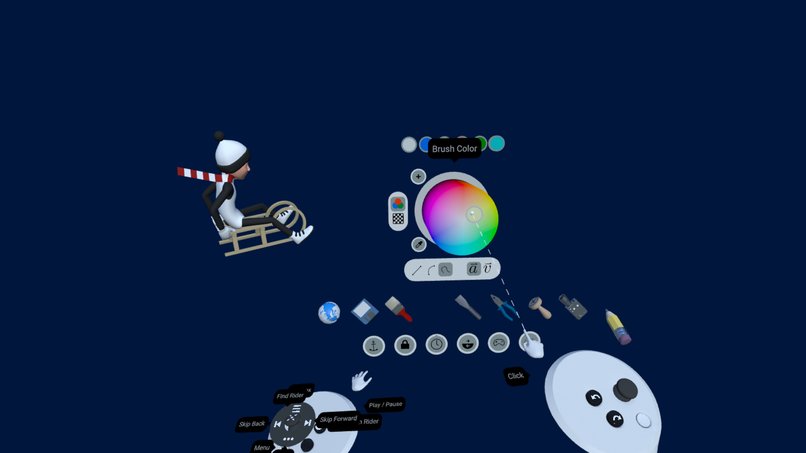
Screenshot Sandbox GUI
-
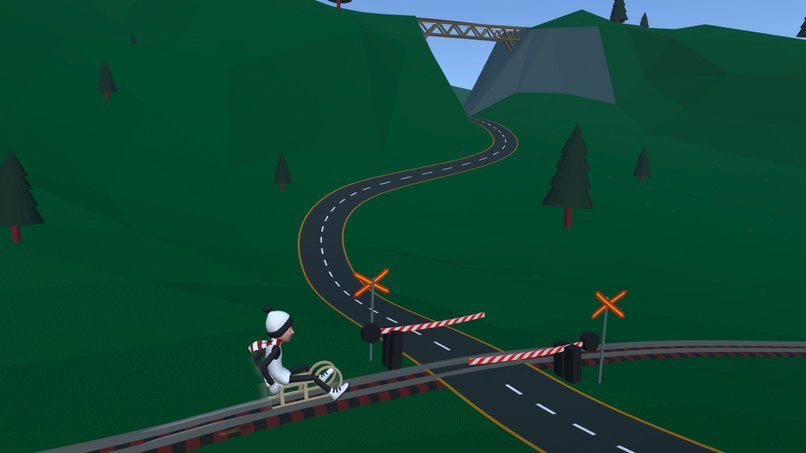
Screenshot
-
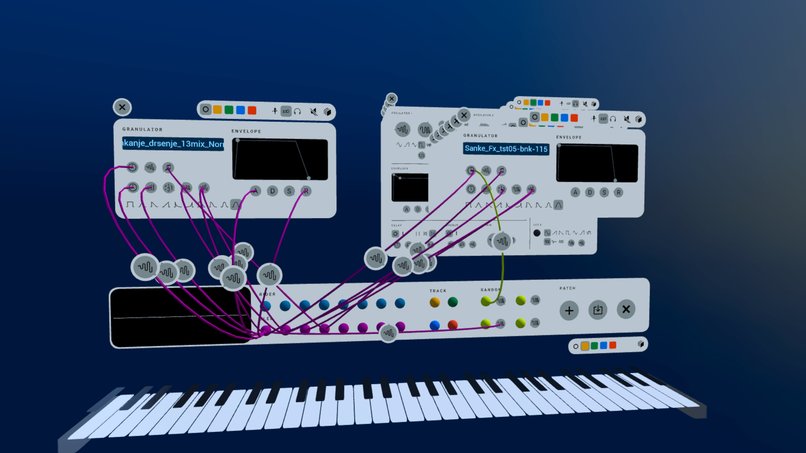
Screenshot Synth




Inspiration
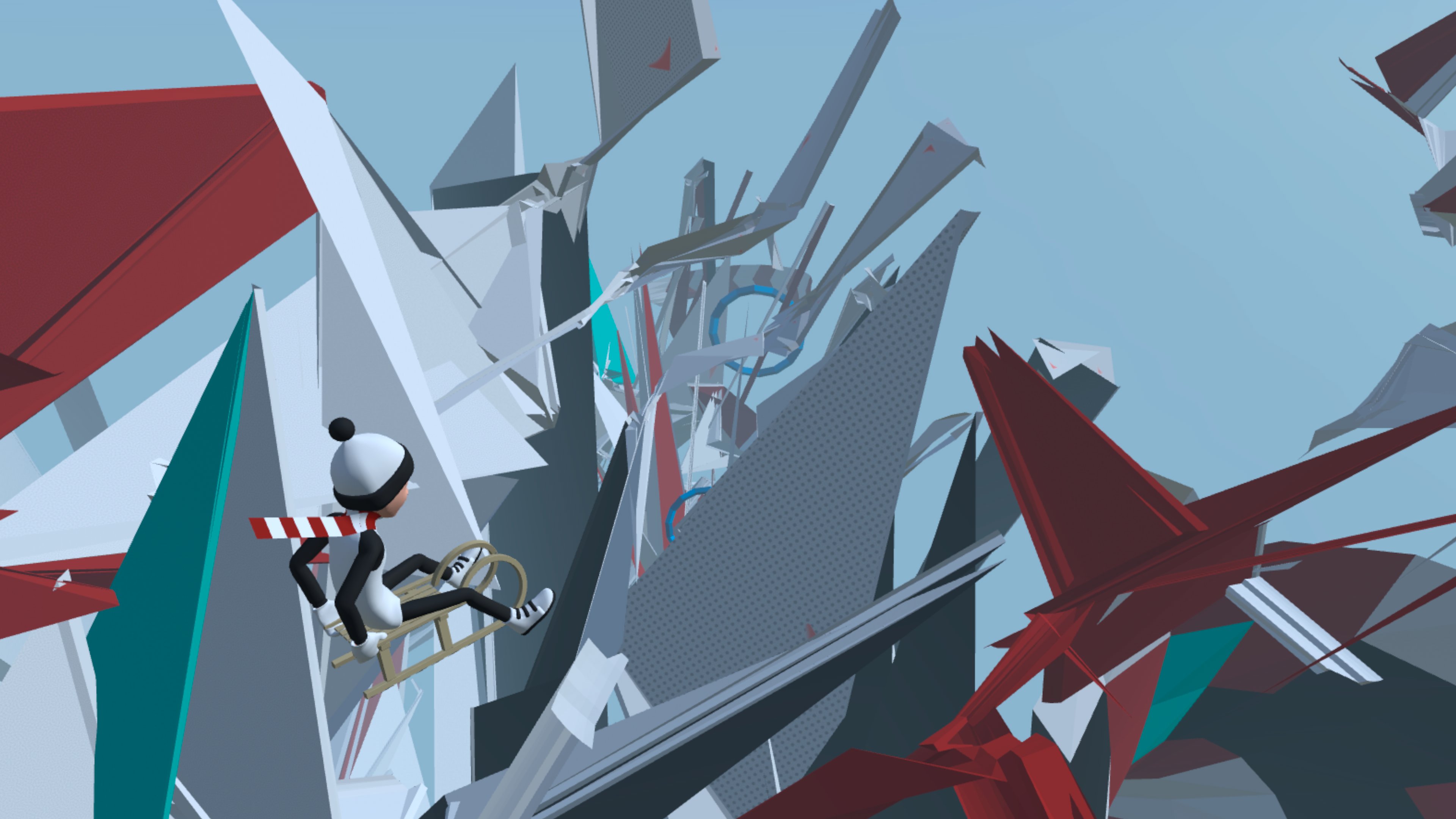
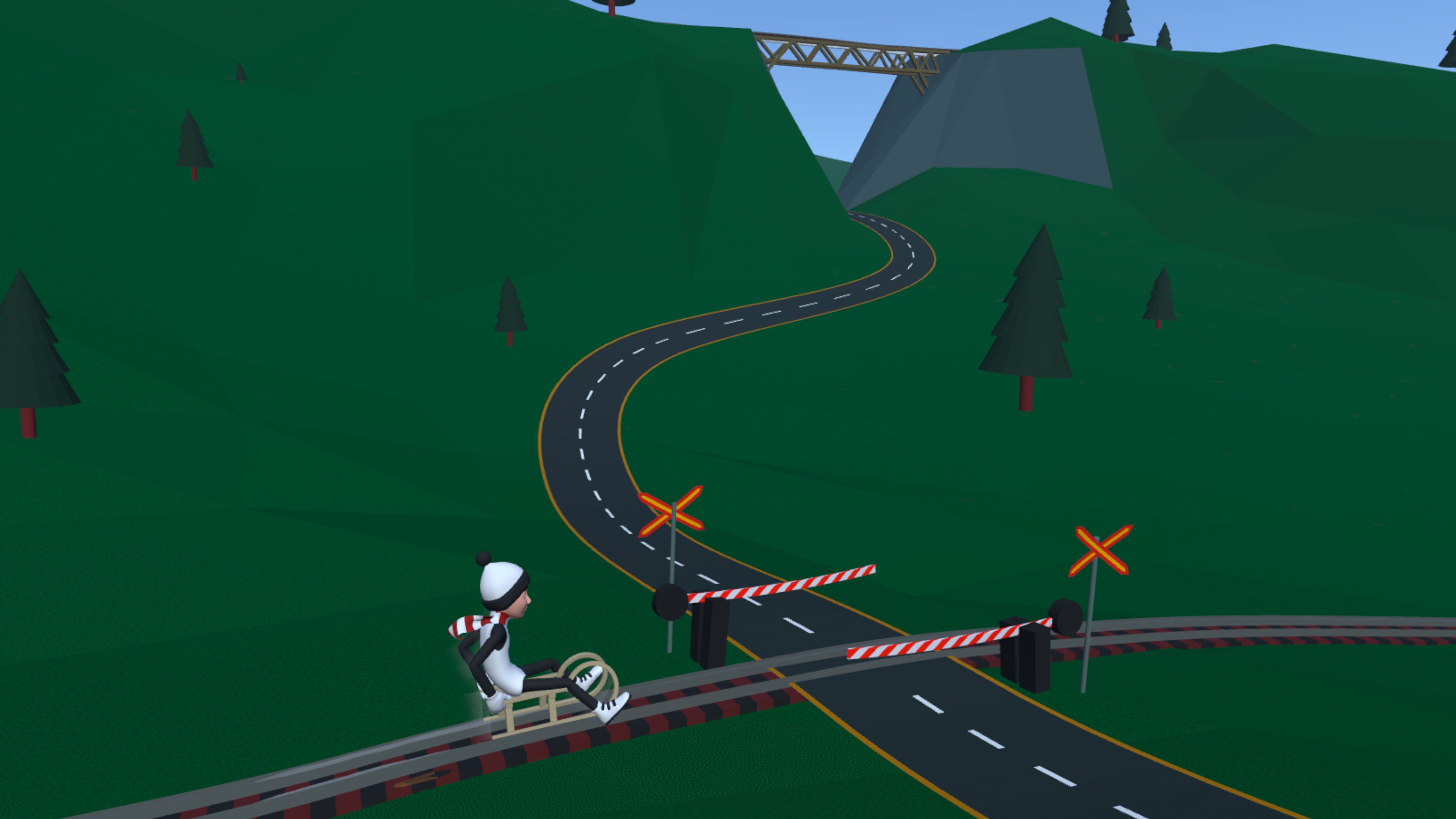
A VR adaptation of the GDC award winning Flash game “Line Rider” I created two decades ago, now redesigned for immersive play. I always wondered what this game would be like in 3D and now I know (hard :D).
What it does
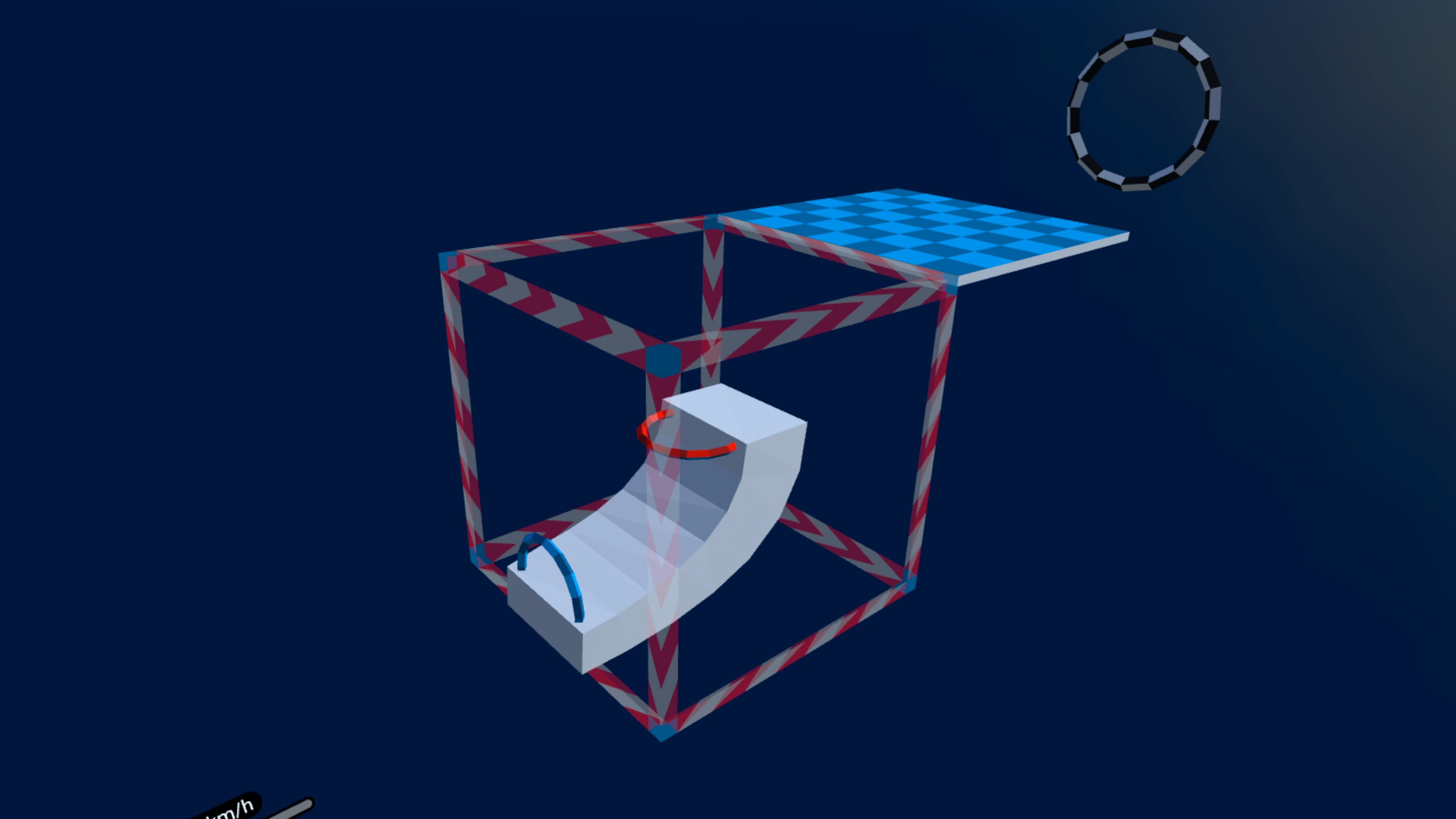
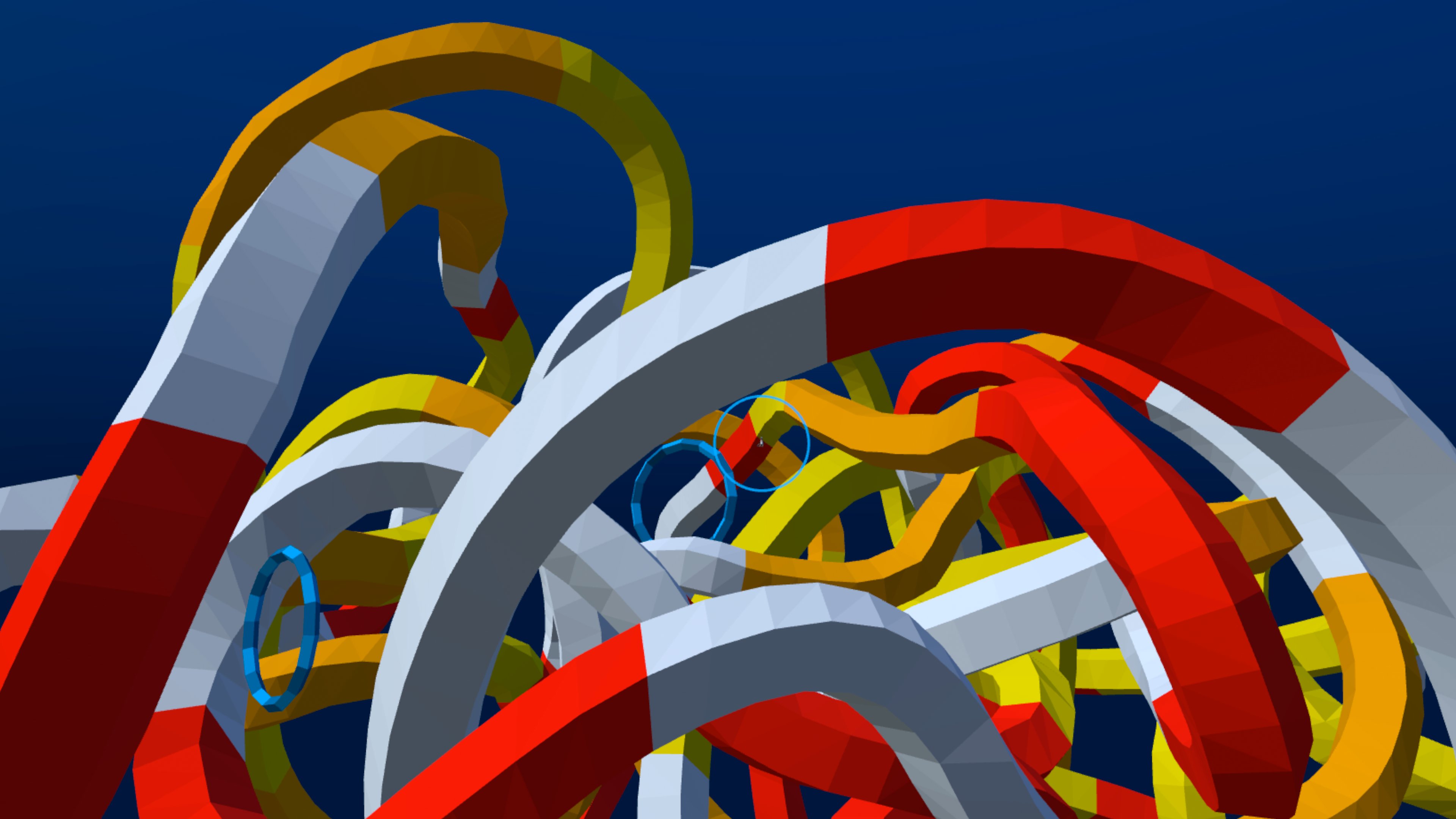
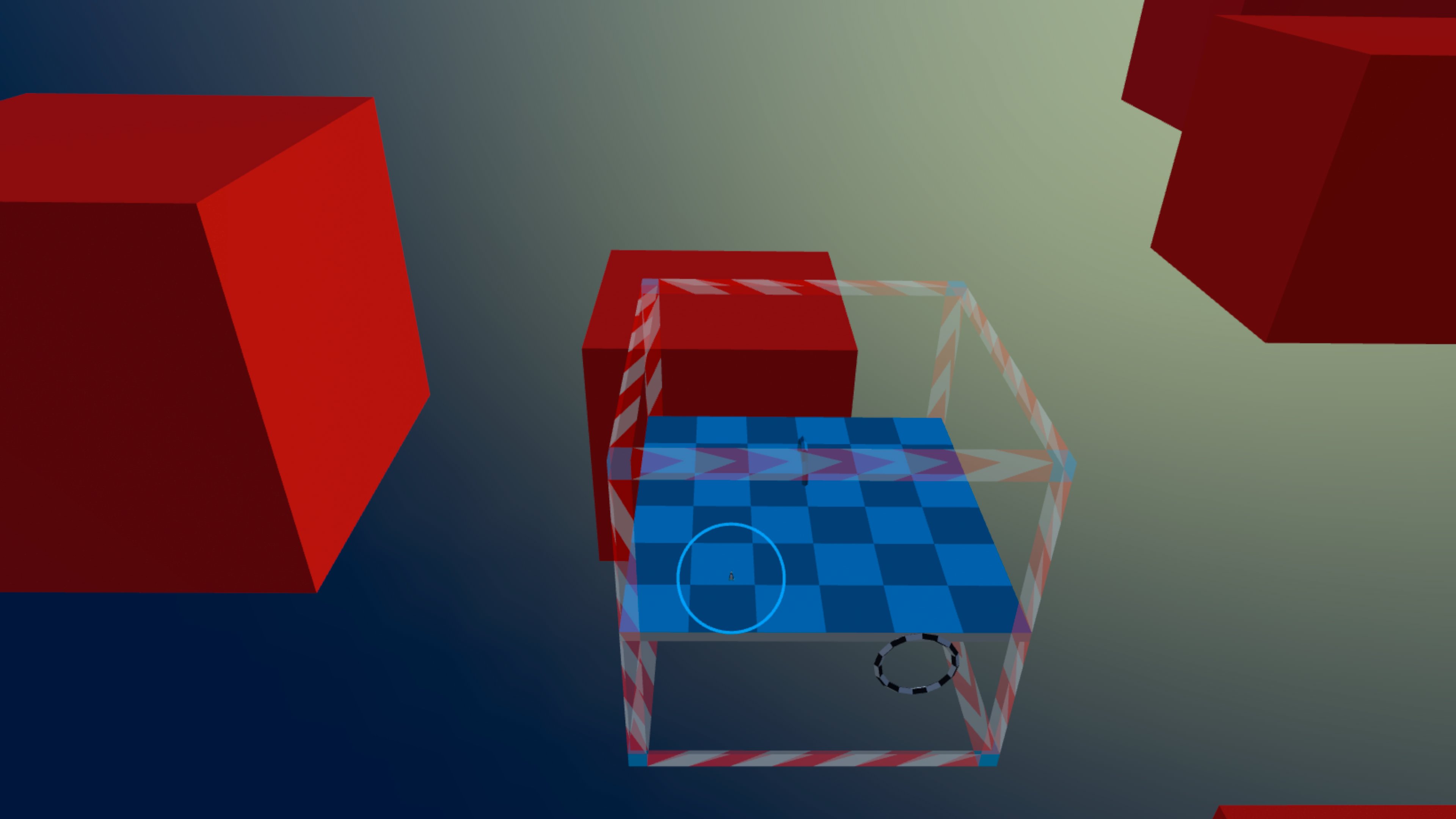
The game offers three ways of playing. Like the original game, it offers a sandbox where the user draws a course for a little fella to ride his sled on. In this mode the user has access to: - basic 3D modelling tools and objects to design custom challenges - ability to import music, which becomes the soundtrack of the story (playback is synchronised with simulation)
- patchable audio synthesiser bay, which lets the user create custom sonifications of the character and design sounds which are played back when the character touches notes painted on the course - a simple sky painting tool
- a camera tool which lets the user record/direct (and export) a movie showing their creation
- passthrough support
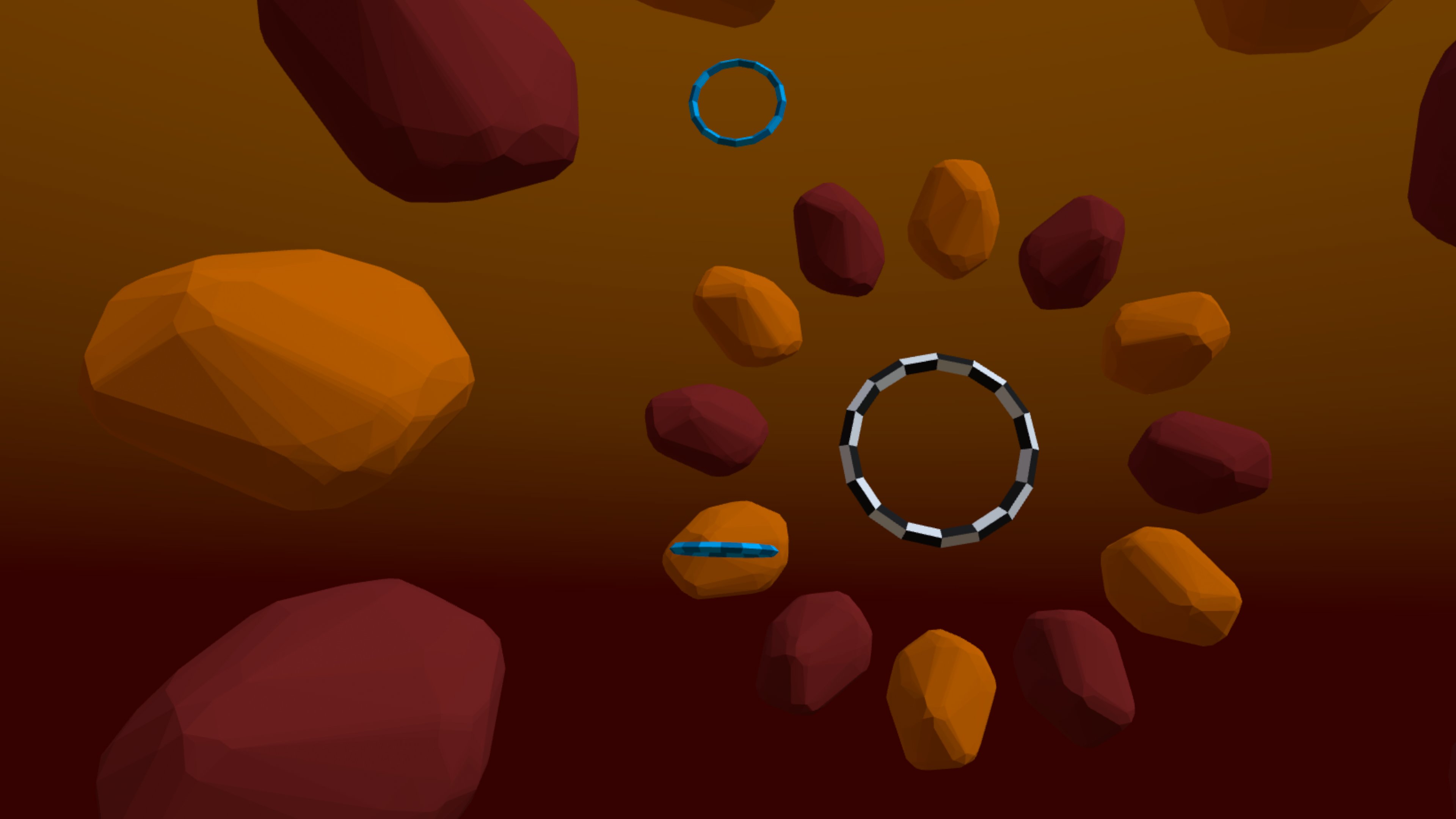
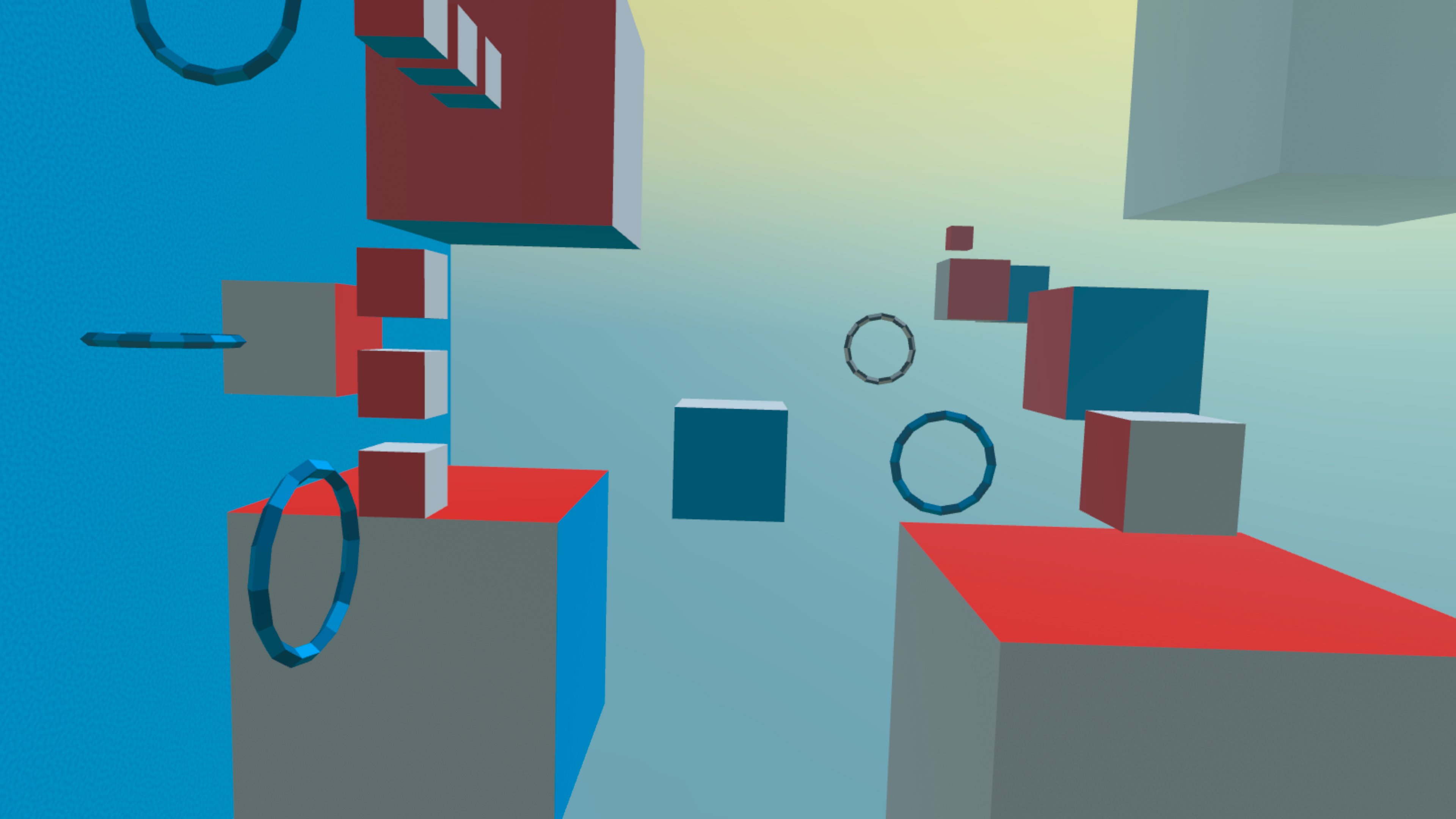
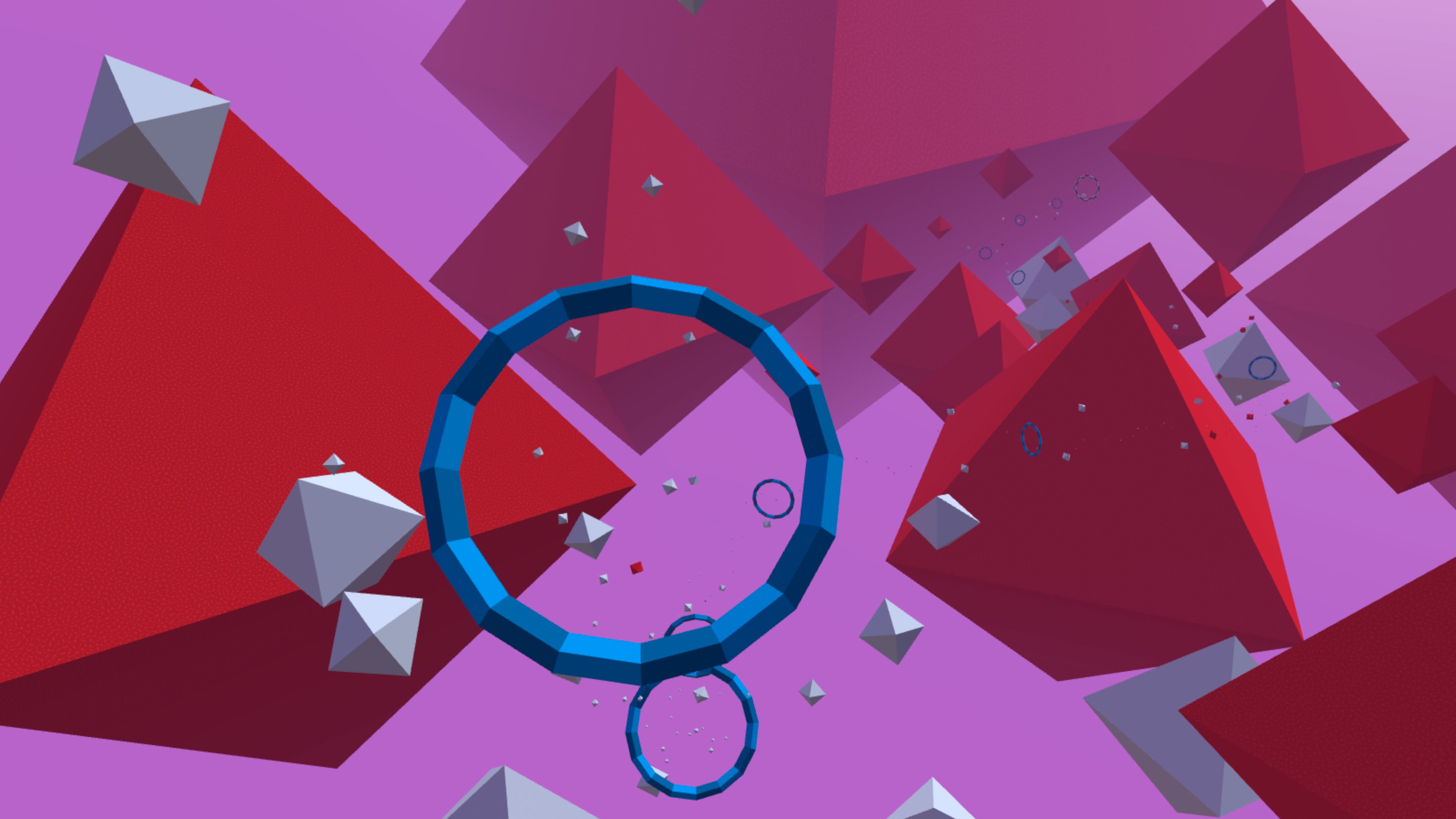
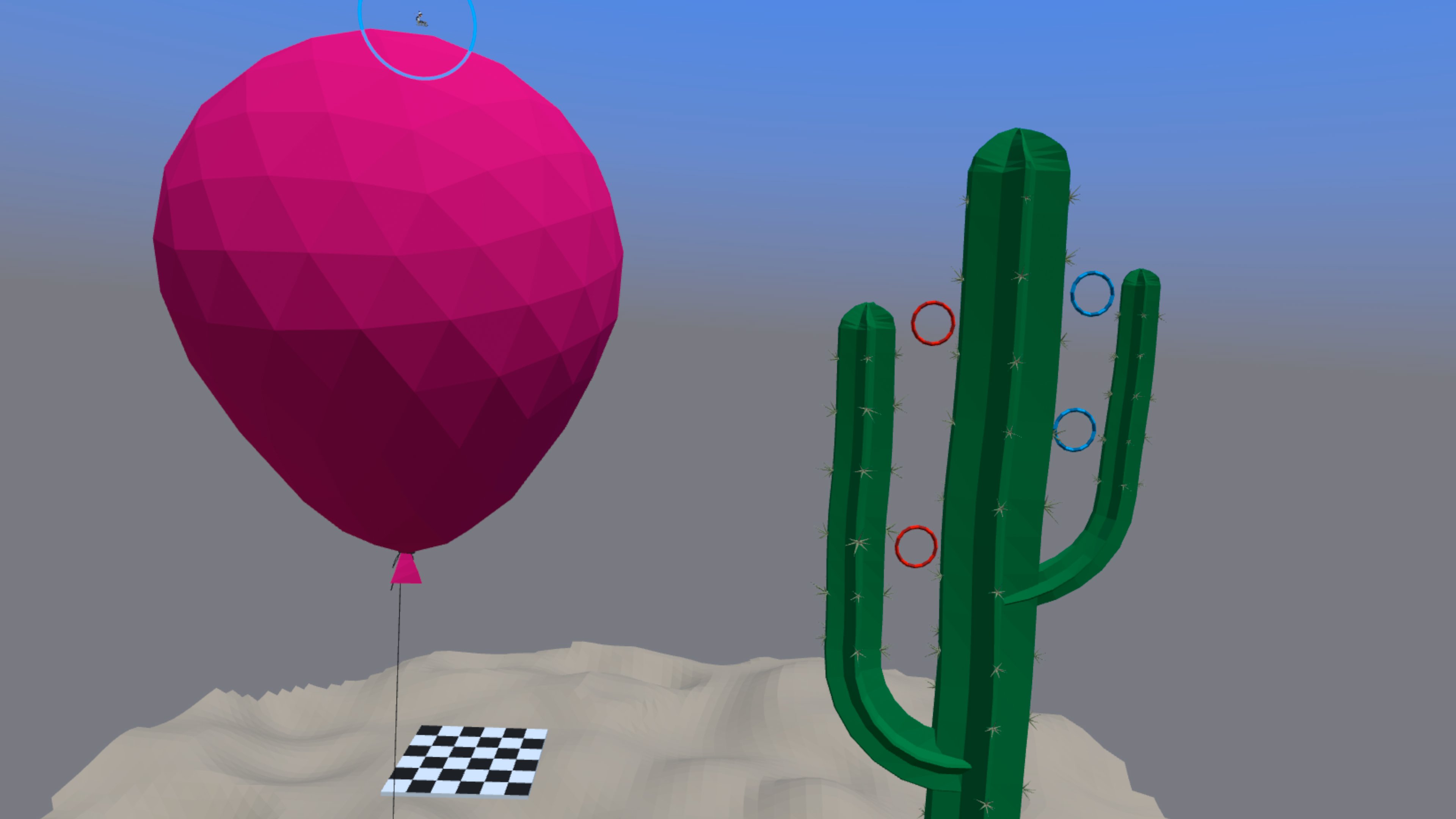
Besides the sandbox there are two other play modes: Yolo Player draws the course in realtime until the character falls. They are scored for tricks and course complexity Challenge Player draws the course in realtime but must pass through given obstacles and reach the finish line.
How we built it
The game is made in UE4.
Challenges we ran into
- The game requires deterministic physics. This was not possible with PhysX so I had to develop a custom physics engine. The engine also has a “continuity enforcement” system which detects any changes to the environment and resimulates the affected frames. Making all this run smoothly without hitches was HARD.
- There was no UI framework (3D) for VR in UE so I had to make my own (including a mesh text renderer). 3. Seamless level loading.
Accomplishments that we're proud of
Honestly, just getting to this point. I am a media artist by profession and a self-taught programer so a project of this complexity is just a lot for one person. So far it took me roughly 4.5 years to get here. Besides a friend helping me with audio design I did everything myself. Some stats: ~ 126000 lines of code 239 classes made in Blueprints with about 3500 graphs 156 meshes, 78 materials, 30 textures
It's definitely the most complex thing I ever created. I think the game is unique and worthy of the Line Rider name.
What we learned
When I started making this I didn't know how to make any of it (I did have 3D modelling experience in CAD not animation) and programming from my art but no real prior knowledge of Unreal Engine or Blender. What I learned is, that making a VR game is hard (making any game is hard but VR has extra challenges). If I knew how much work it would be I probably would not have started it :).
What's next for Line Rider: Plane and Simple
The game will finally go to players for testing which will let me improve the UX and level progression. The game functionality is all there but the content is not. There are also plans to make a website which will let users share their creations. It is planed to release sometime next summer. If there is interest in the game I will port it to UE5 (this will take considerable effort due to the runtime mesh plugin API changes) and add new features. The one I miss most is room scanning but it is just not available in UE4 :(.


Log in or sign up for Devpost to join the conversation.