-
-
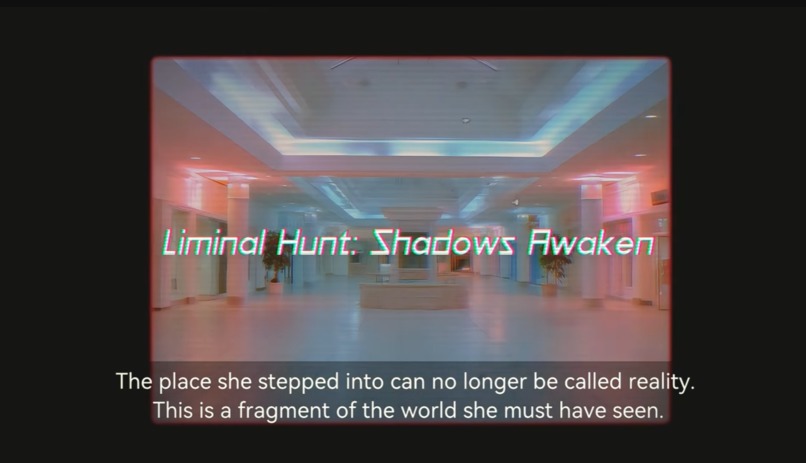
Title screen – "The place she stepped into can no longer be called reality."
-
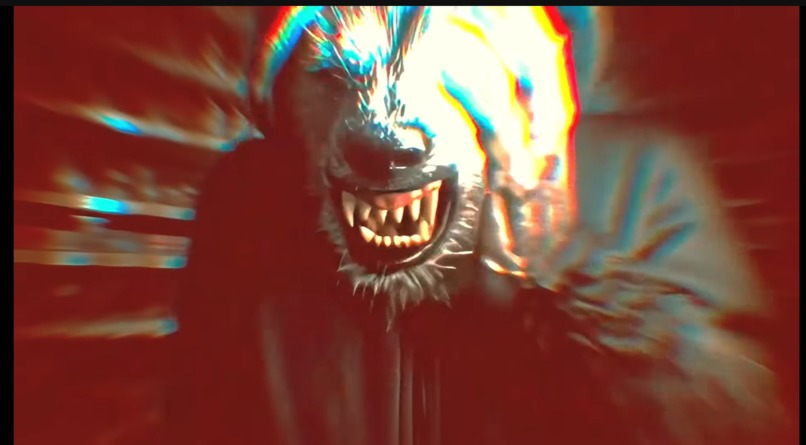
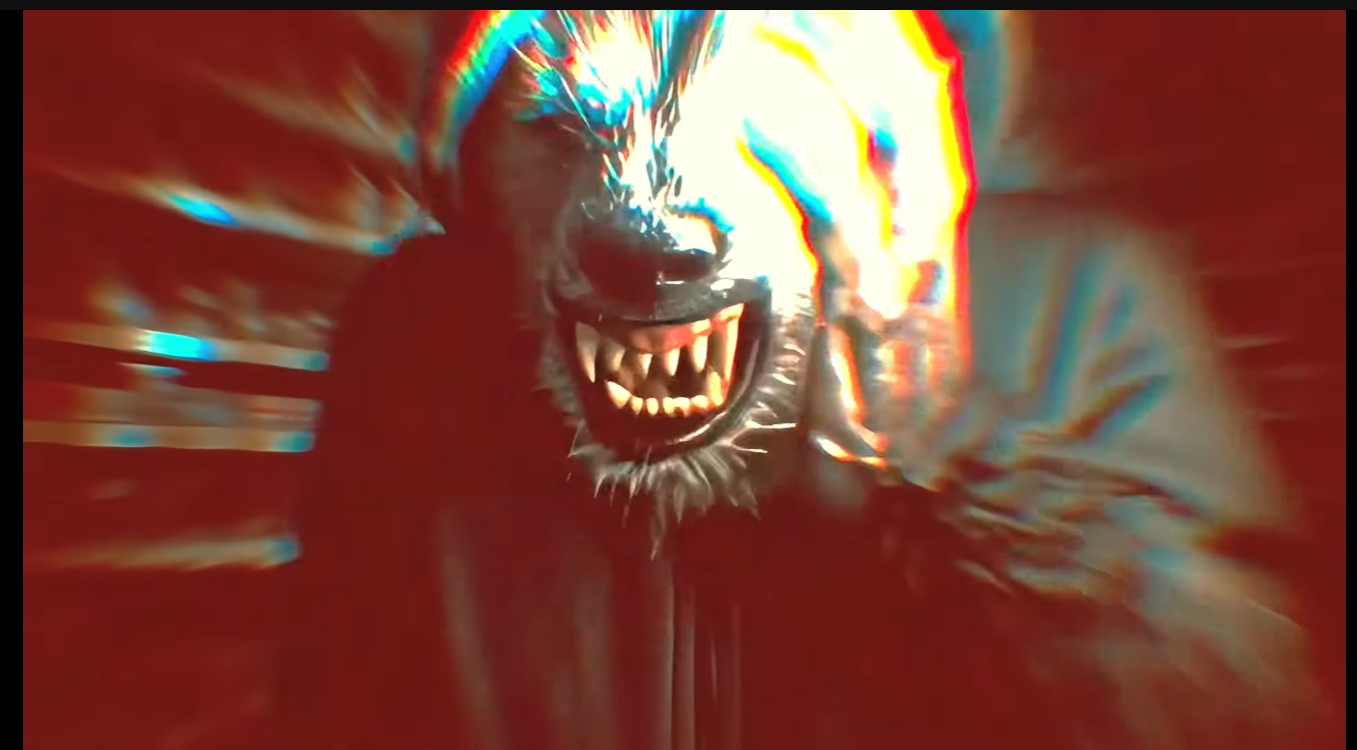
The werewolf reveals itself – blood about to spill (Midjourney)
-
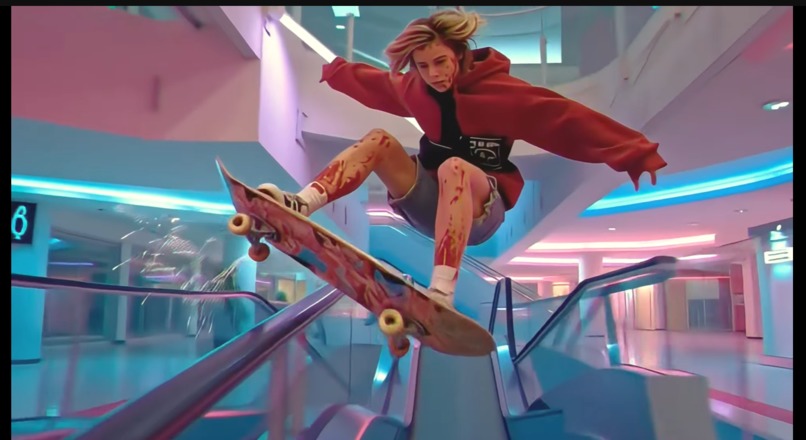
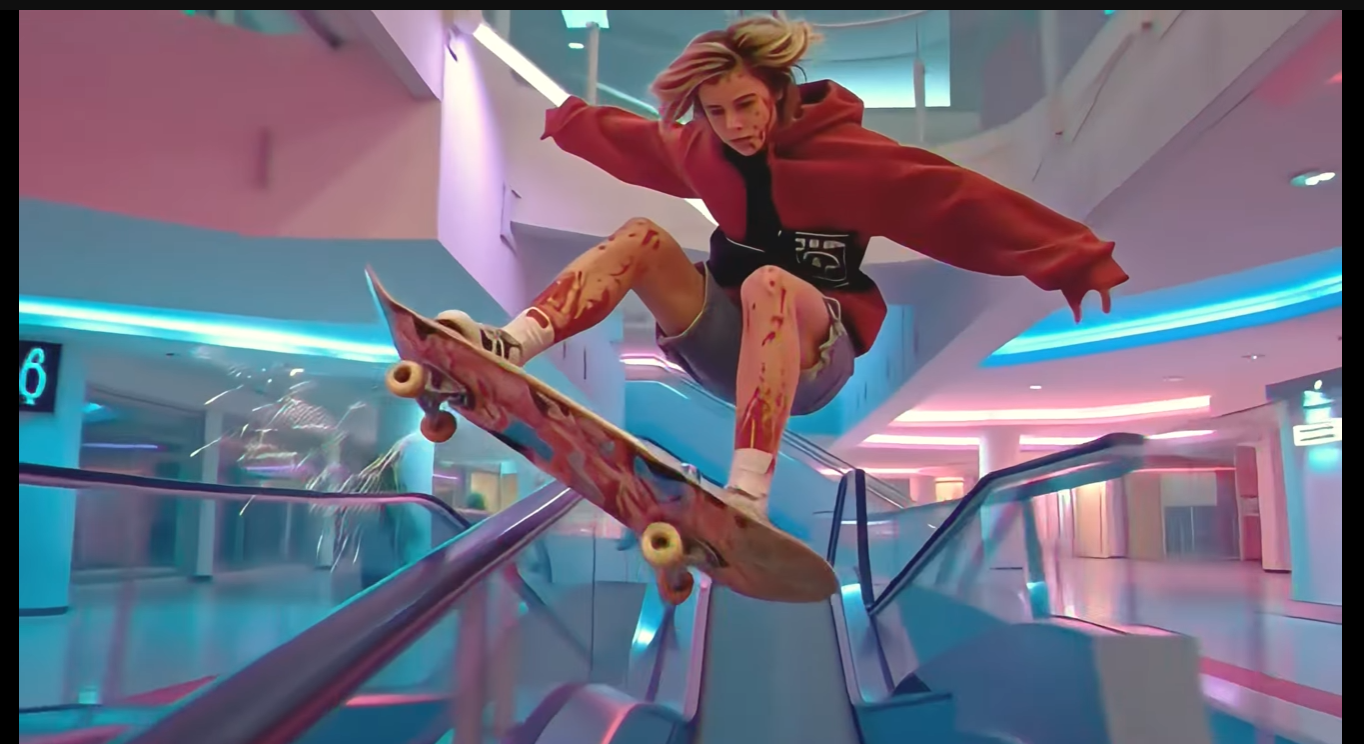
Black hoodie instantly turns crimson – the visual reveal that she is Red Riding Hood
-
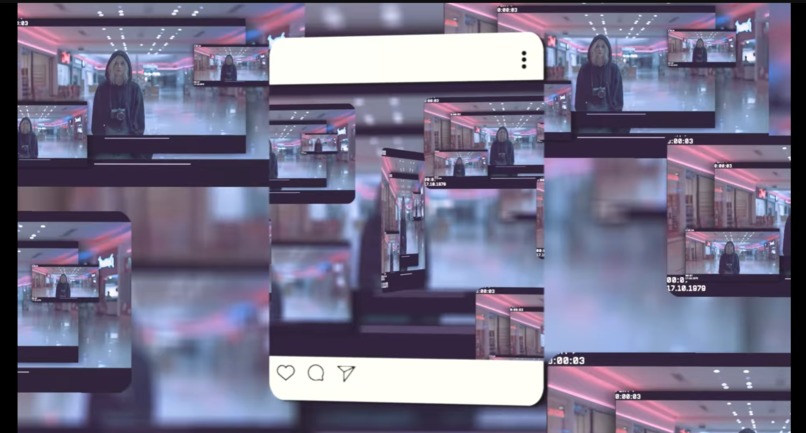
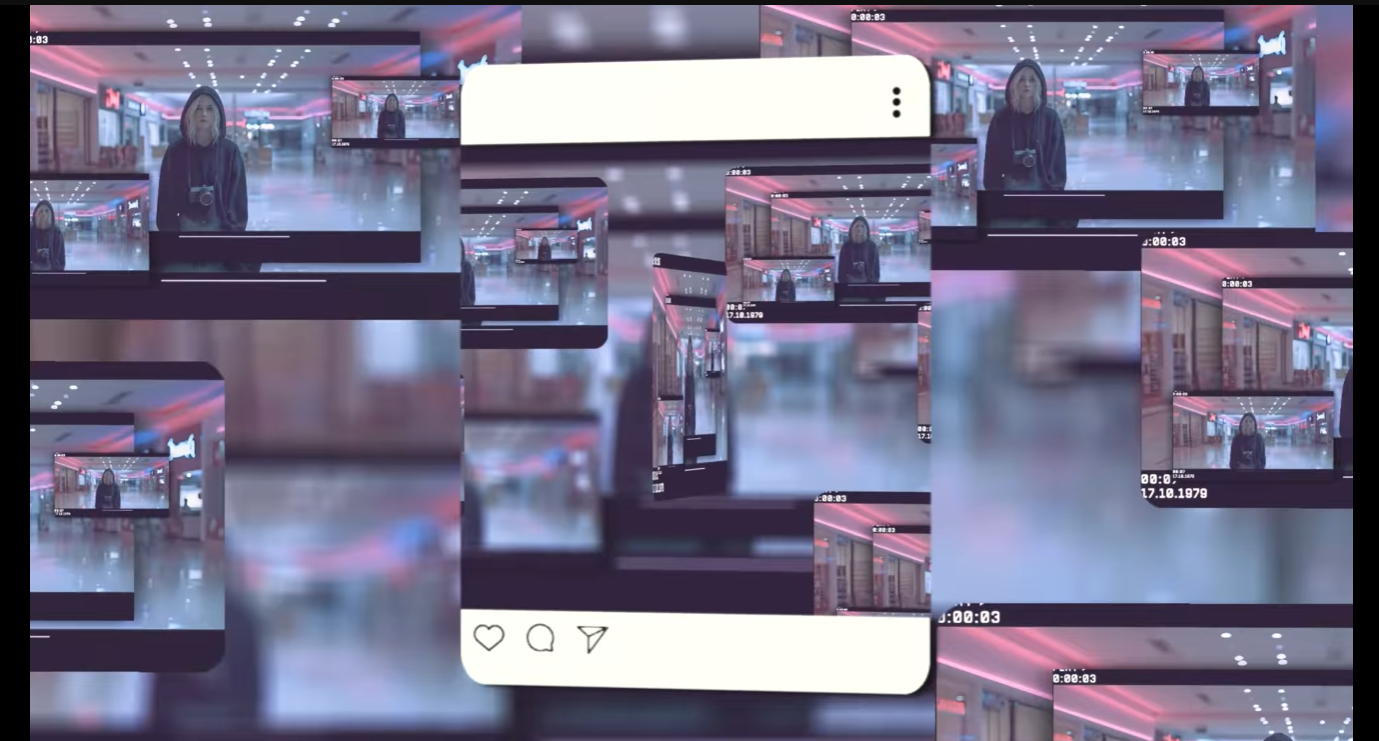
Instagram-like surveillance feed ending (pure liminal horror)
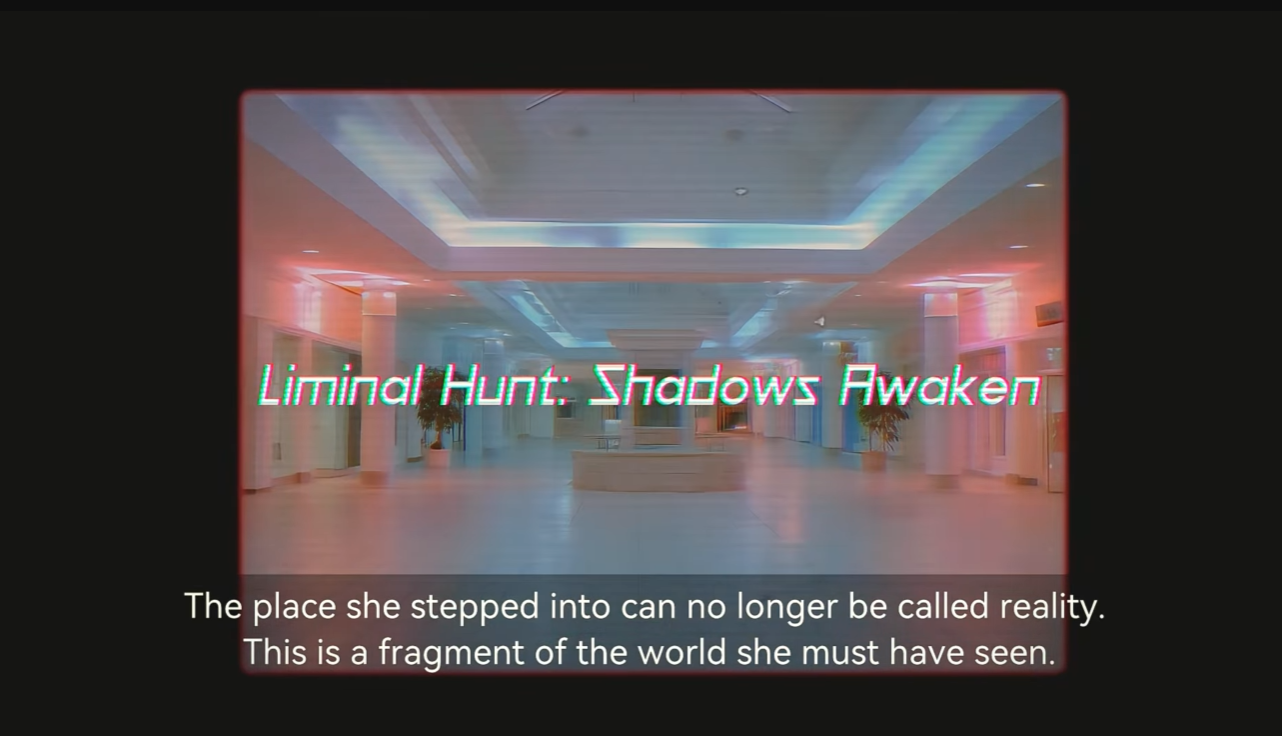
Inspiration Original Inspiration:
A modern reinterpretation of "Little Red Riding Hood" set within the suffocating silence of "Mallcore" liminal spaces. I wanted to explore the theme of "The Consumption of Tragedy." In our digital age, personal horror is instantly converted into viral content. The "Wolf" is not just a monster, but a metaphor for the unseen, encroaching noise of society that devours individual silence. This film is an experiment to see if AI can portray this specific, modern form of dread—where the true horror isn't death, but becoming a spectacle.
What it does Synopsis:
A silent psychological horror short. A lone girl wanders an abandoned, pastel-hued shopping mall. As she encounters a distorted entity, the film visualizes the collapse of reality itself. Instead of traditional dialogue, the narrative is driven by color and symbolism. The girl's transformation into the "Red Riding Hood" figure is not revealed through words, but through the sudden corruption of her black hoodie into crimson—symbolizing the moment her innocent "Stillness" is violated by the chaotic "Motion" of the other side.
How I built it Workflow & Direction:
I served as the sole director, orchestrating a suite of AI tools to match my specific storyboard: Visuals: Midjourney (v7) for generating consistent characters and the uncanny "Mallcore" environments. Audio: Suno for the ambient soundtrack, and ElevenLabs for subtle breathing and SFX (no spoken words). Editing: Filmora & CapCut for the final assembly. History: The original version premiered on August 10, 2025, at the "AI Gekijo 2025" film festival (Akihabara UDX Theater, Tokyo). This submission is the "Director's Cut," re-edited specifically for the Chroma Awards to deepen the thematic elements.
Challenges I ran into From "Gore" to "Uncanniness":
My biggest challenge was shifting the horror focus from physical pain (gore) to psychological dissonance. I avoided simple splatter effects. instead, I engineered a visual conflict between "Stillness" and "Motion." Stillness: Desaturated, pale tones for the protagonist to emphasize isolation. Motion: High-saturation, aggressive glitch effects for the entity. Balancing these two opposing visual styles to depict the "invasion of reality" required meticulous color grading and precise prompt engineering, far more difficult than generating standard horror imagery.
Accomplishments that I'm proud of Visualizing Social Satire:
I am most proud of the newly added ending sequence where the tragedy multiplies on screen like a viral social media feed. Successfully using AI to critique the very culture of "digital consumption" felt like a breakthrough in narrative depth. Also, proving that a complex fairy-tale metaphor could be told 100% visually without a single line of dialogue.
What I learned AI as a Mirror, Human as the Soul:
I learned that AI is excellent at generating textures, but the "soul" of the film—the timing, the color psychology, and the underlying message—must come from the human director. The technology didn't just generate the video; it acted as a mirror, reflecting my intent to portray the hollowness of modern consumption.
What's next for Liminal Hunt: Shadows Awaken Expanding the "Liminal" Universe:
I plan to expand this concept into an anthology series, exploring different fairy tales re-imagined within modern liminal spaces. The goal is to establish a new genre of "AI Psychological Folklore."
Built With
- ai-generated
- capcut
- elevenlabs
- filmora
- horror
- liminalspace
- mallcore
- midjourney
- suno
- video


Log in or sign up for Devpost to join the conversation.