-
-
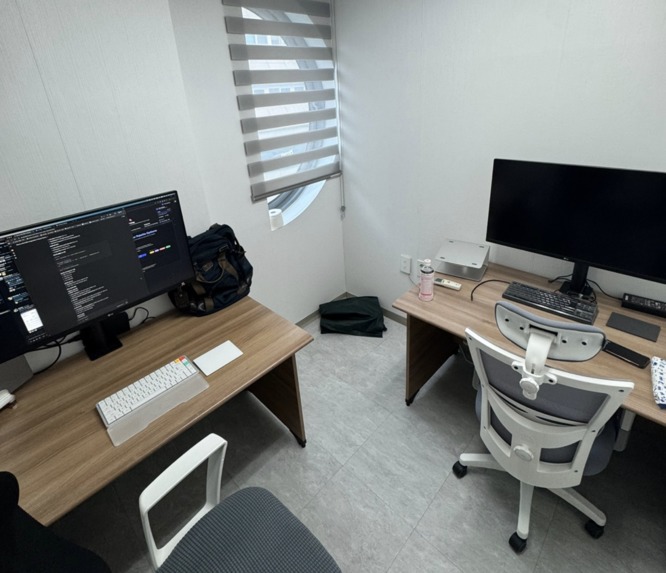
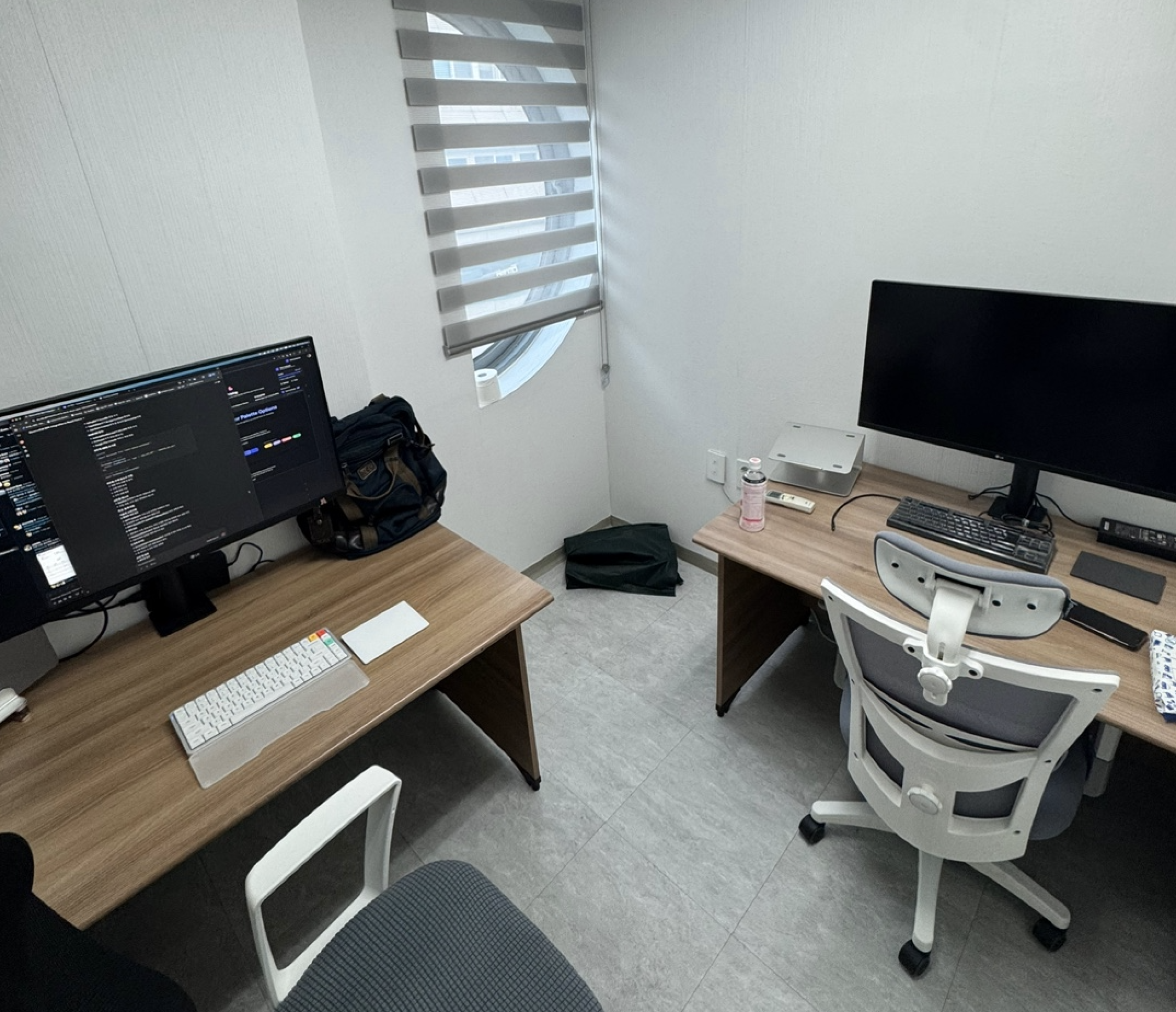
Our working space
-
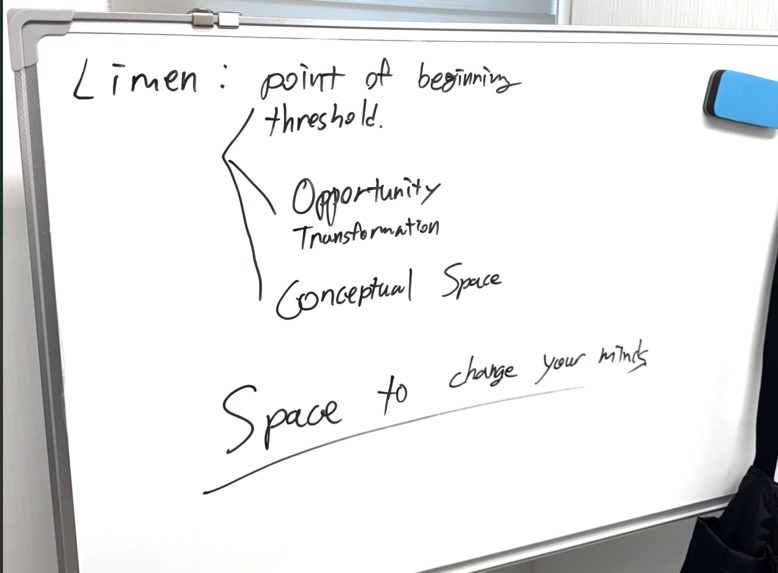
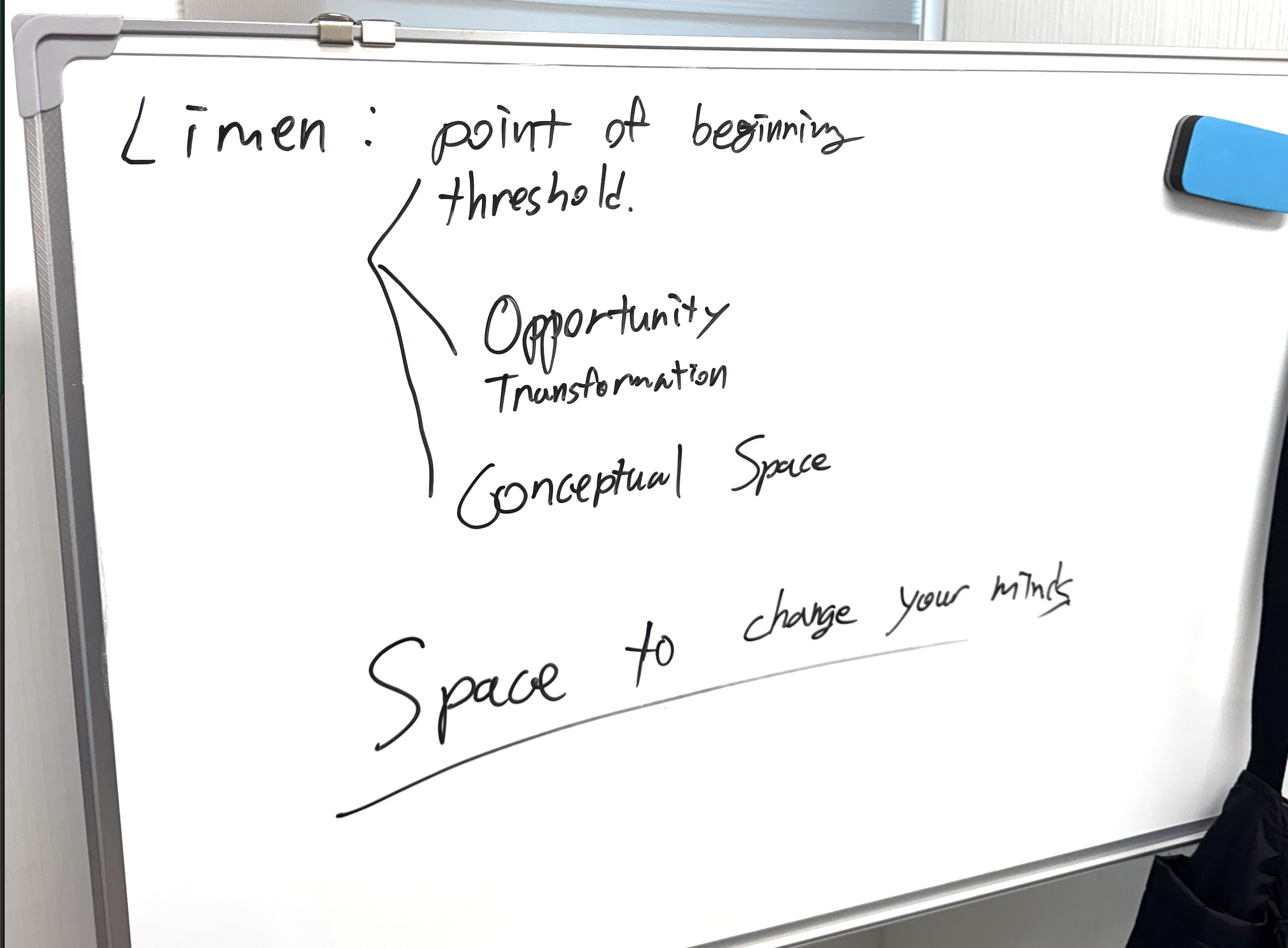
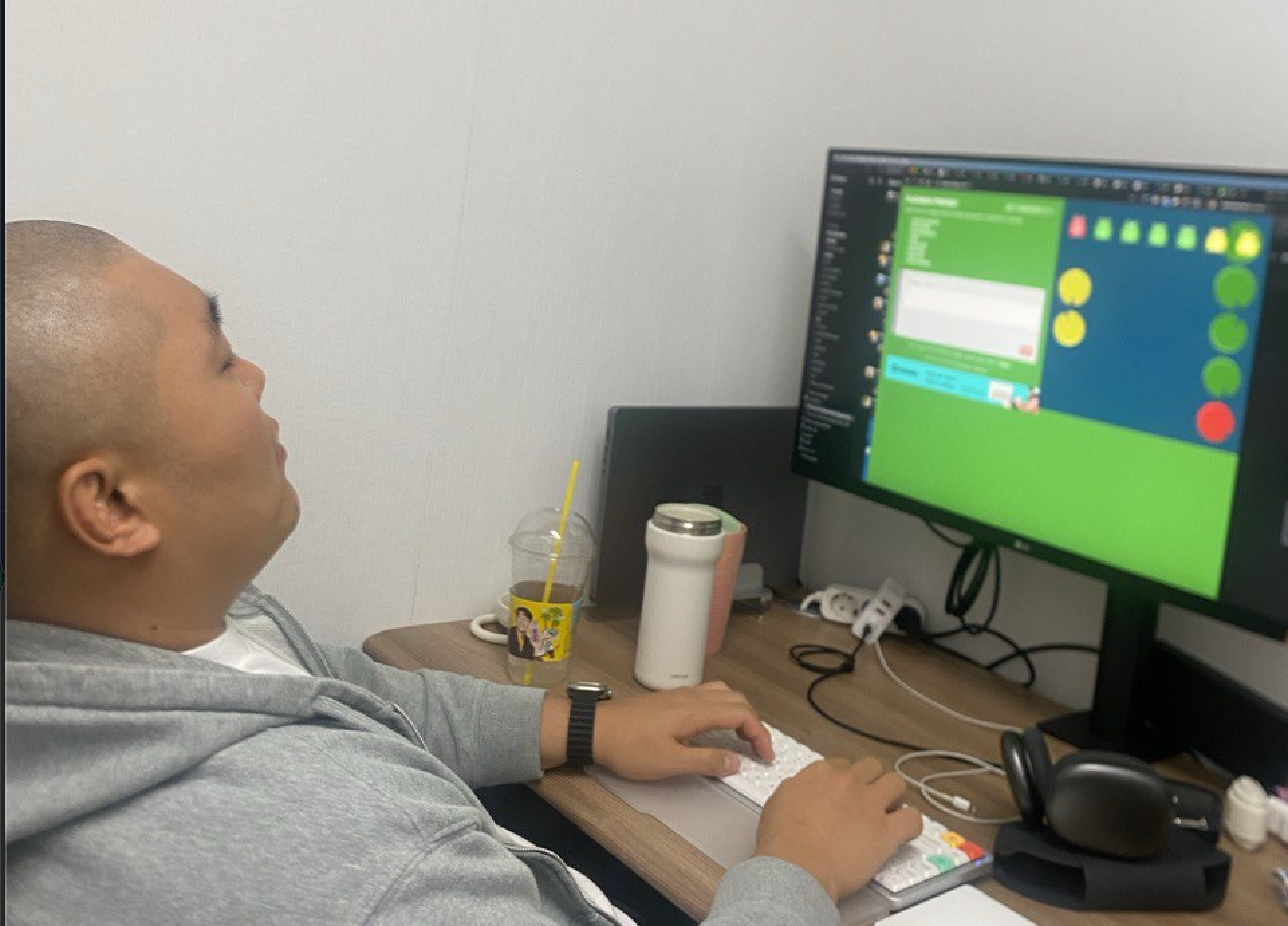
An image of how the app name and concept were decided.
-
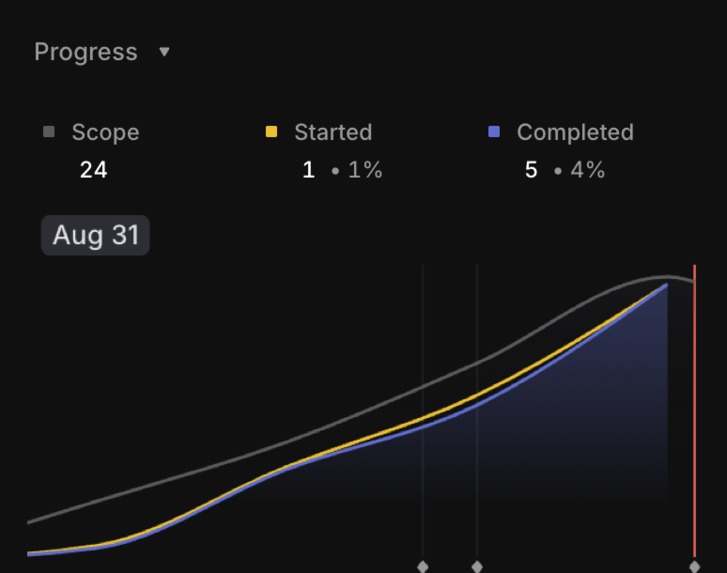
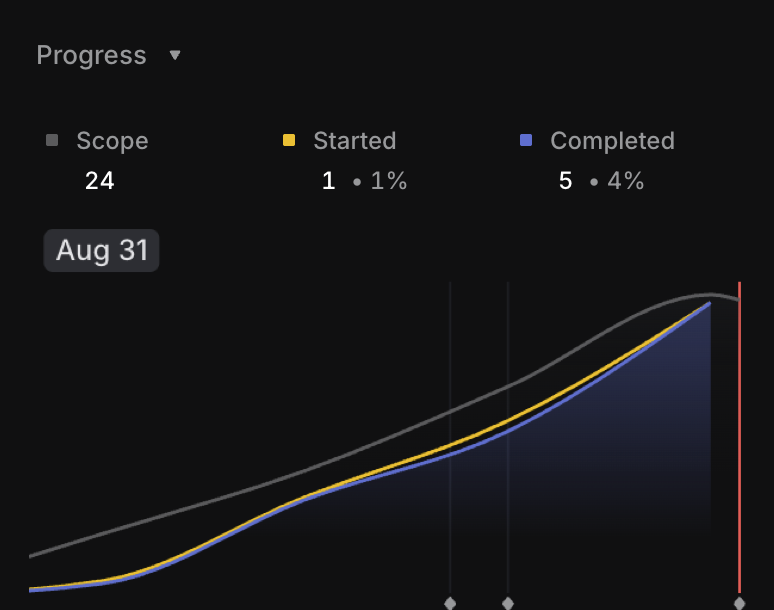
An image of progress our project with linear
-
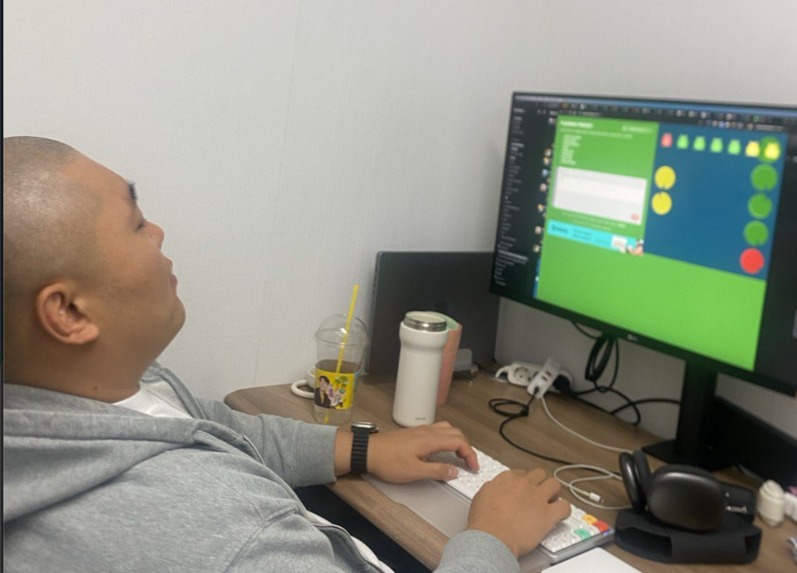
The moment of brushing up on Flexbox skills to get back into front-end development
-
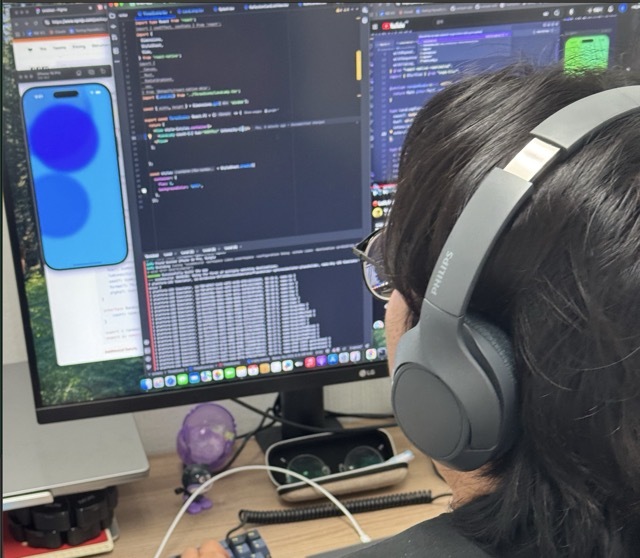
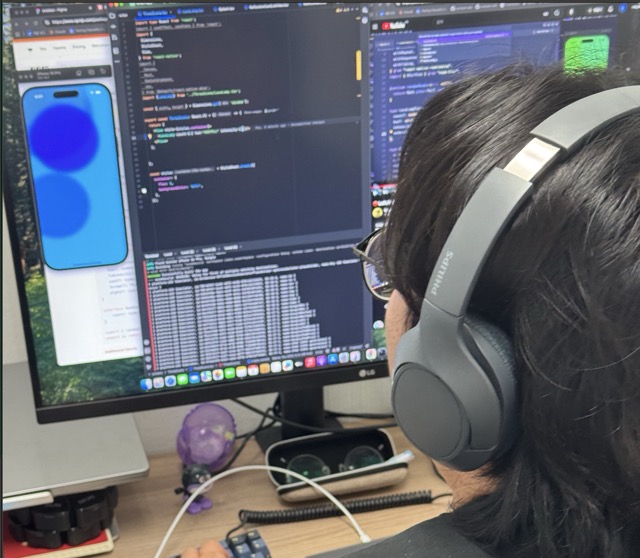
The moment of demonstrating a PoC for interaction and animation
-
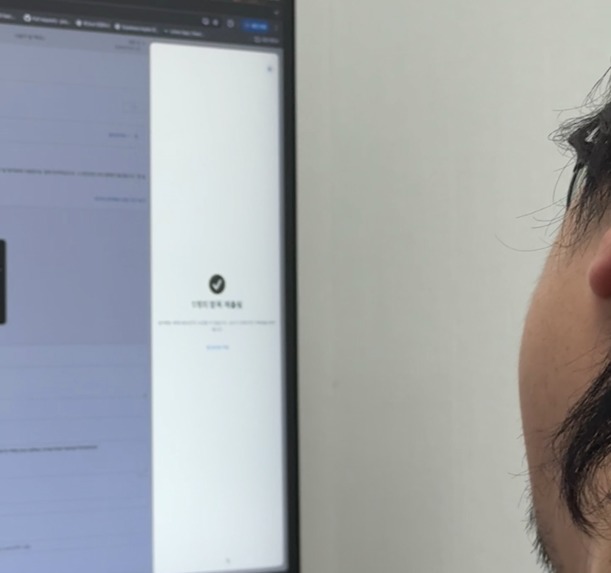
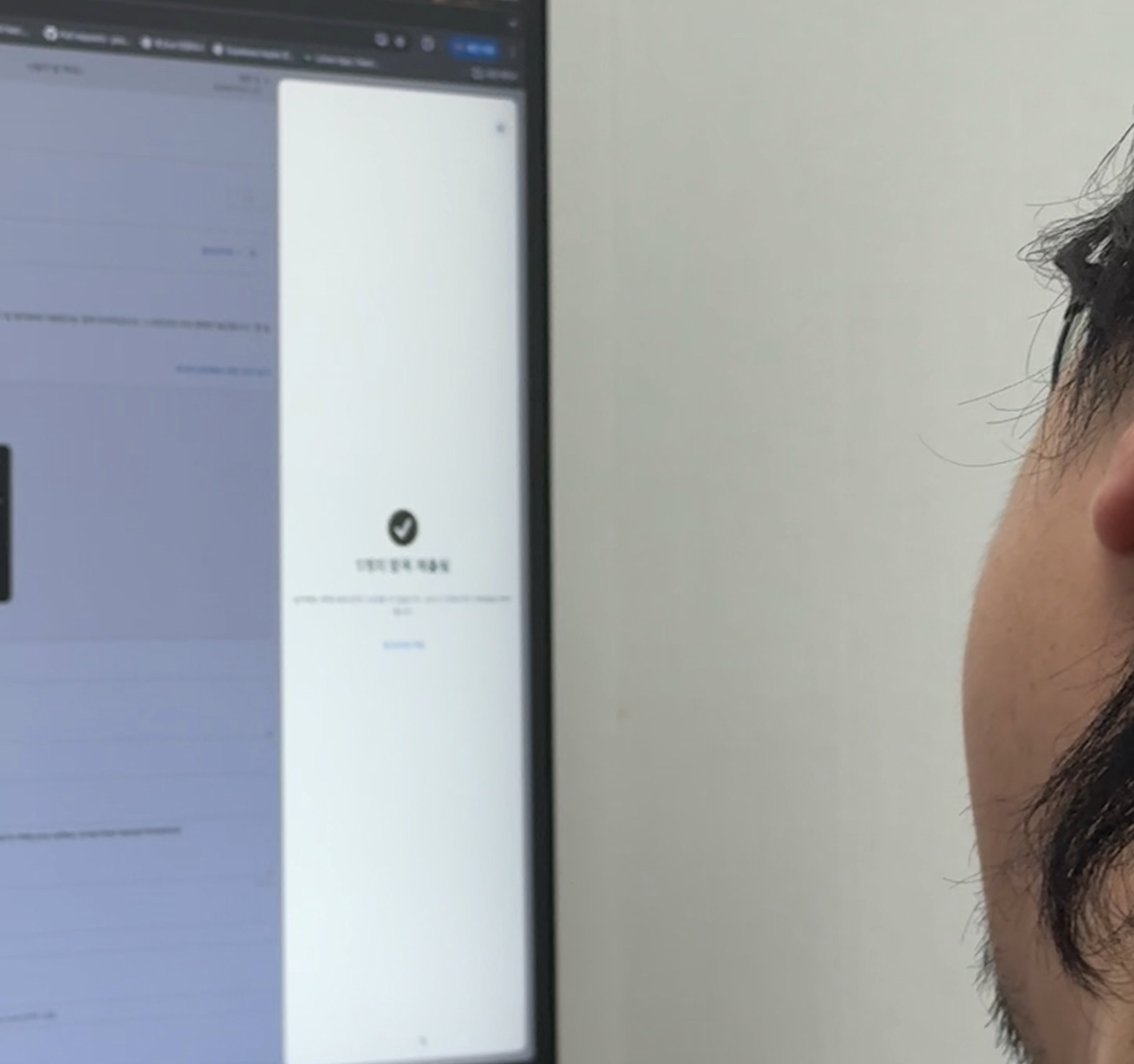
The moment of submitting first App Store review.
Our Team
The Landscape team is a small group with one full-time engineer, one part-time engineer, and one part-time UI/UX designer. Our mission isn’t to change the world all at once, but to create products that gradually improve people’s lives. We believe that if we build our products with joy and meaning, our users will also experience that joy and meaning. Although our team is based in Korea, our products are designed to be accessible to people worldwide.
Inspiration
Korea has a unique context as a largely homogeneous nation, where long-standing cultural values still deeply influence people’s thoughts and behaviors. In particular, seeking help for mental health struggles is often stigmatized. The inspiration for this project came from a friend, Soo. He grew up in a household with strong academic expectations and a focus on perfection. Trying to meet these high expectations left him exhausted and emotionally drained, eventually leading him to rely on alcohol. About a month ago, we spent nine hours talking with him. We didn’t offer advice or solutions, but he was able to organize his thoughts and ease his emotional burden himself. This made us realize that these issues aren’t unique to Korea — people around the world face similar challenges. So, we decided to create a space where individuals can self-reflect and heal. That space became Limen.
How We Built It & Challenges
We started building Limen with about one month left in the hackathon. With limited resources and the goal of maximizing output, we adopted the Shape Up methodology inspired by 37signals. To effectively track progress and identify bottlenecks, we used Linear for milestone and issue management. Our guiding principles were:
- Global accessibility – The product should be usable by people worldwide.
- Craftsmanship – Even when building quickly, the service must be polished and high-quality.
- Comfortable experience – Creating an intuitive and immersive user experience through thoughtful design and animation.
- Privacy-first – User data is encrypted and only accessible to the user.
To support multiple platforms and accelerate development, we chose the following stack (if we had more time, we might have opted for Kotlin Multiplatform instead of React Native):
- App: React Native, React Navigation, Reanimated
- Backend/DB: Supabase (PostgreSQL)
- Payments: RevenueCat SDK
- Analytics & Tracking: Posthog, Highlight.io, Crashlytics
- UI/UX Research: Mobbin
- Project Management: Linear + Shape Up process
This approach allowed us to launch on the App Store and Play Store within four weeks.
What We Learned
Studying UX patterns from global services via Mobbin helped us design more intuitive user flows. Additionally, our friend Soo and our beta testers confirmed that our hypotheses were valid, and we learned that incorporating user feedback quickly can create a significant impact even with a small team.
Moving Forward
We plan to advance Limen in the following ways:
- Expand user base: Recruit more early users post-hackathon to gather diverse feedback.
- Enhance multilingual support: Improve multilingual voice/text features and UI translations for a truly global experience.
- Refine AI: Provide more sophisticated action suggestions and additional tools.
Building on our hackathon launch, we will continue to enhance Limen with new features. Our ultimate goal is to evolve Limen into a sustainable service that helps people worldwide gradually improve their lives.
Built With
- chatgpt
- claude
- cloudflare
- crashlytics
- elevenlabs
- figma
- gemini
- github
- grafana
- highlight.io
- linear
- mobbin
- openai
- orbstack
- postgresql
- posthog
- react
- reactnative
- revenuecat
- shapeup
- slack
- supabase
- typescript
- vite


Log in or sign up for Devpost to join the conversation.