-
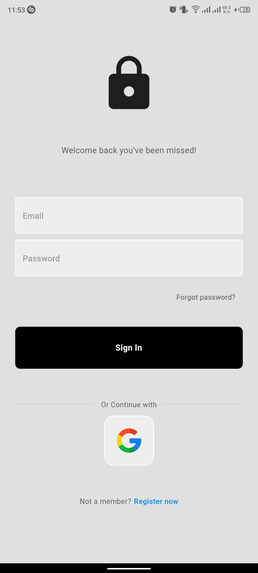
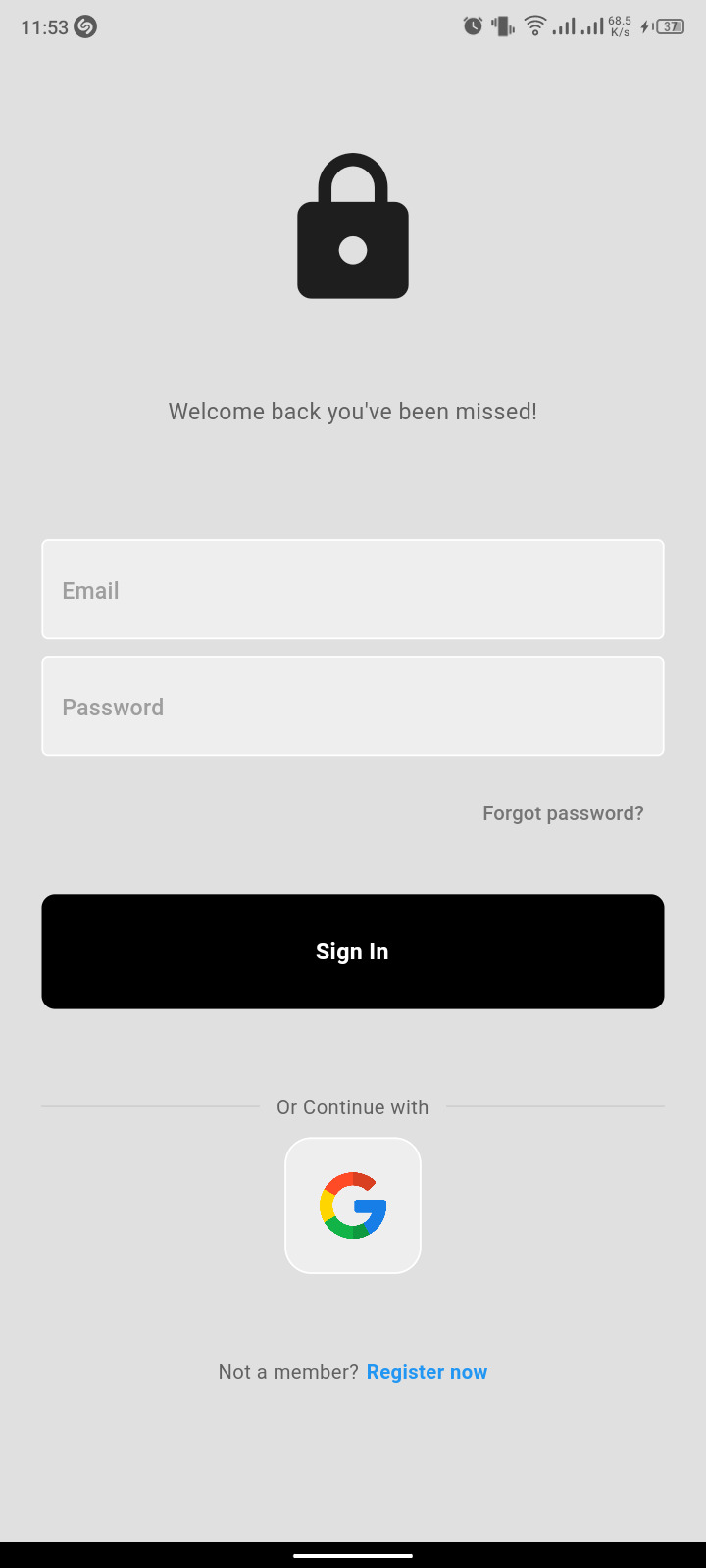
authentication
-
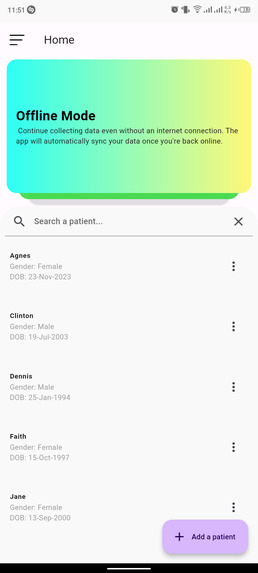
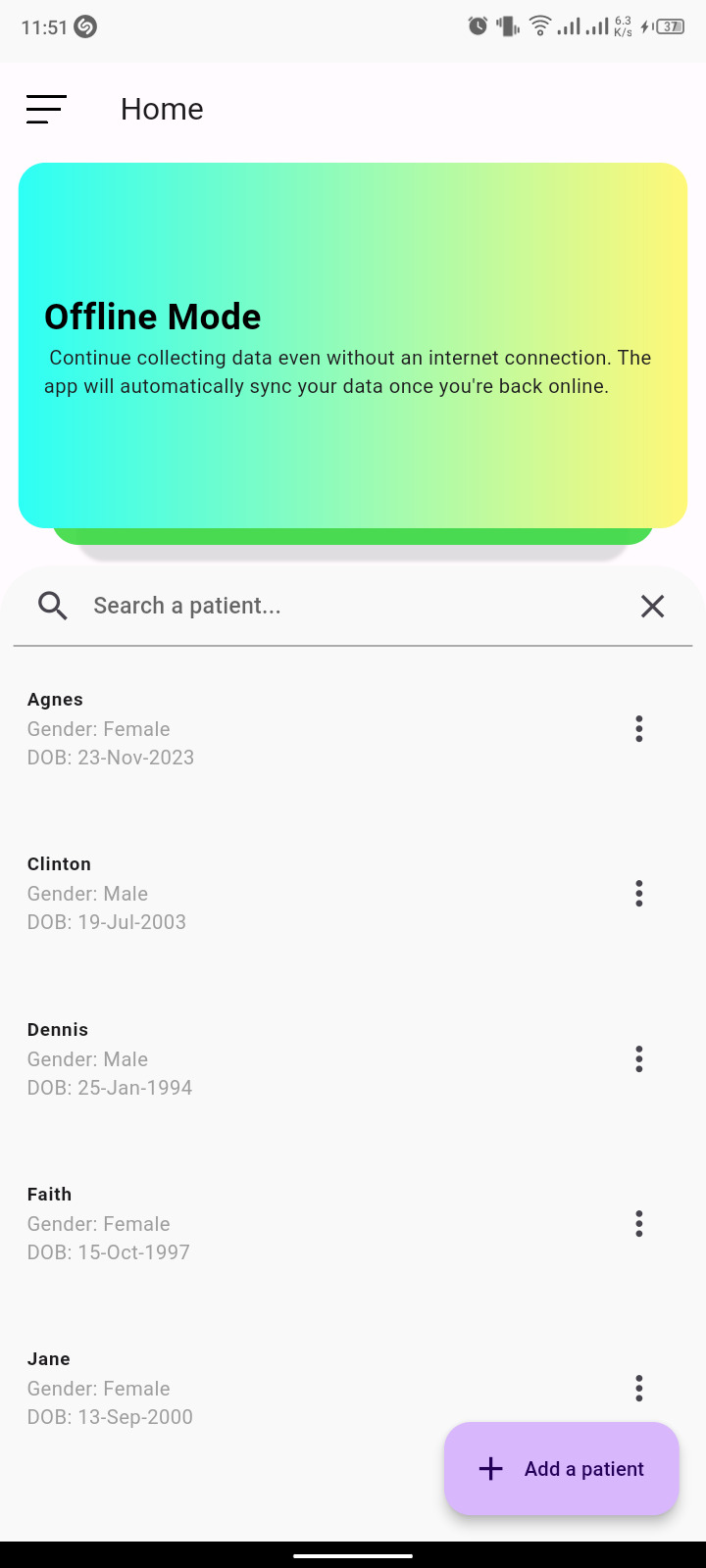
homepage
-
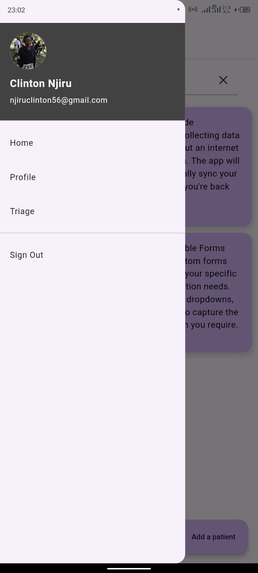
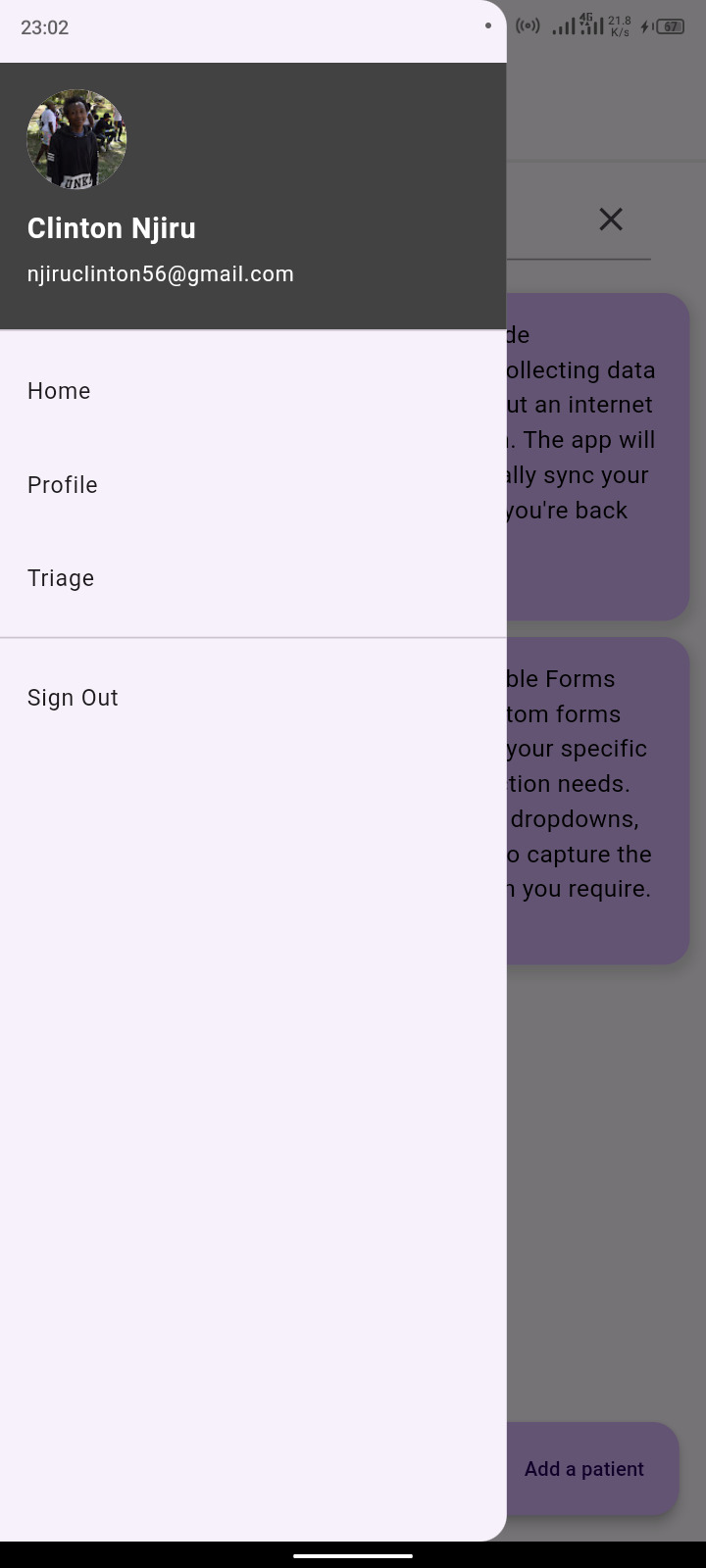
navigation
-
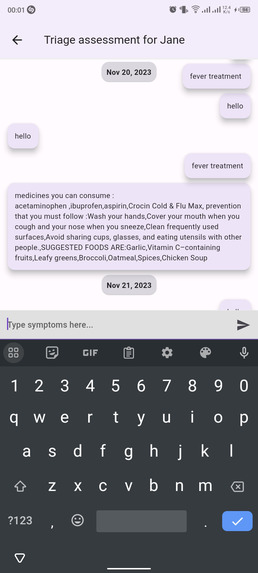
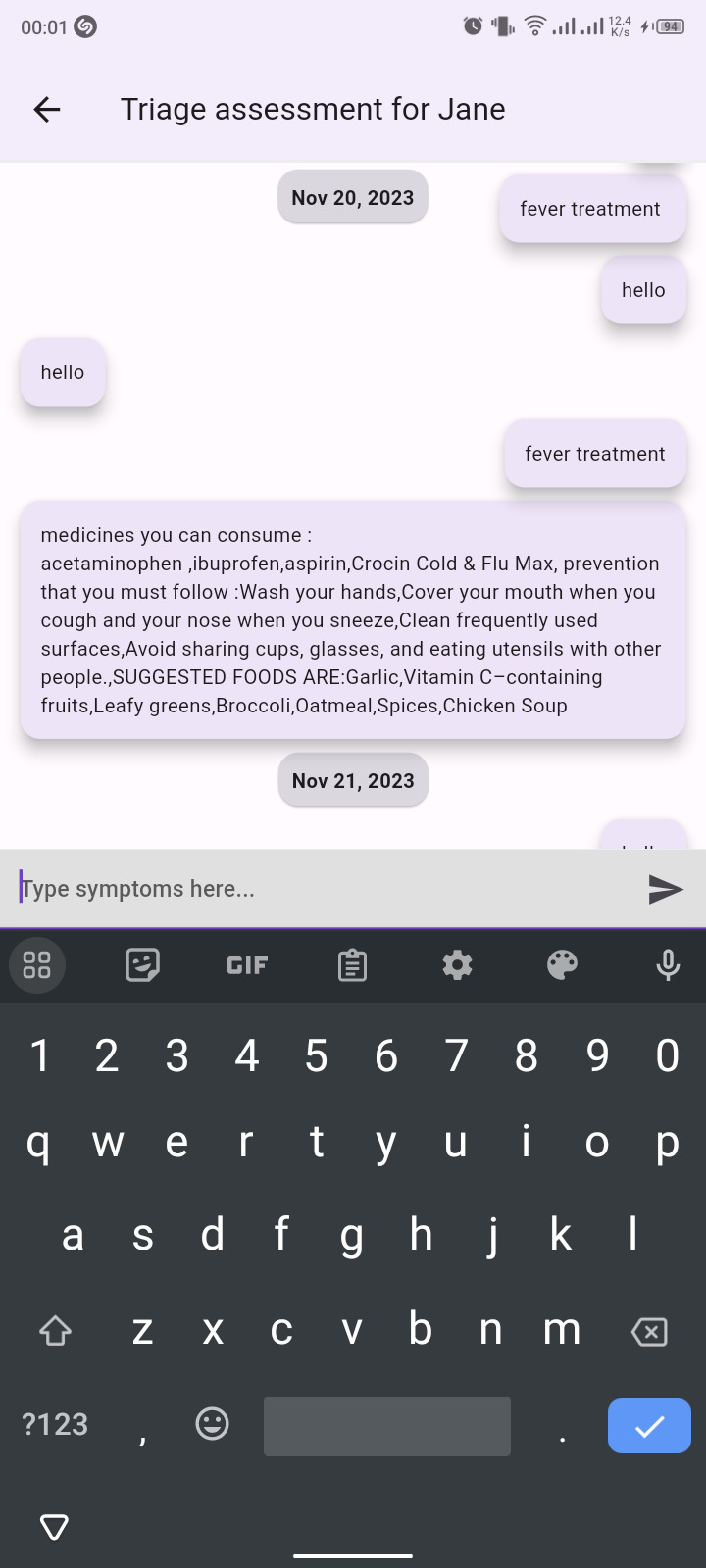
triage assessment
-
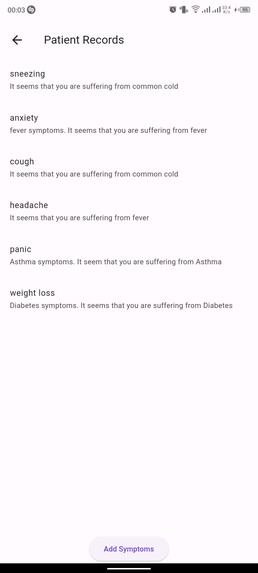
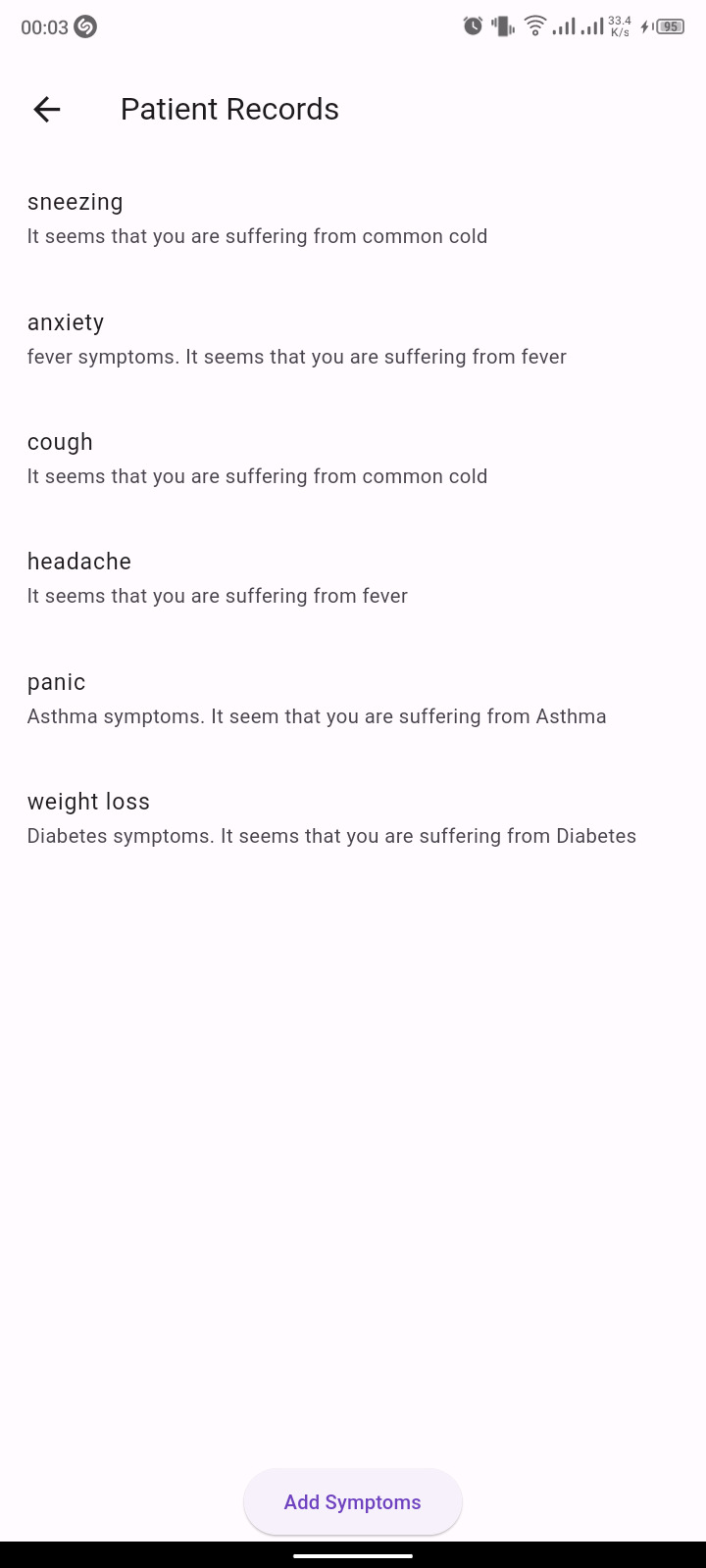
patient records
Inspiration
We were inspired to create this project after learning about the immense challenges climate change poses for delivering primary healthcare in remote, vulnerable communities. As extreme weather events increase and disease patterns shift due to a changing climate, it's critical we find innovative solutions to strengthen community resilience and ensure equitable access to care.
What it does
Our mobile app empowers community health workers to deliver care through offline diagnostic support, treatment recommendations, disease monitoring and outbreak alerts - even in areas with poor connectivity. It provides climate-sensitive healthcare guidance tailored for remote populations.
How we built it
We used Flutter to build a cross-platform mobile app interfacing with a Python backend. Key pages included patient profiles, triage modules, treatment recommendations and reporting dashboards. Machine learning models provided preliminary diagnoses. The app was designed for offline use via local SQLite storage and remote data syncing.
Challenges we ran into
Developing effective triage modules required balancing medical accuracy with usability. Ensuring data privacy and security in remote settings was difficult. Most difficult being testing the app's offline functionality uncovered bugs in our local storage and syncing logic. Coordinating as a distributed team posed challenges.
Accomplishments that we're proud of
We're proud to have designed an AI-powered solution that can potentially improve healthcare access for climate-vulnerable communities through the voices of on-the-ground health workers.
What we learned
The importance of user-centered design and testing assumptions in the field. How technology can help address climate health impacts if built with local needs and constraints in mind.
What's next for Lime
Conduct a pilot deployment, expand diagnostic capabilities, integrate remote monitoring, and continue improving through additional real-world data and feedback. Our goal is strengthening climate resilience through innovative, equitable healthcare technologies.


Log in or sign up for Devpost to join the conversation.