-
-
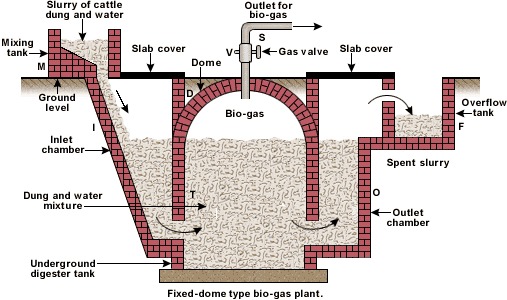
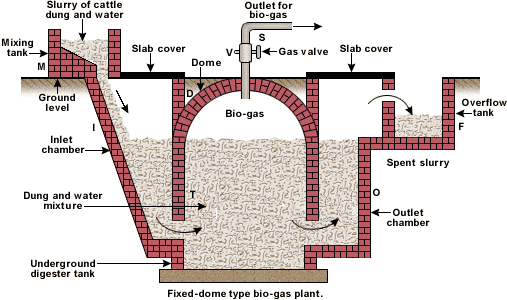
Fixed dome biogas design
Inspiration
UN projected that 2.8 million people cannot have clean cooking energy resulting in millions of deaths annually. After losing a cousin to lungs problem which resulted from smoke produced from the use of fuelwoods and charcoal, I wanted to know how people in Africa can have access to clean cooking energy so I went on exchange to Songhai farms to learn about biogas production which was what gave the team the inspiration to work on this project.
What it does
Leveraging on wastes and technology to provide accessible and very affordable alternative clean energy to consumers.
How we built it
We built this by setting up waste collection hubs where farmers can bring their wastes and then these wastes would be taken to our factory and converted into clean gas which would be collected in gas cylinders and then sold to consumers. We will also have a mobile application so people can track how much gas they are consuming.
Challenges we ran into
Logistics involved with collecting wastes from the farmers which we solved by using circular economy model since we gave farmers cooking gas in exchange for these wastes.
Accomplishments that we're proud of
We saved the lives of millions of people by stopping them from using fuelwoods and charcoals which has damaged and caused deaths in previous times. The installation of biogas plants will have significant impacts on the environment and health of Tanzanians. Replacing the traditional wood stoves with biogas will improve the air quality as well as reducing the pressure of deforestation. Poor indoor air quality is one of the major risk factors for acute respiratory infections with infants and children and therefore among the most important causes of infant and child mortality rates in Tanzania. By switching to biogas consumption a downwards trend will be seen in infant and child mortality rates. Furthermore, when the slurry is collected and returned to the fields it will reduce the depletion of soil nutrients, benefiting local farmers. This has even further positive implications on deforestation as it reduces the pressure to expand the area of land cleared for agriculture. 'Wasted Energy' will help in the reduction of greenhouse gas emissions by displacing the consumption of fuelwood and kerosene. According to WWF, a single biogas plant reduces carbon emissions by 4.7 tones per year.
What we learned
We learned and realized nothing is a waste actually, we saw the power of converting wastes to wealth from generating cooking gas and also organic fertilizers. The experience also helped us leverage technology to make impacts in both lives of households and farmers as well and most importantly that clean cooking energy is possible.
What's next for Lime
After the 6 month pilot, we should have provided alternative clean and sustainable energy to 1000 small businesses or households in Tanzania. We can then expect to expand and increase our supply to others across Tanzania, including outside of Dar es Salaam and Mwanza. To ensure that this expansion is successful, we will need to maintain strong relationships with our customers (e.g. through system maintenance checks), so that they continue to speak well of our company to other prospective customers. We will also need to establish good working partnerships with our suppliers to ensure that our supply chain of materials can run smoothly as production increases. The “herdsmen” will also be a major stakeholder going forward. Their nomadic nature means they will not be suitable target customers, but they could be useful providers of cow dung for biogas systems owned by others. In the long term, we could consider expanding the business to neighboring countries. Rwanda, Uganda, and Nigeria would all be suitable potential markets. Our business could also expand the scale of the systems we produce. If funding could be obtained, then we could turn our focus to larger sized biogas systems that service entire villages.


Log in or sign up for Devpost to join the conversation.