-
-
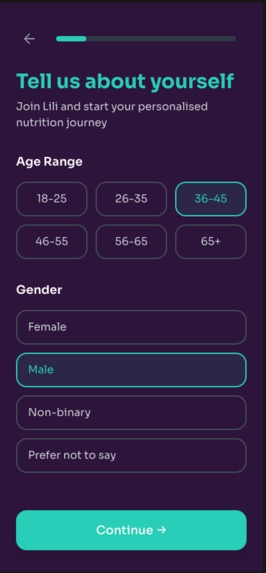
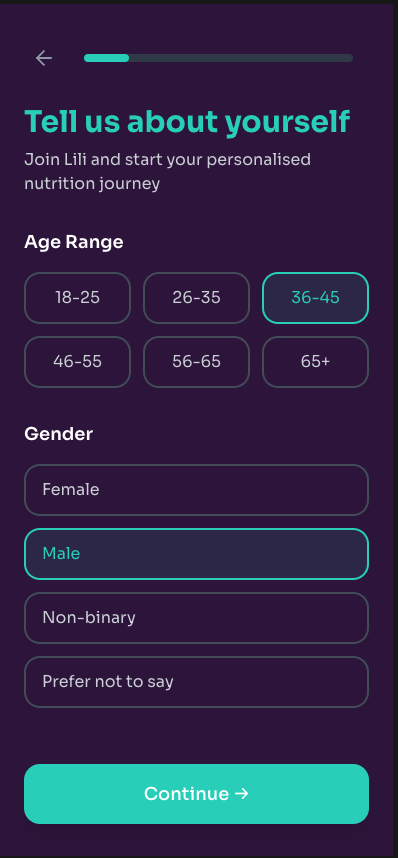
Onboarding
-
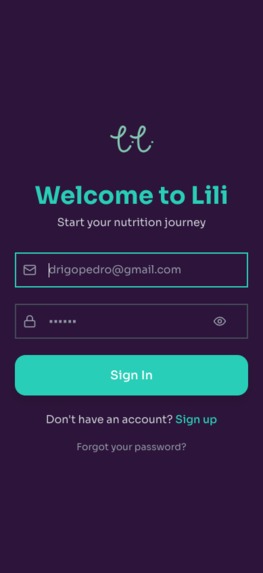
Sing-in page
-
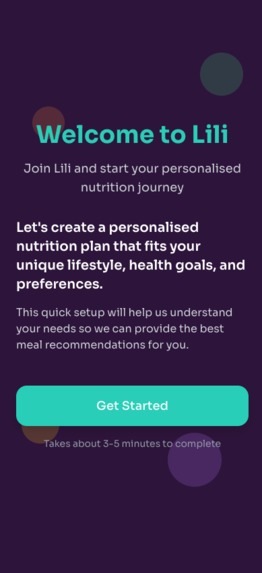
Welcome Onboarding
-
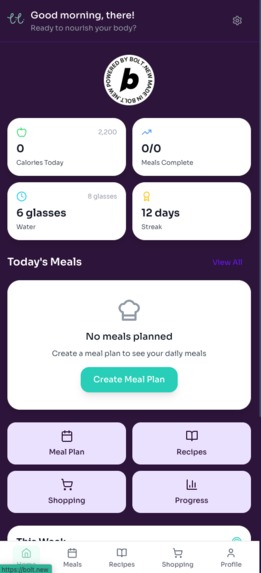
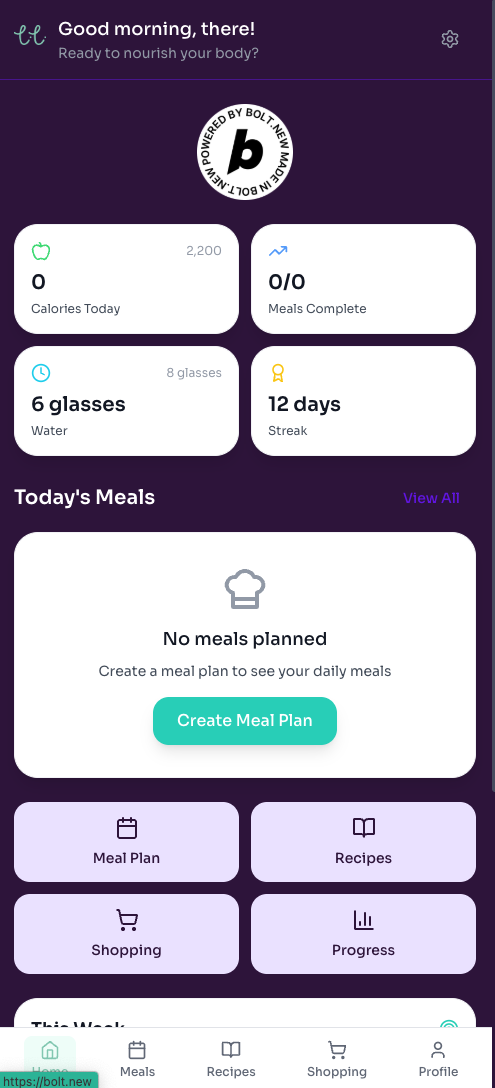
Main Screen


🌱 Inspiration
Eating healthy shouldn’t feel impossible. Yet millions struggle daily — not because they don’t care, but because of time, energy, money, or complex health needs. That’s where Lili comes in.
The inspiration for Lili stems from a deep understanding of the challenges many people in the UK face when trying to eat healthily. Despite the abundance of nutritional information and recipes online, most solutions fail to account for the real-life constraints that shape people’s eating habits, especially time, budget, and energy limitations.
Key Motivations Personalisation Gap: Most existing apps offer generic meal plans, rarely considering the full context of a user’s life, such as their health status, allergies, cooking skills, or financial situation.
UK Market Needs: In the UK, rising food prices and economic pressures have made it harder for people to access nutritious food. There’s also a growing awareness of the importance of mental health and its connection to nutrition.
Complex Constraints: Many want to eat better but feel overwhelmed by the planning, shopping, and cooking process, especially when juggling work, family, or health issues.
Technology Opportunity: Advances in AI and mobile technology now make it possible to deliver truly adaptive and context-aware solutions for everyday users
What It Does
Lili is a smart nutrition therapy app that creates weekly meal plans tailored to each user’s personal, social, economic, and health context. From cooking skills to medical conditions, allergies to budget, Lili adapts to your reality, not the other way around.
The MVP allows users to:
- Generate personalised meal plans
- Modify their weekly plans
- Access recipes aligned to their preferences
- Download a dynamic grocery list based on selected meals
All of this is enabled through a thoughtful onboarding process that gathers relevant user data.
This is just the beginning. Lili will evolve into a fully AI-powered nutritional therapist, guiding healthier eating habits for everyone, especially those who need it most.
How We Built It
- Started building directly on Bolt.new
- Designed and refined UI in Figma
- Iterated by applying UI updates back into Bolt.new
- Integrated Supabase for authentication and database needs
Challenges We Ran Into
As a Product Designer with limited coding experience, I faced multiple challenges:
- Fixing code errors using Bolt.new, even with AI support and "Discussion mode"
- Inconsistent results: solutions that ran successfully didn’t always fix the issue
- Sign-in/sign-out functionality failed to work properly
- Was unable to return to the onboarding screens to make needed changes
Deployment also brought roadblocks:
- Expo worked once, but then failed to load or showed endless loading
Despite these issues, I took them as part of the learning process and a beginner's journey with new tools.
Accomplishments We're Proud Of
- Built a working prototype using Bolt.new from scratch
- Reimagined and refined product scope through iteration
- Gained confidence in prompting and structuring app logic
- Set up authentication, database, and API using Supabase
- Took first steps in understanding backend architecture and infrastructure
What We Learned
- The importance of becoming familiar with dev tools and deployment workflows
- Bolt.new is powerful, but for scaling, collaboration with an experienced developer is crucial
- Back-end understanding is essential for effective product design and development
What's Next for Lili
- User testing to gather feedback and refine the experience
- Build a small team, starting with a developer
- App store deployment (Apple & Google)
- Further development to integrate:
- AI-powered nutrition coaching
- Grocery APIs and supermarket integrations
- Explore venture programs and other funding opportunities
Built With
- bolt.new
- fatsecret
- figma
- supabase


Log in or sign up for Devpost to join the conversation.