Inspiration
While workshopping a concept with a larger scope, we found the side objective of guiding ships across a top down map as a lighthouse to be compelling and extremely resonant with the jam’s theme. With inspiration from simple, focused strategy experiences like Mini Motorways, we spun this objective out into our full game. We did this because we found the fun in frantic information management, and fluctuating map visibility made reapplying previously gathered information engaging. The player is constantly making meaningful decisions on what to check on, what is worth remembering, and what is worth managing in this moment. Thematically we reflected this chaotic, on the fly strategization with crazy boat faction themes. This kept our tone light and silly while distinguishing which ships matched with which ports far more than just color-coding it alone could’ve.
What it does
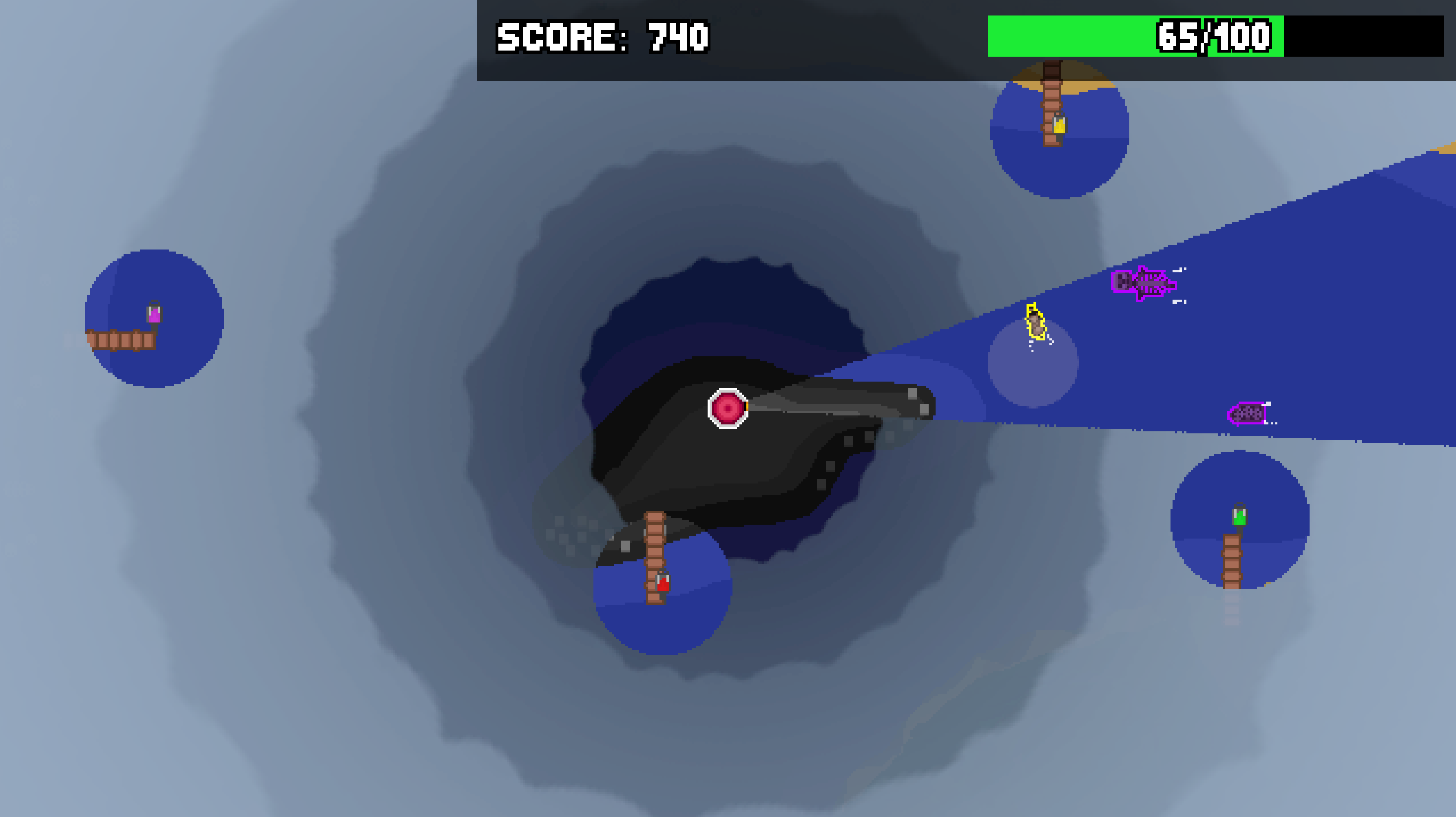
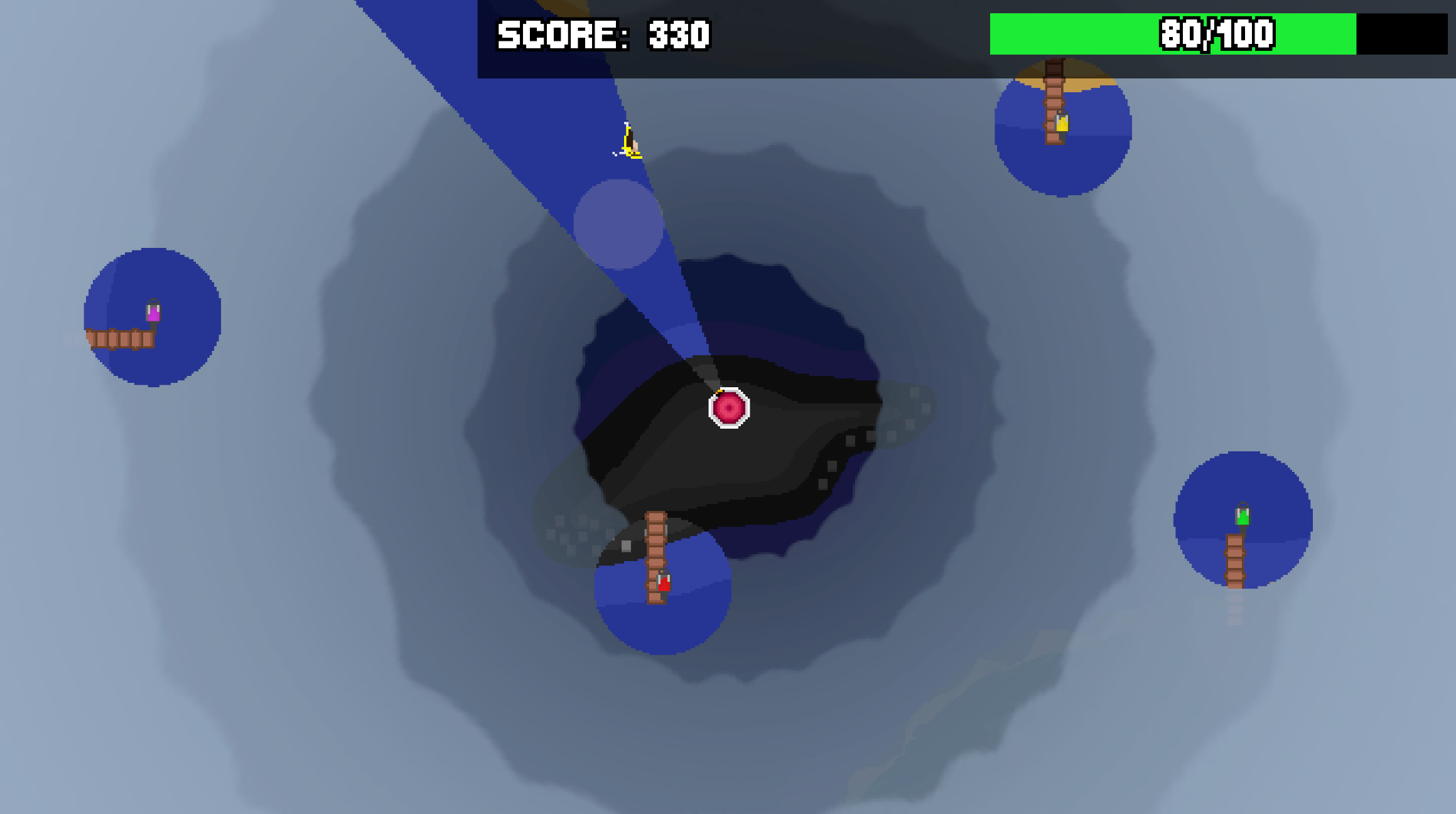
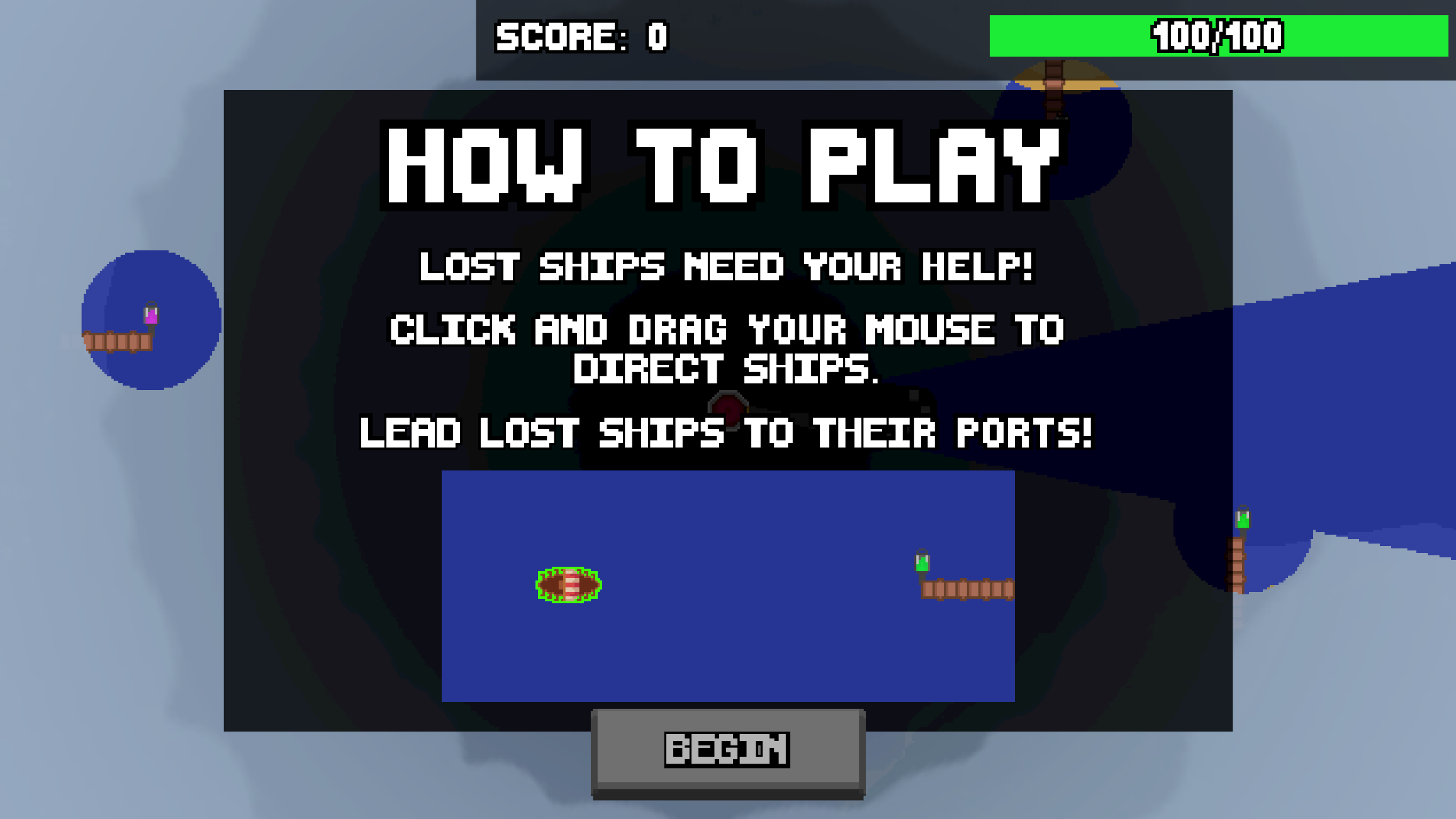
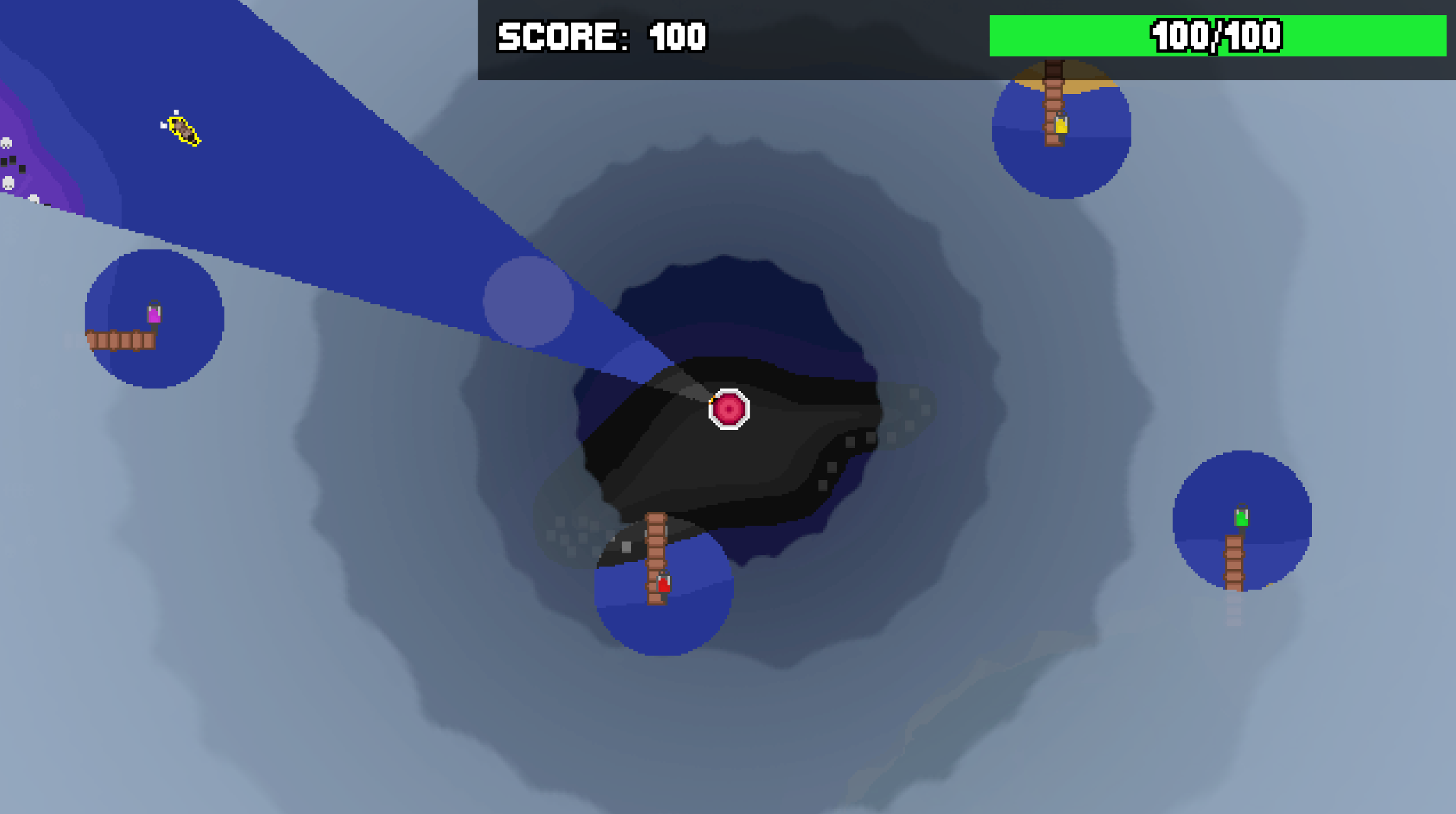
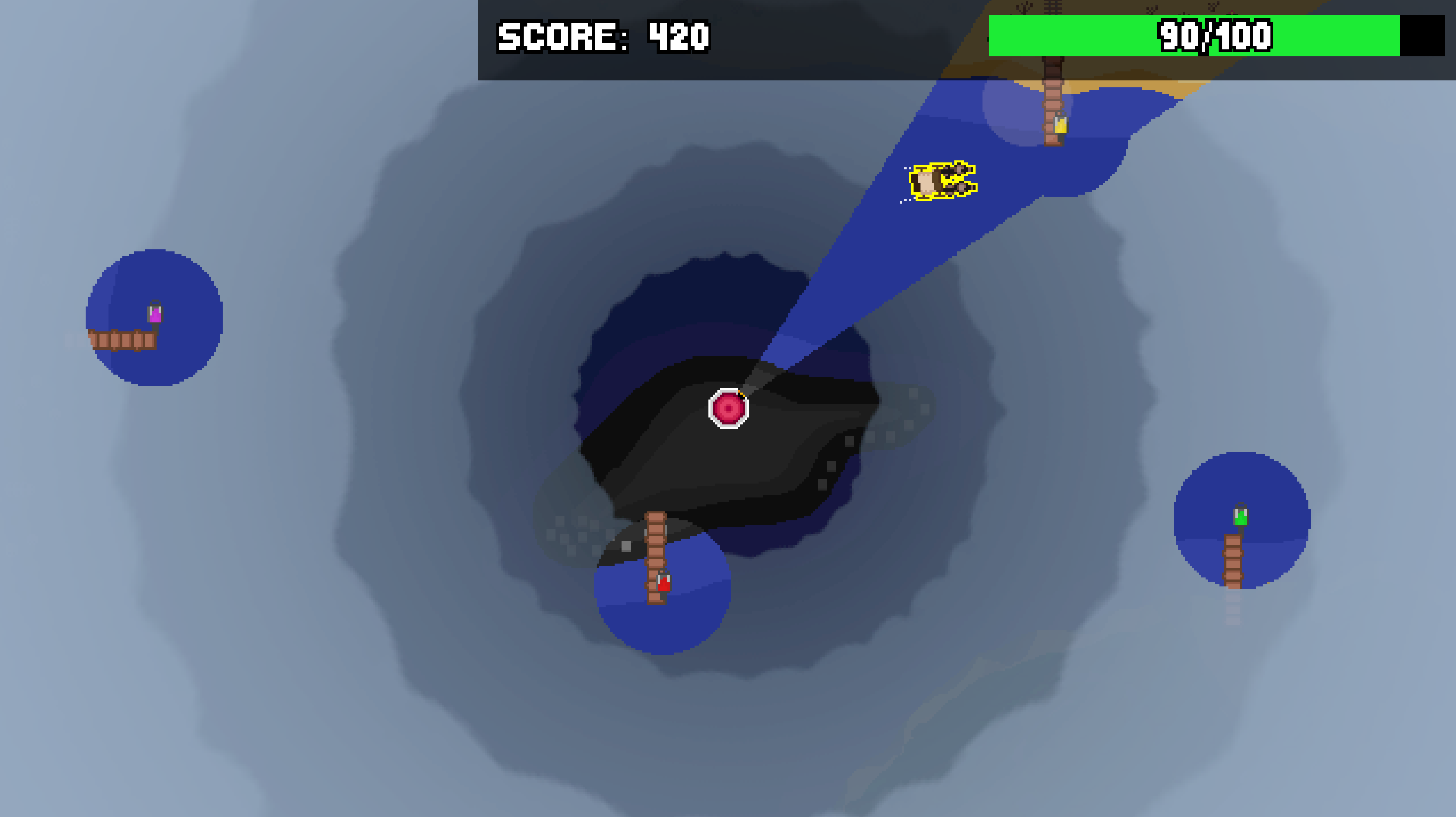
Lighthouse Time Machine is a real-time strategy management game. In it you use a lighthouse’s light to shine through fog to see ships and guide them to their proper docks.
How we built it
Lighthouse Time Machine is built in Unity. The core mechanic of the light shining through the fog uses sprite masking to hide everything that is not within the light. Our pixel art was created in Aseprite, the music was created in Musescore, and all sound effects were recorded and created by our team using Audacity.
Challenges we ran into
We spent the first four hours of the Jam trying to make a different idea work. We really liked the theming of a lighthouse, and were very invested in the idea of making a 2D side-on survival game where you had to defend your lighthouse from demons. In our planning, the design had some major flaws that we struggled to find solutions for that would have been attainable within the time constraints of the game jam. But when we started exploring other options, Lighthouse Time Machine’s gameplay loop jumped out as an excellent option, and we believe having the faith to cut our losses for a pivot set us up for success.
Accomplishments that we're proud of
We are very proud of the simple yet fun gameplay experience we were able to create. The game is not too complicated, but that allowed us to focus on polish and make very intentional design decisions to craft a focused player experience. We also feel good about how we were able to incorporate the jam theme of “Visibility” into our game. The player is making meaningful decisions that impact what is visible to them at any given time, and keeping track of what they’ve seen is key to success.
What we learned
We learned that it is never too late to pivot. We were worried that changing our idea and restarting from the ground up hours into the jam would not allow us to deliver in the end. However, pivoting our game idea proved to be the much better decision. We all were reinvigorated with a passion for the idea and were really able to flesh out a complete and satisfying gameplay loop.
What's next for Lighthouse Time Machine
For now, Lighthouse Time Machine is a complete product. We are happy with what we were able to accomplish in the time that we had. If we were to revisit this project, we would add more content like different factions, and maps, as well as more varied hazards that would appear. One of the ideas that we conceptualized but never implemented was the idea of warships, that you could not control or direct, and caused a threat to the ships you are trying to guide.
Our team was remote: Harry Tomasco, Alex Weiswasser, Max Totten, Ben Adams, and Matt O'Neil


