-
-
slide 1
-
slide 2
-
slide 3
-
slide 4
-
slide 5
-
slide 6
-

slide 7
-
slide 8
-
slide 9

Inspiration
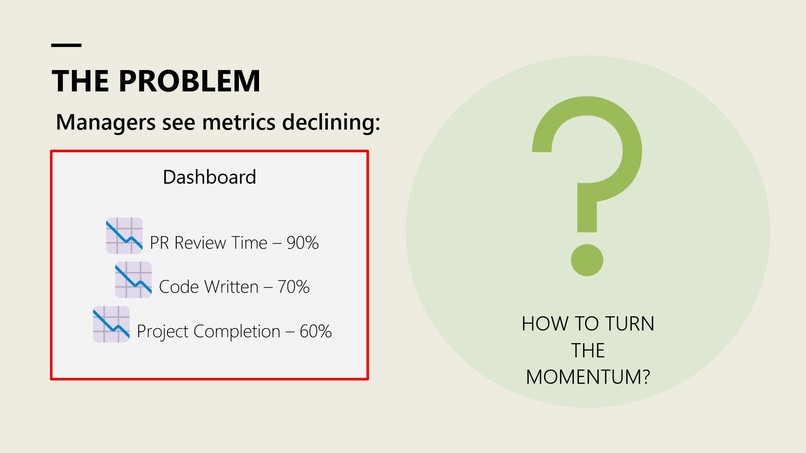
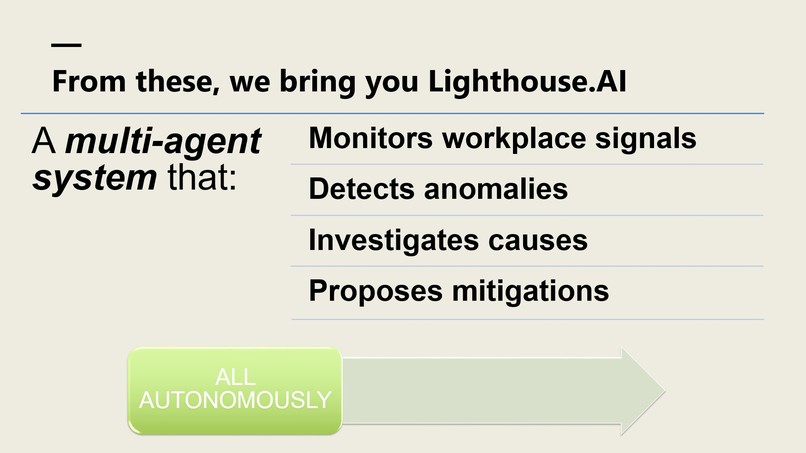
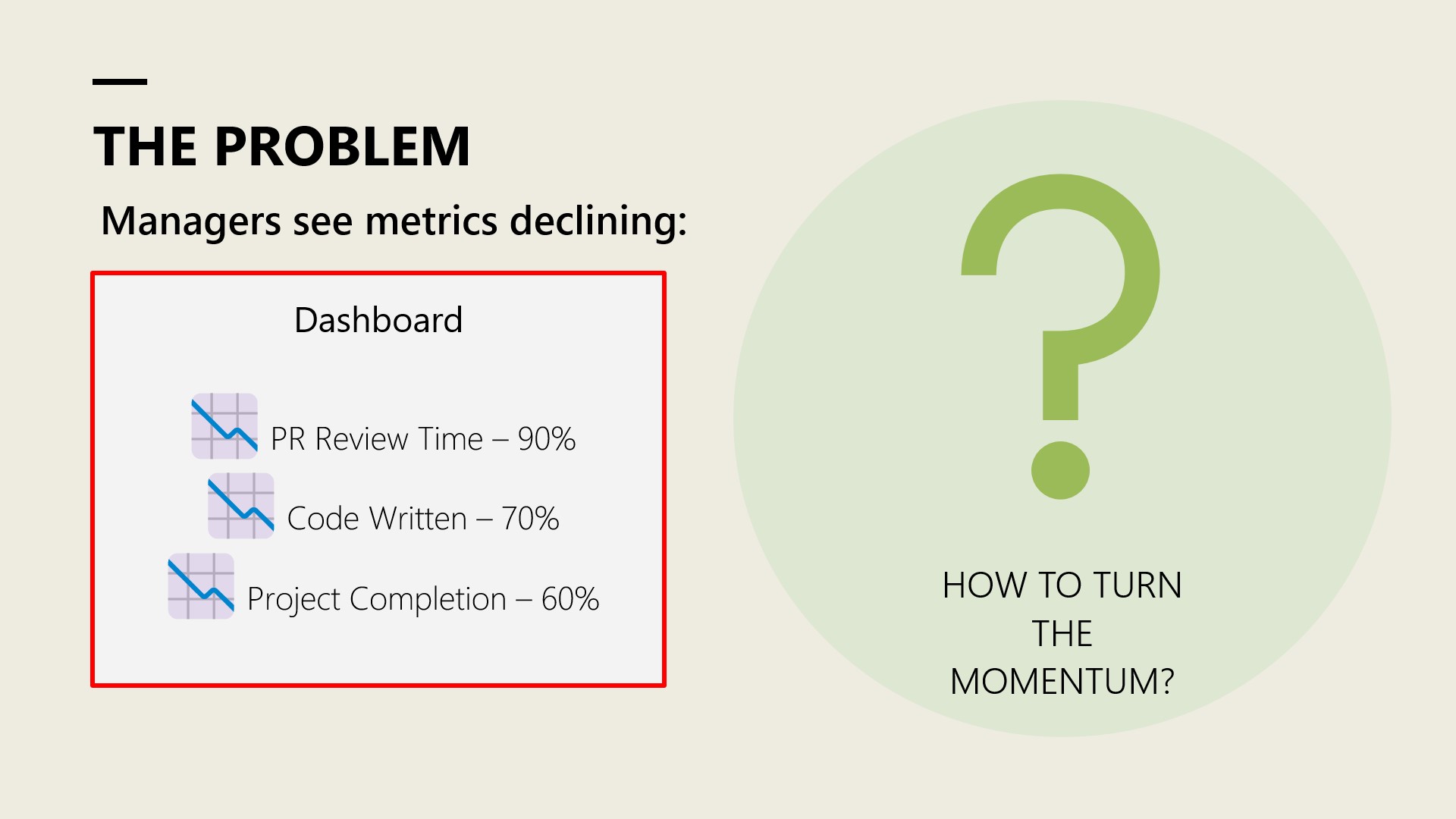
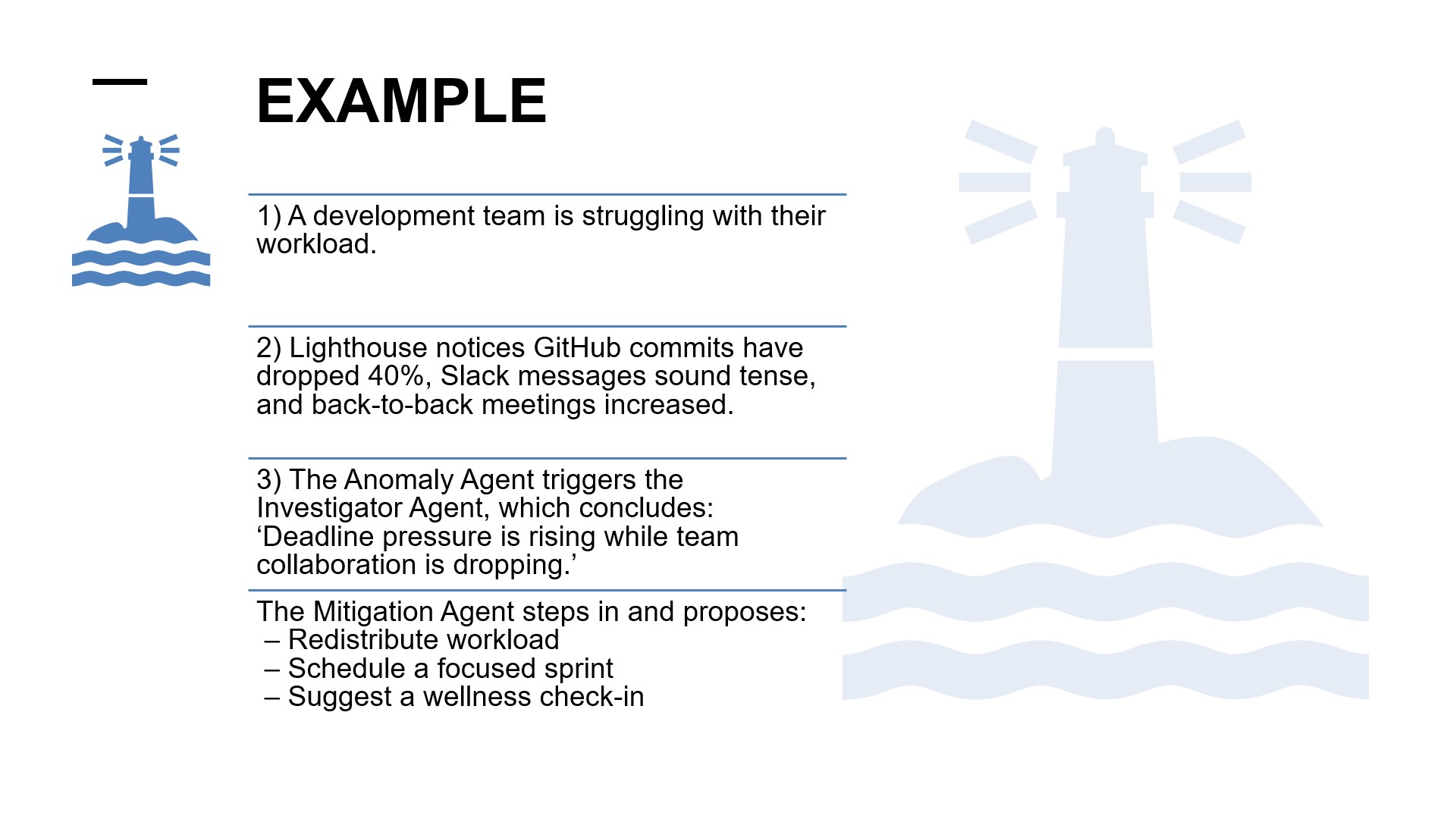
Dashboards told us what changed, never why; leaders spent weeks sleuthing while teams burned out. We wanted an “engineering lighthouse” that shines a beam to the root cause and suggests fixes.
What it does
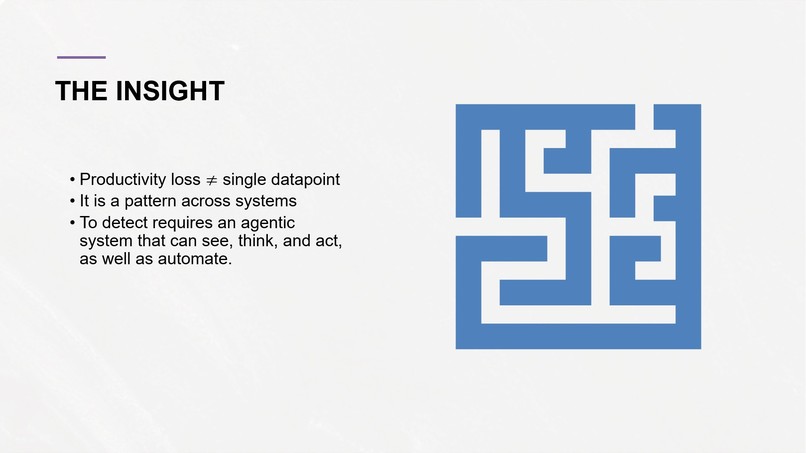
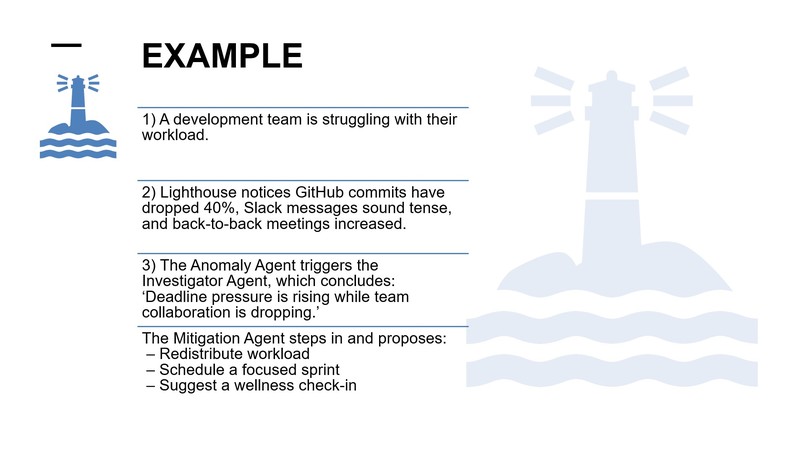
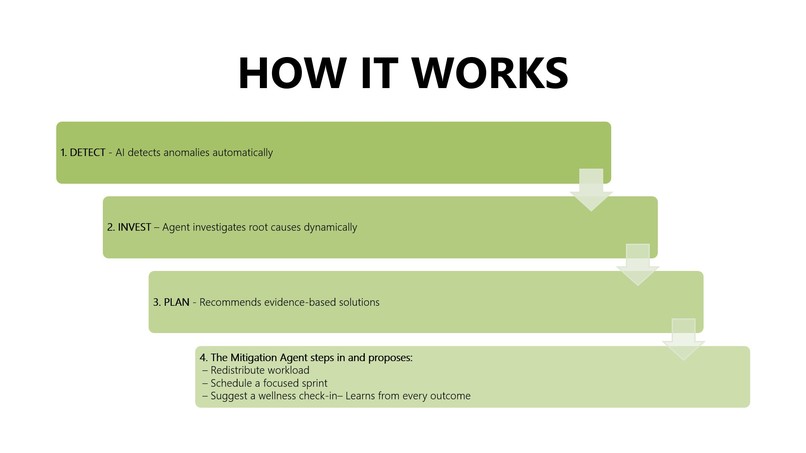
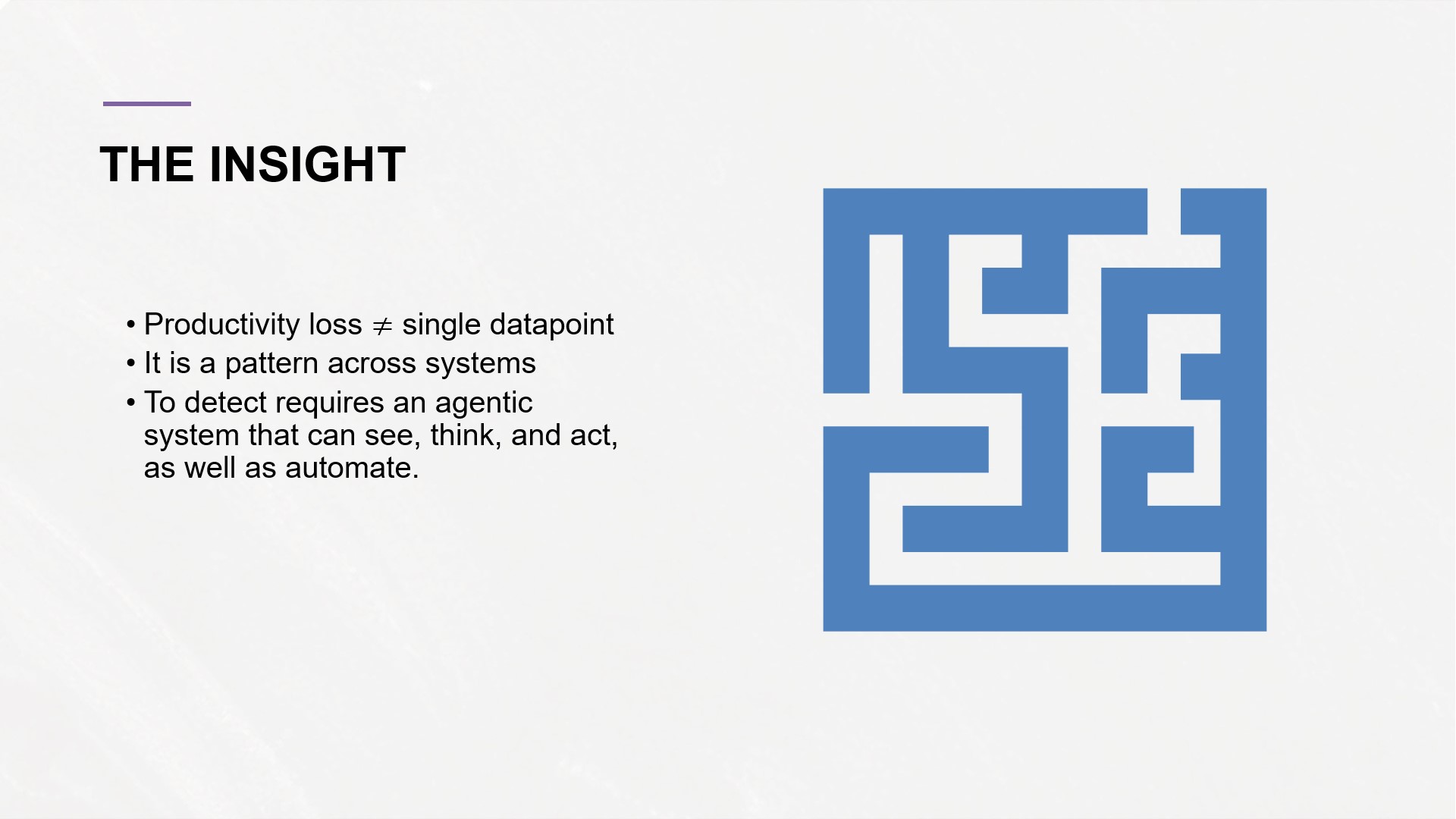
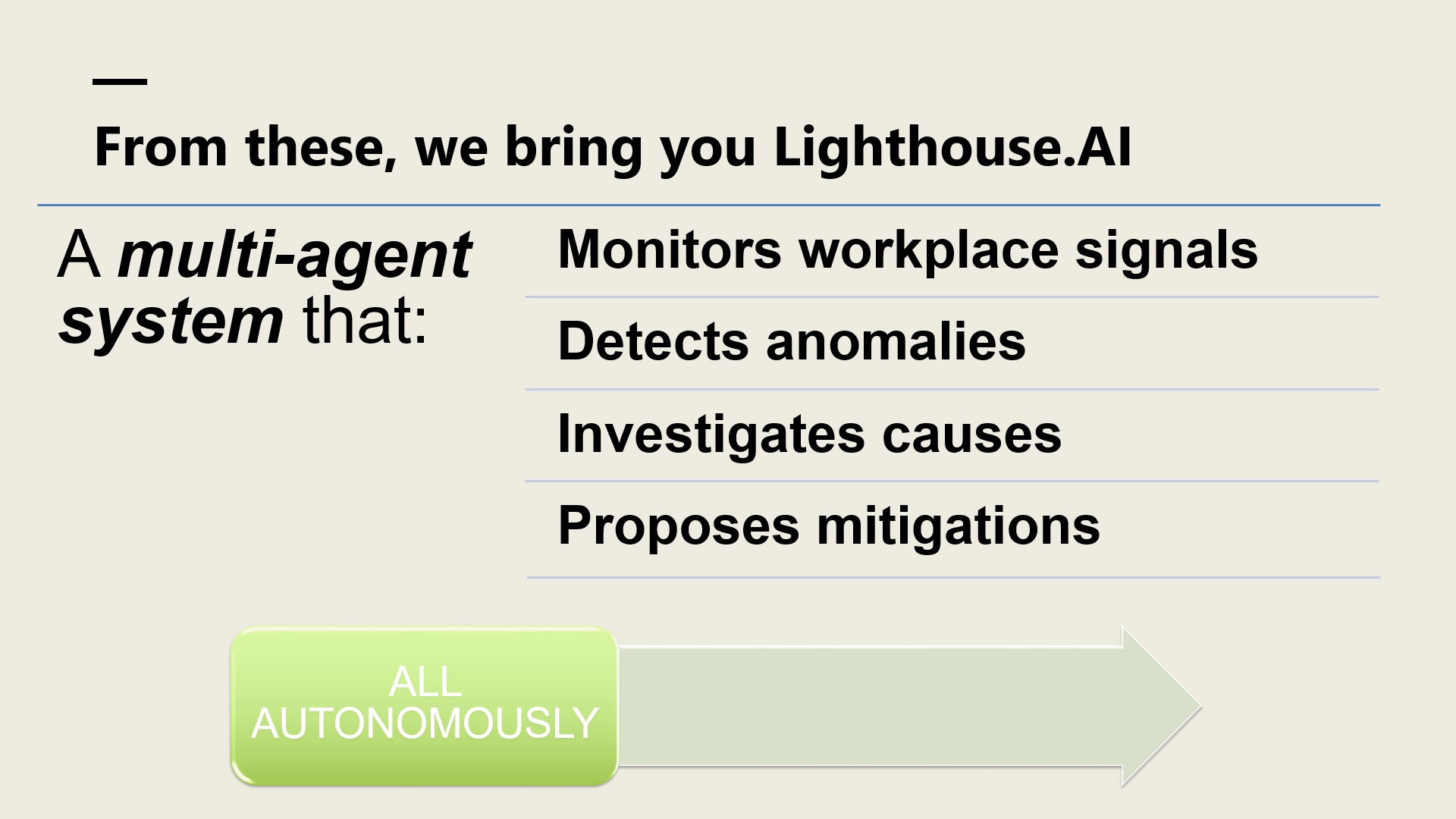
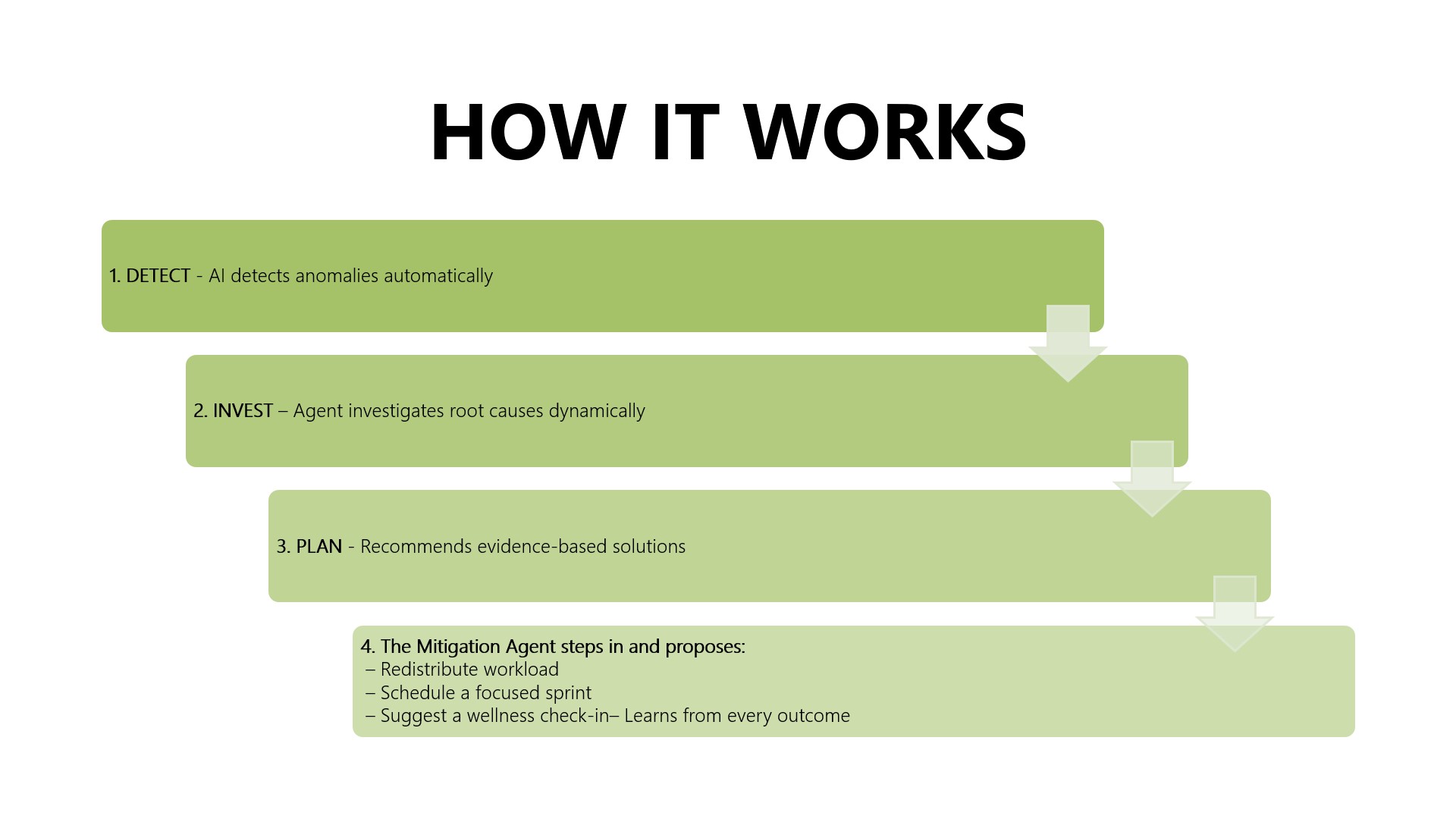
Autonomously detects anomalies, investigates root causes with a ReAct loop, proposes ROI‑ranked interventions, routes approvals, executes, and monitors outcomes—learning via RLHF. Uses z‑scores ( z = \frac{x - \mu}{\sigma} ) to flag significant deviations.
How we built it
- Agents in Python (
agents/) orchestrated byorchestration/demo_full_workflow.py - ReAct investigator with one‑tool‑per‑step loop and saved CoT JSON (
latest_investigation_cot.json) - Mock GitHub/Slack/Calendar tools for deterministic demos
- Supervisor for validation/approvals/execution; Outcome Monitor + RLHF
- FastAPI endpoint
/api/investigation/latest/cotfor the frontend
Challenges we ran into
- Tool‑call protocol mismatches causing API errors
- LLM compressing all reasoning into one step (fixed with loop + prompt rules)
- Reliable JSON parsing/serialization and import ergonomics
Accomplishments that we're proud of
- Transparent, multi‑step reasoning trace with evidence
- Clean API for CoT visualization
- Guardrailed supervisor flow and simulated outcome uplift
- Judge‑friendly README and structure
What we learned
- Strict interaction rules (one tool/step, explicit CONCLUDE) boost agentic quality
- Referencing prior observations makes CoT auditable and useful
- Even lightweight RLHF compounds value org‑by‑org
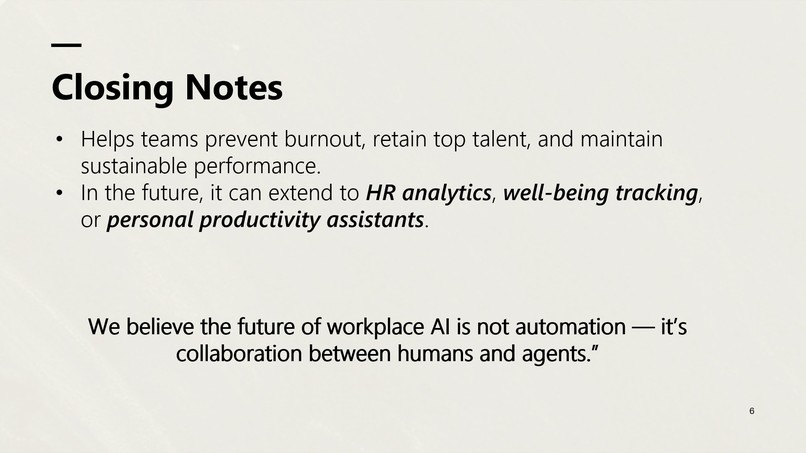
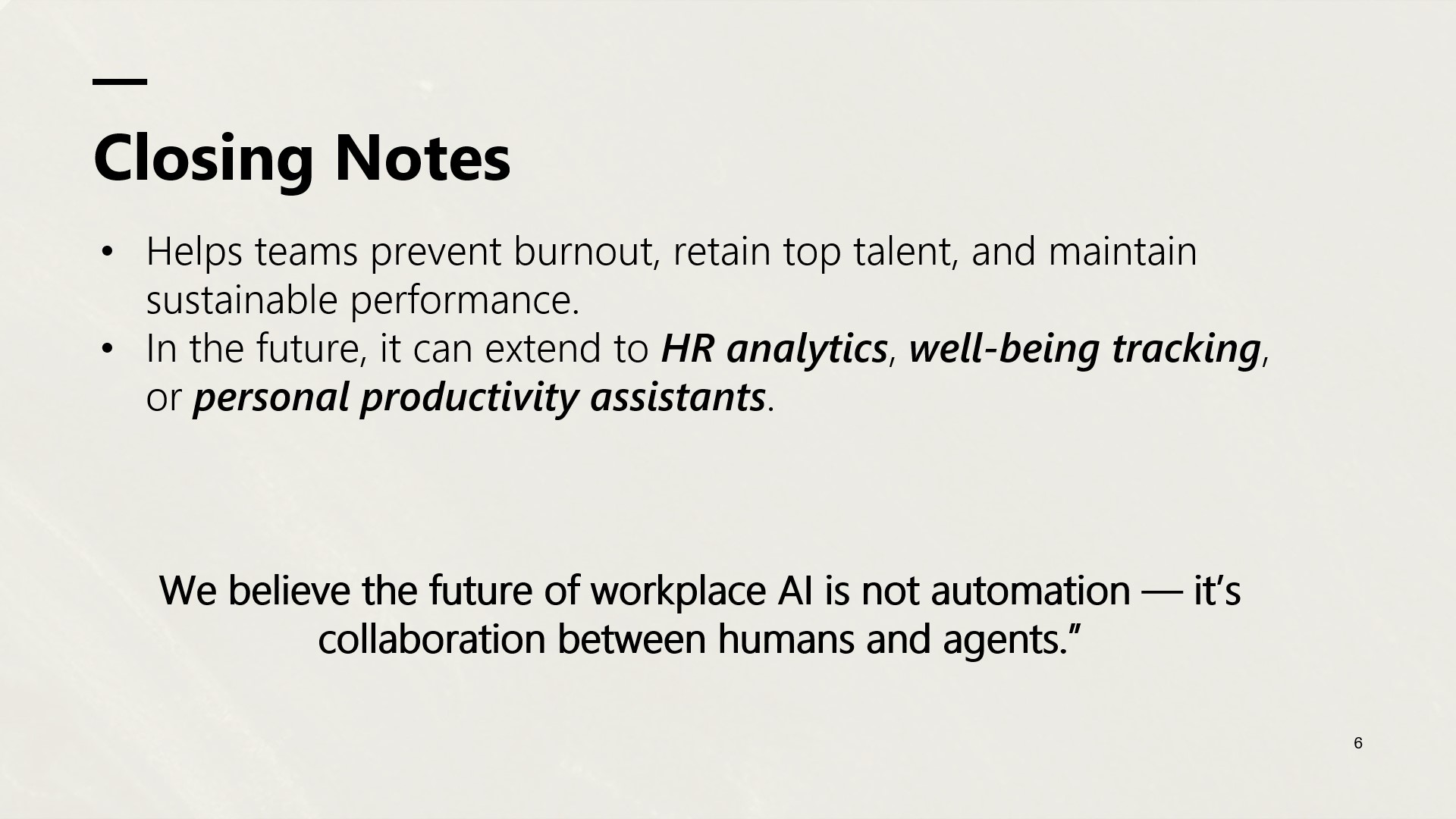
What's next for lighthouse.ai
- Real GitHub/Slack/Jira/Calendar connectors
- Investigation tree UI + Slack copilot
- Org‑specific RLHF store and vector retrieval
- Predictive anomalies, cross‑team analytics, and deploy hardening

Log in or sign up for Devpost to join the conversation.