-
-

Logo
-
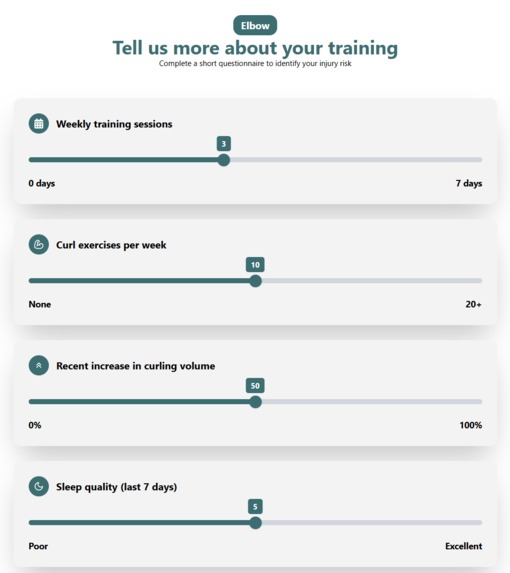
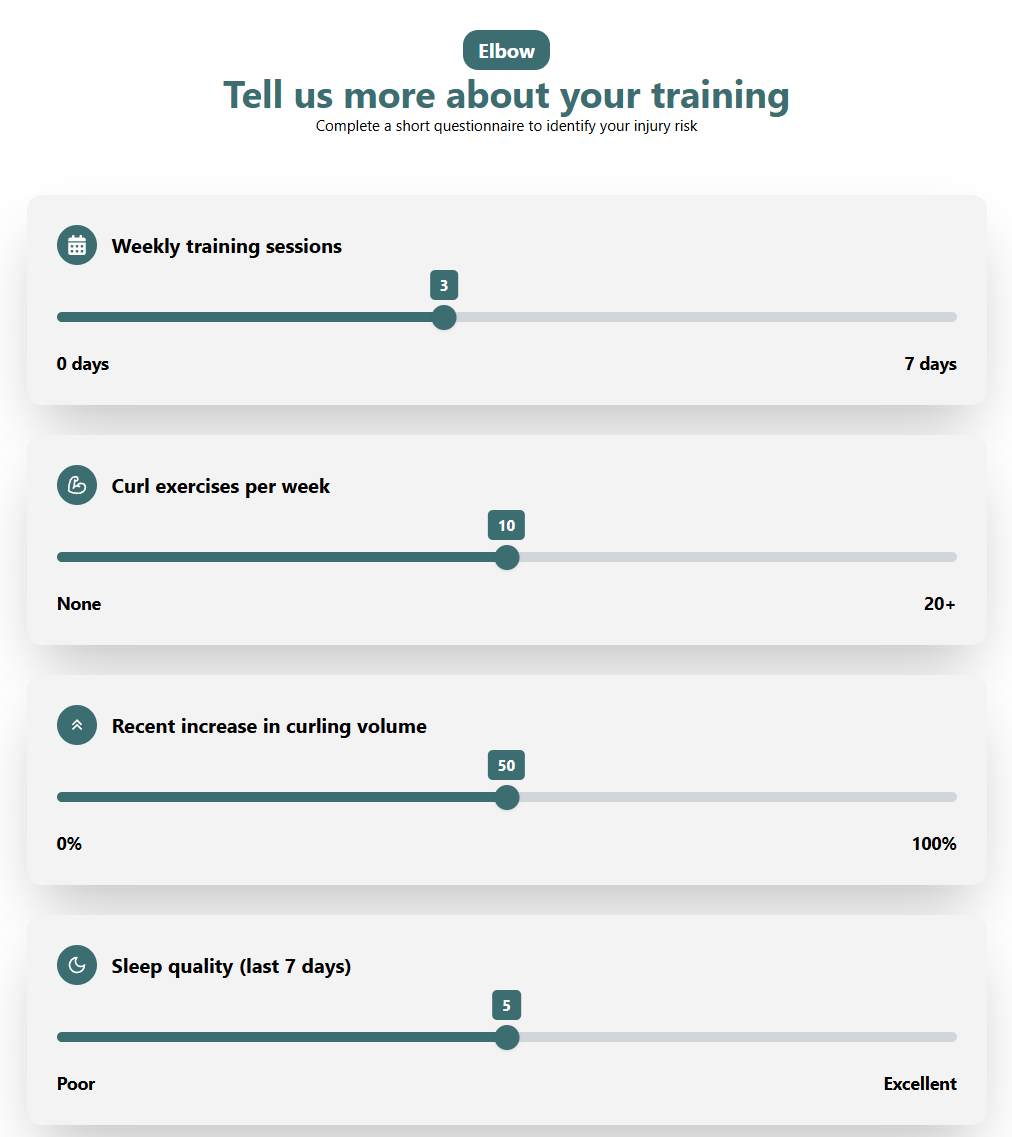
question page
-
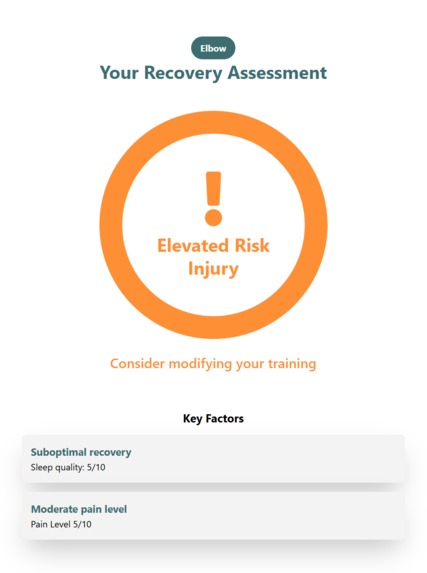
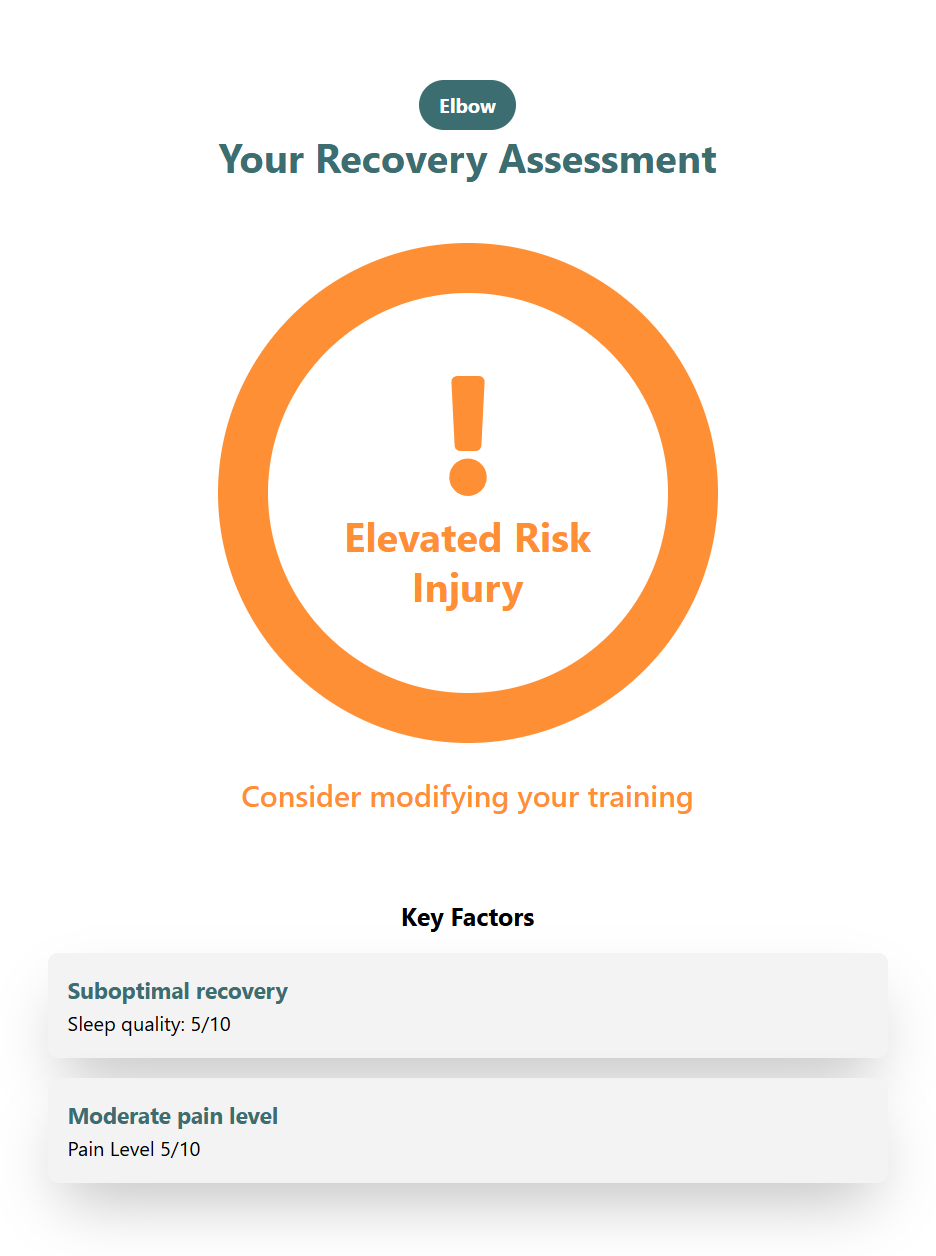
results page
-
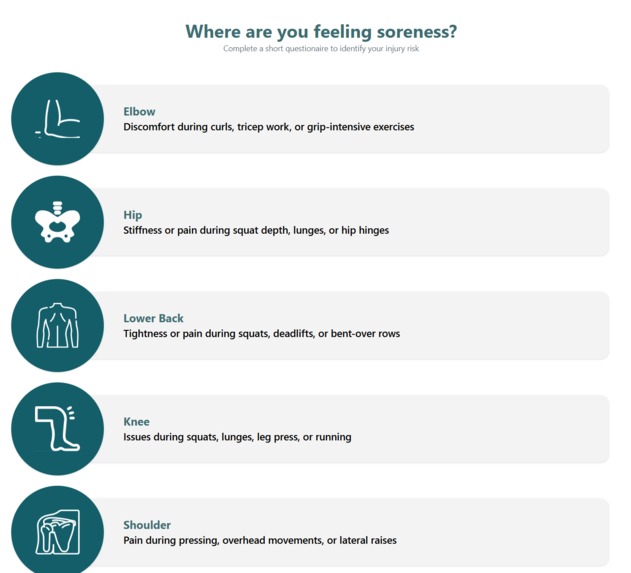
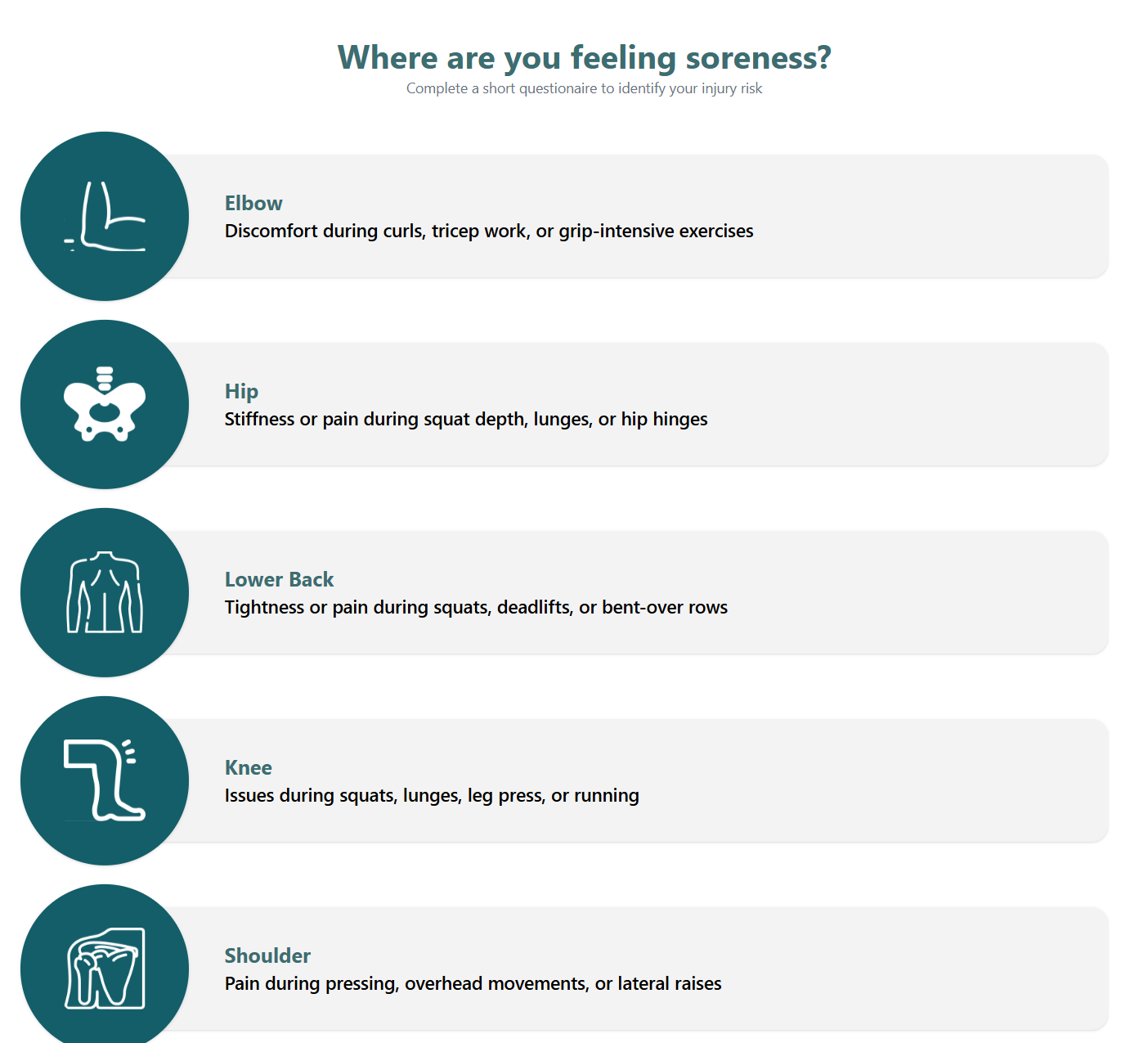
pain-selection page
-
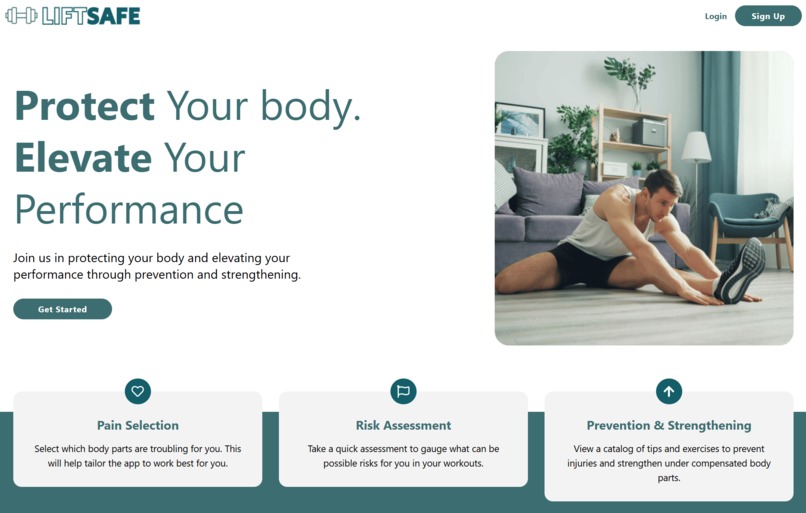
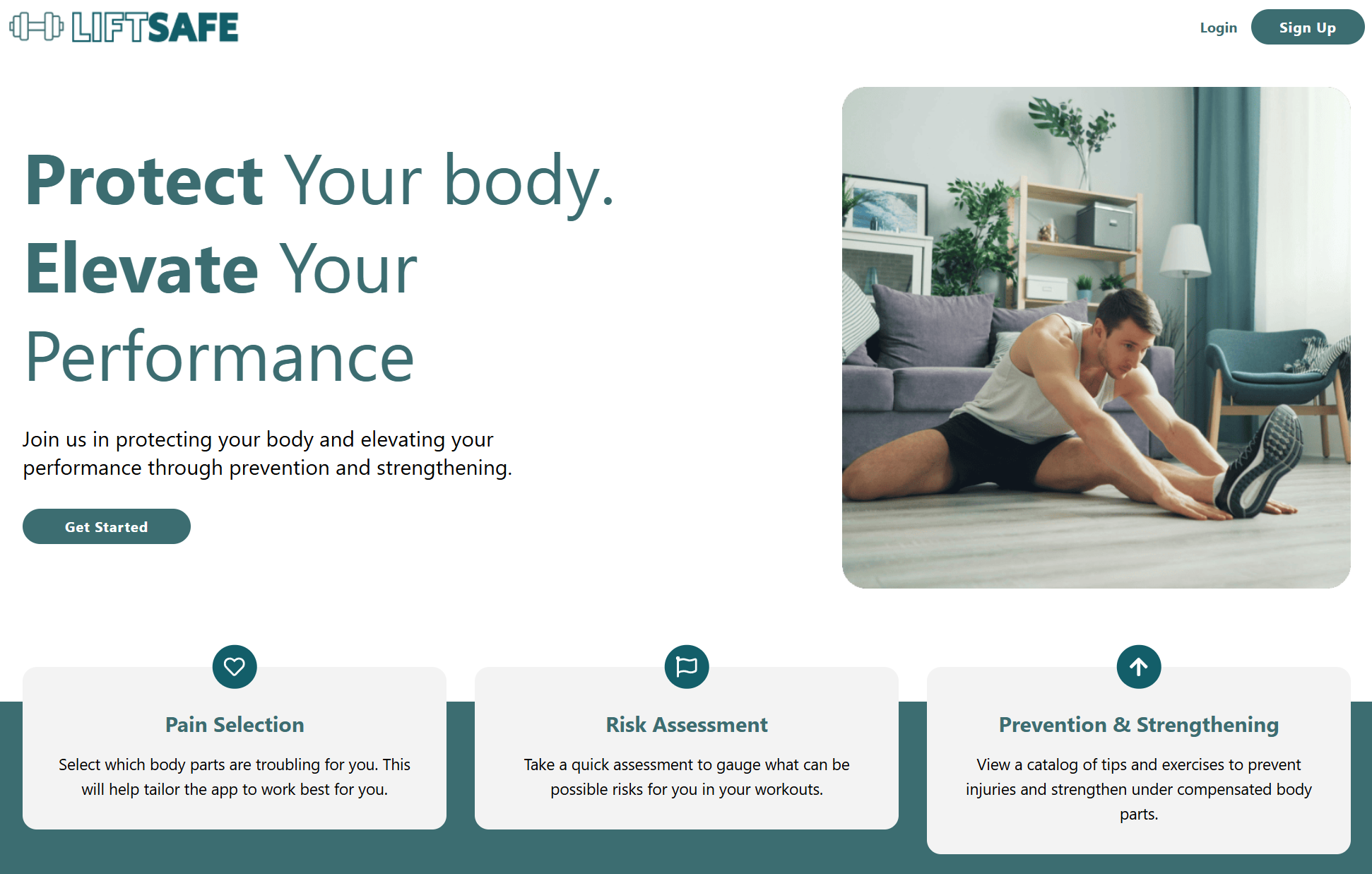
Landing Page

Inspiration
LifeSafe was inspired by a common issue among gym-goers: training through pain without understanding injury risk. Many people assume discomfort is normal, which often leads to overuse injuries that could have been prevented with better awareness around recovery, sleep, and training load.
Most fitness apps focus on performance metrics, but few help users recognize early warning signs. LifeSafe was created to fill that gap by encouraging smarter training decisions before injuries happen.
What It Does
LifeSafe is a web-based injury risk assessment tool for gym-goers. Users select the body area experiencing discomfort and answer a short set of questions about sleep quality, pain level, training frequency, and recent volume changes.
The app calculates a transparent risk score, highlights the key factors contributing to that risk, and delivers targeted prevention and recovery recommendations based on the selected body area.
How We Built It
LifeSafe was built as a lightweight web application using a component-based frontend with a focus on clarity and speed. User inputs are collected through sliders and simple interactions to reduce friction.
A rule-based scoring algorithm processes inputs in real time and generates both a risk level and explainable key factors. Recommendations are dynamically matched to the selected pain area, ensuring results feel personalized without relying on black-box AI.
Challenges We Ran Into
One of the biggest challenges was balancing simplicity with usefulness. The app needed to stay approachable while still providing meaningful insights.
Another challenge was designing a risk algorithm that felt intuitive and explainable without making medical claims. Data relationships also had to stay flexible as new pain areas and recommendations were added.
Accomplishments That We're Proud Of
- Built a fully working injury risk assessment from scratch
- Created an explainable, transparent scoring system
- Designed a mobile-friendly experience optimized for gym use
- Delivered personalized recommendations without overcomplicating the UX
What We Learned
We learned that clarity matters more than complexity, especially in health-adjacent tools. Simple logic paired with good UX can be more effective than advanced models users do not understand.
We also gained experience designing systems that scale logically, where data relationships and rules remain manageable as features grow.
What's Next for LifeSafe
Future plans include progress tracking over time, expanded pain areas, and smarter recommendations based on historical patterns. We also want to explore integrations with wearables to automate inputs like sleep and training frequency while keeping the experience lightweight and user-focused.
Built With
- consistent-styling-and-mobile-first-design-supabase-for-database-management-and-real-time-data-access-radix-ui-for-accessible
- lucide
- radix-ui
- react
- react-icons
- responsive-frontend-tailwind-css-for-fast
- supabase
- tailwind

Log in or sign up for Devpost to join the conversation.