Inspiration
Seeing as reduction of carbon footprint is the new fascination and necessity, we chose to take sustenance of aviation as our topic. Companies like Apple are claiming to go Carbon Neutral by 2030, so it only feels fair that the aviation industry strives to go carbon neutral at some point. Thus we landed upon sustainable energy sources for general aviation aircraft, because although aviation is always under scrutiny, GA is something people neglect, even though every pilot in the US spends at least 250 hours on a GA aircraft (FAA requirement). So we decided to start small and hit big.
What it does
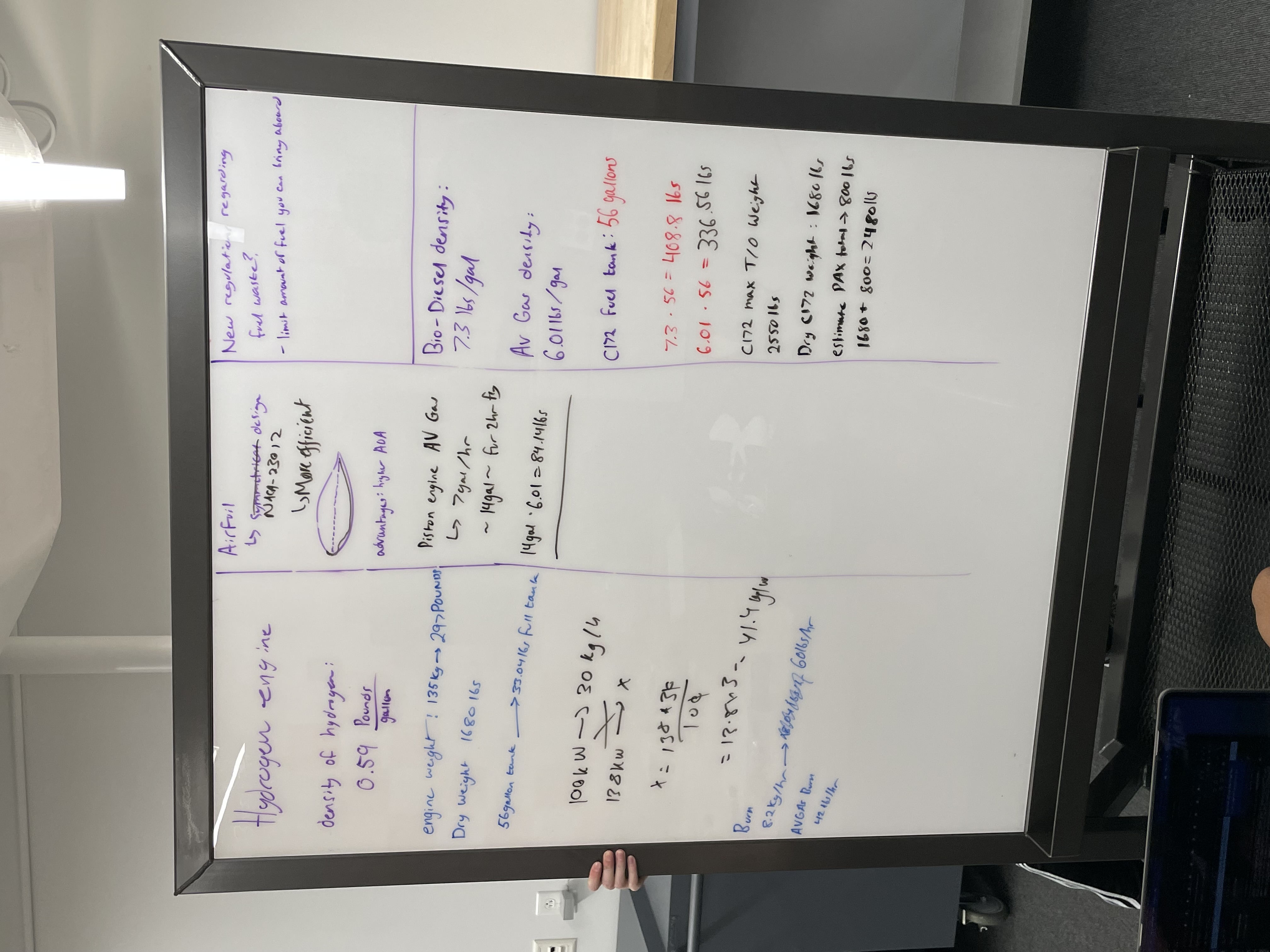
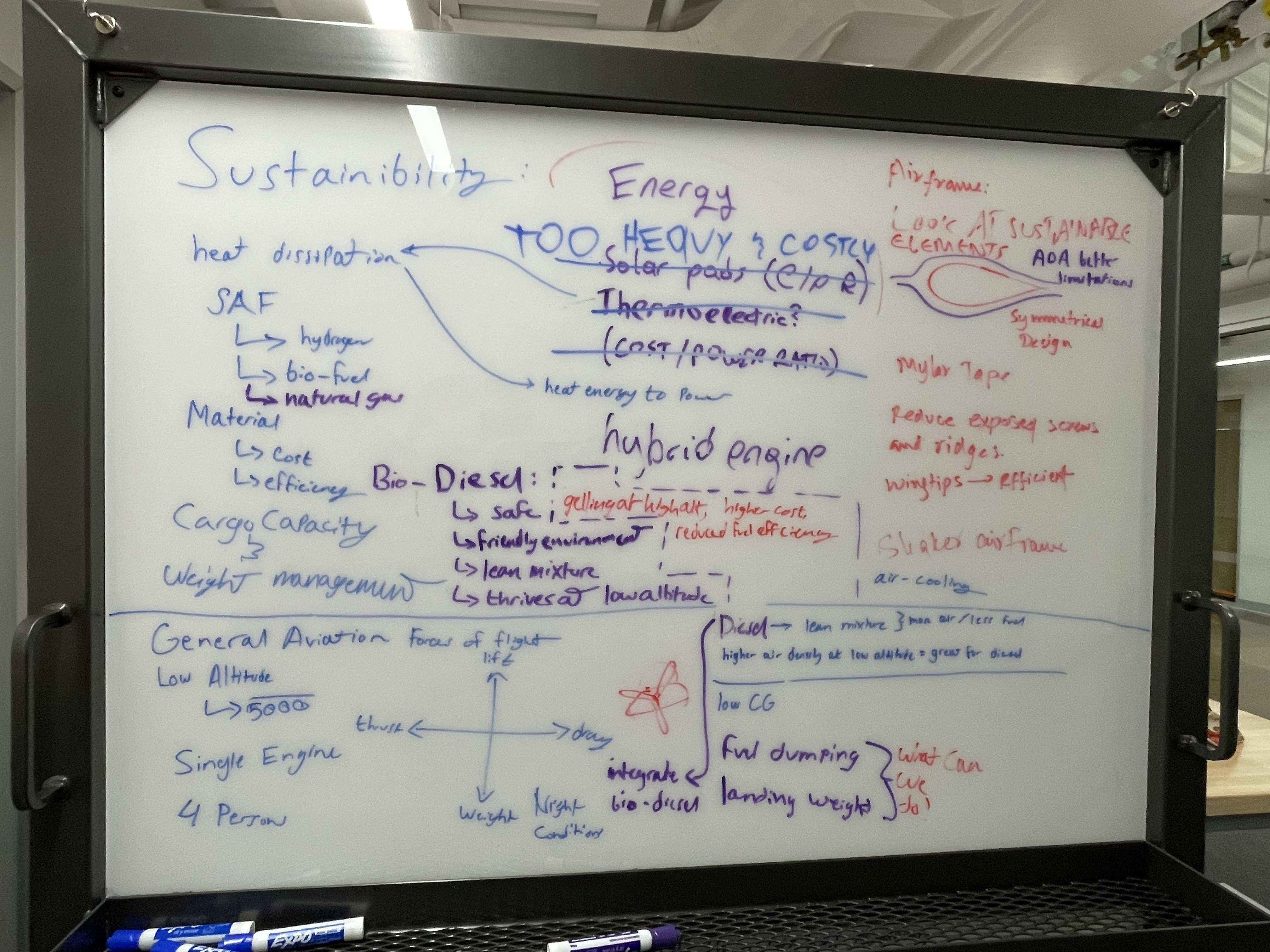
Our project was a purely theoretical exploration of the reasons to implement hydrogen as a fuel source in GA planes and also at the same time discuss ways to make airplanes more efficient. We looked at reducing drag and how bleeding energy unnecessarily makes these airframes that haven't changed in half a century, so inefficient. With a few simple tweaks we can greatly improve their carbon footprint and take steps to a Carbon Neutral aviation industry.
How we built it
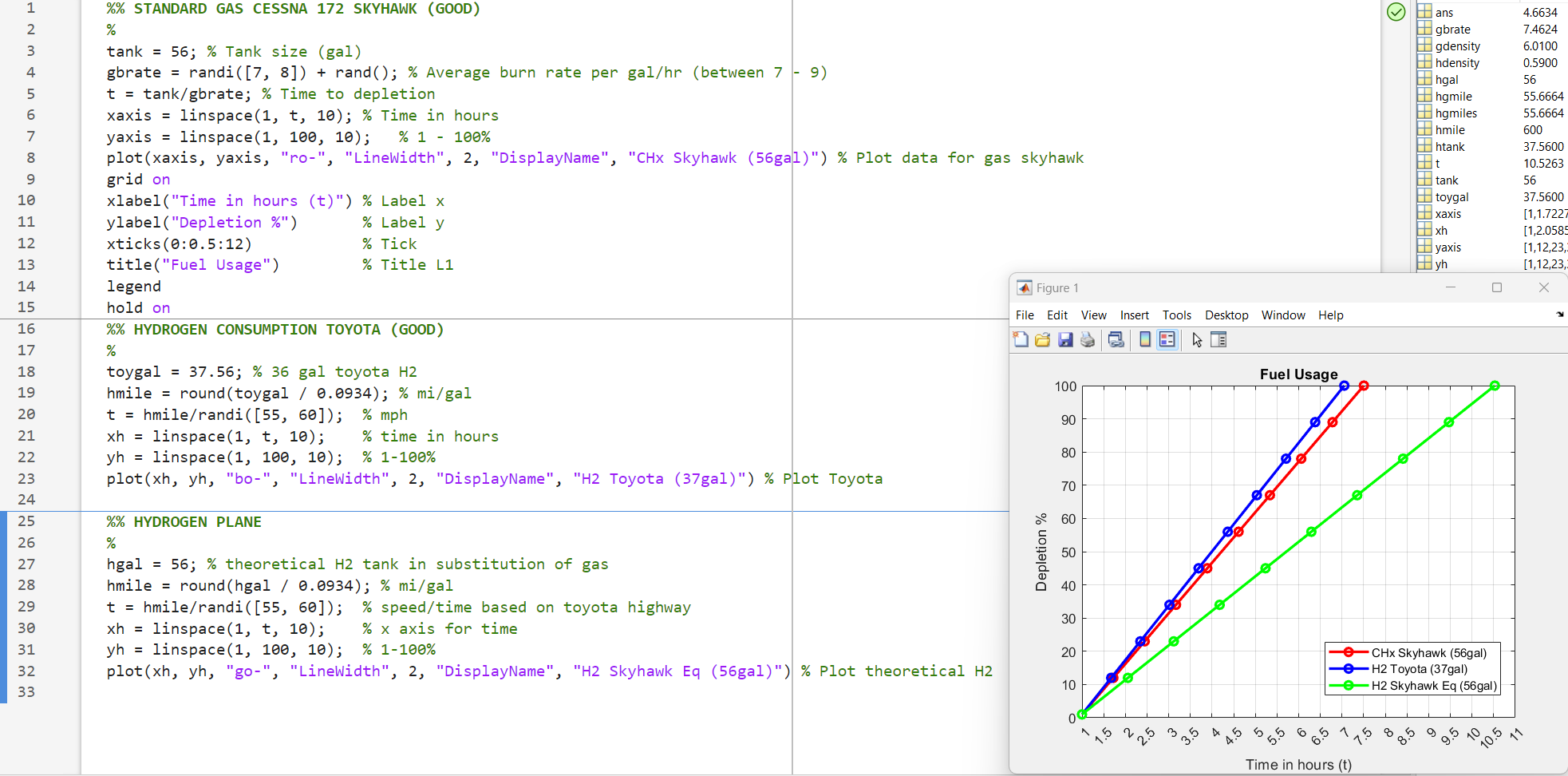
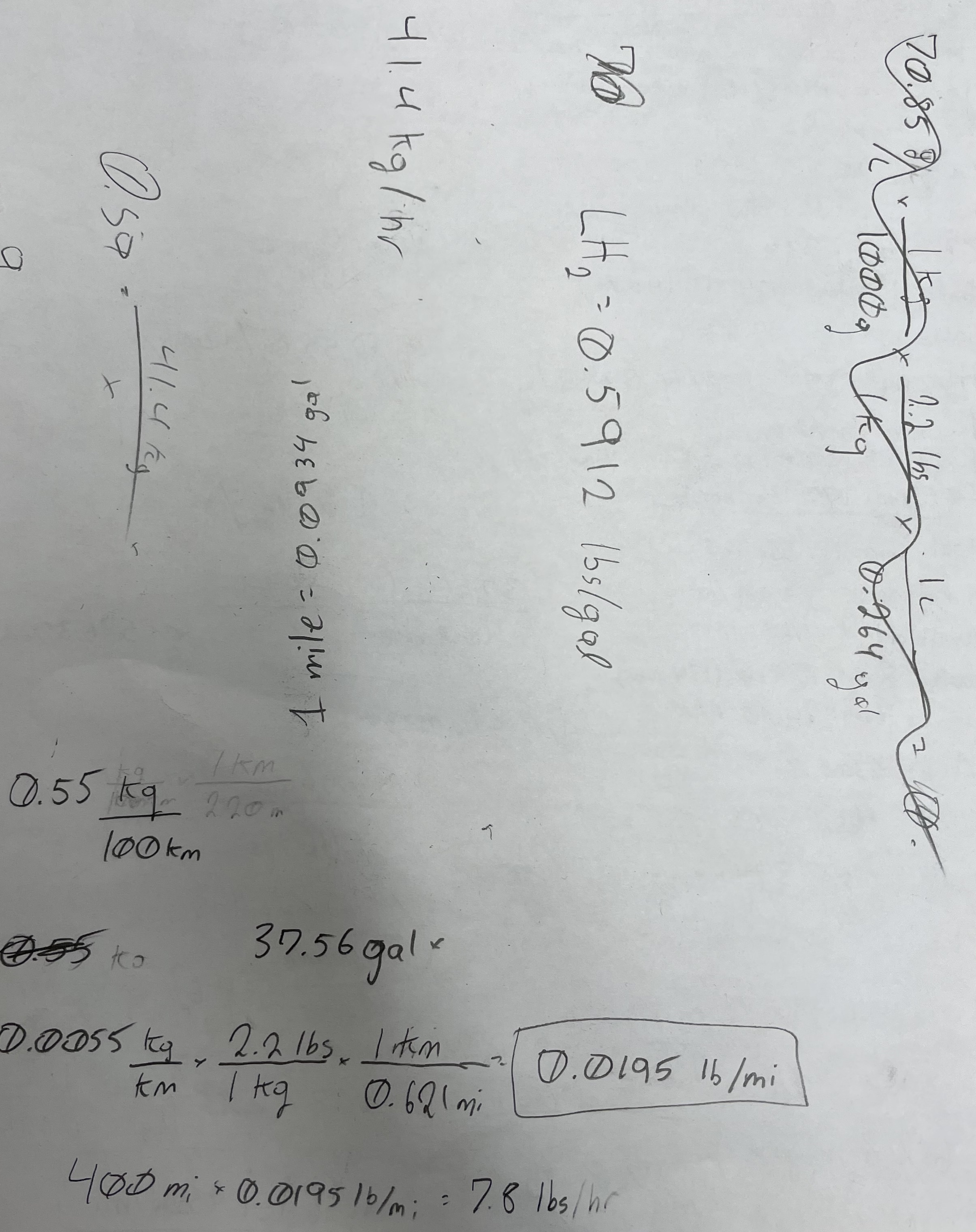
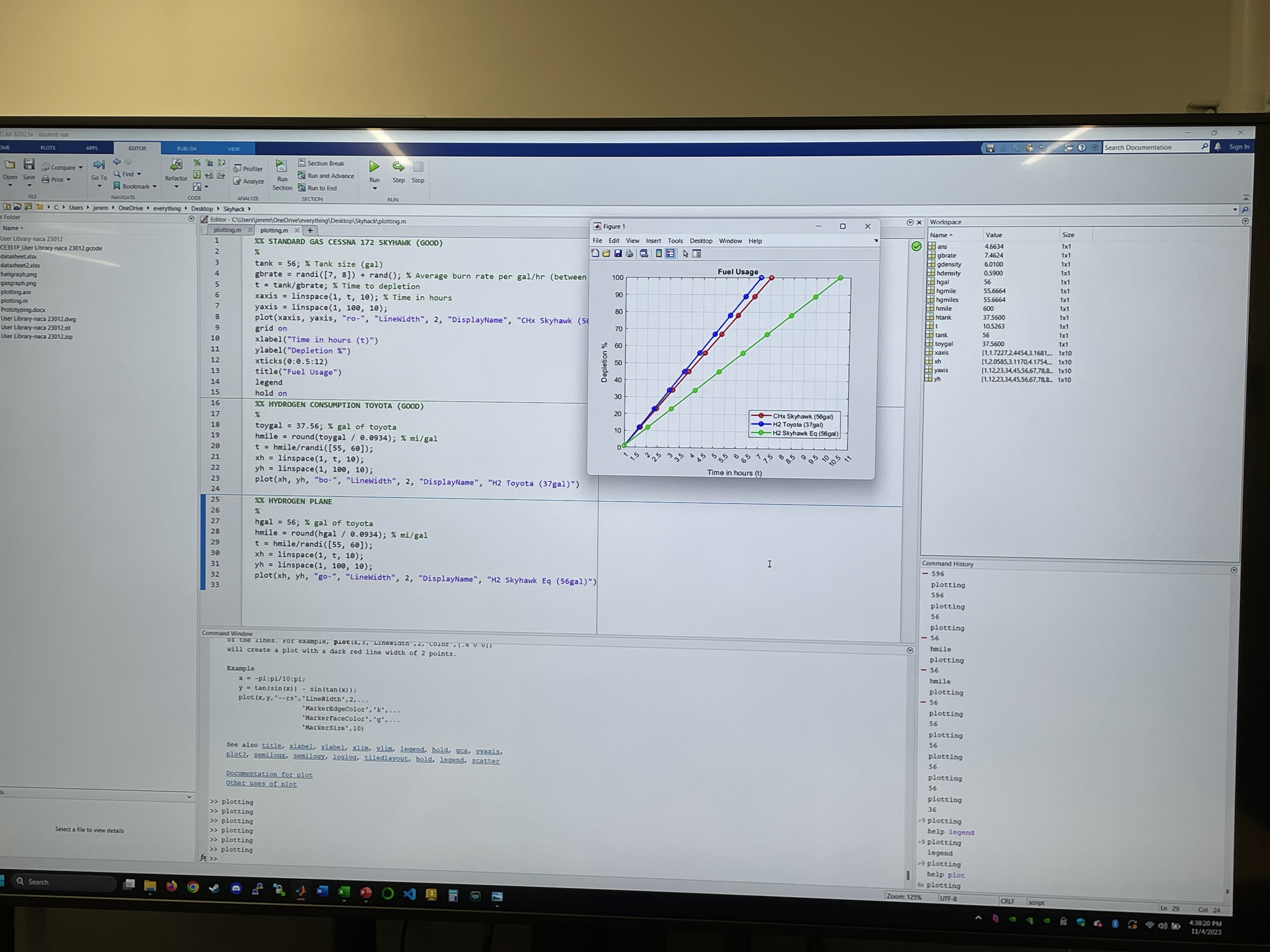
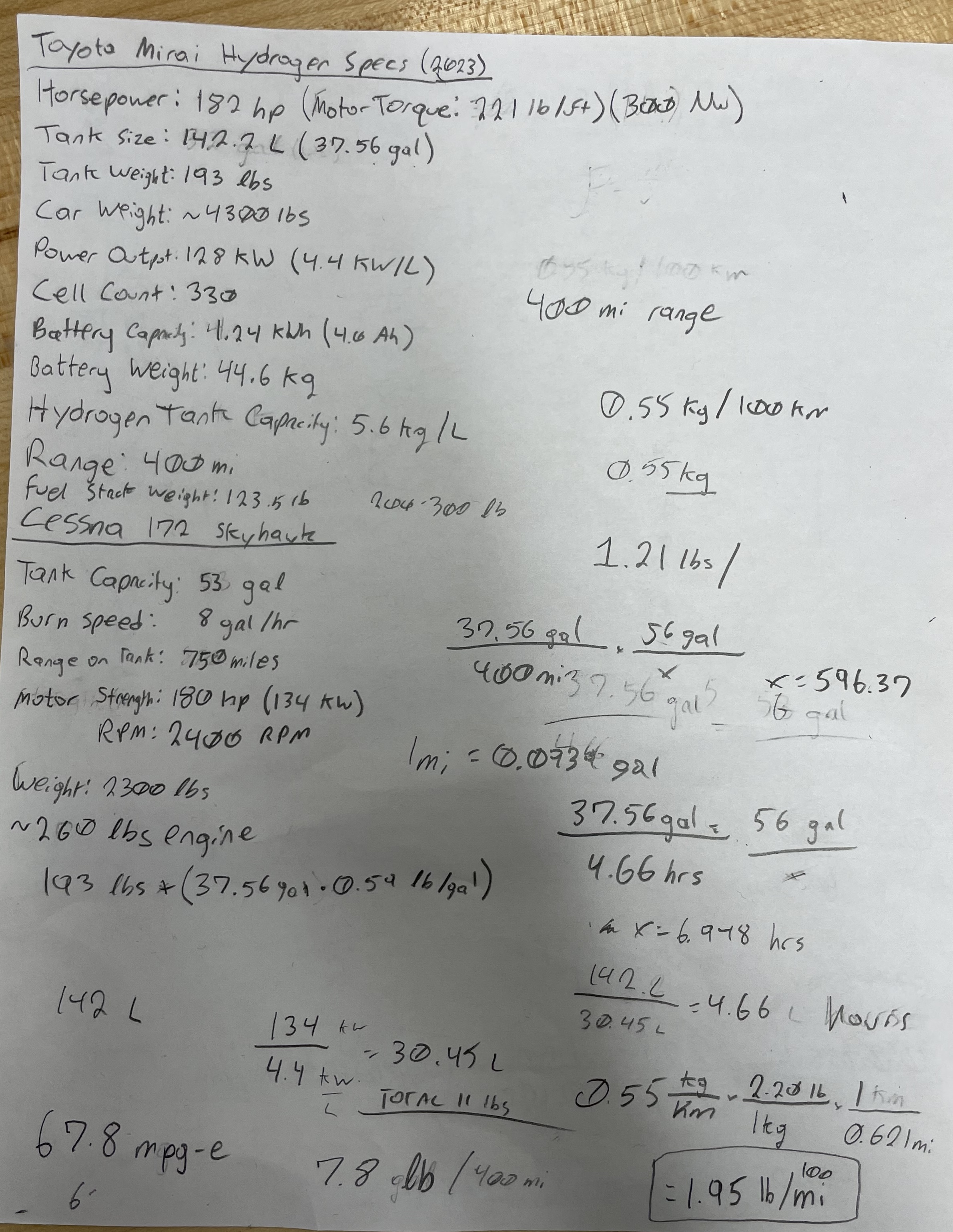
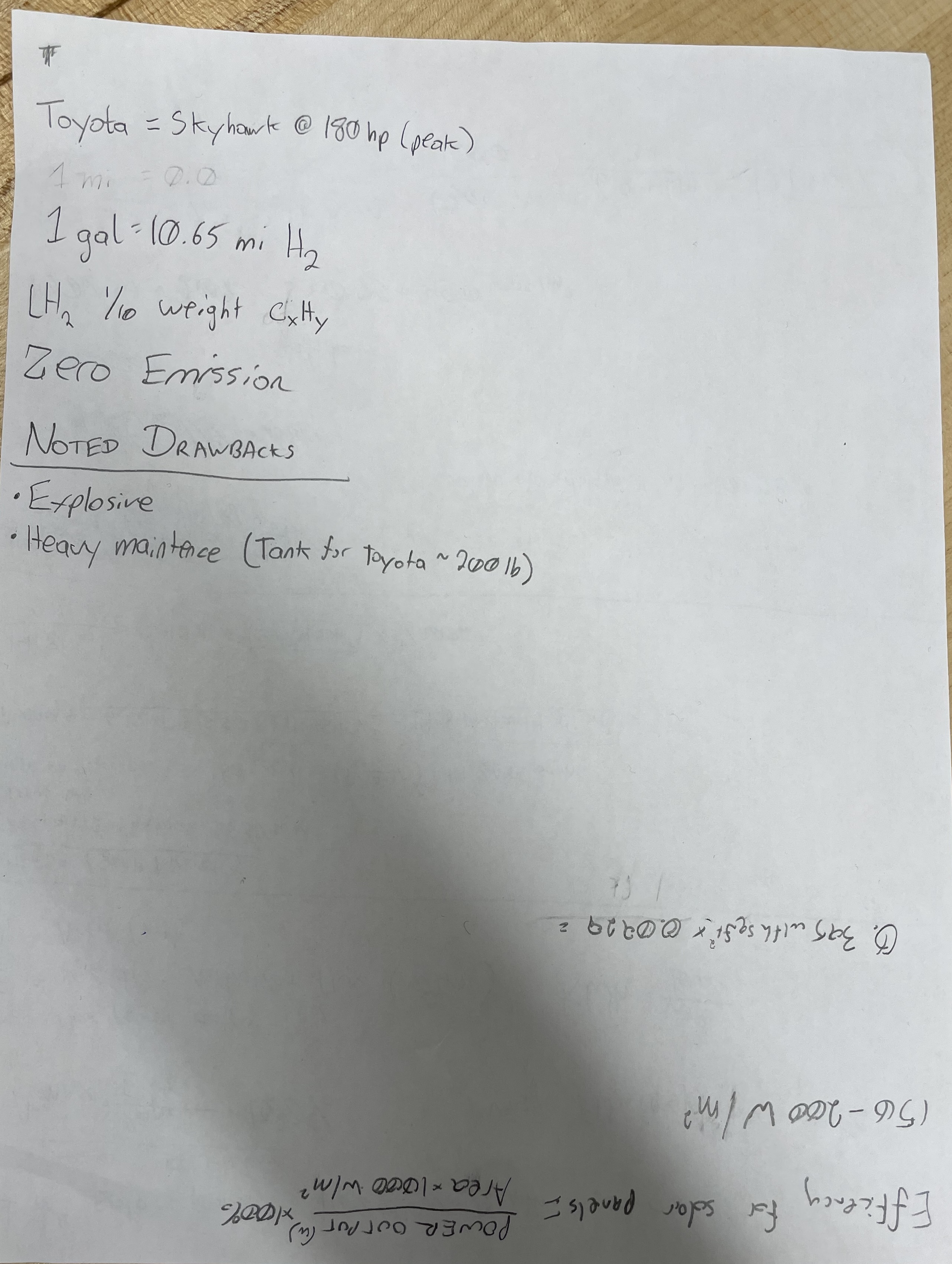
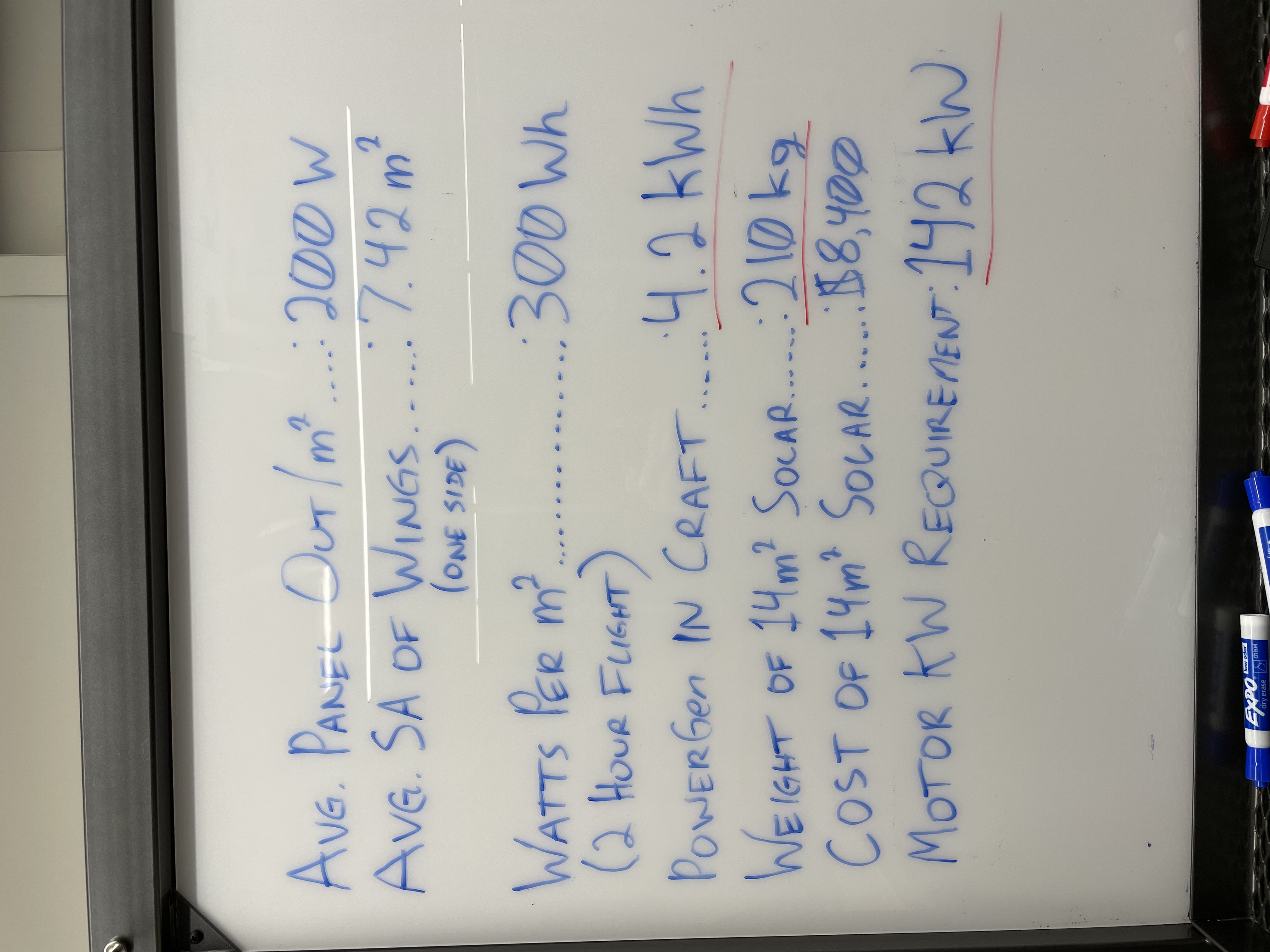
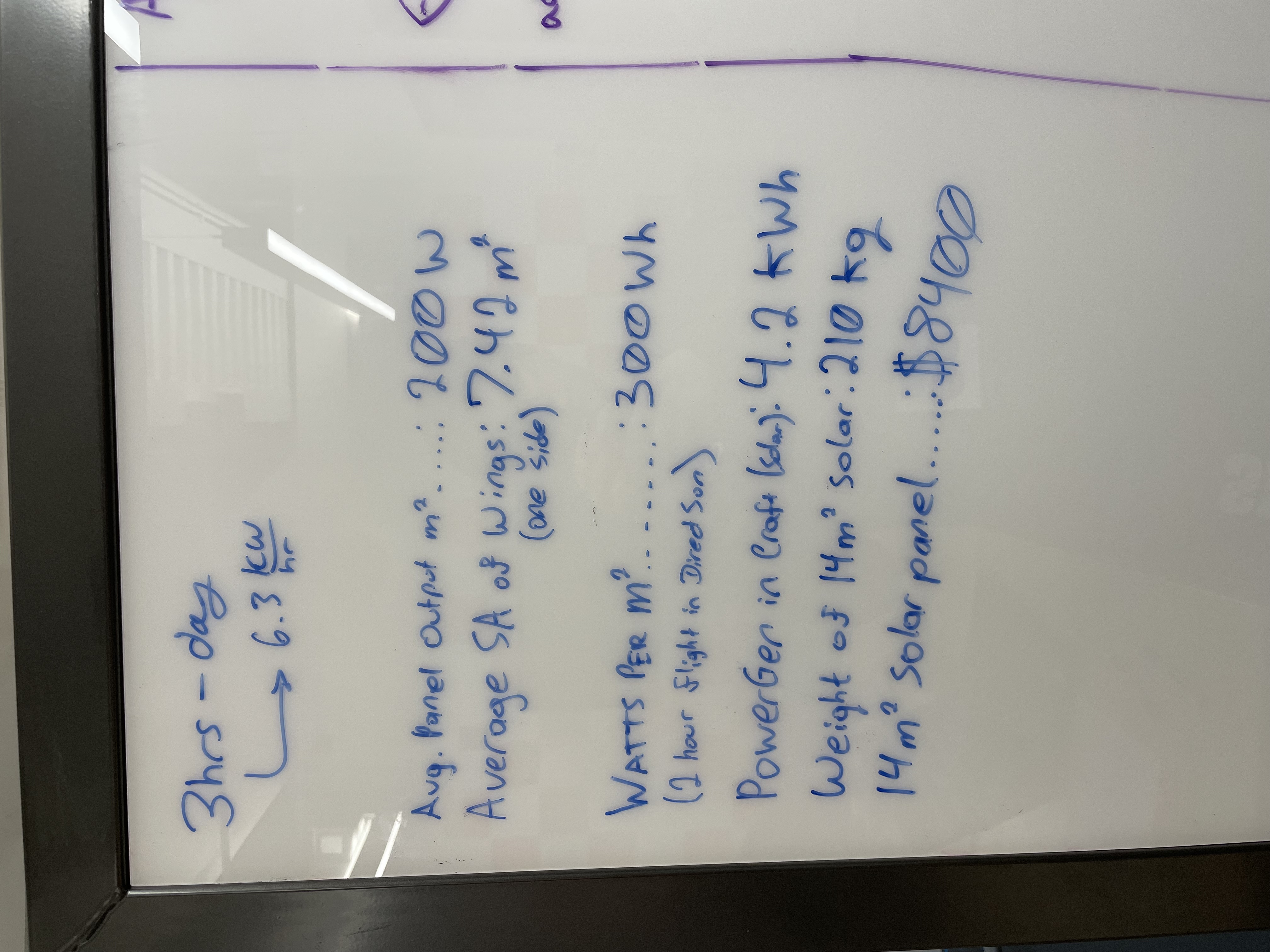
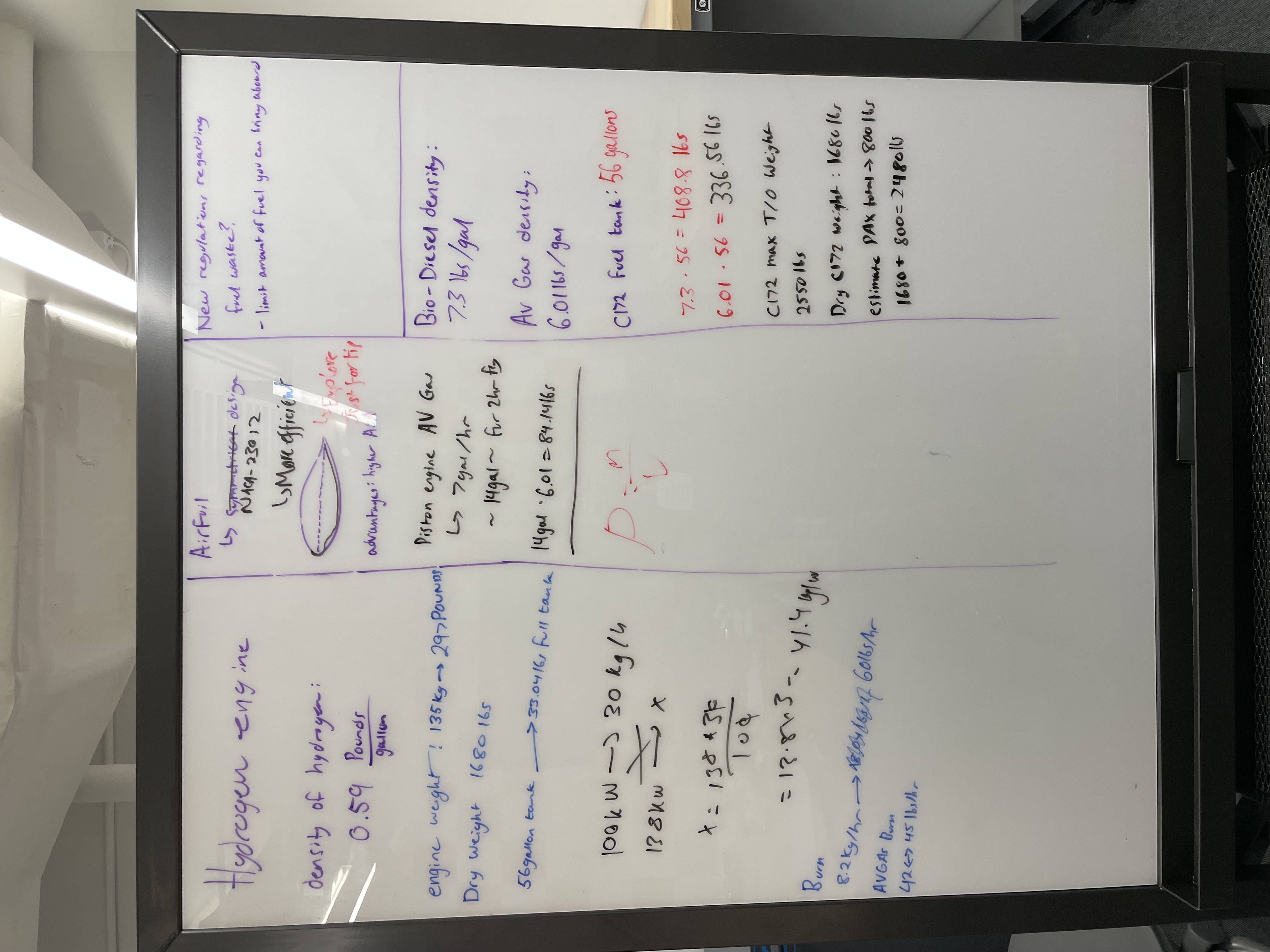
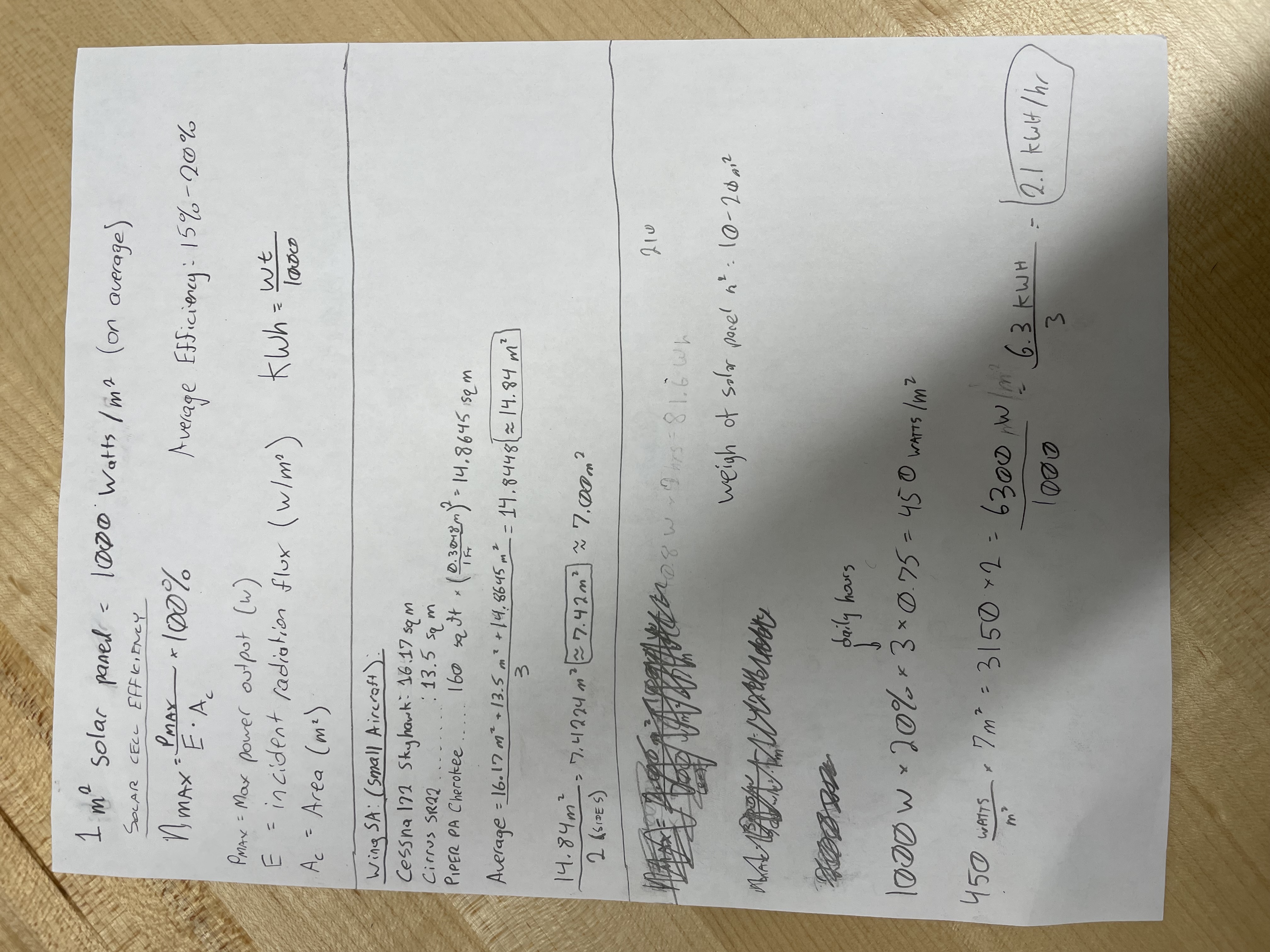
We spent most of our time calculating the odds and crunching numbers to see how hydrogen would work as an aviation fuel source. Initially we thought it would be easy to just use AI, but that is and always has been unreliable. So we set out to get our own values and make some real world comparisons to estimate how or even if hydrogen engines are viable. We ended up with a solution that we think is plausible and can be built upon to break into the sector early.
Challenges we ran into
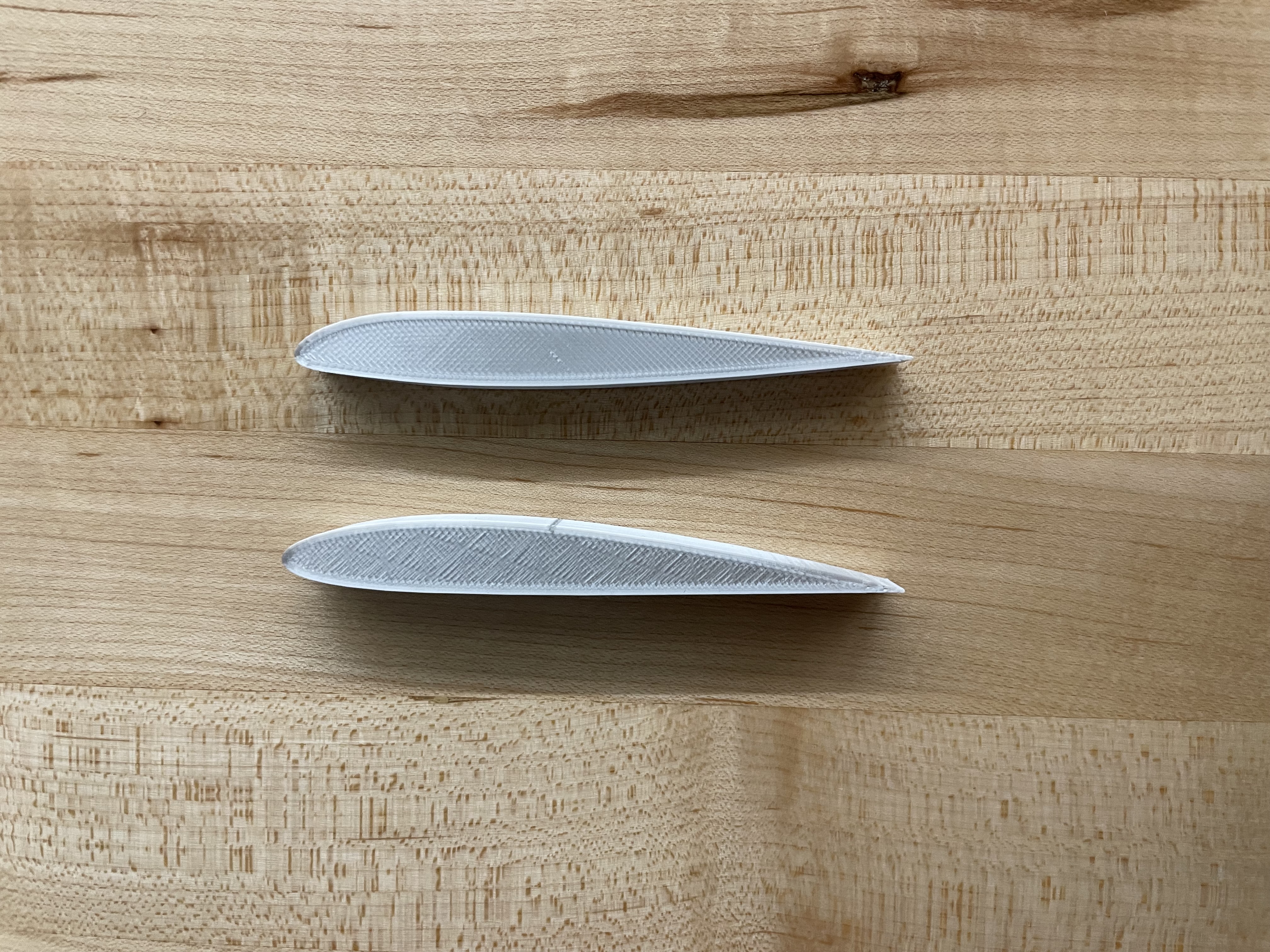
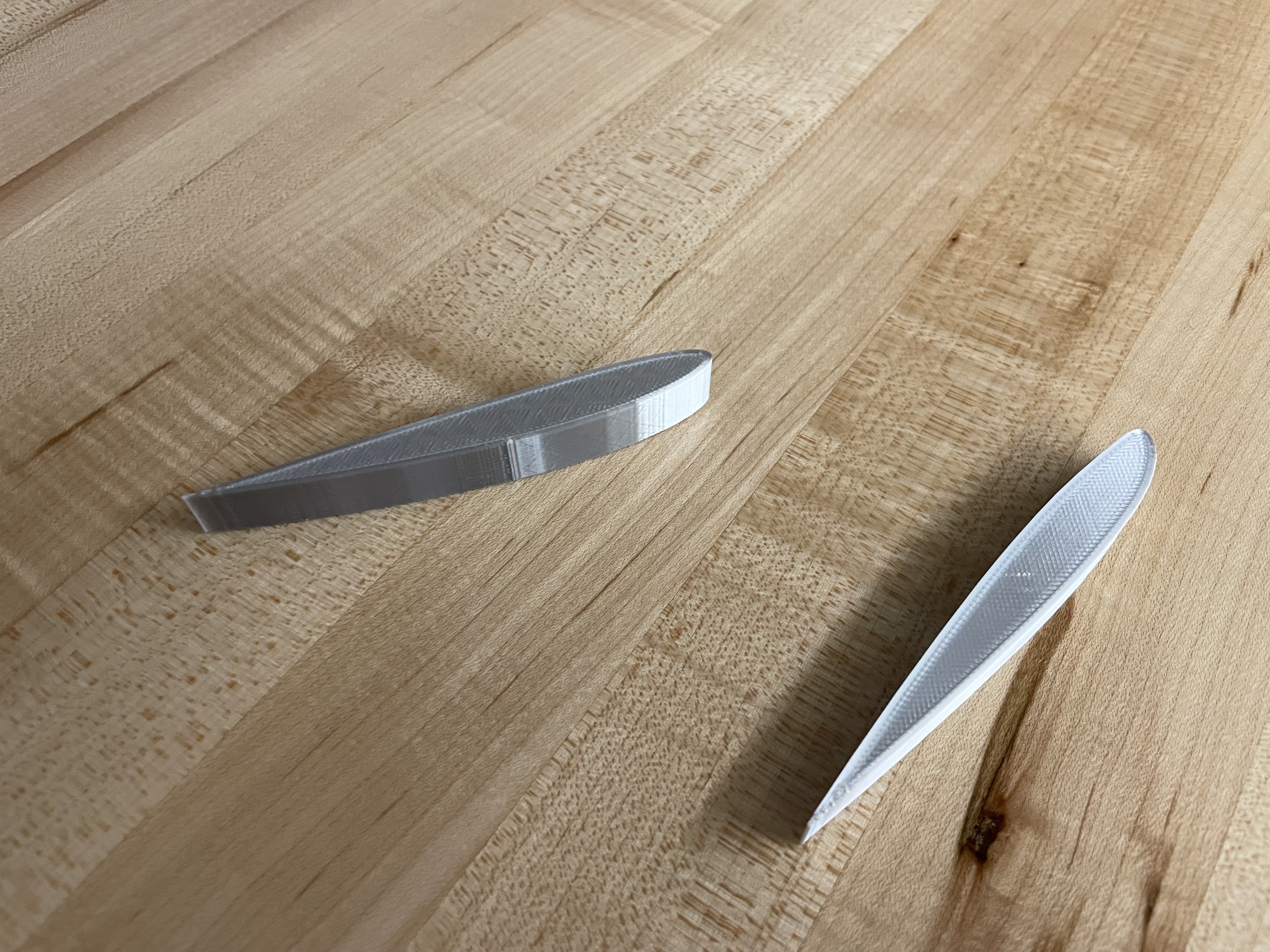
We didn't have a lot of references since hydrogen engines in airplanes is still a fairly young subject and not researched much. Much of our data was based on a Toyota hydrogen fuel cell with similar power outputs to a Cessna engine since that's the closest thing to the real engine that we had. So the math was complicated and there's a lot of variables. But most of it was fruitful and we learnt a lot. 3D printing was not easy either. It did warp a lot since we didn't use the optimum temperature settings and they are quiet finicky. But we managed to get what we needed at the end.
Accomplishments that we're proud of
The math of course. It was a lot of work. As freshman we felt like this was a really in depth contribution to the industry that we have managed, especially since we don't know too much about the subject so everything we put in was sheer brute force.
What we learned
We learnt a lot about solar and hydrogen sectors of energy generation. We also learnt how to 3D print a little better since we've all only ever used rugged, cheap printers. We also learnt a lot about air foils and drag reduction while also exploring thermoelectric generation of energy, although that idea was scrapped early due to several red flags.
What's next for LiFly
Build off of this initial research and actually work on implementing these ideas into a real Cessna 172 design. We would like to run wind tunnel tests with all our improvements on the airframe design to see how much more efficient we can get. Especially because every small improvement has massive impacts on performance. It would also be nice to come up with a model of the actual plane with all these improvements just to see if our efforts are worth it.
Built With
- inventor
- matlab
- powerpoint
- word


Log in or sign up for Devpost to join the conversation.